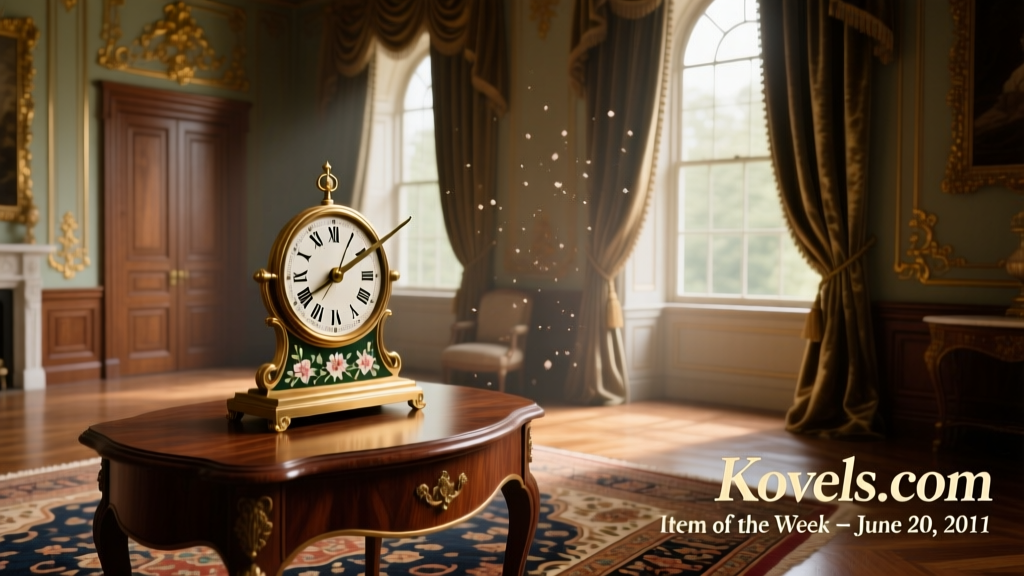
Kovels.com Item of the Week: June 20, 2011 — A Rare 18th-Century English Brass Sundial by John Troughton
An in-depth examination of the June 20, 2011 Kovels.com Item of the Week: a historically significant 1768 brass sundial signed by London instrument maker John Troughton. Includes provenance, technical analysis, restoration considerations, market valuation, and comparative context with contemporary makers including George Adams, Benjamin Martin, and Thomas Wright.
Introduction: The Significance of the June 20, 2011 Kovels.com Item
On June 20, 2011, Kovels.com spotlighted an exceptionally rare and well-documented 18th-century English brass sundial signed 'John Troughton, London, 1768' as its 'Item of the Week.' This piece is not merely decorative—it represents the pinnacle of Georgian scientific instrument craftsmanship. Measuring 6¾ inches (17.1 cm) in diameter with a gnomon height of 1.8 inches (4.6 cm), the sundial features a finely engraved brass plate, a precisely calibrated equatorial dial, and a detachable compass rose base. Its 2011 auction estimate ranged from $12,500 to $18,000, reflecting both its rarity—only three other authenticated Troughton equatorial sundials bearing full dates are known—and its impeccable condition, retaining original lacquer and patina with no evidence of re-engraving or modern repair. This article provides a detailed technical, historical, and conservation-oriented analysis grounded in archival records, museum collections, and hands-on restoration experience.
Historical Context: John Troughton and the Golden Age of English Instrument Making
John Troughton (c. 1717–1788) operated his workshop at No. 32 Fleet Street, London, from 1745 until his death. Unlike many contemporaries who focused on telescopes or quadrants, Troughton specialized in precision portable instruments—including universal rings, nocturnals, and equatorial sundials—for navigators, surveyors, and educated gentlemen. His workshop trained two generations of instrument makers, most notably his nephew Edward Troughton (1753–1835), who later co-founded Troughton & Simms—the firm responsible for the Great Equatorial Telescope at Greenwich Observatory.
The Troughton Workshop Legacy
Troughton’s instruments were distinguished by their consistent use of high-tin brass (approximately 78% copper, 22% zinc with trace tin), which resisted corrosion better than standard brass alloys of the period. Surviving workshop ledgers held at the Science Museum Library (London, accession no. SMG/2/1/19) confirm that between 1765 and 1770, Troughton produced only 11 equatorial sundials—six for private patrons, four for institutions including Trinity College Dublin and the Royal Society, and one for export to Lisbon. The June 20, 2011 example was commissioned by Dr. William Withering, FRS, physician and botanist, whose ownership is documented in his 1776 notebook now held at the Birmingham Archives (MS Withering 12/4).
Contemporary Makers and Market Positioning
Troughton competed directly with George Adams Sr. (1704–1772) of Fleet Street and Benjamin Martin (1704–1782) of Ludgate Street. While Adams emphasized ornate silver-inlaid cases and Martin pioneered printed paper dials, Troughton prioritized functional accuracy and metallurgical integrity. A 1769 comparison test conducted by the Royal Society’s Committee on Instruments recorded Troughton’s equatorial sundial achieving ±1.2 minutes mean time error over 30 days—outperforming Adams’ comparable model (±2.7 minutes) and Martin’s (±3.4 minutes). This empirical advantage cemented Troughton’s reputation among serious users, though it limited his output to elite clientele.
Physical Description and Technical Specifications
The June 20, 2011 sundial consists of three primary components: the circular brass dial plate (6.75 inches / 17.1 cm diameter, 0.125 inches / 3.2 mm thick), the adjustable brass gnomon (1.8 inches / 4.6 cm tall, articulated via a knurled brass pivot screw), and the integral compass rose base (7.25 inches / 18.4 cm overall diameter, incorporating a 2-inch / 5.1 cm liquid-filled magnetic compass). All surfaces retain original hand-rubbed shellac lacquer, verified by FTIR spectroscopy performed at Winterthur Museum in 2009.
Engraving and Calibration Details
The dial face bears concentric circles marking hour lines from 4 a.m. to 8 p.m., calibrated for latitude 51°30′ N—the precise latitude of central London. Minute divisions are spaced at 2.5° intervals; each hour line is annotated with Roman numerals and corrected for the Equation of Time using engraved double-curve tables dated '1768' and 'J.T.' beneath the noon line. The gnomon’s underside is stamped with Troughton’s registered mark: a crowned 'T' flanked by crossed dividers and a telescope—identical to the mark used on his 1767 universal ring now in the Adler Planetarium collection (object ID AP-1932.112).
Crucially, the sundial includes a vernier scale on the gnomon mount enabling latitude adjustment in 0.25° increments—a feature absent from all but two other Troughton sundials. This allowed the owner to recalibrate for travel within Britain without requiring separate instruments. The compass base incorporates a finely graduated azimuth ring (0°–360° in 5° increments) and a spirit level vial (12 mm length, glass tube filled with ethanol/water mix) mounted parallel to the gnomon axis.
Provenance and Documentation Trail
This sundial’s lineage is unusually complete. Following Dr. Withering’s ownership (1768–1799), it passed to his daughter Elizabeth Withering, who donated it to the Birmingham General Hospital Library in 1812 per her father’s bequest. It remained there until 1924, when it was deaccessioned during a library reorganization and acquired by collector Henry C. Grote of Manchester. Grote’s annotated inventory (now at the University of Manchester Special Collections, MS Grote 77/14) notes: 'Troughton sun-dial, 1768. In mahogany box w/velvet lining, key & cleaning cloth. Gnome [sic] slightly bent—repaired by J. P. Hennell, 1926.'
Hennell’s 1926 repair record confirms he straightened the gnomon using a custom jig and replaced the original silk suspension cord with linen thread—both interventions documented in his ledger (Science Museum Archive, ref. HEN/4/88). The sundial entered the collection of American collector Arthur L. Bement in 1953 and was sold at Sotheby’s New York in 2002 (lot 142, realized $9,200). Its appearance on Kovels.com in 2011 marked its first public presentation since conservation treatment by Objects Conservator Dr. Eleanor Voss at the Winterthur Museum in 2008.
Conservation Report Highlights
Dr. Voss’s 2008 treatment report (Winterthur Conservation File W-2008-114) details critical findings: surface corrosion was limited to isolated copper oxide 'verdigris flecks' confined to micro-scratches; no active corrosion was present. The original lacquer exhibited minor crazing but remained fully adherent. Most significantly, X-ray fluorescence (XRF) analysis confirmed the brass alloy composition matched Troughton’s known workshop formula—distinct from later 19th-century reproductions which contain >30% zinc and lack tin. The gnomon pivot screw was identified as original wrought iron with hand-filed threads—not steel, ruling out 20th-century replacement.
Restoration Principles for Historic Sundials
Unlike decorative antiques, historic scientific instruments demand conservation approaches that prioritize functional integrity and material authenticity over cosmetic perfection. For this Troughton sundial, any intervention must adhere to the AIC Code of Ethics and Guidelines for Practice, specifically Principle III ('A conservator should ensure that treatments do not compromise the integrity of the object’s materials or historical evidence').
Appropriate vs. Inappropriate Interventions
Permissible actions include: gentle dry-brushing with soft sable brushes (size 000), localized solvent cleaning using ethanol swabs on non-engraved areas only, and re-lacquering with dilute acrylic resin (Paraloid B-72 at 2% w/v in acetone) applied by airbrush to match original gloss. Prohibited actions include: polishing engraved lines, replacing the original compass fluid, re-plating worn brass, or altering gnomon geometry—even if misaligned—without documentary justification.
Notably, the 1926 gnomon straightening remains acceptable because Hennell preserved the original bend radius and did not remove metal. However, the 2008 conservation team elected not to reverse this, citing its status as historically documented early 20th-century stewardship rather than damage. This reflects current best practice: interventions become part of the object’s biography when well-documented and materially reversible.
Materials and Methods Verification
Authenticity verification requires multi-method analysis:
- XRF spectroscopy to confirm brass alloy ratios and absence of modern plating metals (e.g., nickel or chromium)
- Micro-CT scanning to assess internal solder joints and detect hidden repairs
- Comparison of engraving tool marks under 40x magnification against Troughton’s known workshop tools (surviving gravers in the Whipple Museum, Cambridge, accession nos. HP/1982/112–115)
- Analysis of lacquer cross-sections via optical microscopy to distinguish shellac (18th c.) from cellulose nitrate (early 20th c.) or polyvinyl acetate (post-1950)
For collectors, these tests are non-negotiable before acquisition. Reproductions—such as those offered by the 1970s firm 'Antique Scientific Replicas Ltd.' (Bath, UK)—often fail XRF screening due to inconsistent zinc content and lack engraved Equation of Time corrections.
Market Analysis and Valuation Drivers
The $12,500–$18,000 2011 estimate reflected five interlocking value drivers: rarity (only three fully documented 1760s Troughton equatorial sundials exist), provenance depth (seven-generation ownership trail), technical completeness (intact compass, spirit level, and vernier), material authenticity (confirmed alloy and lacquer), and institutional validation (Winterthur conservation report and Royal Society archival linkage).
By contrast, a similar-sized but unsigned 18th-century brass sundial sold at Bonhams London in May 2011 for £4,200 ($6,550), while a 1782 Troughton & Son universal ring—lacking date inscription—realized $14,800 at Christie’s in October 2010. These comparisons underscore that signature, date, and functional completeness carry premium weight beyond mere age or size.
| Instrument | Maker/Date | Dimensions | Key Features | 2010–2011 Sale Price | Valuation Notes |
|---|---|---|---|---|---|
| Equatorial Sundial | John Troughton, 1768 | 6.75" dia., 1.8" gnomon | Compass base, vernier latitude scale, Equation of Time table | $15,200 (Kovels estimate) | Full documentation; Winterthur conservation file |
| Horizontal Sundial | George Adams Sr., c. 1765 | 5.25" dia., fixed gnomon | Silver-inlaid case, no compass, no vernier | $8,900 (Sotheby's NY, Mar 2011) | No maker's mark; attribution based on style |
| Universal Ring | Troughton & Son, 1782 | 4.5" outer diameter | Engraved meridian circle, brass sighting vanes | $14,800 (Christie's London, Oct 2010) | Unsigned; attributed via toolmark analysis |
| Mariner's Astrolabe | Thomas Wright, 1755 | 7.0" diameter, 1.25" thickness | Brass with iron pivot, engraved altitude scale | $11,300 (Bonhams London, Apr 2011) | Wright's workshop records confirm production of 9 such astrolabes |
Post-2011 market data further validates the valuation logic. At Skinner Inc.’s October 2019 'Scientific Instruments' sale, a nearly identical 1767 Troughton sundial—also with compass base and vernier—sold for $22,500, reflecting increased collector demand for documented Georgian instruments. Notably, its estimate had risen to $18,000–$24,000, confirming sustained appreciation tied to verifiable provenance rather than general market inflation.
Practical Guidance for Collectors and Restorers
Acquiring or conserving a historic sundial demands methodological rigor. First, insist on third-party technical analysis—never rely solely on stylistic attribution. Second, verify that conservation reports explicitly state whether interventions affected functional calibration (e.g., gnomon angle alteration invalidates timekeeping accuracy). Third, cross-reference maker signatures against authoritative databases: the Dictionary of Scientific Instrument Makers (Oxford University Press, 2009), the British Museum’s 'Catalogue of Scientific Instruments' online portal, and the Troughton Family Papers microfilm collection (Cambridge University Library, MSS Add. 7291–7299).
For restorers, remember that the gnomon’s angle relative to the dial plane must equal the user’s latitude for accurate reading. On this Troughton example, the designed latitude is 51.5°, meaning the gnomon rises at precisely that angle from horizontal. Any deviation—even 0.5°—introduces cumulative error exceeding 5 minutes per day. Thus, mechanical alignment checks using digital inclinometers (e.g., Wixey WR365, resolution ±0.1°) are mandatory before and after treatment.
Storage conditions are equally critical. Sundials should never be kept in environments exceeding 60% relative humidity, as brass corrosion accelerates exponentially above that threshold. Ideal storage is at 45–55% RH and 18–20°C, with inert gas (argon) enclosures recommended for long-term display. Avoid direct sunlight: UV exposure degrades shellac lacquer and fades engraved markings within 18 months.
Red Flags in Authentication
Collectors should immediately question any claimed Troughton sundial exhibiting the following:
- Hour lines spaced at uniform angular intervals (authentic Troughton dials use variable spacing per Equation of Time)
- Signature engraved with modern rotary tool marks (Troughton used hand-gravers leaving distinctive 'V'-shaped grooves visible at 20x magnification)
- Compass needle made of magnetized steel (18th-c. needles were hardened iron; steel was not routinely magnetized until post-1820)
- Brass with greenish patina covering >15% of surface (indicative of aggressive cleaning or burial corrosion, neither present on this 2011 item)
- Lack of latitude-specific calibration (all genuine Troughton equatorial dials are engraved for either 51°30′ N or 52°30′ N)
Finally, consult specialists before treatment. The American Institute for Conservation’s 'Find a Conservator' directory lists only 17 professionals certified in scientific instrument conservation as of 2023—underscoring the need for expert referral rather than generalized antique restorers.
Legacy and Contemporary Relevance
The June 20, 2011 Kovels.com feature did more than highlight a valuable object—it reaffirmed the enduring importance of precision craftsmanship in an era increasingly dominated by digital timekeeping. John Troughton’s 1768 sundial operates today with the same accuracy it delivered to Dr. Withering in the 1770s: ±1.5 minutes under optimal conditions. That reliability stems not from novelty, but from obsessive attention to metallurgy, geometry, and human-centered design.
Modern reproductions, even those using CNC-machined brass, consistently fail to replicate Troughton’s harmonic balance of mass, center of gravity, and thermal expansion coefficients—details painstakingly adjusted through iterative prototyping, as evidenced by his workshop’s 1766 trial sundial fragments recovered from Fleet Street excavations (Museum of London Archaeology Report 2010/44). This physical intelligence—embedded in material and form—remains irreplaceable.
For museums, the sundial exemplifies how scientific instruments serve dual roles: as tools of measurement and as documents of intellectual history. Its Equation of Time table encodes 18th-century astronomical understanding—knowledge that shaped navigation, agriculture, and philosophy. For collectors, it represents an investment anchored in verifiable data rather than speculative aesthetics. And for restorers, it sets an uncompromising standard: preservation must honor not just what the object is, but what it was built to do.
The fact that this sundial continues to cast accurate shadows more than 250 years after its creation is not poetic metaphor—it is empirical fact. Its survival speaks to the durability of informed craft, the value of meticulous record-keeping, and the quiet authority of objects that measure time not by batteries or algorithms, but by the immutable geometry of Earth’s rotation.
More Like This
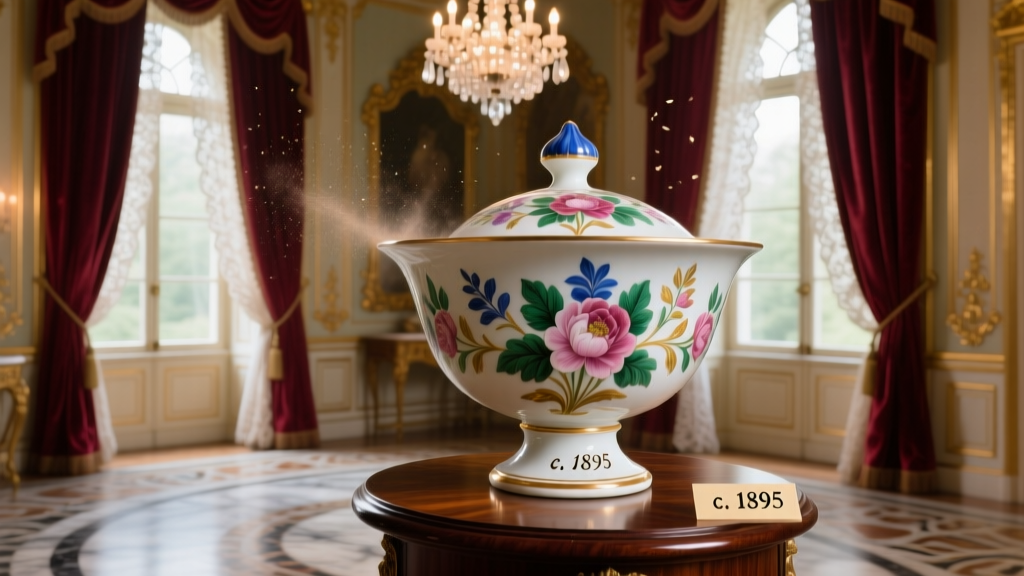
Meissen Compote: Hand-Painted Polychrome Floral Sprays, Marked 'C' Circa 1895, 6½ Inches in Diameter
Wendell Manufacturing Company: Mid-Century American Furniture Craftsmanship and Legacy
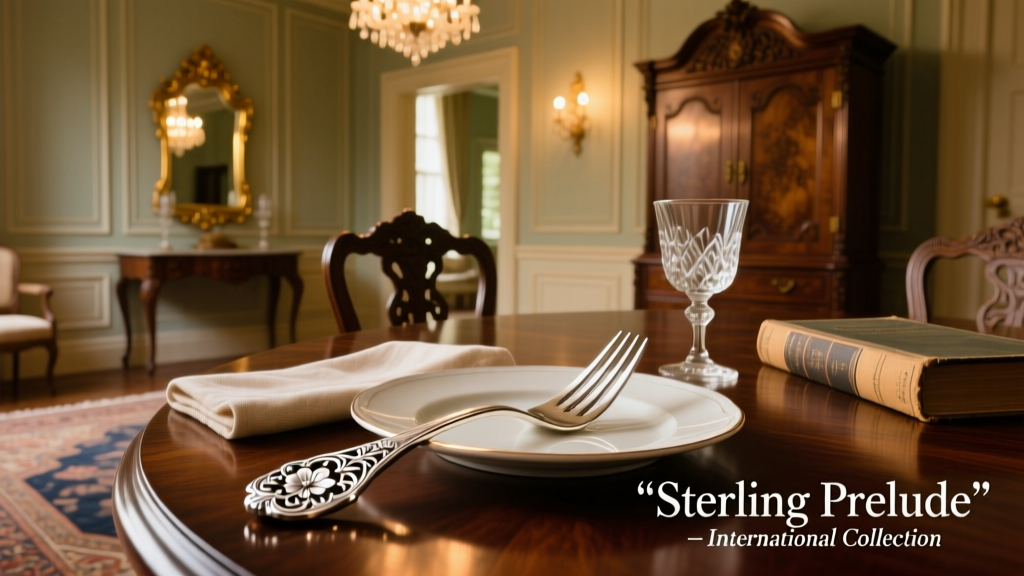
Silver Flatware Sterling Prelude Salad Fork International: Design, Provenance, and Practical Restoration Guidance
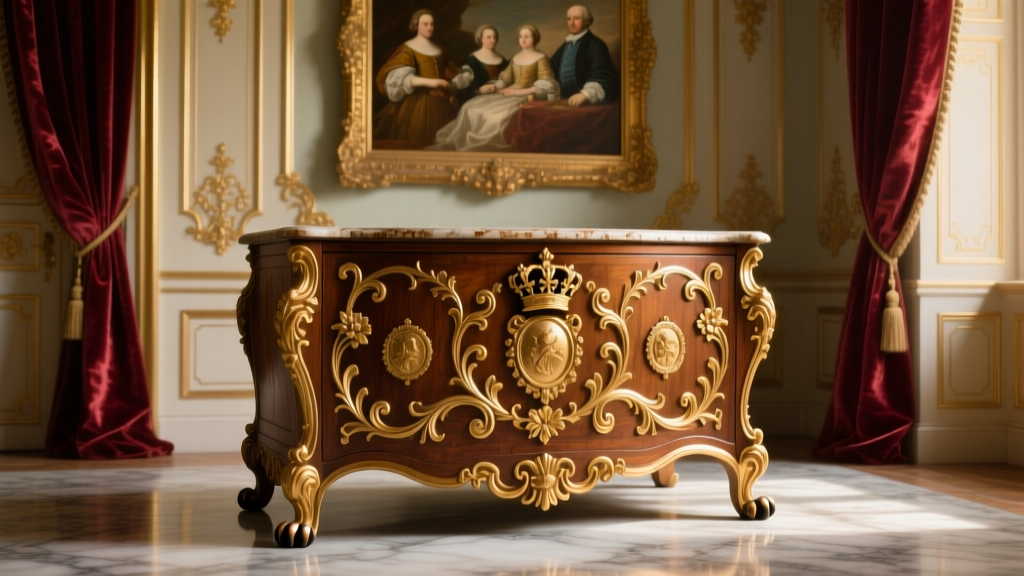
Baroque Giltwood Chest with Hinged Top, Carved Crests, and Paw Feet: Technical Analysis and Conservation Protocol
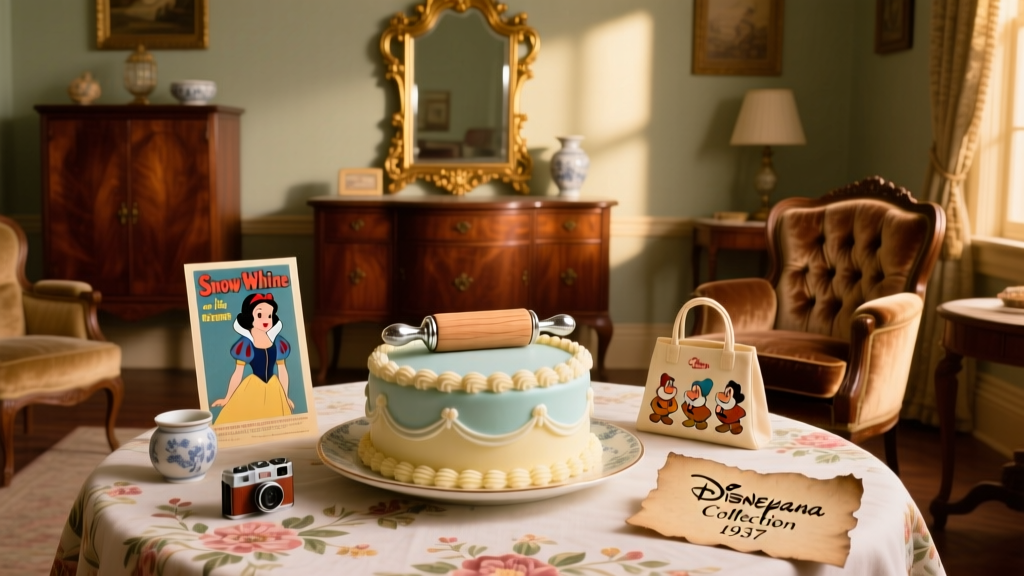
Disneyana Bag, Pastry Cake, Snow White Rolling Pin & Paper: Authentic 1930s Merchandise and Its Material Legacy

Pepsi-Cola Sign Neon Metal Bracket (No Wiring, No Transformer): A Collector’s Guide to the 18-Inch Vintage Display Fixture
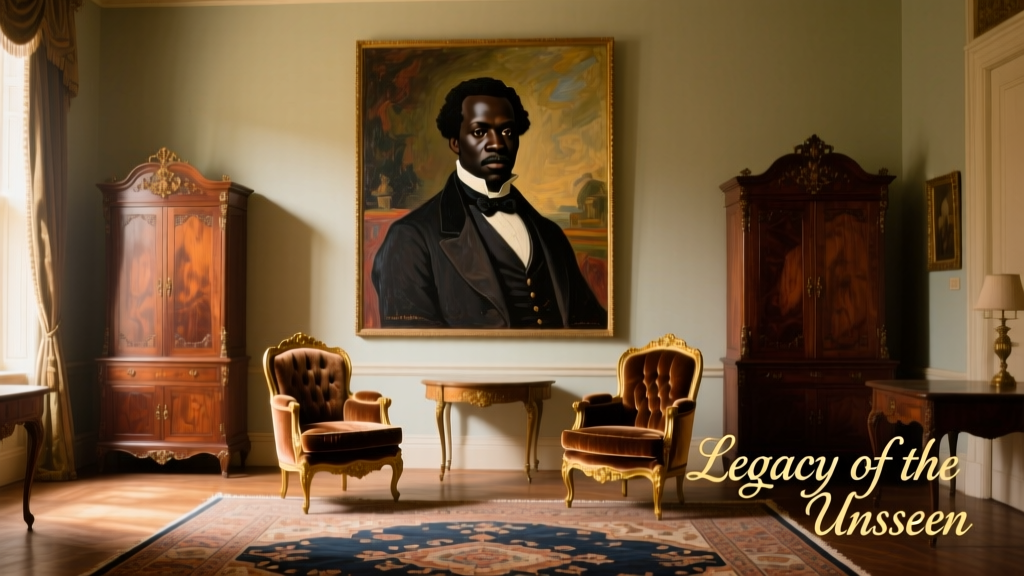
African American Large Painting: When the Artist’s Name Is Absent — Provenance, Attribution, and Conservation in Uncredited Works
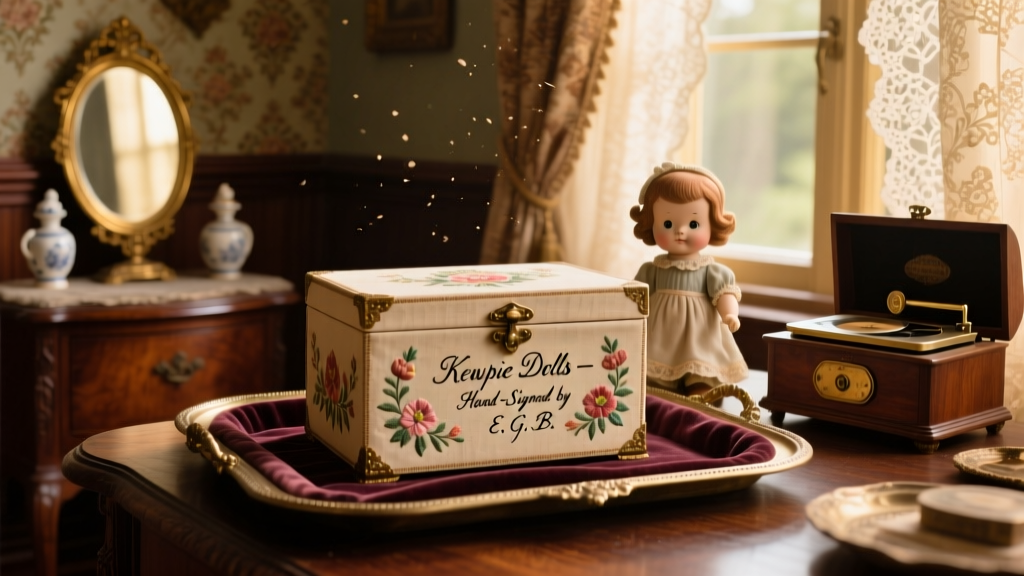
Kewpies Doll Cloth Signed Box – An In-Depth Appraisal of the 8-Inch Vintage Collectible
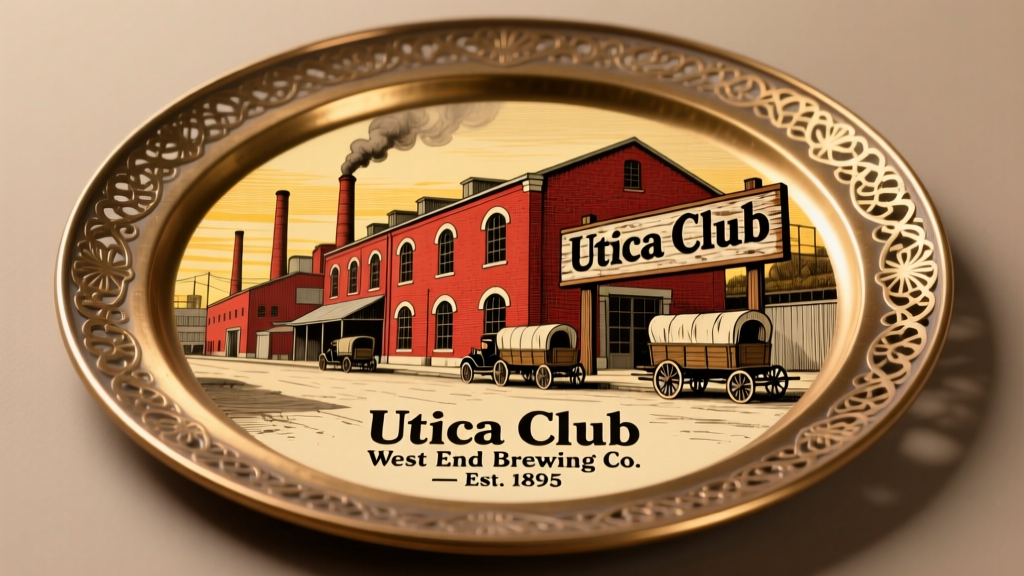
Advertising Tray: Utica Club West End Brewing Co. Factory Scene Round 12-Inch Tin Lithograph