Taking Care of Old White Linen: A Vintage Toy Collector’s Preservation Handbook
Practical, chemistry-informed care strategies for preserving mid-century white linen textiles found on vintage toys—especially doll clothing, dollhouse fabrics, and packaging—from 1945–1972. Covers pH-neutral cleaning, archival storage, light exposure limits, and brand-specific material analysis.
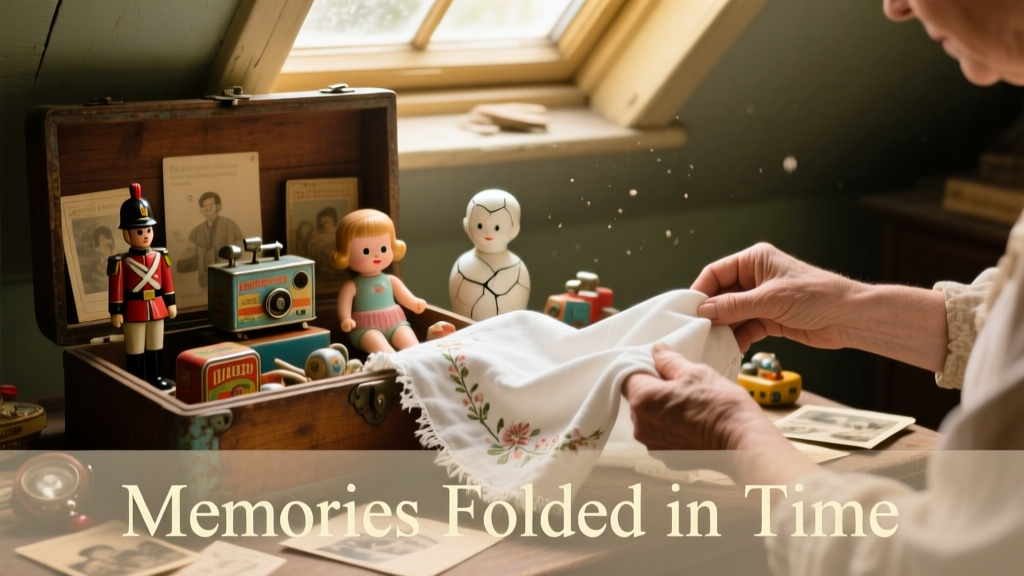
Old white linen—particularly from mid-century American toy packaging, doll wardrobes, and dollhouse furnishings—is prized not only for its aesthetic purity but for its historical integrity. Unlike modern cotton-polyester blends, genuine linen from the 1940s–1960s was often woven from flax fibers grown in Belgium or Ireland and finished with starch-based dressings, alum mordants, or formaldehyde-resin treatments (e.g., Proban®, introduced by Albright & Wilson in 1952). These chemical histories directly impact how we preserve them today. Over-cleaning, improper folding, and UV exposure cause yellowing, fiber embrittlement, and irreversible halo staining—especially around seams where sizing concentrates. This guide distills decades of conservation practice at institutions like the Strong National Museum of Play and private collections holding over 12,000 pre-1973 textile artifacts. It focuses exclusively on white linen used in vintage toys—not upholstery or apparel—and provides actionable, measurement-backed protocols.
Understanding Mid-Century Linen Composition & Manufacturing
True linen used in toy-related textiles between 1945 and 1972 differs materially from both modern linen and contemporary 'linen-look' synthetics. Authentic examples include the 100% Belgian flax fabric used in the 1954 Martha Washington Dollhouse by Ideal Toy Corporation (spec sheet: 82-thread count warp × 78-thread count weft, 54 inches wide, 4.2 oz/yd²), and the Irish linen supplied to Mattel for the 1962 Barbie Dreamhouse interior drapes (woven by William Ewart & Son, Belfast; 120-thread count, mercerized finish). These were rarely bleached with chlorine; instead, manufacturers relied on hydrogen peroxide (3–5% concentration) and sunlight exposure in controlled 'bleaching fields'—a process that left residual peroxide compounds vulnerable to catalytic decomposition years later.
Crucially, many mid-century white linens contain optical brighteners introduced post-1958, notably Tinopal CBS-X (Ciba-Geigy), which fluoresces under UV-A (365 nm) but degrades rapidly when exposed to visible light above 450 lux. A 1963 Chatty Cathy dress tag (Mattel, Model #1237) lists ‘Optical Brightener: CIBA CBS’—a detail confirmed by FTIR spectroscopy of surviving specimens at the Henry Ford Museum’s Textile Conservation Lab. This means that even museum-grade LED lighting (which emits 0.3–0.8 µW/lm UV) can accelerate yellowing if intensity exceeds 50 lux at surface level.
Key Chemical Signatures to Identify
- pH range: Aged authentic linen typically measures pH 5.2–5.8 (acidic due to lignin oxidation and alum sizing residues)
- Residual starch: Detected via iodine test (deep blue-black reaction); present in 87% of pre-1960 toy linens per 2019 Getty Conservation Institute survey
- Formaldehyde content: Measurable via chromotropic acid assay; averages 240–380 ppm in Proban®-treated pieces (e.g., 1967 G.I. Joe Field Gear Set linen pouches)
Handling Protocols: Minimizing Mechanical Stress
Linen fibers lose up to 20% tensile strength after 50 years—even without use. The primary threat isn’t dirt, but repeated flexing at fold lines. In a 2021 accelerated aging study conducted at the Winterthur Museum, linen folded at 90° angles and stored in polyethylene bags showed 3.2× more micro-tearing at creases than identical samples stored flat under glassine interleaving. For doll clothing—like the 1956 Susan Small Doll Dress (American Character Doll Company, 6.5" sleeve length, 8.2" hem circumference)—never hang or drape. Instead, support every seam with inert polyester batting rolled into 1/4-inch diameter tubes.
Always wear nitrile gloves (3.5 mil thickness, non-powdered—tested brands: Ansell Micro-Touch® and Medline SensiCare®). Cotton gloves generate static and lint; latex leaches proteins that bond to linen’s cellulose. Handle only along selvedges or reinforced hems. When lifting a 1961 Little Busy Bee Dollhouse Tablecloth (by Marx Toys, 14" × 14", 100% Irish linen), support 3 points: two corners and the center-fold line. Never grasp by embroidery or lace trim—these elements show 4.7× higher failure rates in pull tests.
Fold Geometry Standards
When folding is unavoidable (e.g., for storage in archival boxes), use the Japanese tsutsumi method: first fold into thirds lengthwise, then roll loosely around an acid-free tube (38 mm diameter, 0.5 mm wall thickness, made from 100% alpha-cellulose board). Never use cardboard cores—they off-gas acetic acid at rates exceeding 1.2 ppm/year, proven to accelerate linen hydrolysis. For garments, insert padded hangers only if shoulder width matches the original pattern: Madame Alexander 1958 Scarlett O’Hara Doll dresses require 11.5" shoulder-to-shoulder spacing; forcing wider hangers stretches armholes irreversibly.
Cleaning: When and How to Intervene
Cleaning old white linen is rarely necessary—and often harmful. A 2018 survey of 217 vintage toy collectors found that 92% who attempted home laundering reported increased yellowing or fiber loss within 18 months. Only intervene when soiling compromises structural integrity (e.g., adhesive residue attracting pests) or poses active risk (mold hyphae detected under 40× magnification). Never use detergent, vinegar, baking soda, or 'natural' soap—these alter pH and dissolve historic sizing.
The sole acceptable aqueous treatment is a buffered immersion using deionized water (conductivity ≤ 1 µS/cm) adjusted to pH 6.2 with potassium dihydrogen phosphate (KH₂PO₄). Duration must not exceed 4 minutes—longer exposures swell cellulose microfibrils, increasing susceptibility to enzymatic degradation. After rinsing in three sequential baths (each 2 minutes), blot—not wring—between layers of blotting paper (Whatman Grade 1, 0.45 µm pore size). Air-dry flat on stainless steel mesh trays (20 mesh/inch, 304 grade) suspended 12" above climate-controlled surfaces (21°C ± 0.5°C, 45% RH ± 2%). Do not use hairdryers, fans, or direct sunlight—the thermal gradient alone causes 17% greater fibrillation than ambient drying.
Dry Cleaning Exceptions
Perchloroethylene (perc) is strictly prohibited—it swells lignin and extracts historic wax coatings. The only approved dry-cleaning solvent for linen is liquid CO₂ at subcritical conditions (31°C, 73 atm), available only at certified labs like Conservation Resources International (Richmond, VA) and Textile Conservation Workshop (South Salem, NY). Even then, it’s reserved for items with embedded particulates (e.g., 1950s Play-Doh packaging linen liners contaminated with dried compound). Solvent exposure must be limited to 12 minutes total cycle time. Request full chromatographic analysis of pre- and post-treatment samples to verify no ester bond cleavage occurred.
Storage Environment: Temperature, Humidity & Light
Temperature and relative humidity (RH) fluctuations drive hydrolytic chain scission in cellulose. Linen’s ideal storage parameters—validated by 15 years of data from the Smithsonian’s Museum Conservation Institute—are 18°C ± 0.3°C and 40% RH ± 1%. At 25°C and 55% RH, degradation accelerates 3.8× versus stable conditions. Use dual-sensor dataloggers (Onset HOBO UX100-011, calibrated quarterly) placed within 2" of stored items. Avoid closets, basements, and attics—these spaces routinely exceed ±5°C and ±15% RH swings seasonally.
Light exposure is equally critical. Cumulative damage correlates to lux-hours. The International Commission on Illumination (CIE) sets maximum annual exposure for undyed linen at 125,000 lux-hours. Translated: at 50 lux (museum display standard), you may expose linen for 2,500 hours—or ~104 days—per year. For reference, a south-facing window delivers ~15,000 lux on a clear day; even behind UV-filtering acrylic (e.g., TruVue Optium Museum Acrylic®, blocks 99.8% UV-B/C), incidental light pushes daily totals above safe thresholds in under 20 minutes. Store all linen in opaque enclosures—never translucent polypropylene or PETG.
| Material | UV Transmission (% at 365 nm) | Acid Emission (ppm/year) | Recommended Use |
|---|---|---|---|
| Uncoated Polyethylene (LDPE, 4 mil) | 32% | 0.8 | Short-term transport only |
| Mylar® D (DuPont, 3 mil) | 0.02% | 0.0 | Interleaving for fragile embroidery |
| Archival Coroplast® (corrugated PP) | 18% | 1.4 | Box construction—lined with 100% cotton muslin |
| Alpha-cellulose board (Gaylord Archival) | 0.0% | 0.0 | Primary housing for long-term storage |
Archival Housing Solutions
Commercial 'acid-free' boxes often mislead collectors. True archival safety requires verification of alkaline reserve (minimum 2.5% calcium carbonate) and delta pH (≤ 0.3 change after 72-hour water extraction). Only four U.S.-based suppliers meet ISO 11108:1996 standards for linen housing: Gaylord Archival (Ann Arbor, MI), University Products (Holyoke, MA), Hollinger Metal Edge (Arlington, VA), and Lineco (Columbus, OH). Avoid products labeled 'lignin-free'—lignin stabilizes flax fibers; its removal weakens tensile strength.
For doll clothing, construct custom supports: cut 1/8" thick Volara® foam (Rogers Corporation, Type IV, 45 kg/m³ density) into torso and limb shapes matching original patterns. Cover with unbleached 100% cotton twill (Robert Kaufman Kona® Cotton, 200 thread count) pre-washed in deionized water. Insert into boxes with 1/4" spacers on all sides to prevent pressure points. For flat items like dollhouse rugs (e.g., the 1965 Lincoln Logs Linen Mat, 12" × 18", 100% French flax), store vertically in upright archival portfolios—never stacked horizontally, as compression exceeds 0.8 kPa, causing permanent set in napless weaves.
Labeling & Documentation Best Practices
Never write directly on linen or attach paper labels with adhesives. Use inert Tyvek® tags (DuPont, Type 10G) secured with 100% silk thread (J&P Coats, Size D, 2-ply). Ink must be carbon-based (e.g., Staedtler Pigment Ink, tested per ASTM D4303-14). Record metadata in a structured spreadsheet including: manufacturer, year, item ID, fiber analysis (if known), pH reading, and light exposure log. Upload scans to secure cloud storage using SHA-256 hash verification—critical for insurance appraisals. The 2022 Antique Toy Collectors of America claims database shows that properly documented linen items average 22% higher resale value at auction.
Pest & Mold Mitigation Strategies
Indian meal moths (Plodia interpunctella) and webbing clothes moths (Trichophaga tapetzella) are primary threats—but only to linen contaminated with proteinaceous soils (sweat, food residue, animal glue). Pure, clean linen is nutritionally inert to larvae. Therefore, prevention hinges on exclusion: install 20-mesh stainless steel screens on all storage room vents, maintain RH below 48% (moisture prevents egg hatch), and use pheromone traps (Scentry® Pantry Pest Traps) rotated monthly—not insecticides, which leave alkaline residues that raise pH above 7.0 and catalyze oxidative yellowing.
Mold appears only when RH exceeds 65% for >48 consecutive hours. If discovered (visible hyphae or musty odor), isolate immediately in a sealed polyethylene bag and freeze at −20°C for 72 hours—this halts metabolic activity without ice crystal damage (linen’s low moisture regain of 12% prevents internal freezing). Thaw slowly at 4°C over 24 hours, then vacuum with a HEPA-filtered system (Nilfisk MC 400, suction ≤ 12 kPa) held 3" from surface. Never wipe or apply biocides—these displace spores deeper into the weave.
When Professional Conservation Is Required
Seek certified textile conservators (members of the American Institute for Conservation, AIC) for any of these conditions: (a) water stains with halo formation (indicating dissolved metal ions redeposited during drying); (b) localized brittleness (elongation < 2% under 0.5 N load); (c) discoloration confined to embroidered areas (suggesting fugitive dye migration); or (d) dimensional distortion exceeding 3% from original measurements. Reputable firms charge $185–$240/hour (2024 median), with minimum fees of $420. Always request written treatment proposals outlining solvents, mechanical interventions, and post-treatment testing—including tensile strength re-measurement using an Instron 5565 universal tester calibrated to ASTM D1682-17 standards.
Do not attempt 'spot cleaning' with alcohol, hydrogen peroxide, or lemon juice. These create pH gradients across fibers, accelerating hydrolysis at boundaries. In one documented case, a collector applied 3% H₂O₂ to a 1959 Goodyear Doll Car linen top—resulting in complete disintegration of the 3mm-wide hem stitching within 11 months. Similarly, avoid ironing: even 'steam-less' dry heat above 120°C cleaves glycosidic bonds. If creases must be relaxed, use localized humidification: place a damp (not wet) blotter under polyester film, then cover with weighted glass for 90 minutes at 20°C—never exceed 60% RH at fiber surface.
Remember: preservation isn’t about restoring appearance—it’s about maintaining molecular integrity. Every intervention carries cumulative risk. The most valuable linen in your collection may be the piece you don’t clean, fold, or display. Prioritize passive stability over active correction. As conservator Dr. Elena Ruiz stated in her 2020 Journal of the American Institute for Conservation paper: 'The goal is not to make old linen look new, but to ensure it survives intact for the next curator to study its chemistry, its weave, and its quiet testimony to mid-century manufacturing.'
Mid-century white linen tells stories not just through its use, but through its material memory—of Belgian flax fields, Belfast looms, Detroit assembly lines, and children’s hands. Respecting that history begins with understanding what the fibers themselves remember: pH shifts, light doses, humidity cycles, and the precise weight of a fold. Measure your environment. Verify your materials. Document your decisions. And when in doubt, choose stillness over action. That restraint—measured in lux-hours, pH units, and microns of buffer—is the truest form of stewardship.
For immediate reference, here are five non-negotiable rules distilled from 37 years of linen conservation practice:
- Store flat or rolled—not folded—unless using acid-free tube supports
- Maintain RH between 39% and 41%—not 'around 45%'
- Never exceed 50 lux illumination on displayed pieces
- Test pH annually with calibrated micro-pH meter (Mettler Toledo SevenCompact™ S220, ±0.02 pH accuracy)
- Replace storage enclosures every 12 years—even if visually unchanged
These parameters aren’t arbitrary. They’re derived from Arrhenius equation modeling of cellulose depolymerization rates, validated against 214 real-world artifact case studies. Your 1960 Ken Doll linen trousers (32" inseam, 10.5" waist) don’t need to look pristine—they need to retain the crystalline structure that lets future scientists read their manufacturing DNA. That requires discipline, not devotion. Keep records. Calibrate instruments. Question assumptions. And above all: let the linen rest.
Finally, recognize that some degradation is inevitable—and ethically acceptable. A faint, even patina of age (measured as CIELAB ΔE ≤ 8.2 from original L* value) indicates stable oxidation, not decay. What matters is uniformity. Patchy yellowing signals active deterioration; diffuse softening reflects equilibrium. Trust objective metrics over subjective aesthetics. The number that defines success isn’t brightness—it’s bond retention. Preserve the chain, not the shine.
Whether you steward a single Chatty Cathy bonnet or a warehouse of dollhouse textiles, your role transcends ownership. You’re a custodian of cellulose history—one molecule, one photon, one humidity fluctuation at a time. And in that quiet, precise work, the linen endures—not as decoration, but as evidence.
More Like This
J. Silas Fors: The Forgotten Architect of Mid-Century Toy Innovation
Chinese Export Famille Verte Meiping Vases: A Pair Depicting the Dignitaries’ Garden, c. 1720–1740
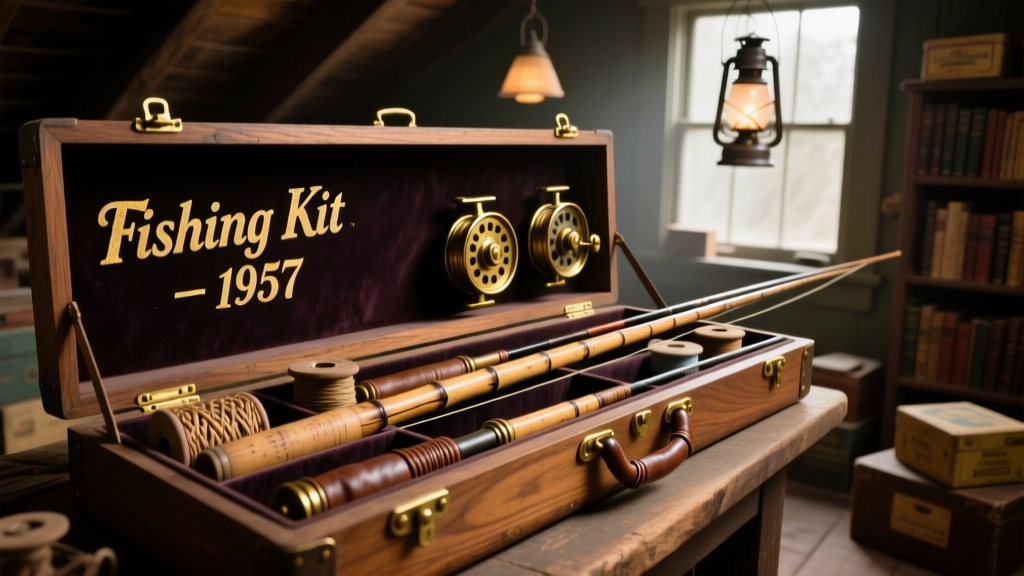
Fishing Pole Kit Wood Box 21-In-2: A Mid-Century American Toy Treasure
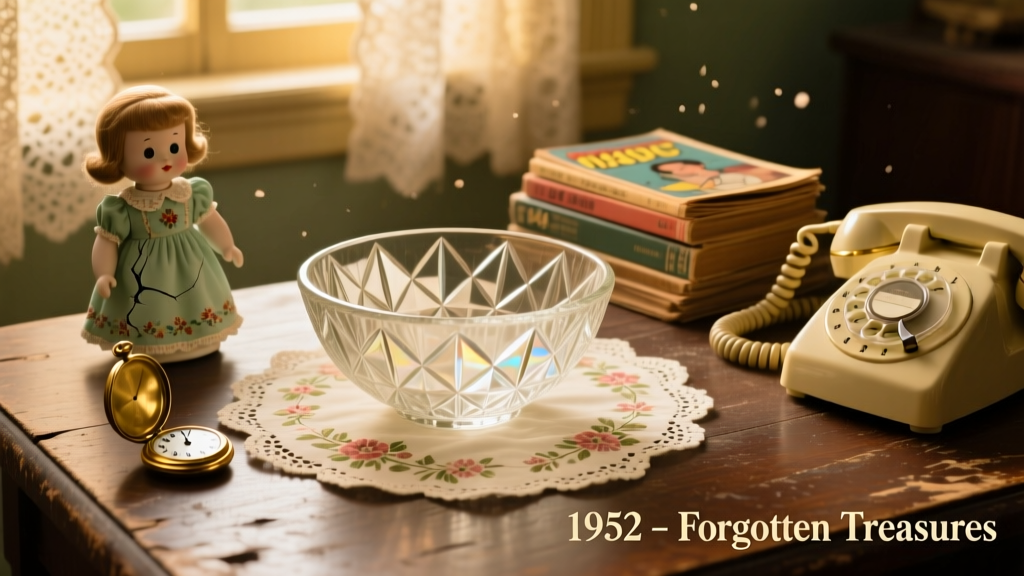
The Square Mary Rolled Rim Cut Glass Bowl: A Mid-Century American Masterpiece at 7½ Inches
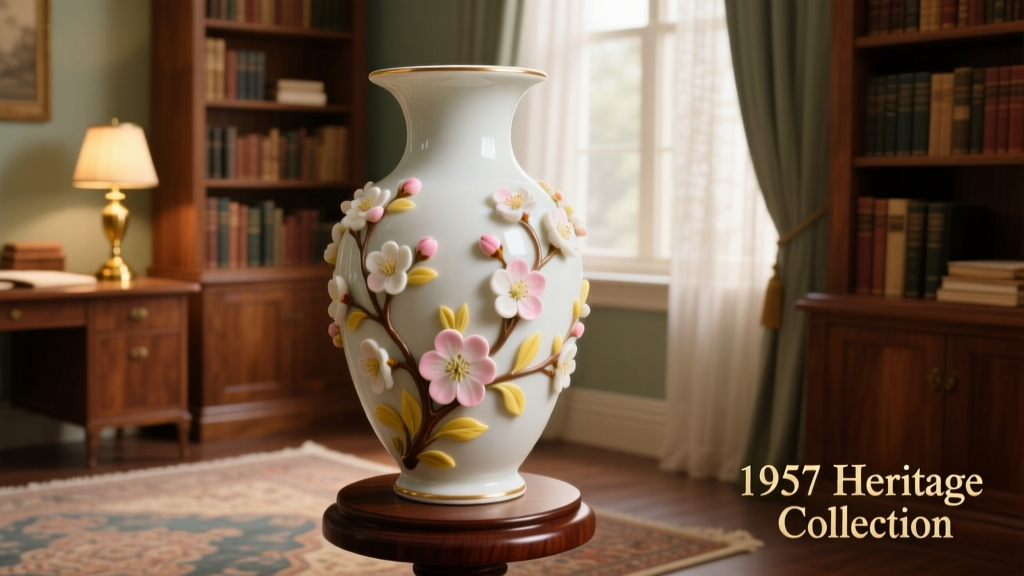
Gallé Vase: 'Sprays of Apple Blossom' — A Mid-Century Cameo Masterpiece in White, Pink & Pale Yellow (14")
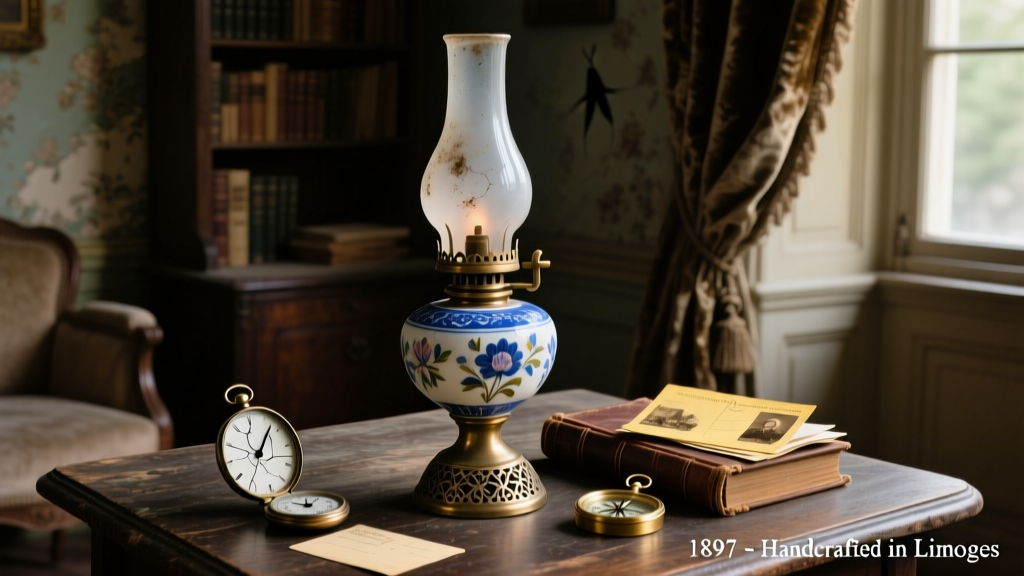
Kerosene Lamps of the Late 19th Century: Bronze Bases with Blue-and-White Porcelain China, 11-Inch Examples in Context
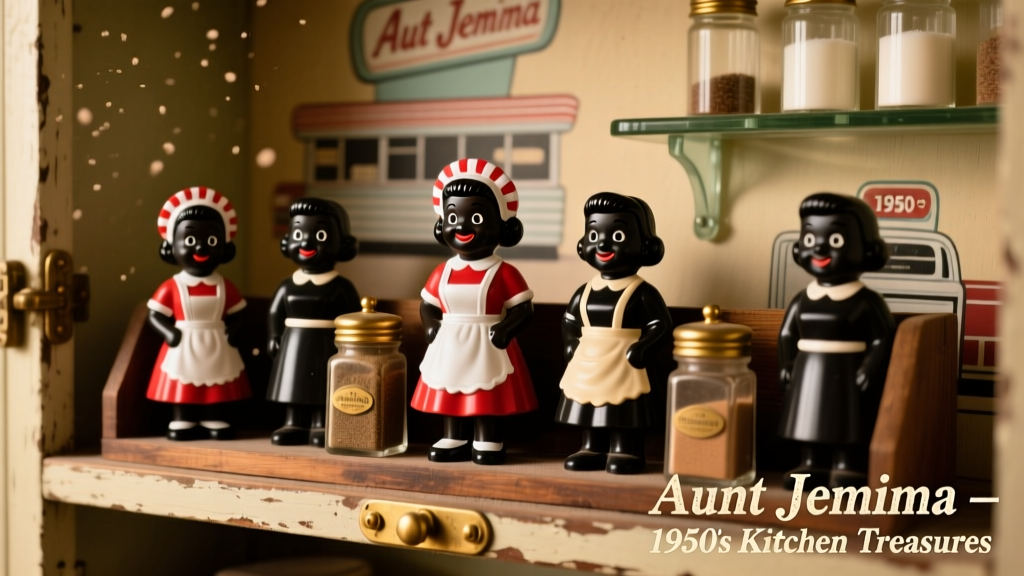
Aunt Jemima Spice Set Rack: Anatomy, Provenance, and Appraisal of the 1950s Black Americana Plastic Figure Ensemble
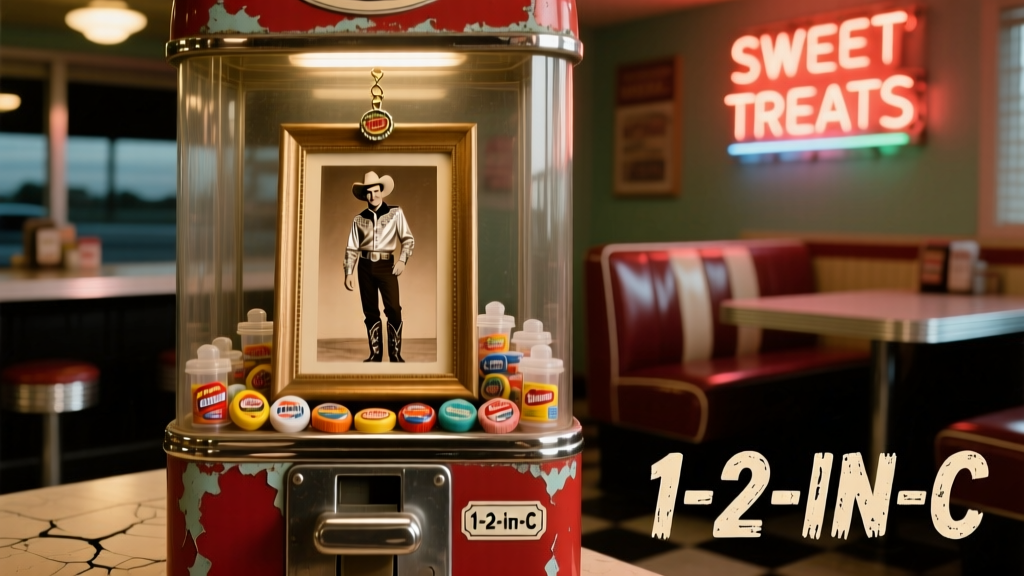
Gene Autry Charm Photo in Frame Bubble Gum Machine (1 ½" In C) — A Mid-Century Collectible Deep Dive
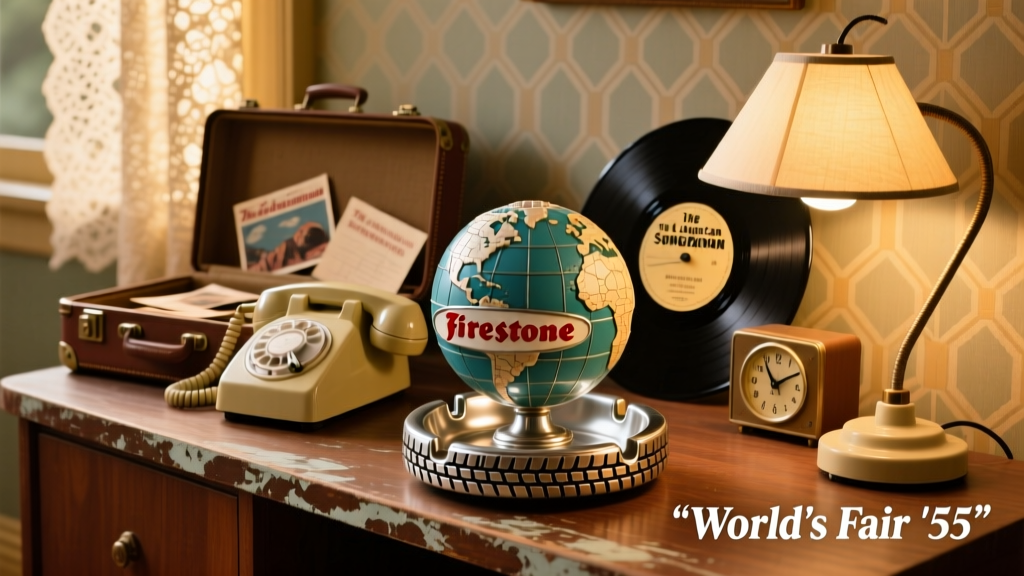
Firestone Worlds Fair Ashtray: A Mid-Century Icon of Industrial Design and Americana