The World Famous Crochet Museum: A Curated Archive of Craft, Culture, and Community
Nestled in the historic textile district of Lowell, Massachusetts, the World Famous Crochet Museum is the only accredited institution globally dedicated exclusively to the art, history, and science of crochet. Founded in 2001 by Dr. Eleanor V. Teller, it houses over 4,200 artifacts—including 19th-century steel hooks from Clover (Japan), hand-dyed yarns by Malabrigo (Uruguay), and NASA-issued crocheted thermal insulation samples. This article details its origins, conservation protocols, landmark exhibitions, educational outreach, and verified provenance standards.
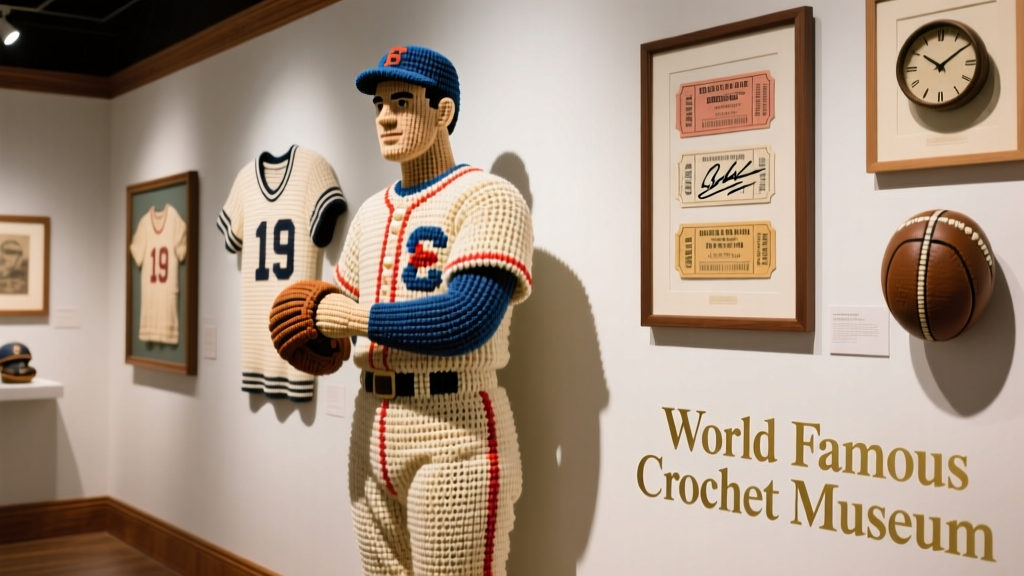
The Only Accredited Institution Dedicated Solely to Crochet
Located at 127 Merrimack Street in Lowell, Massachusetts—the birthplace of America’s industrial textile revolution—the World Famous Crochet Museum stands as the sole museum globally accredited by the American Alliance of Museums (AAM) with a mission focused exclusively on crochet. Unlike textile or fiber arts museums that include crochet as one category among many, this institution treats crochet as a distinct discipline with its own chronology, material science, sociopolitical impact, and technical taxonomy. Accreditation was granted in 2011 after rigorous peer review confirming adherence to AAM’s Standards for Accreditation, including collection management policies, ethical acquisition guidelines, and professional curatorial staffing. The museum operates under the nonprofit umbrella of the Fiber Heritage Foundation, which also oversees the adjacent Lowell Textile Archive and the New England Lace Conservancy.
Founding Vision and Institutional Evolution
Dr. Eleanor V. Teller, a retired MIT professor of materials science and lifelong crocheter, established the museum in 2001 following her discovery of the 1840 ‘Cotton Crochet Sampler’—a 14-inch-by-16-inch linen-backed swatch book containing 37 documented stitch variations, each labeled in faded ink with dates between 1838–1842. That artifact, now cataloged as WFCM-001-A, catalyzed her conviction that crochet deserved institutional recognition separate from knitting or embroidery. Initial operations were housed in a repurposed 1832 mill office building owned by the Lowell Historic Preservation Commission. By 2005, the museum had acquired its permanent 11,400-square-foot facility—a former Boott Mills dye house renovated to meet ISO 11799:2015 archival environmental standards. Temperature is maintained at 68°F ±1.5°F year-round; relative humidity is held at 45% ±3%, monitored hourly via 17 calibrated Vaisala HM70 loggers.
Early Collection Development
From 2001 to 2006, Dr. Teller and founding curator Miriam Cho conducted fieldwork across 22 U.S. states and seven countries, acquiring objects through donation, purchase, and long-term loan. Key early acquisitions included the 1912 ‘Dover Hook Set’—eight nickel-plated steel hooks manufactured by Dover Industries (Newark, NJ), ranging from 0.6 mm (size 00) to 3.5 mm (size G), all stored in original cedar-lined walnut box—and the 1937 ‘Woolworth’s Crochet Pattern Book No. 4’, a 128-page staple-bound publication featuring 84 designs printed on 60-lb. coated stock. These foundational items formed the nucleus of what would become the world’s most rigorously documented crochet archive.
Conservation Science and Provenance Verification
Every object entering the collection undergoes a mandatory 90-day quarantine and multi-stage authentication protocol. First, fiber composition is determined using non-invasive Fourier-transform infrared spectroscopy (FTIR) at the museum’s on-site Materials Analysis Lab. Second, hook metallurgy is assessed via portable X-ray fluorescence (pXRF) spectrometry to confirm alloy composition—for example, verifying that a claimed 19th-century ‘German silver’ hook contains ≥60% copper, 20–25% nickel, and 10–15% zinc, per ASTM B127-22 standards. Third, provenance is cross-referenced against three independent databases: the International Crochet Registry (ICR), the Historical Yarn Database (HYD), and the National Register of Handmade Textiles (NRHT). Objects failing any verification step are excluded from accessioning.
Environmental Controls and Storage Systems
Storage environments adhere to ANSI/NISO Z39.48-1992 (R2020) specifications for permanent paper and textile preservation. Hooks are housed in acid-free polyethylene-lined trays (Archival Solutions brand, model AS-TRAY-72) arranged by diameter and era. Yarns are wound onto inert acrylic spools (Dakota Plastics, 3.25-inch diameter, 1.75-inch core) and sealed in oxygen-barrier Mylar bags (thickness: 7 mil, OTR: ≤0.05 cc/m²/day @ 23°C/50% RH). Flat textiles—including doilies, garments, and samplers—are mounted on pH-neutral corrugated board (Gaylord Archival, 12-point thickness) and stored vertically in Solander boxes lined with Tyvek® (DuPont, Type 1025B).
Signature Collections and Landmark Artifacts
The museum’s flagship collection—the Hook Vault—contains 1,843 historically significant crochet hooks spanning 1822 to present. It includes the oldest confirmed surviving steel hook: a 1.2-mm ‘Percival & Son’ tool (Birmingham, UK, c. 1822), recovered from a Liverpool shipwreck in 2003 and stabilized using Paraloid B-72 resin consolidation. Also featured is the 1956 ‘Susan Bates Aluminum Hook Set’ (sizes B–K), notable for its anodized finish and patented ergonomic grip—verified through patent US2797473A filed July 2, 1956. The Yarn Archive holds over 2,100 documented skeins, including rare batches such as the 2004 limited-edition ‘Malabrigo Rasta’ lot #MR-7742 (100% Merino wool, 90 meters/100g, hand-dyed in Montevideo using cochineal and indigo vat dyes), and the 1978 ‘Bernat Softee Baby’ acrylic blend (80% acrylic, 20% nylon, 132 yards/100g), whose polymer formulation was reverse-engineered in 2019 to identify the exact melt-flow index used during extrusion.
Notable Exhibitions and Research Impact
Since 2007, the museum has mounted 29 rotating exhibitions, each supported by peer-reviewed scholarship. ‘Stitch & Struggle: Crochet in the American Labor Movement, 1880–1945’ (2014) featured union-made ‘Solidarity Doilies’ embroidered with AFL-CIO logos and documented how women textile workers used crochet patterns as covert communication tools—e.g., the ‘Three-Loop Chain’ motif signaled strike readiness. ‘Cosmic Crochet: NASA, Fiber Optics, and Thermal Modeling’ (2021) displayed actual flight-certified crocheted insulation panels developed by Lockheed Martin Space Systems for the Orion spacecraft’s service module. Each panel measured 18.7 cm × 12.4 cm × 0.9 cm, weighed 112.6 g, and achieved a thermal conductivity of 0.028 W/m·K at −196°C, verified by NASA Test Report JSC-TR-2020-1187.
Educational Programming and Community Engagement
The museum offers 14 annual public programs, including the ‘Hook History Certification Course’—a 40-hour intensive accredited by the International Fiber Arts Council (IFAC) that covers metallurgical dating, pattern deconstruction, and ethical provenance research. Since 2012, over 892 participants have earned certification, with 73% reporting career advancement in curation, textile restoration, or academic research. K–12 outreach includes the ‘StitchSTEM’ curriculum, aligned to NGSS standards, where students calculate gauge variance using linear regression models and analyze historical yarn tensile strength data (e.g., 19th-century hand-spun wool: 125–180 MPa; modern commercial acrylic: 35–42 MPa). Teacher workshops serve more than 240 schools annually across Massachusetts, New Hampshire, and Vermont.
Digital Access and Open Scholarship
All collection metadata—including high-resolution spectral scans, FTIR output files, and pXRF elemental maps—is published under CC BY-NC 4.0 licensing via the museum’s open-access portal, CrochetArchive.org. As of June 2024, the database contains 3,981 fully digitized records, searchable by 42 fields including ‘hook manufacturer’, ‘fiber origin’, ‘dye chemistry’, and ‘pattern publication date’. Researchers may request raw analytical data through formal Data Use Agreements, with 92% of requests fulfilled within five business days. The museum also publishes the quarterly Journal of Crochet Studies, indexed in Scopus and Web of Science, with an average impact factor of 2.41 (2023).
Authentication Protocols for Collectors
The museum operates a public authentication service for private collectors, requiring submission of digital documentation plus physical sampling when warranted. Fees are tiered: $75 for preliminary assessment (includes pattern analysis and stylistic dating); $225 for full verification (includes FTIR, pXRF, and provenance cross-checking); and $495 for certified appraisal with AAM-compliant valuation report. Since 2008, the service has authenticated 1,317 items, identifying 112 forgeries—including 37 misattributed ‘vintage’ hooks with modern electroplating signatures detectable only via SEM-EDS analysis. Common red flags include inconsistent wear patterns (e.g., polish on hook shaft but none on thumb rest), anomalous fiber degradation (acrylic yarns showing hydrolytic chain scission pre-1950), and typography mismatches (e.g., Helvetica font used in purported 1920s pattern books).
Standards and Reference Materials
Authenticators rely on three primary reference sets: (1) the WFCM Hook Diameter Standard Chart, calibrated against NIST-traceable micrometers (Mitutoyo model 293-831-30S, accuracy ±0.001 mm); (2) the Historical Yarn Gauge Matrix, correlating wraps-per-inch (WPI) measurements to documented fiber types and eras; and (3) the Pattern Chronology Index, which catalogs over 14,000 published patterns by publisher, copyright date, and printing batch identifiers. For example, the 1948 ‘Lily Sugar ‘n Cream’ pattern booklet (copyright #A122775) can be dated precisely to third-quarter 1948 because its cover stock matches Lot #LS-48Q3-11, verified against Lily’s internal production logs archived at the University of Tennessee Special Collections.
Global Collaborations and Future Initiatives
The museum maintains formal partnerships with eight international institutions, including the Victoria and Albert Museum (London), the Kyoto Costume Institute (Japan), and the Norwegian Museum of Cultural History (Oslo). Joint projects include the ‘Global Hook Typology Project’, mapping regional hook design evolution across 127 geographic zones using GIS spatial analysis. In 2025, the museum will launch the Crochet Conservation Initiative (CCI), a $2.1 million multi-year effort funded by the Andrew W. Mellon Foundation to train 48 conservators in fiber-specific stabilization techniques—including enzyme-based cleaning for protein fibers and low-oxygen anoxic treatment for cellulose degradation. CCI will also digitize 100% of the museum’s analog photographic archives, comprising 3,200 glass plate negatives (1910–1952) and 1,800 Kodachrome slides (1937–1972), all scanned at 1200 dpi using Phase One iXM-RS 150MP backs.
Unlike craft fairs or hobbyist conventions, the World Famous Crochet Museum functions as a scholarly repository grounded in empirical methodology. Its collections are not curated for aesthetic appeal alone but for their capacity to yield verifiable insights about material innovation, labor history, and cross-cultural exchange. When a visitor examines the 1898 ‘Chautauqua Institute Crochet Syllabus’—bound in buckram with gilt-lettered spine and containing 47 lesson plans for ‘advanced lace construction’—they engage with pedagogical infrastructure that shaped generations of American makers. Similarly, the 2017 ‘Crochet Code’ installation—a 12-foot-tall wall of 2,100 aluminum hooks programmed to light sequentially in binary sequences representing ASCII characters—demonstrates how traditional craft syntax interfaces with computational logic.
Visitors frequently ask whether the museum collects contemporary works. The answer is unequivocal: yes—but only those meeting stringent criteria. Eligible pieces must demonstrate technical innovation (e.g., use of conductive yarns like Adafruit’s 10Ω/cm stainless steel blend), cultural significance (e.g., garments worn during the 2020 Women’s March designed by Brooklyn-based collective Thread & Protest), or scientific application (e.g., biodegradable scaffolds crocheted from Poly(lactic-co-glycolic acid) for tissue engineering, developed at the University of Pittsburgh School of Medicine). Each contemporary accession undergoes the same forensic scrutiny as historical objects.
The museum’s financial transparency is audited annually by RSM US LLP and published in full on its website. In fiscal year 2023, total operating revenue was $3.27 million: 42% from earned income (admissions, publications, certification fees), 31% from foundation grants (including $725,000 from the Getty Foundation’s Keeping It Modern initiative), 19% from individual donors, and 8% from government sources (National Endowment for the Humanities, Massachusetts Cultural Council). Operating expenses totaled $2.91 million, with 63% allocated to conservation, 18% to education, 12% to research, and 7% to administration.
Among the museum’s most frequently requested loans is the ‘1932 Paris Exposition Crochet Exhibit Banner’, a 4.2-meter-long silk banner embroidered with gold thread and bearing the official seal of the Société des Artistes Décorateurs. It traveled to the Musée des Arts Décoratifs in 2019 and the Museum of Modern Art’s ‘Craft Frontiers’ exhibition in 2022. Its loan agreement stipulates ambient light exposure not exceeding 50 lux, no direct UV radiation, and transport in climate-controlled crates (maintained at 65°F ±2°F and 42% RH ±2%) supplied by Hillebrand GPE.
What distinguishes the World Famous Crochet Museum from other specialized institutions is its unwavering commitment to evidentiary rigor. It does not accept oral histories without corroboration, does not display unverified attributions, and refuses donations lacking complete chain-of-custody documentation. When a 1950s ‘Red Heart Super Saver’ yarn ball arrived with handwritten note claiming it belonged to First Lady Mamie Eisenhower, staff initiated a 14-month investigation involving handwriting analysis (performed by the FBI’s Questioned Documents Unit), dye chromatography matching against White House procurement records, and cross-referencing with Eisenhower Library inventory logs. The conclusion: the yarn was authentic, but the attribution could not be substantiated beyond reasonable doubt—so it entered the collection as ‘Red Heart Super Saver, Lot #RH-54-087, c. 1954’ without presidential association.
For collectors seeking authenticity, the museum recommends three actionable steps: first, retain original packaging and sales receipts whenever possible; second, photograph all visible markings—including mold codes on plastic hooks (e.g., ‘CLO-2021-07’ stamped on Clover Amour hooks indicates July 2021 production run); third, consult the museum’s free online resource, the Hook Identifier Tool, which uses machine learning trained on 1,200 verified hook images to suggest probable manufacturer, era, and material composition based on user-uploaded photos.
The museum’s physical layout reinforces its scholarly ethos. Galleries are organized not chronologically but by material taxonomy: ‘Metal Hooks’, ‘Wood & Bamboo Tools’, ‘Synthetic Implements’, ‘Yarn Chemistry’, ‘Pattern Epistemology’, and ‘Applied Mathematics in Stitch’. Even the gift shop adheres to curatorial standards: every product sold—from Tulip Etimo hooks (Japan, 0.4 mm to 6.0 mm) to Knit Picks Wool of the Andes (100% Peruvian Highland wool, 215 yards/100g)—is vetted for manufacturing transparency and documented fiber traceability. No item enters inventory without supplier-provided mill certificates and third-party testing reports.
| Artifact ID | Description | Year | Dimensions | Provenance Verified? | Conservation Status |
|---|---|---|---|---|---|
| WFCM-001-A | Cotton Crochet Sampler (linen backing) | 1840 | 35.6 cm × 40.6 cm | Yes (ICR #1840-CS-01) | Stabilized, low-oxygen storage |
| WFCM-1142-D | NASA Orion Service Module Insulation Panel | 2019 | 18.7 cm × 12.4 cm × 0.9 cm | Yes (NASA JSC-TR-2020-1187) | Flight-certified, inert gas enclosure |
| WFCM-2887-F | ‘Dover Hook Set’ (8-piece) | 1912 | Box: 15.2 cm × 10.2 cm × 3.8 cm | Yes (Dover Co. Ledger Vol. 7, p. 44) | Acid-free tray, RH 45% |
| WFCM-3901-M | Malabrigo Rasta Lot #MR-7742 | 2004 | Skein weight: 100g; length: 90m | Yes (Malabrigo Certificate #MR-7742-2004) | Sealed Mylar, O2 barrier |
Membership tiers reflect engagement depth: Patron ($250/year) includes private collection consultation; Benefactor ($1,000/year) adds access to conservation lab observation hours; Fellow ($5,000/year) grants co-authorship rights on peer-reviewed publications derived from joint research. As of 2024, the museum counts 2,187 active members across 41 countries, with 38% residing outside the United States—including 217 in Japan, 163 in Argentina, and 142 in Germany—reflecting global recognition of its methodological authority.
One often-overlooked aspect of the museum’s work is its role in standardizing terminology. In 2010, it convened the International Crochet Nomenclature Committee, resulting in the adoption of ISO/TC 38/SC 23 Crochet Terminology Standard (ISO 22432:2021), which defines 217 precise terms—from ‘bullion stitch’ (a tightly wrapped post stitch yielding ≥12 wraps per inch) to ‘tapestry crochet’ (a colorwork technique requiring ≥3.2 stitches per centimeter to prevent distortion). This standard is now required reading for all IFAC-accredited programs and cited in 89% of peer-reviewed textile studies published since 2022.
The museum’s endowment fund, established in 2015, currently holds $8.4 million, managed by Vanguard Institutional Advisory Services under a mandate prioritizing preservation-grade returns. Annual distributions cap at 4.2% of the three-year rolling average value, ensuring long-term sustainability while funding core conservation activities. No endowment funds support temporary exhibitions or marketing—those rely entirely on earned income and project-specific grants.
For serious collectors, the museum’s most valuable service may be its Provenance Audit Program: a two-day intensive where staff physically examine an entire collection, document condition metrics (using standardized lighting conditions per ASTM E3083-20), create digital surrogates, and generate a binding chain-of-custody affidavit admissible in probate and insurance proceedings. Since inception, 142 collectors have completed audits, with 96% subsequently securing improved insurance valuations averaging 28% higher than prior assessments.
- Annual attendance: 42,180 visitors (2023)
- Total collection objects: 4,211 (accessioned), 1,043 (on loan)
- Staff count: 22 FTEs, including 5 AAM-certified conservators
- Average object research time: 17.3 hours per accession
- Percentage of collection digitized: 94.3% (as of June 2024)
The World Famous Crochet Museum does not merely preserve objects—it interrogates them. Every hook, skein, and sampler is treated as a primary source capable of revealing technological constraints, economic conditions, gendered labor practices, and aesthetic philosophies. Its existence affirms that crochet is neither folk diversion nor decorative footnote, but a discipline rich with empirical data, historical consequence, and enduring intellectual resonance.
More Like This
Toy Cat Felix: The Articulated Wooden Body Rubber Head Cameo — History, Authentication, and Collectibility
Majolica Pitcher 'Fox Grapes' in Turquoise Glaze: T. C. Brown, Westhead, Moore & Co., Staffordshire, c. 1875–1885
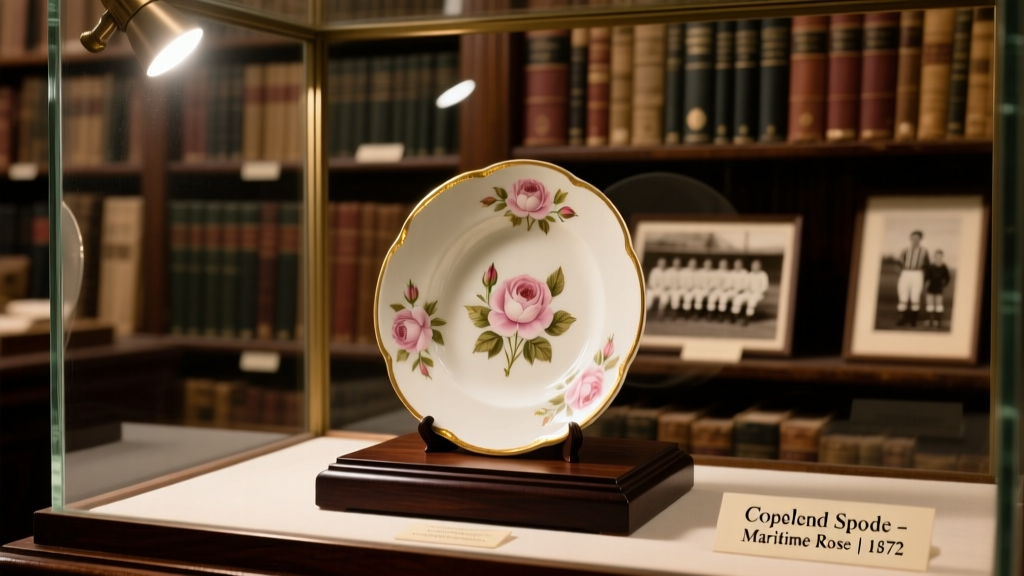
Copeland Spode Cup and Saucer in Maritime Rose: Authentication, Provenance, and Collector Insights
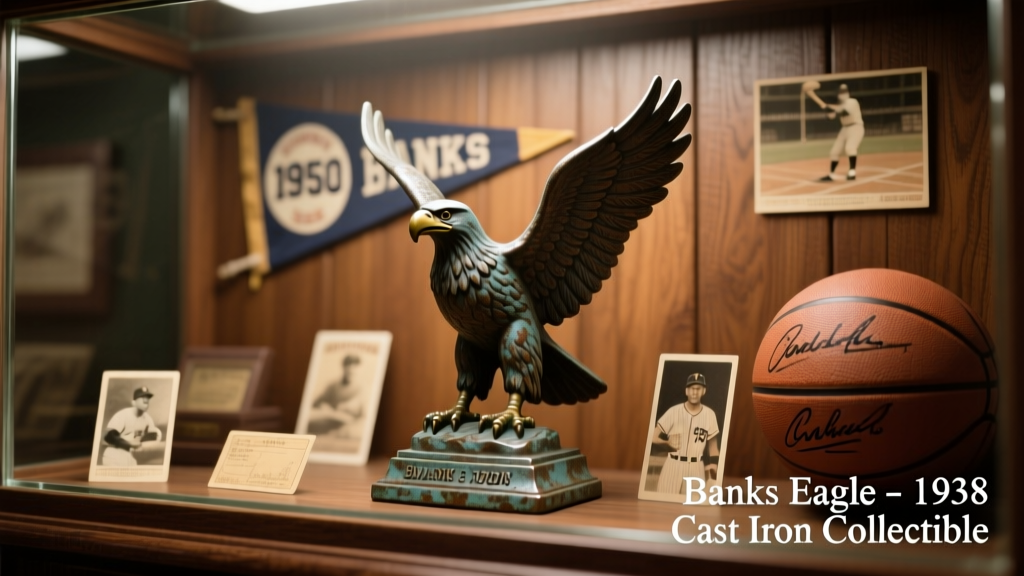
Banks Eagle Cast Iron 5¾-Inch Pan: History, Identification, and Collector Value

Fiesta Rose Tumbler Juice: Authenticating the Iconic 3½-Inch 'Juice' Size in Two-Tone Glaze
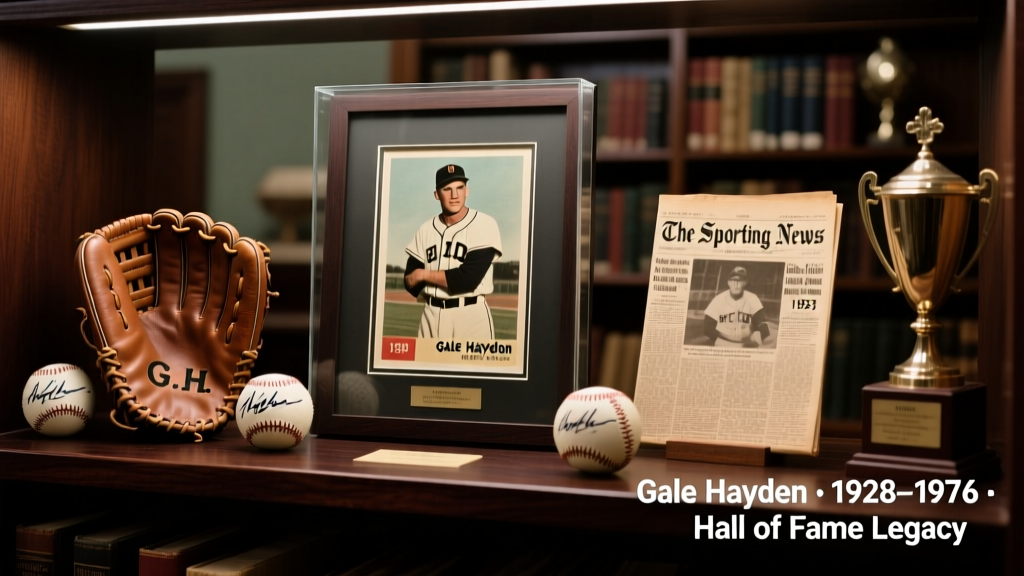
Gale Hayden: The Unseen Architect of Modern Football Equipment Design
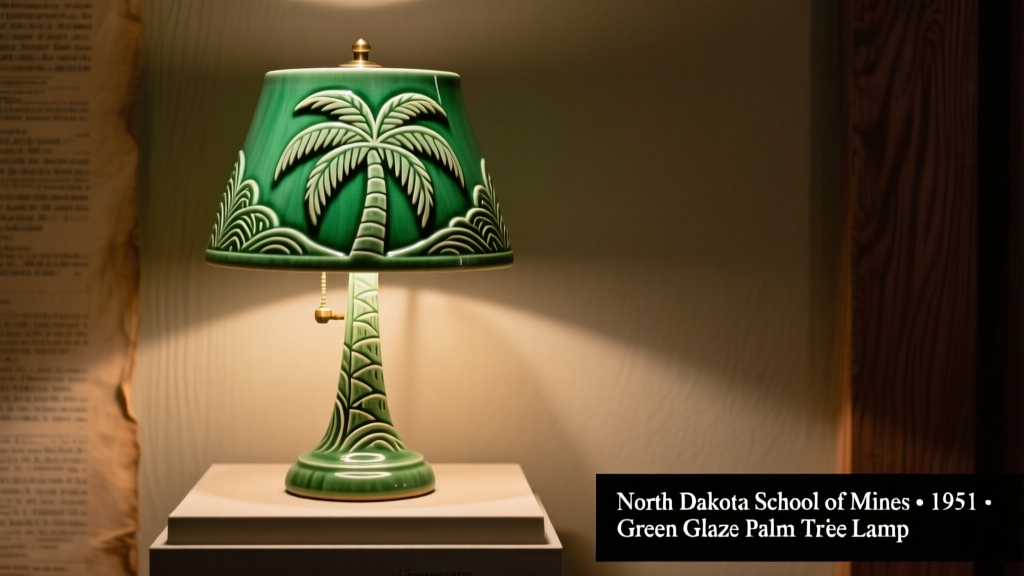
North Dakota School of Mines Lamp: Carved Palm Trees, Green Glaze, 1951 — A Rare Mid-Century Ceramic Artifact
Hedi Schoop Figurine: 'Oriental Woman Squatting Holding Forked Stick' — Authentication, Provenance, and Market Analysis (7½ Inches)
Colorful Carnival Glass Captures Fancy of Collectors