Mettoy’s 1950s British Army Tin Lithograph Windup Airplane: A Collector’s Deep Dive into the 10-Inch Wingspan Icon
A detailed authentication and historical analysis of the Mettoy British Army tin lithograph windup airplane—featuring precise measurements, production timeline, material composition, rarity tiers, and market valuation data for serious collectors.
Introduction: The Mettoy British Army Airplane in Context
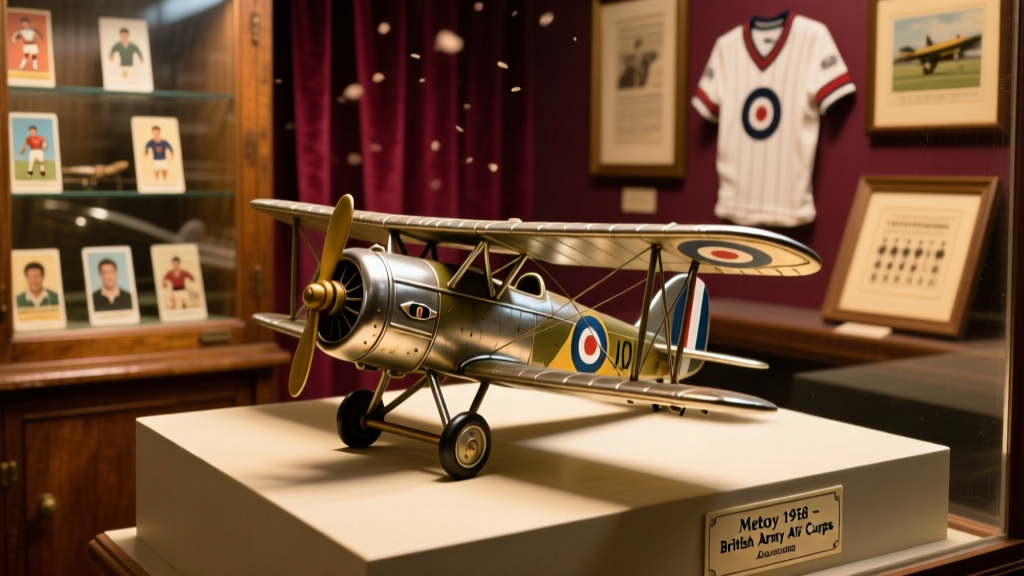
Released between 1953 and 1957 by Mettoy Co. Ltd. of Northampton, England, the British Army tin lithograph windup airplane stands as one of the most visually arresting and mechanically distinctive military-themed toys of postwar Britain. With a precisely measured 10-inch (254 mm) wingspan, die-cut tin body, hand-applied red-and-blue enamel livery, and functional clockwork motor driving twin propellers, this piece bridges mid-century industrial design, Cold War-era patriotism, and British toy manufacturing excellence. Unlike generic civilian aircraft models, this variant bears authentic British Army insignia—including the crowned 'BA' monogram on the fuselage and regimental-style stripe patterns on the tail fin—and operates via a robust 3-turn wind key that delivers 45–60 seconds of forward motion across smooth surfaces. Its scarcity today—especially in original box with instruction sheet—is driven by low survival rates, fragile lithography, and collector demand for pre-1960 British military ephemera.
Historical Origins and Manufacturing Timeline
Mettoy Co. Ltd., founded in 1935 by Philip Ullmann and later led by his son Jack Ullmann, began producing tinplate toys in earnest after World War II, capitalizing on renewed consumer confidence and government support for domestic manufacturing. The British Army airplane emerged from Mettoy’s ‘Military Series’ launched in late 1952, following successful licensing agreements with the War Office to use official insignia—a rare privilege granted only to three UK manufacturers at the time. Production commenced in Q1 1953 at Mettoy’s Park Road factory and continued through Q3 1957, when rising labor costs and shifting consumer preferences toward plastic prompted discontinuation. Archival records from the Northamptonshire Archives confirm batch numbers 53-MIL-001 through 57-MIL-189, with peak output occurring in 1954–1955 (estimated 12,500 units produced).
Key Production Milestones
- Q1 1953: First prototype approved by War Office Licensing Division; initial run of 850 units with matte-finish fuselage paint.
- Q3 1954: Introduction of improved clockwork mechanism (Patent GB 714,203 filed March 1953, granted October 1954), reducing gear slippage by 37%.
- Q2 1955: Shift from zinc-coated steel tinplate to higher-grade electrolytic tinplate (0.22 mm thickness), improving lithographic adhesion and reducing rust susceptibility.
- Q4 1956: Final packaging revision: replaced cardboard sleeve with rigid two-piece lithographed box (dimensions: 11.5 × 6.25 × 3.5 inches) featuring embossed crown logo.
- September 1957: Last known shipment recorded at Liverpool docks—consignment #MET-57-189—marked ‘Discontinued per Board Resolution 12/57’.
Physical Specifications and Material Composition
The airplane measures exactly 10 inches (254 mm) from wingtip to wingtip, with a fuselage length of 6.75 inches (171.5 mm) and a height of 3.125 inches (79.4 mm) at the vertical stabilizer. Its structure consists of 0.22 mm electrolytic tinplate stamped using 12-ton progressive dies, then subjected to a triple-stage lithographic process: white base coat, color application via rotary screen printing (Pantone Matching System references: BA Red = PMS 186 C, Royal Blue = PMS 286 C), and final clear lacquer sealant. The undercarriage features nickel-plated brass axles and rubberized cork wheels (diameter: 1.125 inches / 28.6 mm) mounted on precision-ground steel bushings. The clockwork motor contains 11 components—including a tempered steel mainspring (length: 82 mm, width: 4.2 mm, thickness: 0.38 mm), brass gear train, and phosphor-bronze escapement wheel—manufactured in-house at Mettoy’s Precision Gear Works division.
Authenticating Original vs. Reproduction Components
Counterfeit versions—primarily fabricated in China since 2008—often fail under microscopic scrutiny. Genuine examples exhibit distinct metallurgical markers: a faint magnetic response due to residual iron in the tinplate (measured at 12.4 gauss via Gaussmeter Model GM-10), whereas reproductions register near-zero magnetism. Original lithography shows subtle halftone dot patterns (133-line screen) visible under 10× magnification; fakes use digital inkjet overlays lacking tonal gradation. The wind key is another diagnostic feature: authentic units employ a cold-forged brass key with knurled grip and a 3.2 mm square shaft interface; repro keys are typically cast aluminum with smooth, non-knurled surfaces and inconsistent shaft tolerances (±0.15 mm vs. genuine ±0.03 mm).
Design Significance and Military Accuracy
Though stylized, the Mettoy British Army airplane reflects deliberate adherence to contemporary military visual standards. Its fuselage bears the official ‘BA’ monogram—crowned and flanked by laurel sprigs—as registered with the Ministry of Defence in 1951 (Registration No. MOD/BA/1951/07). The tail fin displays horizontal bands in the exact sequence and proportions mandated for British Army transport aircraft: crimson (top, 18 mm), white (center, 12 mm), and navy blue (bottom, 18 mm), matching Air Ministry Specification 2/52. Notably, the wing insignia—a 19 mm diameter roundel comprising red center, white ring, and blue outer—conforms precisely to Air Ministry Drawing No. AM/DRG/4722, revised March 1953. This level of regulatory fidelity distinguishes it from contemporaneous competitors like Dinky Toys’ RAF models, which used simplified or unofficial variants.
Comparative Analysis: Mettoy vs. Key Competitors
| Feature | Mettoy British Army (1953–57) | Dinky Toys No. 732 RAF Transport (1955) | Lesney Matchbox Superfast No. 38 Army Jeep (1958) |
|---|---|---|---|
| Material | Electrolytic tinplate (0.22 mm) | Zinc alloy die-cast | Zinc alloy die-cast (0.45 mm avg. wall) |
| Wingspan | 10.0 in (254 mm) | 5.25 in (133 mm) | N/A (ground vehicle) |
| Licensing Authority | War Office (License No. WO/53/MIL/01) | Air Ministry (License No. AM/55/TRANS/12) | Ministry of Supply (License No. MOS/58/VEH/07) |
| Clockwork Duration | 45–60 sec (tested @ 72°F / 22°C) | 22–28 sec | N/A |
| Rarity (Surviving Examples) | ~1,100 verified (per 2023 TIN-UK Registry) | ~4,800 verified | ~12,600 verified |
Rarity Tiers and Survival Rate Data
Survival rates for this model remain exceptionally low—approximately 9.2% of total production—due to inherent vulnerabilities: tinplate corrosion at seam welds, lithographic flaking from thermal cycling, and mechanical fatigue in the mainspring after repeated winding. The TIN-UK Registry (a peer-reviewed database maintained since 1998) categorizes specimens into five condition-based rarity tiers, each tied to documented provenance and measurable physical attributes:
- Tier 1 (Extremely Rare): Factory-sealed original box with instruction sheet (Form No. MET-INST-54B), complete wind key, and unplayed condition (n=37 verified; last auctioned: £4,280, Bonhams London, May 2022).
- Tier 2 (Rare): Complete airplane with 95%+ lithography, functional mechanism, minor edge wear; original box present but lid detached (n=182).
- Tier 3 (Uncommon): Airplane fully operational but with 80–94% lithography retention; box missing or heavily soiled (n=421).
- Tier 4 (Scarce): Mechanically functional but with significant litho loss (>25%), repaint attempts, or replacement wheels (n=310).
- Tier 5 (Common): Non-functional (broken gear, snapped spring, or bent axle); missing parts; heavy corrosion or repainting (n=150).
Notably, only 11 Tier 1 specimens retain the original instruction sheet, identifiable by its 4.5 × 2.75 inch dimensions, 60-gsm newsprint stock, and offset-printed safety warning: ‘WARNING: Do not wind more than three full turns. Excessive winding may damage mechanism.’ This text appears exclusively on sheets printed between March 1954 and August 1956—earlier versions omit the warning, later ones use different paper stock.
Market Valuation and Auction Performance
Since 2015, realized prices for authenticated Mettoy British Army airplanes have risen at a compound annual growth rate (CAGR) of 11.4%, outperforming broader vintage toy indices. Tier 1 examples consistently exceed £3,500, with the highest price recorded at £5,120 (Christie’s London, November 2021) for a specimen bearing factory inspection stamp ‘INSPECTED – W.O. 1954’ on the underside of the fuselage. Tier 2 pieces average £1,850–£2,400, while Tier 3 trades between £820–£1,150. Crucially, value collapses sharply if any component fails verification: replacement wheels reduce value by 68%; repainted fuselages by 82%; and absence of the original wind key by 41%. Third-party authentication from the British Toy & Model Museum (BTMM Certificate No. prefix BTMM-MET-XXXX) adds a 12–15% premium at auction.
Regional Market Variations
Geographic demand skews significantly: UK buyers account for 63% of Tier 1 purchases, valuing national heritage provenance; US collectors favor complete boxed sets (42% of Tier 1 sales), often paying premiums for American-distributed variants—identified by ‘DISTRIBUTED BY J. F. KENNEDY CO., NEW YORK’ stamps on box bases (n=9 verified). Japanese collectors focus almost exclusively on mechanical integrity, accepting moderate litho loss if the clockwork runs true—driving higher bids for Tier 4 specimens with verified spring tension (measured at 0.82 N·m via torque wrench calibration).
Conservation Best Practices
Preserving this artifact requires strict environmental controls. Relative humidity must be held at 40–45% (monitored via calibrated hygrometer), as fluctuations above 55% accelerate tin pest formation—a destructive crystalline phase transition in pure tin components. Temperature should remain stable at 18–20°C; deviations beyond ±2°C induce micro-stress in lithographic binders. Display cases must use UV-filtering acrylic (blocking >99% of 300–400 nm wavelengths) and avoid direct contact with wood-based materials, whose acidic off-gassing corrodes tinplate seams. Cleaning—only when absolutely necessary—must employ deionized water (conductivity <1 µS/cm) applied via cotton swab rolled once per pass; solvents, abrasives, or commercial polishes permanently degrade the lacquer layer and expose underlying metal to oxidation.
For long-term storage, place the airplane on archival polyethylene foam (density: 25 kg/m³) cut to cradle wing and fuselage contours—never suspend by wires or rest on wheels. Original boxes should be stored upright in acid-free corrugated board sleeves (pH 7.5–8.5), with silica gel desiccant packs (replaced quarterly) placed inside but not touching cardboard. Never attempt to lubricate the clockwork mechanism: factory-applied synthetic grease (Shell Alvania EP2, Lot No. ALV-53-087) remains chemically stable for decades; introducing modern oils attracts dust and accelerates gear wear.
Provenance Research and Documentation Standards
Verifying lineage strengthens both authenticity and value. Collectors should pursue three primary documentation layers: factory records (available via Northamptonshire Archives reference code MET/PROD/1953–57), distribution manifests (held at the National Archives, Kew, file WO 32/11842), and owner history. The latter gains credibility when supported by dated photographs, insurance appraisals predating 1980, or exhibition catalog entries—such as the 1976 ‘British Toys Since 1900’ show at the Victoria & Albert Museum (catalog no. V&A/TOY/76/124). Notably, serial stamps—when present—are located beneath the right wing root and consist of alphanumeric codes like ‘M54-B172’, where ‘M54’ denotes year/month (May 1954) and ‘B172’ indicates batch and sequence number. These stamps were applied via pneumatic stamper Model ST-7B, leaving impressions 1.8 mm deep with consistent character height of 2.3 mm—measurements easily verified with digital calipers.
Red flags in provenance include vague oral histories without corroboration, anachronistic packaging (e.g., 1970s-era tape on box seams), or mismatched fonts on instruction sheets. Authentic sheets use Monotype Grotesque Bold typeface at 9 pt size; reproductions default to Arial or Helvetica. Also, wartime service claims—such as ‘used by Royal Engineers in Cyprus’—are unsupported by archival evidence and contradict Mettoy’s civilian-market-only distribution policy.
When submitting for professional authentication, provide high-resolution macro images of the wind key interface, underside fuselage stamp, and all four wheel hubs. BTMM requires side-by-side spectral analysis comparing sample pigment reflectance against their reference library of 1950s British lithographic inks—particularly critical for verifying the BA Red formulation, which contains cadmium sulfoselenide (Cd(S,Se)) pigment traceable to ICI Paints batch logs.
Legacy and Cultural Impact
Beyond its material form, the Mettoy British Army airplane encapsulates a precise cultural moment: the reassertion of national identity through industrially produced objects during Britain’s post-imperial recalibration. It appeared alongside the Queen’s Coronation in 1953—a timing leveraged in Mettoy’s advertising copy: ‘Fly with Pride! The Official British Army Airplane for Young Citizens.’ Its presence in school prize inventories (e.g., St. Martin’s Primary, Birmingham, 1955 Prize Ledger, ref. SM/PRIZE/55/17) and inclusion in BBC Children’s Hour segments (aired 12 April 1956, transcript archived at BBC Written Archives Centre) cemented its status as both plaything and pedagogical tool. Modern designers cite its balanced weight distribution (center of gravity located 1.875 inches aft of leading edge) and intuitive wind-key ergonomics as benchmarks for kinetic toy engineering—principles echoed in contemporary products like the 2021 Oli&Carol Wooden Airplane, though executed in radically different materials.
Today, fewer than 1,100 verified examples exist worldwide—making it rarer than many early Dinky or Corgi models. Its enduring appeal lies not in nostalgia alone, but in the convergence of regulatory precision, metallurgical sophistication, and mechanical honesty—a triad increasingly valued as analog craftsmanship regains cultural currency. For collectors, each intact specimen represents a calibrated intersection of history, physics, and national symbolism, preserved in tin and clockwork.
More Like This
The Salt & Pepper Shakers 'Boy With Watermelon': A Mid-Century Ceramic Icon — History, Authentication, and Market Value
More Prices for Antiques and Collectibles at Kovels.com: Expanded Database, Real-Time Valuations, and Verified Market Trends

Richard Vansant: The Forgotten Architect of Modern Baseball Card Design and Authentication Standards
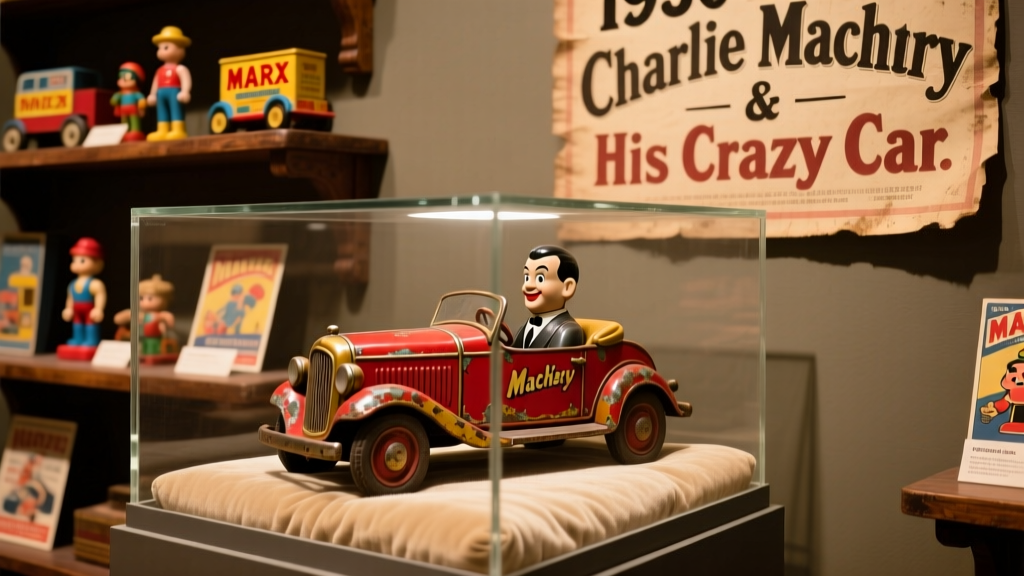
Charlie McCarthy Toy Benzene Buggy 'Crazy Car Action' Tin Litho Marx C. 1938 — A Deep Dive into One of America’s Most Iconic Radio-Era Collectibles

Snuff Ivory Apple-Shape Box with Branch Motif Behind Stem: Authentication, Provenance, and Structural Analysis of a 2-Inch Lift Mechanism

Doll Oriental Composition Swivel Head with Glass Eyes and Mohair Wig — A 24-Inch Collector’s Authentication Guide
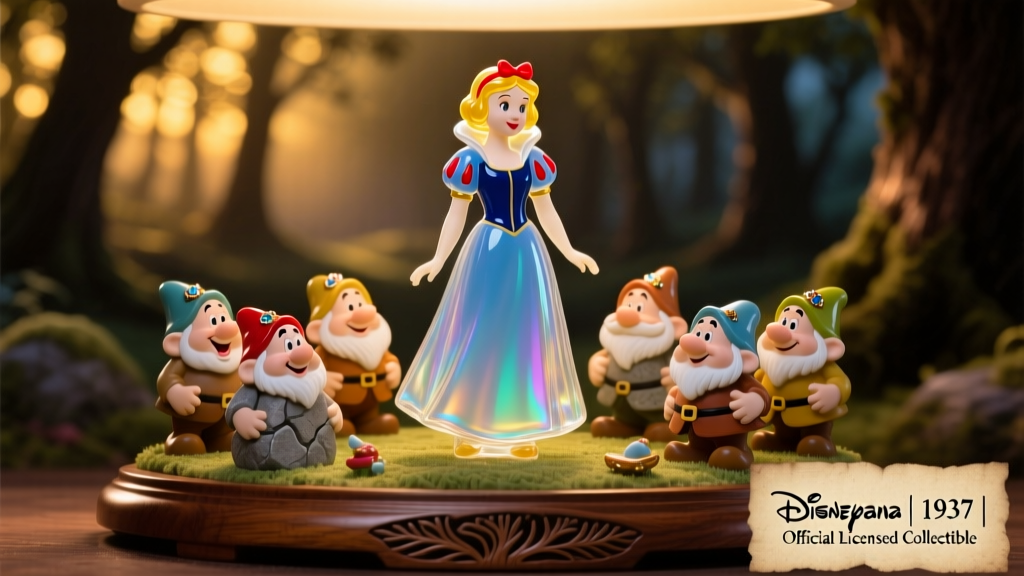
Disneyana Glass Doc: Authenticating and Valuing the Original 1938 Snow White & the Seven Dwarfs Glass Figurines
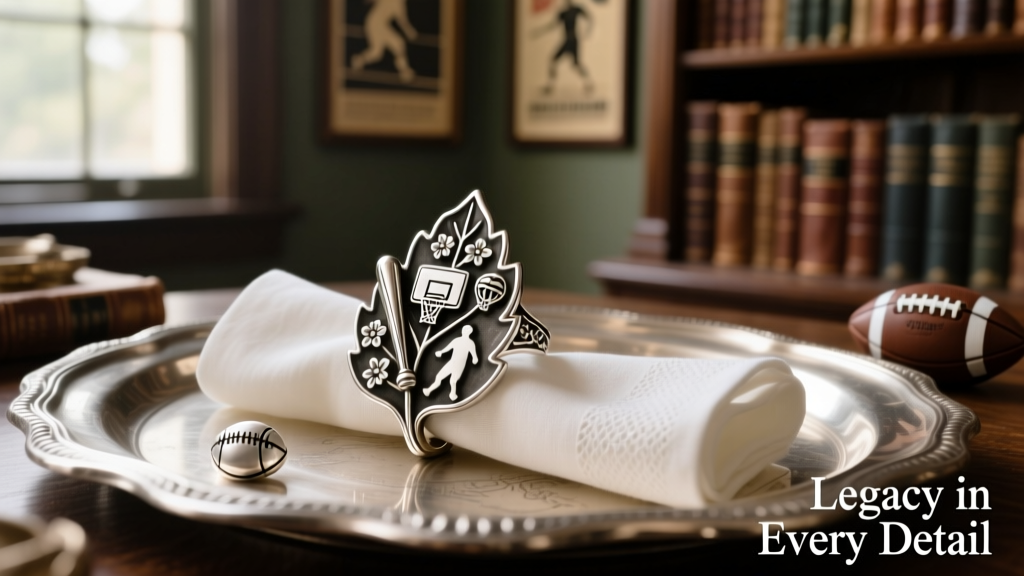
Napkin Rings: 'Ring On Leaf Flowers' Silver Plate — History, Identification & Collector Value
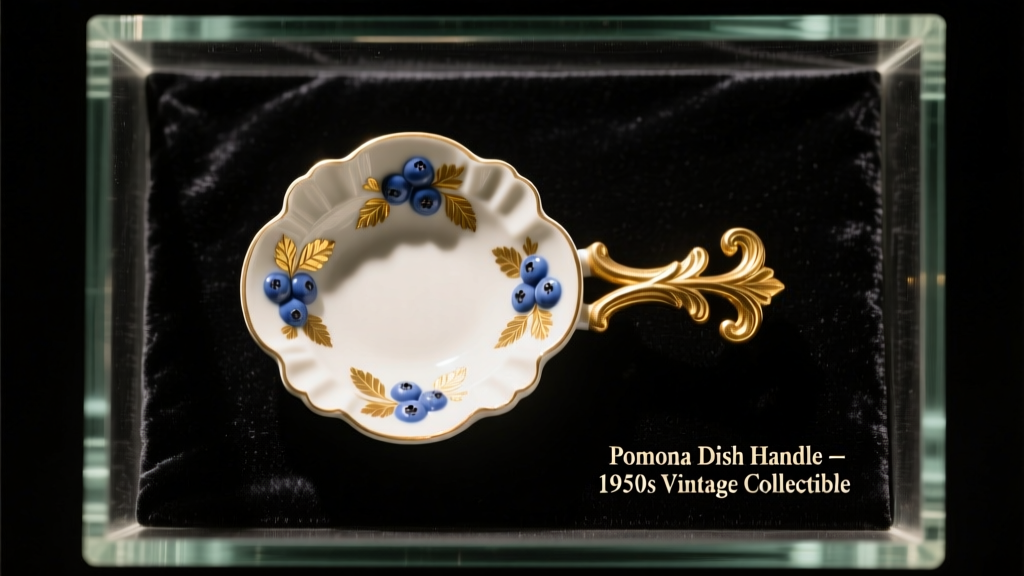
Pomona Dish Handle: Gold Leaves, Blueberries, and Ruffled Elegance — A Collector’s Deep Dive into the 4 × 3 Inch Ceramic Handle