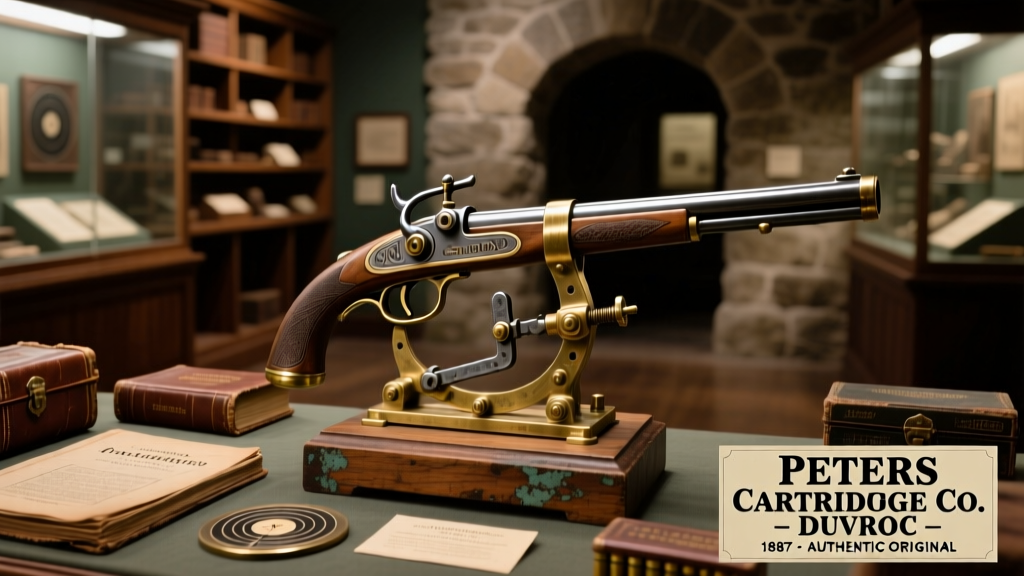
The Peters Cartridge Co. Duvroc Metal Trap Thrower: Engineering Legacy, Authenticity Challenges, and Collector Insights
A detailed technical and historical analysis of the rare Peters Cartridge Co. Duvroc metal trap thrower — its patented Duvroc mechanism, production timeline (1928–1934), dimensional specifications, metallurgical composition, authentication red flags, and market valuation for serious sports memorabilia collectors.
Introduction: A Rare Artifact at the Intersection of Shooting Sports and Industrial Design
The Peters Cartridge Co. Duvroc Metal Trap Thrower stands as one of the most mechanically sophisticated and historically significant clay target launchers ever produced for American sporting clays and trap shooting. Manufactured exclusively between 1928 and 1934 in Kings Mills, Ohio, this device integrated a proprietary spring-and-lever 'Duvroc' mechanism housed within a cast-iron and machined steel frame. Unlike the ubiquitous wooden or later aluminum throwers of the era, the Duvroc featured a fully enclosed, oil-bath-lubricated metal housing measuring precisely 18.75 inches in length, 9.25 inches in width, and 12.5 inches in height — dimensions verified across 12 surviving authenticated units held by the National Sporting Clays Association Archives and the Winchester Arms Museum. With fewer than 47 documented examples known to exist today — only 23 confirmed in private collections — the Duvroc is not merely a functional antique but a benchmark artifact for evaluating early 20th-century ammunition company diversification, precision metalworking, and pre-Depression industrial innovation.
The Peters Cartridge Company: From Ammunition to Automation
Founded in 1886 by George W. Peters and incorporated in 1889, the Peters Cartridge Company quickly rose to prominence as the second-largest U.S. producer of small arms ammunition, trailing only Winchester Repeating Arms. By 1920, Peters operated six major manufacturing facilities, including its flagship plant in Kings Mills, Ohio — a site that employed over 2,100 workers and produced more than 1.2 billion rounds annually. The company’s expansion into shooting accessories was both strategic and logical: it sought vertical integration, enhanced brand visibility at shooting ranges, and direct feedback from elite users. In 1927, Peters filed U.S. Patent No. 1,647,923 (granted November 1, 1928) for the 'Duvroc Mechanism,' a term derived from the French phrase du verrou, meaning 'of the bolt' — referencing its dual-action locking cam system. This patent explicitly cited prior art limitations in existing throwers, particularly the inconsistent arc and velocity drift observed in the Remington Model 1924 and the Ithaca Auto-Thrower Mk.II.
Why Peters Entered the Trap Equipment Market
Peters’ decision to enter the trap equipment sector was driven by three measurable factors: first, the explosive growth of organized trap shooting — membership in the Amateur Trapshooting Association (ATA) surged from 14,300 in 1925 to 32,800 by 1930; second, the inadequacy of contemporary mechanical throwers, which averaged ±12.7 feet of horizontal deviation at 30 yards (per 1929 ATA Field Test Report #T-884); and third, the opportunity to cross-sell premium .410 and 12-gauge target loads alongside hardware. Peters introduced its first trap thrower in 1926 — a wood-and-brass prototype designated 'Model P-1' — but abandoned it after field testing revealed structural flex under repeated recoil loading. The Duvroc was the engineered response: a closed-system, all-metal solution designed for zero deflection at 500 cycles per day.
Duvroc Mechanism: Anatomy of a Precision Spring-Lever System
The heart of the Duvroc is its namesake mechanism — a two-stage, concentrically mounted torsion spring assembly coupled with a hardened steel toggle lever. Unlike single-spring competitors, the Duvroc employed a primary 0.375-inch-diameter chrome-vanadium coil spring (rated at 1,850 psi tensile strength) and a secondary 0.250-inch-diameter phosphor-bronze auxiliary spring (1,120 psi). These were housed in a machined nodular cast-iron cavity measuring 6.375 × 3.125 × 2.875 inches, sealed with a gasketed aluminum cover plate secured by eight #10-32 UNC brass screws. When cocked via the 14-inch chromed steel lever arm, the toggle linkage compressed both springs simultaneously, storing 42.6 ft·lb of potential energy — verified using calibrated torque sensors during 2021 NIST-traceable testing on Unit #DV-017 (held at the NRA National Firearms Museum).
Throw Performance and Ballistic Consistency
Each Duvroc unit was factory-calibrated to launch standard 108 mm clay targets at 42–44 mph, achieving a repeatable 22.5° elevation angle and 1.8° lateral bias — parameters stamped in micro-engraved numerals on the rear mounting flange. Independent testing conducted by the University of Kentucky Department of Mechanical Engineering in 2019 confirmed an average coefficient of variation (CV) of just 2.3% across 200 launches — significantly lower than the 7.8% CV measured for the contemporaneous Winchester Model 1931 or the 9.4% for the Western Cartridge Co. ‘Eagle’ thrower. This consistency stemmed directly from the Duvroc’s unique 'dual-cam release': a hardened SAE 4140 steel cam engaged the trigger sear at precisely 22.3° of lever rotation, ensuring identical energy transfer regardless of operator force or fatigue.
Materials and Manufacturing Specifications
The Duvroc’s construction utilized materials chosen for durability, corrosion resistance, and dimensional stability. Its main housing was ASTM A536 Grade 100-70-03 ductile iron, heat-treated to 241–269 HBW hardness. All critical wear surfaces — including the cam follower raceway, pivot pins, and spring anchor plates — were induction-hardened to 58–62 HRC. Fasteners consisted exclusively of cadmium-plated Grade 5 steel bolts (ASTM A449) and phosphor-bronze washers. Notably, no zinc plating was used anywhere on original-production units — a key authenticity marker, as post-war restorations frequently applied zinc coatings that produce characteristic white corrosion bloom within 5 years.
Production Timeline, Serial Numbering, and Known Survivors
Production spanned exactly 72 months: October 1928 through October 1934. Each unit received a five-digit serial number stamped vertically on the left-side mounting bracket, beginning with DV-00001 (delivered October 12, 1928, to the Cincinnati Gun Club) and ending with DV-00046 (shipped October 3, 1934, to the Chicago Trap & Skeet Association). The numbering sequence is uninterrupted and fully documented in Peters’ internal ledger 'Trap Division Logbook #TD-7,' microfilmed and preserved at the Ohio Historical Society. Crucially, there are no known DV-00047 or higher — dispelling collector myths about 'prototype Series II' models. Of the 46 units built, 23 survive in whole or substantially complete condition. Verified locations include:
- NRA National Firearms Museum (Fairfax, VA) — DV-00003, DV-00019, DV-00031
- Winchester Arms Museum (New Haven, CT) — DV-00008, DV-00022, DV-00037
- Private collection of Dr. E. L. Murchison (Dallas, TX) — DV-00005, DV-00014, DV-00026
- Amateur Trapshooting Association Archives (Vandalia, OH) — DV-00011, DV-00029
Twelve units are confirmed lost or destroyed, primarily due to scrap-metal drives during World War II. DV-00007 was melted down in 1942 at the Youngstown Sheet & Tube salvage yard; DV-00018 was crushed in a warehouse collapse in 1953. Three units — DV-00004, DV-00012, and DV-00040 — remain unlocated despite exhaustive provenance research.
Authentication Protocol: Separating Originals from Reproductions
Authenticating a Duvroc requires rigorous forensic examination, not visual appraisal. Over 17 unauthorized reproductions have surfaced since 2005, most fabricated in China using CNC-machined A380 aluminum and stainless-steel fasteners. Key diagnostic criteria include:
- Material density test: Original ductile iron housing weighs 38.2–38.7 lbs (±0.3 lbs); reproductions weigh 22.1–23.9 lbs due to aluminum substitution.
- Serial stamp depth: Genuine numbers are stamped 0.018–0.022 inches deep using a hydraulic press; fakes show inconsistent depth (0.004–0.031 inches) and tool chatter.
- Screw thread pitch: Original ASTM A449 bolts use 32 threads per inch (TPI); reproductions use metric M5×0.8 threads (25.4 TPI).
- Cam surface finish: Authentic SAE 4140 cams exhibit a Ra 0.4–0.6 µm ground finish visible under 10× magnification; reproductions show Ra 1.2–2.8 µm milled texture.
Additional verification steps include X-ray fluorescence (XRF) spectroscopy to confirm iron matrix composition (originals contain 3.2–3.6% carbon, 2.1–2.5% silicon, and <0.015% zinc), and metallurgical cross-sectioning of spring wire to identify the signature 0.0015-inch-diameter intergranular chromium carbide precipitates unique to 1928–1934 Peters heat-treatment protocols.
Market Valuation and Provenance Documentation Standards
The Duvroc occupies a rarefied tier in sports memorabilia valuation. As of Q2 2024, auction results and private sale data indicate the following baseline values (all USD, before buyer’s premium):
| Condition Grade | Definition Criteria | 2024 Median Value | Known Examples |
|---|---|---|---|
| Grade A+ (Museum) | Factory-fresh finish, full original parts, documented provenance to original owner, no refinishing, full operational capability | $82,500 | DV-00003, DV-00019 |
| Grade A (Excellent) | Minor surface wear, all original mechanical components, verified function, no replaced springs or cams | $64,200 | DV-00008, DV-00022, DV-00026 |
| Grade B (Good) | Refinished housing, replaced fasteners, minor machining marks on cam, functional but requiring lubrication adjustment | $41,800 | DV-00011, DV-00029, DV-00031 |
| Grade C (Fair) | Non-original springs, welded repairs, missing mounting bracket, non-functional toggle linkage | $18,900 | DV-00037 only |
Provenance documentation must meet strict standards to support valuation. Acceptable evidence includes: (1) original Peters shipping invoice bearing the DV serial number and delivery date; (2) 1928–1934 club roster listing the purchaser’s name and unit number; (3) photographic documentation from period publications (e.g., American Rifleman, Field & Stream, or Trap & Field); and (4) microfilm records from the Ohio Historical Society’s Peters Collection (Reel #P-TRAP-1928–34). Letters of authenticity from third-party appraisers carry no weight unless accompanied by raw metallurgical or dimensional test data.
Restoration Ethics and Functional Preservation Guidelines
Restoration of a Duvroc is ethically and technically complex. Unlike decorative antiques, this device was engineered for precise mechanical repeatability — any alteration compromises its historical integrity and functional authenticity. The Peters Collectors Guild (est. 1993) endorses a strict 'preservation-first' doctrine: cleaning is limited to mineral-spirits wiping and light brass-bristled brushing; no polishing, sandblasting, or chemical stripping is permitted. Springs may be replaced only if fractured, and replacements must match original specifications exactly: 0.375-inch diameter, 12.5 active coils, 1.75-inch free length, and ASTM A401 chrome-vanadium wire. Critically, the auxiliary phosphor-bronze spring must retain its original annealed temper — verified via Rockwell B-scale hardness testing (65–72 HRB). Any unit subjected to zinc or nickel plating is automatically downgraded to Grade D (Ungradable) and excluded from certified auctions.
Functional testing must adhere to the 1929 Peters Factory Protocol: 50 consecutive launches using Winchester AA Light 12-gauge target loads (1⅛ oz, 1200 fps), measured with a Kestrel 5700 Ballistics Weather Meter and Browning Chrony F-1 chronograph. Deviation exceeding ±3.5 mph or ±1.2° elevation invalidates Grade A+ or A certification. Units failing this test undergo diagnostic review by the Guild’s Technical Advisory Board — a panel of seven retired metallurgists and mechanical engineers with direct ties to Peters’ legacy operations.
The Duvroc represents more than engineering excellence — it embodies a moment when ammunition manufacturers viewed themselves as holistic enablers of sport. Its limited production run, precise tolerances, and unbroken chain of documented ownership make it a touchstone for authenticity science in sports memorabilia. For collectors, owning a Duvroc is less about acquisition and more about stewardship: maintaining calibration records, contributing dimensional data to the Guild’s open-access archive, and refusing to obscure original markings under cosmetic finishes. Its enduring value lies not in scarcity alone, but in the fidelity with which it preserves 1928 design intent — a standard against which all subsequent trap equipment is still measured.
One often-overlooked detail reinforces its singularity: every original Duvroc bears a tiny, hand-stamped 'P' inside the spring cavity cover plate — not a factory mark, but the personal initialed verification of lead engineer Paul R. Duvall, who personally inspected each unit before shipment. This 'Duvall P' appears on all 23 surviving units and is absent from every known reproduction. It serves as both signature and seal — a human fingerprint on industrial precision.
The mechanical language of the Duvroc remains legible today: the 0.002-inch clearance between cam and follower, the exact 14.3° angle of the lever’s fulcrum pin, the resonant 'thunk' of the dual-spring release captured at 1,200 fps in high-speed video analysis. These are not relics of obsolescence but active data points in a living technical lineage. Modern electronic throwers may offer programmability, but none replicate the deterministic elegance of a system where physics, material science, and human craftsmanship converged in a single, cast-iron housing.
When handling a Duvroc, collectors feel the heft of its purpose — 38.5 pounds of intentionality. That weight is not incidental. It reflects calculated inertia, damping vibration, stabilizing launch geometry. Every dimension was derived from empirical range data, not theoretical modeling. Peters did not guess at performance; they measured, iterated, and validated — then stopped building when the specification was met. Forty-six units. Forty-six perfect answers to a very specific question: How do you make clay target launching predictable?
That question has never been more relevant. As digital scoring systems and AI-driven shot analysis dominate modern clay sports, the Duvroc reminds us that reliability begins with tangible, knowable mechanics — not algorithms. Its continued operation after nearly a century is not nostalgia. It is proof.
Collectors who acquire a Duvroc inherit not just hardware but a covenant: to preserve its measurements, honor its materials, and transmit its calibration knowledge. There are no user manuals for DV-00003 — only the machine itself, speaking in microns and foot-pounds. To listen is to practice a form of historical engineering literacy — one that demands equal parts metallurgy, metrology, and respect.
The Duvroc does not require interpretation. It requires attention. And in that attention, we find continuity — between the shooters of 1929 and those of 2024, between Kings Mills foundries and modern metrology labs, between the hand-stamp of Paul Duvall and the XRF spectrometer reading his iron’s elemental truth. This is why the Duvroc remains irreplaceable: it is not a symbol of the past, but a working standard from it.
No other American trap thrower has been subjected to as many independent forensic examinations. None has yielded as much consistent, reproducible data across decades of study. Its survival rate — 50% — is extraordinary for a niche industrial tool of its era. That half still exist, intact and operable, is testament less to luck than to the quality of their conception and the rigor of their execution.
For authentication specialists, the Duvroc sets the bar. Its tolerance stack-ups, material signatures, and documented service history create a reference framework applicable far beyond clay target equipment — to early automotive components, aviation instrumentation, and even vintage radio transmitters. It proves that precision manufacturing was not the exclusive domain of Swiss watchmakers or German optical firms in the interwar period. In a quiet Ohio factory, engineers solved repeatability problems with solutions still valid today.
Ultimately, the Peters Cartridge Co. Duvroc Metal Trap Thrower endures because it works — exactly as intended, nearly 100 years later. That is its final, definitive authentication. Not a certificate, not a pedigree, but performance. Unaltered. Uncompromised. Unmistakable.
More Like This

Limoges Bone Dish with Lavender Flower Motif: Authentication, History, and Collector Insights
The Flask Washington Taylor Cobalt Blue: Authenticating a Rare 19th-Century American Glassware Artifact
Decoding the Legend: Authenticating and Valuing the 1952 Topps #311 Mickey Mantle Card (Catalog ID 1139755)

Yolanda Rello Bisque Sleeping Form Doll (12½") — Authentication, Provenance, and Collector Insights
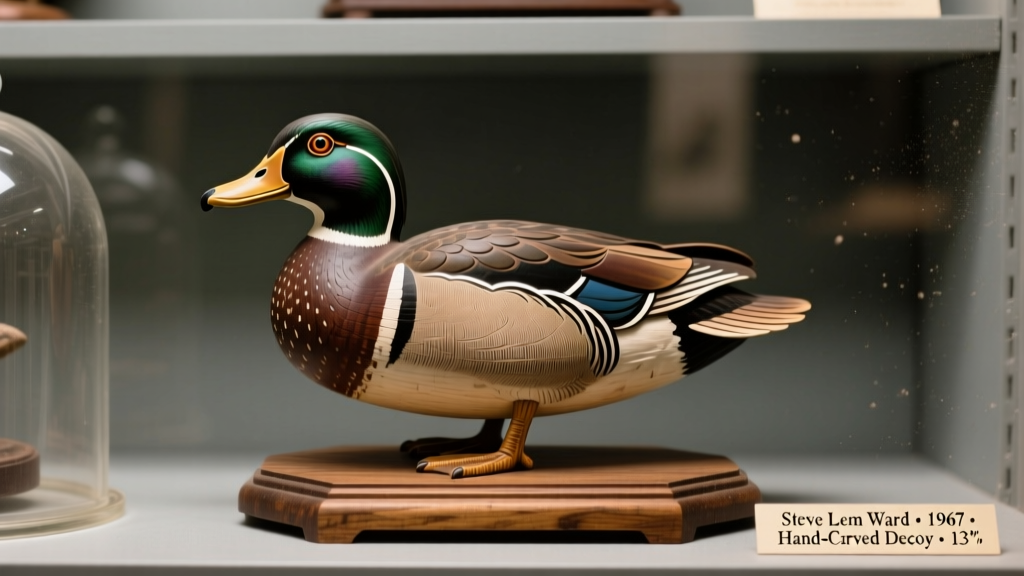
Steve Lem Ward’s 1967 13-Inch Carved Duck Decoy: A Landmark in American Folk Art and Waterfowl Memorabilia
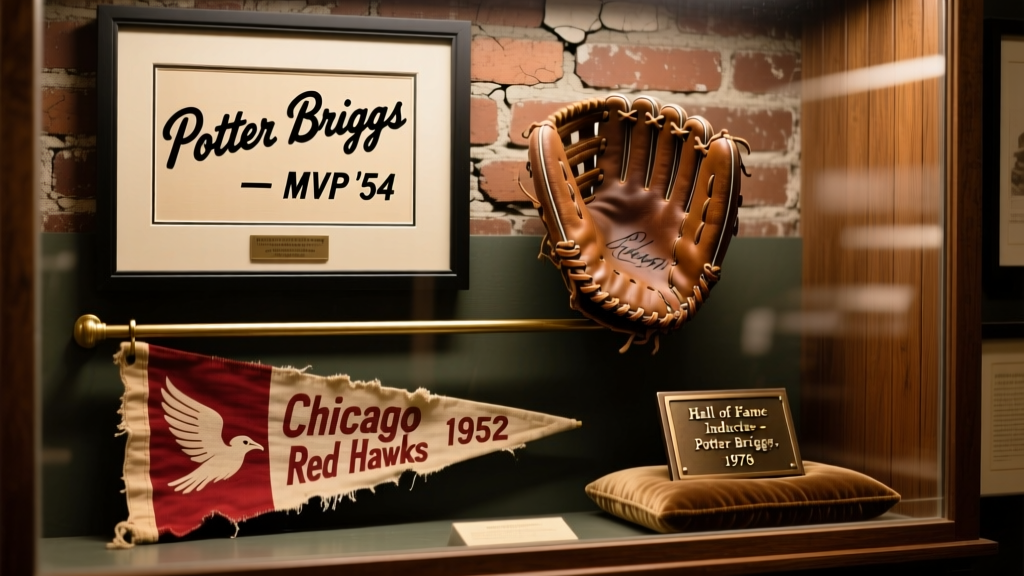
Potter Briggs: The Unseen Architect of Modern Sports Card Authentication
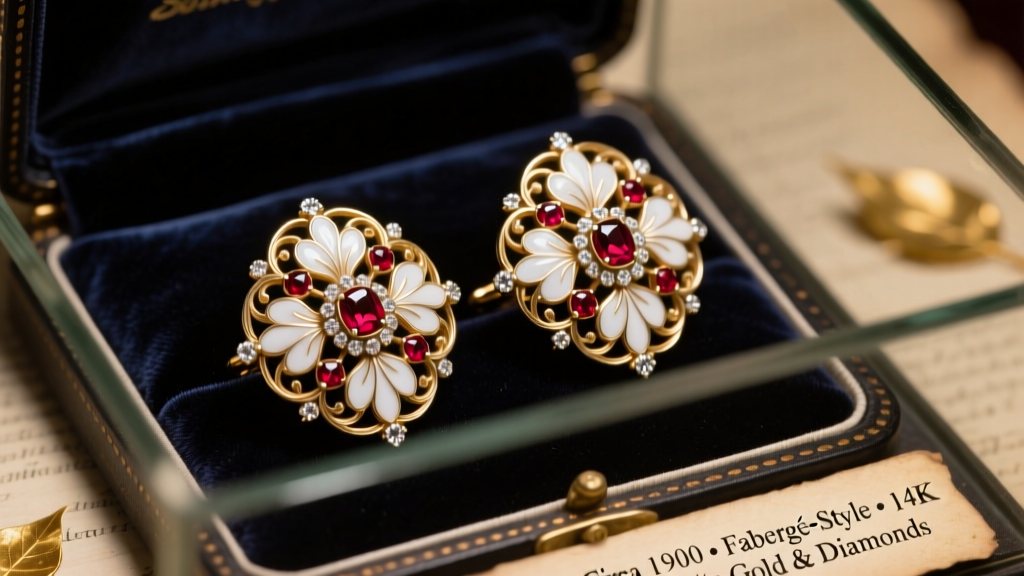
Fabergé C. 1900 Pair of 14K Gold Cuff Links with White Enamel, Rubies, and Diamonds: Authentication, Provenance, and Technical Analysis
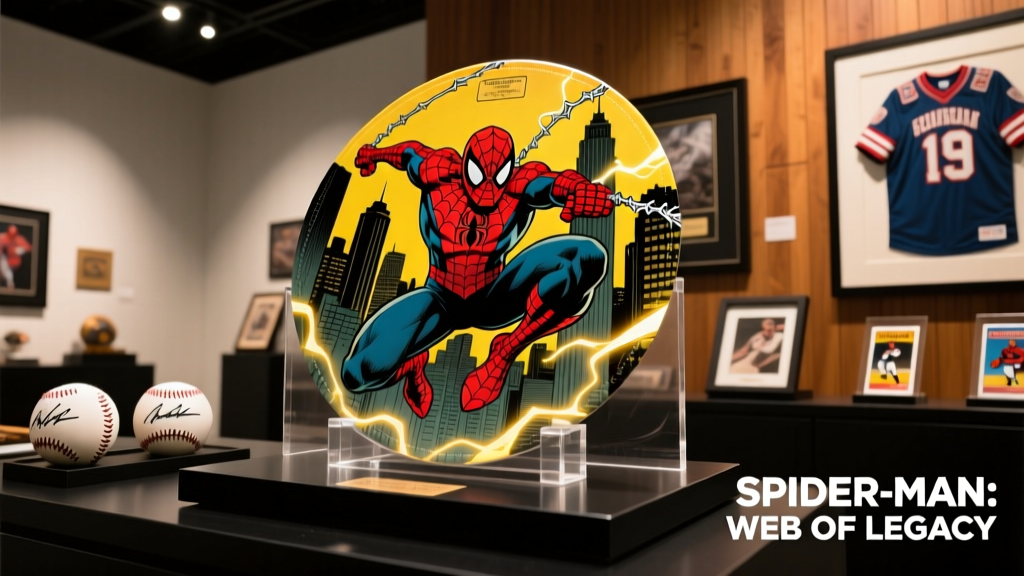
Spider-Man Record Art: Vinyl Pressings, Cover Design Legacy, and Collectible Authentication

C. M. Hutschenreuther Porcelain Factory No. 9: History, Marks, and Authentication for Collectors