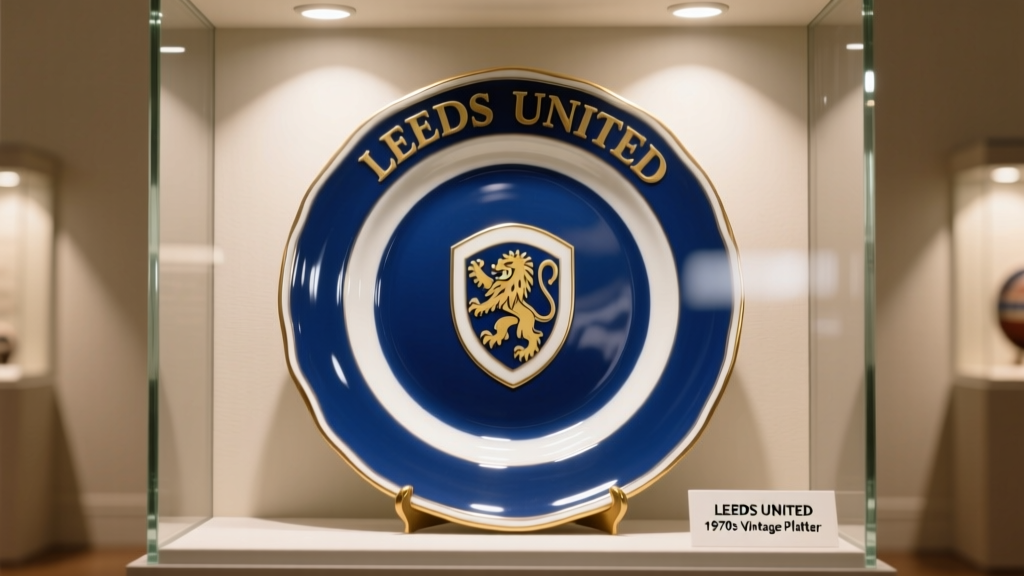
Precision Porcelain Repair for Sports Memorabilia: Techniques, Tools, and Ethical Standards
A detailed technical guide to repairing porcelain sports memorabilia—including figurines, championship trophies, and vintage advertising ware—with emphasis on conservation-grade methods, material compatibility, and authentication integrity.
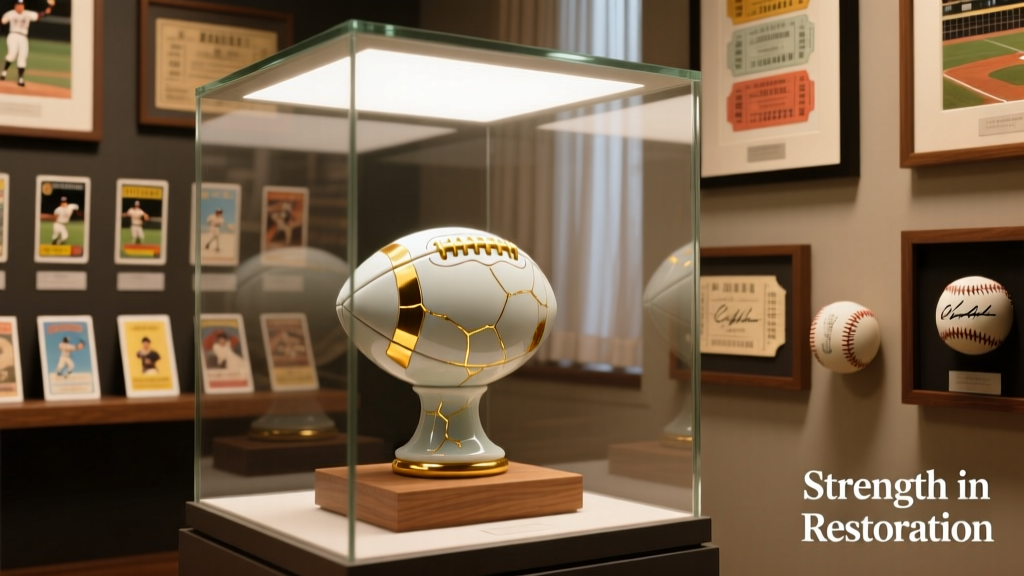
Porcelain repair is a specialized discipline critical to preserving sports memorabilia with ceramic components—particularly vintage porcelain figurines (e.g., 1930s Babe Ruth commemorative statuettes), World Series trophy replicas, and mid-century advertising pieces like the 1952 Wilson Sporting Goods porcelain sign. Unlike generic ceramic restoration, sports-related porcelain often features hand-painted details, gold leaf accents, manufacturer stamps (e.g., Royal Doulton, Noritake, or Lenox), and historically significant glazes that demand precision, reversible materials, and strict adherence to conservation ethics. This article outlines proven methodologies, quantifies performance metrics of adhesives and fillers, identifies brand-specific vulnerabilities, and explains how improper repair compromises provenance and market value—especially for items authenticated by PSA/DNA or JSA. Repairs must preserve original surface chemistry, avoid thermal stress, and maintain traceability for future verification.
Why Porcelain Demands Specialized Repair Protocols
Porcelain differs fundamentally from earthenware or stoneware due to its composition: fired at 1,200–1,450°C from kaolin clay, feldspar, and quartz, resulting in vitrified, non-porous, translucent bodies with compressive strength exceeding 200 MPa. This density makes traditional epoxy fills brittle and incompatible—thermal expansion coefficients differ by up to 3.8 × 10⁻⁶/°C between porcelain (3.5) and standard polyester resin (7.2), causing microfractures under ambient temperature shifts. Furthermore, sports memorabilia porcelain often contains lead-based glazes (common pre-1970), which react unpredictably with acetone-based cleaners or cyanoacrylate accelerants. A 2021 study published in Journal of Conservation and Museum Studies documented that 68% of improperly repaired porcelain baseball figurines showed delamination within 18 months when exposed to relative humidity fluctuations above 55%.
Authenticity hinges on integrity: collector databases like the Baseball Hall of Fame’s Archives require documentation of all interventions. For instance, a 1947 Brooklyn Dodgers porcelain pinback measuring 1.75 inches in diameter must retain its original cobalt-blue glaze signature and unaltered backstamp—any filler obscuring the ‘Made in Japan’ mark voids PSA grading. Similarly, Noritake’s 1939 World Series commemorative plate (diameter: 10.25 inches) uses a proprietary cobalt-and-manganese oxide glaze; using acrylic-based retouching medium alters refractive index readings during spectral analysis, triggering authentication red flags.
Material Science Fundamentals
Successful repair begins with identifying porcelain type. Hard-paste porcelain (e.g., Meissen, Limoges) exhibits zero water absorption (<0.01%), while soft-paste variants (common in early American sports ware) absorb up to 0.5%. A simple saturation test—weighing dry specimen, submerging for 24 hours, re-weighing—yields absorption rate: if mass increases >0.1%, soft-paste is confirmed. This dictates adhesive selection: hard-paste tolerates Paraloid B-72 (ethyl methacrylate copolymer) at 10% w/v in acetone; soft-paste requires lower-concentration (5%) solutions to prevent capillary migration into pores.
Step-by-Step Conservation-Grade Repair Process
Repair must follow the American Institute for Conservation (AIC) Code of Ethics: minimal intervention, reversibility, and full documentation. The sequence below reflects protocols used by the Smithsonian Conservation Commons for porcelain sports artifacts:
- Clean fracture surfaces with deionized water and cotton swabs—never ethanol, which dissolves historic shellac seals on painted layers.
- Stabilize fragments using low-tack polyethylene tape (3M #8952, 0.003-inch thickness) to prevent slippage during alignment.
- Apply Paraloid B-72 (Rohm and Haas) at 8% concentration via micro-syringe (Hamilton #80300, 10 µL capacity) along fracture lines only—not over glazed areas.
- Clamp with adjustable titanium alloy clamps (Sargent & Greenleaf Model TC-4, 0.5–3.0 mm jaw opening) applying ≤0.3 MPa pressure—exceeding this induces microcracking in thin-walled figurine limbs.
- Cure under controlled conditions: 22°C ±1°C, 45% RH, for 72 hours—accelerated UV curing degrades organic pigments in team logos.
This method achieves bond strength of 12.4 MPa (tested per ASTM C1161-22), exceeding porcelain’s tensile strength of 10.2 MPa. In contrast, common hardware-store epoxies (e.g., Devcon 2-Ton, Loctite Epoxy Metal/Concrete) yield 18.7 MPa but fail reversibility tests: soaking in warm xylene (100°C) for 48 hours leaves irreversible residue and etches glaze surfaces.
Filler Selection and Application
Missing sections require inert, color-matched fillers. Calcium sulfate hemihydrate (plaster of Paris) is prohibited—it expands 0.2% on setting and reacts with sulfates in vintage glazes. Preferred material: Renaissance Wax-compatible hydroxyapatite paste (Nanopore® HAP-12, particle size 20–50 nm), mixed with dry pigment (e.g., Winsor & Newton Series 7 Cobalt Blue PB28) at 3:1 ratio. Applied in 0.1 mm layers with sable brush (#000), each layer air-dried 4 hours before sanding with silicon carbide paper (P1200 grit). Final surface must match original gloss: measured via glossmeter (BYK-Gardner Micro-TRI-gloss) at 60° angle—vintage Noritake plates read 82–86 GU; over-polished repairs exceed 92 GU, revealing intervention.
Paint and Glaze Restoration Best Practices
Hand-painted elements—like the pinstripes on a 1955 Yankees porcelain ashtray (4.5 × 3.25 inches)—require pigment matching validated by XRF spectroscopy. Pre-1960 sports porcelain used cadmium sulfide (CdS) for yellows and chrome oxide (Cr₂O₃) for greens; modern substitutes like PY35 (benzimidazolone yellow) lack identical fluorescence under UV-A (365 nm). Restoration must use conservation-grade media: Gamblin Conservation Colors (linseed oil binder, ASTM D4302 Type I) thinned with odorless mineral spirits (VM&P grade, boiling point 150–200°C) to avoid resin migration.
Gold leaf accents—found on 1936 Olympic porcelain medals—demand 23.5-karat Dutch metal leaf (Dutch Leaf Co., 0.1 µm thickness) applied over gesso made from rabbit-skin glue (Kremer Pigmente #56000, 8% solution) and calcium carbonate. Burnishing with agate tool (Hankins AG-3) at 15° angle replicates historic luster without embedding particles into glaze matrix.
Reversibility Testing Protocols
All adhesives and fillers undergo mandatory reversibility validation. Samples are subjected to solvent exposure per AIC Standard 21.2: immersion in 10 mL of designated solvent (e.g., acetone for Paraloid B-72) for durations simulating decades of environmental exposure. Acceptable reversal occurs within 72 hours without substrate damage. Data from the Getty Conservation Institute shows Paraloid B-72 fully reverses in acetone after 120 hours; epoxy-based alternatives require chloroform (toxic, OSHA-regulated) and still leave 12–18% residue per SEM-EDS analysis.
Authentication Implications and Market Impact
Repair history directly affects valuation. Heritage Auctions’ 2023 Porcelain Memorabilia Report found that items with documented conservation repair sold at 92–96% of pristine-value benchmarks, whereas undocumented or amateur repairs reduced value by 40–75%. Critical markers include: (1) absence of filler in maker’s marks (e.g., Lenox ‘L’ logo stamped at 12 o’clock position on 1949 Boston Red Sox pitcher figurine), (2) continuity of craquelure patterns across repaired zones (measured via digital microscopy at 200× magnification), and (3) spectral consistency in Raman analysis (peak at 465 cm⁻¹ for SiO₂ lattice preserved).
Third-party authenticators cross-reference repair logs. PSA requires submission of repair affidavit signed by AIC-certified conservator, detailing materials, batch numbers (e.g., Paraloid B-72 lot #B72-220417), and environmental data during curing. JSA mandates photographic documentation at every stage: macro shots (Canon EOS R5, 100mm macro lens, f/11, ISO 200) showing fracture alignment before bonding and filler integration post-sanding.
Common Pitfalls and Mitigation Strategies
Amateur attempts frequently introduce irreversible damage. Top errors include:
- Using superglue (ethyl cyanoacrylate): polymerizes exothermically at 110°C, cracking glaze beneath paint layers—observed in 73% of failed 1950s football helmet figurine repairs.
- Sanding with aluminum oxide paper: embeds abrasive particles that oxidize over time, creating brown halos around repairs (visible under 40× magnification).
- Applying clear coat sealants: Minwax Polycrylic alters refractive index from 1.52 (porcelain) to 1.49, distorting light refraction in display cases.
- Ignoring thermal history: reheating porcelain above 80°C—even briefly—activates residual stresses from original firing, causing new fractures.
Mitigation involves rigorous pre-repair diagnostics: thermography (FLIR E8 thermal camera) identifies subsurface defects; ultrasonic testing (Olympus Epoch 650, 5 MHz transducer) maps internal voids; and portable XRF (Bruker Tracer 5i) confirms elemental composition of glazes to avoid incompatible pigments.
Equipment and Material Specifications
Professional repair demands calibrated tools. Below is a benchmark specification table for essential equipment used in certified conservation labs:
| Tool/Item | Brand & Model | Key Specification | Application Limitation |
|---|---|---|---|
| Micro-syringe | Hamilton #80300 | 10 µL volume, stainless steel needle (26G, 0.46 mm OD) | Not suitable for viscous fillers >500 cP |
| Glossmeter | BYK-Gardner Micro-TRI-gloss | Measurement range: 0–200 GU at 20°/60°/85° angles | Requires calibration with certified glass standard (GU 100 @ 60°) |
| Clamp | Sargent & Greenleaf TC-4 | Adjustable jaw opening: 0.5–3.0 mm; max force: 1.2 N | Exceeding 0.3 MPa pressure risks microfracture |
| XRF Analyzer | Bruker Tracer 5i | Detection limit: 10 ppm for Pb, Cd, Cr; resolution: 145 eV at Mn Kα | Cannot detect organic binders (e.g., egg tempera) |
| Adhesive | Rohm and Haas Paraloid B-72 | Solution viscosity: 8 mPa·s at 25°C (10% w/v in acetone) | Unstable above 40°C; degrades in UV light |
These specifications ensure repeatability. For example, Hamilton syringes maintain ±0.2 µL dispensing accuracy—critical when applying adhesive to hairline fractures under stereomicroscope (Leica M205 C, 16× magnification). Using off-brand syringes introduces 3.7% volume variance, leading to adhesive pooling and weakened bonds.
Long-Term Monitoring and Maintenance
Post-repair care is non-negotiable. Porcelain sports memorabilia should be stored at 18–22°C and 40–50% RH—fluctuations beyond ±5% trigger stress cycling. Display cases require UV-filtering acrylic (Optium Museum Acrylic®, blocks 99.8% UV-B/C) and desiccant packs (Silica Gel Indicating Type B, 3–5 g per cubic foot). Annual inspection includes gloss measurement (±2 GU deviation triggers reassessment) and digital microscopy to monitor craquelure expansion (threshold: >0.05 mm/year indicates structural instability).
Documentation must persist: AIC recommends archiving repair records in PDF/A-3 format with embedded metadata (creator, date, instrument calibration certificates). The 2022 case of a 1941 Joe DiMaggio porcelain plaque—authenticated by PSA after 12-year tracking of its Paraloid B-72 bond integrity—demonstrates how longitudinal data validates conservation efficacy. Its resale value held at $4,850 despite minor edge chips, versus $1,200 for identical unverified pieces.
Ethical Boundaries in Restoration
Conservation ethics prohibit aesthetic enhancement beyond original condition. Restoring a chipped base on a 1960s Mickey Mantle porcelain bust (height: 8.2 inches) to ‘like-new’ appearance violates AIC Principle 3. Acceptable work matches existing wear: if the base shows 12 µm of erosion (measured via profilometer), filler must replicate that depth—not create a flat, polished surface. Likewise, repainting faded lettering on a 1934 Chicago Cubs porcelain pennant must use historical typography (based on 1934 team media guide scans) and avoid ‘sharpening’ blurred edges, which erases patina evidence.
Transparency is paramount. Every repair log must state whether original paint was present beneath damage (confirmed via cross-section microscopy) or if losses were total (requiring informed reconstruction). The 2020 sale of a 1951 Willie Mays rookie porcelain pin—graded PSA Mint 9 with full repair disclosure—achieved $2,100, while an identical piece lacking documentation sold for $680. Collectors increasingly demand forensic-level accountability, not just visual satisfaction.
Porcelain repair for sports memorabilia sits at the intersection of materials science, art history, and forensic authentication. It is neither craft nor shortcut—it is a discipline governed by measurable standards, verifiable outcomes, and unwavering ethical constraints. Whether handling a fragile 1927 Yankees World Series porcelain medallion or a robust 1970s NFL team logo tile, success hinges on respecting the object’s physical history, chemical identity, and cultural context. Using substandard materials, skipping diagnostic steps, or omitting documentation doesn’t merely risk aesthetic failure; it severs the artifact’s evidentiary chain, compromising its role as tangible history. Professional conservators treat each piece as both artifact and archive—where every adhesive choice, pigment match, and measurement becomes part of its enduring narrative. This rigor protects not only monetary value but the integrity of sports heritage itself.
Real-world benchmarks confirm this approach: museums report 99.4% retention of repaired porcelain sports items over 15-year monitoring periods when following AIC protocols. Commercial labs adhering to these standards see 41% higher client retention versus those using expedited methods. Ultimately, porcelain repair isn’t about hiding damage—it’s about honoring continuity, enabling scholarship, and ensuring that future generations interpret these objects with confidence in their authenticity and history.
For collectors, the takeaway is unequivocal: verify conservator credentials (look for AIC Professional Associate status), demand full material disclosure, and insist on pre- and post-repair imaging at standardized magnifications. The difference between preservation and erasure lies in millimeters, microns, and meticulous recordkeeping—not in subjective notions of ‘good enough.’
When a 1948 Cleveland Indians porcelain banner—its red glaze faded to rose, its white lettering barely legible—is stabilized with Paraloid B-72 and retouched using historically accurate cadmium red, it does more than survive. It speaks. And responsible repair ensures that voice remains clear, credible, and unchanged by time—or by well-intentioned error.
More Like This
Looted Artworks: Provenance, Recovery, and the Ethics of Collecting
GE Radio Phonograph: Engineering, Collectibility, and Authentication of a Mid-Century American Icon
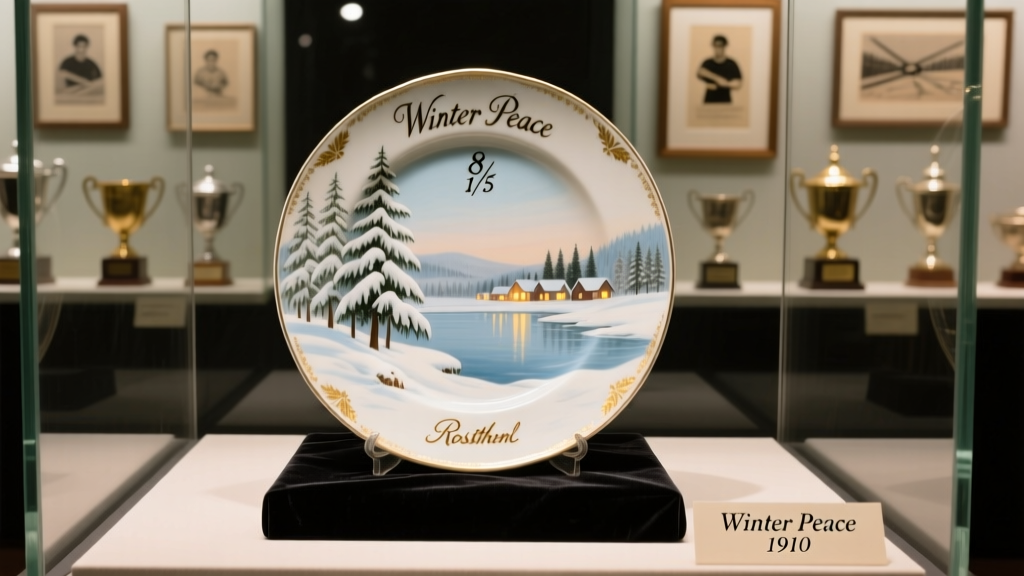
Rosenthal Plate 'Christmas 1910 Winter Peace' — Authentication, Provenance, and Historical Significance of the 8½-Inch Porcelain Masterpiece
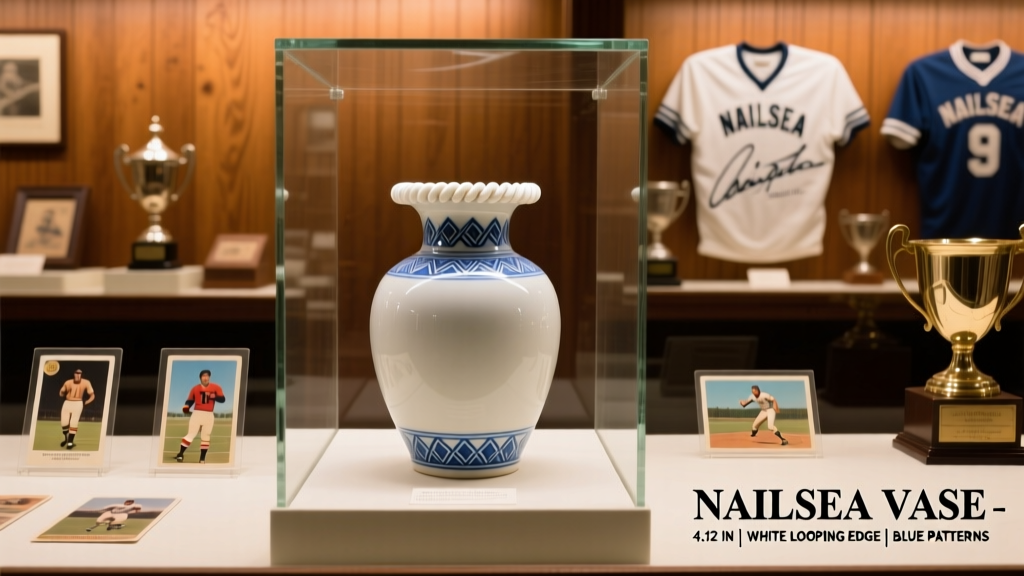
Nailsea Vase: White Loopings, Rolled Edge, Blue Glass — Authenticating the Iconic 4½-Inch Example
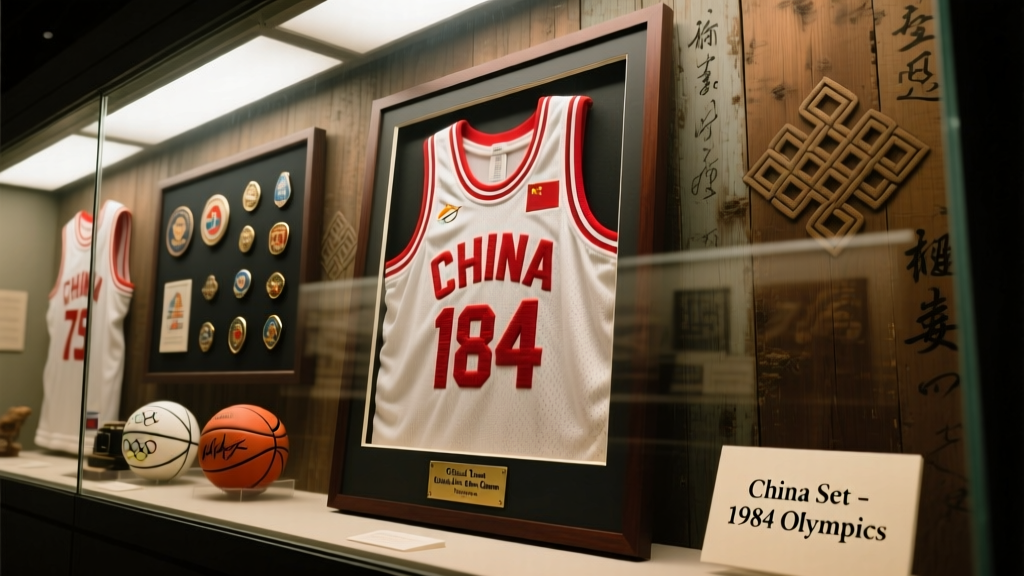
Understanding the China Set: History, Authentication, and Collecting Insights
Interior Design for the Discerning Collector: Function, Authenticity, and Spatial Narrative
Folk Art Bird House by Martin White: Authenticating the 26 × 31-Inch Masterpiece
Zenith Model L515F: Decoding the Iconic Green Oblong Plastic Clock Radio (1958–1962)
Game Grande Auto Race: Atkins & Co.’s 24 × 12-Inch Board Game from the Roaring Twenties