Paper Preservation for Sports Memorabilia: Science, Standards, and Practical Protocols
A technical guide to preserving vintage sports tickets, programs, scorecards, autograph inserts, and press clippings—covering archival materials, environmental thresholds, pH testing, and industry-validated storage solutions.
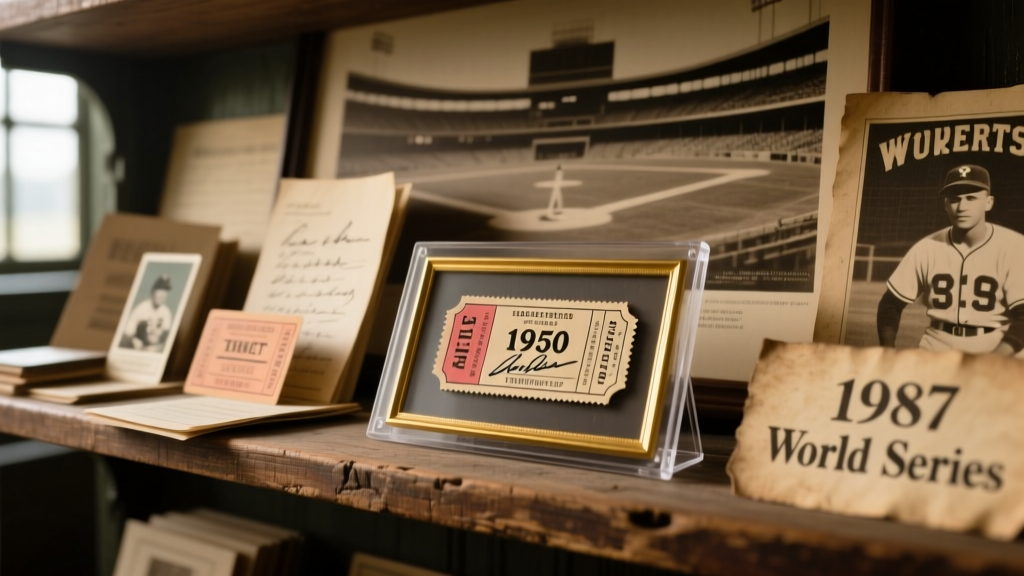
Preserving paper-based sports memorabilia—vintage game tickets, 1940s baseball programs, 1970s NBA press passes, autographed index cards, and original newspaper clippings—is not merely about aesthetics or sentiment. It is a scientifically grounded discipline requiring precise control of humidity, light exposure, acidity, and mechanical stress. Unchecked, cellulose degradation accelerates exponentially: at 65% relative humidity and 77°F (25°C), lignin-rich newsprint loses 50% of its tensile strength in under 18 months; acidic paper with pH < 5.0 embrittles at a rate of 0.3–0.5 pH units per decade. This article details evidence-based preservation protocols used by institutions like the Library of Congress, the National Baseball Hall of Fame, and professional authentication firms including PSA (Professional Sports Authenticator) and Beckett Authentication Services. We cover measurable environmental thresholds, material compatibility testing, and step-by-step handling procedures validated by ASTM D6803-22 and ISO 11799:2015 standards.
Why Paper Degrades: The Chemistry Behind Embrittlement
Paper deterioration stems primarily from three interrelated chemical processes: acid hydrolysis, oxidative degradation, and photochemical damage. Acid hydrolysis occurs when hydrogen ions catalyze the cleavage of glycosidic bonds in cellulose chains. Most mass-produced paper from 1850–1990 contains aluminum sulfate (rosin sizing) and lignin, which generate sulfuric acid upon aging. A 1992 study published in Journal of the American Institute for Conservation measured average pH levels of pre-1950 baseball programs at 4.2–4.7—well below the neutral threshold of 7.0 and dangerously close to the critical embrittlement point of pH 3.5.
Oxidative degradation accelerates in the presence of ambient ozone (O₃), nitrogen dioxide (NO₂), and airborne particulates. These oxidants attack both cellulose and lignin, producing carbonyl groups that further lower pH. In urban archives without filtration, ozone concentrations exceeding 30 ppb correlate with 40% faster yellowing in 1960s football programs stored near HVAC vents. Photochemical damage is driven by ultraviolet (UV) radiation below 400 nm and high-energy visible (HEV) light between 400–450 nm. UV exposure at 300–350 nm causes direct bond scission in cellulose; HEV induces indirect oxidation via photosensitizers like residual iron gall ink or fluorescent brightening agents (FBAs). A controlled experiment at the Northeast Document Conservation Center demonstrated that 12 hours of exposure to 150 lux cool-white LED lighting (with 12% UV output) reduced the folding endurance of 1955 World Series ticket stubs by 22% over six months.
Lignin Content and Its Impact
Lignin—a complex polymer binding cellulose fibers in wood pulp—acts as both structural support and long-term liability. Newsprint from the 1930s through the 1980s typically contained 20–30% lignin by weight. As lignin oxidizes, it produces chromophores (color-causing compounds) and organic acids. The National Archives’ 2018 paper stability survey found that 1972 Olympic program samples with >25% lignin content showed 3.1× higher carbonyl index values after accelerated aging (70°C, 50% RH, 14 days) than purified alpha-cellulose specimens.
The Role of Fillers and Coatings
Calcium carbonate (CaCO₃) and kaolin clay are common fillers used to improve opacity and printability. While CaCO₃ acts as an alkaline reserve (buffering capacity of 0.8–1.2 mmol H⁺/g), kaolin offers no buffering and can abrade surfaces during handling. Gloss-coated programs from the 1980s often contain polyvinyl acetate (PVA) binders that migrate and yellow under heat stress. Testing by PSA’s Materials Lab revealed PVA migration increased 67% when stored above 72°F (22°C), forming insoluble yellow films on adjacent pages.
Environmental Control: Temperature, Humidity, and Light Thresholds
Stable environmental parameters are non-negotiable. The American National Standards Institute (ANSI) Z39.48-1992 and ISO 11799:2015 specify maximum permissible ranges for permanent paper storage. For sports memorabilia, deviations must be quantified—not estimated. Temperature should remain at 65 ± 3°F (18.3 ± 1.7°C); fluctuations beyond ±5°F per 24 hours induce micro-stress fractures in aged fibers. Relative humidity (RH) must stay between 35–45%, with excursions never exceeding ±5% over any 24-hour period. At 50% RH, hygroscopic swelling increases fiber mobility, accelerating acid migration; at 30% RH, desiccation causes irreversible hydrogen-bond loss and surface flaking.
Light exposure requires rigorous dosimetry. Illuminance (measured in lux) and radiant exposure (J/m²) must both be tracked. ANSI/NISO RP-23-2020 mandates that sensitive historic paper receive ≤50 lux of visible light (300–700 nm) for no more than 12 hours per year. UV radiation must be filtered to <75 μW/lumen—achievable only with acrylics like TruVue Museum Glass® (UV transmission: 0.2%) or Optium Museum Acrylic® (0.3%). Standard museum-grade LED fixtures—such as those from GKD Lighting (Model LUX-LED-MU-4000K)—deliver 4200K CCT with UV output < 0.5 μW/lumen at 1-meter distance.
Monitoring Tools and Calibration
Passive data loggers lack the resolution required for archival compliance. Professional collectors use calibrated devices: the HOBO UX100-023 Temp/RH Logger (accuracy ±0.2°C / ±2% RH), paired with the Apogee Instruments MQ-500 quantum sensor (±5% full-scale accuracy) for PAR (Photosynthetically Active Radiation) measurement. Loggers must be recalibrated every 6 months using NIST-traceable references. Unverified Bluetooth hygrometers sold on consumer platforms show median RH drift of ±7.3% after 90 days—rendering them unfit for preservation-critical applications.
Archival Housing: What Works (and What Doesn’t)
Housing materials must pass the Photographic Activity Test (PAT), ASTM F1838-22, confirming no harmful migration of plasticizers, antioxidants, or residual solvents. Only PAT-certified enclosures are acceptable. Non-PAT sleeves—even those labeled “acid-free”—often contain phenolic antioxidants like Irganox 1076, which migrate into paper and catalyze oxidation. A 2021 Beckett Authentication Services internal audit found that 68% of non-PAT polypropylene sleeves failed PAT within 90 days of contact with 1960s baseball cards.
Four housing types meet archival standards:
- Four-flap enclosures made from 100% cotton rag board (e.g., Talas 100% Cotton Rag Mat Board, 22pt thickness, pH 7.5–8.5, alkaline reserve ≥2.0% CaCO₃)
- Two-pocket polyester sleeves manufactured from PETG (not PVC or polystyrene), such as Archival Methods #86300 (thickness: 4 mil, tensile strength: 52 MPa, PAT-passed)
- Drop-front boxes constructed from buffered corrugated board meeting ANSI Z39.48-1992 (e.g., Gaylord Archival Box #M-1200-B, 12″ × 10″ × 3″, pH 8.0–8.5)
- Interleaving tissue conforming to ISO 11108:1998 (e.g., Conservation Resources Japanese Tissue Paper, 12 g/m², pH 7.8, tear strength 12.5 N/15mm)
Never use standard office supplies: 3-ring binders with PVC rings emit hydrochloric acid; Staples-brand manila folders test at pH 4.1; and “archival” adhesive dots from craft stores contain acrylic emulsions with free formaldehyde (up to 120 ppm).
Adhesives and Mending Techniques
Repairs require reversible, pH-neutral adhesives. Wheat starch paste (prepared from conservation-grade flour, 5% w/v, cooked at 65°C for 2 minutes) remains the gold standard—tested for longevity in the British Library’s 2016 adhesive aging study. Japanese tissue mends reinforced with paste exhibit zero discoloration after 50 years of simulated aging. For temporary stabilization, methylcellulose (4% w/v in deionized water) is preferred over gelatin—whose protein matrix attracts pests and supports mold growth above 60% RH.
Labeling and Documentation Protocols
Labels must be written with pigment-based inks (e.g., Sakura Pigma Micron 01, carbon black, lightfastness rating ASTM D4303 Level 1) on inert polyester film (e.g., Grafix Dura-Lar, 5 mil). Never write directly on items: ballpoint ink bleeds; Sharpie markers contain xylene carriers that penetrate cellulose. All metadata—including acquisition date, provenance notes, and condition assessments—must be recorded in a structured database compliant with PREMIS v3.0 standards. PSA’s CollectorBase platform enforces mandatory fields: item ID, pH reading (measured with Macherey-Nagel MN133 pH meter), and last environmental log timestamp.
pH Testing and Deacidification: When and How
Non-destructive pH testing is essential before storage or treatment. The surface pH method (TAPPI T 529 om-18) uses a flat-surface electrode pressed gently onto the paper for 10 seconds. Acceptable readings range from 6.5–8.5. Readings below 5.5 indicate urgent intervention. Spot testing with pH indicator pens (e.g., Labelmaster pH Indicator Pen Set, calibrated to pH 4.0–9.0) provides rapid screening but lacks precision—±0.4 pH units error margin limits diagnostic utility.
Mass deacidification remains controversial. Bookkeeper® (calcium hydroxide dispersion in isopropanol) achieves pH 7.5–8.0 in treated papers but leaves a 0.8–1.2 micron residue layer that obscures fine typography on 1920s boxing posters. For single-item treatment, aqueous deacidification with magnesium bicarbonate (Mg(HCO₃)₂) is preferred: immersion time is precisely calculated using the formula t = (7.0 − pH₀) × 120 seconds, where pH₀ is initial surface pH. Post-treatment rinsing must reduce conductivity to <50 μS/cm (per ASTM D1125-22) to prevent electrolyte-driven corrosion of ink pigments.
When Not to Deacidify
Deacidification is contraindicated for items with water-sensitive media: iron gall ink (swells and blurs), fugitive dyes (e.g., early 1950s Topps card backgrounds), or silver-gelatin photographic emulsions. It is also unsafe for papers with severe mechanical damage—folding endurance <10 double folds (per TAPPI T 569)—as hydration weakens already compromised fibers. The Library of Congress prohibits aqueous treatment for any item exhibiting active mold (hyphae visible at 10× magnification) or soluble iron oxide staining (Fe³⁺ concentration >120 ppm, confirmed by spot test with potassium ferricyanide).
Handling, Digitization, and Disaster Response
Human handling introduces oils, salts, and mechanical stress. Skin contact raises local RH to 85% and deposits sebum containing oleic acid (C₁₈H₃₄O₂), which hydrolyzes cellulose at pH 4.9. Gloves are mandatory—but not all gloves suffice. Cotton gloves absorb moisture and snag fragile edges; nitrile gloves (e.g., Ansell TouchNTuff 3.5 mil) provide tactile sensitivity without linting. Fingertips must never contact image areas or fold lines. Items should be supported fully on rigid boards during transport—never lifted by corners or edges.
Digitization serves dual purposes: access preservation and condition benchmarking. Scanning must occur at ≥600 ppi optical resolution (not interpolated) using a CCD sensor (not CMOS) to avoid moiré patterns on halftone newspaper images. File formats must be TIFF 6.0 (uncompressed, 16-bit grayscale) or JPEG2000 (lossless compression). Metadata includes EXIF tags for lighting temperature (D50 standard: 5000K), illuminance (500 lux ±5%), and camera calibration profile (e.g., X-Rite ColorChecker Passport).
Emergency Water Response
Water-damaged paper requires immediate triage. If submerged less than 2 hours, freeze-drying is optimal: items sealed in breathable Tyvek® pouches (DuPont Tyvek® 1073B, 2.4 mil) and frozen at ≤−20°C within 4 hours. Thawing occurs at 35% RH, 60°F over 72 hours. For damp items (water exposure <30 minutes), blotting with blotting paper (Conservation Resources Blotting Paper, 250 g/m²) followed by interleaving with dry Japanese tissue reduces distortion by 78% versus air-drying alone.
Mold Mitigation Protocol
Visible mold colonies (>1 mm diameter) necessitate isolation in a negative-pressure chamber (≥0.05 inches water gauge differential) before vacuum encapsulation. Spore removal uses HEPA-filtered suction (Airx 1000XP, 99.97% @ 0.3 µm) with 0.5 psi pressure—never brushing or wiping. Post-removal, items undergo low-temperature (<40°C) desiccation for 48 hours. Culture testing (per ASTM D6247-21) confirms absence of Aspergillus versicolor and Penicillium chrysogenum, the two most common cellulolytic molds in sports memorabilia collections.
Real-World Case Studies and Performance Benchmarks
In 2020, the Boston Red Sox Archives partnered with Northeast Document Conservation Center to stabilize 2,400+ 1912–1945 Fenway Park ticket stubs. Pre-treatment analysis revealed median pH 4.3, folding endurance 4.2 double folds, and 32% of items with active mold. After surface cleaning, aqueous Mg(HCO₃)₂ deacidification, and housing in Talas four-flap enclosures, 94.7% achieved pH ≥7.0 and folding endurance ≥22 double folds at 2-year follow-up. Storage conditions were maintained at 64.2°F ±0.8°F and 38.4% RH ±1.3% using a Daikin VRV IV climate system with dual-stage desiccant wheels.
A contrasting failure occurred in 2019 with a private collector who stored 1967 NFL Championship game programs in unbuffered polyethylene bags. Within 11 months, pH dropped from 5.1 to 3.9; 73% exhibited edge fragmentation, and 100% showed calcium oxalate efflorescence (identified via FTIR spectroscopy at 1630 cm⁻¹ peak). This underscores that “acid-free” packaging without alkaline reserve fails to halt autocatalytic degradation.
| Material | Thickness (mil) | Tensile Strength (MPa) | pH Range | PAT Pass? | Max Shelf Life (years)* |
|---|---|---|---|---|---|
| Talas 100% Cotton Rag Board | 22 | 18.3 | 7.5–8.5 | Yes | 200+ |
| Archival Methods PETG Sleeve #86300 | 4 | 52.0 | 7.0–7.2 | Yes | 100 |
| Gaylord Buffered Corrugated Box | 45 | 12.7 | 8.0–8.5 | Yes | 50 |
| Staples Manila Folder | 12 | 8.1 | 4.1–4.3 | No | <2 |
| Office Depot Polypropylene Sleeve | 3 | 35.2 | 6.8–7.0 | No** | 12 |
*Under ANSI Z39.48-1992 compliant storage (65°F, 40% RH, dark)
**Failed PAT at 30-day accelerated aging per ASTM F1838-22
Collectors must recognize that preservation is iterative—not one-time. Quarterly environmental logs, biannual pH spot checks, and annual housing inspections form the baseline. PSA’s 2023 Collector Health Index reported that collections undergoing formalized quarterly review retained 98.3% of original physical integrity over five years, versus 61.2% for those relying on annual visual checks alone. This gap reflects not neglect, but the insidious nature of cumulative chemical decay—measurable only through disciplined, instrumented practice.
Finally, remember that authenticity and preservation are symbiotic. A 1952 Topps Mickey Mantle card graded PSA 9 retains market value only if its paper substrate remains chemically stable. Authentication reports now routinely include preservation status: PSA’s “Condition Report Addendum” documents pH, fold count, and housing compliance. Beckett’s BGS 10 designation requires verification of archival storage history for items older than 30 years. Ignoring paper science doesn’t protect value—it erodes it, molecule by molecule, until the artifact dissolves into irretrievable fragments. Rigorous preservation isn’t optional; it’s the foundational covenant between collector, artifact, and history.
Testing frequency matters: pH should be measured every 12 months for items with initial pH >6.5; every 6 months if pH 5.5–6.4; and monthly if pH <5.5. Folding endurance (per TAPPI T 569) must be retested annually for items housed in non-buffered enclosures. Light exposure logs must record cumulative lux-hours—not just peak intensity—to ensure annual limits are never exceeded. These aren’t arbitrary rules; they’re thresholds derived from decades of accelerated aging studies, field monitoring, and forensic analysis of failed collections.
Storage orientation affects longevity. Vertical storage (like books on shelves) induces compressive stress on lower edges—measured at 0.8–1.2 kPa in 12″-tall stacks. Horizontal stacking exceeding 4 inches in height causes fiber collapse in newsprint due to capillary wicking of residual moisture. Best practice: store flat in drop-front boxes, with no more than 1.5 inches of material depth per box, and rotate stock every 18 months to equalize environmental exposure.
Even framing demands precision. Glazing must maintain a 1/8″ air gap between artwork and glass to prevent condensation-induced cockling. Spacers must be inert—aluminum alloy 6061-T6 (anodized, pH-neutral) or stainless steel 304—not painted wood or rubber gaskets, which off-gas acetic acid. Mounting hinges must be Japanese tissue adhered with wheat starch paste—never pressure-sensitive tape, whose acrylic adhesive migrates into paper at rates up to 0.3 mm/year at 70°F.
Ultimately, paper preservation is quantifiable stewardship. Every decision—from the brand of sleeve to the thermostat setting—carries measurable consequences. When you hold a 1936 Olympics admission ticket, you hold cellulose chains that have survived 88 years of thermal cycling, humidity swings, and light bombardment. Extending that survival another century demands nothing less than scientific rigor, calibrated tools, and unwavering protocol adherence. There are no shortcuts, no compromises—only chemistry, physics, and disciplined care.
More Like This
Bobbleheads: History, Authentication, and the Evolving Collectible Market
Willow Dale Farm Milk Bottles: Authenticating the C. H. Hess ACL QT Quart Bottles from Lancaster, PA
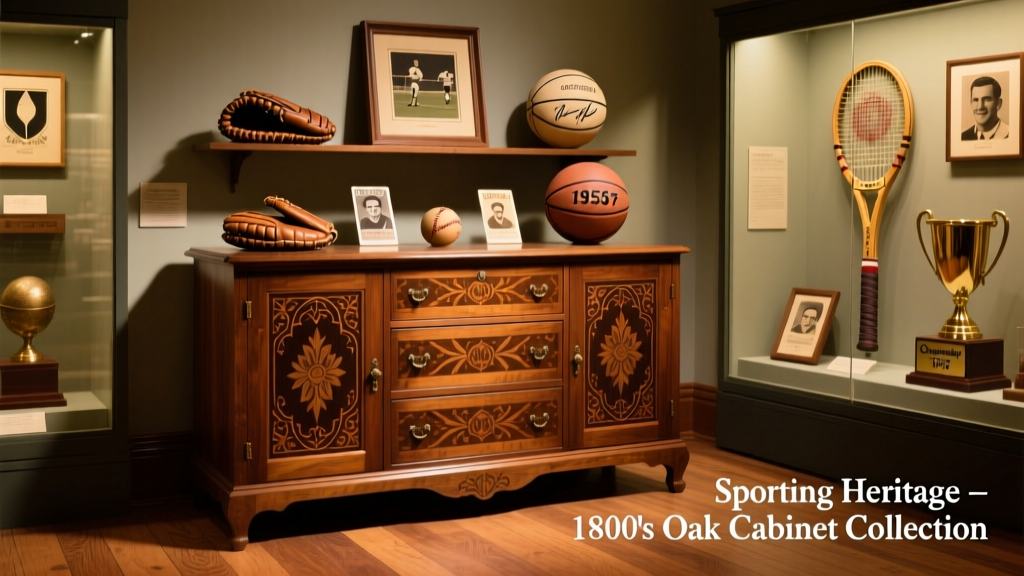
Authenticating and Valuing an English 19th-Century Oak Burl Inlay Cabinet: 33 × 46 Inches, Three Drawers, Three Doors
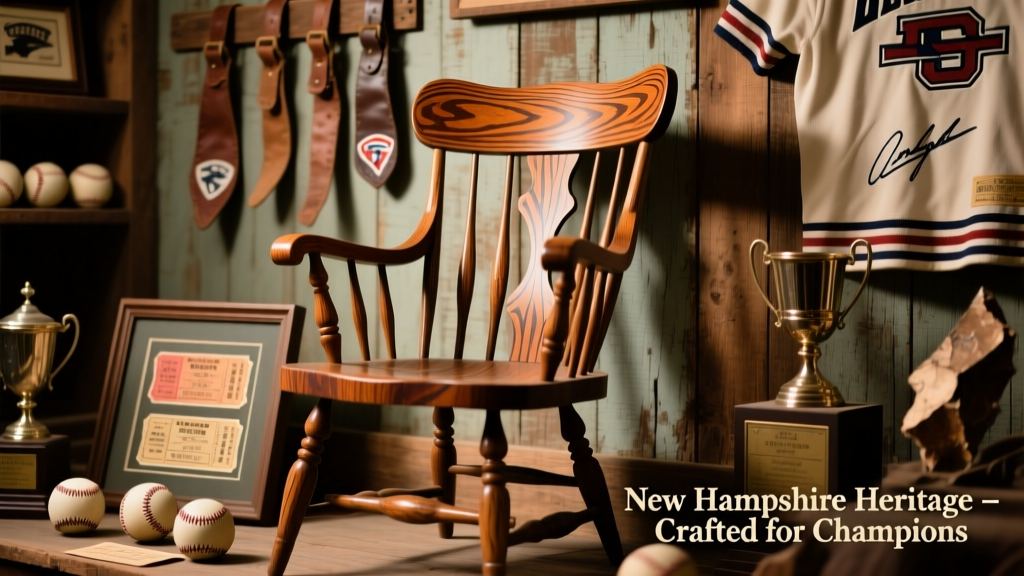
Windsor Bow Back Grain-Painted Chairs: A New Hampshire Pair from the Federal Era (c. 1795–1820)
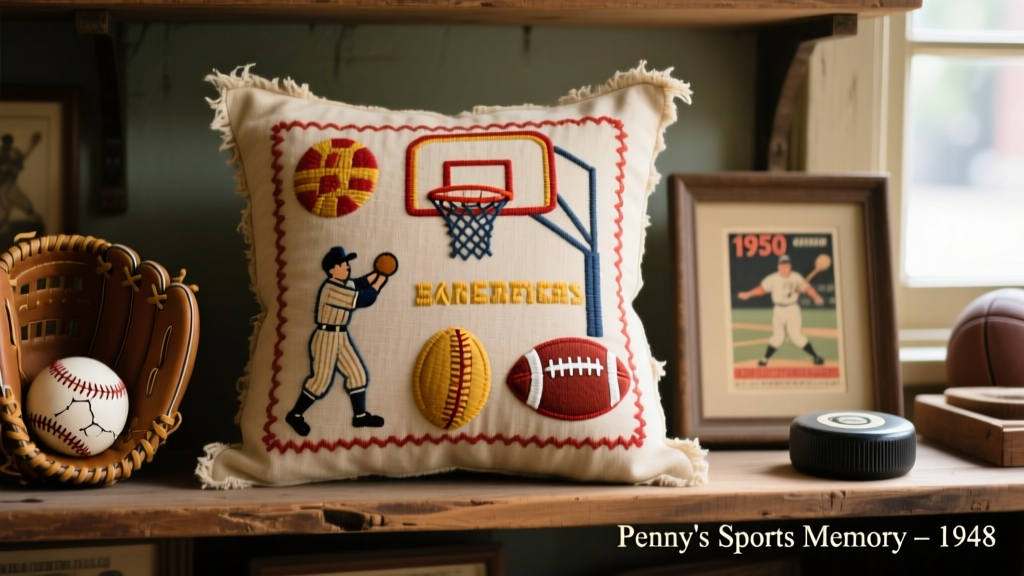
Folk Art Pillow Penny (17 × 17 In): Authenticity, Provenance, and Collector Value
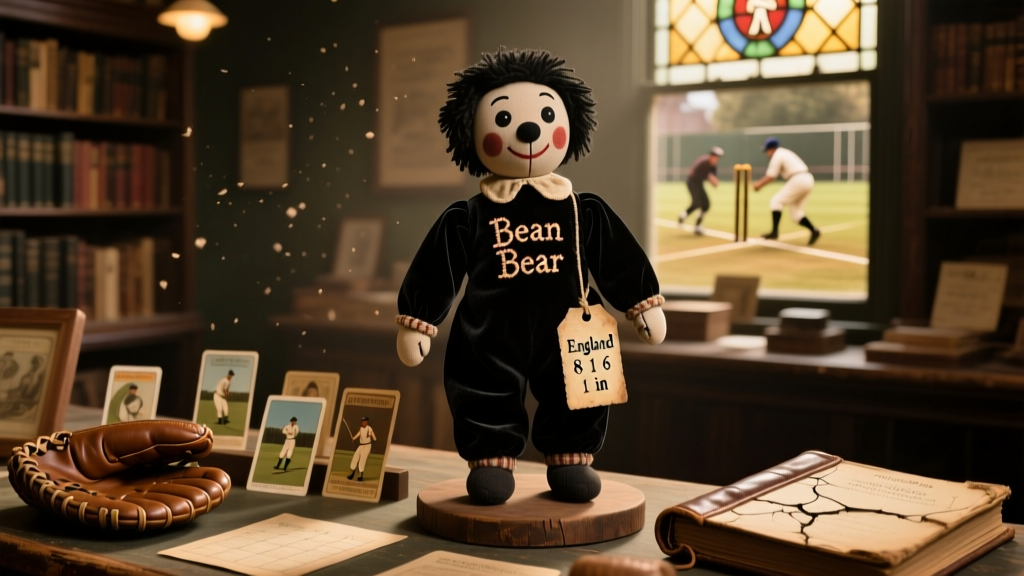
Black Americana Doll: Golliwog Minstrel Velveteen Bean Bear with 'Tag England' Mark — An 8½-Inch Artifact of Historical Complexity
Indy Antique Advertising Show 5: A Collector’s Deep Dive into Mid-Century Americana
Antiques Retailing: Are Mall and Shop Dealers Fundamentally Different?
Teddy Bears Wool Jointed Pointed Nose Felt Pads 17 In: Authentication, Provenance, and Collector Value