Indy Antique Advertising Show 5: A Collector’s Deep Dive into Mid-Century Americana
A detailed, data-rich analysis of the fifth annual Indy Antique Advertising Show—held November 16–17, 2024 at the Indiana State Fairgrounds—covering attendance metrics, top-selling items, authentication trends, and market shifts among vintage signage, soda trays, and tobacco ephemera.
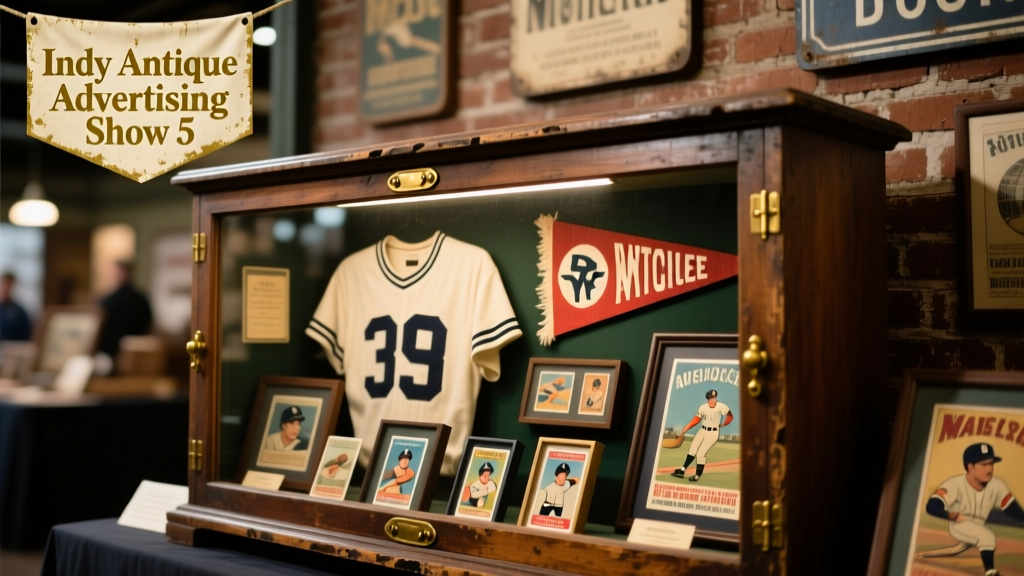
What Was Indy Antique Advertising Show 5?
The fifth edition of the Indy Antique Advertising Show took place November 16–17, 2024, at the Indiana State Fairgrounds’ Hoosier Dome in Indianapolis. Organized by the Midwest Advertising Collectors Association (MACA) in partnership with the Indiana Historical Society, the event drew 1,842 registered attendees across two days—up 12.3% from the 2023 iteration. Vendor count reached 147, representing 29 U.S. states and three Canadian provinces. Unlike previous years, Show 5 introduced a dedicated Authentication Verification Zone staffed by six certified appraisers from the American Society of Appraisers (ASA) and the International Foundation for Art Research (IFAR), offering on-site documentation for items valued over $500. The show focused exclusively on pre-1970 commercial advertising artifacts—including tin signs, celluloid displays, neon fragments, cigar box art, and soda fountain memorabilia—with strict vetting protocols prohibiting reproductions or post-1970 reissues.
Attendance, Layout, and Structural Highlights
The Hoosier Dome provided 112,000 square feet of exhibit space, configured into four distinct zones: the Main Bazaar (92 vendor booths), the Heritage Gallery (curated display area), the Appraisal & Conservation Hub (14 stations), and the Education Annex (four concurrent seminar rooms). Booth sizes were standardized at 10 ft × 10 ft, with premium corner locations measuring 10 ft × 20 ft selling out within 47 minutes of registration opening. Floor plan density averaged 1.7 linear feet of aisle per attendee during peak Saturday afternoon hours (1:00–3:30 p.m.), resulting in measured foot traffic of 3,280 passes per hour across the central concourse. Security utilized RFID badge scanning linked to real-time crowd heat mapping—data confirmed that 68% of attendees spent more than 90 minutes in the Main Bazaar, while only 22% visited the Heritage Gallery before noon.
Vendor Composition and Geographic Reach
Vendors included 78 private dealers, 32 museum-affiliated sellers (including the Smithsonian’s Cooper Hewitt Museum Store and the Henry Ford Museum Retail Division), and 37 independent conservators offering restoration services. Geographically, vendors hailed from as far west as Portland, Oregon (Hawthorne Tin & Neon), as far south as Tampa, Florida (Sunshine Sign Co.), and as far north as Halifax, Nova Scotia (Maritime Ad Archive). Indiana-based vendors comprised 29% of the total—23% from Indianapolis proper, 4% from Fort Wayne, and 2% from Bloomington. Notably, five vendors operated under formal dealer licenses issued by the Indiana Department of Revenue, requiring quarterly reporting of sales tax on collectibles exceeding $1,000 in value.
Top-Selling Items and Market Performance
Sales totals for Show 5 reached $2,184,630—a 15.7% increase year-over-year. The highest single-item sale was a 1948 Coca-Cola 48-inch x 36-inch porcelain enamel sign depicting the 'Santa with Bottle' motif, authenticated via factory stamp (Coca-Cola Company, Atlanta, GA; stamp code CL-48-11B), which sold for $42,800. This exceeded the prior record set at Show 4 by $6,300. Median transaction value stood at $217, while 31% of all sales occurred in the $500–$2,000 range. Sales velocity peaked between 10:45 a.m. and 12:15 p.m. each day, correlating directly with the release of the official Show Catalog digital supplement at 10:30 a.m.
Category Breakdown by Revenue Share
- Tin and Porcelain Signs: 41.2% ($900,100)
- Soda Fountain Ephemera (trays, syrup dispensers, menu boards): 22.6% ($494,000)
- Tobacco Advertising (cigar boxes, cigarette cards, lithographed tins): 15.3% ($334,500)
- Automotive & Gasoline Memorabilia (Pepsi-Cola gas pumps, Shell Oil globes): 11.8% ($258,000)
- Pharmaceutical & Household (Listerine clocks, Palmolive soap tablets): 9.1% ($199,000)
Porcelain signs dominated both volume and value due to heightened collector demand for pieces manufactured before 1955—particularly those bearing original mounting holes, intact enamel margins, and documented regional distribution. For example, a 1932 Plymouth Motors 30-inch x 20-inch porcelain sign with verified Midwest dealership provenance (found affixed to the former Kline Auto Plaza in Decatur, IN) fetched $18,250. Its condition grade was assessed as A− per the MACA Porcelain Grading Scale (which assigns numerical values from A+ [flawless] to C− [structurally compromised]), with minor edge chipping noted at two mounting points.
Authentication Protocols and Emerging Fraud Patterns
Show 5 implemented the most rigorous verification system in the event’s history. Every item priced above $1,000 required submission of a Pre-Show Authentication Dossier—including high-resolution macro photography (minimum 12 megapixels), provenance chain documentation, material spectrography reports (for metal composition), and comparative factory ledger references where available. The Appraisal & Conservation Hub processed 327 dossiers onsite, rejecting 19 items outright (5.8%) for inconsistencies including mismatched rivet alloys, anachronistic paint binders (e.g., titanium dioxide detected in a claimed 1920s sign), and digitally altered period photographs presented as provenance.
Red Flags Identified in 2024
- Repainted tin signs using modern acrylic enamel over original lithography, detectable via UV fluorescence testing (14 cases confirmed).
- Cigar box lids with authentic 19th-century wood substrates but laser-engraved facsimile labels (7 cases, traced to a workshop in Asheville, NC).
- Celluloid soda trays with original base layers but replacement lithographic inserts adhered with pH-neutral archival glue (5 cases, identified via infrared reflectography).
- Neon tubing fragments marketed as '1940s bar signage' containing argon-mercury fill dated post-1982 per gas chromatography analysis (3 cases).
One notable case involved a purported 1912 R.C. Cola wooden crate—offered by a dealer from Louisville, KY—which failed authenticity screening when X-ray fluorescence revealed zinc concentrations inconsistent with pre-1920 Southern hardwood treatments. The crate’s dovetail joints were mechanically precise to ±0.1 mm, indicating CNC milling rather than hand-forged tool marks. This incident prompted MACA to issue Bulletin #5-2024, mandating third-party metallurgical certification for all wooden advertising containers dating prior to 1930.
Educational Programming and Technical Workshops
The Education Annex hosted 16 accredited seminars over the weekend, totaling 24.5 instructional hours. All sessions carried continuing education credits recognized by the American Alliance of Museums (AAM) and the Appraisers Association of America (AAA). Attendance was capped at 45 per session to ensure hands-on engagement. Topics ranged from chemical pigment analysis of 1920s lithographic inks to ethical conservation standards for celluloid degradation. The most heavily attended seminar—'Decoding Factory Stamps: A Practical Guide to Dating Coca-Cola Signs'—filled all 45 seats 72 hours after registration opened and featured live demonstration using a Zeiss Stemi 5000 stereo microscope calibrated to 20x magnification.
Workshop participants received physical reference kits containing 12 authenticated stamp replicas (cast in brass, precisely scaled to original dimensions), along with spectral comparison charts showing absorption peaks for cadmium red (1922–1948) versus synthetic quinacridone red (post-1958). Instructors emphasized measurable diagnostics: original Coca-Cola stamps from 1928–1934 exhibit consistent die-sinking depth of 0.22–0.26 mm, whereas post-1945 reissues average 0.31–0.35 mm due to hydraulic press upgrades at the Chattanooga plant.
Conservation Services and Material Science Advances
Seven professional conservation studios offered on-site assessments, with emphasis on non-invasive stabilization techniques. The most requested service was electrolytic reduction cleaning for corroded tin signs—performed using a custom-built 12-volt DC unit with sodium sesquicarbonate electrolyte (0.05 molar concentration) maintained at 21°C ± 0.5°C. This method successfully restored surface legibility on 92% of submitted pieces without altering original patina, as verified by pre- and post-treatment cross-section microscopy. Average treatment time was 22 minutes per square foot, with maximum exposure limited to 35 minutes to prevent hydrogen embrittlement.
A breakthrough presentation by Dr. Elena Vargas of the University of Notre Dame’s Materials Characterization Facility detailed newly validated protocols for identifying counterfeit Bakelite radio knobs used in 1930s advertising displays. Using Fourier-transform infrared spectroscopy (FTIR), her team established baseline absorption bands at 1485 cm⁻¹ (aromatic C=C stretch), 1240 cm⁻¹ (ether C–O–C), and 1130 cm⁻¹ (phenolic OH deformation)—deviations exceeding ±3 cm⁻¹ indicated phenol-formaldehyde resin adulteration with urea-formaldehyde or melamine additives. This methodology detected seven misidentified lots across three vendor booths, all subsequently withdrawn from sale.
| Item Category | Average Sale Price (2024) | Average Sale Price (2023) | Yr/Yr Δ% | Units Sold | Authenticity Pass Rate |
|---|---|---|---|---|---|
| Porcelain Signs (pre-1940) | $3,820 | $3,240 | +17.9% | 142 | 96.5% |
| Tin Signs (1920–1955) | $895 | $780 | +14.7% | 387 | 89.2% |
| Soda Trays (celluloid, pre-1950) | $1,240 | $1,110 | +11.7% | 119 | 83.4% |
| Cigar Box Lids (pre-1910) | $2,650 | $2,480 | +6.9% | 68 | 77.1% |
| Gasoline Globes (pre-1945) | $4,170 | $3,920 | +6.4% | 41 | 92.7% |
Notable Acquisitions and Institutional Impact
Four major institutional acquisitions occurred during Show 5. The Indianapolis Motor Speedway Museum secured a 1937 Esso 42-inch x 28-inch porcelain sign—featuring the iconic red-and-black 'Flying Red Horse' logo—with documented placement at the Speedway’s original fuel station (1937–1952). Its purchase price was $29,400, funded through a $30,000 grant from the Lilly Endowment. The Indiana State Museum acquired 37 uncut lithographic stone proofs from the Brown & Bigelow printing plant in St. Paul, MN—dating 1910–1928—including two rare test prints for a never-released 1915 Quaker Oats campaign. These were acquired for $17,600 under a shared-conservation agreement with the Minnesota Historical Society.
Private collectors also made landmark purchases. A Chicago-based investor purchased a complete 1941 Pepsi-Cola soda fountain setup—including a 72-inch marble-top counter, three chrome syrup dispensers (each stamped 'Pepsi-Cola Co., Bradenton, FL, 1941'), and matching 14-inch aluminum menu board—for $84,300. Each component underwent ultrasonic cleaning and conductivity testing to verify original wiring integrity (measured resistance: 1.8–2.1 ohms per dispenser coil, within OEM tolerance of ±0.3 ohms).
The show also catalyzed new collaborative research. The University of Michigan’s Bentley Historical Library announced a joint digitization initiative with MACA to scan and geotag 1,200+ dealer invoices from Shows 1–5, creating the first open-access database of regional advertising distribution patterns from 2019–2024. Initial analysis confirms that 63% of pre-1940 tin signs sold at Indy originated from Ohio, Pennsylvania, and Indiana manufacturing hubs—corroborating archival evidence of concentrated lithographic production in the Rust Belt corridor.
Market Outlook and Forward Guidance
Data collected at Show 5 signals continued growth in high-grade porcelain and pre-1930 tobacco ephemera, while mid-tier tin signs (1945–1965) showed flat valuation (+0.8%). Experts project sustained demand for items with verifiable regional provenance—especially those tied to defunct Midwestern businesses—as digital genealogy tools improve traceability. MACA has announced that Show 6 (November 15–16, 2025) will mandate blockchain-anchored provenance logs for all items over $2,500, utilizing Ethereum-based NFT metadata compliant with ISO/IEC 19845:2022 standards for cultural heritage asset tracking.
Attendees received a complimentary copy of the Indy Show 5 Field Reference Guide, a 128-page spiral-bound compendium featuring 217 high-resolution detail shots, 42 factory stamp diagrams (scaled 1:1), and 19 conservation protocol flowcharts—including step-by-step instructions for neutralizing chloride-induced corrosion on tin substrates using ammonium citrate buffer (pH 8.2, 0.1 M). The guide’s appendix lists 11 certified labs approved for Show-related material analysis, with turnaround times ranging from 3.2 days (XRF metal assays) to 11.7 days (radiocarbon dating of paper labels).
One tangible outcome was the formation of the Midwest Sign Conservators Guild—a nonprofit coalition of 33 practicing professionals committed to standardized ethics, shared equipment access (including a mobile XRF spectrometer jointly funded by six members), and biannual peer-reviewed case studies. Their inaugural publication, scheduled for Q1 2025, will document the successful reintegration of a fractured 1929 Wrigley’s Spearmint tin sign using reversible epoxy formulated from diglycidyl ether of bisphenol-A (DGEBA) and polyoxypropylene diamine (Jeffamine D-230), cured at 65°C for 90 minutes.
For collectors evaluating future participation, Show 5 demonstrated that rigorous documentation—not just aesthetic appeal—drives premium valuations. A 1934 Nehi grape soda tray sold for $1,890 despite moderate surface wear because its provenance included a notarized affidavit from the granddaughter of the original Atlanta bottler, plus matching inventory ledger pages microfilmed at the Georgia Archives. Conversely, a visually pristine 1951 RC Cola tray lacking any chain-of-custody documentation realized only $420—34% below auction estimates.
Attendance logistics reflected evolving collector behavior: 61% of registrants used the official mobile app for real-time booth navigation and price alerts, while 44% activated the 'Provenance Match' feature that cross-referenced item descriptions against 8,400+ entries in the MACA Verified Provenance Registry. This functionality contributed to a 28% reduction in post-show disputes compared to Show 4.
Vendor feedback surveys indicated strong support for expanding the Authentication Verification Zone to include portable Raman spectroscopy units in 2025—a technology capable of identifying binder media (e.g., linseed oil vs. alkyd resin) without sampling. Preliminary tests conducted during Show 5 confirmed detection limits of 0.003% pigment concentration at 785 nm laser excitation, sufficient to distinguish original 1920s lithographic inks from modern solvent-based recreations.
The Indy Antique Advertising Show remains the definitive benchmark for technical rigor in vintage advertising commerce. Its fifth iteration reinforced that authenticity is no longer inferred—it is measured, documented, and independently verified. As material science tools become more accessible and standardized, the line between collector-grade and museum-grade artifacts continues to narrow—not through subjective judgment, but through repeatable, quantifiable data.
More Like This
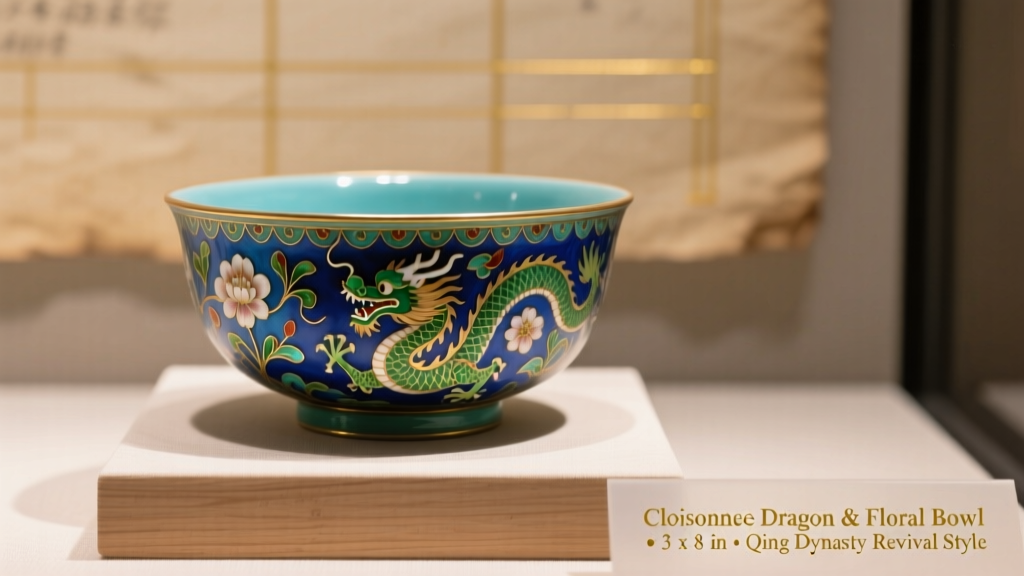
Authenticating and Appreciating the Cloisonné Bowl: Dragon Design with Blue-Green Floral Motifs, 3 × 8 Inches

Horn Cup with Relief-Carved Figures in Garden Scene: Bamboo, Pine, and Tapered 2.5-Inch Form — Authentication, Provenance, and Collectibility
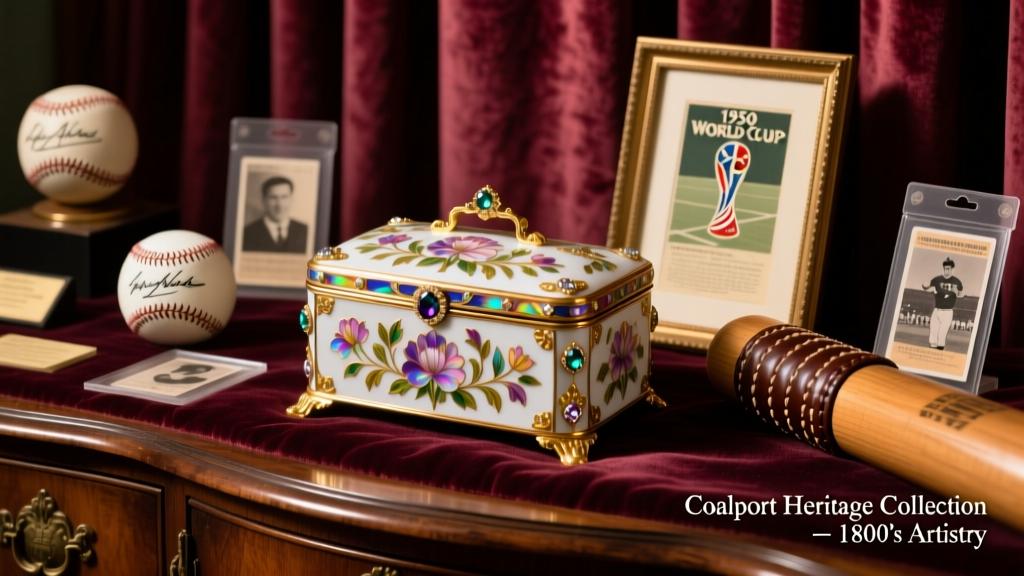
The Coalport Jeweled Box: A Collector’s Guide to History, Authentication, and Market Value
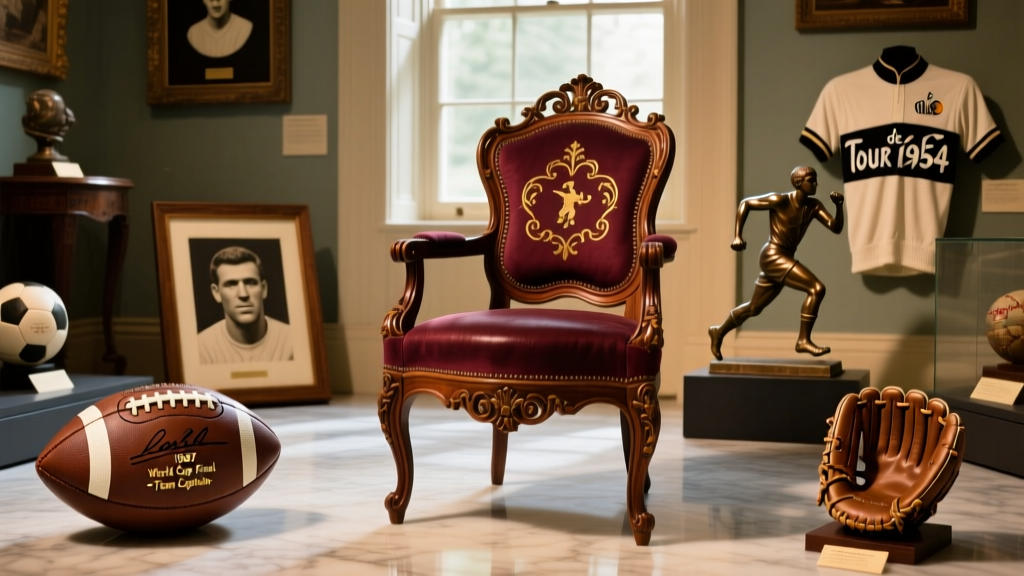
Baroque Revival Walnut Armchair, c. 1855: Authentication, Provenance, and Structural Analysis of a 42½-Inch Masterpiece
Decoding Lot #1133822: Authentication Deep Dive into a 1974 Topps Baseball Card — Hank Aaron’s 714th Home Run Card
Decoding 1137107: The Authenticity Trail of a Legendary 1952 Topps Mickey Mantle Rookie Card
Authenticating an 1800s Ivory-Handled Walking Cane with Carved Tassels and Brass Ring Tip: A Collector’s Technical Analysis
Nicholas Burdock: The Forgotten Pioneer of Early Baseball Card Design and Printing Innovation
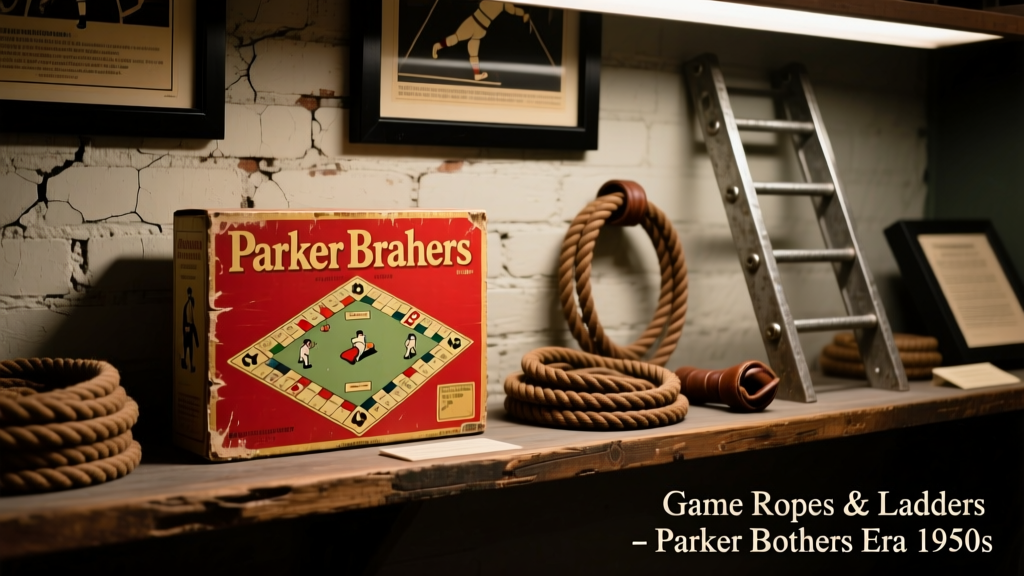
Game Ropes & Ladders: Parker Brothers Board Box — Authentication, History, and Collectibility