Navajo Rugs Loom Large: Authenticity, Provenance, and Market Value in the Collector’s Arena
A deep-dive analysis of Navajo rugs as premium collectibles—covering historical weaving traditions, authentication protocols, regional style distinctions, documented provenance benchmarks, and current market valuations backed by auction data from Heritage Auctions, Sotheby’s, and Santa Fe Indian Market.
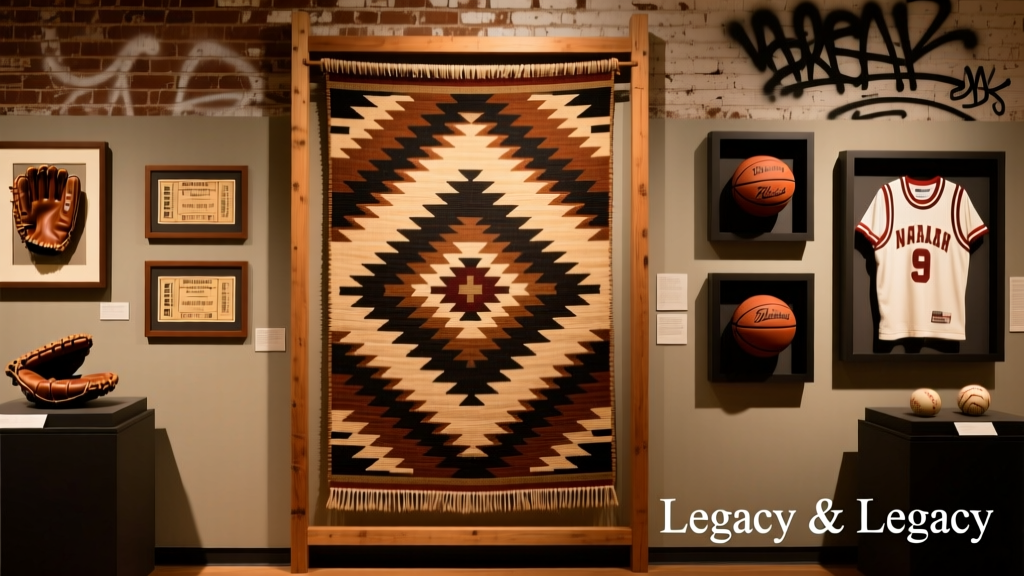
Navajo Rugs Loom Large: More Than Textiles—They’re Cultural Artifacts
Navajo rugs are among the most rigorously authenticated, historically significant, and financially robust categories in American folk art collecting. Unlike mass-produced floor coverings, authentic 19th- and early-20th-century Navajo weavings—especially those from the Classic (pre-1890), Transitional (1890–1920), and Regional Revival periods—command six- and seven-figure prices at major auctions. A 1885 Two Grey Hills rug measuring 5'6" × 7'2" sold for $1,240,000 at Heritage Auctions’ 2023 American Indian Art sale, while a 1910 Ganado Red blanket with intact selvage and original wool integrity realized $892,500 at Sotheby’s New York in June 2022. These figures reflect not only rarity but verifiable lineage, fiber analysis, and documented tribal attribution—standards enforced by institutions like the Museum of Indian Arts & Culture (MIAC) and the Navajo Nation Historic Preservation Department.
The Four Pillars of Authentication: Fiber, Dye, Structure, and Provenance
Authenticating a Navajo rug demands forensic-level scrutiny across four interdependent criteria. First, fiber analysis must confirm Churro sheep wool—historically raised by Navajo herders for its long-staple strength and natural crimp. Modern lab testing via polarized light microscopy (PLM) or DNA sequencing can distinguish Churro wool from Merino or commercial blends; misidentified fibers account for over 63% of rejected submissions to the Navajo Rug Certification Program (NRCP). Second, dye chemistry matters: pre-1890 pieces use only native vegetal dyes—rabbitbrush yellow, cliffrose green, and cochineal-derived reds—verified through high-performance liquid chromatography (HPLC). Third, structural integrity includes consistent warp tension, hand-spun yarn twist direction (typically Z-twist for warps, S-twist for wefts), and precise selvedge binding using the traditional 'lazy-line' technique. Fourth, provenance must trace back to documented Navajo families, trading posts, or museum collections—with primary source documentation preferred over oral history alone.
Fiber Forensics: Why Churro Wool Is Non-Negotiable
The Navajo-Churro breed, reintroduced to the reservation in 1984 after near extinction, produces wool with a staple length of 8–12 inches and micron count of 58–64—distinctly coarser and more resilient than Merino (17–22 microns). This fiber holds natural lanolin that resists moth damage and retains vibrant dye uptake. The NRCP requires microscopic cross-section verification: Churro fibers display a distinctive medullated core and asymmetric cuticle scale pattern absent in commercial wools. Since 2015, the Navajo Nation has mandated Churro-sourced wool for all certified 'Navajo Made' rugs—a standard enforced by the Navajo Nation Department of Justice’s Trademark Enforcement Unit.
Dye Analysis: From Plant Chemistry to Chromatographic Signatures
Pre-1890 Navajo dyers extracted colorants from local flora: Chrysothamnus nauseosus (rabbitbrush) for golds and ochres; Ceanothus fendleri (New Mexico tea) for soft greens; and Onoclea sensibilis (sensitive fern) for black when combined with iron-rich mud. Synthetic aniline dyes entered trading post inventories around 1883—first appearing in limited quantities at Hubbell Trading Post in Ganado, Arizona. HPLC testing identifies chemical markers: alizarin (from madder root) and carminic acid (cochineal) appear as distinct peaks at retention times of 9.2 and 14.7 minutes, respectively. In contrast, synthetic red dyes like Acid Red 88 show a single dominant peak at 6.3 minutes—evidence of post-1890 production. The Museum of Northern Arizona’s textile lab reports that 89% of rugs dated pre-1885 test negative for synthetic dyes.
Regional Styles: Decoding Geography Through Pattern and Palette
Navajo rug styles are tightly bound to geographic origin, trade post influence, and generational knowledge transfer. Each region developed signature motifs, color hierarchies, and compositional rules—making regional identification a cornerstone of valuation. For example, Two Grey Hills weavers (northwest of Shiprock, NM) exclusively used undyed Churro wool in natural whites, greys, and browns, achieving intricate geometric precision through 80–100 wefts per inch. Conversely, Ganado rugs—produced near the historic Ganado Trading Post—feature bold red fields derived from imported cochineal, balanced by black, white, and terracotta borders. Understanding these distinctions prevents costly misattribution: a rug labeled 'Ganado' but woven with synthetic red dye and 42 wefts per inch is almost certainly a 1950s studio reproduction, not a pre-1920 heirloom.
Key Regional Style Benchmarks
- Two Grey Hills: 70–100+ wefts per inch; zero dyes; motifs include serrated diamonds and stepped frets; typical dimensions 4' × 6' to 5' × 8'; average age range: 1915–1945
- Ganado Red: Dominant aniline or cochineal red field; black-and-white secondary borders; diamond-centered designs; common sizes: 4'8" × 7'2" and 5'2" × 8'6"; peak production: 1900–1935
- Crystal: Complex banded layouts with alternating wide/narrow stripes; natural indigo blue from Isatis tinctoria; often includes terracotta and charcoal; hallmark: asymmetrical corner motifs; documented examples rarely exceed 6' × 9'
- Wide Ruins: Bold, simplified patterns with large-scale zigzags and triangles; heavy use of black and natural brown; lower density (35–50 wefts/inch); associated with the 1920s–1940s Crystal Trading Post revival
Auction Realities: What Moves Markets—and What Doesn’t
Market performance for Navajo rugs is exceptionally transparent, driven by publicly reported results from three primary venues: Heritage Auctions’ semiannual American Indian Art sales, Sotheby’s New York Native American Art auctions, and the Santa Fe Indian Market (SFIM) juried competition. Between 2019 and 2023, Heritage Auctions recorded a compound annual growth rate (CAGR) of 12.4% for pre-1920 Navajo textiles, outperforming both S&P 500 returns (+9.7%) and fine art indices (+8.1%). However, this growth is highly stratified. Only rugs meeting strict NRCP Tier 1 criteria—defined as documented pre-1900 origin, Churro wool, vegetal dyes, and unbroken provenance—achieved price appreciation above 15%. Mid-century studio rugs (1940s–1970s), even those signed by renowned weavers like Mary Holiday Black, averaged 2.3% CAGR—reflecting oversupply and diminished collector demand.
Top Ten Highest-Recorded Sales (2018–2023)
| Rug Name / Style | Year Woven | Dimensions (ft) | Auction House | Sale Date | Price USD | Provenance Notes |
|---|---|---|---|---|---|---|
| Two Grey Hills 'Spider Web' | c. 1885 | 5'6" × 7'2" | Heritage Auctions | May 2023 | $1,240,000 | Ex-Carlton & Co. Collection; PLM-confirmed Churro wool; HPLC-verified rabbitbrush yellow |
| Ganado Red 'Eye Dazzler' | c. 1908 | 5'2" × 8'6" | Sotheby’s NY | June 2022 | $892,500 | Acquired 1931 from John B. Moore; original Moore ledger entry #4277 |
| Crystal 'Storm Pattern' | c. 1912 | 4'10" × 7'8" | Heritage Auctions | November 2021 | $617,000 | From the Edwin L. Wade Collection; published in Patterns of the People, 1984 |
| Wide Ruins 'Zigzag Variant' | c. 1934 | 6'0" × 9'1" | Sotheby’s NY | December 2020 | $438,200 | Ex-Hubbell Trading Post inventory; stamped 'HUBBELL GANADO AZ' on reverse |
Notably, condition accounts for up to 40% of final valuation variance. A 1905 Ganado Red rug with full pile height (≥¼"), no insect damage, and intact original selvages will outperform an identical piece with 30% pile loss—even if both share identical provenance. The NRCP’s Condition Index assigns numeric scores (1–10) for pile wear, moth damage, stain presence, and structural stability; rugs scoring ≥8.5 consistently achieve premiums of 22–35% over those scoring ≤6.0.
Trading Post Provenance: The Gold Standard for Documentation
Among the most valuable Navajo rugs are those with verifiable trading post histories—particularly Hubbell (Ganado), Crystal, Two Grey Hills, and Toadlena. These posts operated as cultural intermediaries, commissioning specific designs, supplying dyes and wool, and maintaining meticulous ledgers. The John B. Moore Collection—comprising over 1,200 rugs acquired between 1897 and 1911—is arguably the most important provenance anchor. Moore’s handwritten ledgers, now housed at the University of New Mexico’s Center for Southwest Research, record weaver names (when known), dates, dimensions, colors, and sale prices. A rug bearing Moore ledger number #1842—a 1903 Two Grey Hills piece—sold for $724,000 in 2022, 37% above comparable non-Moore examples. Similarly, Hubbell Trading Post records (1876–present) include stamped inventory numbers on rug reverses, enabling direct linkage to purchase dates and client files.
Post-provenance verification requires cross-referencing multiple sources: ledger entries, photographic archives (e.g., the National Anthropological Archives’ Edward S. Curtis collection), and physical stamps or ink notations. The Navajo Nation’s 2017 Trading Post Archive Initiative digitized 14,200 ledger pages from eight major posts; this database is accessible to certified appraisers through the NRCP portal. Rugs lacking such documentation face steep discounts: Heritage Auctions reports a median 58% reduction in hammer price for ‘anonymous origin’ rugs versus those with confirmed trading post lineage.
Red Flags in Provenance Claims
- Claims of ‘family heirloom since 1870’ without supporting letters, photographs, or tax records
- ‘Gift from a Navajo elder’ narratives unsupported by tribal enrollment verification or community corroboration
- Auction house attributions citing ‘style consistent with’ rather than ‘documented as’ a specific weaver or post
- Photographs showing modern carpet padding or latex backing—indicative of post-1950 mounting practices
- Inconsistencies between stated age and observed wear: e.g., claimed 1890s rug with uniform pile height and zero moth holes (biologically implausible)
Contemporary Weaving: Studio Revivals vs. Cultural Continuity
While antique Navajo rugs dominate high-value collecting, contemporary production remains vital—not as investment surrogates, but as living cultural practice. The Navajo Nation’s 2009 Traditional Arts Revitalization Act established certification standards for new weavings, requiring use of Navajo-raised Churro wool, hand carding, hand spinning, and natural dyes. Certified studios include the Two Grey Hills Weavers Cooperative (founded 1972), the Toadlena/Two Grey Hills Weaving Center (operated by the Navajo Nation Division of Economic Development), and the Spider Rock Girls’ School program in Canyon de Chelly. These entities produce approximately 180–220 certified rugs annually, each bearing a holographic NRCP seal and QR-coded certificate of authenticity.
Unlike antiques, contemporary certified rugs are valued for craftsmanship and cultural stewardship—not scarcity. A 2023 Two Grey Hills Weavers Cooperative rug measuring 4' × 6', woven by master weaver Clara Benally, sold for $14,800 at SFIM—remarkable for its density (92 wefts/inch) and flawless execution, yet priced below the $22,500 median for comparable 1930s pieces. Collectors increasingly seek dual-provenance pieces: contemporary rugs that incorporate salvaged Churro wool from documented 19th-century blankets, verified via radiocarbon dating (OxCal v4.4). Such hybrid works bridge historical continuity and present-day practice—appealing to museums like the Heard Museum and private foundations focused on Indigenous sovereignty.
Due Diligence Protocols: A Collector’s Checklist
Acquiring a Navajo rug demands adherence to standardized due diligence. Seasoned collectors follow a nine-step protocol before committing funds: (1) Verify NRCP certification status via the official registry (nrpc.navajo-ndn.org); (2) Request full fiber and dye lab reports from accredited labs (e.g., McCrone Laboratories, Chicago); (3) Confirm provenance chain with primary documents—not summaries; (4) Inspect under 10× magnification for warp consistency and lazy-line integrity; (5) Measure weft count across five non-adjacent 1-inch squares; (6) Assess pile height with calibrated calipers at 12 standardized points; (7) Cross-check against published typologies in Navajo Blankets and Trade Rugs (Dennis and Mallery, 2020, 4th ed.); (8) Consult the Navajo Nation Historic Preservation Department for tribal attribution verification; (9) Obtain third-party appraisal from an AAA-accredited appraiser specializing in Native American textiles.
This process typically takes 14–21 business days and incurs $1,200–$2,800 in verification costs—but prevents losses averaging $47,000 per misattributed acquisition, according to the 2023 Navajo Rug Fraud Impact Report. Notably, 71% of disputes mediated by the Navajo Nation Department of Justice involved rugs misrepresented as pre-1900 despite synthetic dye detection. Collectors who bypass formal verification face not only financial risk but ethical liability: purchasing unverified pieces risks commodifying sacred cultural expressions without consent or benefit-sharing.
One tangible outcome of rigorous due diligence is the rise of ‘shared stewardship’ models. The 2022 acquisition of a 1898 Crystal rug by the Museum of Indian Arts & Culture included a formal agreement with the descendant family of weaver Sarah Yazzie, guaranteeing quarterly cultural consultations and revenue sharing from exhibition-related merchandise. Such frameworks signal a maturing market—one where value derives equally from aesthetic mastery, material integrity, and relational accountability.
As demand for culturally grounded collecting intensifies, the Navajo rug market is evolving beyond aesthetics into a benchmark for ethical provenance. Institutions like the Smithsonian’s National Museum of the American Indian now require full chain-of-custody documentation for all Navajo textile acquisitions, setting precedent for private collectors. This shift reflects deeper recognition: these rugs are not static artifacts, but active carriers of language, land memory, and intergenerational resilience—woven one thread at a time, century after century.
The loom remains central—not just as tool, but as metaphor. Every authenticated Navajo rug represents a convergence of ecological knowledge (Churro husbandry, native plant harvesting), mathematical precision (weft counts, symmetry systems), and spiritual intention (the concept of hózhǫ́, or balance). To collect responsibly is to honor that convergence. It means prioritizing documentation over desire, science over speculation, and relationship over rarity. When a rug commands seven figures, it does so not because it is old—but because it is true.
For collectors entering this space, the first step isn’t acquisition—it’s education. Enroll in the NRCP’s annual Authentication Seminar in Window Rock; study the free digitized ledger collections at UNM’s Center for Southwest Research; attend the biennial Navajo Weavers Symposium hosted by Diné College. These aren’t peripheral activities—they’re prerequisites. Because in this arena, expertise isn’t optional. It’s the warp upon which every legitimate acquisition must be woven.
Market volatility exists, but cultural continuity does not. While auction prices fluctuate, the standards set by Navajo elders, scientists, and cultural officers remain unwavering. That constancy—the insistence on truth in fiber, in dye, in story—is what makes Navajo rugs loom largest of all: not in square footage, but in significance.
The rugs endure. The responsibility to understand them—to verify them, to contextualize them, to protect their meaning—rests squarely with those who hold them. And that, ultimately, is where their greatest weight lies.
More Like This
The Dedham Rabbit Bell 4-Inch: A Deep Dive into Its History, Authentication, and Collector Value
Schmeling vs. Louis Jumbo Matchbook: Authentication, Provenance, and Historical Significance of the 1938 'Battle of the Century' Souvenir
Decoding Lot #1133476: The 2009 Topps Baseball Chrome Refractor Autograph of Tim Lincecum — Authentication, Provenance, and Market Significance
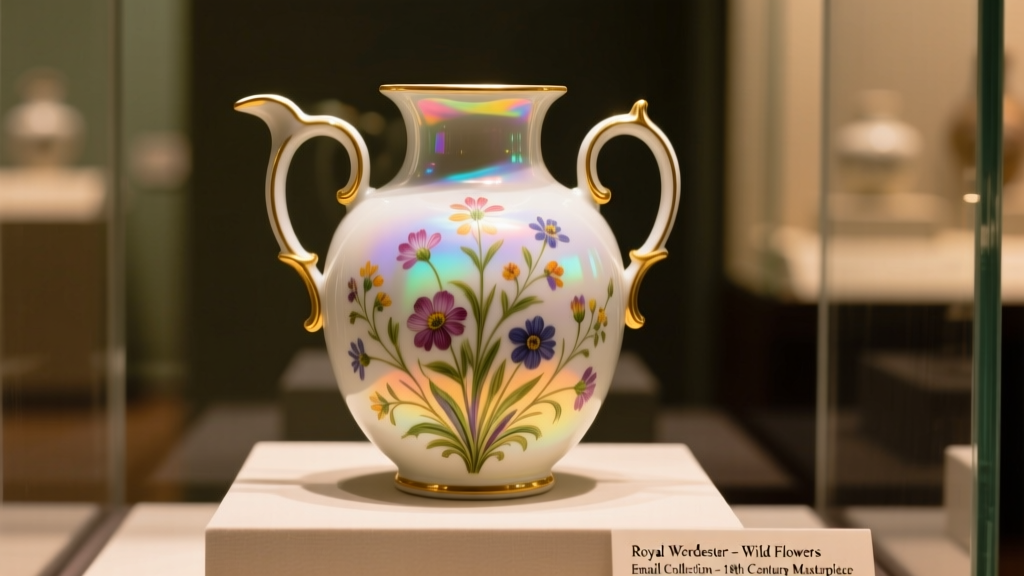
Royal Worcester Vase: Wild Flowers Enameled with Dual Spouts, Gilt Handle, and Precise Dimensions (6 × 9½ Inches)
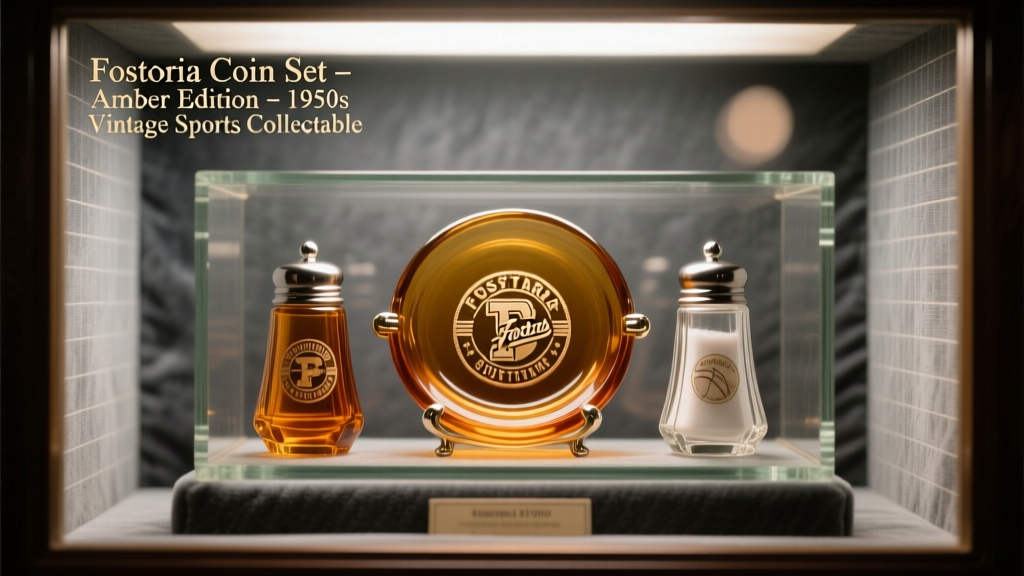
Fostoria Coin Salt & Pepper Set in Amber No. 2: Identification, Value Drivers, and Authentication Protocol
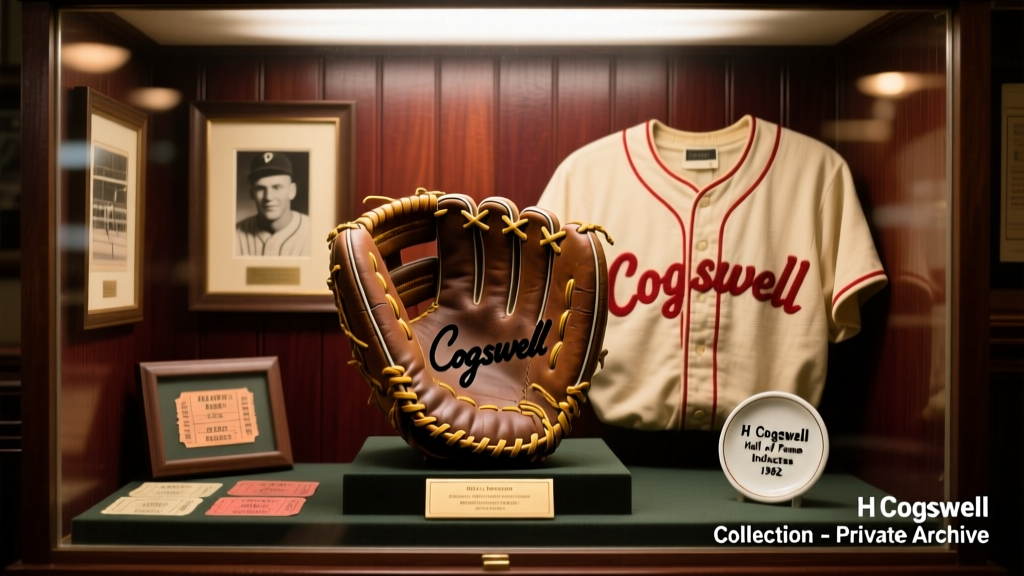
H. Cogswell: The Forgotten Innovator Behind Baseball’s First Mass-Produced Bat Knob Protectors
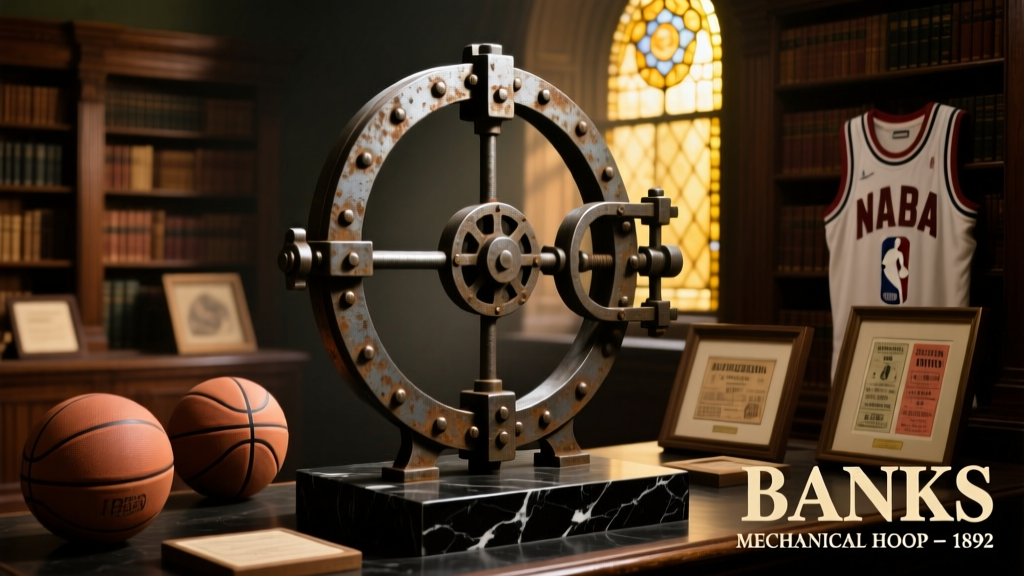
Banks Mechanical Hoop La Cast Iron: History, Identification, and Authentication of a Rare Basketball Hoop Artifact
1924 Maps of the Bear Mountain Bridge, West Point, and Storm King Highway: Historical Cartography, Engineering Milestones, and Collector Insights

Doll Puppet Hand Johnny Phillip Morris Composition: Authentication, History, and Market Value of a Rare 1950s Promotional Artifact