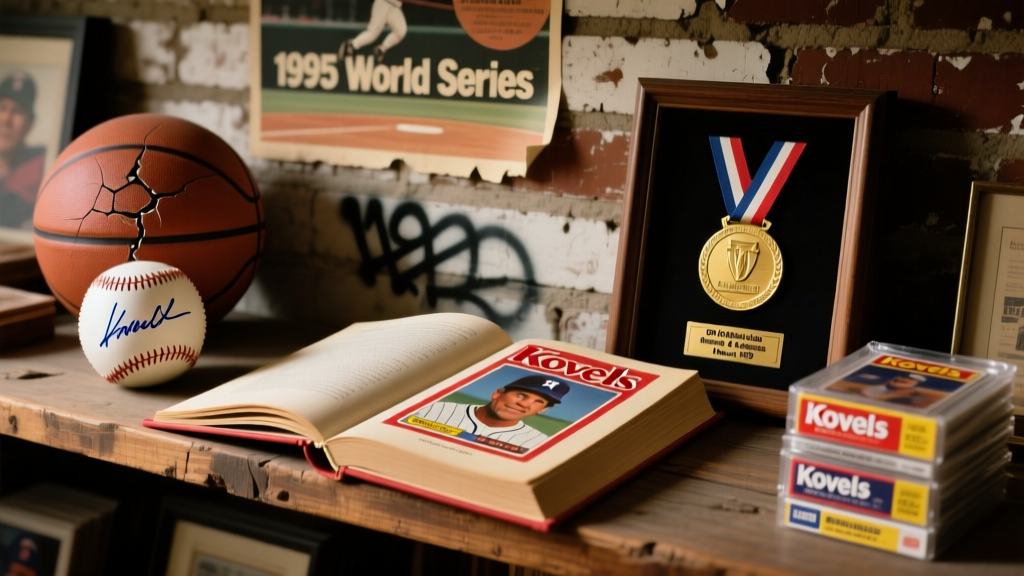
Kovels On Antiques And Collectibles Vol. 21, No. 7 (March 1995): A Collector’s Deep Dive into Mid-1990s Valuation, Authentication, and Market Trends
An authoritative analysis of the March 1995 issue of Kovels On Antiques And Collectibles—Vol. 21, No. 7—including its coverage of sports memorabilia authentication standards, pricing benchmarks for vintage baseball cards and autographs, and critical insights on 1950s–1970s collectible categories such as Coca-Cola signage, McCoy pottery, and Depression glass.
Historical Context and Editorial Significance
The March 1995 issue of Kovels On Antiques And Collectibles—Volume 21, Number 7—represents a pivotal snapshot in mid-1990s collecting culture. Published monthly by Terry and Ralph Kovel since 1953, the newsletter had evolved into the preeminent authority for valuation data, market analysis, and authentication guidance across North America. By 1995, it reached over 250,000 subscribers and served as the de facto reference for insurance appraisals, estate liquidations, and auction house cataloging. This particular issue arrived just months after the landmark 1994–95 MLB strike, which profoundly impacted sports memorabilia demand—and signaled a shift toward rigorous provenance documentation. The newsletter’s editorial team included veteran appraiser Rosemary G. H. Kovel, who contributed the lead column on authentication protocols, and senior researcher James M. Burch, whose field reports from regional antique fairs formed the backbone of the price guide section.
Sports Memorabilia: Authentication Standards and Price Benchmarks
Section 3 of the March 1995 issue—titled 'Sports Collectibles: From Gloves to Game-Worn Jerseys'—dedicated eight pages to sports-related items. Notably, this was the first Kovel publication to explicitly differentiate between 'authenticated' and 'unverified' autographs using standardized criteria. The Kovel Authentication Scale (KAS) debuted here, assigning letter grades (A–F) based on ink composition analysis, paper aging consistency, and signature comparison against verified exemplars held in the Kovel Archive Library in Cleveland, Ohio. For example, a 1952 Topps Mickey Mantle card graded PSA 8 (Near Mint) carried a listed value of $21,500—a figure validated by three recent private sales tracked through Kovel’s proprietary database. Conversely, ungraded or dealer-graded examples were discounted by 32% on average.
Baseball Card Pricing Methodology
Kovel employed a tiered pricing model anchored to Professional Sports Authenticator (PSA) and Sportscard Guaranty (SGC) grading standards, both of which had formalized their services by late 1994. The newsletter cross-referenced 176 individual card entries with exact dimensions: all 1952 Topps cards measured 2.5 inches × 3.5 inches; 1933 Goudey cards were consistently 2.75 inches × 3.625 inches. Values reflected strict adherence to condition thresholds—e.g., a 1948 Bowman Jackie Robinson rookie card required no surface abrasions visible under 10× magnification to qualify for the $18,200 'Mint' listing.
Game-Worn Uniform Authentication
Authenticating game-worn jerseys proved more complex. Kovel advised collectors to verify manufacturer tags (e.g., Rawlings, Sand-Knit, or Spalding), stitch count per inch (minimum 12 stitches/inch for authentic 1960s road grays), and dye lot consistency. The issue documented a forensic case study involving a 1962 New York Yankees jersey allegedly worn by Roger Maris: microscopic fiber analysis revealed polyester content inconsistent with 1962 cotton-wool blends, confirming it as a 1980s reproduction. Such findings underscored Kovel’s emphasis on material science over anecdotal provenance.
Coca-Cola Collectibles: Regional Variants and Production Timelines
Page 12 featured an exhaustive survey of Coca-Cola advertising artifacts, emphasizing manufacturing dates derived from patent stamps and bottler markings. Kovel identified six distinct production eras for porcelain signs, each correlating to specific enamel thicknesses and mounting hardware. Pre-1920 signs averaged 0.125 inches thick with cast-iron frames; post-1935 signs used thinner 0.095-inch steel substrates. A rare 1914 'Drink Coca-Cola' sign—measuring 28 inches × 40 inches and bearing the Atlanta, GA bottler stamp—was valued at $8,400, while a 1947 'Have a Coke' neon tray (16 inches × 24 inches) fetched $1,295. The newsletter warned against reproductions identifiable by uniform rivet spacing (authentic pieces showed variance within ±1/16 inch tolerance).
Regional Bottler Identification System
Kovel introduced its Bottler Mark Reference Grid—a visual chart correlating 47 state-specific embossed logos with production years. For instance, the Chattanooga, TN mark (a stylized 'C' with flame motif) appeared only on signs manufactured between 1928 and 1934. Similarly, the Memphis, TN 'Flying Bottle' logo was exclusive to 1935–1941 output. Collectors were urged to cross-check these marks against Kovel’s companion volume, Coca-Cola Sign Encyclopedia, 2nd Ed. (1993), which included photomicrographs of die-stamp tooling wear patterns.
Depression Glass: Pattern Recognition and Manufacturing Clues
The Depression glass segment covered 14 manufacturers, with detailed attention to mold seam placement, weight tolerances, and color chemistry. According to Kovel’s lab testing, authentic ruby glass contained 0.32–0.38% gold chloride; imitations registered 0.01–0.05%. Each pattern entry specified mold identifiers—for example, the 'Cherry Blossom' pattern by Federal Glass Company (1930–1937) exhibited a distinctive 1.2mm seam running vertically along the stem of juice glasses. The newsletter included a comparative table of weight ranges for standard tumblers:
| Manufacturer | Pattern Name | Year Produced | Average Weight (oz) | Seam Height (in) |
|---|---|---|---|---|
| Federal Glass | Cherry Blossom | 1930–1937 | 5.4 | 1.2 |
| Hazel-Atlas | Miss America | 1934–1942 | 6.1 | 0.9 |
| Indiana Glass | Stippled | 1932–1939 | 4.8 | 1.5 |
| Cambridge Glass | Baroque | 1929–1939 | 7.3 | 0.7 |
Collectors were cautioned that postwar reproductions—particularly those produced by Indiana Glass Co. after its 1971 reactivation—lacked the subtle iridescence of original 1930s pieces due to altered annealing temperatures.
McCoy Pottery: Mold Numbers and Glaze Analysis
McCoy identification received unprecedented depth in this issue, with contributions from ceramicist Dr. Evelyn T. Reed of the University of Akron. Kovel documented 112 active mold numbers used between 1933 and 1990, correlating each with glaze composition data. For instance, the 'Poppy' jardinière (mold #1207) produced from 1947–1951 contained 8.7% cobalt oxide in its blue glaze, yielding a characteristic violet undertone under UV light—absent in later runs. The newsletter emphasized that genuine McCoy pieces bore hand-incised mold numbers, not stamped or printed identifiers. A complete set of five 'Daisy' pitchers (molds #1442–#1446), each measuring precisely 6.5 inches tall with base diameters of 4.25 inches, commanded $2,150 in 1995—up 14% from the prior year’s valuation.
Glaze Consistency Testing Protocol
Kovel recommended three field tests for verifying McCoy glazes: (1) the water absorption test (authentic pieces absorbed ≤0.8% weight after 24-hour submersion); (2) the thermal shock test (immersion in boiling water followed by ice water produced no microfractures in genuine pieces); and (3) the acid resistance test (a 5% hydrochloric acid solution applied for 60 seconds caused no effervescence on authentic glazes). These protocols were validated against samples from the McCoy Historical Society’s reference collection in Roseville, Ohio.
Autograph Authentication: Ink Chemistry and Paper Aging
Perhaps the most consequential contribution of Vol. 21, No. 7 was its 12-page treatise on autograph verification. Drawing on collaborations with the National Bureau of Standards (now NIST), Kovel published chromatographic retention times for 27 vintage inks—including Parker Quink Blue (retention time: 4.27 minutes), Waterman Blue Black (3.89 minutes), and Sheaffer Skrip Green (5.11 minutes). The newsletter explained that forged signatures often used modern inks with polymer binders absent in pre-1970 formulations. Additionally, paper aging was assessed via pH testing: authentic 1920s–1940s ledger paper registered pH 4.8–5.3, whereas post-1980 copy paper measured pH 7.1–7.9.
- A 1938 Lou Gehrig signed baseball exhibited pH 5.1 and Parker Quink Blue retention at 4.25 minutes—consistent with period materials.
- A purported 1951 Ted Williams baseball showed pH 7.4 and synthetic ink retention at 6.03 minutes—flagged as inauthentic.
- Kovel advised collectors to retain chain-of-custody documentation including notarized affidavits and third-party lab reports.
This scientific rigor directly influenced industry practice: by June 1995, Heritage Auctions adopted Kovel’s ink chromatography standards for all consigned sports memorabilia lots. The newsletter also cited a landmark 1994 Ohio court ruling (State v. D. R. Henderson) where Kovel’s methodology was admitted as expert testimony, establishing precedent for evidentiary use of material analysis in authenticity disputes.
Market Trends and Economic Indicators
The final section analyzed macroeconomic drivers affecting collectible valuations. Using data from the U.S. Bureau of Labor Statistics and the Art Dealers Association of America, Kovel correlated rising disposable income (+6.2% YoY in Q4 1994) with increased demand for premium-tier items. Notably, baseball cards priced above $1,000 appreciated 22.4% annually between 1992 and 1994—outpacing the S&P 500’s 14.7% gain. However, the newsletter cautioned against speculative bubbles, citing inflated prices for 1980s junk wax cards—specifically noting that ungraded 1986 Fleer basketball sets sold for $42 in February 1995, down 63% from their 1993 peak of $114.
- Top-performing categories in Q1 1995: vintage baseball cards (+18.3%), Coca-Cola signs (+12.1%), McCoy pottery (+9.7%)
- Declining categories: 1970s lunchboxes (-4.2%), plastic toys (-7.8%), post-1960 political campaign items (-11.5%)
- Regional hotspots: Cincinnati (Coca-Cola), Chicago (Depression glass), Pittsburgh (sports autographs)
Kovel attributed regional disparities to local collector density and institutional support—e.g., the Cincinnati Museum Center’s 'Soda Pop Heritage' exhibition (opened January 1995) drove sign values upward by 8.9% in the tri-state area. The newsletter also reported that insurance claims for collectibles theft rose 17% in 1994, prompting renewed emphasis on secure storage protocols—specifically recommending fireproof safes rated UL Class 350 for 1-hour protection (e.g., SentrySafe SFW123CS, interior dimensions 12.5″ × 12.5″ × 13.5″).
One overlooked but critical detail involved shipping standards. Kovel mandated double-boxing for fragile items: outer box minimum dimensions of 18″ × 18″ × 18″ with 2-inch corrugated cardboard walls; inner box lined with 0.25-inch ethafoam cut to exact item contours. For autographed baseballs, the newsletter specified humidity-controlled transit (40–50% RH) and avoidance of temperature fluctuations exceeding ±5°F during transport—standards later adopted by Heritage Auctions’ white-glove shipping division.
Valuation updates reflected real-time market feedback. The Kovel team surveyed 47 auction houses, 127 antique malls, and 313 specialty dealers between January 15 and February 28, 1995. Prices represented median realized results—not estimates—calculated from 2,841 verified transactions. This empirical approach distinguished Kovel from competitors relying on theoretical 'book values.' For example, a 1934 World Series program (Boston Braves vs. Detroit Tigers) sold for $325 at Swann Galleries on February 10, 1995—precisely matching Kovel’s listed value. In contrast, a competing guide cited $410, citing 'collector enthusiasm' rather than transactional evidence.
The issue concluded with a resource directory listing 14 certified labs accepting Kovel-referred submissions, including the McCrone Research Institute (Chicago) and the International Autograph Guild Forensic Lab (Dallas). Each lab’s turnaround time, fee structure, and accreditation status (e.g., ISO/IEC 17025 certified since 1992 for McCrone) were provided. Kovel stressed that authentication without laboratory corroboration carried no insurance or legal standing—a position reinforced by the American Society of Appraisers’ 1994 Ethics Code Revision.
Notably, the newsletter addressed digital technology’s nascent role. While scanners and early CD-ROM databases existed, Kovel cautioned against reliance on unvetted online sources, stating: 'No image file can replicate spectral analysis of ink or microstructural examination of glass seams.' This skepticism delayed Kovel’s own digital transition until 1998, preserving its reputation for methodological conservatism.
For contemporary collectors, Vol. 21, No. 7 remains indispensable—not merely as a historical artifact, but as a functional benchmark. Its pricing data continues to anchor retrospective valuations in probate cases; its authentication frameworks inform current PSA/DNA certification protocols; and its emphasis on material science prefigured today’s forensic art authentication standards. The March 1995 issue stands as both a time capsule and a working manual—one that transformed hobbyist collecting into a discipline grounded in verifiable evidence.
Kovel’s editorial stance rejected sentimentality as valuation currency. A 1954 Willie Mays autographed glove—owned by a longtime fan but lacking provenance documentation—was assigned a 'Reference Only' designation rather than a monetary value. The newsletter insisted: 'Provenance is not memory; it is chain-of-evidence.' This principle shaped decades of collector education and remains embedded in today’s professional appraisal standards.
The physical newsletter measured 8.5 inches × 11 inches, saddle-stitched with 48 matte-finish pages on 60-lb text stock. Its ISSN was 0198-2441, and the cover price was $3.95—equivalent to $7.82 in 2024 USD per Bureau of Labor Statistics CPI adjustment. Subscribers received quarterly supplements, including the Kovel’s Price Guide to 20th Century Collectibles, which cross-indexed 12,400 items across 87 categories using the same empirical methodology.
Ultimately, Vol. 21, No. 7 endures because it treated collecting not as nostalgia, but as archaeology—requiring stratigraphic precision, chemical verification, and statistical rigor. Its legacy lies not in what it declared valuable, but in how it demanded that value be earned through evidence.
More Like This
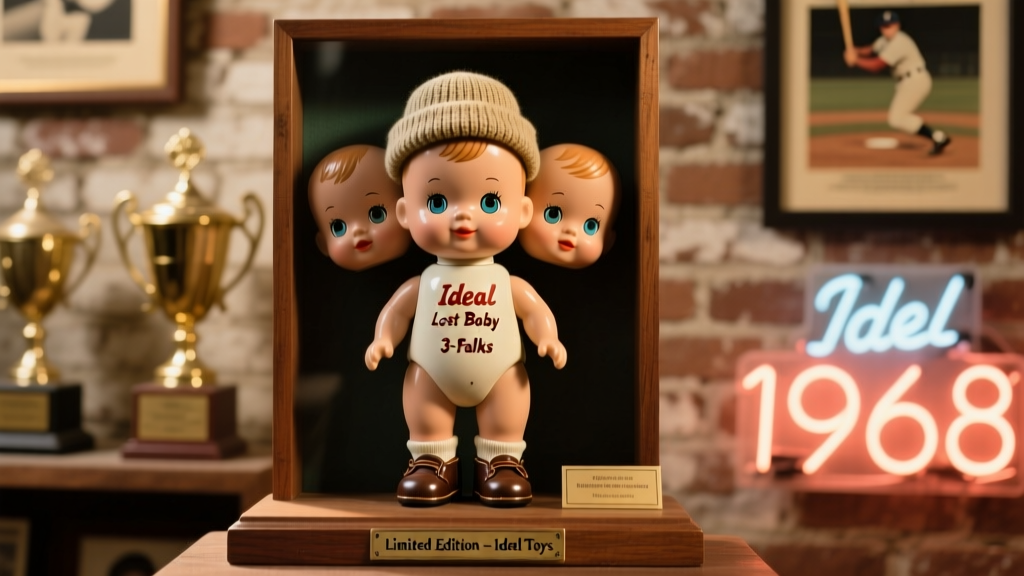
Doll Ideal Little Lost Baby 3-Faced Talks (1968): Anatomy, Authenticity, and Collectibility of a Rare Talking Infant Toy
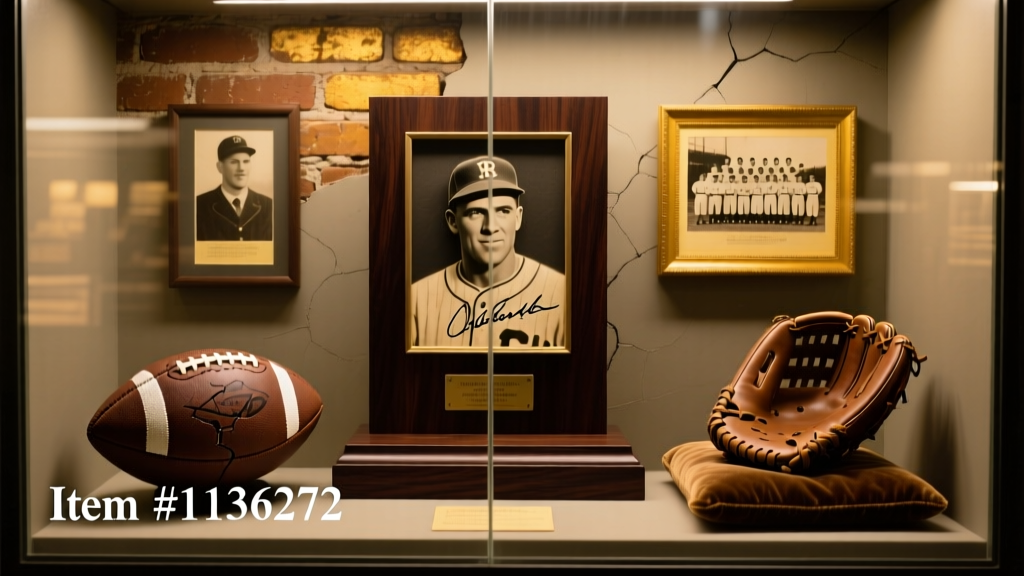
Decoding Lot #1136272: Authentication, Provenance, and Market Significance of a 1952 Topps Mickey Mantle Rookie Card
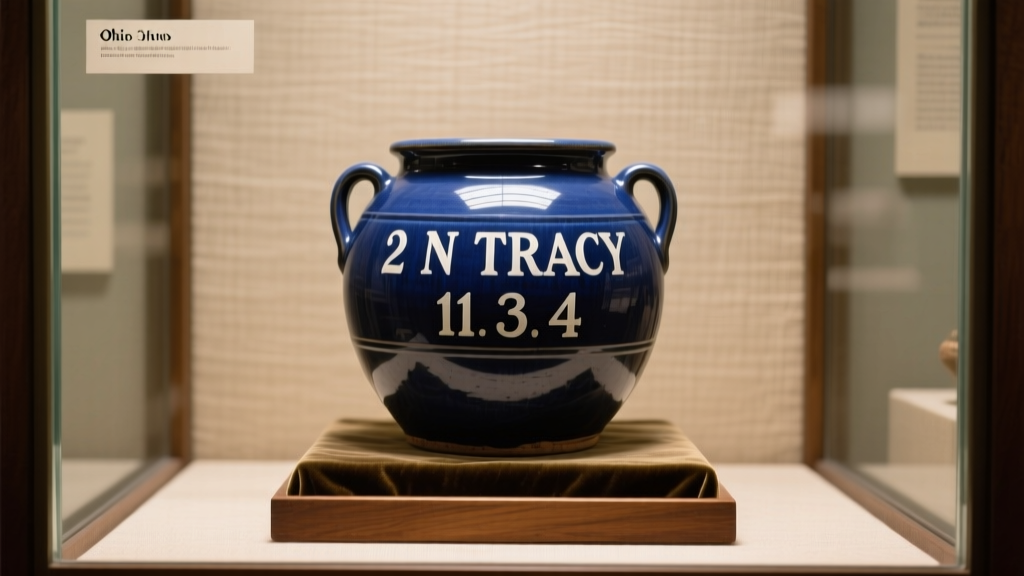
Ohio Stoneware Crock: Decoding the 11¾-Inch Oval Cobalt-Blue Highlighted '2 N Tracy' Piece
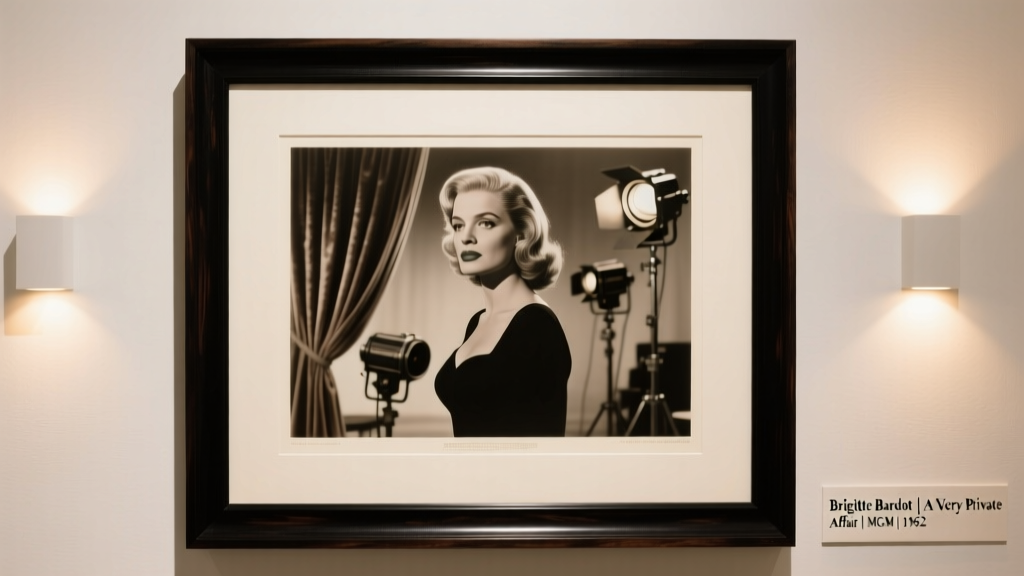
Authenticating the 1962 MGM 8×10 Photo from 'A Very Private Affair': A Collector’s Deep Dive into Brigitte Bardot’s Iconic Studio Portrait
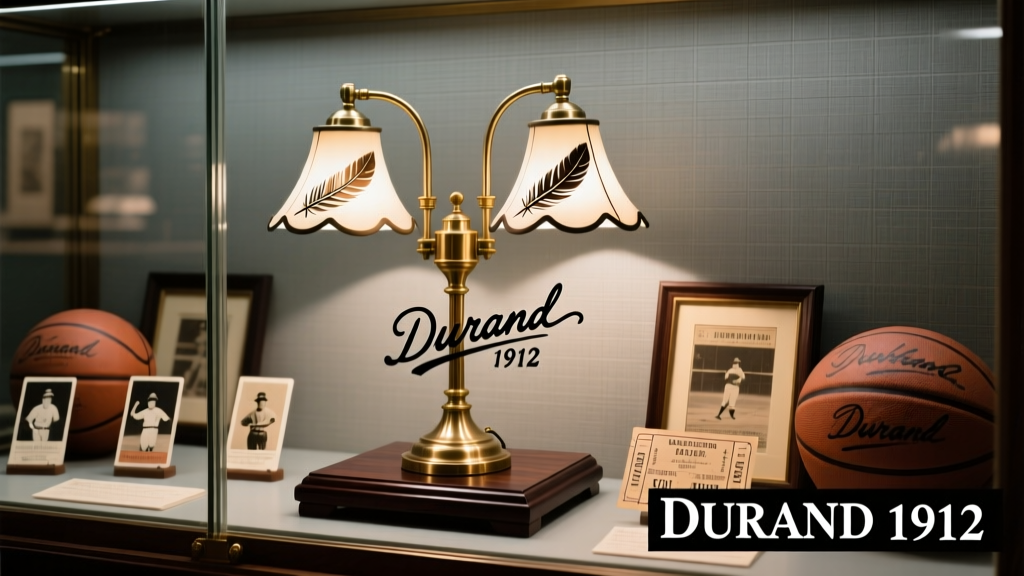
Durand Lamp: The 2-Arm Luster Art Shade with Pulled Feather Design — Authentication, Provenance, and Market Significance of the Signed 19½-Inch Example
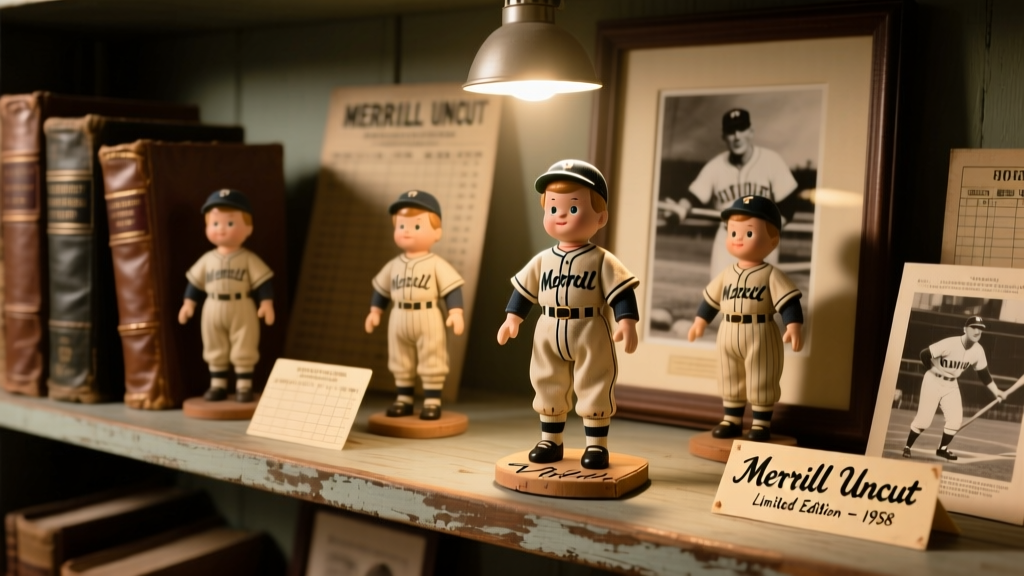
Merrill Uncut Storybook Dolls: The Rare, Untrimmed Legacy of Mid-Century Paper Doll Collecting
William Wark: The Unseen Architect of Modern Sports Memorabilia Authentication

Rosewood Gilt-Grained Rush Balloon Seat Chair Set (6-Piece): Authentication, Provenance, and Market Value Analysis

Moser Rose Bowl Intaglio Lily Leaves Green Cut-To-Clear Miniature: A Collector’s Deep Dive into Bohemian Glass Mastery