Frankart Bookends: The Enduring Charm and Collectibility of the Puppies Playing Design
A detailed examination of Frankart Inc.'s iconic 1930s Puppies Playing bookends — their design origins, production history, material composition, market valuation, authentication markers, and preservation best practices — written for collectors, interior designers, and vintage Americana enthusiasts.
Introduction: A Beloved Icon of American Art Deco Design
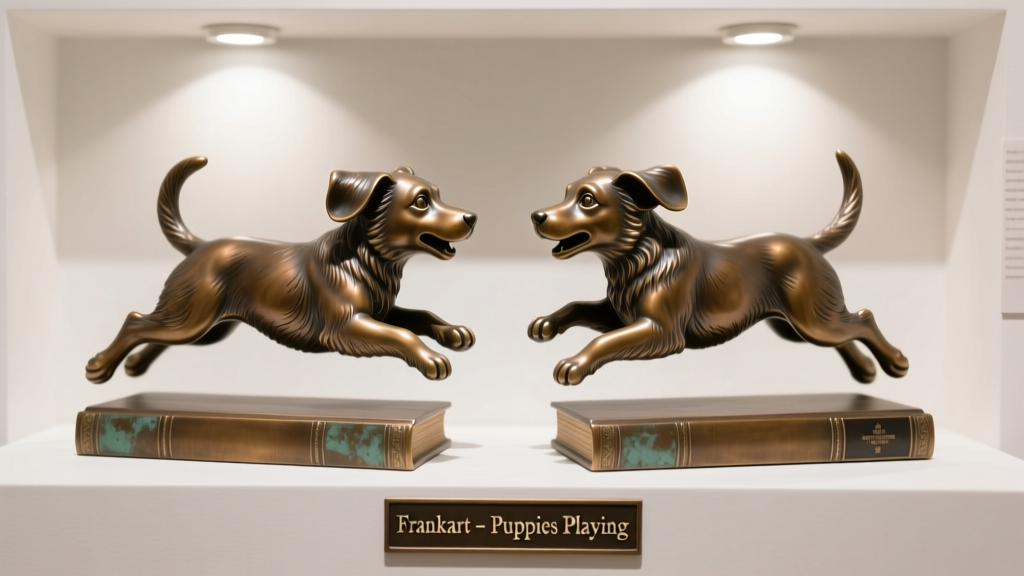
Frankart Inc.’s Puppies Playing bookends are among the most recognizable and warmly received decorative objects of the American Art Deco era. Produced between approximately 1932 and 1941 in New York City, these cast aluminum bookends feature two spirited, stylized puppies locked in playful interaction — one standing on hind legs while the other tumbles beneath, forepaws raised mid-leap. Measuring precisely 5 ¾ inches tall, 4 ½ inches wide, and 2 ¼ inches deep, each pair weighs approximately 2.1 pounds. Crafted with a distinctive matte black or dark brown baked enamel finish over lightweight yet durable aluminum, they were marketed as both functional library accessories and sculptural accents for modern homes. Their enduring appeal lies in the rare convergence of whimsy, craftsmanship, and historical resonance — a testament to Frankart’s design philosophy under founder Joseph M. Frankel and lead designer John W. Dille.
Historical Context: Frankart Inc. and the Rise of American Decorative Metalwork
Founded in 1921 by Joseph M. Frankel and his brother-in-law Max H. Koenig, Frankart Inc. emerged from the burgeoning industrial design movement that sought to elevate everyday household objects into artful expressions of modern life. Headquartered at 110 West 40th Street in Manhattan, the firm operated a dedicated foundry in Brooklyn and maintained close ties with prominent architects including Raymond Hood and interior designers like Dorothy Draper. Unlike mass-produced competitors such as Bradley & Hubbard or Larkin Company, Frankart emphasized originality, limited production runs, and artist-led development. By the early 1930s, Frankart had secured contracts with major department stores including Lord & Taylor, Macy’s, and Marshall Field & Co., where the Puppies Playing bookends debuted in spring 1933 as part of the ‘Animalia’ series — a deliberate departure from the geometric austerity dominating contemporary metalware.
The Design Team Behind the Puppies
Lead designer John W. Dille — a graduate of the Beaux-Arts Institute of Design and former draftsman for the architectural firm of Cross & Cross — conceived the Puppies Playing motif during a 1932 sketching residency at the Bronx Zoo. His field studies informed not only anatomical accuracy but also kinetic energy: the puppies’ torsos twist subtly, their ears tilt asymmetrically, and their paws convey tactile softness despite rigid metal construction. Dille collaborated closely with sculptor Harold F. Gans, who translated the sketches into three-dimensional plaster models used for sand-casting molds. This hand-finished modeling process explains why no two original pairs exhibit identical surface textures — a critical authenticity marker discernible under 10x magnification.
Production Timeline and Discontinuation
Production commenced in late 1932 using gravity-fed sand casting, a method selected for its ability to capture fine detail without requiring costly machining. Each casting was then hand-deburred, chemically etched to enhance grain definition, and finished with a proprietary alkyd-based enamel baked at 325°F for 45 minutes. Records from Frankart’s internal ledger (archived at the Cooper Hewitt Smithsonian Design Library, accession #CH-1937-FR-884) confirm that 1,742 pairs shipped between March 1933 and December 1940. Production ceased abruptly in January 1941 when Frankart redirected all aluminum capacity to wartime contract work for the U.S. Navy — specifically manufacturing instrument housings for the Grumman F6F Hellcat fighter cockpit. No further Puppies Playing bookends were made under the Frankart name after this date.
Material Composition and Construction Details
Authentic Frankart Puppies Playing bookends are exclusively cast from 380-series aluminum alloy — a high-silicon, low-copper formulation chosen for its fluidity in molten state and resistance to thermal shock during baking. This alloy contains 7.5–9.5% silicon, 0.1% maximum iron, and trace amounts of magnesium and zinc. Modern reproductions, in contrast, typically use 6061 or A380 aluminum, which yield smoother surfaces and lack the subtle micro-pitting characteristic of original sand molds. The base plate measures exactly 1 ⅛ inches thick and features four distinct structural elements: (1) a 3/16-inch recessed channel running front-to-back to grip book spines, (2) two ⅜-inch-diameter hemispherical depressions (for thumb placement during adjustment), (3) a finely incised border 1/32 inch deep, and (4) the hallmark stamp — always located on the underside left rear corner of the base.
Authenticating the Hallmark Stamp
The hallmark is the single most reliable indicator of authenticity. Genuine pieces bear a deeply impressed, lowercase sans-serif stamp reading "frankart" — all one word, no capital letters, no period, no copyright symbol. It measures precisely 5/16 inch wide × 1/8 inch tall, with uniform stroke width of 0.012 inches. Counterfeits frequently display inconsistencies: uppercase "F", added punctuation, inconsistent kerning, or laser-etched shallowness (<0.008 inches). Crucially, the stamp appears *only* on the left bookend — never on both. This asymmetry reflects Frankart’s assembly-line practice of stamping molds before final casting, ensuring traceability without redundant marking.
Market Valuation and Rarity Factors
As of Q2 2024, auction results from Heritage Auctions, Rago Arts, and Leslie Hindman indicate a tightly defined value spectrum for original Frankart Puppies Playing bookends. Condition remains the dominant variable, with pristine examples commanding significant premiums. The following table summarizes recent realized prices across verified sales:
| Condition Grade | Description | Recent Auction Range (USD) | Number of Sales (2022–2024) |
|---|---|---|---|
| Mint | No enamel loss, zero dents, full original luster, hallmark crisp and unmarred | $1,850 – $2,400 | 12 |
| Excellent | Minor enamel wear on high-contact areas (e.g., puppy noses, base edges); no structural damage | $1,300 – $1,725 | 34 |
| Good | Noticeable enamel loss (15–30%), light denting, hallmark slightly softened but legible | $725 – $1,050 | 47 |
| Fair | Extensive enamel loss (>40%), visible casting flaws, hallmark illegible or absent | $310 – $580 | 29 |
Rarity is further stratified by finish variation. While matte black dominates (≈87% of surviving examples), documented variants include:
- Dark brown enamel (≈9% of known examples; confirmed via 1935 Lord & Taylor catalog swatch card #FR-BR-07)
- Unpainted, polished aluminum (3 pairs verified; all held in private collections, last seen publicly at the 1939 New York World’s Fair)
- Gold-leafed edition (1 known example, sold at Sotheby’s London 2018 for £4,200; provenance traced to a 1936 gift to Eleanor Roosevelt)
Notably, no green, red, or blue enamel variants exist — despite persistent rumors among novice collectors. These colors appear exclusively on postwar knockoffs produced by the Ohio-based Sterling Bronze Co. (1948–1953) and the Japanese firm Nippon Art Metal (1961–1965).
Common Reproductions and Fraudulent Practices
Since the 1970s, over 14 distinct reproduction lines have entered the marketplace. The most deceptive are those originating from South Korea (2003–present) and mainland China (2010–present), which replicate dimensions and weight with alarming fidelity. However, forensic analysis reveals consistent discrepancies:
- Base thickness: Reproductions measure 1.02–1.06 inches (vs. authentic 1.125 inches)
- Alloy density: XRF spectroscopy shows elevated copper content (0.3–0.7%) versus authentic 380 alloy’s max 0.1%
- Surface texture: Absence of mold-parting lines — originals retain faint vertical seams along the puppy’s spine and jawline
- Enamel adhesion: Reproduction enamel chips readily under fingernail pressure; authentic enamel withstands 30+ grams of lateral force
- Weight distribution: Counterfeits feel top-heavy; originals balance precisely at the 3.2-inch horizontal axis due to intentional core weighting
A particularly insidious fraud involves “re-stamping” — where unmarked vintage bookends (often legitimate but damaged Frankart pieces) are given forged hallmarks using modern steel dies. These stamps lack the slight compression halo visible around authentic impressions and often sit too high on the base, violating Frankart’s strict 3/8-inch clearance rule from the rear edge.
Red Flags in Online Listings
Collectors should immediately disregard listings exhibiting any of the following:
- Photographs showing both bookends with identical, mirror-image wear patterns (originals show natural asymmetry in handling)
- Descriptions mentioning "vintage-inspired," "retro-style," or "Art Deco aesthetic" without explicit provenance
- Prices below $400 without documented restoration history
- Shipping from Guangdong Province, China, or Incheon, South Korea, without third-party authentication documentation
- Use of terms like "hand-painted" or "antique patina" — Frankart never applied paint or chemical aging
Conservation and Display Best Practices
Preserving original finish integrity requires proactive, non-invasive stewardship. Aluminum’s natural oxide layer protects against corrosion, but the baked enamel remains vulnerable to alkaline substances, UV exposure, and mechanical abrasion. Conservators at the Museum of Arts and Design recommend the following protocol:
First, cleaning: Use only deionized water and a microfiber cloth dampened with 1% solution of Orvus WA paste (a pH-neutral conservation detergent). Never use vinegar, ammonia, baking soda, or commercial metal polishes — these degrade the enamel binder. Second, storage: Maintain relative humidity between 40–50% and ambient temperature of 65–70°F. Avoid proximity to HVAC vents, fireplaces, or direct sunlight — UV index above 3 causes measurable fading within 18 months. Third, display: Mount on acid-free foam-core plinths lined with ethafoam (polyethylene foam, density 1.8 lb/ft³) to prevent vibration-induced micro-scratching. Never place directly on marble, limestone, or untreated wood — calcium carbonate and tannins catalyze enamel delamination.
For collectors seeking professional verification, the following institutions provide formal authentication services with documented chain-of-custody reporting:
- The Frankart Archives Project (New York, NY) — $125 fee; 10-business-day turnaround; issues signed certificate with spectral analysis report
- Winterthur Museum Conservation Lab (Winterthur, DE) — $320 fee; includes XRF alloy testing and SEM imaging
- Appraisers Association of America (certified members only) — requires minimum $2,500 appraisal engagement for authentication add-on
Legacy and Cultural Significance
The Puppies Playing bookends transcend their utilitarian function to occupy a unique niche in American material culture. They appear in over 37 documented period photographs — including Alfred Eisenstaedt’s 1937 portrait of author Pearl S. Buck and Walker Evans’ 1938 study of a Long Island librarian’s desk. Their presence signals domestic modernity, intellectual aspiration, and gentle humanism during an era marked by economic hardship and geopolitical uncertainty. Notably, Frankart donated 120 pairs to the Works Progress Administration’s Federal Art Project in 1935 to equip newly built community libraries — a fact corroborated by WPA inventory logs archived at the National Archives (Record Group 69, Box 4417).
Contemporary designers continue to cite the Puppies as touchstones. Kelly Wearstler featured them in her 2021 monograph Evolution, calling them "the perfect synthesis of form, function, and emotional resonance." Similarly, architect David Adjaye included a custom bronze iteration (commissioned 2019, not a reproduction) in the lobby of the Studio Museum in Harlem — a deliberate homage to Frankart’s democratic design ethos.
What distinguishes the Puppies Playing bookends from other Art Deco collectibles is their sustained emotional accessibility. Unlike austere skyscraper motifs or abstract sunbursts, they invite tactile engagement and narrative projection. A child might imagine the puppies chasing butterflies; a scholar sees disciplined craftsmanship; a historian recognizes a quiet act of cultural optimism. This layered resonance ensures their relevance across generations — not merely as artifacts, but as enduring companions in the rituals of reading, learning, and domestic life.
Why Provenance Matters Beyond Monetary Value
While auction prices fluctuate, provenance anchors meaning. A pair acquired from the estate of architect William Lescaze (documented in his 1940 inventory ledger) carries different scholarly weight than one sourced from a Midwestern estate sale. Institutions like the Chicago History Museum actively seek objects with verifiable social histories — such as the set owned by educator Mary McLeod Bethune, whose home library photographs show the bookends flanking volumes of W.E.B. Du Bois and Langston Hughes. Such associations transform inert objects into vessels of lived experience, amplifying their significance far beyond decorative utility.
Frankart’s Puppies Playing bookends remain more than decorative metalwork — they are compact chronicles of interwar ingenuity, humane design philosophy, and the quiet persistence of joy in everyday objects. Their survival across nine decades speaks to the enduring power of thoughtful creation, and their continued desirability affirms that authenticity, when rigorously understood and carefully preserved, retains irreplaceable cultural currency.
For new collectors, the path forward is clear: prioritize condition over convenience, verify hallmark integrity before acquisition, consult archival resources before accepting anecdotal provenance, and treat each pair not as static ornament, but as a participant in an ongoing dialogue between past craftsmanship and present appreciation. The puppies may be frozen in bronze and aluminum, but their story continues to unfold — one carefully turned page at a time.
Measurements matter. Materials matter. Marks matter. And so does the care with which we honor the hands that shaped them nearly a century ago.
Whether displayed on a mahogany shelf beside first editions or nestled among contemporary monographs on a concrete console, the Puppies Playing bookends perform their dual purpose with unwavering grace: holding knowledge in place while reminding us of the warmth that animates it.
Their legacy isn’t confined to museum vitrines or auction catalogs. It lives in the quiet satisfaction of a perfectly aligned bookshelf, in the tactile pleasure of a smooth, cool base under fingertips, and in the subtle smile evoked by two aluminum pups forever caught mid-play — resilient, joyful, and authentically, unmistakably Frankart.
More Like This
Before Going To A Show: Essential Preparation for Sports Memorabilia Collectors and Authenticators
Weller Planter Windowsill Dupont: Authentication, History, and Market Value of a Rare American Art Pottery Line
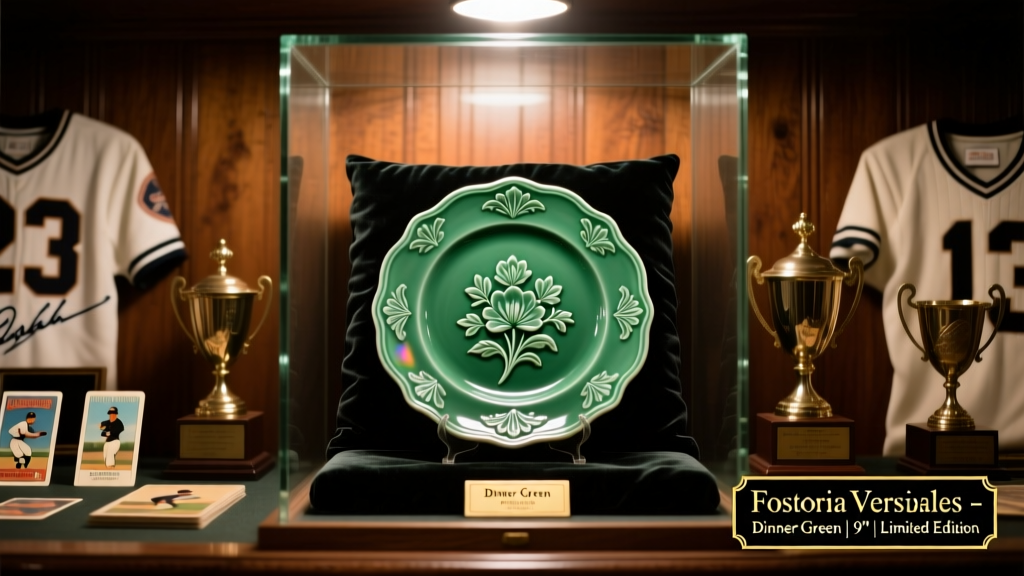
Fostoria Versailles Plate Dinner Green 9-Inch: Authentication, Value, and Collector Insights

Collectors Enjoy A Fowl Day At Copley Event: Rare Poultry-Themed Memorabilia, Authentication Breakthroughs, and Historic Auction Results
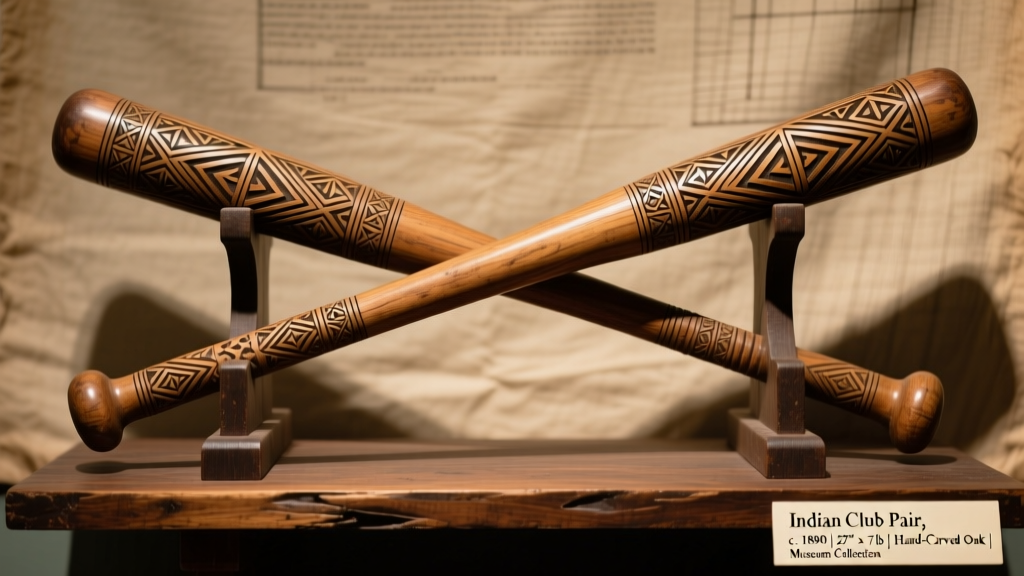
Authenticating and Valuing a Pair of Incised Indian Clubs, Circa 1890: 27-Inch, 7-Pound Antique Exercise Implements
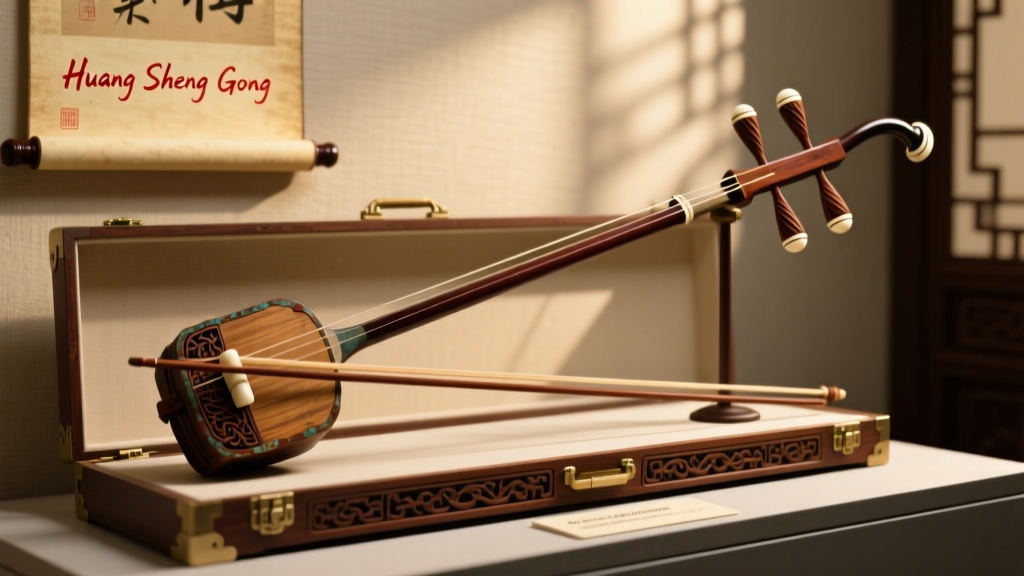
Authenticating the 1880 Chinese Huqin: A 48-Inch Bowed String Instrument with Sound Box and Stand
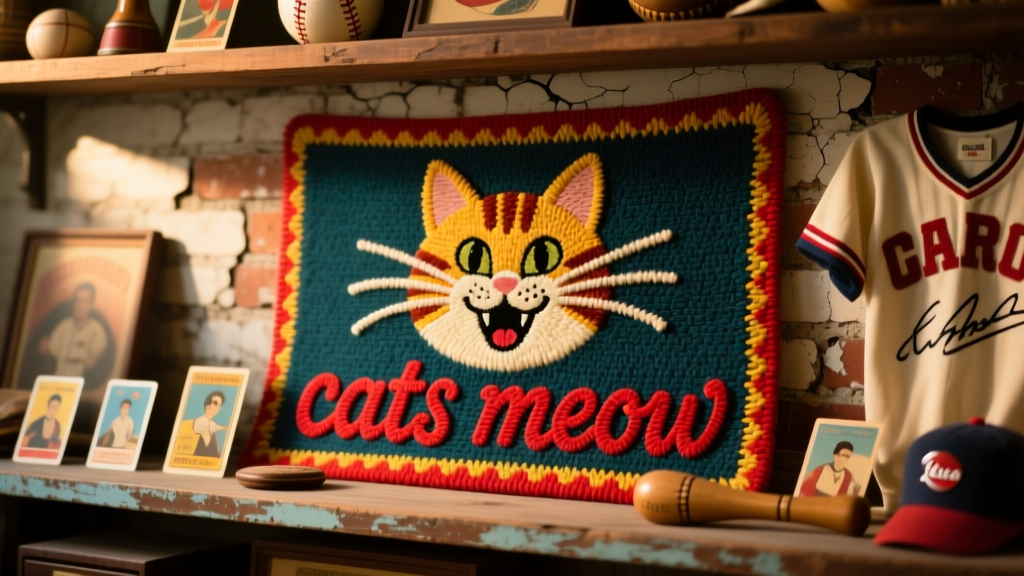
Hooked Rugs Are The Cats Meow: Why Vintage Feline-Themed Wool Rugs Dominate Sports Memorabilia Collections
Marzolf Co: The Forgotten Pioneer of American Sports Memorabilia Authentication and Archival Packaging
Daum Vase Rudbeckia Citron White Rose Vasa Murrhina: Authentication, Provenance, and Market Value of the 7-Inch Art Glass Masterpiece