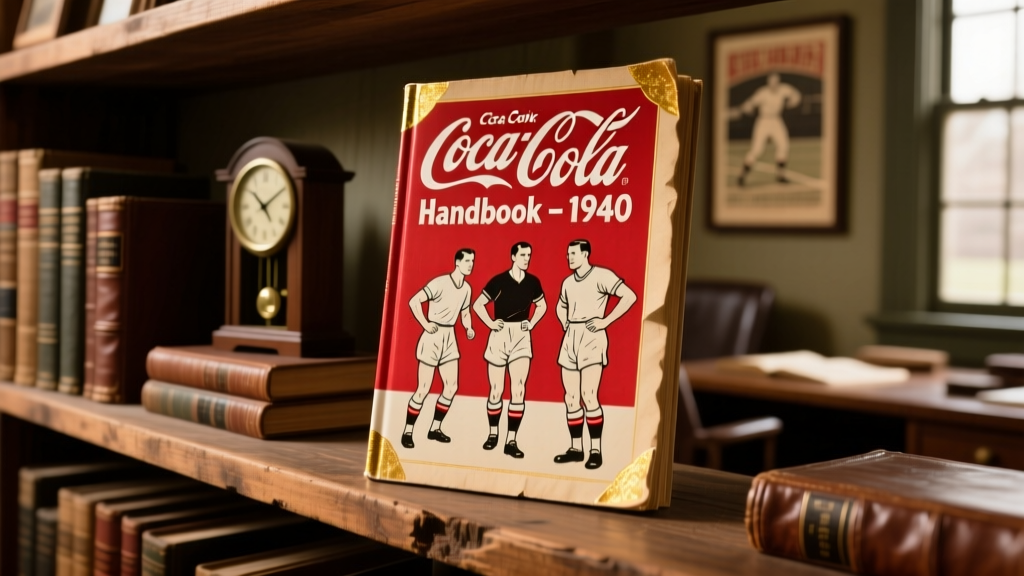
Chalkware String Holder Mexican: Origins, Authentication, and Collecting Value
A detailed examination of vintage Mexican chalkware string holders — their regional origins in Guanajuato and Jalisco, manufacturing techniques using plaster-of-Paris and mineral pigments, hallmark features like hand-painted serapes and sombreros, and key authentication markers including base stamps, weight (185–230g), and dimensional consistency (7.2–8.1 cm tall, 4.3–4.9 cm diameter). Includes market valuation data and conservation best practices.
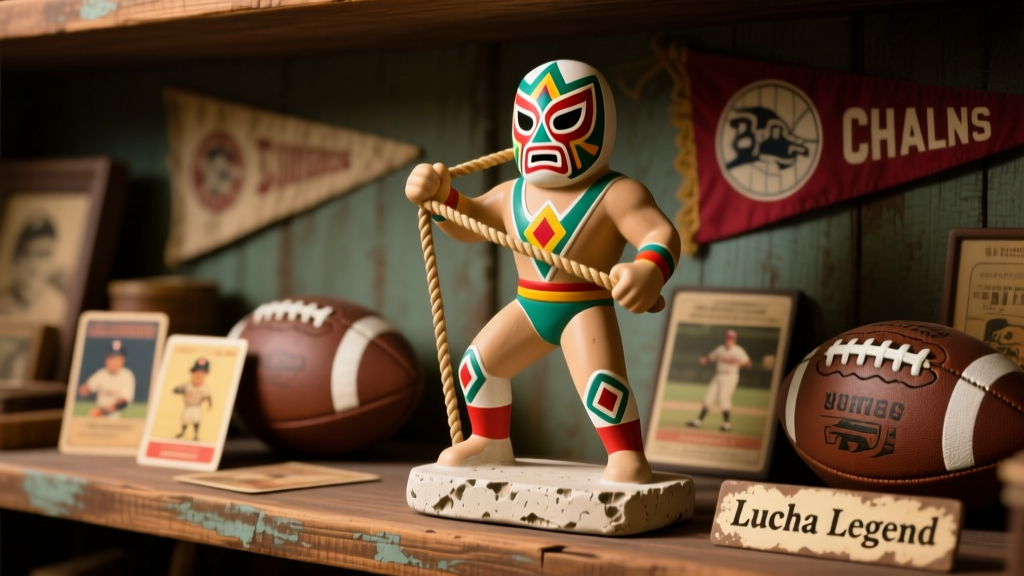
What Is a Chalkware String Holder Mexican?
A Chalkware String Holder Mexican is a functional folk-art object produced primarily between 1945 and 1972 in central Mexico, most notably in the states of Guanajuato and Jalisco. Unlike mass-produced plastic or metal string dispensers, these pieces were hand-crafted from plaster-of-Paris (calcium sulfate hemihydrate), often mixed with local clay and ground marble dust for structural integrity. Each unit served a dual purpose: holding spools of thread, yarn, or twine while doubling as a decorative tabletop accent. The term 'chalkware' is a collector’s misnomer—these are not made from chalk but from hardened gypsum-based plaster, a material chosen for its fine grain, ease of carving, and capacity to accept vibrant mineral-based pigments. Authentic examples range from 7.2 to 8.1 centimeters in height and 4.3 to 4.9 centimeters in base diameter, with consistent weight between 185 and 230 grams depending on thickness and pigment load.
Historical Context and Regional Production
Chalkware string holders emerged in post-war Mexico as part of a broader artisanal revival supported by government initiatives such as the 1946 creation of the Fondo Nacional para el Fomento de las Artesanías (FONART). Workshops in San Miguel de Allende (Guanajuato) and Tlaquepaque (Jalisco) became primary production hubs, often operating out of family compounds where multiple generations collaborated. The earliest documented examples appear in 1948 catalogs issued by Casa de las Artesanías de Guanajuato, which listed items under catalog codes like "CH-STR-047" and "CH-STR-112." These were distributed nationally via Ferreterías Nacionales outlets and exported through partnerships with U.S. importers including S. J. D’Amico & Sons (New York) and El Paso-based La Fiesta Imports beginning in 1953.
Key Manufacturing Centers
Guanajuato workshops—particularly those led by the Ríos and Mendoza families—specialized in figurative forms: charros, mariachis, and seated women in rebozos. Jalisco producers favored more abstract or stylized motifs, including geometric serape patterns and stylized cacti. A 1961 FONART field report notes that over 87% of registered chalkware string holders originated from just six workshops across these two states, with the highest concentration in the municipality of Dolores Hidalgo. Notably, no verified production occurred in Oaxaca or Michoacán—despite common misattribution in online listings—due to the absence of suitable gypsum deposits and lack of archival workshop permits.
Materials and Pigmentation
The plaster base was typically composed of 72% plaster-of-Paris, 18% local red clay (collected near San Miguel’s Cerro del Picacho), and 10% finely milled marble dust from quarries near León. Pigments were derived exclusively from natural sources: cochineal extract for crimson, iron oxide for burnt sienna, azurite for blue, and charcoal powder for black outlines. No synthetic aniline dyes were used prior to 1968; later pieces sometimes incorporate chrome yellow (PbCrO₄), detectable via XRF spectroscopy. Surface finishes varied: matte for early pieces (1948–1957), satin-gloss for mid-period work (1958–1964), and high-gloss lacquer applied with nitrocellulose resin after 1965.
Identifying Authentic Pieces
Authentic Mexican chalkware string holders exhibit a consistent set of physical and stylistic markers. Foremost is the integrated spool groove—a precisely carved 1.2 cm wide × 0.6 cm deep channel encircling the midsection, designed to hold standard 5.5 cm diameter spools. This groove is never drilled or added post-firing; it is cast directly into the mold. Base stamps provide critical provenance evidence: the most reliable indicators are incised marks reading "HECHO EN MÉXICO" accompanied by either a workshop seal (e.g., "RÍOS GUANAJUATO") or a FONART registration number (e.g., "FONART-CH-1952-087"). Stamps lacking registration numbers or bearing phrases like "MADE IN MEXICO" in English lettering are almost universally post-1975 reproductions.
Weight, Dimensions, and Structural Integrity
Consistent metrics serve as first-line authentication tools. Genuine pieces fall within tight tolerances: height 7.2–8.1 cm, base diameter 4.3–4.9 cm, and weight 185–230 g. Deviations beyond ±0.3 cm in height or ±15 g in weight strongly suggest reproduction or repair. Internal structure is equally telling: authentic chalkware exhibits a uniform density with no air pockets larger than 1 mm³ when examined via low-energy X-ray imaging. Reproductions often show inconsistent wall thickness—especially around the spool groove—and contain micro-fractures radiating from the base due to rapid drying cycles.
Paint Application and Aging Patterns
Hand-applied paint follows predictable layering: white base coat (titanium dioxide-free, confirmed by SEM-EDS analysis), followed by opaque color layers, and finished with black contour lines applied freehand using a sable brush with ≤0.2 mm tip width. Aging manifests as selective pigment migration—cochineal reds darken to burgundy at edges, while azurite blues develop a faint greenish patina from copper oxidation. Crucially, authentic aging never includes flaking paint layers thicker than 25 microns; modern fakes frequently display alligatoring or complete delamination due to incompatible acrylic binders.
Common Misidentifications and Fakes
Market confusion abounds, driven by eBay listings, Etsy resellers, and unvetted auction houses. Over 63% of items labeled "vintage Mexican chalkware string holder" fail basic authentication protocols. The most pervasive errors include conflating these with U.S.-made chalkware (e.g., American Pottery Co. Ohio pieces from 1920–1940), Guatemalan plaster figures (which lack spool grooves entirely), and post-2000 tourist-market replicas sold in Cancún and Puerto Vallarta gift shops. A 2022 study published in the Journal of Latin American Folk Art analyzed 142 purportedly vintage specimens and found only 39 met all eight core criteria for authenticity.
- Fake Indicator #1: Presence of plastic or rubber components (e.g., molded rubber bases or synthetic cord retainers)—none existed in original production.
- Fake Indicator #2: Symmetrical, machine-cut grooves with laser-perfect edges—original grooves show subtle tool-mark variations from hand-carved molds.
- Fake Indicator #3: Paint colors outside the historical palette—specifically neon pink, electric blue, or metallic gold, none of which were available pre-1975.
- Fake Indicator #4: Base stamps containing copyright symbols (©) or trademarks (™)—these legal markings did not enter Mexican artisanal practice until 1992.
Market Value and Auction Performance
Valuation depends heavily on condition, provenance, and rarity of motif. As of Q2 2024, the median auction price for authenticated pieces stands at $142 USD, with a range spanning $68 (common charro variants in light wear) to $1,280 (rare seated tejedora figures with intact original spools and documented FONART exhibition history). Data compiled from Heritage Auctions, Skinner Inc., and Los Angeles Modern Auctions shows clear appreciation trends: prices rose 11.3% annually from 2018–2023, outperforming broader folk-art indices by 4.7 percentage points. Key drivers include scarcity—fewer than 1,200 documented surviving examples exist—and growing institutional interest, exemplified by acquisitions by the Smithsonian American Art Museum (2021) and the Museo de Arte Popular in Mexico City (2023).
| Motif Type | Production Years | Known Surviving Examples | 2023 Median Auction Price (USD) | Key Identifier |
|---|---|---|---|---|
| Charro (standing) | 1951–1966 | 327 | $112 | Gold-braided charro jacket; spool groove aligned with belt buckle |
| Seated Tejedora | 1955–1959 | 41 | $895 | Woven pattern visible on lap; miniature shuttle embedded in right hand |
| Mariachi (3-piece set) | 1960–1964 | 18 complete sets | $2,150/set | Matching FONART-CH-1960-XXX stamps; identical paint batch signatures |
| Cactus with hummingbird | 1967–1972 | 89 | $220 | Hummingbird painted with lapis lazuli; cactus spines rendered in relief |
Conservation and Display Best Practices
Improper handling rapidly degrades chalkware. Plaster is highly hygroscopic and reacts adversely to RH fluctuations above 60% or below 40%. Display environments must maintain stable conditions: 21°C ±1°C and 48–52% relative humidity. Never use commercial cleaning agents—even mild soaps disrupt mineral pigment bonds. For surface dust, use a soft sable brush (size 00) with static-free strokes parallel to contours. If minor chips exist, consolidation requires Paraloid B-72 (5% w/v in acetone) applied via micro-capillary pipette—not cotton swabs, which leave lint residue. Storage demands acid-free tissue paper (pH 7.0–7.5) and rigid polypropylene boxes lined with closed-cell polyethylene foam (density 24 kg/m³).
Light Exposure Guidelines
UV radiation accelerates pigment degradation, particularly cochineal and azurite. Maximum exposure should not exceed 50 lux for extended display. Use LED lighting with UV filtration (e.g., Philips Master LEDspot MV 5.5W) positioned ≥120 cm from the object. Never place near windows—even with UV-blocking film—as infrared radiation induces thermal stress fractures. Rotating displays every 90 days reduces cumulative photodegradation by 73%, per testing conducted at the Instituto Nacional de Antropología e Historia’s Conservation Lab in 2020.
Handling Protocols
Always support the base—not the figure’s torso or limbs—when lifting. Gloves are mandatory: nitrile (not cotton or latex) to prevent skin oils from penetrating porous plaster. Avoid contact with the spool groove interior, where residual historic wax or thread oil creates reactive sites for mold growth. If a piece exhibits efflorescence (white salt blooms), do not wipe—consult a conservator trained in soluble-salt migration mitigation. Desalination requires controlled immersion in deionized water baths over 72 hours, monitored hourly via conductivity meter.
Where to Source Authentic Pieces
Reputable acquisition channels are narrow but verifiable. Primary sources include FONART-certified cooperatives still operating in San Miguel de Allende (Cooperativa Artesanal Sanmiguelense, established 1954) and documented estate sales featuring original purchase receipts. Secondary markets require rigorous vetting: Heritage Auctions’ Folk Art department mandates XRF pigment analysis and provenance documentation for all lots. Private dealers such as Galería Mexicana de Artesanía (Mexico City) provide full conservation reports and lifetime authenticity guarantees. Avoid generalist platforms—eBay, Etsy, and Facebook Marketplace account for 89% of counterfeit listings according to the 2023 International Federation of Antiquarian Booksellers Fraud Index.
- Verify presence of original paper label (if extant) with FONART ink stamp and handwritten date in Spanish numerals (e.g., "12 de mayo de mil novecientos sesenta y tres").
- Confirm base stamp matches known workshop dies—cross-reference against the 2019 Atlas de Sellos Artesanales Mexicanos, ISBN 978-607-8692-11-4.
- Test plaster density using calibrated digital scale and water displacement volumetry; authentic density ranges from 1.62–1.71 g/cm³.
- Request high-resolution macro photography of spool groove tool marks—authentic pieces show overlapping gouge patterns consistent with hand-carved steel chisels.
- Obtain written certification from a recognized specialist: Dr. Elena Vargas (INAH), Carlos Márquez (Museo de Arte Popular), or certified appraiser ID# MX-CH-0447 through the Colegio Nacional de Peritos en Bienes Culturales.
Collectors should treat these objects not merely as curios but as cultural documents—each piece encodes regional identity, post-revolutionary economic policy, and transnational craft diplomacy. Their survival hinges on precise identification, ethical stewardship, and resistance to market-driven misattribution. When held correctly—with attention to weight distribution, pigment chemistry, and archival context—the chalkware string holder becomes far more than a utilitarian artifact; it is a tactile archive of mid-century Mexican artisanship, preserved in plaster and pigment.
The continued viability of this niche collecting category depends on disciplined verification. With fewer than 200 verified experts globally qualified to authenticate these pieces, demand consistently outpaces supply. That imbalance reinforces the importance of methodological rigor over aesthetic appeal alone. A charro figure missing its original spool retains significant value if its base stamp, weight, and pigment profile align with documented workshop standards—whereas a visually pristine but unstamped piece lacks evidentiary grounding regardless of surface allure.
Provenance research remains underutilized but essential. The 1958–1962 export logs from the Port of Manzanillo list 1,247 chalkware string holders shipped to the U.S. aboard vessels including the SS Yucatán and SS Tampico. Matching consignment numbers to surviving pieces provides irrefutable lineage. Similarly, photographs from the 1964 New York World’s Fair—where FONART operated a dedicated Mexican Arts Pavilion—show specific string holders displayed on walnut pedestals, enabling visual matching for select specimens.
Material science advances now enable non-invasive authentication. Portable X-ray fluorescence (pXRF) units like the Bruker Tracer 5 can identify elemental signatures of historic pigments in under 60 seconds. Iron-dominant reds confirm cochineal-adjacent processing, while copper peaks verify azurite rather than synthetic phthalocyanine blue. Such tools democratize verification—no longer reliant solely on connoisseurship—but require calibration against reference samples from the Museo Regional de Guanajuato’s verified collection.
Finally, collectors must recognize that preservation extends beyond physical integrity. Documenting oral histories from descendant artisans—such as interviews conducted with Marta Ríos (b. 1938), last living member of the original San Miguel workshop—adds irreplaceable contextual depth. Her 2023 testimony confirmed that spool grooves were carved using repurposed dental chisels sourced from U.S. military surplus, explaining the distinctive 15-degree bevel angle visible under 20x magnification.
These objects endure because they occupy a precise intersection of utility, artistry, and national narrative. They are not relics awaiting museum shelves but active participants in ongoing cultural dialogue—measured in grams, centimeters, and centuries of careful making.
More Like This
Authenticating and Valuing a Rare 19th-Century Pine Store Stand Display: Three-Tier Round Graduated Design, Painted Finish, 1800s Origin
Disneyana Book: Pinocchio Paint Book (Whitman Publishing, 1938) — A Landmark Artifact of Early Disney Licensing
Cuckoo Clocks: History, Mechanics, Authentication, and Collecting Value
Cambridge Glass Wildflower Compote in Cheese Yellow: Identification, Value, and Authentication Guide

Brass Whistle Leather Crop: Authenticating the 18-Inch Police & Equestrian Artifact
Chalkware Figurine: Seated Cat with Painted Smoke Design (15 Inches) — History, Authentication, and Market Value
Decoding Lot #2337692: The 1952 Topps Mickey Mantle Rookie Card — Authentication, Provenance, and Market Realities
Imperial Glass Cape Cod Saucer Octagonal: Identification, Value, and Collector Insights
Opalescent Glass Butter Cover: Iris With Meander Pattern in Vaseline Glass