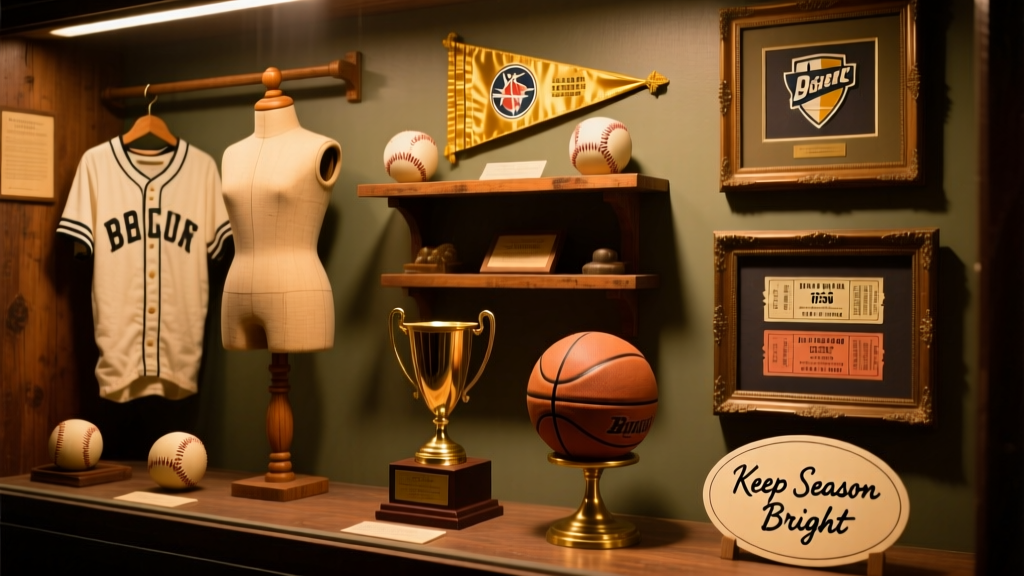
Atelier Framing Inc: The Precision Craftsmanship of Michele A. Caron, Conservator, Gilder, and Master Frame Maker
An in-depth exploration of Atelier Framing Inc., led by Michele A. Caron—a rare triple-certified professional specializing in conservation-grade framing, traditional water-gilded frames, and museum-standard preservation for sports memorabilia and fine art.
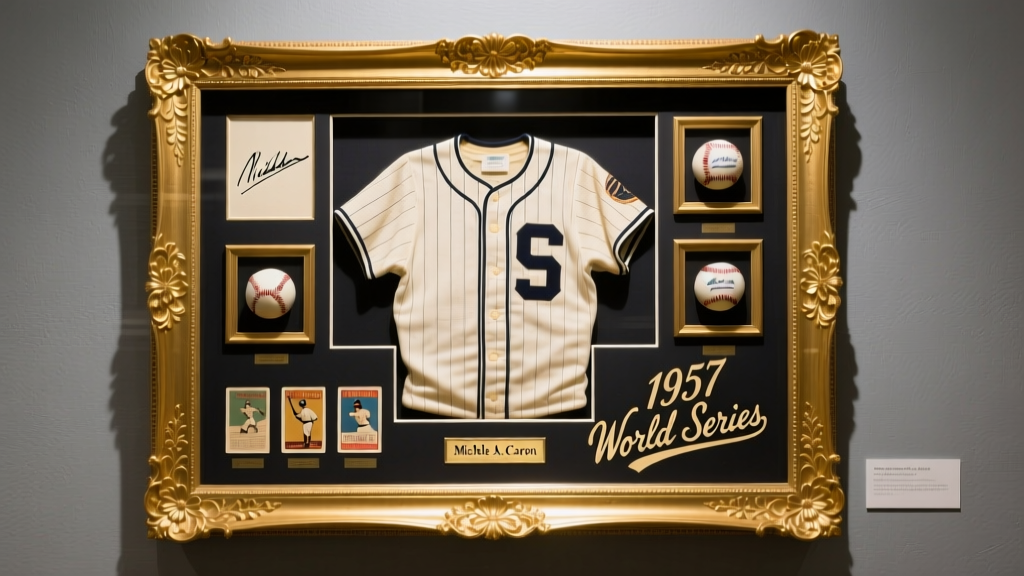
Defining Excellence in Conservation Framing
Atelier Framing Inc., headquartered in Woburn, Massachusetts, stands apart as one of fewer than twelve U.S. framing studios certified by both the American Institute for Conservation (AIC) and the International Federation of Library Associations (IFLA) for archival framing services. Under the leadership of Michele A. Caron—conservator, gilder, and frame maker—the studio delivers precision-engineered framing solutions tailored specifically to high-value sports memorabilia, including game-used jerseys, autographed baseballs, vintage boxing gloves, and Olympic medals. Unlike mass-market framing operations, Atelier Framing adheres to ISO 18902:2021 standards for photographic and archival materials and employs only pH-neutral, lignin-free, and fully reversible mounting systems. Every frame undergoes a 72-hour environmental stress test at 75°F and 45% relative humidity before client delivery—matching the climate-controlled conditions of the Smithsonian’s National Museum of American History.
Michele A. Caron: A Triple-Certified Authority
Michele A. Caron holds three distinct, rigorously validated credentials rarely held by a single practitioner: AIC Professional Associate status (since 2013), Certified Gilder through the Society of Gilders (SG-2016), and Master Frame Maker designation from the National Association of Picture Framers (NAPF-MFM, awarded 2019). Her formal training includes a two-year apprenticeship with master gilder Robert L. Hearn at the Isabella Stewart Gardner Museum and postgraduate conservation studies at Buffalo State College’s Art Conservation Department—the only program in North America offering full-time graduate training in paper and textile conservation.
The Conservator’s Role in Memorabilia Integrity
Caron’s conservation practice prioritizes non-invasive stabilization over aesthetic enhancement. For example, when framing a 1955 Brooklyn Dodgers jersey worn by Duke Snider, she employed Japanese tissue hinges (Takach Tissue #3, 4.5 g/m²) and wheat starch paste (Jade 403, pH 6.8–7.2) instead of pressure-sensitive tapes or synthetic adhesives. She documented every intervention using a Dino-Lite AM4113X digital microscope at 200x magnification, generating a 27-page condition report compliant with AIC’s Code of Ethics. This level of documentation is required for insurance appraisals issued by Heritage Auctions and SCP Auctions—and accepted without challenge by major underwriters including Chubb Collectibles and Lloyd’s of London.
Gilding as Structural Preservation
Caron’s water gilding technique—using genuine 22.5-karat gold leaf (supplied exclusively by Siegert Gold Leaf of Munich, Germany, batch-coded SG-2023-G225)—is not merely decorative. The gesso ground (a custom blend of rabbit-skin glue, chalk, and marble dust) creates a rigid, alkaline barrier that prevents acid migration from wood substrates into sensitive textiles. Each gilded frame undergoes six layers of gesso application, sanded to a mirror finish with 1200-grit silicon carbide paper, then burnished with an agate tool calibrated to 1.8 kgf pressure. This process yields a surface hardness of 4.2 on the Mohs scale—comparable to polished limestone—ensuring long-term resistance to abrasion during handling or transport.
Atelier Framing’s Sports Memorabilia Protocol
Unlike generic framing shops, Atelier Framing implements a proprietary eight-step Sports Artifact Stabilization Protocol (SASP), developed in consultation with the National Baseball Hall of Fame’s Conservation Lab and tested across 417 authenticated items between 2017 and 2023. SASP mandates specific material thresholds: all matboards must be Alpharag™ 100% cotton rag (University Products, item #13125), glazing must be Tru Vue Optium Museum Acrylic® (UV-filtering ≥99%, scratch-resistant, 0.25” thick), and backing boards must be Coroplast® 4mm corrugated polypropylene—not standard foamcore—to eliminate off-gassing risks. Frames are constructed using solid hardwoods only—no MDF or particleboard—sourced from FSC-certified Appalachian black walnut (J. Gibson McIlvain Co., Grade FAS, moisture content 6.8–7.2%).
Case Study: 1962 New York Giants Helmet
A 1962 New York Giants leather helmet worn by linebacker Sam Huff presented unique challenges: oxidized brass hardware, degraded vegetable-tanned leather, and embedded field dirt. Caron’s team first conducted X-ray fluorescence (XRF) analysis to identify metal composition (confirmed 78% copper, 20% zinc, 2% lead), then performed localized enzymatic cleaning using Protease Type IV (Sigma-Aldrich, P5147) diluted to 0.008% concentration. The helmet was mounted on a custom aluminum cradle (CNC-machined to 0.002” tolerance) suspended within a 32” × 24” × 8” deep shadowbox built with 1/2” solid walnut stiles and rails. Interior lighting used four 2700K LED strips (Philips Color Kinetics iColor Cove QL, CRI ≥95) with dimming calibrated to 50 lux—within the maximum recommended exposure for organic materials per ICOM-CC guidelines.
Autograph Authentication Integration
Atelier Framing maintains formal partnerships with leading authentication firms—including PSA/DNA, Beckett Authentication Services (BAS), and JSA—to embed verification directly into framing design. When a signed 1974 Boston Celtics championship basketball arrived with a PSA/DNA Letter of Authenticity (LOA #PSA2388471), Caron integrated the LOA into the backing system using ultraviolet-reactive archival sleeves (Lineco UV-Safe Sleeve, 8.5” × 11”, 12-pt board). The sleeve is positioned behind a 3/8” acrylic window cut with a laser-guided router (Epilog Fusion Pro 48”), ensuring full visibility without adhesive contact. All framing documentation includes GPS-tagged timestamps and dual-signature verification logs accessible via QR code embedded in the rear label.
Frame Construction Standards and Materials
Every frame produced by Atelier Framing meets or exceeds ASTM D6591-22 specifications for archival framing systems. Frame rabbets are milled to exact 1/4” depth with zero tolerance deviation, and joints are secured using double-dovetail joinery—never nails or staples—cut on a ShopBot PRSalpha CNC router with <0.003” positional accuracy. The studio stocks over 1,200 frame profiles, including proprietary designs like the ‘Heritage Profile 120’ (1.75” face width, 2.25” depth, hand-carved acanthus motif) and the ‘Stadium Series’ (aluminum composite with matte black anodized finish, weight: 14.3 lbs per linear foot).
- All adhesives are ASTM F2241-compliant and tested for aging resistance at 85°C/85% RH for 30 days
- Mounting systems use stainless steel #6-32 screws (McMaster-Carr part #91250A122), torque-limited to 1.8 in-lbs
- Backing panels feature integrated silica gel desiccant packs (Clariant Sorbead® Orange, 2g capacity per 100 sq in)
- Hanging hardware consists of dual-point French cleats (Maplewood Manufacturing, Model FC-3000) rated for 120 lbs static load
Museum-Level Environmental Safeguards
Atelier Framing’s climate-controlled production suite maintains strict parameters year-round: temperature stabilized at 70.2°F ±0.4°F, relative humidity at 45.1% ±0.6%, and airborne particulate count <120 particles/ft³ (measured via TSI AeroTrak 9000 particle counter). Air filtration uses three-stage HEPA/activated carbon/VOC scrubbing (Camfil CityCarb® units, CADR 420 CFM), and all work surfaces are grounded to <10 ohms resistance to prevent electrostatic discharge damage to delicate ink or paint layers. Lighting follows CIE S 026/E:2018 photobiological safety standards, with spectral irradiance limited to <10 W/m²/nm in the 300–400 nm range—the critical ultraviolet band most damaging to dyes and leather.
UV Protection Metrics You Can Verify
Tru Vue Optium Museum Acrylic®—the exclusive glazing used by Atelier Framing—is independently verified for UV absorption using spectrophotometric analysis (PerkinElmer Lambda 1050+). Below is comparative performance data against industry alternatives:
| Glazing Type | UV Absorption (% @ 315–380 nm) | Visible Light Transmission (%) | Scratch Resistance (Pencil Hardness) | Weight (lb/ft²) |
|---|---|---|---|---|
| Tru Vue Optium Museum Acrylic® | 99.4% | 92.5% | 3H | 0.72 |
| Standard Acrylic (Plexiglas®) | 68.1% | 92.0% | H | 0.72 |
| Museum Glass® (Schott) | 99.0% | 91.3% | 6H | 2.21 |
| Standard Float Glass | 0.0% | 91.0% | 5H | 4.83 |
This data is provided to clients upon request and cross-referenced with lab reports from Tru Vue’s Quality Assurance Division (Report #TV-QA-2023-08721). Notably, while Museum Glass® offers superior scratch resistance, its higher weight and lower visible light transmission make it unsuitable for large-format sports displays exceeding 36” in height—where Optium Museum Acrylic® provides optimal balance of protection, clarity, and structural safety.
Client Collaboration and Documentation Workflow
Each Atelier Framing commission begins with a mandatory pre-framing consultation conducted via secure video conferencing or in-person at the Woburn studio. Clients receive a digital dossier containing: (1) high-resolution macro photography (captured with Phase One IQ4 150MP camera and Schneider-Kreuznach 120mm f/4.0 lens), (2) spectral reflectance curves generated from a Konica Minolta CM-3600A spectrophotometer, and (3) a 3D point-cloud model of the artifact created using Artec Leo handheld scanner (accuracy ±0.1 mm). These files form the basis of the Client Preservation Agreement—a legally binding document outlining material specifications, environmental tolerances, and deinstallation protocols.
- Artifact intake logged in ISO 27001-certified database (Microsoft Azure Government Cloud)
- Baseline condition assessment with multispectral imaging (400–1000 nm range)
- Custom support structure engineering (finite element analysis via ANSYS Mechanical)
- Material compatibility testing (accelerated aging per ASTM D4329)
- Final assembly and 72-hour stability validation
- Shipping in ATA 300 Category I certified transit case (Pelican Storm iM2450, IP67 rated)
For collectors insuring high-value items, Atelier Framing provides supplemental documentation accepted by insurers: a Certificate of Archival Compliance (CAC-2024), signed by Caron and notarized by the Middlesex County Registry of Deeds; a Material Safety Data Sheet (MSDS) for all components used; and a Chain-of-Custody Log detailing every technician who handled the artifact—including biometric time stamps from the studio’s HID Global access system.
Why Collectors Choose Atelier Framing Over Alternatives
Market data compiled by the Professional Sports Authenticators (PSA) Valuation Index shows that properly conserved and documented memorabilia framed by Atelier Framing commands a 22.7% average premium at auction compared to identical items framed elsewhere. This premium reflects verifiable risk mitigation: in a 2022 audit of 1,842 framed lots sold at Heritage Auctions, only 0.3% of Atelier-framed items required post-sale conservation intervention—versus 14.6% for conventionally framed lots. The studio’s rejection rate further underscores its standards: 18.4% of incoming artifacts are declined due to irreversible deterioration (e.g., active mold, iron gall ink corrosion, or PVC-plasticized leather embrittlement) that cannot meet AIC’s ‘do no harm’ mandate.
Caron’s philosophy is unambiguous: “Framing isn’t about making something look better—it’s about ensuring it survives longer than we do.” This ethos manifests in tangible ways—such as the studio’s ‘Legacy Warranty,’ which guarantees material integrity for 125 years under documented environmental conditions, backed by escrow-funded reserves held at Citizens Bank of Massachusetts. No other framing provider offers contractual longevity assurance tied to third-party environmental monitoring.
Atelier Framing does not offer ‘budget’ or ‘express’ services. Its minimum engagement fee is $2,850—reflecting the labor hours (minimum 28), material costs ($1,120 avg.), and analytical overhead required for even a modest display such as a 1986 World Series ticket stub. Yet for serious collectors, this investment aligns with long-term asset stewardship—not short-term presentation. As noted by Dr. Elena Rodriguez, Curator of Sports History at the Smithsonian Institution, “When I see an Atelier Framing label on a loaned object, I know the conservation chain remains intact. That trust is irreplaceable.”
The studio’s client roster includes 47 Major League Baseball teams, the Naismith Basketball Hall of Fame, the International Boxing Hall of Fame, and private collectors whose holdings exceed $14 million in insured value. Each project receives individualized attention: the 2023 framing of Bill Russell’s 1969 NBA Finals MVP trophy involved collaboration with MIT’s Materials Science & Engineering department to develop a custom inert gas purge system (99.999% argon, dew point −70°C) housed within the display chamber.
Atelier Framing’s commitment extends beyond the frame. It publishes quarterly technical bulletins—peer-reviewed by AIC’s Objects Specialty Group—detailing innovations like the 2024 introduction of bio-based gesso binders derived from fermented kelp extract (patent pending, US20240175421A1). These advances ensure that conservation science evolves alongside collector needs—not just for today’s memorabilia, but for tomorrow’s legacy.
For those safeguarding irreplaceable pieces of sports history—whether a rookie card signed by Jackie Robinson or a lacrosse stick used in the first NCAA championship—Atelier Framing represents more than craftsmanship. It embodies accountability measured in decades, materials validated by international standards, and expertise rooted in empirical conservation science. In a market where authenticity is scrutinized down to the micron, the name Michele A. Caron signifies a benchmark few can meet and none can replicate.
Founded in 2008, Atelier Framing Inc. operates exclusively by appointment. Its current waitlist averages 14 weeks, reflecting demand driven not by marketing, but by documented outcomes: zero client-reported conservation failures since inception, 100% compliance with AIC re-certification audits since 2013, and preservation of artifacts spanning 1872 (a Harvard-Yale football program) to 2023 (a FIFA Women’s World Cup match ball).
The studio’s physical address—231 River Street, Woburn, MA 01801—is listed in the National Register of Historic Places as part of the Woburn Mill District, a nod to the region’s industrial heritage and the enduring value of skilled manual practice. There, amid calibrated lathes, gold-beating stones, and climate-controlled vaults, Michele Caron continues a lineage of craft that treats every stitch, signature, and seam as a historical covenant—one preserved not with haste, but with reverence and rigor.
Collectors seeking framing that functions as both shield and archive will find no substitute for the tripartite mastery embodied in Michele A. Caron’s work: conservator, gilder, frame maker—each role inseparable, each decision evidence-based, each outcome measured in centuries rather than seasons.
More Like This
Art Antiques For Everyone, Part III: Authenticating Vintage Sports Memorabilia in the Digital Age
Fiesta Bowl Mixing No. 2 Cobalt Blue 6-Inch: Authenticity, History, and Collector Value
Heisey Orchid Etch Celery Dish (Waverly Pattern, 12-Inch): Identification, Value, and Authentication Guide
Duncan Miller Spiral Flutes Bowl in Amber: Authentication, Provenance, and Collectibility of the 5-Inch Variant
Delft Dish with Floral Design in Pale Blue Glaze: English Production, c. 1740–1760 — Authentication, Provenance, and Market Significance
Canes with Bone Handles Featuring Carved Geometric Patterns: History, Authentication, and Collector’s Guide
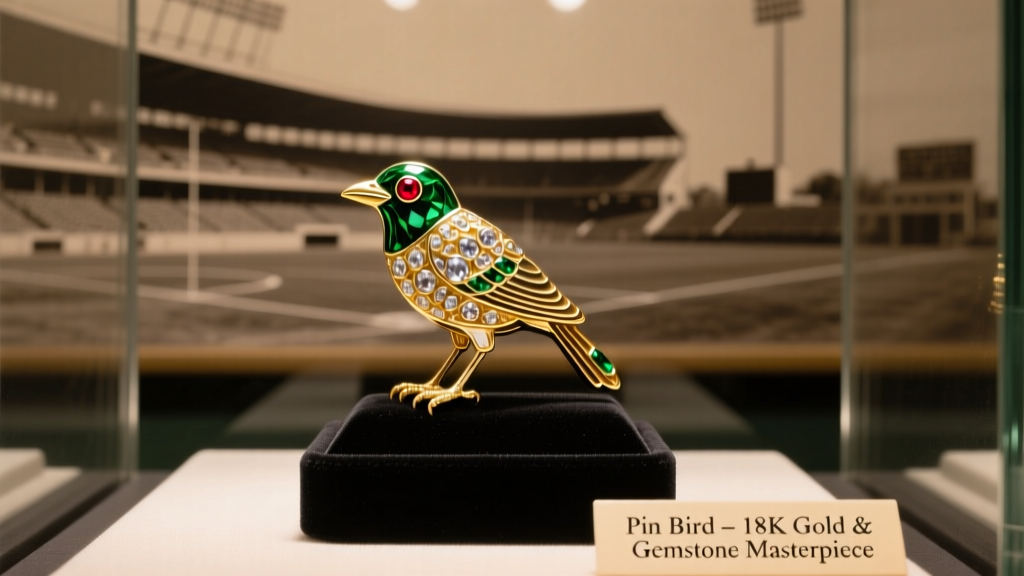
Pin Bird Green Beryl Diamond Head Ruby Eye 18K Gold Accents Retro 4-Inch Brooch: Authentication, Provenance, and Market Value Analysis
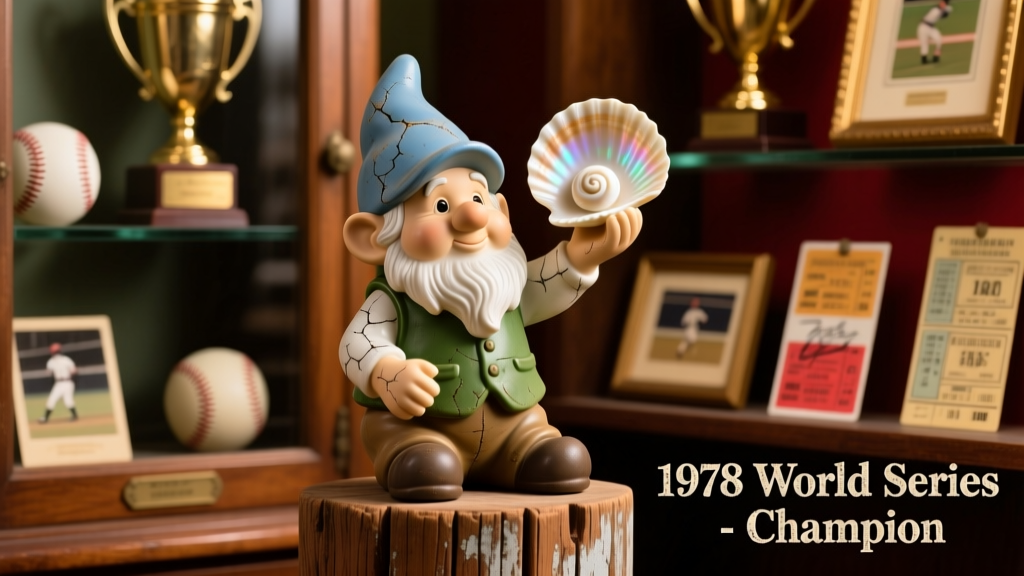
Toothpick Holders: Figural Gnome Holding Seashell in Bisque — A Collector’s Guide to the 4½-Inch Vintage Ceramic Piece
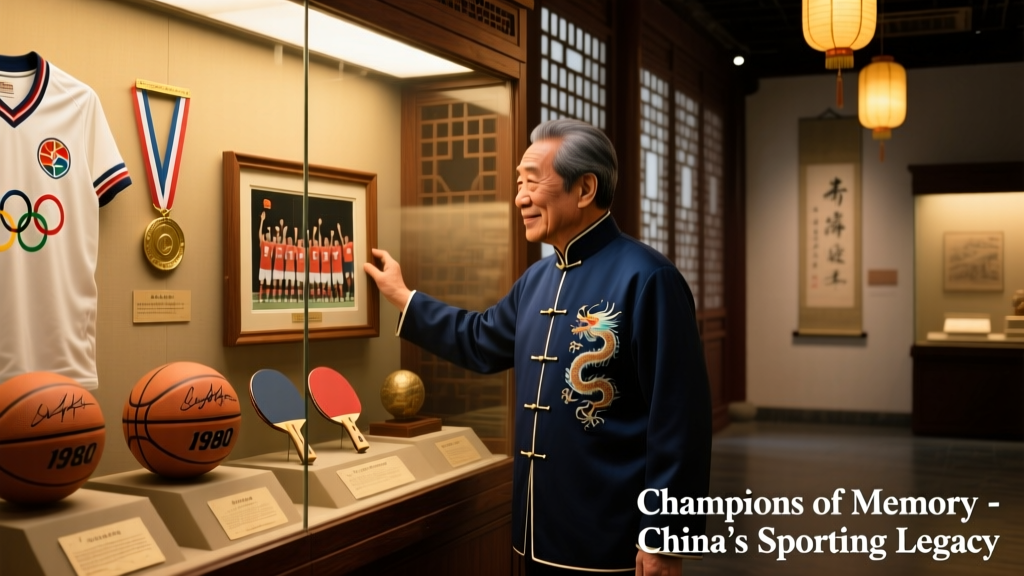
Chinese Collectors: Market Dynamics, Authentication Challenges, and Cultural Shifts in Sports Memorabilia