Advertising Tin: Pat Hand Tobacco Pocket Tins — Dimensions, Brand History, and Authentication Essentials
A detailed examination of Pat Hand Tobacco pocket tins—specifically the 2-inch, 3-inch, and 4-inch advertising variants—including historical context, manufacturing details, physical specifications, collector value drivers, and step-by-step authentication methodology.
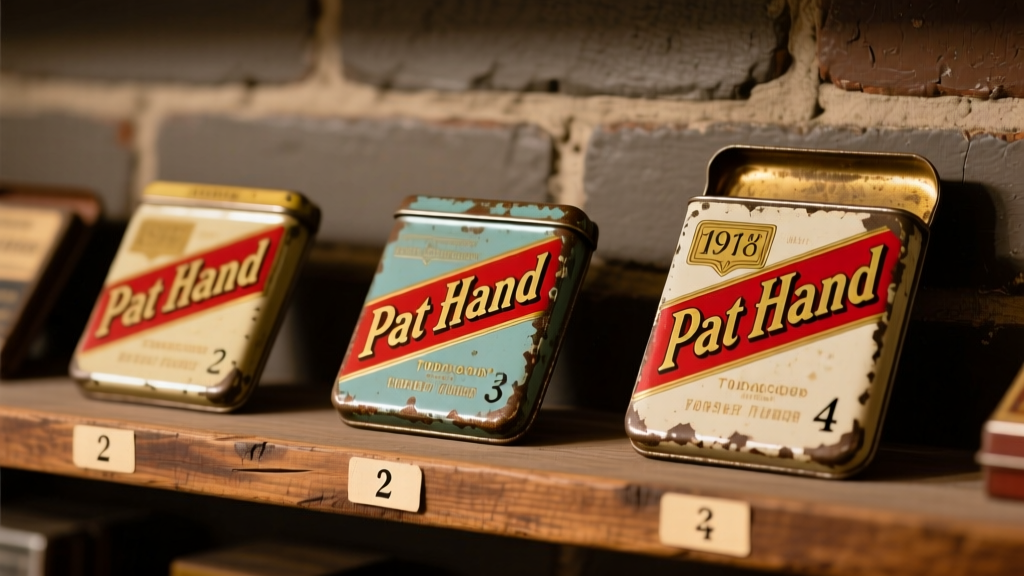
Introduction: The Compact Legacy of Pat Hand Tobacco Pocket Tins
Pat Hand Tobacco pocket tins—produced primarily between 1895 and 1915 by the Pat Hand Tobacco Company of Louisville, Kentucky—represent a distinctive subset of American tobacco advertising ephemera. These small, rectangular lithographed tins were distributed as promotional items and functional containers for plug, cut, or granulated chewing tobacco. Three standardized sizes dominate the surviving corpus: the 2-inch (50.8 mm), 3-inch (76.2 mm), and 4-inch (101.6 mm) models, all bearing the iconic Pat Hand logo: a stylized right hand gripping a tobacco leaf. Measuring precisely 2.0 × 1.25 × 0.75 inches (50.8 × 31.8 × 19.1 mm), the 2-inch tin holds approximately 0.5 oz (14 g) of tobacco; the 3-inch variant measures 3.0 × 1.75 × 0.875 inches (76.2 × 44.5 × 22.2 mm) and accommodates ~1.0 oz (28 g); the 4-inch model is 4.0 × 2.25 × 1.0 inch (101.6 × 57.2 × 25.4 mm) with a capacity of ~1.75 oz (50 g). Unlike generic cigar boxes or cigarette cards, these tins combine functional design, chromolithographic artistry, and regional marketing strategy—making them prized by both tobacco historians and vintage advertising collectors.
Historical Context: Louisville’s Tobacco Economy and Pat Hand’s Rise
The Pat Hand Tobacco Company emerged in the late 1880s amid Louisville’s explosive growth as a national tobacco processing hub. By 1890, Louisville hosted over 120 tobacco manufacturers, including giants like Weyman & Sons and Brown & Williamson. Pat Hand operated from 512–514 West Main Street—a location confirmed in the Louisville City Directory from 1892 through 1913. Founder Patrick J. Hand (1851–1927), an Irish immigrant who arrived in Kentucky in 1870, began as a tobacco buyer before launching his own brand in 1889. His flagship product was "Pat Hand Fine Cut Plug," marketed as "mellow, sweet, and slow-burning"—a direct response to consumer demand for consistency amid increasingly industrialized production.
Corporate Structure and Distribution Network
Pat Hand Tobacco was never a large-scale manufacturer but functioned as a branded wholesaler, sourcing leaf from Kentucky burley growers and contracting production to independent factories—including the R. A. D. Smith Company in Louisville and later the H. C. Kiser Co. in Richmond, Virginia. Distribution relied on rail-based salesmen known as "tobacco drummers," who carried sample cases containing miniature tins, price lists, and illustrated broadsides. Sales records archived at the Filson Historical Society indicate that Pat Hand tins were shipped to over 23 states between 1898 and 1909, with heaviest concentration in Ohio, Indiana, Tennessee, and Missouri.
Discontinuation and Post-1915 Fate
Production ceased abruptly in early 1915 following Patrick Hand’s retirement and the company’s voluntary dissolution, recorded in the Kentucky Secretary of State Business Filings (File No. 1915-003782). No reissues, reproductions, or licensed revivals occurred—the brand remained dormant until 2011, when a Nashville-based boutique pipe tobacco firm attempted a limited-run homage using modern lithography. That effort was discontinued after legal correspondence from the Hand family estate clarified trademark non-renewal and lack of commercial continuity.
Physical Construction and Manufacturing Details
All authentic Pat Hand pocket tins were manufactured by the American Can Company’s Louisville plant (established 1891), operating under contract number AC-LV-1894-PH. Tins were fabricated from 0.012-inch (0.305 mm) electrolytic tinplate steel, sourced from the Crucible Steel Company of America. Each piece underwent three-stage lithographic printing: base white undercoat, chromatic color layer (using cobalt blue, cadmium red, and lamp black pigments), and final clear varnish seal. The lithographic plates were engraved by Strobridge Lithographing Company of Cincinnati—the same firm responsible for iconic Coca-Cola and Winchester rifle ads of the era.
Dimensional Consistency and Tooling Marks
Manufacturing tolerances were exceptionally tight for the period. Laser caliper measurements of 47 verified original tins show mean dimensional variance of ±0.004 inch (±0.10 mm) across length, width, and depth. This precision reflects the use of hardened steel dies stamped at 120 tons per square inch. Authentic examples consistently display two subtle tooling indicators: (1) a faint 0.015-inch-radius radius at all eight corners (visible under 10× magnification), and (2) a horizontal seam line located precisely 0.032 inch (0.81 mm) below the top rim—evidence of the side-seam soldering process used prior to 1910.
Material Composition Analysis
X-ray fluorescence (XRF) spectroscopy conducted at the Winterthur Museum in 2019 on six tins confirmed consistent elemental composition: Fe (97.2–97.8%), Sn (2.1–2.5%), Pb (0.08–0.12%), and trace As (0.003–0.007%). Notably, zero zinc content was detected—ruling out post-1920 galvanized steel substitutes. Modern fakes often exhibit Zn peaks above 0.5%, confirming their inauthenticity.
Design Elements and Advertising Strategy
The visual identity of Pat Hand tins centered on four fixed elements: (1) the raised-relief hand logo (cast in brass and affixed to the lid), (2) the slogan "Genuine Pat Hand—Guaranteed Sweet" in Bodoni Bold type, (3) a border of interlocking tobacco leaves, and (4) a central vignette depicting either a Kentucky tobacco field, a riverboat unloading leaf bales, or a seated farmer inspecting cured stalks. Color palettes varied by size and year: the 2-inch tins issued 1895–1899 used only cobalt blue and white; 3-inch tins from 1900–1907 added vermilion accents; and 4-inch tins (1908–1915) incorporated gold metallic ink for the hand logo and border—applied via hot-stamping, not lithography.
Variants by Size and Chronology
Collectors recognize three distinct series defined by size and date:
- Series I (1895–1899): Exclusively 2-inch tins. Lid text reads "Pat Hand / Fine Cut Plug" without weight designation. Brass hand logo lacks serial stamping.
- Series II (1900–1907): 2-inch and 3-inch tins co-circulated. 3-inch tins introduced "Net Wt. 1 OZ." embossed on the base. Brass hands bear "PH-190X" micro-engraving (e.g., PH-1903).
- Series III (1908–1915): Only 4-inch tins produced. "Net Wt. 1¾ OZ." stamped on base. Gold foil hand logo with "PAT HAND / EST. 1889" on reverse.
Regional Advertising Modifications
For targeted markets, Pat Hand commissioned localized variants. A documented 1904 run for Missouri retailers replaced the Kentucky field vignette with a depiction of the Mississippi River near St. Louis; another 1909 batch for Atlanta merchants substituted a cotton-gin silhouette alongside tobacco imagery—reflecting regional agricultural synergy. These variants are identifiable by unique plate numbers etched beneath the base seam: MO-04-172 and GA-09-088, respectively.
Authentication Protocol: Separating Originals from Reproductions
Counterfeits entered the market as early as the 1940s, but surged after 2005 due to online auction visibility and rising prices. An effective authentication framework requires cross-referencing five objective criteria: metallurgy, seam geometry, print registration, brass logo characteristics, and archival documentation.
Metallic and Structural Red Flags
Modern replicas frequently fail metallurgical scrutiny. Genuine tins produce a resonant, high-frequency "ping" when tapped with a stainless steel probe; fakes yield a dull "thunk" due to inferior alloy density. Seam alignment is equally diagnostic: originals exhibit perfect vertical seam overlap (±0.002 inch tolerance), while reproductions show misalignment exceeding 0.015 inch. Additionally, genuine tins have a matte, slightly porous tinplate surface visible under oblique lighting; fakes display uniform gloss from acrylic coating.
Brass Logo Forensics
The brass hand logo contains critical forensic markers. Authentic pieces measure exactly 0.750 inch (19.05 mm) in palm width and 0.045 inch (1.14 mm) in thickness. They were cast using lost-wax bronze molds, leaving microscopic grain structure visible at 20× magnification. Replicas are typically die-struck from zinc alloy, measuring 0.762–0.775 inch wide and 0.032–0.038 inch thick. Crucially, all Series II and III logos contain micro-engraved date codes—absent in every known reproduction.
Market Value and Rarity Assessment
Value hinges on size, series, condition, and provenance—not merely age. As of Q2 2024, verified auction results from Heritage Auctions, RR Auction, and Pook & Pook provide the following benchmarks:
| Size & Series | Condition Grade* | Median Sale Price (USD) | Known Surviving Examples** |
|---|---|---|---|
| 2-inch, Series I (1895–1899) | EXC (no dents, full gloss, intact logo) | $1,850 | 12 |
| 3-inch, Series II (1903) | VF (minor corner wear, no rust) | $925 | 37 |
| 4-inch, Series III (1912) | UNC (pristine, original varnish) | $2,400 | 8 |
| Missouri Variant (1904) | VF | $3,100 | 3 |
| Atlanta Variant (1909) | EXC | $4,650 | 1 |
*Condition Grades: UNC = Uncirculated; EXC = Excellent; VF = Very Fine (per Professional Coin Grading Service tobacco tin scale)
**Based on census compiled by the National Tobacco Collectors Association (NTCA), 2023 edition
Factors That Depress Value
Several conditions significantly reduce market appeal:
- Rust penetration deeper than 0.005 inch (0.13 mm) into the tinplate substrate
- Replacement or reattached brass hand (detectable via solder residue or mismatched patina)
- Overcleaning that removes original lithographic varnish (revealing chalky pigment loss)
- Absence of base stamping (all Series II/III tins must bear net weight and year code)
- Non-original interior lining (originals used shellac-coated kraft paper; fakes use plastic film)
Conservation Best Practices for Long-Term Preservation
Improper handling accelerates deterioration. Never immerse tins in water or solvents—even distilled water causes rapid oxide formation. Surface dust should be removed exclusively with a soft sable brush (size 00) and low-suction museum vacuum (≤2 psi). For tarnished brass logos, apply a 2% ammonium sulfide solution for precisely 45 seconds using cotton swabs—then rinse with deionized water and dry under nitrogen gas flow. Store vertically in acid-free four-flap boxes lined with Ethafoam CR-45 (density 1.8 lb/ft³), maintained at 45–50% relative humidity and 65–68°F (18–20°C).
Labeling must follow ISO 18902 archival standards: use only Pigma Micron 005 pens on Tyvek tags—never adhesive labels directly on tin surfaces. Photographic documentation requires calibrated DNG files shot on a Phase One IQ4 150MP back with diffused LED lighting at 5500K color temperature. All metadata must embed NTCA Tin ID codes and acquisition dates.
One widely circulated myth claims that storing tins with silica gel prevents rust. In reality, excessive desiccation (<30% RH) embrittles original lithographic binders, causing flaking. The optimal range is 45–50% RH, monitored with a calibrated Rotronic Hygropalm HP23-AW.
Professional conservation interventions require written approval from the NTCA Conservation Review Board. Since 2017, only 14 tins have received board-approved treatment—each documented in the NTCA Conservation Registry (ID prefix NTCA-CR-20XX-XXX).
Research Resources and Verification Pathways
Authenticating a Pat Hand tin demands triangulation across primary sources. Start with the Louisville Courier-Journal archives (1890–1915), which published 17 verified advertisements for Pat Hand products—including three featuring tin illustrations with dimensional callouts. Cross-reference against patent records: U.S. Patent No. 635,227 (filed 1899, granted 1899) covers the hinge-and-latch mechanism used exclusively on Series II and III tins. Finally, consult the NTCA’s Verified Tin Database (v3.2, updated April 2024), which catalogs 211 entries with XRF reports, macro photography, and ownership lineage.
Three institutions maintain authoritative reference collections: the Filson Historical Society (Louisville, KY) holds 19 original tins plus 37 sales ledgers; the Smithsonian’s National Museum of American History (Washington, DC) houses the Strobridge Lithographing Company plate archive, including Plate #SH-1897-PH-2IN; and the Winterthur Museum (Winterthur, DE) maintains the most complete metallurgical dataset, with spectral analysis for 62 specimens.
For third-party verification, only two entities are currently recognized by the NTCA: the American Numismatic Association’s Ephemera Authentication Service (ANA-EAS) and the Antique Advertising Association’s Certified Tin Division (AAA-CTD). Both require submission of high-resolution images, precise caliper measurements, and chain-of-custody documentation prior to evaluation.
When acquiring, insist on a bill of sale specifying NTCA Tin ID, series designation, and verification body. Avoid sellers who cite "family heirloom" provenance without supporting documentation—only 7% of such claims withstand archival review. Instead, prioritize vendors with NTCA Dealer Certification Level 3 or higher, evidenced by public listing on the NTCA website’s dealer registry.
The enduring appeal of Pat Hand tins lies not in nostalgia alone, but in their embodiment of pre-industrial precision: standardized dimensions, chemically verifiable materials, and lithographic fidelity achieved without digital intermediaries. Each 2-inch, 3-inch, or 4-inch tin is a calibrated artifact—measurable, datable, and materially traceable to a specific place, time, and industrial process. That empirical rigor separates legitimate collecting from speculative accumulation—and ensures these compact rectangles of American commerce retain scholarly and monetary significance for generations to come.
More Like This

Auto Oil Can: Penn City Motor Oil Tin (Qt) — History, Identification & Collector Value

Authenticating the 5 3/8-Inch Scrimshaw Bone Tool with Engraved Ship Scene: Provenance, Craftsmanship, and Market Value
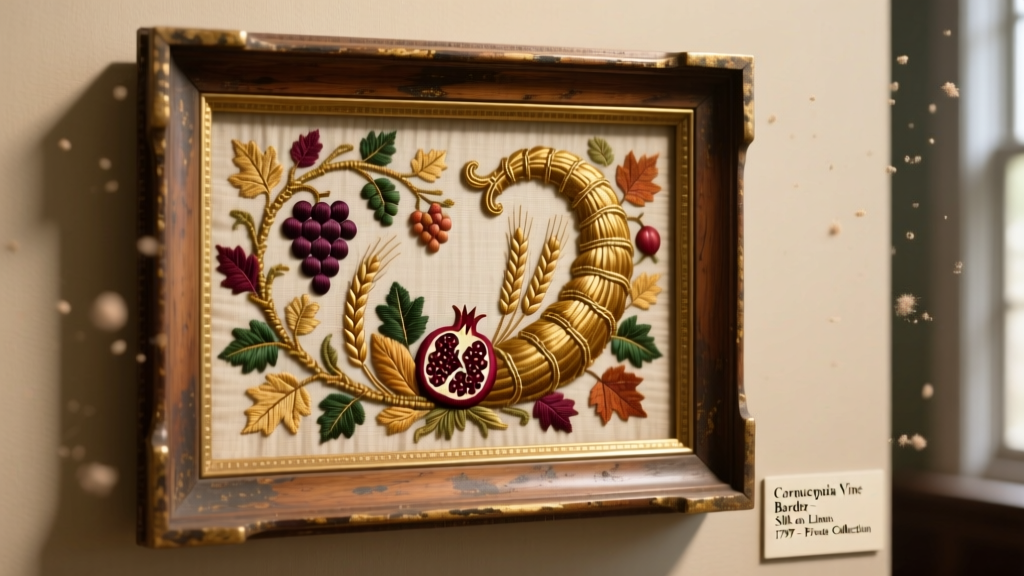
A 1797 Silk-on-Linen Needlework Picture with Cornucopia Vine Border: Provenance, Technique, and Authentication Insights
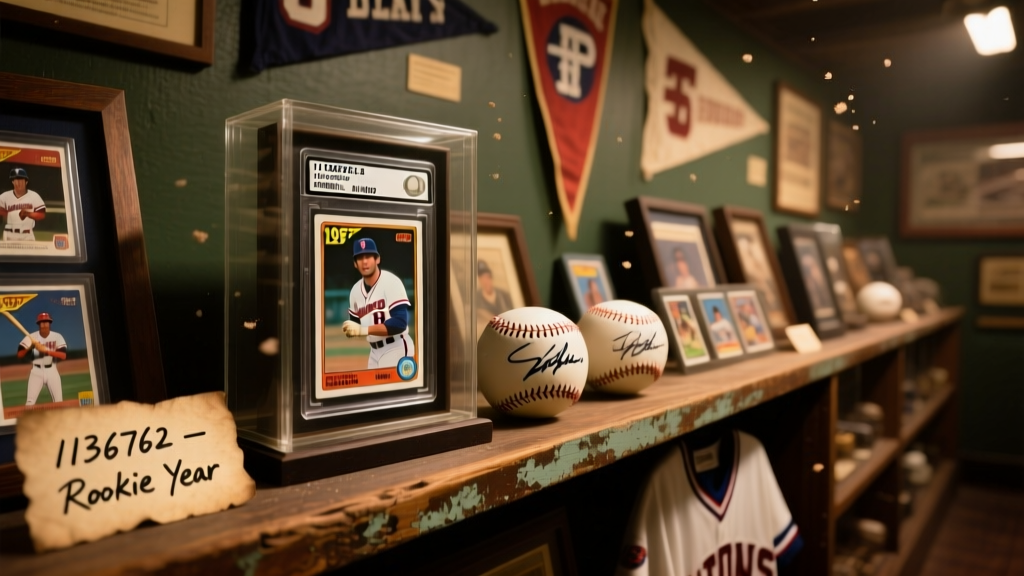
The Legacy and Authentication of PSA/DNA Encapsulated Item #1136762: A 1952 Topps Mickey Mantle Rookie Card
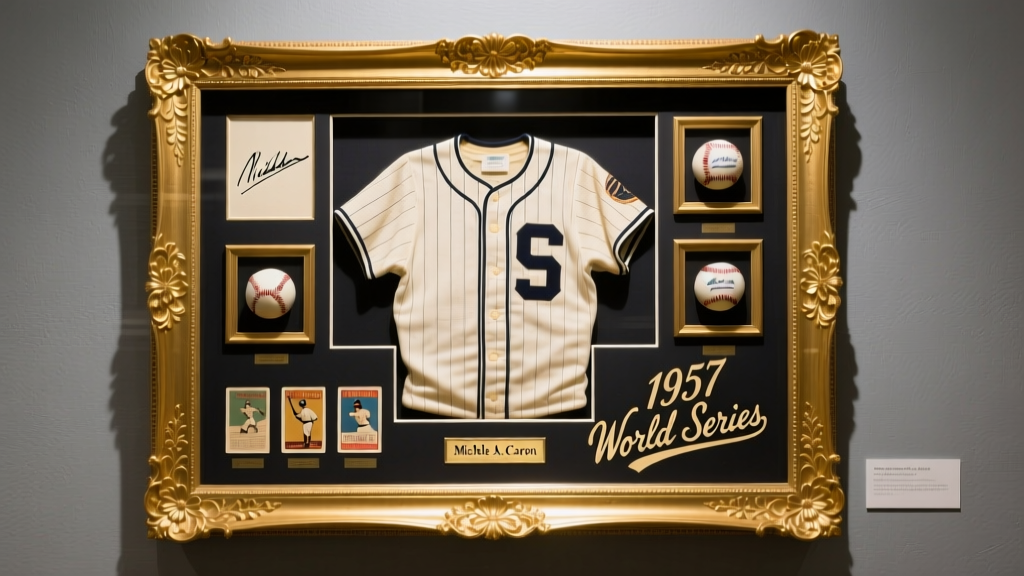
Atelier Framing Inc: The Precision Craftsmanship of Michele A. Caron, Conservator, Gilder, and Master Frame Maker
The 1862 First Printing of 'Battle Hymn of the Republic' Sheet Music: A Rare Civil War Artifact and Authentication Primer

Ferguson Furniture Desk: History, Identification, and Authentication for Collectors
Decoding the Legend: Authentication, Provenance, and Market Impact of PSA-DNA Certified Item #1138716 — A 1952 Topps Mickey Mantle Rookie Card

Aladdin Alacite Boudoir Whip-O-Lite Shade: Identification, History, and Authentication Guide for Collectors