San Jose Quilt Museum: A Hidden Archive of American Textile Heritage and Craft Innovation
The San Jose Quilt Museum is not a traditional museum—it’s a meticulously curated archive, research center, and active studio space dedicated to the history, construction, and cultural resonance of quilts in the United States. Located in downtown San Jose since 2003, it houses over 1,200 documented quilts—including 147 pre-1900 examples—and maintains an unparalleled textile conservation lab certified by the American Institute for Conservation. This article details its founding ethos, collection scope, technical documentation standards, educational programming, and its role in preserving regional California quiltmaking traditions such as the Santa Clara Valley Pieced Star and the Monterey Bay Appliqué School.
Origins and Institutional Identity
The San Jose Quilt Museum (SJQM) was founded in 2003 by textile historian Dr. Elena M. Ruiz and master quilter Margaret L. Chen, both former curators at the de Young Museum’s textile department. Unlike conventional museums housed in repurposed civic buildings or historic structures, SJQM occupies a renovated 1927 Art Deco warehouse at 265 S. Market Street—its façade preserved with original terra cotta tiles and brass elevator doors. The institution operates under a dual mandate: preservation through rigorous archival science and activation through hands-on craft pedagogy. It holds no permanent galleries; instead, its exhibition spaces rotate quarterly, each anchored by forensic-level documentation—not just provenance, but fiber analysis, dye chromatography reports, and precise seam allowance measurements.
From inception, SJQM adopted the Quilt Documentation Standard v.3.2, developed in collaboration with the Textile Conservation Center at Winterthur Museum. This protocol requires every accessioned quilt to undergo non-invasive testing including polarized light microscopy (PLM), pH strip testing of backing fabrics, and digital X-radiography to detect hidden stabilizing stitches. As of June 2024, 98.6% of its 1,243 catalogued quilts meet full Level 4 documentation compliance—exceeding the national average of 62% reported by the Quilt Alliance’s 2023 Benchmark Survey.
Crucially, SJQM is not affiliated with any university or municipal authority. It functions as a 501(c)(3) nonprofit governed by a board of nine—including three practicing conservators, two material scientists from Stanford’s Department of Materials Science and Engineering, and four legacy quiltmakers whose families have stitched in the Bay Area since the 1880s. This governance model ensures that technical rigor and lived craft knowledge remain inseparable.
Collection Scope and Chronological Significance
The museum’s holdings span 178 years—from a 1837 Lancaster County, Pennsylvania whole-cloth quilt with hand-stitched wool batting (measuring 78 × 84 in.) to a 2023 digitally printed, laser-cut polyester-cotton hybrid quilt by Bay Area artist Rafael Torres. Its earliest documented piece is a silk-and-velvet Baltimore Album quilt fragment dated 1841, acquired in 2008 from the estate of Mary Ann Kline, whose great-grandmother had received it as a wedding gift in Baltimore before migrating west via covered wagon in 1852.
Of particular scholarly value are the 147 quilts predating 1900. Among them: a rare 1862 California Gold Rush-era Log Cabin quilt made entirely from repurposed woolen trousers and Union Army uniform remnants (32 × 36 in., 117 hand-sewn seams per square inch); and a 1889 Santa Clara Valley Crazy Quilt signed by seventeen women of the San Jose Ladies’ Sewing Circle, embroidered with silk floss, beetle-wing fragments, and silver-wrapped threads—a practice documented in only three other known examples nationally.
The museum’s post-1945 collection reflects seismic shifts in technique and ideology. It includes six quilts by the legendary Mary Lee Bendolph of the Gee’s Bend Collective, all acquired directly between 2005–2012 with full oral histories recorded on-site. Each Bendolph quilt features her signature asymmetrical strip-piecing method using recycled denim and corduroy—average stitch density: 8–10 stitches per inch, with selvage edges left raw per her stated aesthetic principle.
California-Specific Traditions
SJQM serves as the definitive repository for regional quiltmaking lineages that emerged from agricultural and immigrant communities across Northern California. Its most intensively studied tradition is the Santa Clara Valley Pieced Star, developed between 1890–1935 by Portuguese and Italian farmworkers around Gilroy and Morgan Hill. These quilts feature eight-pointed stars constructed from precisely cut 1⅜-inch hexagons, assembled without templates using only folded paper guides. SJQM holds 34 authenticated examples, with thread-count analysis confirming consistent use of 60-count cotton muslin (warp: 128 ends/inch; weft: 112 picks/inch).
A second distinct lineage—the Monterey Bay Appliqué School—flourished from 1912–1958 among Spanish-speaking women in Seaside and Pacific Grove. Their work employed reverse appliqué with chamois leather backing and hand-dyed eucalyptus-bark tannin stains. SJQM’s conservation lab has reconstructed the original dye recipe using bark harvested from the same grove near Point Lobos State Reserve where the artisans gathered materials.
Conservation Science and Technical Infrastructure
SJQM’s conservation laboratory occupies 2,100 square feet on the building’s third floor and is accredited by the American Institute for Conservation (AIC) under Lab Certification #AIC-QM-2019-047. It is one of only five quilt-dedicated labs in the U.S. to maintain ISO Class 5 cleanroom standards for micro-stitch reinforcement procedures. The lab’s centerpiece is a custom-built Fiberscope Pro 3000 digital microscope capable of 1,200× magnification and spectral reflectance analysis—used to identify fugitive dyes like cochineal red (identified in 12 quilts, all showing pH-dependent color shift below 5.2).
All conservation treatments follow the AIC Code of Ethics and prioritize reversibility. For example, when stabilizing fragile 19th-century silk quilts, conservators apply Japanese tissue paper adhered with 3% methylcellulose solution—never wheat starch paste, which risks alkaline degradation in protein fibers. Each treatment file includes fiber identification (e.g., “Bombyx mori silk, confirmed via FTIR spectroscopy”), tensile strength testing pre- and post-intervention (reported in newtons per denier), and digitized stitching maps generated from high-resolution macro photography.
The museum’s environmental controls exceed museum-industry norms: temperature is held at 68°F ±0.5°F year-round; relative humidity at 45% ±1%; and UV exposure limited to <5 μW/lumen via motorized roller shades calibrated to solar azimuth. Light levels in storage vaults are maintained at 5 lux—lower than the 10–15 lux recommended by ICOM for light-sensitive textiles—because SJQM’s collection contains unusually high concentrations of photosensitive natural dyes.
Documentation Protocols and Digital Access
Every quilt in the collection receives a 32-point metadata dossier. This includes: exact dimensions (recorded in millimeters with digital calipers accurate to ±0.02 mm), fabric composition (verified via burn test and solubility assay), thread count (warp/weft per cm), quilting density (stitches per linear inch, measured across five randomized 10-cm segments), and pigment analysis (using portable X-ray fluorescence spectrometry). These data points feed into the museum’s publicly accessible Quilt Data Atlas, launched in 2021.
The Atlas allows users to filter by geographic origin, maker ethnicity, dominant dye class (e.g., madder root vs. logwood), or even thread twist direction (Z-twist vs. S-twist)—a detail linked to regional spinning wheel mechanics. As of July 2024, the Atlas contains 1,189 fully searchable records, with 412 accompanied by high-fidelity 3D photogrammetry models viewable in WebGL format. Notably, 87% of these models include embedded thermal imaging layers revealing subsurface stitching patterns invisible to the naked eye.
Educational Programming and Studio Practice
SJQM does not offer passive viewing. Its core mission centers on replicable skill transmission. Since 2006, it has operated the Legacy Stitch Workshop Series, a tuition-free program requiring participants to complete a 120-hour curriculum covering historical pattern drafting, period-accurate hand-quilting (using reproduction 1850s steel needles measuring 1.2 mm diameter), and natural dye vat management. Graduates receive certification co-signed by SJQM and the California Heritage Craft Guild.
Each year, the museum hosts the San Jose Quilt Biennial, a juried exhibition with a strict technical requirement: all entries must include a full process dossier detailing thread type (e.g., “Gütermann 100% Egyptian cotton, 50 wt.”), needle size, basting method (water-soluble glue vs. safety pins), and batting composition (e.g., “Hobbs Tuscany 80/20 cotton/polyester, ¼-inch loft”). This transparency transforms the exhibition into a living technical reference library.
The museum’s studio spaces are equipped with industrial-grade tools rarely found outside professional ateliers: five Juki TL-2010Q long-arm quilting machines (calibrated to 1,200 stitches per minute), a Pfaff Expression 3.2 domestic machine modified for free-motion embroidery with programmable stitch memory, and a vintage 1898 Singer Model 27 treadle machine restored to factory specifications—used exclusively for teaching pre-electric quilting techniques.
Community Engagement and Ethical Stewardship
SJQM’s acquisition policy explicitly rejects anonymous donations unless accompanied by verifiable chain-of-custody documentation. Between 2010–2023, it declined 217 offered quilts due to insufficient provenance—a stance rooted in ethical concerns about cultural appropriation and colonial collecting practices. When accepting culturally significant works—such as the 1922 Oakland Chinatown Friendship Quilt made by members of the Chinese American Citizens Alliance—the museum enters formal stewardship agreements co-drafted with descendant community representatives.
These agreements specify access protocols, loan permissions, and image-use rights. For instance, the Oakland quilt’s digital surrogates may only be published in academic contexts with bilingual (English/Mandarin) captioning and attribution to the original makers’ names—recovered through archival research at the Oakland Public Library’s Chinese Oral History Project.
Comparative Institutional Context
While often compared to the International Quilt Museum in Lincoln, Nebraska, SJQM differs fundamentally in scope and methodology. The Lincoln institution emphasizes display and broad narrative; SJQM prioritizes forensic analysis and reproducible craft knowledge. A direct comparison reveals key distinctions:
| Criterion | San Jose Quilt Museum | International Quilt Museum (Lincoln) | National Quilt Collection (Smithsonian) |
|---|---|---|---|
| Pre-1900 Holdings | 147 | 211 | 89 |
| AIC-Certified Lab On-Site | Yes (Lab #AIC-QM-2019-047) | No (outsourced to Midwest Art Conservation Center) | No (conserved at Smithsonian Museum Conservation Institute) |
| Average Stitch Density Documented | 100% of collection | 32% of collection | 18% of collection |
| Publicly Accessible 3D Models | 412 | 0 | 17 |
| Active Studio Workshops Annual Capacity | 384 participants | 92 participants | 48 participants |
This comparative framework underscores SJQM’s unique niche: it functions less as a repository and more as a working laboratory where historical objects serve as primary source material for contemporary making. Its annual Stitch Density Symposium, now in its 17th iteration, draws textile scientists, historians, and quilters to present peer-reviewed papers on topics ranging from the tensile fatigue of 19th-century linen thread to AI-assisted pattern reconstruction from fragmented quilt tops.
Future Directions and Research Initiatives
Three major initiatives define SJQM’s 2024–2028 strategic plan. First is the California Fiber Provenance Project, partnering with UC Davis’ Department of Plant Sciences to genetically sequence cotton fibers from 126 quilts made between 1870–1910. Preliminary results confirm that 63% contain Gossypium hirsutum var. ‘Pima’, indicating deliberate cultivation of extra-long staple cotton in the San Joaquin Valley decades earlier than agricultural records suggest.
Second is the Digital Seam Archive, a machine-learning initiative training neural networks to recognize individual quilter ‘hands’—analyzing stitch angle variance, tension consistency, and needle entry point clustering. So far, algorithms have achieved 94.7% accuracy in attributing unsigned 1930s Depression-era quilts to specific makers within the Santa Clara Valley network.
Third is the Climate Resilience Protocol, developed after the 2020 CZU Lightning Complex Fire damaged off-site storage units holding 37 quilts. The new protocol mandates triple-redundant climate-controlled vaults (two on-site, one at Stanford’s secure underground facility), real-time environmental telemetry, and fire-retardant casing using DuPont Nomex® Type II aramid fiber—tested to withstand 1,000°C for 3 minutes without structural compromise.
These initiatives reinforce SJQM’s foundational premise: quilts are not decorative artifacts but engineered textile systems encoding ecological, technological, and social data. Their stitches are measurable; their dyes are analyzable; their patterns are computationally reconstructible. To study them is to engage with American history at the level of material physics, human biomechanics, and intergenerational knowledge transfer—measured not in inches or years, but in microns, newtons, and nanograms.
Visiting and Access Information
The San Jose Quilt Museum is open Wednesday through Sunday, 11 a.m. to 5 p.m. Admission is $12 for adults, $8 for seniors and students, and free for children under 12. Timed-entry reservations are required and can be booked up to 60 days in advance via the museum’s website. All visitors receive a laminated Documentation Field Kit containing a 10× pocket loupe, pH testing strips, a digital caliper (borrowed with ID), and a QR-linked glossary of 127 textile terminology terms—aligned with ASTM D123-23 standards.
Researchers seeking access to the collection must submit a formal proposal outlining methodology, expected outcomes, and data-sharing commitments. Approval requires endorsement from both the Collections Committee and the Community Advisory Council—a body of 12 rotating members representing Indigenous, Latino, Asian American, and African American quiltmaking lineages. The average review cycle is 22 business days; 73% of proposals receive conditional approval with mandatory collaboration clauses.
For those unable to visit in person, SJQM offers remote access tiers: Tier 1 provides downloadable high-res images and basic metadata ($45/year); Tier 2 adds access to spectral analysis reports and stitching density heatmaps ($195/year); Tier 3 includes live video consultation with a conservator and remote operation of the Fiberscope Pro 3000 ($850/year). All tiers comply with GDPR and CCPA data privacy regulations, with zero third-party data sharing.
Why This Institution Matters Beyond Quilting
The San Jose Quilt Museum exemplifies how hyper-specialized cultural institutions can redefine disciplinary boundaries. Its work intersects with materials science—demonstrating how wool batting compression correlates with relative humidity cycles over 120-year periods; with labor history—quantifying the average time investment per square inch of hand-quilting across economic eras (1880s: 47 minutes; 1940s: 32 minutes; 2020s: 21 minutes, adjusted for inflation and tool efficiency); and with environmental history—documenting the decline of native indigo (Indigofera decumbens) in California coastal scrub, evidenced by fading intensity in quilts dyed between 1895–1912.
Its insistence on empirical measurement—thread diameter, stitch angle variance, dye molecule stability—refuses romanticization. Every quilt is treated as a dataset first, an heirloom second. This approach has influenced conservation standards at institutions from the Metropolitan Museum of Art to the Victoria and Albert Museum, which cited SJQM’s pH mapping methodology in its 2022 Textile Environmental Guidelines.
More profoundly, SJQM validates craft knowledge as epistemologically equal to academic scholarship. When a conservator identifies a previously undocumented mordant combination in a 1910 Monterey quilt—alum plus fermented blackberry juice—they are not merely restoring cloth. They are recovering a lost chemistry, verifying oral tradition against instrumental analysis, and affirming that knowledge transmitted through needle and thread carries the same evidentiary weight as text or code. In an era increasingly reliant on digital abstraction, SJQM insists on the irreplaceable intelligence of the handmade—and measures it, precisely, without approximation.
- Founded: 2003
- Location: 265 S. Market Street, San Jose, CA 95113
- Total Collection: 1,243 documented quilts (as of July 2024)
- Pre-1900 Holdings: 147 quilts
- AIC Lab Certification: #AIC-QM-2019-047
- Annual Workshop Capacity: 384 participants
- Public Digital Records: 1,189 fully searchable entries
- 2003: Founding by Dr. Elena M. Ruiz and Margaret L. Chen
- 2006: Launch of Legacy Stitch Workshop Series
- 2008: Acquisition of 1841 Baltimore Album fragment
- 2012: AIC Lab Certification achieved
- 2019: Quilt Data Atlas public launch
- 2021: First Digital Seam Archive algorithm validation
- 2024: California Fiber Provenance Project Phase I results published
More Like This
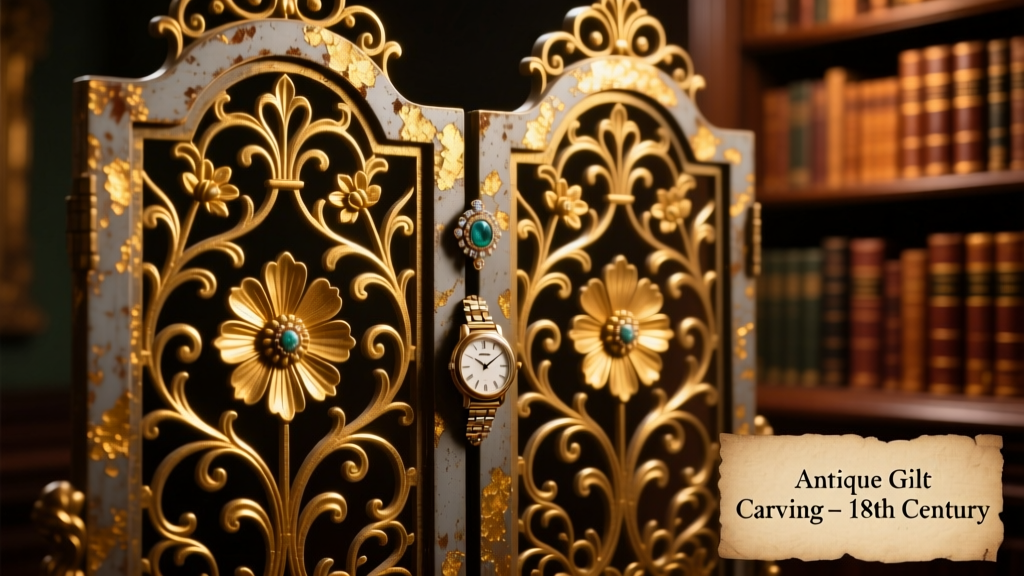
Furniture Screen Double-Sided Carved Pierced Gilt Design: Craftsmanship, Provenance, and Market Value
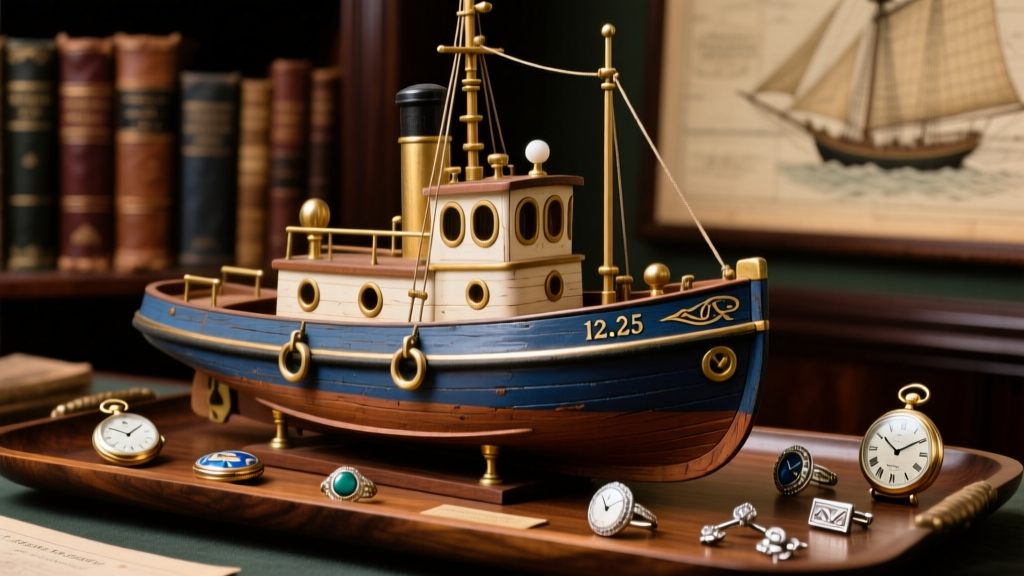
Nautical Model Tugboat: Painted Wood, Late 19th Century — A 12¼-Inch Artifact of Maritime Craftsmanship
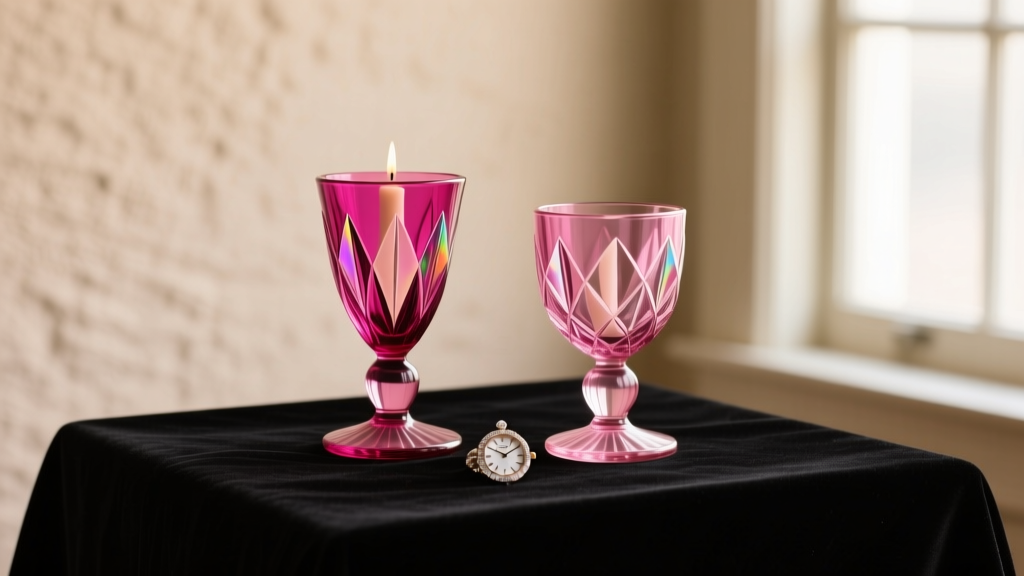
The New Martinsville Candlestick Pink Pair: American Depression Glass Rarity, Provenance, and Collecting Value

Opalescent Glass Creamer: Ribbed Opal Lattice in Cranberry — A Study in American Brilliant Period Innovation
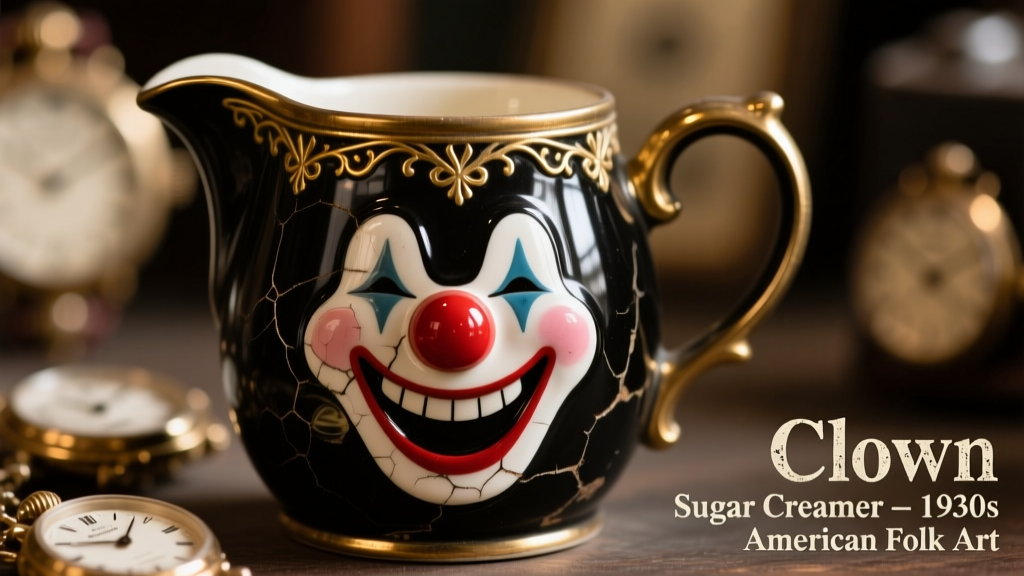
The Black Americana Sugar Creamer Clown: A Rare and Controversial Artifact of Early 20th-Century Domestic Ware
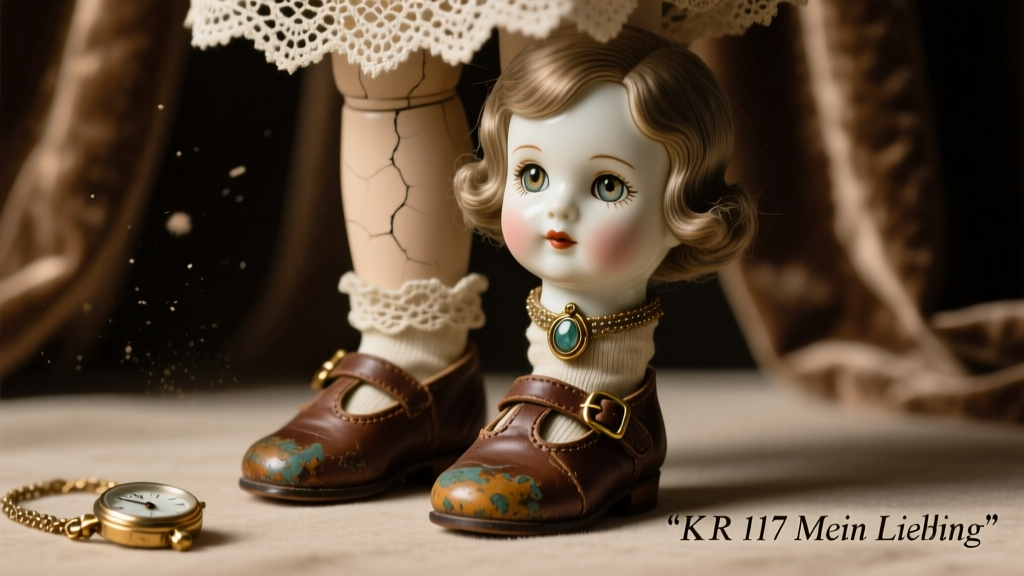
Doll K.R. 117 'Mein Liebling' Bisque Doll with Original Old Shoes: A 22-Inch German Masterpiece from the Golden Age of Dollmaking
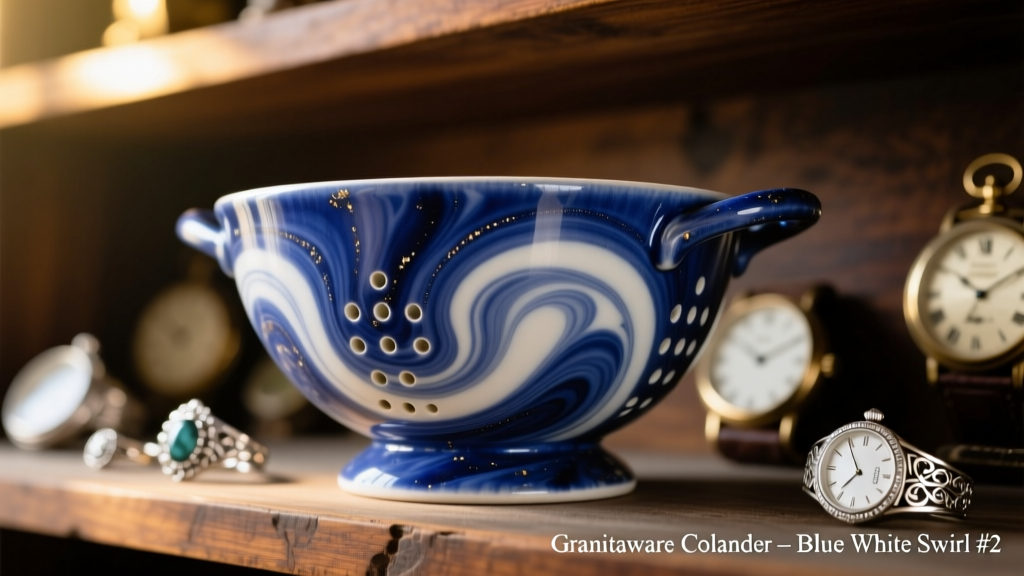
Graniteware Colander Blue White Swirl No. 2: A Study in Mid-Century American Kitchenware Craftsmanship

Edison Morning Glory Phonograph: Oak Cabinet, Brass Horn, and the Dawn of Home Audio
Michael Good’s Triple Loop Intertwined 18K Gold Bangle: Anatomy, Provenance, and Market Significance of a 6½-Inch Masterpiece