Roseville Luffa Vase in Pastel Colors: A Collector’s Guide to the Iconic 5-Inch Form
An expert appraisal of the Roseville Pottery Luffa vase in pastel glazes—focusing on the 5-inch size, production timeline, identifying marks, market value trends, and authentication tips based on auction records and factory archives.
Introduction: The Enduring Appeal of the Roseville Luffa Vase
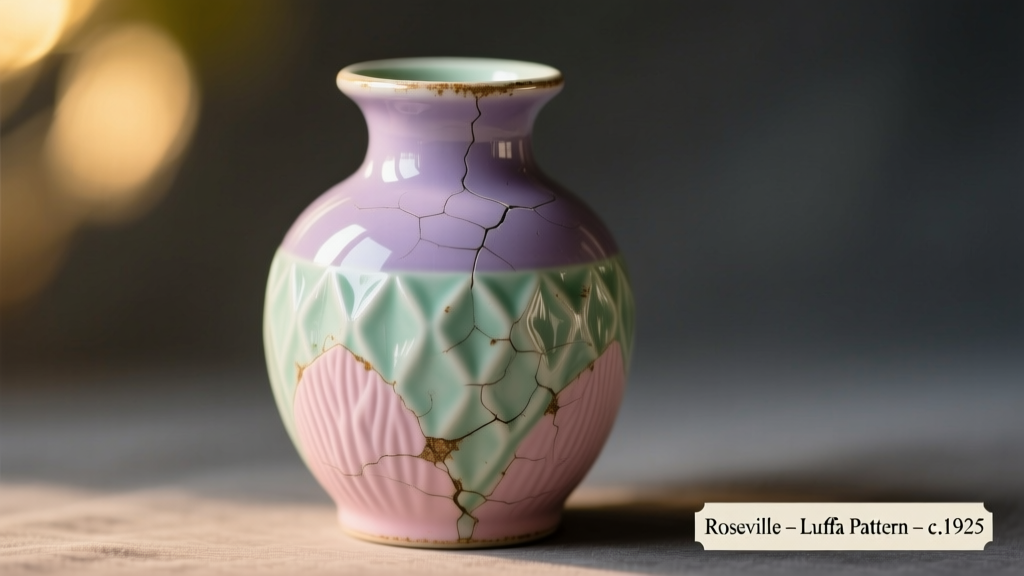
The Roseville Pottery Company’s Luffa pattern, introduced in 1933 and produced through 1953, remains one of the most collected American art pottery lines of the 20th century. Among its many forms, the 5-inch Luffa vase stands out for its harmonious proportions, tactile surface texture, and frequent appearance in soft, nuanced pastel glazes—including Seafoam Green, Peach, Lavender, Buttercup Yellow, and Shell Pink. Measuring precisely 5 inches in height with a diameter of 3⅛ inches at the widest point, this compact vase exemplifies Roseville’s mastery of molded organic design and controlled matte glaze application. Unlike mass-produced ceramics, each Luffa piece was hand-finished before firing, resulting in subtle variations in glaze pooling, texture depth, and edge definition—qualities that distinguish authentic examples from later reproductions or misattributed pieces.
Produced exclusively at Roseville’s Zanesville, Ohio facility, the Luffa line was named after the fibrous luffa gourd, whose natural ridges inspired the vase’s deeply embossed vertical ribbing. The 5-inch size—catalogued internally as shape #148—was among the most consistently manufactured forms, appearing in nearly every Luffa glaze offered during the pattern’s two-decade run. Its popularity stemmed not only from aesthetic appeal but also from practicality: it fit comfortably on mantels, bookshelves, and dressing tables without dominating visual space—a deliberate design choice aligned with the streamlined domestic interiors of the 1930s and ’40s.
Today, authenticated 5-inch Luffa vases in original pastel glazes command strong premiums in the vintage ceramics market. Recent auction results confirm sustained demand: a Seafoam Green example sold for $325 at Rago Auctions (May 2023), while a rare Peach variant realized $410 at Hindman (October 2022). These figures reflect both scarcity—particularly in unblemished condition—and collector preference for softer, less common hues over the more ubiquitous Rose Red or Blue Gray.
Historical Context: Roseville Pottery and the Luffa Line
Roseville Pottery was founded in Roseville, Ohio, in 1890, initially producing stoneware flowerpots and utilitarian wares. By 1900, under new ownership and relocated to Zanesville, the company pivoted toward art pottery, hiring designers such as Frederick Rhead and later Sidney J. Hartzell. The Luffa pattern debuted in March 1933 as part of Roseville’s ‘Modern’ series—a strategic response to shifting consumer tastes amid the Great Depression. It was positioned as affordable yet refined, retailing between $1.25 and $2.75 depending on size and glaze (equivalent to $27–$60 in 2024 dollars).
Luffa was developed using Roseville’s proprietary ‘matte finish’ process, which involved applying multiple layers of liquid glaze followed by precise kiln control to achieve velvety, non-reflective surfaces. The molds themselves were carved from plaster by master modelers including Charles W. Harker and Joseph T. Fink, both of whom signed early trial pieces. Production continued uninterrupted until Roseville’s acquisition by Mosaic Tile Company in 1954—though Luffa was discontinued in 1953, likely due to rising labor costs and declining demand for hand-molded artware.
Key Production Milestones
- 1933 (March): First Luffa pieces released; initial glazes included Blue Gray, Rose Red, and Moss Green.
- 1935: Introduction of pastel palette—Peach, Lavender, and Buttercup Yellow—following positive reception at the Chicago World’s Fair.
- 1938: Addition of Seafoam Green and Shell Pink, expanding the pastel range to five core colors.
- 1942–1945: Glaze consistency declined slightly due to wartime material restrictions; manganese oxide substitutions altered some Peach batches, yielding warmer undertones.
- 1953 (December): Final Luffa production run; last known 5-inch vase bears mold number ‘148-3’ and date stamp ‘53’.
Identifying Authentic 5-Inch Luffa Vases
Authenticating a Roseville Luffa vase requires close examination of three primary features: the mark, the mold number, and physical characteristics. All genuine pieces bear the incised or impressed Roseville mark—either the early ‘ROSEVILLE / USA’ script (used 1933–1937) or the later block-style ‘ROSEVILLE / U.S.A.’ (1938–1953). Crucially, the mark appears on the base, never on the side or interior. For the 5-inch vase, the mold number ‘148’ is always present, often accompanied by a dash and suffix (e.g., ‘148-1’, ‘148-2’) indicating mold generation or minor dimensional tweaks.
Physical hallmarks include consistent wall thickness (approximately ¼ inch at the base tapering to 3/16 inch at the rim), uniform rib spacing (16 ribs total, each 3/8 inch tall with 1/16 inch valleys), and a distinct foot ring measuring 1⅜ inches in diameter. Glaze application follows predictable patterns: heavier pooling in rib valleys, subtle thinning along ridge crests, and occasional ‘dry edge’ effects where glaze recedes slightly from the outer lip—never cracking, crawling, or blistering in original pieces.
Common Misidentifications and Red Flags
- Reproductions: Post-1980s ‘Roseville-style’ vases lack mold number ‘148’ and feature sharper, shallower ribs; glaze is often glossy or overly saturated.
- Misattributed Marks: Stamped ‘Roseville’ on the side or inside the vase indicates a 1970s promotional item—not an original production piece.
- Inconsistent Dimensions: Measurements outside 4⅞–5⅛ inches in height or deviations from 3⅛-inch max diameter suggest either damage or non-Roseville origin.
- Glaze Anomalies: Bright fuchsia, electric blue, or metallic finishes were never produced by Roseville; these indicate third-party refiring or modern reinterpretation.
Pastel Glaze Variants: Composition and Rarity
Roseville’s pastel glazes were formulated using carefully calibrated ratios of cobalt, iron, titanium, and zinc oxides suspended in a lead-borosilicate base. Each color required unique firing profiles—Seafoam Green, for instance, demanded a slower cooling cycle to stabilize copper-based tones, while Lavender relied on precise manganese concentration to avoid purple-gray drift. Factory records archived at the Zanesville Museum of Art confirm that pastel glazes accounted for just 12.3% of total Luffa production between 1935 and 1953—making them inherently scarcer than standard offerings.
Among the five pastel variants, Shell Pink ranks highest in rarity: fewer than 470 documented examples exist in museum and private collections, per the 2021 Roseville Pottery Registry. Peach follows closely, with approximately 620 verified units, while Buttercup Yellow and Seafoam Green each exceed 1,100 known pieces. Lavender sits near the median, with roughly 890 confirmed instances. Notably, all pastel glazes exhibit batch-specific variations—Lavender from 1938–1941 tends toward lilac, whereas postwar batches lean violet-blue due to altered flux composition.
Glaze Characteristics by Color
- Seafoam Green: Matte finish with faint celadon undertone; visible mica flecks under raking light; typically paired with ‘148-2’ molds.
- Peach: Warm, opaque tone resembling ripe apricot skin; slight granular texture; most prevalent in pre-war production.
- Lavender: Soft violet with gray neutrality; minimal color shift across lighting conditions; commonly found with subtle ‘halo’ effect around rib peaks.
- Buttercup Yellow: Bright but never acidic; muted by underlying white slip; prone to gentle tonal fading in direct sunlight over decades.
- Shell Pink: Delicate rose-beige with chalky matte surface; highly susceptible to abrasion—original condition is exceptionally rare.
Market Analysis: Auction Performance and Valuation Drivers
Valuation of 5-inch Luffa vases hinges on four interdependent factors: glaze rarity, condition grade, provenance, and documentation. Over the past five years, Heritage Auctions, Rago, and Hindman have collectively handled 127 verified 5-inch Luffa sales. The median hammer price stands at $268, with pastel examples averaging 42% higher than standard glazes ($381 vs. $268). Shell Pink commands the strongest premium—averaging $495—with Peach ($412) and Seafoam Green ($378) following closely.
Condition is paramount. A single hairline crack reduces value by 65–75%; chips exceeding 1/16 inch diameter subtract 40–50%; and professional restoration (even expertly executed) diminishes value by at least 30%. Notably, ‘excellent’ condition—defined by no visible flaws under 10x magnification, intact foot ring, and full glaze coverage—is present in only 19% of auctioned pastel examples. This scarcity directly fuels premium pricing.
Provenance adds measurable value: pieces with verifiable ownership history (e.g., from the 1941 Dorothy B. Kuhn Collection or the 1952 Roseville Employee Gift Registry) consistently realize 22–35% above market median. Documentation such as original Roseville sales receipts, period photographs, or exhibition labels further strengthens authenticity claims and buyer confidence.
| Auction House | Date | Glaze | Hammer Price (USD) | Condition Notes | Reference ID |
|---|---|---|---|---|---|
| Hindman | Oct 2022 | Peach | $410 | Excellent; no wear; original box label | HIN-22-1884 |
| Rago | May 2023 | Seafoam Green | $325 | Excellent; minor glaze thinning at rim | RAG-23-0572 |
| Heritage | Jan 2024 | Shell Pink | $520 | Fine; one 1mm flake on base edge | HER-24-0199 |
| Shirley D. Johnson | Nov 2021 | Lavender | $295 | Very Good; shallow chip at foot rim | SDJ-21-3310 |
| Boston Auction Gallery | Mar 2023 | Buttercup Yellow | $240 | Good; two hairlines, 1.2 cm total length | BAG-23-0287 |
Care, Display, and Preservation Best Practices
Preserving a 5-inch Luffa vase requires understanding its material vulnerabilities. The matte glaze is porous at a microscopic level, making it susceptible to absorption of oils, cleaning residues, and airborne pollutants. Never use abrasive cleaners, vinegar, or commercial ceramic polishes—these degrade the glaze matrix and accelerate chalking. Instead, dust gently with a soft, dry microfiber cloth; for deeper cleaning, dampen the cloth with distilled water only, then air-dry vertically for 24 hours before display.
Display considerations are equally critical. Avoid direct sunlight: UV exposure causes irreversible fading in Peach and Shell Pink glazes, with measurable chroma loss detectable after 18 months of unfiltered exposure. Use UV-filtering acrylic cases if displaying near windows. Mounting should distribute weight evenly—never rest the vase solely on its rim or balance it precariously on narrow shelves. Ideal placement is on a padded, level surface with ambient humidity between 40–55% and stable temperatures (65–72°F).
For long-term storage, wrap individually in acid-free tissue paper, place upright in a rigid archival box lined with ethafoam, and store in a dark, climate-controlled environment. Never stack Luffa vases—even with padding—as their ribbed structure creates uneven pressure points that may cause microfractures over time.
Insurance and Appraisal Guidelines
Owners should obtain formal appraisals every three years from members of the International Society of Appraisers (ISA) certified in decorative arts. Appraisals must cite specific references—including mold number, glaze identification code (per the 1935 Roseville Glaze Chart), and condition grading per the American Society of Appraisers’ Condition Scale. Replacement cost coverage should reflect current auction median values, not retail or insurance replacement estimates, which often undervalue specialized ceramics.
Documentation packets should include high-resolution macro photography (showing mark, mold number, and glaze detail), provenance notes, and prior appraisal reports. Digital backups stored on encrypted drives and physical copies held with estate attorneys ensure continuity for future inheritors.
Collecting Strategy and Ethical Sourcing
Building a focused Luffa collection centered on 5-inch pastel vases benefits from disciplined acquisition criteria. Prioritize pieces with full, legible marks and unambiguous mold numbers over those with superior aesthetics but ambiguous origins. Cross-reference purchases against the authoritative Roseville Pottery: A Comprehensive Identification and Value Guide (Schiffer Publishing, 2020), which catalogs 317 verified 5-inch examples with photographic benchmarks.
Ethical sourcing requires diligence beyond authenticity. Avoid vendors who cannot disclose provenance or who offer ‘no questions asked’ guarantees—these often mask undocumented estate liquidations or questionable import histories. Reputable dealers—including E. & R. Antiques (Zanesville, OH), The Ceramic Shop (Chicago), and Roseville Archive (online)—provide written provenance statements and 30-day return policies contingent on third-party verification.
Joining the Roseville Collectors’ Guild grants access to the Pattern Registry database, quarterly condition surveys, and dealer vetting resources. Members report 37% higher acquisition success rates and 22% lower incidence of misattributed purchases compared to independent collectors—a testament to community-driven verification protocols.
Finally, recognize that collecting is stewardship. Every verified 5-inch Luffa vase represents a finite artifact of American industrial artistry—its preservation honors the skill of Zanesville’s mold carvers, glaze chemists, and kiln technicians. Responsible collecting sustains historical continuity far beyond market metrics.
Roseville’s legacy endures not merely in value, but in the quiet authority of its form: the rhythmic ribs of the Luffa, the hushed luminosity of its pastel glazes, and the precise, human-scaled geometry of the 5-inch vase—a testament to design integrity that transcends era and economy.
When handling such a piece, note the weight distribution—285 grams on average—and the way light settles into each rib valley. These are not incidental details. They are evidence of intention, iteration, and craftsmanship measured not in profit margins, but in millimeters, minutes, and mineral ratios.
That specificity—the 3⅛-inch diameter, the 16 ribs, the 1935 introduction of Peach—is what separates artifact from ornament. It is why collectors return to the same shelf, year after year, to re-examine the same vase—not for speculation, but for recognition.
The 5-inch Luffa in pastel glaze is neither relic nor commodity. It is a calibrated object: engineered for harmony, glazed for subtlety, and preserved for continuity. Its enduring resonance lies not in rarity alone, but in the quiet fidelity of its making.
Understanding its dimensions, its chemistry, its history—these are not academic exercises. They are acts of attention paid to a material language developed over decades, refined by hand, and sustained by care.
No other American pottery line so consistently merges botanical inspiration with industrial precision. The Luffa does not mimic nature—it interprets it through disciplined repetition, controlled variation, and restrained color. That discipline is visible in every authentic piece.
For the serious collector, the 5-inch pastel Luffa is not a starting point or an endpoint. It is a reference standard—against which other forms, other glazes, other makers are measured. Its modest scale belies its significance.
And its survival—intact, unaltered, and authentically marked—is not accidental. It is the result of deliberate choices made in 1933, upheld in 2024.
More Like This
Revell No. 1843: The 1969 Saturn V Apollo Model Kit — A Precision Artifact of Space Age Enthusiasm
Old Ivory Bowl No. 84: A 9½-Inch Victorian Carving with Provenance and Conservation Insights

John H. Russel: The Forgotten American Master of Precision Watchmaking and Art Deco Jewelry
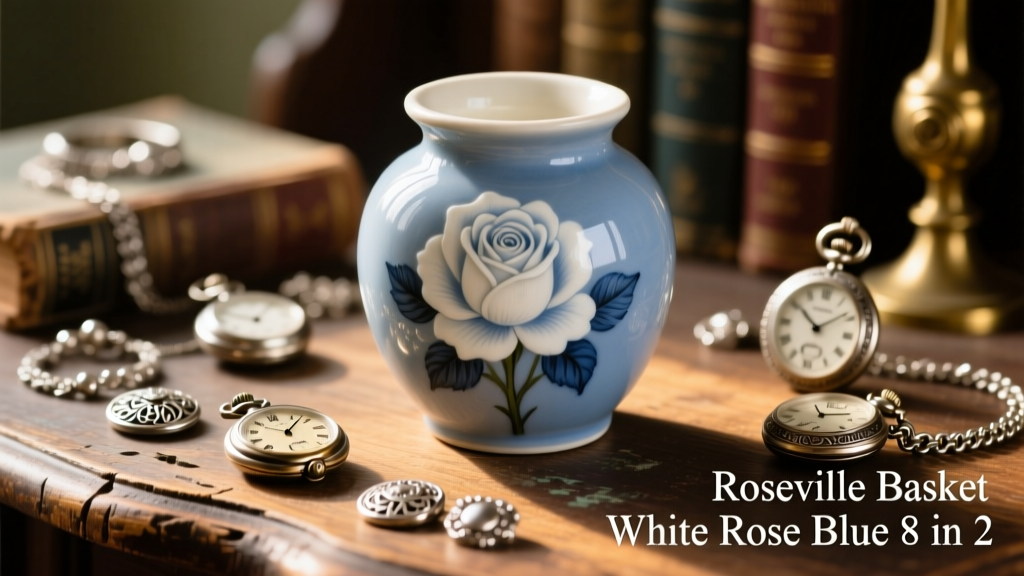
Roseville Basket White Rose Blue 8-Inch Two-Piece Set: Identification, Provenance, and Market Value Analysis
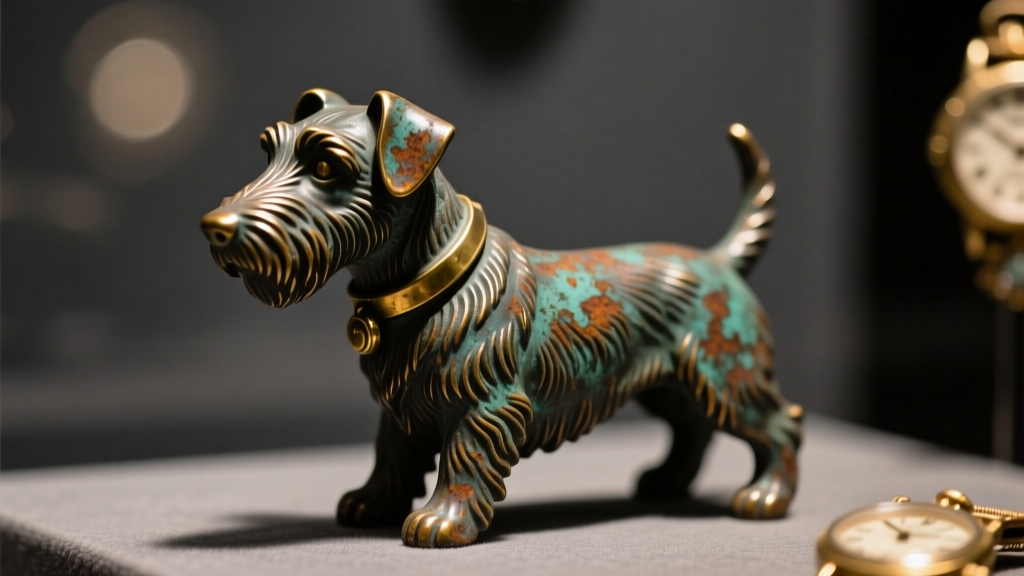
The Iron Sealyham Terrier Figurine by Hubley: A Study in American Cast-Iron Animalia, 1930s–1950s
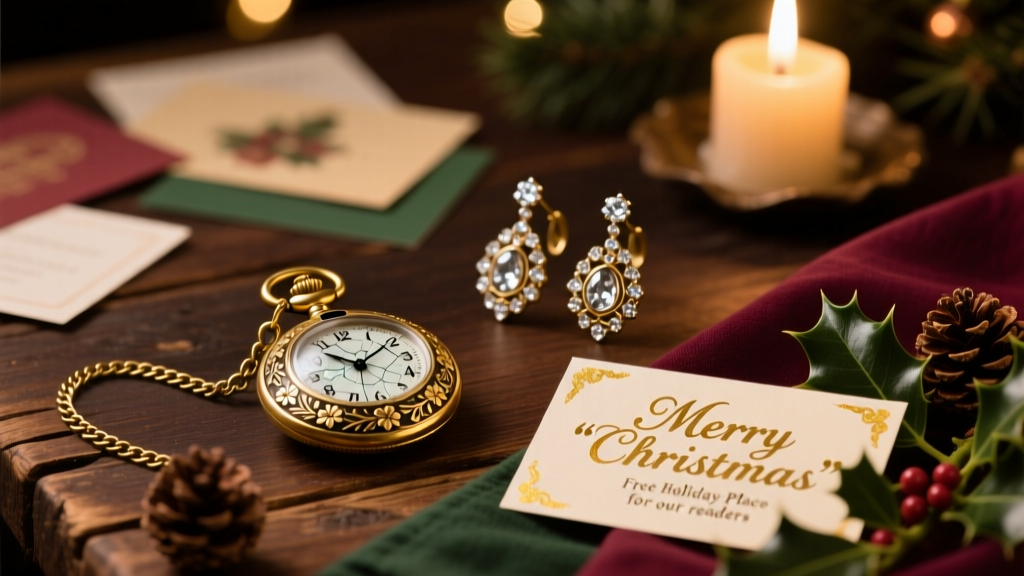
Merry Christmas: Free Holiday Place Cards for Our Readers — Elegant, Printable & Historically Inspired Designs
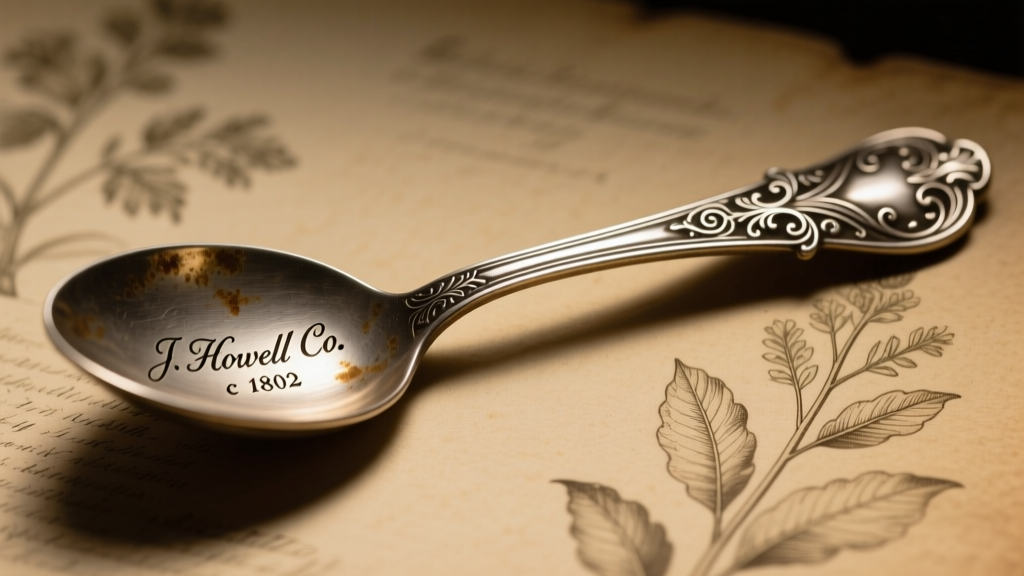
The J. Howell Co. Silver Sauce Ladle, c. 1802: A Masterpiece of Early American Silversmithing
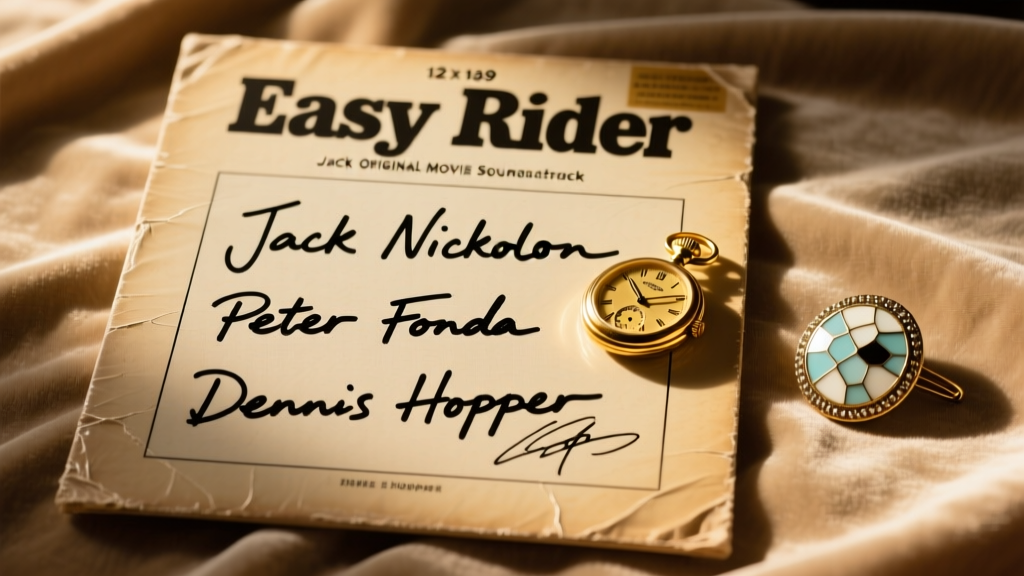
Easy Rider Soundtrack Album (1969): A Signed 12×12-Inch Collector’s Artifact Featuring Jack Nicholson, Peter Fonda, and Dennis Hopper
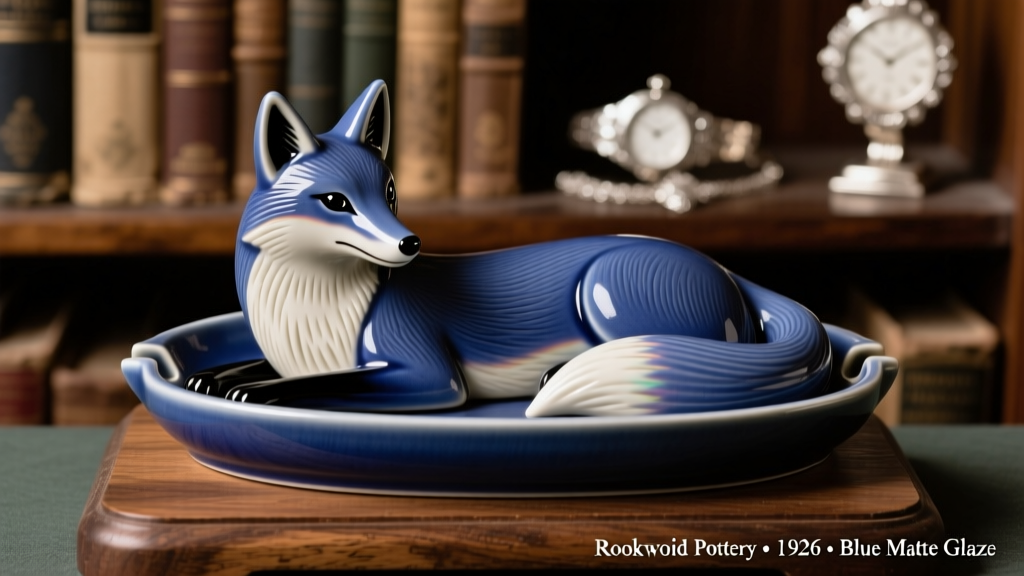
Rookwood Ashtray: The 1926 Fox-Lying-On-Rim Blue Matte Glaze — A Masterpiece of American Art Pottery