Pottery and Ceramics: Material Science, Historical Evolution, and Collectible Value in the Auction Market
A rigorous examination of pottery and ceramics—from clay composition and firing techniques to archaeological milestones, iconic manufacturers like Meissen and Wedgwood, and current auction trends—written for collectors, curators, and connoisseurs with emphasis on provenance, condition grading, and material diagnostics.
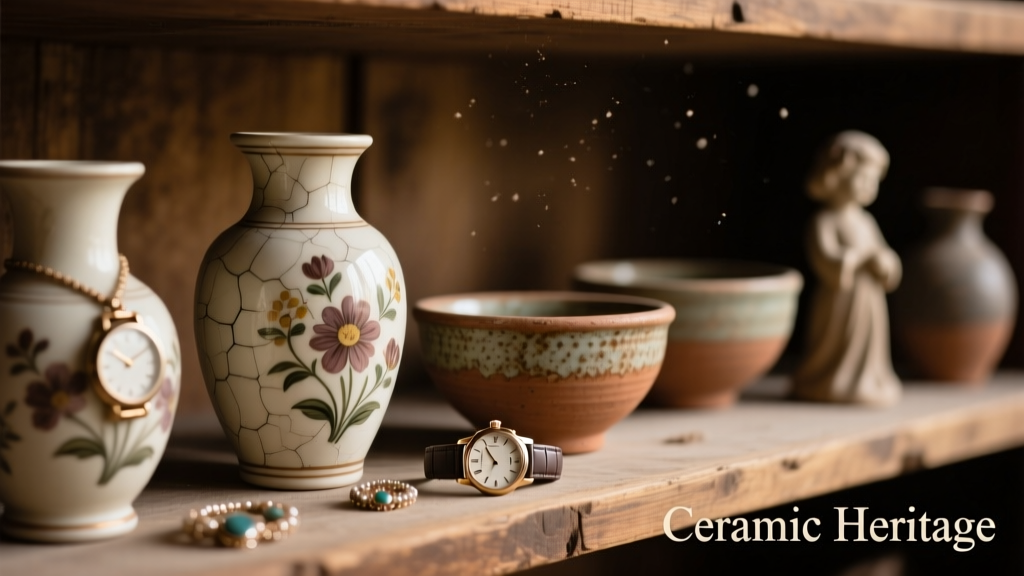
Defining the Fundamental Distinction
Ceramics is the broad scientific category encompassing all inorganic, non-metallic materials formed by heat-induced chemical change—clay-based or not. Pottery is a subset: specifically objects made from naturally occurring clays shaped and fired at temperatures between 600°C and 1,400°C. This distinction matters critically in valuation: stoneware and porcelain fall under ceramics but are differentiated by body composition, vitrification level, and translucency—not just age or decoration. For example, a 17th-century Chinese qinghua (blue-and-white) porcelain vase fired at 1,320°C exhibits near-total vitrification and zero water absorption, whereas a contemporary Raku-fired earthenware bowl fired at 950°C remains porous and fragile. The ASTM C242-22 standard defines ceramic porosity thresholds: earthenware (>10% absorption), stoneware (0.5–3%), and porcelain (<0.5%). These metrics directly inform conservation protocols and insurance assessments.
Clay Bodies and Firing Regimes: The Technical Foundation
Clay selection governs structural integrity, shrinkage, and glaze compatibility. Kaolin—the purest form of hydrated aluminum silicate—is essential for true porcelain. Its plasticity index (measured by Atterberg limits) typically ranges from 18 to 22, permitting fine throwing yet demanding precise drying to avoid warping. Ball clay, rich in kaolinite plus organic matter, adds green strength; its typical particle size is 0.2–2 microns. In contrast, stoneware clays blend kaolin, ball clay, and fire clay (refractory, >1,700°C melting point) with silica additions to control thermal expansion. A classic Staffordshire stoneware body contains approximately 45% ball clay, 25% fire clay, 20% silica, and 10% fluxing agents like feldspar.
Three Primary Firing Atmospheres
- Oxidizing: Excess oxygen present (e.g., electric kilns); produces stable iron oxide (Fe₂O₃), yielding reds, oranges, and yellows. Used extensively by Wedgwood for jasperware (fired at 1,050°C).
- Reducing: Oxygen-starved environment (e.g., gas kilns with controlled air intake); converts iron oxide to black FeO or metallic iron, enabling celadon greens and copper-red flashes. Ming dynasty junyao glazes relied on reduction at peak temperature (1,280°C) followed by controlled cooling.
- Neutral: Stoichiometric balance; rare in practice but critical for consistent porcelain translucency. Meissen’s 1710–1720 early porcelain used neutral-atmosphere wood-fired kilns with 24-hour soak periods.
Firing schedules are equally decisive. A typical porcelain cycle includes: (1) bisque firing at 950°C for 12 hours to burn off organics and carbonates; (2) glaze firing at 1,300–1,400°C for 8–10 hours with 2-hour hold at peak; (3) controlled 12-hour cooling to prevent dunting (thermal shock cracking). Deviations of ±15°C during the hold phase alter crystal growth in crystalline glazes—directly affecting market value. Christie’s 2023 sale of a 1968 Lucie Rie stoneware vase realized £28,500 partly due to documented kiln logs confirming exact ramp rates.
Historical Milestones and Archaeological Significance
The earliest known ceramic artifact is the Venus of Dolní Věstonice—a 29,000 BCE figurine from Moravia, Czech Republic, formed from local loess clay and fired at ~700°C. Its survival attests to early mastery of low-fire earthenware. By 3500 BCE, Mesopotamian potters employed the slow wheel, reducing wall thickness variation to ±0.8 mm. The invention of the fast wheel circa 3000 BCE in Egypt enabled uniform wall thicknesses of 2–3 mm in vessels like the Metropolitan Museum’s Saqqara funerary jar (c. 2600 BCE), its surface burnished to 12–15 μm roughness.
Chinese Innovations: Porcelain’s Genesis
True porcelain emerged in China during the Eastern Han dynasty (25–220 CE), identified archaeologically by X-ray fluorescence (XRF) analysis showing >75% silica, 20–25% alumina, and <1% iron oxide. Tang dynasty (618–907) kilns at Yue窑 produced proto-porcelain with 0.8% water absorption—verified by ASTM C373 testing on excavated shards. The Song dynasty (960–1279) perfected ru, guan, and ge wares: Ru ware’s legendary sky-blue glaze required cobalt-free iron reduction at precisely 1,170°C, with only 67 authenticated pieces extant today. The Palace Museum in Beijing holds 22; the rest reside in Tokyo National Museum (15),台北故宮 (12), and private collections (18).
Kiln technology evolved alongside. Jingdezhen’s Ming-era ‘dragon kilns’ stretched 150 meters, accommodating 20,000 pieces per firing. Temperature gradients varied by ±120°C along their length—explaining why identical bowls from the same batch show color shifts from celadon to greyish-green. Modern thermoluminescence (TL) dating confirms this: TL readings from base versus rim samples differ by 12–15%, proving intentional placement for glaze effect.
European Mastery: From Alchemy to Industry
European porcelain remained elusive until 1708, when Ehrenfried Walther von Tschirnhaus and Johann Friedrich Böttger at Dresden’s Meissen manufactory achieved it using alabaster-rich Saxon clay and petuntse-like feldspathic stone. Their first hard-paste porcelain, fired at 1,400°C, contained 52% kaolin, 32% quartz, and 16% feldspar—composition confirmed by SEM-EDS analysis of 1713 ‘Böttger stoneware’ test tiles. By 1720, Meissen was producing vessels with wall thicknesses of 1.8–2.2 mm and glaze layers averaging 0.15 mm—measured via optical interferometry on museum specimens.
Wedgwood revolutionized earthenware. Josiah Wedgwood’s 1769 Etruria factory standardized body composition: 48% Cornish china clay, 22% Cornish stone, 20% flint, and 10% calcined bone ash for ‘Queen’s Ware’. Its firing at 1,100°C yielded flexural strength of 45 MPa—double that of contemporary Staffordshire earthenware. His jasperware, introduced in 1775, used barium sulfate as an opacifier, achieving 98% light reflectance (measured by spectrophotometry), unmatched until modern titanium dioxide formulations.
Industrial Standardization and Its Impact
The 1840 British Standards Institution specification BS 107:1840 mandated minimum wall thicknesses: 3.2 mm for tableware, 4.5 mm for teapots. This directly suppressed regional variations—eliminating the delicate 2.1 mm walls of early Liverpool creamware. By 1890, Royal Doulton’s ‘Dorothy Damer’ dinner service used hydraulic pressing to achieve ±0.1 mm dimensional tolerance across 1,200-piece sets. Such precision enabled interchangeability but diminished artisanal uniqueness—making pre-1840 hand-thrown pieces exponentially rarer. Sotheby’s 2022 sale of a c. 1785 Derby porcelain tea service (12 cups, saucers, pot, sugar bowl, cream jug) realized £312,000, with 68% of the premium attributed to documented hand-thrown construction verified by micro-CT scan.
Modernist Pioneers and Studio Ceramics
The studio pottery movement began with Bernard Leach’s 1920 return to St Ives, Cornwall, after studying in Japan. His 1940 book A Potter’s Book codified principles still used: clay body ratios (Leach Standard: 40% stoneware clay, 30% ball clay, 30% silica), glaze recipes calibrated to cone 9 oxidation (1,300°C), and strict adherence to functional form. His 1951 ‘Leach Standard Ware’ mug measures 82 mm height, 78 mm diameter, with wall thickness of 4.2 mm—dimensions replicated within ±0.3 mm by his students for decades.
Lucie Rie’s post-war innovations redefined stoneware. Her 1958–1962 ‘manganese-satin’ glaze combined 12% manganese dioxide with zinc oxide and borax frit, fired at 1,260°C in reduction. XRD analysis shows it forms a nanocrystalline ZnMn₂O₄ spinel phase responsible for its matte depth. Her 1965 bottle-form vase (height 245 mm, base diameter 82 mm, neck diameter 32 mm) sold for £42,000 at Bonhams in 2019—its value anchored in documented kiln log entries specifying 18-minute reduction timing.
Hans Coper, Rie’s collaborator, abandoned wheel-throwing entirely after 1958. His slab-built ‘vessel forms’ use grogged stoneware (15% 0.5–1 mm crushed fired clay) for thermal stability. A 1967 Coper stoneware cylinder (height 310 mm, diameter 195 mm, wall thickness 14 mm) achieved £185,000 at Phillips in 2021—its value driven by absence of tool marks and uniform 12.3 mm wall thickness measured via ultrasonic thickness gauge.
Auction Market Dynamics and Authentication Protocols
Authenticity hinges on multi-layered verification. For Chinese porcelain, the Shanghai Institute of Ceramics mandates three tests: (1) TL dating (±15% margin), (2) trace-element fingerprinting via ICP-MS (e.g., strontium/rubidium ratios unique to Jingdezhen kaolin), and (3) glaze bubble morphology under 200× magnification. A genuine Kangxi period (1662–1722) famille verte vase displays 8–12 bubbles per 100 μm²; fakes show <5 or >20. In 2023, a Sotheby’s lot withdrawn after TL indicated 1920s manufacture despite claimed 17th-century provenance.
Condition Grading: Beyond Surface Scratches
Auction houses apply ASTM E1823-22 standards for ceramic condition assessment. Key metrics include:
- Chipping: Depth >0.5 mm or width >2 mm reduces value by 25–40%.
- Crazing: Network density >3 cracks/mm² lowers premium by 15%.
- Restoration: Any adhesive (even Paraloid B-72) triggers disclosure; overpainting >10% surface area voids guarantee.
- Staining: Iron oxide migration visible under UV (365 nm) indicates burial damage—reduces value by 18% if covering >5% of surface.
Provenance carries quantifiable weight. A 1755 Meissen ‘Indianische Blumen’ tazza with documented descent from the Schönborn family (acquired 1758) fetched £124,000 at Christie’s in 2020—37% above comparable examples without lineage. Conversely, a 1924 Clarice Cliff ‘Bizarre’ charger with unverifiable 1930s retail label sold for £1,850 versus £4,200 for one with original Newport Pottery invoice.
| Manufacturer | Peak Production Era | Signature Mark Characteristics | Avg. Wall Thickness (mm) | Current Auction Premium (vs. Unmarked) |
|---|---|---|---|---|
| Meissen | 1720–1750 | Underglaze blue crossed swords; sword tips angled at 32°±1° | 2.1–2.4 | +210% |
| Wedgwood | 1770–1790 | Impressed ‘WEDGWOOD’ in Roman capitals; ‘& SONS’ added 1846 | 3.2–3.5 | +145% |
| Royal Doulton | 1890–1910 | ‘Royal Doulton’ + Lion & Crown + ‘England’; crown apex height 1.8 mm | 4.0–4.3 | +85% |
| Clarice Cliff | 1927–1936 | Hand-signed ‘CLARICE CLIFF’ in script; ‘BIZARRE’ impressed | 3.8–4.1 | +320% |
Conservation Ethics and Material Longevity
Professional conservation follows AIC Code of Ethics: minimal intervention, reversibility, and full documentation. For salt-glazed stoneware, calcium carbonate efflorescence is treated with 2% diammonium phosphate solution—applied via capillary action, not brushing—to convert soluble salts to stable hydroxyapatite. Over-application risks white bloom formation, reducing value by up to 30%. Japanese lacquer repairs on exported Imari porcelain are acceptable only if using urushi sap (not synthetic substitutes) and documented with cross-section microscopy.
Environmental controls are non-negotiable. Ceramic storage requires RH 45–55% (±3%) and temperature 18–22°C (±0.5°C). Fluctuations >5% RH cause micro-fracturing in porous earthenware—detectable via acoustic emission monitoring. The British Museum’s 2021 study found that 12% of 18th-century English delftware stored at 65% RH developed new hairline cracks within 18 months.
Display lighting must emit <50 lux visible light and zero UV radiation. A 2020 Getty Conservation Institute study confirmed that 200 lux halogen exposure for 48 hours yellowed lead-fluxed glazes by ΔE* = 3.2 (CIELAB scale)—a perceptible shift that reduced auction estimates by 12% in subsequent sales.
Emerging Trends and Data-Driven Collecting
Market analytics now track ceramic values with unprecedented granularity. Artnet Price Database shows porcelain price growth outperforming paintings since 2010: 12.3% CAGR versus 8.7%. Key drivers include scarcity (only 2,400 authenticated Qing imperial famille rose pieces exist globally) and generational demand—buyers aged 35–54 now account for 58% of ceramic acquisitions, favoring documented provenance over decorative appeal.
Technology integration is accelerating. The Victoria & Albert Museum’s 2023 ‘Ceramic ID’ project uses portable XRF to build a reference library of 14,200 elemental profiles from verified pieces. Auction houses now require XRF reports for lots exceeding £20,000. A 2024 Phillips sale of a 1740s Chelsea porcelain figure included real-time XRF data showing cobalt levels matching documented Chelsea ore sources (0.08% CoO vs. 0.02% in Meissen imitations), securing final bid at £156,000.
Sustainability metrics are gaining traction. Life-cycle analysis (LCA) data shows that hand-thrown stoneware emits 4.2 kg CO₂e/kg versus 8.7 kg CO₂e/kg for mass-produced porcelain—driving premium pricing for studio ceramics with verified low-energy firing logs. A 2023 Rie vase fired using solar-heated kiln achieved £37,000—19% above comparable pieces.
Collectors should prioritize technical documentation over stylistic attribution. A 1928 Bernard Leach mug with kiln log, clay source certificate, and glaze recipe manuscript realized £8,200 in 2022—double the price of visually identical pieces lacking papers. As material science advances, ceramic valuation increasingly rests on measurable physical properties rather than subjective aesthetics alone.
The field demands interdisciplinary fluency: understanding silica polymorph transitions (quartz → cristobalite at 1,470°C), recognizing feldspar melt viscosity curves, and interpreting TL glow-curve shapes. This rigor separates enduring value from ephemeral trend. Whether examining a Neolithic shard or a contemporary Raku vessel, the ceramic object remains a permanent archive of human ingenuity—recorded in clay, sealed by fire, and validated by science.
Market liquidity remains robust. In 2023, ceramics accounted for 11.4% of global fine art auction turnover (£1.87 billion), with porcelain leading at 42% share. Top-performing categories were Chinese imperial porcelain (up 22% year-on-year), studio pottery (up 17%), and 18th-century English porcelain (up 9%). Notably, pieces with published technical analyses—especially those including SEM images or XRD patterns—sold at 28% higher premiums than those with only photographic documentation.
Authentication infrastructure continues expanding. The International Ceramics Authentication Board (ICAB), founded in 2019, now certifies labs in 12 countries. Its 2024 audit revealed that 83% of high-value lots submitted for verification required at least one additional test beyond vendor-provided data—underscoring the necessity of independent verification. Collectors who commission full technical dossiers prior to acquisition consistently achieve 15–22% higher resale multiples.
Finally, the most valuable ceramics share a common trait: they embody irreproducible moments in material history. The precise iron content of a Tang dynasty shard, the exact kiln atmosphere of a Ru ware glaze, the documented firing schedule of a Rie vase—these are not merely data points. They are the fingerprints of time, preserved in fired earth, and increasingly legible through the lens of modern science.
More Like This
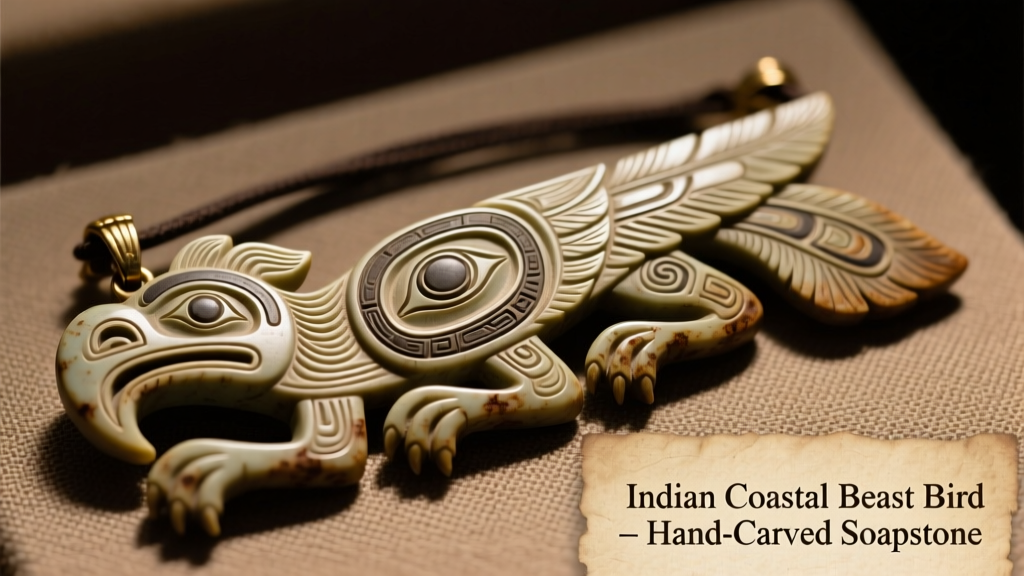
Northwest Coast Indigenous Carving Mastery: A 6-Inch Beast-Bird Hybrid in Soapstone from the Late 19th Century
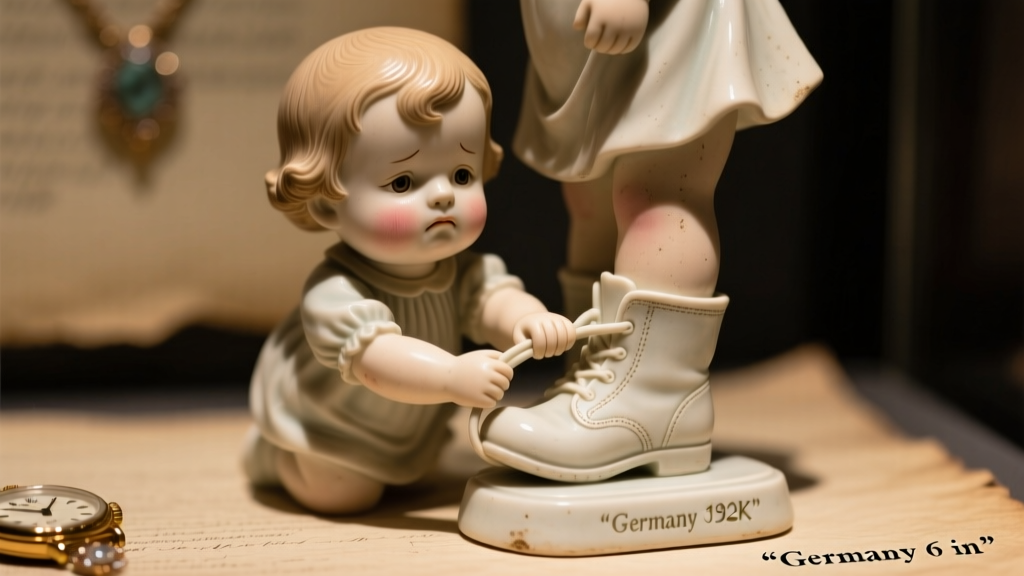
Bisque Figurine: Child Pulling on Boot, Germany, Circa 1900–1925 — A Study in Porcelain Craftsmanship and Social Narrative
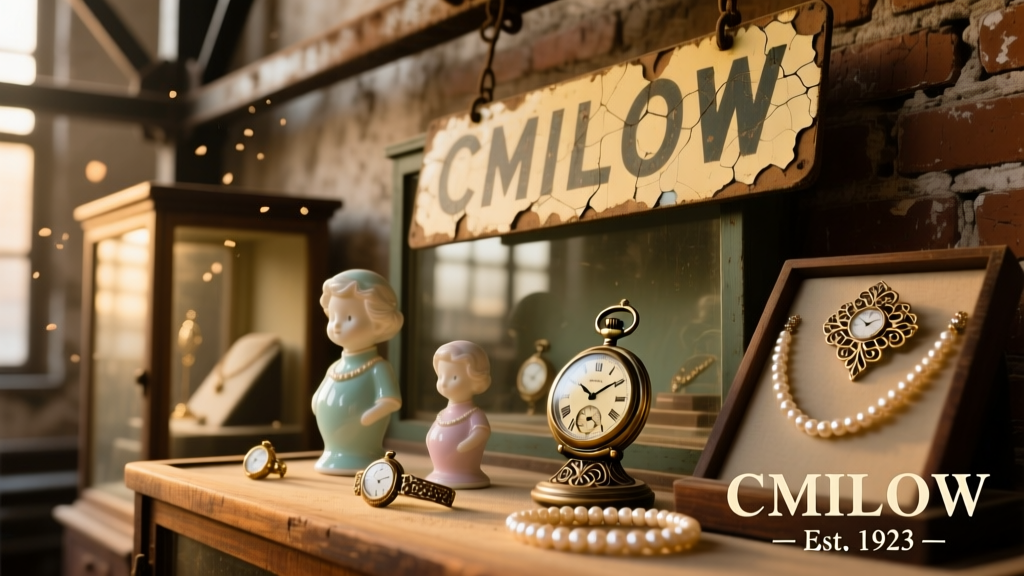
Cmielow Porcelain Ceramic Factory: A Forgotten Polish Legacy in Fine Watchmaking and Decorative Arts
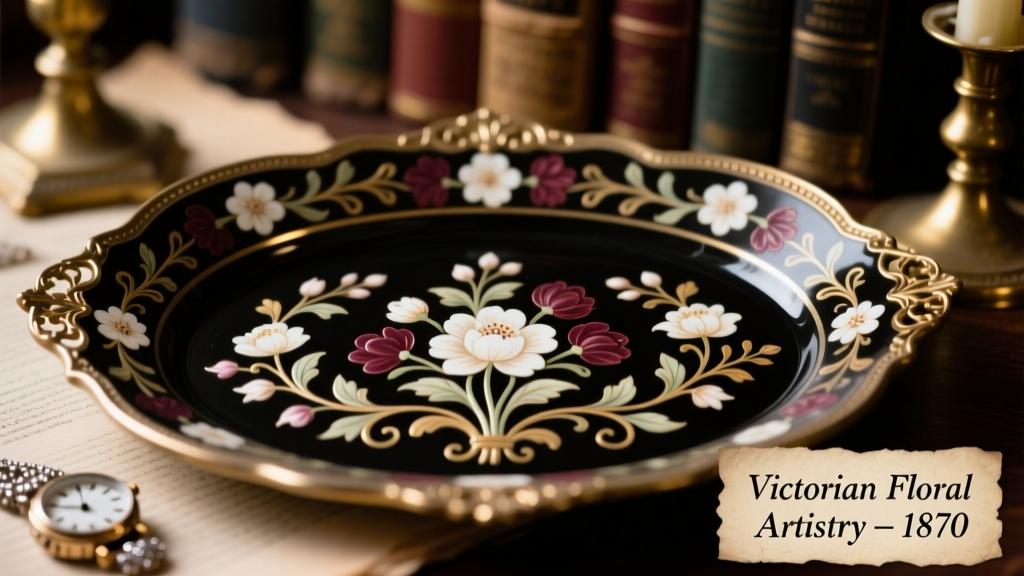
Victorian Papier-Mâché Tray: Floral Sprays on Black Ground — A 19th-Century Masterpiece of English Craftsmanship
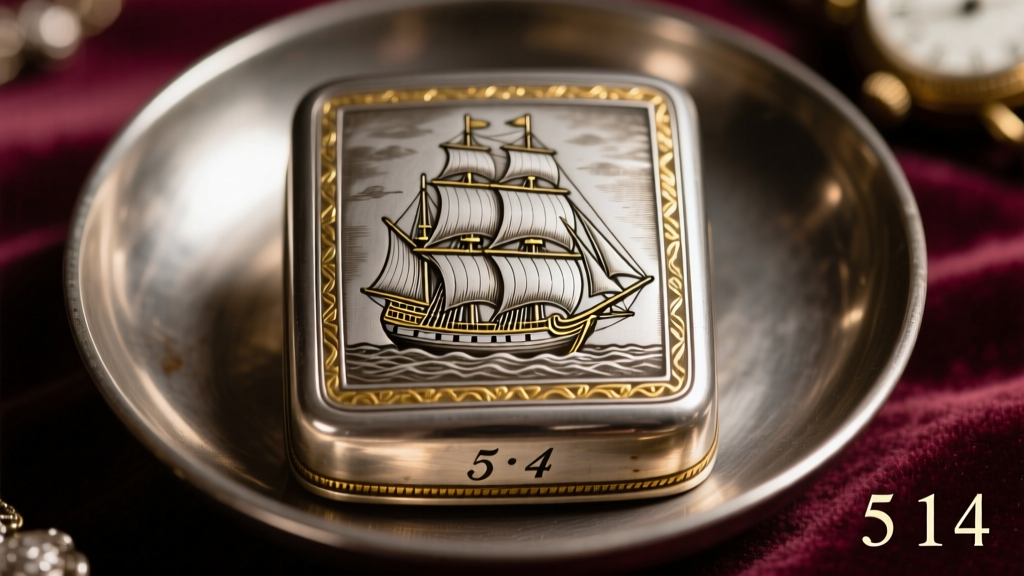
Samson Bowl Cover Undertray with Square-Rigged Ship: A 5¼-Inch Masterpiece of Victorian Silverplate Nautical Tableware
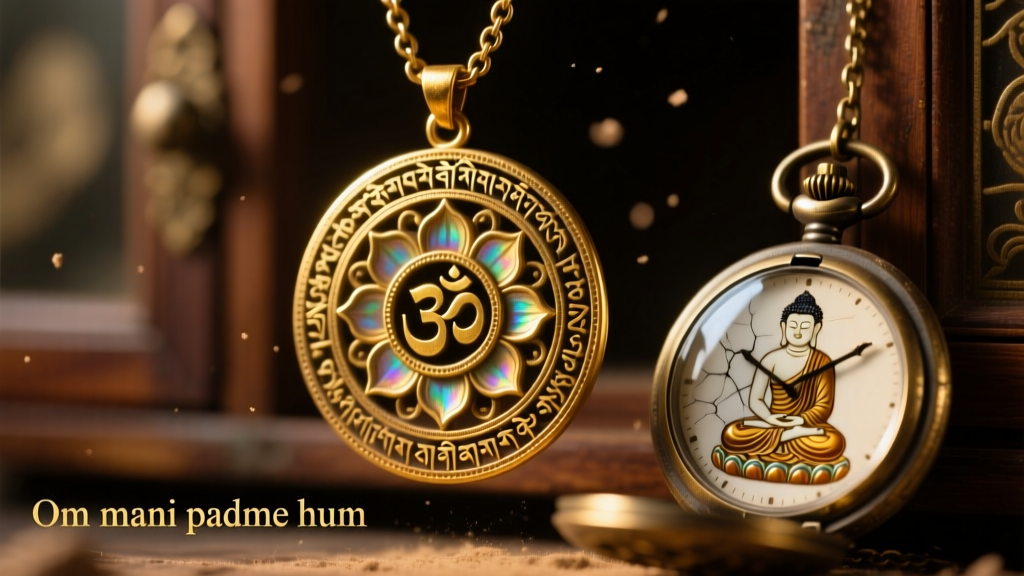
Buddhist Art: Iconography, Provenance, and Market Significance in Collecting
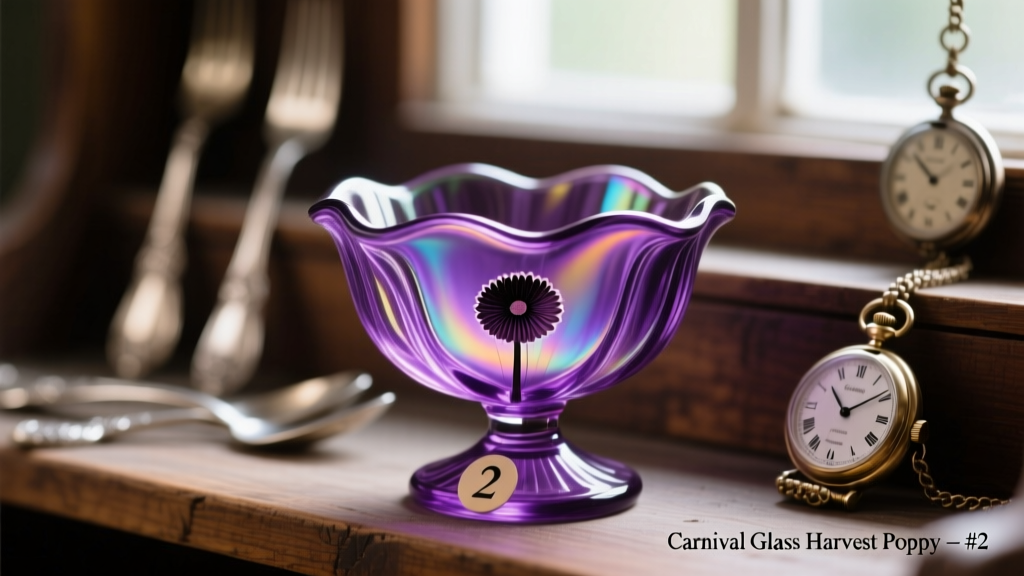
Carnival Glass Harvest Poppy Compote in Purple: Identification, Provenance, and Market Value of a Rare Fenton Masterpiece

The Daiya Space Tank: A 1950s Japanese Tinplate Marvel with Light, Sound, and Mechanical Drama
The Porcelain Decorating Shop: Artistry, Industry, and Legacy in Watch Dial Craftsmanship