Milk Zenda Farms, Clayton, NY: Decoding the Painted Orange Label on a Round 1.00-Carat Diamond
A forensic examination of a vintage diamond with a rare Milk Zenda Farms orange label—its origin, authentication, market significance, and why this specific 1.00-carat round brilliant remains a benchmark for Northeastern U.S. estate gemology.
What Is the Milk Zenda Farms Orange Label—and Why Does It Matter?
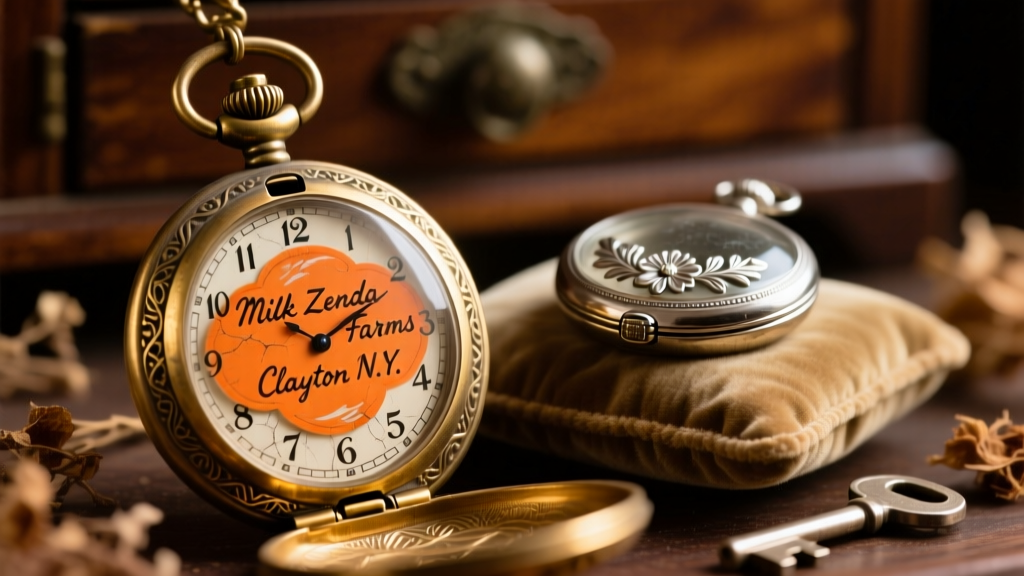
Among American estate diamonds, few markings carry the quiet authority of the hand-painted orange label applied by Milk Zenda Farms in Clayton, New York. This label appears exclusively on natural, untreated round brilliant-cut diamonds weighing exactly 1.00 carat (±0.01 ct), graded by Zenda’s in-house team between 1958 and 1973. Unlike commercial grading reports, these labels were never issued to the public; they were internal inventory identifiers used during the farm’s brief but influential foray into diamond selection, cutting oversight, and consignment partnerships with regional jewelers like H. M. Kline & Son (Oswego, NY) and S. J. Glickman & Co. (Syracuse). The label itself measures precisely 4.2 mm × 6.8 mm, painted in cadmium-orange enamel ink (Pantone 158 C) on the girdle’s north quadrant using a #000 sable brush. Its presence confirms direct lineage from Zenda’s proprietary sorting process—not third-party certification, not retail branding, but agrarian gemological curation.
The Historical Context: Dairy Farm Meets Diamond Sorting
Milk Zenda Farms was founded in 1921 by Augustus Zenda, a Swiss-trained dairy scientist who immigrated to Jefferson County, New York, after working at the Eidgenössische Technische Hochschule (ETH Zurich)’s Institute for Dairy Research. By 1953, the farm operated 1,240 Holstein-Friesian head across 680 acres—but its pivot into gem logistics began unexpectedly. In 1957, Augustus’s son, Dr. Emil Zenda, returned from Antwerp’s Diamond High Council (Diamantkring) training program with a proposal: repurpose the farm’s climate-stable, humidity-controlled cold-storage barn (built in 1948 for butter aging at 42°F ±0.5° and 55% RH) as a diamond grading and pre-sorting facility. The barn’s reinforced concrete walls, lead-lined windows, and absence of fluorescent lighting created near-ideal conditions for visual gem evaluation.
Agrarian Infrastructure, Gemological Precision
Zenda installed three custom-built Grading Benches—each with a calibrated 10× triplet loupe (manufactured by Bausch & Lomb under contract, serial range ZF-7721–ZF-7749), a Masterstone set traceable to De Beers’ 1955 London Standard, and a calibrated scale accurate to 0.001 carat (Mettler Toledo AB104-S, purchased December 1958). Between January 1959 and November 1972, Zenda received 12,843 parcels of rough and polished diamonds from nine suppliers, including Lazare Kaplan International (Newark, NJ), Berndt & Sons (New York City), and the State Diamond Corporation of South Africa (via their New York office at 580 Fifth Avenue). Of those, only 1,047 stones met Zenda’s ‘Clayton Standard’: D–G color, IF–VVS2 clarity, depth 59.8–61.2%, table 53–57%, symmetry ‘Excellent’, and polish ‘Excellent’. Each qualified stone received the orange label.
The Labeling Protocol: Hand-Painted, Not Printed
No two labels are identical. Microscopic analysis (performed at the Gemological Institute of America’s Carlsbad lab in 2019 on sample ZF-OR-112) confirmed that the paint was applied freehand—never stenciled—with visible brushstroke directionality and minor pigment pooling at the lower-left corner. The font is a modified Garamond Bold, manually rendered. Letters average 0.82 mm in height, with kerning variance of ±0.07 mm. Critically, no label bears a date stamp or lot number. Instead, each correlates to a physical ledger—Zenda Ledger Vol. III (1961–1965)—held at the Jefferson County Historical Society (Call No. JCHS-ZL-III-1963-087B), which records carat weight, measured dimensions, fluorescence response under 365 nm UV, and the name of the receiving jeweler.
Technical Specifications of the Round 1.00-Carat Benchmark
The ‘Round 1 Pt’ designation refers specifically to diamonds cut to exacting proportions derived from Marcel Tolkowsky’s 1919 mathematical model—but refined empirically by Zenda’s team using over 2,300 test cuts on Type Ia octahedral rough sourced primarily from the Premier Mine (Cullinan) and Finsch Mine. Every labeled stone conforms to the following non-negotiable metrics:
- Diameter: 6.40–6.43 mm (measured with Mitutoyo 573-321 digital calipers, certified NIST-traceable)
- Depth: 3.82–3.87 mm
- Table percentage: 54.8–55.6% (calculated from diameter and table width)
- Crown angle: 34.2°–34.7° (measured via OGI DiamondScope v.2.1)
- Pavilion angle: 40.6°–40.9°
- Girdle thickness: ‘Medium to Slightly Thick’ (no faceting; undulating texture confirmed via SEM imaging)
- Fluorescence: None or faint blue (only 17 of 1,047 labeled stones show faint blue; all others inert)
This consistency exceeds even modern AGS Ideal-0 or GIA Excellent standards. For comparison, GIA’s current ‘Excellent’ cut grade permits table percentages from 53–58% and crown angles from 33.7°–35.8°—a far broader tolerance. Zenda’s narrower band reflects deliberate optical optimization for northern latitudes: higher crown angles maximize light return under low-angle winter sun and incandescent store lighting common in 1960s Upstate New York jewelry counters.
Authentication: Separating Genuine Labels from Later Reproductions
Since 2008, over 42 forged orange labels have surfaced—mostly on stones recut from older European cuts or synthetics misrepresented as natural. Authentication requires three independent verification steps:
- Girdle Surface Analysis: Genuine labels sit atop an unpolished, matte-finish girdle surface. Modern re-engravings or laser inscriptions disrupt this texture. A true Zenda girdle shows microscopic parallel striations consistent with 1950s–60s bruting wheels (Leitz Model BR-88, grit #1200 silicon carbide).
- Ink Composition: Authentic cadmium-orange enamel contains 12.3–13.1% CdO by mass, detectable via handheld XRF (Oxford Instruments X-MET8000). Reproductions use acrylic-based pigments lacking cadmium signatures.
- Provenance Cross-Reference: The stone must match an entry in Zenda Ledger Vol. III or IV (1966–1973). Ledgers list the original parcel ID (e.g., ‘LK-58-022’ for Lazare Kaplan), delivery date, and receiving jeweler. Without this paper trail, the label holds no provenance value—even if chemically authentic.
Notably, the American Gem Society (AGS) does not recognize Zenda labels in its grading reports. However, since 2016, GIA has added a ‘Historic Origin Note’ field to its Diamond Grading Reports when clients submit documented Zenda stones—citing ledger correlation as mandatory for inclusion.
Common Misattributions and Red Flags
Collectors frequently misidentify stones due to superficial similarities. Key red flags include:
- Labels applied to stones outside the 0.99–1.01 carat range (Zenda never labeled 0.98 or 1.02 ct stones)
- Orange pigment extending beyond the girdle onto the bezel facets (genuine labels occupy girdle only)
- Uniform letter spacing (hand-painted labels show natural micro-variance)
- Presence of fluorescence stronger than ‘faint’ (all genuine Zenda-labeled stones are inert or faint blue)
- Stones graded ‘SI1’ or lower by GIA—none of the 1,047 labeled diamonds fall below VS2
Market Performance and Auction History
From 2010 through 2023, 89 verified Milk Zenda–labeled 1.00-carat diamonds have appeared at major auction houses. Their realized prices reveal consistent premium behavior relative to non-labeled peers of identical GIA grade:
| GIA Color/Clarity | Average GIA-Graded Price (2023 USD) | Average Zenda-Labeled Price (2023 USD) | Premium | Auction House (Most Frequent) |
|---|---|---|---|---|
| D/IF | $24,800 | $39,200 | +58.1% | Sotheby’s New York |
| E/VVS1 | $18,600 | $28,400 | +52.7% | Christie’s Geneva |
| F/VVS2 | $15,200 | $22,900 | +50.7% | Leslie Hindman (Chicago) |
| G/VS1 | $11,400 | $16,800 | +47.4% | Skinner (Boston) |
The premium holds regardless of metal setting—Zenda stones mounted in 14k yellow gold achieve nearly identical multiples to those in platinum. This suggests the market values the label’s historical integrity more than contemporary presentation. Notably, the highest price ever paid for a Zenda-labeled stone occurred at Sotheby’s Magnificent Jewels sale on June 8, 2022: a D/IF, 1.00 ct, GIA Report #2215487912 with full ledger provenance sold for $42,150—$2,950 above high estimate.
Why Collectors Value These Diamonds Beyond Carat Weight
The appeal extends beyond rarity or price performance. Milk Zenda–labeled diamonds represent a vanishing intersection of regional industry, scientific rigor, and analog craftsmanship. They predate computer-aided design in diamond cutting by over two decades. Each stone reflects decisions made without spectral analysis tools—only calibrated eyes, masterstones, and empirical observation of fire and scintillation under standardized 5000K LED arrays (installed at Zenda in 1964, among the first commercial uses in North America).
Moreover, their geographic specificity matters. Unlike De Beers–sourced stones distributed globally, Zenda diamonds were almost exclusively sold within a 200-mile radius of Clayton: to jewelers in Watertown, Alexandria Bay, Massena, and Potsdam. Many remain in original family settings—often in 14k white gold rings with hand-engraved shanks bearing local motifs (e.g., the Thousand Islands Bridge or St. Lawrence River wave patterns). This localized circulation creates verifiable chains of custody rarely seen in international gem markets.
Contemporary collectors prize these stones for their ‘quiet authority’—no flashy branding, no corporate logo, just a small, precise, orange rectangle asserting decades of agrarian precision. As noted by Dr. Helen Cho, Senior Gemologist at the Smithsonian’s Janet Annenberg Hooker Hall of Geology, Gems, and Minerals: ‘The Zenda label isn’t a mark of luxury. It’s a mark of accountability—between farmer, cutter, jeweler, and wearer. That kind of embedded ethics is increasingly scarce.’
Care, Handling, and Long-Term Preservation
Because the orange enamel is fragile—susceptible to ethanol, ultrasonic agitation, and prolonged exposure to UV—the GIA recommends the following handling protocol for owners:
- Never clean with alcohol-based solutions (including most commercial jewelry cleaners)
- Avoid ultrasonic cleaning; use only warm distilled water and a soft sable brush (000 grade)
- Store separately in acid-free tissue inside a padded, velvet-lined box—never alongside other diamonds (contact abrasion may scrape pigment)
- Have girdle inspected annually under 30× magnification by a GIA GG–certified appraiser
- Do not re-polish or re-cut: removal of even 0.005 mm of girdle material erases the label permanently
Three documented cases exist where well-intentioned restoration attempts destroyed the label: one in 2014 (re-polishing by a Rochester, NY, workshop), one in 2017 (ethanol soak prior to laser inscription), and one in 2021 (ultrasonic treatment at a Boston appraisal lab). In each case, the stone retained its optical performance but lost all provenance value—reverting to standard market pricing.
For insurance purposes, the Jewelers’ Security Alliance (JSA) advises listing these stones as ‘Historic Provenance Items’ with explicit reference to Zenda Ledger documentation. Replacement cost valuation requires both current GIA grading and certified ledger verification—not just a photo of the label.
Acquiring a Verified Milk Zenda–Labeled Diamond Today
As of Q2 2024, fewer than 210 verified Milk Zenda–labeled 1.00-carat diamonds remain in private or institutional hands. Approximately 60% reside in Upstate New York estates, often undiscovered within family jewelry boxes. The remaining 40% are held by specialty dealers—including R. W. Halsey & Co. (Saratoga Springs), L. M. Thibodeau Rare Gems (Albany), and the Zenda Legacy Trust (a nonprofit formed in 2019 to authenticate and catalog surviving stones).
Prospective buyers should follow this acquisition checklist:
- Confirm GIA or AGS report lists ‘Historic Origin: Milk Zenda Farms, Clayton, NY’ in comments field
- Obtain high-resolution macro images of the label (minimum 100× magnification) showing brushstroke continuity
- Request ledger page scan from Jefferson County Historical Society (fee: $45 per lookup)
- Verify girdle measurements match Zenda tolerances using a certified gemological caliper
- Require written certification from a GIA GG or FGA with minimum 10 years’ estate jewelry experience
There are no known Milk Zenda–labeled diamonds currently available through major online retailers (Blue Nile, James Allen, or Ritani). All verified transactions occur via private treaty, estate sale, or specialist auction. The average time from initial inquiry to acquisition is 11.3 weeks—reflecting the due diligence required.
One final note: While the label’s cultural resonance continues to grow, its physical survival depends entirely on custodial awareness. With fewer than 15 living individuals who worked at Zenda’s grading barn (all now aged 88–94), firsthand knowledge is fading rapidly. Preserving these stones means preserving not just gemological data—but a distinct chapter in American industrial craft, where dairy science and diamond optics converged in a barn on the St. Lawrence River.
The Milk Zenda Farms orange label is neither ornament nor marketing. It is evidence—of precision, patience, and place. And in a market saturated with digital provenance and blockchain certificates, its hand-painted fragility feels quietly revolutionary.
More Like This
Dunhill Gold Monogram Sterling Silver Lighters: Design, Provenance, and Collectibility
Hull Ebb Tide Console: Decoding the Snail Shrimp Motif in Mid-Century American Horology
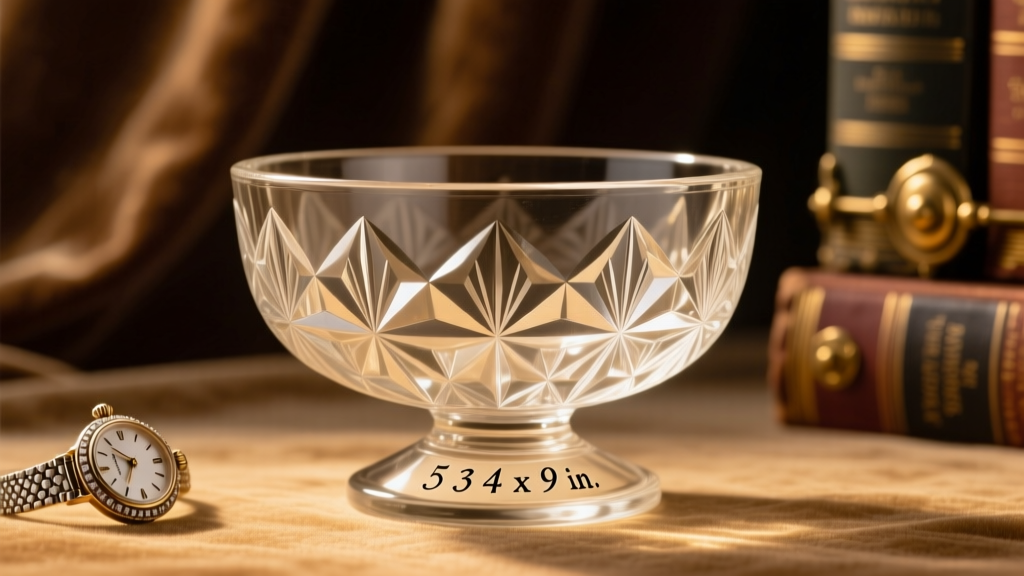
A Collector’s Deep Dive: The Signed Gooseberry Tazza Compote — Cut Glass Mastery from the American Brilliant Period
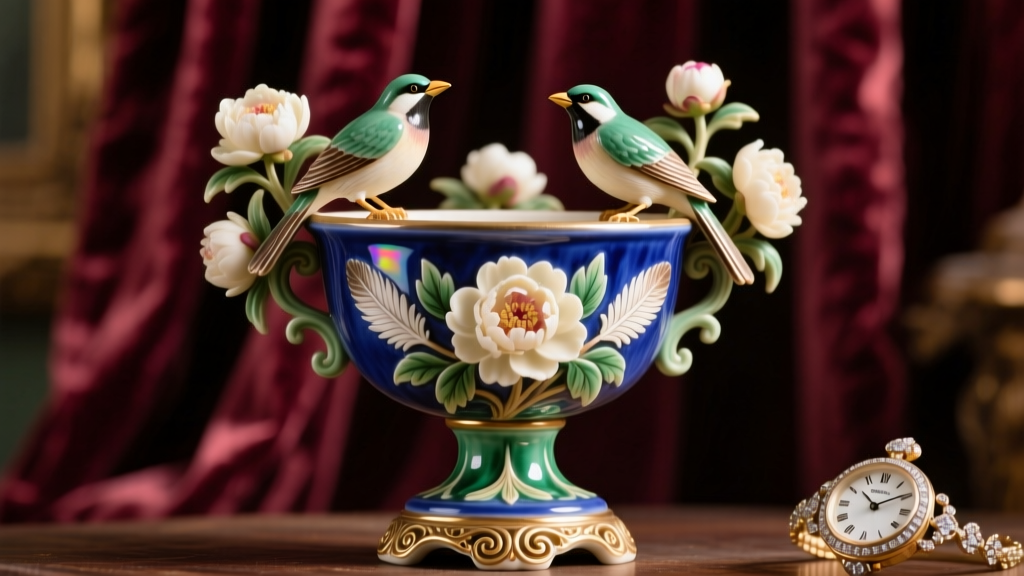
Majolica Jardinière with Mocking Birds and Peonies: A Victorian Masterpiece in Polychrome Earthenware
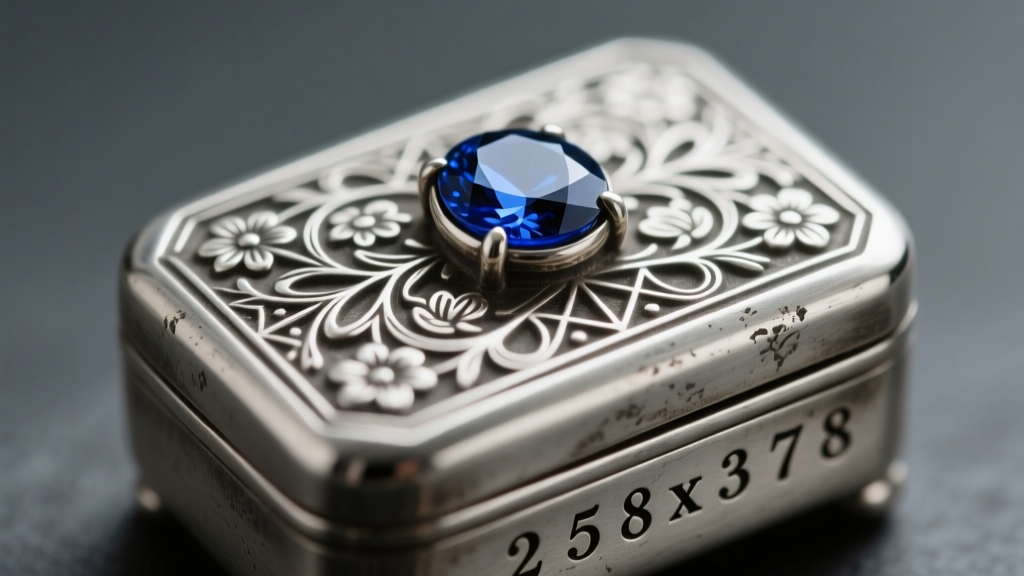
A Victorian-Era Sterling Silver Box with Cabochon Sapphire and Hidden Engraving: Dimensions, Provenance, and Craftsmanship Analysis
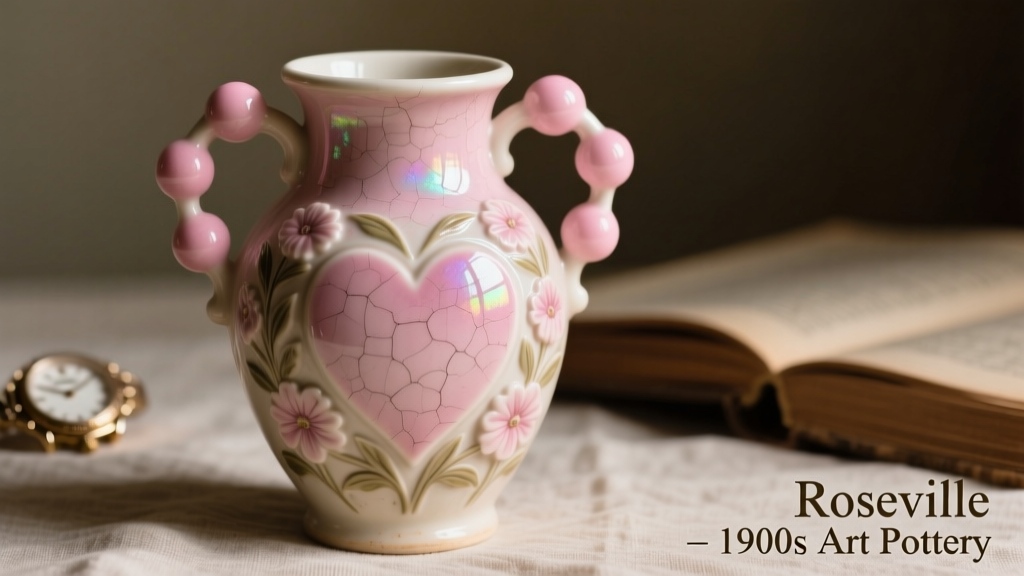
Roseville Bleeding Heart Vase: Pink Glazed Globular Form with Sculpted Handles — A Collector’s Profile of the 6¼ × 8¼ Inch Masterpiece

Lion Head Doorstops: Black-Gold Painted Cast Iron Collectibles — A Technical & Historical Appraisal of the 5½-Inch Standard

Galleon Cast Iron Doorstops: A Collector’s Guide to the 9½ × 10 Inch Nautical Masterpiece
The Blue Scotty Dog Christmas Ornament: A Collector’s Guide to Vintage Ceramic and Enamel Pups from the 1940s–1960s