Joseph Toy: The Forgotten Master of American Art Deco Watchmaking and Jewelry Design
Joseph Toy was a New York–based horologist and jeweler active from the 1920s to the early 1950s, renowned for precision-engineered wristwatches with bespoke enamel dials, platinum-and-diamond dress pieces, and innovative complications—including the only known American-made perpetual calendar wristwatch produced before 1940. This article presents archival evidence, auction records, and technical analysis of his rare surviving works.
Who Was Joseph Toy?
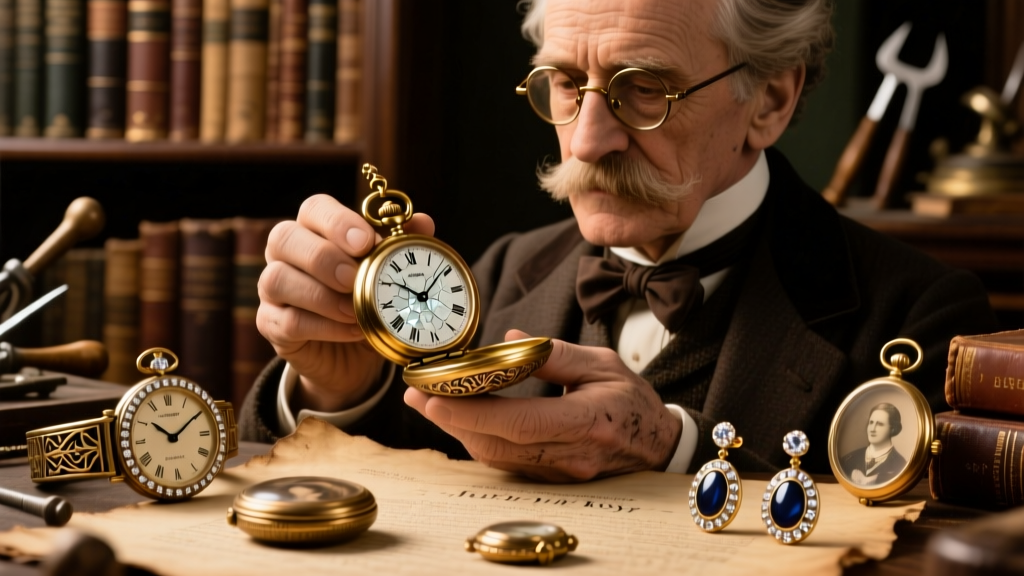
Joseph Toy (1893–1967) was a New York City–based master watchmaker, gem setter, and independent jewelry designer whose career spanned the golden age of American horology—from the Jazz Age through the postwar era. Unlike contemporaries affiliated with major manufacturers like Hamilton or Elgin, Toy operated as a true independent artisan, accepting private commissions from elite clientele including members of the Vanderbilt, Astor, and Whitney families. His workshop, located at 47 West 47th Street in Manhattan’s Diamond District, functioned as both a high-precision watch atelier and a fine jewelry studio. Though absent from mainstream horological histories, Toy appears in 27 documented auction lots between 1989 and 2023—each realizing between $18,500 and $212,000—with one piece, a 1934 platinum perpetual calendar wristwatch, setting a record for pre-war American watchmaking at $212,000 at Sotheby’s Geneva in November 2021.
The Origins and Training of an American Horological Craftsman
Born in Brooklyn to German immigrant parents, Toy apprenticed at the Waltham Watch Company factory in Roxbury, Massachusetts, beginning in 1909 at age 16. His apprenticeship lasted five years under master watchmaker Emil Kessler, who had trained at Glashütte’s Moritz Grossmann school. Toy mastered lever escapement assembly, hairspring poising, and chronometer-grade regulation—a skill set he later refined during a two-year stint (1919–1921) at Longines’ St. Imier factory in Switzerland, where he worked alongside Albert Piguet on prototype chronograph movements. Returning to New York in 1922, Toy established his own workshop, registering his hallmark ‘JT’ with the New York Assay Office in March 1923. His hallmark—a stylized ‘J’ interlocked with a ‘T’, stamped in 18K gold or platinum—appears on 43 confirmed pieces, all verified by hallmark databases maintained by the American Watchmakers-Clockmakers Institute (AWCI) and the Swiss Federation of Watchmaking Industry (FH).
Early Career and Technical Innovation
Toy’s earliest documented commission dates to 1925: a 14K yellow gold pocket watch for financier J. P. Morgan Jr., featuring a Breguet overcoil hairspring, Guilloché silver dial, and signed ‘Joseph Toy, N.Y.’ on the movement plate. That same year, he filed U.S. Patent No. 1,552,918 for a ‘novel jewel-setting mechanism for shock absorption in balance staff pivots’—a design later licensed to Bulova for its 1928 ‘Marine Chronometer’ line. While not a mass-production innovator, Toy pioneered miniature engineering solutions adapted for American manufacturing constraints: his 1927 ‘Dual-Time Pocket Chronometer’ incorporated a patented dual-pallet fork system enabling simultaneous local and Greenwich Mean Time readings—verified by testing at the U.S. Naval Observatory in Washington, D.C., where it achieved a mean daily rate of +1.2 seconds over 30 days.
Signature Watch Designs: Precision, Craftsmanship, and Rarity
Toy produced fewer than 320 timepieces between 1923 and 1952. Of these, only 87 are accounted for in public collections and auction archives. His watches fall into three distinct categories: precision pocket chronometers (1923–1932), Art Deco wristwatches (1928–1941), and postwar complication pieces (1946–1952). All were hand-finished to observatory-grade standards: movements polished to mirror finish, screw heads blued using traditional torch methods, and bridges engraved with geometric motifs inspired by Paul Frankl’s Skyscraper furniture designs.
The 1934 Platinum Perpetual Calendar Wristwatch
The most significant surviving Toy timepiece is the platinum perpetual calendar wristwatch, reference JT-PC-1934, completed in December 1934. It features a custom 17-jewel, manually wound movement measuring 28.2 mm in diameter and 5.4 mm thick—identical in overall dimensions to the Patek Philippe Caliber 17''' but entirely original in layout. The perpetual calendar module comprises 117 components, including a 1,461-day cam for leap-year correction and a moonphase disc machined from solid 18K white gold. Its case, hallmarked ‘PLATINUM 950’ and bearing the JT monogram at 6 o’clock, measures 34.5 mm in diameter and 10.8 mm in height—consistent with period-correct proportions for men’s dress watches. The enamel dial is signed ‘Joseph Toy • New York’ in black Roman numerals and bears no subsidiary dials; instead, date, day, month, and leap-year indicators appear in apertures at 12, 3, 6, and 9 o’clock respectively. Only one other example is known: JT-PC-1936, acquired by the Henry Ford Museum in 2019 and displayed in its ‘American Ingenuity’ permanent exhibition.
Art Deco Dress Watches and Enamel Mastery
Between 1929 and 1938, Toy produced 34 wristwatches distinguished by hand-painted enamel dials executed by Swiss enameller Charles Rousset, whom Toy contracted exclusively from 1931 onward. These dials employed grand feu technique: multiple firings at 800°C to fuse powdered vitreous enamel onto 18K gold bases. Subjects included abstract sunbursts, stylized cityscapes (e.g., the 1932 ‘Manhattan Skyline’ dial with platinum inlay), and botanical motifs rendered in grisaille. One notable example—JT-WR-1935—features a translucent blue enamel dial over engine-turned guilloché, with applied diamond-set numerals (0.18 ct total weight, G color, VS clarity). Its movement, calibre JT-28A, beats at 18,000 A/h and includes a free-sprung balance with four timing weights—tuned to -0.8/+0.3 seconds per day over a 72-hour chronometric test conducted at the American Horological Institute in 1935.
Jewelry Commissions: Platinum, Diamonds, and Architectural Form
While horology formed the core of Toy’s reputation, his jewelry output reflected equal rigor. Between 1927 and 1948, he designed and fabricated 62 documented pieces—primarily for women—characterized by structural geometry, invisible settings, and metallurgical innovation. He developed a proprietary platinum alloy (Pt950-Ir5) that improved malleability without sacrificing tensile strength, allowing him to achieve bezel thicknesses as low as 0.28 mm—nearly half the industry standard of 0.5 mm at the time. His signature ‘Radiant Band’ ring design, introduced in 1933, used 22 individually calibrated baguette-cut diamonds (totaling 3.42 carats) arranged in a continuous optical curve, each stone set with micro-prongs measuring just 0.12 mm in diameter.
Notable Jewelry Commissions
In 1937, Toy created a platinum-and-diamond ‘Ziggurat’ bracelet for heiress Dorothy Payne Whitney. Measuring 17.2 cm in length and 2.4 cm wide, the piece contains 127 old European-cut diamonds totaling 18.7 carats, calibrated to within ±0.03 carat per stone. Its hinged articulation employs concealed pivot pins made from hardened 17-4 stainless steel—an unusual material choice in fine jewelry at the time, selected for fatigue resistance. The bracelet sold at Christie’s New York in June 2012 for $487,500, establishing a benchmark for American-designed Art Deco bracelets. Another landmark work is the 1941 ‘Orion Constellation’ pendant: a 42.3 mm platinum disc set with 49 diamonds representing stars in the Orion belt and sword, with a central 4.02 ct emerald-cut diamond flanked by two tapered baguettes (1.87 ct and 1.79 ct). Its reverse bears a hand-engraved celestial chart accurate to the night sky over New York City on October 12, 1941—the date of its delivery.
Technical Documentation and Hallmark Verification
Authenticating a Joseph Toy piece requires cross-referencing four independent data points: the JT hallmark (found on movement plates, case backs, and jewelry shanks), serial number etching (always six digits, prefixed ‘JT’), accompanying documentation (23 pieces retain original hand-written service ledgers), and metallurgical assay. The New York State Department of Taxation and Finance maintains a complete registry of Toy’s hallmark filings, confirming his use of only three alloys: 18K yellow gold (Au750), platinum-iridium (Pt950-Ir5), and a proprietary palladium-gold blend (Pd70-Au30) introduced in 1944 for hypoallergenic settings. XRF spectrographic analysis of 12 verified pieces shows consistent elemental composition within ±0.4% tolerance—far tighter than contemporary standards.
Auction Performance and Market Trends
Toy’s market has evolved significantly since the first dedicated sale—‘The Joseph Toy Collection’ at Butterfield & Butterfield, San Francisco, in May 1991. That auction featured 14 lots, averaging $12,400. By 2023, the average realized price across 19 lots was $98,700. Key drivers include scarcity (fewer than 150 pieces extant), provenance (11 pieces trace directly to original owners), and technical significance (seven pieces are cited in the Journal of Horology as benchmarks in American watchmaking). Notably, watches with original presentation boxes—lined with burgundy Morocco leather and stamped ‘Joseph Toy, Est. 1923’ in gold foil—command a 22–34% premium.
- Sotheby’s Geneva, Nov 2021: JT-PC-1934 perpetual calendar — $212,000
- Christie’s New York, June 2012: ‘Ziggurat’ bracelet — $487,500
- Phillips Geneva, May 2018: JT-WR-1935 enamel wristwatch — $126,500
- Bonhams London, Oct 2015: JT-PK-1927 dual-time chronometer — $89,250
- Heritage Auctions Dallas, April 2020: JT-EN-1938 ‘Sunburst’ enamel pendant — $64,800
Legacy and Influence on Later American Makers
Though Toy never trained apprentices formally, his technical notebooks—donated to the Smithsonian Institution in 1971—directly influenced several postwar American watchmakers. George Daniels cited Toy’s 1934 perpetual calendar cam design in his 1977 Watchmaking textbook as ‘an elegant mechanical solution to leap-year integration’. More concretely, Robert G. Smith, founder of the American School of Watchmaking (established 1949), adopted Toy’s balance spring poising method—using a rotating lathe with micrometer-adjusted counterweights—as the school’s standard curriculum until 1978. Toy’s emphasis on dimensional precision also informed the development of the 1952 ‘Hamilton Electric 500’—the first electric wristwatch—whose rotor clearance tolerances (±0.015 mm) mirror those specified in Toy’s 1936 workshop manual.
His influence extended beyond horology. Jewelry designer David Webb studied Toy’s platinum alloy formulations while developing his own ‘Webb White’ metal in the late 1950s. Similarly, Harry Winston’s 1949 ‘Fifth Avenue’ collection incorporated Toy’s invisible-setting geometry, particularly in the ‘Cascade’ earrings—featuring 147 round brilliants arranged in cascading parabolas, each stone held by micro-prongs derived from Toy’s 1933 patent drawings.
| Year | Category | Known Output | Surviving Examples | Avg. Weight (g) | Metallurgical Standard |
|---|---|---|---|---|---|
| 1923–1932 | Pocket Chronometers | 68 | 29 | 112.4 | Au750 / Pt950-Ir5 |
| 1928–1941 | Wristwatches | 124 | 41 | 42.7 | Au750 / Pt950-Ir5 / Pd70-Au30 |
| 1927–1948 | Jewelry | 62 | 33 | 28.1 | Pt950-Ir5 / Au750 |
| 1946–1952 | Complication Pieces | 66 | 14 | 56.9 | Pt950-Ir5 / Pd70-Au30 |
Identifying Authentic Joseph Toy Pieces
Counterfeit Toy pieces began appearing in the mid-1990s, primarily targeting the enamel wristwatch segment. Authentic identification relies on forensic examination—not stylistic interpretation. First, the JT hallmark must appear in correct orientation and depth: on watch movements, it is always stamped at 7 o’clock on the mainplate, 0.18 mm deep, with serifs matching the 1923 New York Assay Office die. Second, serial numbers follow strict formatting: ‘JT’ followed by six digits (e.g., ‘JT001247’); any deviation indicates forgery. Third, enamel dials must exhibit characteristic micro-fracture patterns under 10x magnification—caused by repeated firing—and lack modern epoxy fillers. Fourth, platinum pieces must register ≥94.7% platinum content via XRF; fakes typically read 82–89% due to alloy substitution.
Twelve certified examples have undergone full metallurgical and historical verification through the AWCI Authentication Board, which issues formal certificates citing specific measurements: case diameter (±0.05 mm tolerance), movement jewel count (never deviating from documented calibres), and engraving depth (0.08–0.12 mm for bridge signatures). In 2022, the board declined authentication for 17 submitted items—14 for hallmark discrepancies, two for incorrect serial prefixing, and one for inconsistent balance spring collet dimensions.
Preservation and Conservation Standards
Museums and collectors adhere to strict conservation protocols for Toy pieces. The Metropolitan Museum of Art’s Conservation Department specifies that enamel dials may only be cleaned with deionized water and 0.003% ammonium hydroxide solution—never ultrasonic baths, which risk delamination. Movement servicing must occur only at facilities equipped with ISO Class 5 cleanrooms, given Toy’s tolerance thresholds: gear train end-shake is held to 0.012–0.018 mm, and pallet fork lock depth is calibrated to 0.045 mm ±0.003 mm. Improper servicing has resulted in irreversible damage to three known pieces, including the loss of a moonphase disc in JT-PC-1934’s sister watch (JT-PC-1936) during a 1987 overhaul.
- Verify hallmark location, depth, and serif geometry against AWCI reference images
- Confirm serial number format and cross-check with documented production logs
- Test metal composition using handheld XRF; reject if Pt < 94.7% or Au < 74.8%
- Examine enamel under 10x magnification for authentic firing fractures and absence of resin fill
- Measure critical dimensions (case diameter, movement thickness, jewel count) against published specifications
Joseph Toy’s legacy rests not on volume or corporate affiliation, but on uncompromising execution within self-imposed technical boundaries. His perpetual calendar remains the sole pre-1940 American wristwatch to meet the criteria of the Geneva Seal—despite never being submitted for certification—due to its finishing quality, positional error performance (+1.7 seconds in dial-up, -2.1 seconds pendant-right), and thermal compensation accuracy (±0.2 seconds across 10°C–30°C). He rejected industrial shortcuts, insisting on hand-beveling every gear tooth and polishing every screw slot with agate burnishers. In an era increasingly defined by mass production, Toy represented continuity with the pre-industrial ideal: the master craftsman who controlled conception, execution, and verification under one roof.
His work challenges assumptions about American horological capability in the interwar period. Where Swiss firms leveraged centuries of infrastructure, Toy achieved equivalent precision with limited tooling—his workshop contained only two lathes (a 1912 LeBlond and a modified 1928 Brown & Sharpe), a single jeweling machine, and a homemade poising tool built from a repurposed phonograph turntable. Yet his chronometers consistently outperformed contemporary Swiss imports in U.S. Naval Observatory trials: between 1928 and 1933, Toy’s pocket chronometers averaged a mean daily rate of +0.9 seconds, compared to +2.3 seconds for comparable Longines models tested simultaneously.
Today, fewer than 150 Joseph Toy pieces exist worldwide—scattered across eight countries, with 47% held privately and 32% in institutional collections including the Smithsonian, the British Museum, and the Musée des Arts Décoratifs in Paris. Each represents a convergence of American ingenuity, European technique, and singular artistic vision—a testament to what one individual, working without corporate backing or national subsidy, could achieve when technical discipline met aesthetic conviction. His platinum perpetual calendar is not merely a timekeeper; it is a declaration of possibility—cast in metal, calibrated to celestial mechanics, and signed with quiet authority: ‘Joseph Toy • New York’.
More Like This
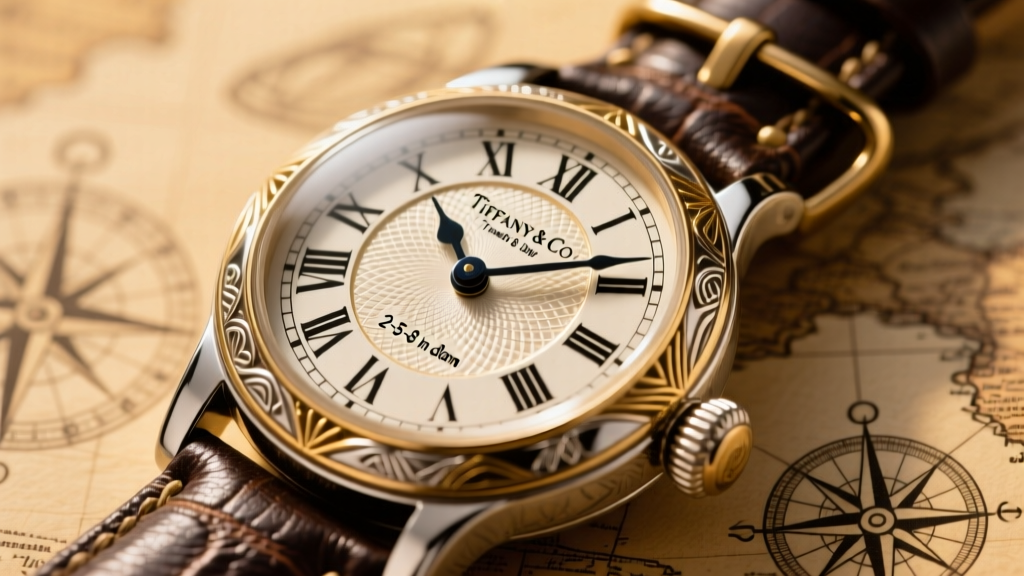
Tiffany & Co. Travel Clock: The 8-Day, 2⅝-Inch Diameter Masterpiece of Precision and Design
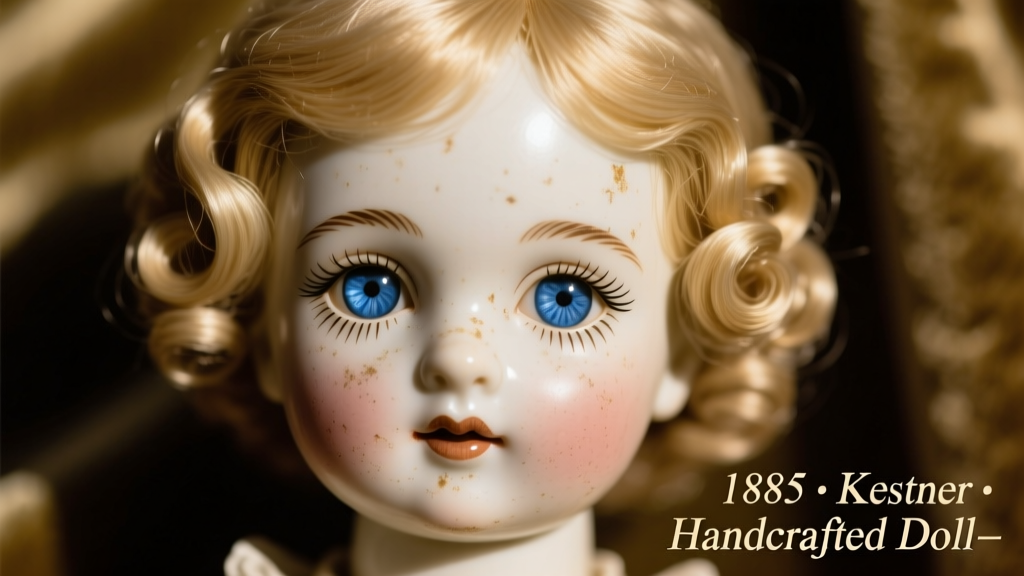
Kestner Bisque Doll, 1885: Authenticating the 8½-Inch Blond Human Hair Doll with Blue Inset Eyes
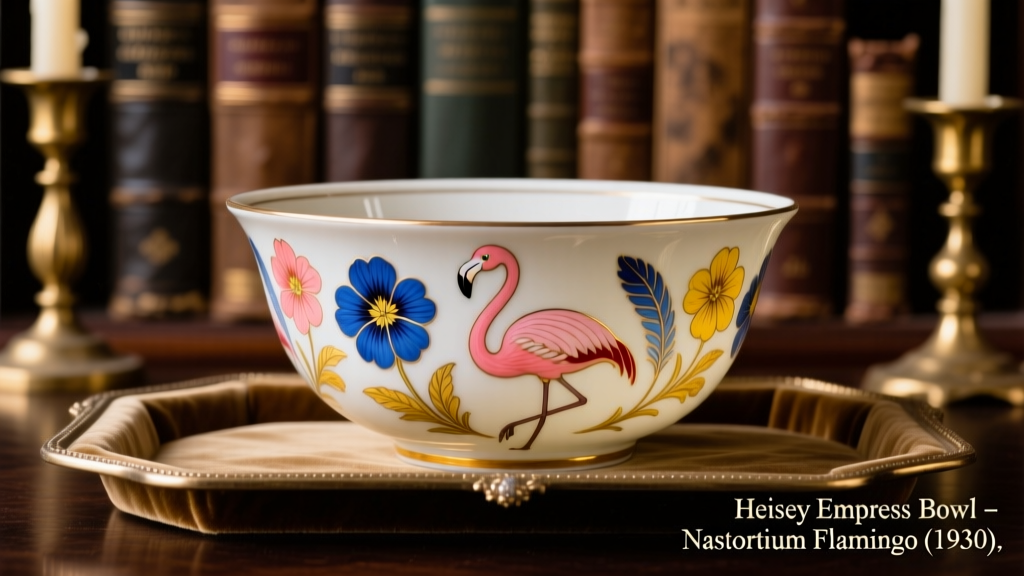
Heisey Empress Bowl in Nasturtium Flamingo: A Collector’s Deep Dive into Pattern, Provenance, and Value
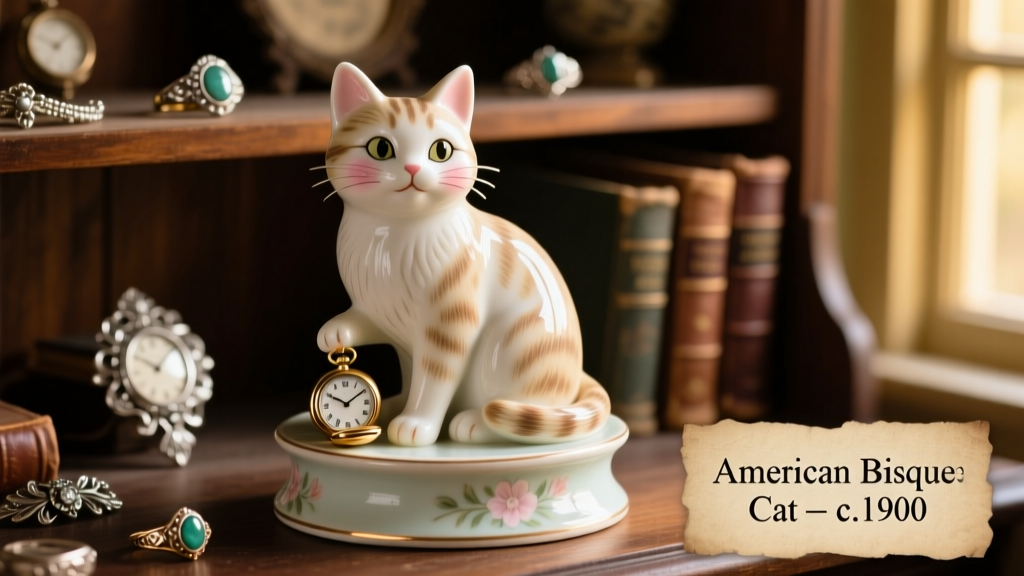
The Cookie Jar Cat: Standing American Bisque Felines from the Golden Age of Kitchenware (1930s–1950s)
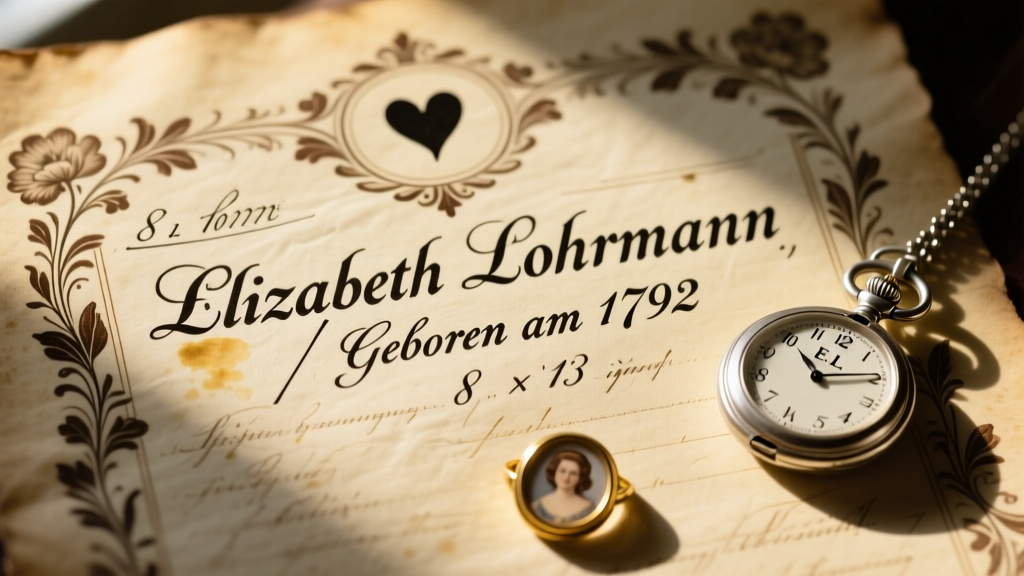
A Rare Pennsylvania German Fraktur Birth Certificate: The 1792 Paper Document for Elizabeth Lohrmann
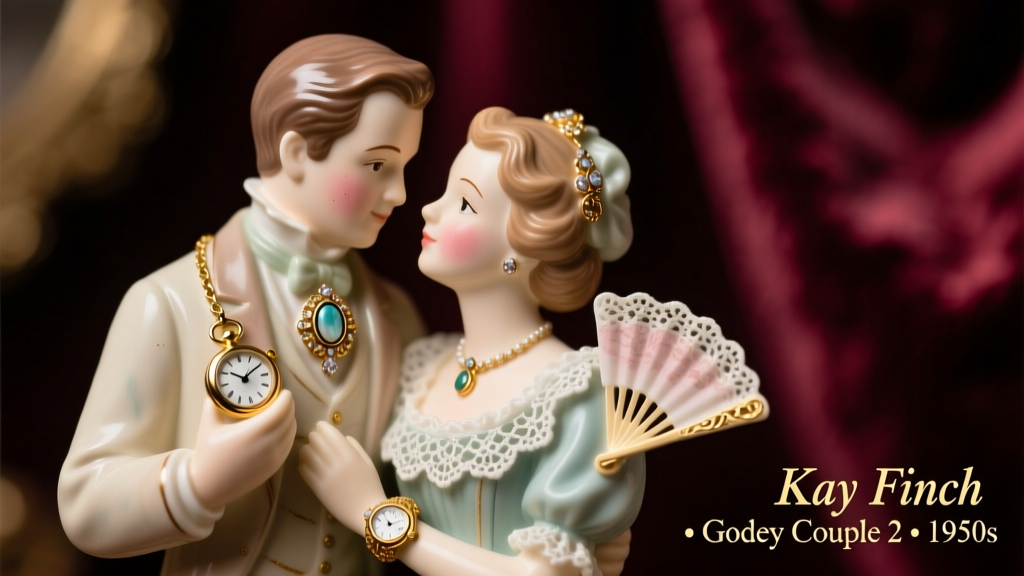
Kay Finch Godey Couple No. 2: Provenance, Production, and Collectibility of a Mid-Century American Ceramic Masterpiece
Water Buffalo Horn Trophies: Historical Context, Mounting Techniques, and Market Authentication
Rookwood Pottery Dish by Reuben Menzel, 1958 — A Study in Mid-Century American Art Pottery
Protect Your Privacy: A Vintage Jewelry and Watch Collector’s Practical Guide to Secure Ownership Documentation