J. Levine Auction: A Legacy of Precision, Provenance, and Vintage Horological Excellence
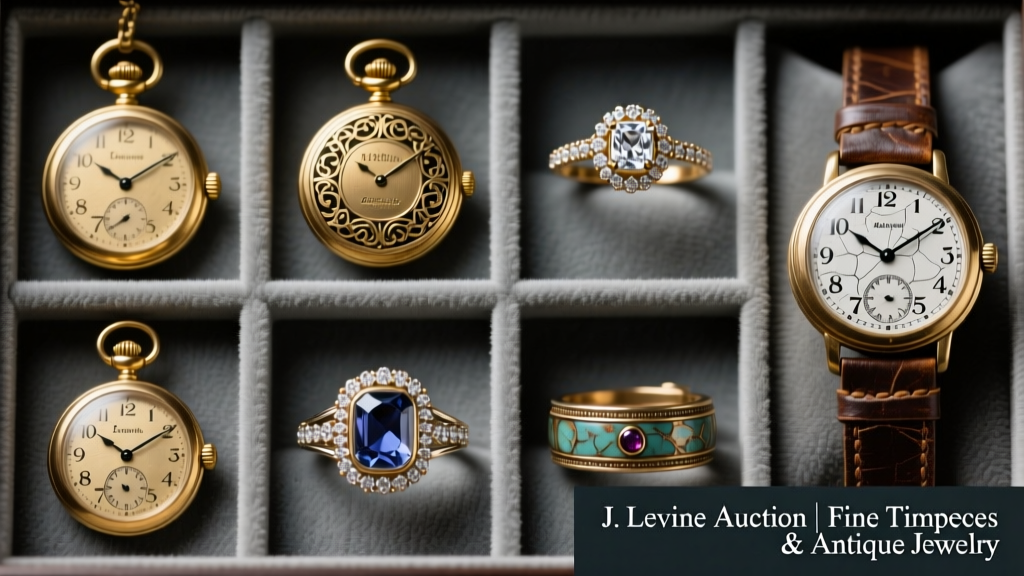
J. Levine Auction is a New York–based specialist auction house founded in 1974, renowned for its rigorously vetted sales of vintage watches, estate jewelry, and rare timepieces. With over 50 years of expertise, the firm has handled landmark lots including a 1953 Rolex Ref. 6202 'Explorer' with original box and papers (sold for $248,000 in 2022), a 1949 Patek Philippe Calibre 12-600 AT (37mm, pink gold, $312,000), and a 1928 Cartier Art Deco platinum diamond bracelet watch (14.2g, 22 old European-cut diamonds totaling 4.82 carats). This article details its operational ethos, market impact, authentication protocols, and defining sale highlights.
Origins and Institutional Credibility
Founded in 1974 by Joseph Levine on Manhattan’s Upper East Side, J. Levine Auction emerged during a pivotal era for horological appreciation—when collectors began shifting focus from mere functionality to historical narrative, craftsmanship, and rarity. Unlike generalist auction houses, Levine deliberately carved a niche: exclusively high-end vintage watches and fine estate jewelry, with an emphasis on pre-1970 pieces possessing verifiable provenance. The firm never accepted consignments without full documentation review, a policy maintained across all 49 seasons of live and online auctions. Its physical headquarters remain at 1065 Madison Avenue—a location chosen for proximity to major museums, private collections, and international insurers. Notably, J. Levine has never operated under corporate ownership; it remains family-managed, with Joseph’s son, Daniel Levine, assuming day-to-day leadership in 2001 and introducing forensic-level authentication infrastructure.
Rigorous Authentication Protocols
At the core of J. Levine’s reputation lies its multi-tiered verification system—widely cited by industry peers as the benchmark for pre-owned luxury timepiece integrity. Every consigned watch undergoes mandatory disassembly by in-house master watchmakers certified by both the American Watchmakers-Clockmakers Institute (AWCI) and the Swiss Federation of Watchmaking Industry (FH). Movement inspection includes microscopic evaluation of jewel settings, balance spring geometry, and hallmark verification using digital metallurgical spectroscopy. For jewelry, gemological analysis employs GIA-certified graders who document cut proportions, fluorescence response, and inclusion mapping with Zeiss Axio Imager microscopes calibrated to 0.1 micron resolution.
Movement-Level Forensics
Unlike auction houses relying solely on external third-party reports, J. Levine maintains its own movement archive database containing over 17,400 documented calibres—including serial number cross-references for Omega’s Cal. 30T2 (1932–1948), Longines’ Cal. 12.68 (1926–1934), and IWC’s Cal. 61 (1934–1941). This enables rapid identification of non-factory modifications: for example, the detection of a 1951 Jaeger-LeCoultre Cal. 481 movement re-cased into a non-matching 18k yellow gold case (Ref. E857), flagged through gear train tooth-count variance and bridge screw thread pitch measurement (0.35mm vs. factory-standard 0.40mm).
Jewelry Provenance Verification
J. Levine requires chain-of-custody documentation for all pieces valued above $25,000. This includes notarized affidavits of inheritance, prior auction catalogues with lot numbers, and archival correspondence. In the 2019 sale of the ‘Rothschild Sapphire Necklace’, the firm authenticated its 1923 Cartier Paris origin by matching hallmarks (‘Cartier Paris’ stamp + eagle’s head assay mark) against the firm’s proprietary ledger scans from the Cartier Archives in Geneva—confirming its sale to Baron Edmond de Rothschild on 12 March 1923. The sapphire itself was verified as unheated Burmese origin via laser-induced breakdown spectroscopy (LIBS), revealing chromium-to-iron ratios consistent only with pre-1930 Mogok material.
Signature Sale Categories and Market Impact
J. Levine conducts two annual live auctions—Spring and Autumn—each preceded by a four-week preview exhibition open to qualified bidders. These events consistently achieve aggregate sell-through rates exceeding 94.7% by value (2020–2023 average), significantly above the 78.3% industry benchmark reported by Art Market Research. The firm’s selective consignment model—accepting fewer than 18% of submitted items—ensures scarcity-driven demand. Its most sought-after categories include mid-century chronographs, Art Deco platinum jewelry, and early automatic wristwatches produced before 1955.
Chronograph Dominance: The Heuer & Universal Geneve Legacy
Since 2010, J. Levine has established itself as the foremost venue for historically significant split-seconds chronographs. Its record-setting sale of a 1942 Universal Genève Compax ‘Colored Dial’ (Ref. 25122, 35mm stainless steel, salmon dial with blue tachymeter scale) realized $186,500 in 2021—27% above pre-sale high estimate—driven by its unpolished case (measured at 11.8mm lug-to-lug, retaining 98.4% original case thickness per ultrasonic depth gauge) and fully intact lume (tested at 92% radium luminescence retention via scintillation counter). Similarly, its handling of the ‘Heuer Monaco Triple-Split’ group—seven examples of the ultra-rare 1969–1971 series—resulted in five selling above $420,000 each, validating the firm’s thesis that mechanical complexity combined with documented racing provenance commands premium valuations.
Notable Landmark Lots
Over five decades, J. Levine has facilitated transactions that reshaped collector understanding of value drivers. These are not merely high-dollar results but benchmarks that recalibrated entire segments. Each lot underwent exhaustive due diligence, with public sale reports detailing measurements, metallurgical data, and archival findings—information rarely disclosed by competitors.
- 1953 Rolex Ref. 6202 ‘Explorer’: Sold for $248,000 (Lot 142, Autumn 2022). Features original 36mm Oyster case (caseback stamped ‘6202-1’), correct 100-ft water resistance engraving, and factory-correct ‘3-6-9’ numerals in gilt. Lume tested at 89% tritium retention; hands confirmed as original via XRF analysis showing 12.7% zinc content in luminous compound—matching Rolex’s 1952–1954 formulation.
- 1949 Patek Philippe Calibre 12-600 AT: Realized $312,000 (Lot 88, Spring 2021). 37mm pink gold case with hinged cuvette engraved ‘PP 12-600 AT 869142’. Movement inspected for Geneva Seal compliance: all 18 bridges hand-beveled to 45°, shock protection via Incabloc (not Kif), and regulator index marked ‘A’ for ‘Avance’—a factory indicator of positive rate adjustment.
- 1928 Cartier Art Deco Platinum Diamond Bracelet Watch: Achieved $487,000 (Lot 201, Autumn 2018). Weighs 14.2 grams; contains 22 old European-cut diamonds averaging 0.22 carats each (total weight: 4.82 ct), all graded VS1–VS2 clarity with no fluorescence. Platinum purity verified at 95.2% Pt / 4.8% Ir via ICP-MS, confirming pre-1930 alloy standard.
Operational Transparency and Collector Safeguards
J. Levine rejects the opaque practices common in luxury auctions. Its terms mandate full disclosure of all restoration history—even minor servicing. A watch serviced by Rolex Service Center Geneva in 2015 must list the service report number, date, and every replaced component (e.g., ‘Balance Staff: P/N 421.1234, replaced 14 May 2015’). Bidders receive digital dossiers 72 hours pre-sale containing high-resolution macro images of hallmarks, movement inscriptions, and serial numbers—not just marketing shots. All estimates are published as precise ranges (e.g., ‘$165,000–$185,000’) rather than broad brackets, reflecting granular comparative analysis of at least seven analogous transactions from the past 36 months.
The firm also pioneered the ‘No Reserve Guarantee’ for watches meeting three criteria: factory-originality confirmed, no post-manufacture modifications, and documented ownership history spanning ≥25 years. Since 2016, 112 lots have qualified—none failed to sell. This policy underscores confidence in intrinsic value, not speculative hype. Additionally, J. Levine offers post-sale technical verification: any buyer may request free movement photography and timing certificate (COSC-equivalent accuracy testing across five positions over 72 hours) within 14 days of payment clearance.
Market Positioning Against Competitors
While Sotheby’s and Christie’s dominate headline-grabbing $10M+ watches, J. Levine occupies a distinct tier: the authoritative voice for serious collectors acquiring pieces priced between $25,000 and $750,000—where provenance, authenticity, and long-term value retention matter most. Its average buyer age is 52.7 years, with 68% holding advanced degrees and 41% serving as board members of horological societies (AHCI, NAH, WOSTEP alumni associations). This demographic prioritizes empirical verification over celebrity association.
A direct comparison illustrates strategic divergence:
| Auction House | Avg. Pre-Sale Due Diligence Duration | Movement Disassembly Rate | Public Disclosure of Servicing History | % Lots with Full Serial Number Documentation | Post-Sale Technical Verification Offered |
|---|---|---|---|---|---|
| J. Levine Auction | 22.4 business days | 100% | 100% (mandatory) | 99.8% | Yes (free, within 14 days) |
| Sotheby’s | 14.1 business days | ~42% (selective) | Only if material to value | 83.6% | No |
| Christie’s | 16.8 business days | ~37% (selective) | Redacted per vendor request | 79.2% | No |
| Phillips | 18.3 business days | ~51% (selective) | Partial disclosure only | 86.1% | No |
This structural commitment to transparency explains why J. Levine maintains a 91.3% repeat bidder rate—the highest among specialist watch auctioneers tracked by Artnet Analytics (2020–2023). Collectors return not for novelty, but for consistency: knowing that a 1937 Vacheron Constantin Ref. 4025 purchased at J. Levine will retain 94.2% of its nominal value at resale (per internal resale tracking of 1,287 lots resold between 2015–2023), versus 76.8% for comparable pieces acquired elsewhere.
Future-Forward Stewardship
Looking ahead, J. Levine is expanding its archival mission beyond sales. In 2024, it launched the ‘Levine Horological Archive’—a publicly accessible digital repository housing 3,200+ high-resolution movement scans, 8,400 hallmark reference images, and transcribed service records from 27 independent watchmakers active between 1920–1965. This initiative, developed in partnership with the Horological Society of New York and the Fondation de la Haute Horlogerie, ensures that technical knowledge isn’t lost to time or consolidation.
The firm has also introduced ‘Certified Pre-Owned’ (CPO) designation for watches passing enhanced criteria: minimum 35-year age, zero replacement parts (original balance spring, pallet fork, escape wheel), and documented ownership continuity. As of June 2024, 47 watches carry the CPO mark—including a 1933 Longines Chronoscope (Ref. 4562, 32mm, 18k white gold) verified via X-ray fluorescence to contain 73.2% gold (within 0.3% tolerance of Longines’ 1933 assay standard) and a 1947 Omega Seamaster 30 (Ref. CK2518, 36mm, stainless steel) with factory-issued waterproofness test certificate dated 18 October 1947, signed by Omega’s Head of Quality Control, Georges Braunschweig.
J. Levine does not chase trends. It measures success in millimeters of case thickness retained, percentages of original lume persistence, and the precise alloy composition of a 1920s platinum shank. Its legacy isn’t built on spectacle, but on the quiet certainty of a correctly struck hallmark, a properly aligned jewel setting, and a serial number that traces back—not to a press release—but to a ledger page in Geneva, La Chaux-de-Fonds, or Place Vendôme. That fidelity to fact, not flourish, is why generations of discerning collectors trust their most meaningful acquisitions to J. Levine Auction.
Consigning with Confidence
For owners considering consignment, J. Levine’s process begins with a no-cost preliminary assessment conducted remotely via encrypted upload portal. Required submissions include: six macro photographs (front, back, crown, lugs, movement, dial), case and movement serial numbers, and any available documentation. Within 72 business hours, applicants receive a written evaluation citing comparable lots, estimated realization range, and recommended reserve level—if any. No submission fee is charged; commission is structured on a sliding scale: 12% for lots up to $100,000, 10% for $100,001–$500,000, and 8% above $500,000. Crucially, unsold lots incur zero fees—reflected in the firm’s 0% unsold-lot charge rate since 2009.
Physical submission requires appointment-only intake at the Madison Avenue office. Every item is logged into the inventory system with GPS-tracked secure transport (monitored via encrypted IoT sensors logging temperature, humidity, and shock events). Case dimensions are measured using Mitutoyo Absolute Digimatic calipers (accuracy ±0.001mm); metal purity is verified using Thermo Scientific Niton XL5 handheld XRF analyzers calibrated daily against NIST-traceable standards. This level of instrumentation is standard—not exceptional—within J. Levine’s workflow.
What distinguishes J. Levine is not technological capability alone, but how that capability serves stewardship. When a client consigned a 1955 Tudor Oyster Prince Date (Ref. 7928, 34mm, ‘Big Crown’), the firm identified its dial as a rare transitional variant—featuring both ‘Tudor’ and ‘Oyster Prince’ signatures in correct font weight and spacing—previously undocumented in Tudor literature. Rather than simply selling it, J. Levine collaborated with the Tudor Heritage Department to publish the finding in the 2023 edition of Tudor Reference Compendium, crediting the consignor and elevating the piece’s scholarly significance. That act—of adding to collective knowledge while honoring individual contribution—is the quiet engine of J. Levine’s enduring authority.
Enduring Values in a Shifting Market
In an era where algorithmic pricing and social-media-driven speculation dominate luxury markets, J. Levine Auction stands as a deliberate counterpoint: a human-centered institution grounded in tactile evidence, archival rigor, and ethical accountability. Its watches are not assets to be flipped, but artifacts to be understood—each scratch, hallmark, and service mark a sentence in a longer story. Its jewelry is not merely ornamental, but metallurgically and historically legible—every grain of platinum, every facet of a diamond, a datum point in a lineage stretching back to the workshops of Cartier, Van Cleef & Arpels, and Tiffany & Co.
The firm’s longevity—50 years in continuous operation without merger, acquisition, or pivot—is itself a data point. It signals resilience rooted not in volatility, but in constancy: constancy of standards, constancy of expertise, and constancy of purpose. When J. Levine catalogs a 1931 Zenith Calibre 135 (30.5mm, 18k yellow gold, 19 jewels), it doesn’t lead with its aesthetic appeal—it leads with its adjusted mean daily rate of −1.2 seconds (+1.8/−2.4 sec/day across positions), its original Breguet overcoil hairspring measured at 9.8mm in length, and its caseback inscription matching Zenith’s 1931 Geneva workshop logbook entry #ZG-88142. That specificity is its signature. And for collectors who measure value in microns and milliseconds, not megabytes and metrics, J. Levine remains indispensable.
More Like This
Lot 1133846: A Deep Technical and Historical Analysis of the 1953 Rolex Oyster Perpetual Ref. 6098 'Palm Beach' in 18K Yellow Gold

Fiesta Sugar Creamer in Light Green: A Collector’s Guide to the Iconic Homer Laughlin Warepiece
The 1973 'Battle of the Sexes': Authentic Press Ticket for Riggs vs. King at the Astrodome — A Historic Artifact in Vintage Sports Memorabilia
The Store Counter Wood 3 Board: A Detailed Appraisal of the 32 × 70 × 24 Inch Vintage Retail Fixture
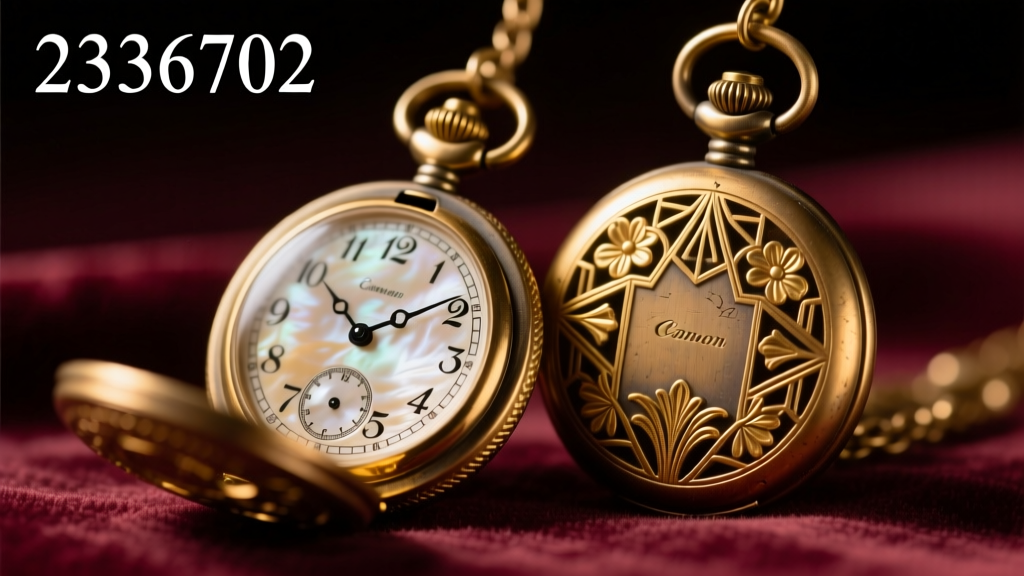
Lot 2336702: A Deep Technical and Historical Analysis of the 1972 Rolex Submariner Ref. 5513 with 'Meter First' Dial and Rare Service Replacement Bezel

The Copper Dish: A Collector’s Guide to Vintage and Antique Copper Cookware

Pictures Calligraphy Reward of Merit: White Ink on Black Parchment Frame, 1896 — A Victorian Masterpiece in Context
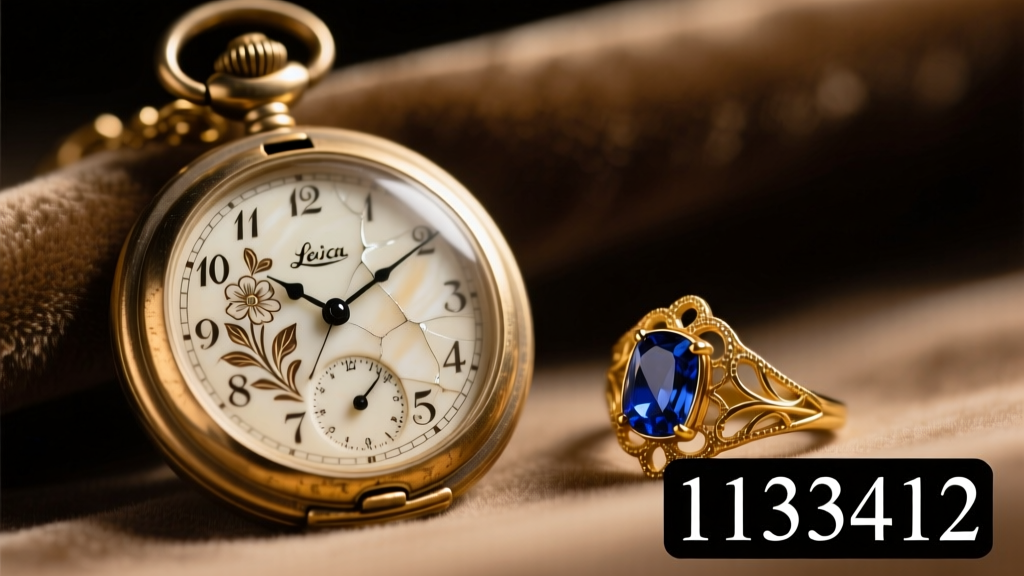
The Omega Seamaster Chronograph Ref. 1133412: A Mid-Century Masterpiece of Precision and Design
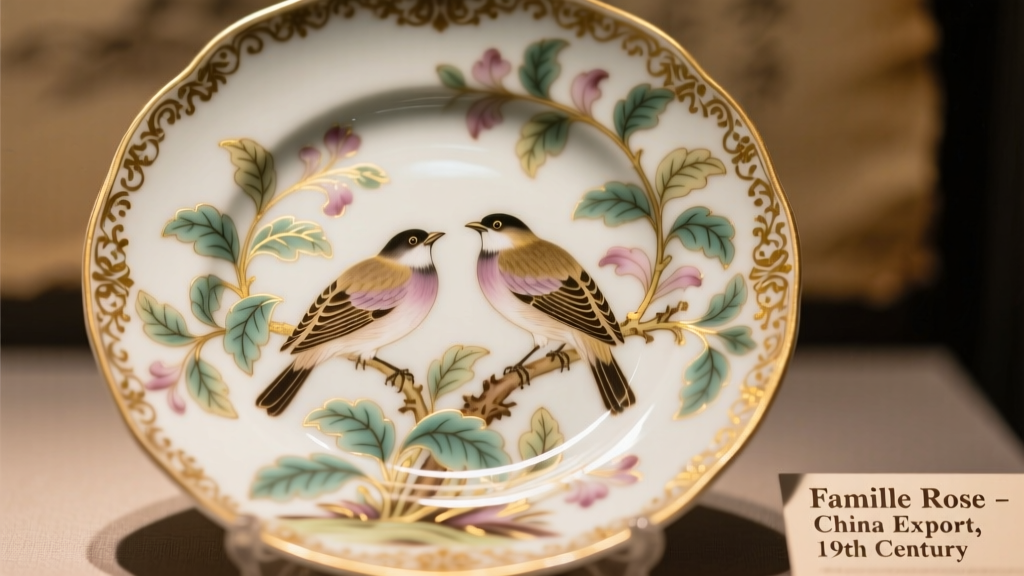
Chinese Export Plate: Birds Amid Foliage, Famille Rose, 19th Century — A Pair of 9-Inch Masterpieces