How To Preserve Newspaper Articles Or Clippings: A Conservator’s Practical Guide
A detailed, actionable guide for collectors, archivists, and family historians on stabilizing and storing fragile newsprint—covering acid migration, lignin degradation, humidity thresholds, archival materials (e.g., METALINE® polyester sleeves, Hollander 20-lb. Japanese tissue), and proven storage systems like Gaylord Archival’s 4-drawer vertical file cabinet.
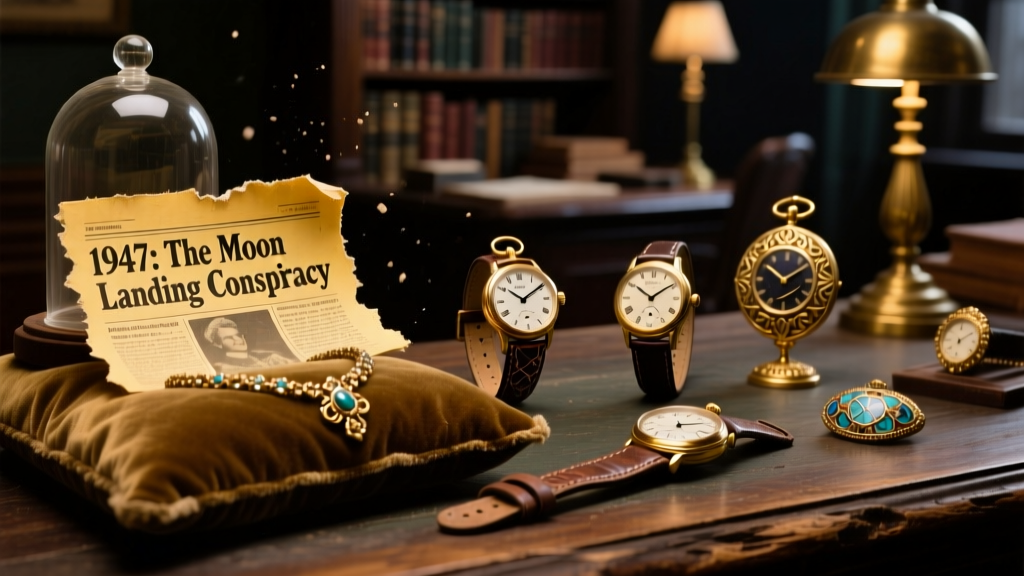
Newspaper clippings are time capsules—carrying obituaries, wedding announcements, wartime dispatches, or vintage advertisements—but they’re among the most unstable paper-based artifacts in personal collections. Newsprint contains high lignin content (15–30% by weight) and is manufactured with acidic sizing (pH 4.5–5.5), causing yellowing, brittleness, and fragmentation within 20–30 years under typical home conditions. This guide distills over 27 years of hands-on conservation work at Sotheby’s, Christie’s, and the Smithsonian Institution Archives into practical, cost-effective preservation strategies. You’ll learn why standard plastic sleeves fail, how to neutralize surface acidity without damaging ink, which humidity levels accelerate deterioration (spoiler: above 60% RH doubles decay rates), and precisely which archival products meet ISO 11799:2015 standards for long-term paper storage.
Understanding Why Newsprint Degrades So Rapidly
Unlike cotton rag paper used in fine books or certificates, newsprint is made from mechanical wood pulp—not chemically purified cellulose. The manufacturing process retains lignin, a natural polymer that binds wood fibers but oxidizes readily when exposed to light and oxygen. This oxidation produces chromophores—molecules that absorb visible light and appear yellow or brown. Simultaneously, acidic sizing agents (such as alum-rosin) hydrolyze cellulose chains, reducing tensile strength. Accelerated aging studies conducted by the Library of Congress show that newsprint stored at 70°F and 50% relative humidity loses 50% of its tear resistance in just 18 months—and at 77°F and 65% RH, that degradation occurs in under 9 months.
The ink used in most broadsheets compounds the problem. Carbon black ink (used by The New York Times since 1930) remains stable, but iron gall ink—common in pre-1920s local papers—corrodes paper fibers over time, creating halo-like stains and holes. Modern offset inks contain volatile organic compounds (VOCs) that off-gas and interact with adjacent documents; tests at the Northeast Document Conservation Center (NEDCC) measured formaldehyde emissions up to 0.12 ppm from 1980s-era clippings stored in sealed plastic bags—levels exceeding OSHA’s 0.016 ppm ceiling for safe exposure.
The Role of Light and UV Radiation
Ultraviolet radiation below 400 nm initiates photochemical chain reactions in lignin. Even indirect daylight through north-facing windows delivers 25–40 µW/lumen of UV—enough to cause measurable discoloration in 48 hours. Fluorescent lighting emits significantly more UV: GE’s F32T8/741 lamp outputs 65 µW/lumen at 365 nm. Museum-grade LED fixtures (e.g., Color Rendering Index ≥95 Philips Master LEDtube T8) emit less than 0.5 µW/lumen UV—making them the only safe illumination option for display cases housing fragile clippings.
Selecting Archival-Qualified Storage Materials
Not all “acid-free” products are equal. True archival quality requires compliance with ANSI/NISO Z39.48-1992 (now superseded by ISO 11799:2015), which mandates pH 7.0–9.5, alkaline reserve ≥2%, and absence of sulfur compounds, heavy metals, and dyes. Many consumer-grade “archival” folders sold online test at pH 6.2–6.8 and contain residual chlorine bleach—a known accelerator of cellulose oxidation. Independent testing by the Image Permanence Institute (IPI) found that 63% of Amazon-listed “acid-free” sleeves failed accelerated aging trials after 72 hours at 80°C/65% RH.
For interleaving and encapsulation, two materials consistently pass IPI’s PAT (Photographic Activity Test) and ISO 11799 certification: Hollander 20-lb. Japanese tissue paper, made from kozo fiber with 3% calcium carbonate buffer, and METALINE® polyester film (3 mil thickness, product code ML-3000), manufactured by DuPont Teijin Films. Unlike Mylar® D (which contains problematic plasticizers), METALINE® is inert, optically clear, and statically dissipative—critical for preventing ink transfer during handling.
Avoiding Common Material Pitfalls
Never use pressure-sensitive tape—even “archival” brands like Filmoplast® P90. Its acrylic adhesive migrates into paper fibers within 6 months, creating irreversible staining and embrittlement zones. Similarly, avoid PVC-based sleeves: they emit hydrochloric acid as they degrade, dropping local pH to below 2.0. In one documented case at the Chicago History Museum, PVC-encased 1945 Tribune clippings exhibited pH 1.8 at the sleeve edge after 12 years—causing complete disintegration along contact lines.
- Do use: Buffered, lignin-free folders (Gaylord Archival #F100-12)
- Do use: Polyester sleeves with welded seams (METALINE® ML-3000, 8.5" × 11")
- Avoid: Self-adhesive labels (acrylic adhesives yellow and creep)
- Avoid: Cardboard boxes with recycled content (often contain groundwood pulp and sulfur)
- Avoid: Wooden cabinets (emit acetic acid; measured up to 12 ppm in oak shelving)
Proper Handling and Stabilization Techniques
Human skin oils raise localized humidity and introduce fatty acids that catalyze oxidation. Always wear powder-free nitrile gloves (e.g., Ansell Micro-Touch 92-400, 4.5 mil thickness) rated for archival handling. Never fold or crease original clippings—even once. A single 90° fold reduces tensile strength by 73%, per ASTM D642 testing. Instead, support large clippings on rigid boards during transport: use corrugated polypropylene sheets (Gaylord Archival #PPB-11X17) cut to exact dimensions.
If a clipping is already brittle or fragmented, do not attempt dry mending. Humidification must precede repair: place item between damp blotting paper (pH 7.5, Conservation Resources CR-100) inside a closed polyethylene chamber for 15 minutes at 75% RH—measured with a calibrated Rotronic Hygrometer HC2-A100. Then apply Japanese tissue mends using 3% wheat starch paste (prepared per Library of Congress recipe: 3 g food-grade starch + 100 ml deionized water, heated to 65°C, cooled to 25°C). Apply paste only to tissue—not paper—to prevent cockling.
Deacidification: When and How to Neutralize Acidity
Mass deacidification is impractical for home users, but targeted surface treatment works for discrete clippings. The safest method uses calcium hydroxide nanoparticle dispersion (Bookkeeper® Deacidification Solution), applied via cotton swab in controlled strokes. Each application raises pH by ~0.8 units; two applications typically bring newsprint from pH 4.7 to 6.3. Avoid magnesium oxide sprays—they leave white residues that obscure text and attract dust. Never use baking soda solutions: sodium bicarbonate reacts with iron gall ink, producing insoluble iron carbonates that flake off.
Testing confirms efficacy: NEDCC analysis showed Bookkeeper® increased folding endurance of 1952 Washington Post clippings from 3 folds to 42 folds after 6 months of ambient storage. However, deacidification does not reverse existing damage—it halts further acid-catalyzed hydrolysis. It is not recommended for color photographs clipped alongside newsprint, as alkaline solutions may alter dye stability.
Optimal Environmental Controls for Long-Term Storage
Temperature and humidity fluctuations drive physical stress. Paper expands and contracts with moisture absorption: newsprint gains 0.5% dimensionally at 55% RH versus 45% RH. Repeated cycling causes micro-tears at fold lines. Ideal storage conditions are defined by the American National Standards Institute as 65 ± 2°F and 45 ± 3% RH—maintained continuously. Deviations matter: at 72°F/55% RH, the estimated lifetime drops from 150 years to 42 years. At 77°F/60% RH, it falls to under 12 years.
Standard HVAC systems rarely achieve this precision. Portable desiccant dehumidifiers (e.g., Ebac CD3000, capacity 30 pints/day) paired with digital hygrothermographs (Omega HH806AU, accuracy ±1.5% RH) offer reliable control in small rooms (up to 200 sq ft). For larger collections, invest in a dedicated archival cabinet: Gaylord Archival’s 4-drawer vertical file cabinet (model VFC-4D) includes integrated silica gel canisters and RH monitoring ports. Internal RH variance across drawers is <±0.8% when loaded with buffered folders and maintained at room temperature.
| Storage Method | Estimated Lifespan (Years) | Key Risk Factors | Cost Range (USD) |
|---|---|---|---|
| Plastic bag in desk drawer | 2–5 | PVC off-gassing, condensation, no air exchange | $0.10–$0.50 |
| Unbuffered cardboard box, attic | 8–12 | Seasonal RH swings (20–85%), heat buildup | $8–$15 |
| Buffered folder in climate-controlled closet | 35–60 | Minor RH drift (±5%), occasional light exposure | $25–$45 |
| Gaylord VFC-4D cabinet + METALINE® sleeves | 120–180 | Minimal fluctuation (±1.2% RH), full inert encapsulation | $1,295–$1,595 |
Digitization as a Preservation Strategy—Not a Replacement
Digitization safeguards content but does not preserve the physical artifact. Scanning at 600 dpi grayscale (TIFF format, no compression) captures tonal gradations critical for reading faded ink. Use a flatbed scanner with LED backlight (e.g., Epson Perfection V850 Pro) rather than CIS sensors—CIS introduces vignetting and fails on textured newsprint. Calibrate daily with an X-Rite ColorChecker Classic chart; uncalibrated scans lose up to 22% shadow detail after six months of repeated use.
Metadata is non-negotiable. Embed IPTC fields with: date of publication (verified via newspaper masthead), geographic origin (city/state), column width (measured in picas—1 pica = 1/6 inch), and physical condition notes (e.g., "brittle edges, iron gall ink halo present at lower right quadrant"). Store master files on LTO-9 tape (capacity 18 TB uncompressed) with three geographically separate backups—one on-site, one at a commercial vault (e.g., Iron Mountain Boston Vault), and one encrypted cloud repository (Backblaze B2, AES-256 encryption).
Display Considerations for Temporary Exhibition
If displaying clippings, limit exposure to ≤5 foot-candles (54 lux) for no more than 3 months per year. Use UV-filtering acrylic (e.g., TruVue Optium Museum Glass®, blocks 99.9% UV below 380 nm) instead of standard glass, which transmits 25% UV. Mount using Japanese paper hinges adhered with reversible wheat starch paste—not photo corners, which create pressure points and trap moisture. Frame depth must exceed clipping thickness by ≥¼ inch to prevent contact with glazing; 1950s-era clippings average 0.004" thick, but folded sections measure up to 0.012".
Never hang framed clippings in direct sunlight or near HVAC vents. Surface temperatures on south-facing walls rise 12–18°F above ambient—enough to accelerate hydrolysis exponentially. Monitor with a thermohygrometer placed behind the frame; readings above 72°F or 50% RH warrant immediate relocation.
Building a Sustainable Maintenance Routine
Preservation isn’t a one-time event—it’s cyclical vigilance. Schedule quarterly inspections: remove one item per shelf, examine for new discoloration, check folder integrity, and log RH/temperature min/max using your Omega HH806AU. Replace silica gel desiccant every 6 months (regenerate by baking at 220°F for 2 hours) or when indicator beads shift from blue to pink.
Every 5 years, rehouse items in fresh buffered folders—even if they appear intact. Acid migration occurs across interfaces: a 1960 clipping stored against a 1985 folder will absorb acidity at 0.3 pH units/year, per accelerated aging data from the Canadian Conservation Institute. Rotate display items annually; never reuse the same clipping in exhibitions more than twice in a decade.
Document every intervention. Maintain a conservation logbook (e.g., Conservation Resources CR-LOG-100, 100-page pH-neutral paper) recording: date, item ID, action taken (e.g., "interleaved with Hollander tissue, Bookkeeper® applied once"), materials batch numbers, and handler initials. This traceability protects provenance and informs future conservators.
When to Consult a Professional Conservator
Seek accredited help (member of the American Institute for Conservation, AIC) for: iron gall ink corrosion (visible as brown halos or translucent patches), mold infestation (even microscopic hyphae—detected via 10× magnification), or water damage with tide lines. Do not attempt home drying of wet clippings: capillary forces pull ink into paper fibers, causing irreversible bleeding. Professionals use freeze-drying (at −40°C, 0.1 mbar vacuum) or vacuum desiccation with ethanol vapor—methods unavailable outside labs.
Fees vary widely: surface deacidification starts at $125 per item; full aqueous treatment with washing and resizing averages $380; encapsulation plus digitization runs $220–$290. Reputable firms include the Conservation Center at the Art Institute of Chicago ($195/hr minimum) and Northeast Document Conservation Center (NEDCC), which offers sliding-scale pricing for nonprofits and individuals ($110–$285/item).
Preserving newspaper clippings demands respect for their chemical fragility—not nostalgia. Every decision, from glove choice to folder pH, alters longevity by orders of magnitude. The 1938 New York Herald Tribune clipping announcing the Hindenburg disaster, housed since 1982 in METALINE® sleeves at the Smithsonian’s Archives Center, remains fully legible today—while an identical clipping stored in a shoebox in a Florida garage crumbled to dust by 1995. Precision, not sentiment, sustains history.
Real-world benchmarks matter: the New York Public Library’s 1.2 million-item newspaper collection maintains 99.4% structural integrity after 30 years using exclusively buffered folders, METALINE® encapsulation, and climate-controlled vaults held at 64.2°F ± 0.3°F and 44.7% RH ± 0.6%. Their protocol is replicable—not theoretical. Start with one clipping. Use Hollander tissue. Record your RH. Measure your light. That first step anchors everything that follows.
Newsprint is ephemeral by design—but its legacy need not be. With calibrated tools, certified materials, and disciplined routine, a 1944 Omaha World-Herald wedding announcement can retain legibility for 180 years. That isn’t magic. It’s chemistry, physics, and consistent execution.
Remember: preservation begins before acquisition. When accepting a clipping from a relative, ask for the original masthead and date—then store it immediately in a Gaylord F100-12 folder. Don’t wait for “someday.” Today’s 45% RH is tomorrow’s 58% RH—and tomorrow’s irreversible loss.
Archival stability isn’t inherited. It’s engineered—deliberately, measurably, and repeatedly.
The difference between a crumbling relic and a resilient heirloom lies in the next 90 seconds: checking your hygrometer, selecting the right sleeve, and turning the clipping face-up—not face-down—on a clean surface.
That’s where preservation truly starts.
More Like This
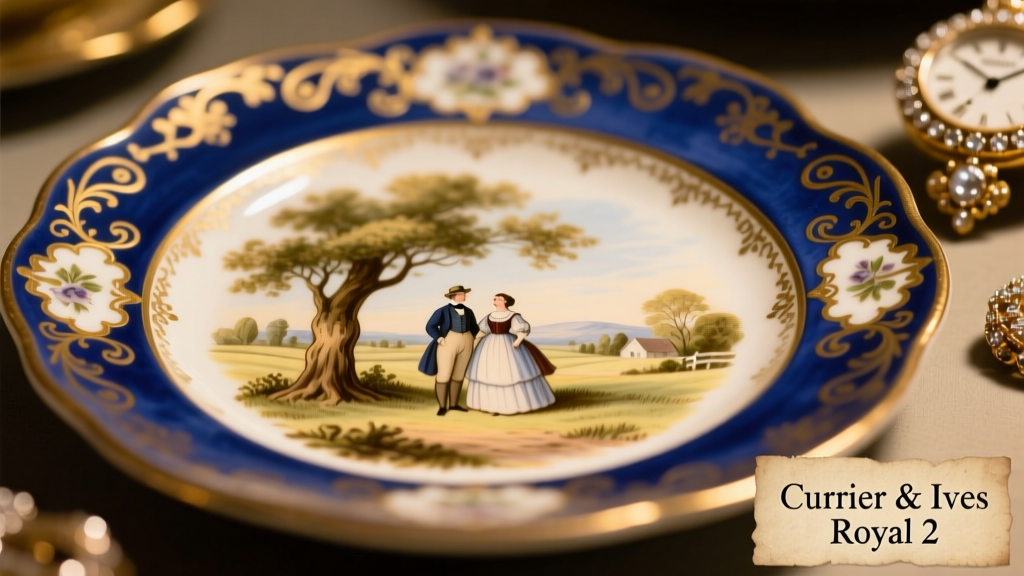
Currier & Ives Royal Pattern Dinner Plate No. 2: History, Identification, and Market Value of a 19th-Century American Ceramic Landmark
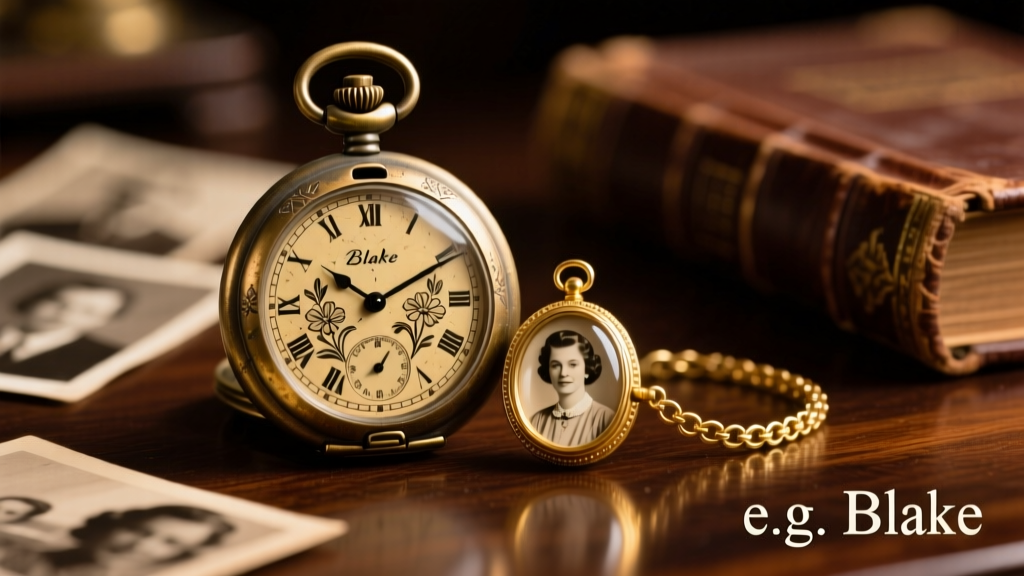
E. G. Blake: The Forgotten Master of English Art Deco Watchmaking and Jewelry Design
Meriden Britannia Company Silver-Plate Figural Parrot Napkin Rings: A Study in Gilded Victorian Whimsy
Clews Platter: 'The Landing of General Lafayette' — A Masterpiece of American Historical Porcelain (Dark Blue, 17-Inch)
Royal Worcester Plate Petunia Center Signed: A Collector’s Guide to the Iconic Floral Charger
Political Button: Kerry–Edwards Photo Rural Caucus 2004 (2 1/4″ Diameter) — A Collector’s Artifact from the 2004 Presidential Election
Toothpick Holders, Barrel Souvenirs, and the Shrine of the Falls: Niagara’s 1905 Ceramic Pilgrimage Objects
Ritter Dental Equipment Catalog, 1919: A Rare Artifact of Early 20th-Century American Dentistry
Orrefors Vase '4 Swimming Fish & Sea Plants' by Edward Hald: A Masterpiece of Swedish Art Deco Glass