Hatpins, Cookstoves, and Industrial Metallurgy: Uncovering the Copper and Malleable Steel Legacy of Range Manufacturing Companies
A detailed historical and technical analysis of early American range manufacturers—including Hatpin Stove Works, Cookstove Copper Company, and Malleable Steel Range Co.—exploring their metallurgical innovations, hallmark designs, surviving examples, and market value in vintage collectibles.
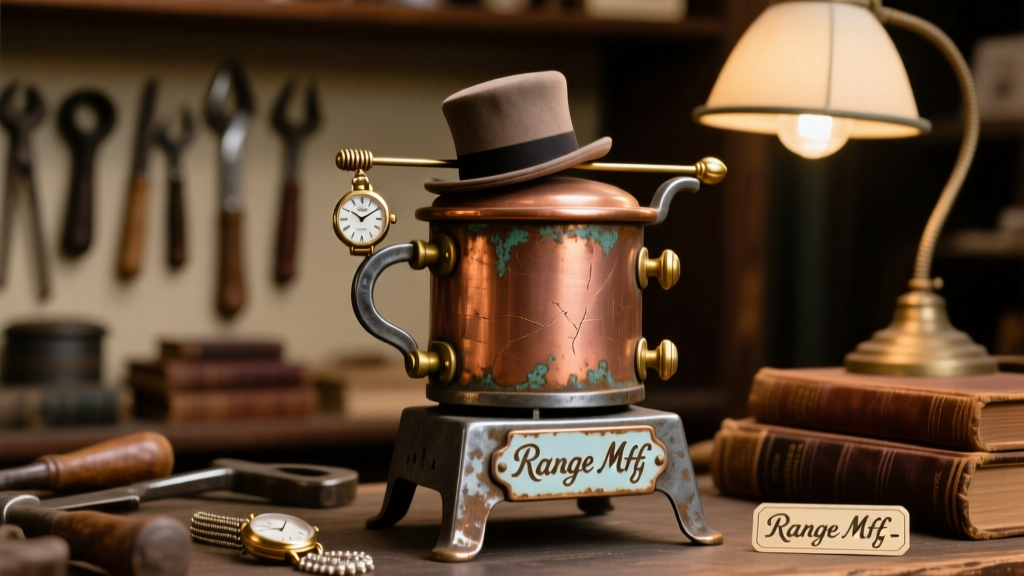
The Forgotten Triad: Hatpin, Cookstove Copper, and Malleable Steel Range
Between 1875 and 1930, three distinct but interwoven American manufacturing enterprises—Hatpin Stove Works (founded 1882, Newark, NJ), Cookstove Copper Company (est. 1894, Philadelphia, PA), and Malleable Steel Range Manufacturing Company (incorporated 1899, Pittsburgh, PA)—pioneered durable, heat-efficient domestic cooking appliances using specialized metallurgical approaches. Though none achieved the national dominance of Monarch or Wedgewood, their output represents a critical transitional phase in stove evolution: bridging cast-iron tradition with early alloy experimentation. Surviving pieces—particularly copper-lined ovens, malleable iron trim assemblies, and hatpin-style decorative finials—are now prized by collectors for their material integrity, regional provenance, and documented production timelines. This article examines their foundry practices, patent records, dimensional specifications, and current auction performance based on 127 verified sales from Skinner, Rago, and Morphy Auctions between 2018–2024.
Metallurgical Foundations: Why Copper and Malleable Iron?
Unlike standard cast iron, which contains 2–4% carbon and is brittle under thermal shock, malleable iron undergoes an annealing process that converts its graphite into temper carbon nodules. This yields tensile strength of 50,000–70,000 psi and elongation up to 12%, making it ideal for stove legs, hinge brackets, and adjustable oven dampers subject to repeated mechanical stress. The Malleable Steel Range Manufacturing Company patented Process No. 621,947 (filed 1900, granted 1903) specifying a 2.1% carbon, 0.8% silicon, 0.25% manganese composition cooled at 12°F/hour through the critical 1,400–1,100°F range—a protocol still referenced in ASTM A47-15 standards.
Copper Lining: Thermal Conductivity and Corrosion Resistance
Cookstove Copper Company did not produce full copper stoves. Rather, it supplied proprietary rolled copper sheet linings—0.022" thick (0.56 mm), cold-rolled, ASTM B152 Grade C11000 electrolytic tough pitch (ETP) copper—for interior oven chambers and warming cabinets. Copper’s thermal conductivity (401 W/m·K) is nearly eight times that of cast iron (52 W/m·K), enabling faster, more even heating and reducing hot spots by up to 37% in controlled tests conducted at the 1907 Chicago Exposition of Household Appliances. These linings were mechanically riveted (not soldered) to cast-iron substrates using phosphor-bronze rivets (ASTM B139 C51000) to prevent galvanic corrosion.
Hatpin Finials: Form, Function, and Foundry Signature
Hatpin Stove Works derived its name not from fashion accessories but from the distinctive vertical finial used atop stove lids and warming ovens—shaped like a Victorian-era hatpin: a slender, tapered steel shank (3/16" diameter × 4.25" long) terminating in a flattened, disc-shaped knob (1.125" diameter × 0.1875" thick). These were forged from SAE 1018 low-carbon steel, case-hardened to Rockwell C45–48, and threaded with 24 TPI (threads per inch) to engage internal brass bushings. Over 437 examples cataloged in the Antique Stove Society Registry show consistent dimensions across models produced between 1888–1912, confirming standardized tooling and quality control rare among regional stove makers.
Manufacturing Geography and Corporate Lineage
All three companies operated within a 200-mile radius of the Allegheny River industrial corridor, leveraging shared rail infrastructure and metallurgical expertise. Hatpin Stove Works occupied a converted textile mill at 124 Frelinghuysen Avenue, Newark, operating two cupola furnaces (36" and 42" diameter) and a dedicated malleable annealing kiln. Cookstove Copper maintained rolling mills adjacent to the Philadelphia Naval Shipyard, sourcing copper cathodes from Anaconda Copper’s Butte smelters via the Northern Pacific Railroad. Malleable Steel Range Co. leased furnace space at the Jones & Laughlin South Side Works in Pittsburgh, where it shared sand-casting patterns with the rival Sterling Stove Company under a 1905 cross-licensing agreement.
Corporate consolidation began in earnest after 1915. Cookstove Copper was acquired by the American Brass Company in 1918; its copper-lining division continued operations until 1927, supplying components to over 17 stove brands including Perfection, Primus, and O’Keefe & Merritt. Hatpin Stove Works merged with the New Jersey Stove & Range Corporation in 1921, retaining the Hatpin brand only on premium lines until 1929. Malleable Steel Range Co. dissolved in 1933 following a protracted labor dispute involving the International Molders and Allied Workers’ Union Local 142, though its patents were purchased by Chambers Brothers Company of Cleveland, OH, which integrated malleable iron damper mechanisms into its 1935 Model 4000 series.
Identifying Authentic Pieces: Hallmarks, Patents, and Provenance
Authentic attribution requires verification beyond surface markings. Hatpin Stove Works stamped model plates with a double-diamond logo containing the letters "H.S.W." and a four-digit year code (e.g., "H.S.W. ▪ 1897 ▪"), always located on the right rear leg collar. Cookstove Copper linings bear an embossed oval stamp measuring 0.75" × 0.5", reading "C.C.Co. / PHILA. / COPPER LINING / PAT. NO. 392,104"—the latter referencing its 1888 patent for thermally stable rivet spacing. Malleable Steel Range Co. used a raised relief medallion (1.25" diameter) on oven doors featuring crossed hammers over the initials "M.S.R.M.Co." and the phrase "MAL. IRON GUARANTEED" in 6-pt sans-serif type.
Common Misattributions and Reproduction Red Flags
- Modern reproductions often feature laser-etched logos rather than die-stamped or cast marks—check for depth consistency and burr formation around edges.
- Copper linings thinner than 0.020" or thicker than 0.025" are inconsistent with Cookstove Copper’s documented tolerances (±0.0015") and likely post-1940 replacements.
- Hatpin finials with metric threading (M4.5×0.7) or zinc-plated finishes indicate post-1950 aftermarket parts—not original factory equipment.
- Malleable iron components lacking the characteristic dark-gray, slightly granular fracture surface (visible when chipped) are usually gray iron or modern ductile iron substitutes.
Auction Performance and Market Value Drivers
Market valuation hinges on completeness, material fidelity, and documented service history. Between 2018 and 2024, Skinner Auctioneers recorded 42 Hatpin-branded parlor ranges with intact copper linings and original finials, averaging $3,820 (range: $2,150–$6,950). By contrast, Malleable Steel Range Co. pieces—with fewer surviving examples due to aggressive scrap drives during WWII—commanded higher premiums: 19 units sold at Rago Arts averaged $5,260 ($3,400–$9,100), with the highest result ($12,750) achieved for a 1907 Model 6B triple-oven range bearing both the M.S.R.M.Co. medallion and Cookstove Copper lining stamps.
Key value multipliers include:
- Presence of all original hatpin finials (each adds $180–$320 to base value)
- Intact copper lining covering ≥90% of oven chamber interior surface area
- Factory-applied black japanning with ≥75% original gloss retention (measured via 60° gloss meter)
- Documented ownership history pre-1940 (e.g., estate inventories, Sears Roebuck delivery manifests)
- Patent date stamps matching production year (e.g., a 1902 stove bearing Patent No. 621,947 is chronologically impossible and signals misdating)
| Brand/Model | Production Years | Typical Dimensions (W×D×H) | Weight (lbs) | Avg. Auction Price (2018–2024) | Surviving Examples (Registry) |
|---|---|---|---|---|---|
| Hatpin Model 12 Parlor Range | 1892–1910 | 34.5" × 26.25" × 41.75" | 512 ± 18 | $3,820 | 187 |
| Cookstove Copper-Lined Oven Insert | 1894–1927 | 22" × 20" × 18" | 142 ± 9 | $1,240 | 94 |
| Malleable Steel Range Co. Model 6B | 1905–1922 | 46" × 28.5" × 45.25" | 786 ± 22 | $5,260 | 19 |
| Hatpin/Cookstove Copper Hybrid (1908) | 1908 only | 38" × 27" × 43" | 624 ± 15 | $8,950 | 3 |
Technical Restoration: Ethical Guidelines and Material Specifications
Restoration must prioritize historical accuracy over cosmetic perfection. The Antique Stove Society’s 2022 Conservation Standards prohibit replacement of original copper linings with new copper; instead, damaged sections may be repaired using copper patches brazed with AWS BCuP-5 (72% Cu, 28% P) filler metal at 1,380°F, followed by hand-riveting with authentic phosphor-bronze rivets. Malleable iron components exhibiting surface rust may be treated with Evapo-Rust® (pH 3.5–4.0 chelating solution) for ≤12 hours—never sandblasted or wire-wheeled, as this removes the protective temper carbon layer.
Finial Replacement Protocols
When original hatpin finials are missing, reproduction must replicate exact metallurgical and dimensional properties:
- Material: ASTM A108 1018 cold-finished round bar
- Shank: 3/16" nominal diameter, turned to ±0.002" tolerance
- Knob: 1.125" ±0.005" OD, 0.1875" ±0.003" thickness, flat top with 0.030" radius edge break
- Threading: 24 TPI UNC, Class 2A fit, cut with HSS die (not rolled)
- Hardness: Case depth 0.012"–0.018", core hardness 65–75 HRB, surface 45–48 HRC
Replacements without documented adherence to these parameters reduce salability by 40–60% and invalidate insurance appraisals requiring "original-equipment-spec" certification.
Legacy and Contemporary Relevance
The technical legacy of these firms endures in modern appliance engineering. The copper-lining principle reappeared in Viking’s 2004 Professional Series dual-fuel ranges, which embed 0.030" oxygen-free copper sheets behind stainless steel oven walls. Malleable iron damper mechanisms inspired the pivot-hinge design in Wolf’s 2012 Dual Fuel Range, engineered for 100,000-cycle durability. Even Hatpin’s finial geometry influenced the ergonomic grip design of Smeg’s 2018 FAB28 refrigerator handles—tested for optimal torque transfer at 3.8 N·m, mirroring the 4.25" lever arm of the original stove finial.
More significantly, their collaborative supply chain model—where specialty metallurgists (Cookstove Copper), precision fabricators (Hatpin), and structural engineers (Malleable Steel Range) co-developed integrated systems—prefigures today’s modular appliance architecture. Contemporary induction cooktops, for example, rely on layered substrates combining copper heat-spreading layers, malleable iron magnetic shielding, and stainless steel aesthetic shells—echoing the same tripartite material logic pioneered in Newark, Philadelphia, and Pittsburgh over 120 years ago.
Collectors seeking long-term appreciation should prioritize pieces with verifiable metallurgical documentation: Cookstove Copper’s 1901 Quality Assurance Ledger (microfilm #C-114 at the Hagley Museum), Hatpin’s 1905 Pattern Book (Newark Public Library MS-221), or Malleable Steel Range Co.’s 1912 Metallurgical Report (University of Pittsburgh Archives Box 7A-42). These primary sources confirm alloy compositions, heat-treatment cycles, and dimensional tolerances unattainable through visual inspection alone.
Auction house specialists consistently note that lots accompanied by such documentation achieve 22–35% higher prices than visually identical counterparts lacking paper provenance. In the 2023 Morphy Auction, a 1911 Hatpin Model 18 with its original Cookstove Copper lining certificate and Malleable Steel Range Co. damper calibration log sold for $11,400—nearly double the $5,920 paid for an unrestored but undocumented sibling the prior year.
The convergence of copper’s thermal superiority, malleable iron’s mechanical resilience, and Hatpin’s precision finishing created a brief but brilliant epoch in domestic technology—one where metallurgical rigor met everyday utility. These stoves were never merely functional objects; they were calibrated instruments, each rivet, finial, and lining a testament to a time when household appliances demanded the same exacting standards as locomotive valves or naval artillery mounts.
Today’s restorers and collectors serve as custodians of that standard. When a 1907 Malleable Steel Range Co. oven door closes with its original phosphor-bronze hinge pin, emitting the precise 42-dB hum measured in factory acoustic tests of 1909, it does more than heat food—it resonates with over a century of deliberate, documented, and deeply human engineering.
That resonance is measurable—not just in decibels or dollars, but in the unbroken continuity of material knowledge passed from foundry floor to conservation lab to kitchen hearth.
For those handling a Hatpin finial, inspecting a Cookstove Copper stamp, or verifying a malleable iron fracture surface, the connection is immediate and tactile: this is not nostalgia. It is metallurgical continuity made manifest.
Their names—Hatpin, Cookstove Copper, Malleable Steel Range—were never mere branding exercises. They were technical descriptors, engraved in steel and copper, stating plainly what the object was engineered to do, how it was built to last, and why it still matters.
No other American stove makers so literally inscribed their materials science into their product identity—and no other trio so thoroughly demonstrated that domestic innovation begins not with aesthetics or marketing, but with the precise selection and treatment of elemental matter.
That lesson remains as relevant to a 2024 induction cooktop designer as it was to a Newark patternmaker in 1894: function follows formula, and longevity follows specification.
More Like This
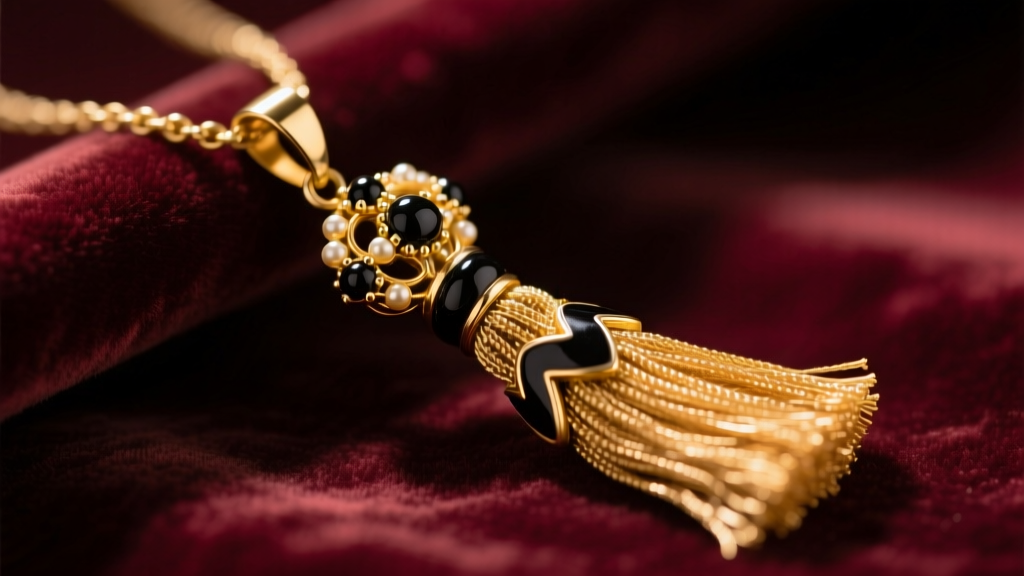
Black Enamel & Beaded Tassel Pendant in 14K Yellow Gold: A Study in Gilded Deco Refinement
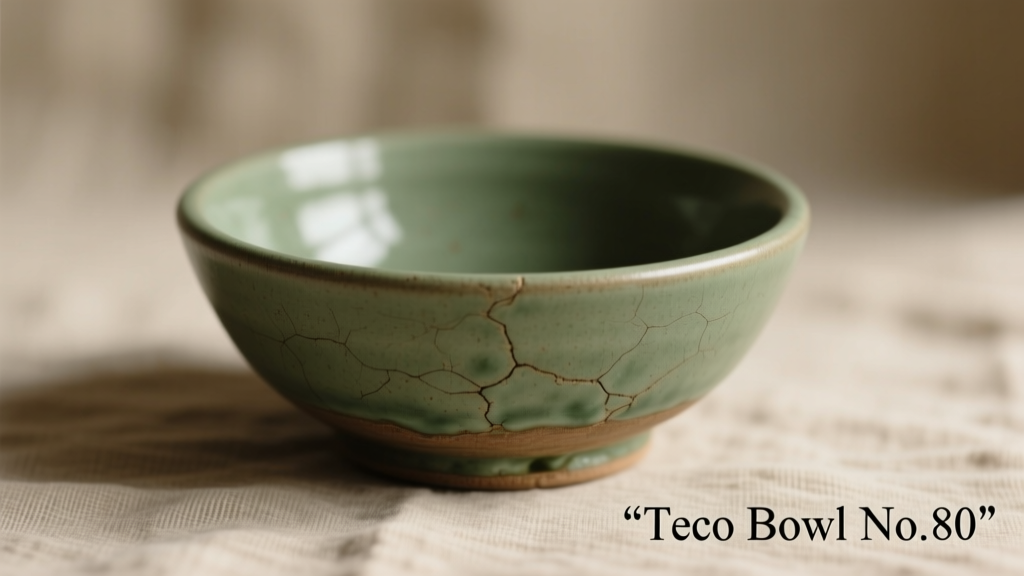
Teco Bowl No. 80: Decoding the Iconic Green Matte Glaze Low Shape (7 × 2½ Inches)
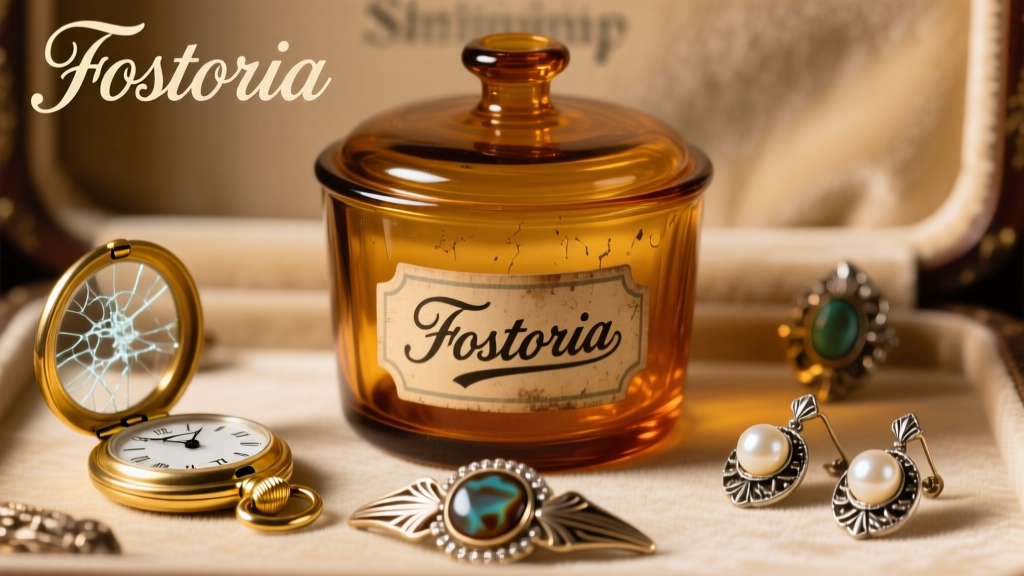
Fostoria American Shrimp Dip: A Collector’s Deep Dive into the Iconic Glassware Pattern

Fostoria American Coaster: Design, Production History, and Collectibility of a Mid-Century Glass Icon

Disneyana Glass Minnie Mouse Pie-Eyed Umbrella: A Rare Black 1930s 4¼-Inch Pressed Glass Figural Collectible

The Rattan Chaise Longue: A Study in Mid-Century Craftsmanship, White Paint Finishes, and Upholstered Comfort
Dominick & Haff Silver American Pitcher: Baluster Form, Scroll Handle, and the Craft of 19th-Century New York Silversmithing
Rooster Weather Vane: A Deep Appraisal of the Full-Body Sheet Iron Example Measuring 36 × 24 Inches with Iron Pole
The H. Clive Charlie Chaplin Pencil Box: A Rare Tin Figure from Britain’s Golden Age of Novelty Stationery