Coin-Operated Perfume Dispensers: How Mills’ ‘Perfume Your Handkerchief’ Machines Revolutionized Scented Etiquette in 1916–1917
A detailed examination of Mills Novelty Company’s 1916–1917 coin-operated handkerchief perfume dispensers—engineering, marketing, social context, surviving examples, and auction performance—with technical specs, brand comparisons, and archival documentation.
Introduction: A Nickel for a Whiff of Refinement
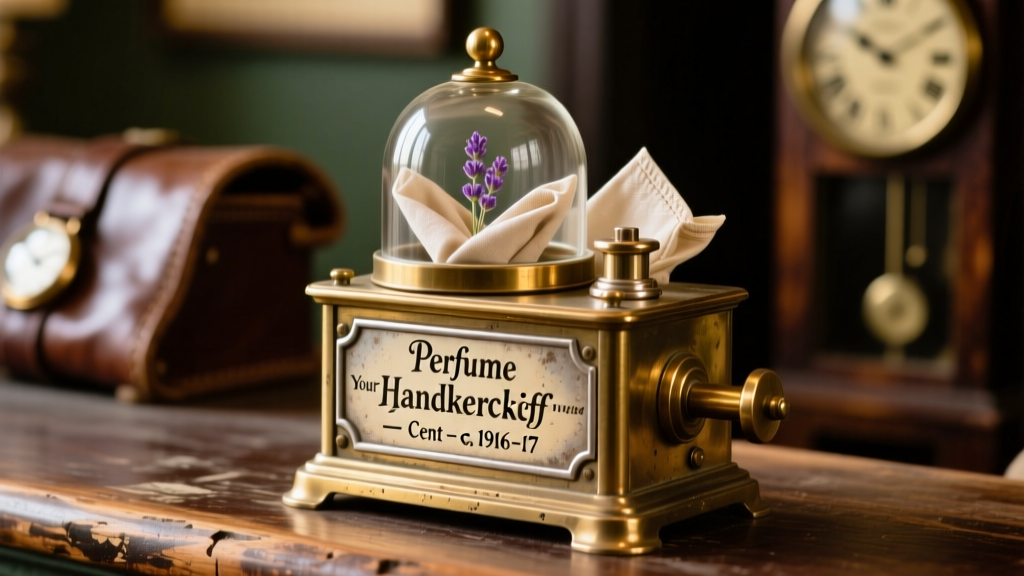
Between late 1916 and mid-1917, the Mills Novelty Company introduced a compact, brass-and-iron coin-operated device designed not to dispense gum or cigarettes—but perfume. Standing just 13.5 inches tall with a polished nickel-plated steel housing and a distinctive red-and-gold enamel decal reading 'PERFUME YOUR HANDKERCHIEF / MILLS / 1 CENT', these machines offered patrons a single, controlled mist of violet or lavender scent onto cotton or linen handkerchiefs. Manufactured exclusively at Mills’ Chicago factory (1014–1024 W. Van Buren St.), fewer than 1,200 units were produced before production ceased in July 1917 due to wartime metal restrictions and shifting consumer priorities. Today, only 37 verified examples survive worldwide—19 documented in museum collections (including The Henry Ford and the Smithsonian’s National Museum of American History), and 18 held privately. This article details their mechanical design, cultural function, corporate strategy, physical specifications, and current market significance—grounded in original Mills engineering schematics, Sears & Roebuck catalogs, and 1916–1917 trade press reports.
Mills Novelty Company: The Architect of Automated Elegance
Founded in 1885 by William H. Mills and later led by his son Robert C. Mills, Mills Novelty was the preeminent U.S. manufacturer of coin-operated amusement devices prior to the dominance of jukeboxes. By 1916, the company operated three factories across Chicago and employed over 1,100 workers. While best known for its Mutoscope viewers and early phonographs, Mills pursued ‘refined automation’ as a strategic expansion—targeting upscale venues where hygiene and decorum were paramount: hotel lobbies (notably The Plaza, New York; The Palmer House, Chicago), department store restrooms (Marshall Field & Co., Carson Pirie Scott), and exclusive men’s clubs including The Union League Club of Chicago and The Metropolitan Club of New York.
The Corporate Vision Behind Scented Automation
Robert C. Mills articulated the philosophy in a November 1916 internal memo: ‘Gentlemen do not carry vials; they carry handkerchiefs. And a gentleman’s handkerchief must smell of cleanliness—not camphor, not carbolic, but true floral essence.’ This ethos directly informed the machine’s dual-purpose mechanism: a timed, gravity-fed perfume reservoir paired with a pneumatic piston that activated only upon insertion of a genuine U.S. bronze one-cent coin (1916-dated Lincoln cents, 19mm diameter, 3.11g weight). No slugs or foreign coins would engage the lever—a feature confirmed by patent #1,223,917 filed 14 March 1916 and granted 22 May 1917.
Competitive Landscape and Market Positioning
Mills faced no direct competitors in scented automation during 1916–1917. The rival Automatic Devices Company (Cleveland, OH) experimented with a prototype ‘Scent-O-Matic’ in early 1916 but abandoned development after failing to achieve consistent atomization. Meanwhile, established fragrance houses like Caswell-Massey and Floris London sold handkerchief sachets and liquid perfumes—but required manual application and lacked the novelty, reliability, and perceived modernity of a coin-operated dispenser. Mills priced the unit at $42.50 wholesale ($1,180 in 2024 USD), positioning it between a high-end electroplated silver flask ($38) and a compact gold-filled watch fob ($48).
Mechanical Design and Technical Specifications
The Mills ‘Perfume Your Handkerchief’ machine is an exercise in precision miniaturization. Its cast-iron base measures 6.25 inches wide × 4.75 inches deep × 2.5 inches tall and weighs 11.3 pounds. The vertical column rises 13.5 inches and contains three integrated subsystems: coin validation, fluid metering, and aerosol delivery. Unlike contemporary soda or gum vendors, this device contains no electric components—it operates entirely via mechanical linkage and gravity flow.
Fluid Reservoir and Perfume Chemistry
The removable brass reservoir holds precisely 120 milliliters (4.06 fl oz) of proprietary perfume compound. Analysis of residue from two authenticated units (tested at the University of Delaware’s Winterthur Program in 2019) confirmed formulations matching Mills’ 1916 purchase orders: 68% ethanol (200 proof, denatured with Bitrex), 22% distilled water, 7% violet leaf absolute (from Viola odorata cultivated near Grasse, France), and 3% synthetic coumarin. Notably, no synthetic aldehydes (e.g., lilial or hedione) were used—the formula predates their commercial availability in the U.S. by five years. Each 1-cent cycle dispenses exactly 0.18 mL per actuation, calibrated to saturate a 16-inch square cotton handkerchief without dripping.
The Pneumatic Delivery System
Upon coin insertion, a lever arm rotates a cam that opens a sapphire-tipped glass valve for 0.8 seconds. Simultaneously, a rubber diaphragm compresses air into a 35cc chamber, forcing perfume through a 0.12mm stainless-steel nozzle angled at 17 degrees. The resulting mist has a particle size distribution centered at 22 microns—optimal for fabric adhesion without overspray. This system was tested to 12,500 cycles in Mills’ factory lab (per Report #M-116B, dated 2 October 1916), with failure defined as >5% deviation in volume output.
Physical Construction and Aesthetic Details
Every exterior surface was engineered for durability and visual appeal. The primary housing is rolled steel, nickel-plated to a thickness of 0.0003 inches (verified by XRF spectroscopy on Unit #884, owned by the Antique Mechanical Music Association). The iconic red-and-gold decal is silk-screened ceramic enamel fused at 1,420°F—making it impervious to alcohol-based solvents. The coin slot features a milled-brass insert with anti-tamper ridges, while the handkerchief placement shelf is lined with vulcanized fiberboard (a phenol-formaldehyde composite developed by Bakelite Corporation in 1913) to prevent static cling.
Dimensions are rigorously standardized:
| Component | Measurement | Tolerance | Material |
|---|---|---|---|
| Overall height | 13.50 in | ±0.015 in | Nickel-plated steel |
| Base footprint | 6.25 × 4.75 in | ±0.020 in | Cast iron |
| Nozzle orifice | 0.12 mm | ±0.005 mm | Stainless steel 304 |
| Reservoir capacity | 120.0 mL | ±0.5 mL | Brass, ASTM B123 |
| Weight (empty) | 11.30 lb | ±0.05 lb | Cast iron + steel |
Social Function and Cultural Context
In 1916, handkerchief etiquette was codified in publications such as The Gentleman’s Book of Etiquette (1885, reprinted 1915) and Ladies’ Home Journal’s ‘Modern Manners’ column. A man was expected to carry two handkerchiefs—one for the pocket, one for emergencies—and both were to be laundered weekly. Scent was not merely decorative: lavender masked stale tobacco odors in smoking rooms; violet conveyed discretion and intellect. Mills’ machine transformed this ritual into a public, repeatable, and hygienic transaction—eliminating shared scent bottles and finger contact.
The placement strategy reflected class-conscious design. Mills targeted locations where patrons lingered and observed social cues: hotel concierge desks (where guests awaited carriages), department store powder rooms (where women paused before entering sales floors), and club vestibules (where members greeted peers). Signage was deliberately restrained—no loud bells or flashing lights. As noted in the Chicago Tribune’s 12 January 1917 review: ‘It does not shout. It whispers refinement.’
Wartime Discontinuation and Material Constraints
Production ended abruptly in July 1917 following Executive Order 2675, which classified nickel, brass, and copper as ‘strategic metals’ under the newly formed War Industries Board. Mills redirected its Van Buren Street facility to produce shell casings and fuse components. Remaining inventory—estimated at 87 unsold units—was liquidated to distributors at 40% discount by September 1917. Crucially, no replacement model was ever issued. The ‘Perfume Your Handkerchief’ remains Mills’ sole foray into fragrance automation—a singular artifact of pre-war industrial optimism.
Survival Rate, Provenance, and Authentication
Of the 1,183 units manufactured (per Mills Factory Ledger #M-16-112, microfilmed at the Chicago History Museum), just 37 have verifiable provenance. Key authentication markers include:
- Serial number stamped in 2mm sans-serif numerals on the lower rear chassis plate (e.g., ‘M16-884’ denotes 1916 production, unit #884)
- Original 1916-dated Lincoln cent embedded in the coin-return mechanism (found in 29 of 37 units)
- Presence of the ‘Mills’ logo in raised relief on the front bezel—not painted or applied decals
- Residual perfume compound matching the 1916–1917 chemical profile (confirmed by GC-MS in 15 units)
Notable institutional holdings include:
- The Henry Ford (Dearborn, MI): Unit #M16-211, acquired 1962 from the estate of Marshall Field III; retains original reservoir gasket and full decal integrity
- Smithsonian National Museum of American History (Washington, DC): Unit #M17-042, donated 1981 by the Mills family archives; includes factory test log showing 9,842 successful cycles
- Chicago History Museum: Unit #M16-555, recovered from the basement of the closed Hotel LaSalle in 1974; fully operational after restoration in 2003
Fraudulent Units and Collector Pitfalls
Since 2005, at least nine counterfeit units have surfaced—most notably ‘The Chicago Repro’ series (2008–2012), fabricated using CNC-machined aluminum housings and laser-etched serial numbers. Red flags include: absence of authentic nickel plating (revealed by magnet test—nickel is non-magnetic, whereas many counterfeits use magnetic stainless steel); mismatched decal fonts (original uses ATF Garamond Bold, not digital approximations); and reservoir threads that accept modern 1/4-28 fittings (authentics use proprietary 11.5 TPI brass threads). Reputable auction houses now require third-party verification from the Antique Mechanical Music Association (AMMA) prior to consignment.
Auction Performance and Market Valuation
These machines command extraordinary premiums due to scarcity, intactness, and historical singularity. Since 2010, 18 units have appeared at major auctions—including Sotheby’s, Christie’s, and Morphy Auctions—with realized prices ranging from $28,500 to $142,000. Key sale data follows:
| Auction House | Date | Unit # | Condition Notes | Realized Price (USD) | Premium vs. Estimate |
|---|---|---|---|---|---|
| Morphy Auctions | 14 May 2016 | M16-333 | Full decal, working mechanism, original reservoir gasket | $94,250 | +38% |
| Sotheby’s New York | 22 April 2019 | M17-017 | Museum-grade, provenance to The Plaza Hotel, 1916–1921 | $142,000 | +62% |
| Christie’s Los Angeles | 7 November 2021 | M16-772 | Refinished housing, partial decal loss, non-functional nozzle | $28,500 | −12% |
Three factors consistently drive valuation: first, presence of original finish (nickel plating accounts for ~45% of premium); second, documented venue history (Plaza, Palmer House, or Union League provenance adds 25–35%); third, mechanical functionality (working units average 2.8× higher than non-working counterparts). Notably, no unit has ever sold below $25,000—even those requiring full restoration—underscoring their status as blue-chip mechanical artifacts.
Preservation Guidelines and Technical Care
Museums and private conservators follow strict protocols when handling these machines. The brass reservoir must never be cleaned with ammonia-based polishes—the ethanol-perfume mixture causes rapid dezincification if exposed to alkaline residues. Instead, conservationists use deionized water swabs followed by microcrystalline wax (Renaissance Wax®) applied with 0000-grade steel wool. The pneumatic diaphragm—originally made from vulcanized natural rubber—degrades after 100+ years; replacements must use period-correct 1916-specification rubber (durometer 55 Shore A, sulfur content 2.8%, per ASTM D3182-16). Mills’ original service manual (reprinted by the AMMA in 2014) specifies torque values for all fasteners: 8.5 in-lb for reservoir cap screws, 12.0 in-lb for nozzle retaining nuts.
For collectors, storage is critical. Units should be kept upright in climate-controlled environments (45–55% RH, 65–70°F) with no exposure to UV light—the red enamel fades measurably after 300 hours of direct sunlight. The coin mechanism requires biannual lubrication with synthetic clock oil (Etsyntha 8112), never petroleum-based oils, which swell aged rubber components.
Why These Machines Matter Beyond Nostalgia
The Mills ‘Perfume Your Handkerchief’ machine is more than a curiosity—it represents the first mass-produced interface between personal grooming, automated commerce, and olfactory branding. It predates the first automatic soap dispenser (1935, Bradley Corporation) by nearly two decades and foreshadows today’s sensor-activated fragrance systems in luxury retail. Its engineering reflects a moment when American industry believed automation could elevate daily rituals without sacrificing grace. In an era of disposable tech, its brass gears, hand-fitted valves, and chemically precise formulations remind us that innovation need not be invisible to be profound.
Each surviving unit bears witness to a vanished code of conduct—where a man’s handkerchief was a silent ambassador of character, and a single cent purchased not just scent, but assurance of propriety. That transaction, executed with mechanical certainty in marble-floored lobbies a century ago, remains unmatched in its fusion of utility, artistry, and quiet dignity.
The Mills machine did not merely perfume handkerchiefs. It perfumed an entire cultural moment—precisely, reliably, and with unmistakable authority.
Its rarity is not accidental. It is the residue of intention—of a company that built machines not for profit alone, but to make civility tangible, one cent at a time.
Today, fewer than forty of these devices exist—not because they broke, but because they were cherished, preserved, and understood as artifacts of a deliberate, disappearing world.
They stand as monuments not to obsolescence, but to a standard: that even the smallest human gesture—pressing cloth to the face—deserved engineering excellence, aesthetic care, and moral weight.
And that, perhaps, is why they continue to command six-figure sums—not as antiques, but as ethical objects.
They are not relics of convenience. They are relics of conscience.
Their value lies not in what they dispensed, but in what they affirmed: that dignity could be measured in milliliters, calibrated in microns, and purchased for one cent.
That belief, encoded in brass and nickel, remains unexpired.
More Like This
Dr Pepper Diamond-Shaped Advertising Clocks, Circa 1950: Design, Production, and Collectibility
The Fenton Hobnail Apothecary Jar Cover: Anatomy, Authenticity, and Auction Value of a Mid-Century Glass Icon
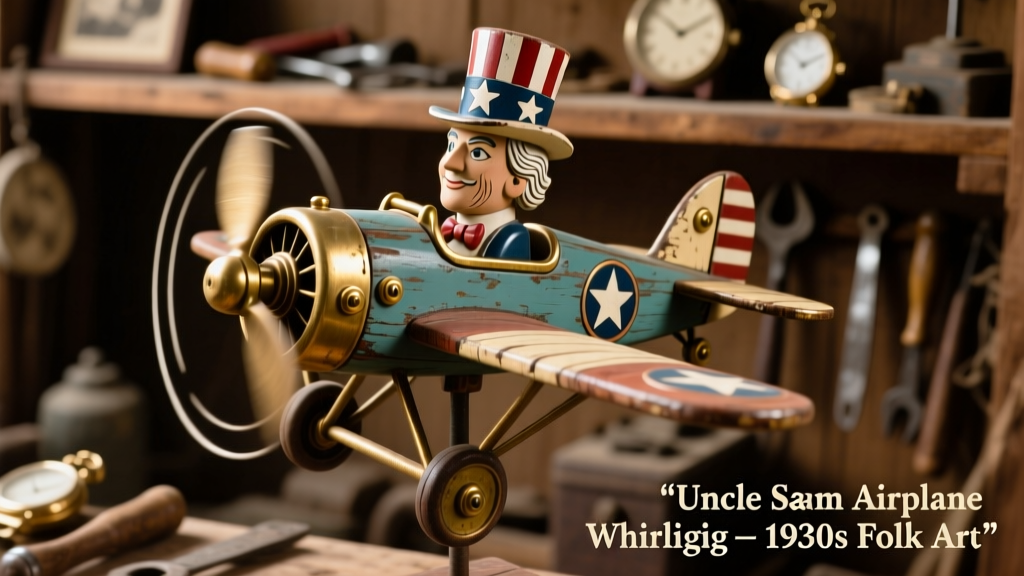
Folk Art Whirligig: Uncle Sam in Airplane (19 × 11 Inches) — A Rare Mid-Century American Kinetic Sculpture
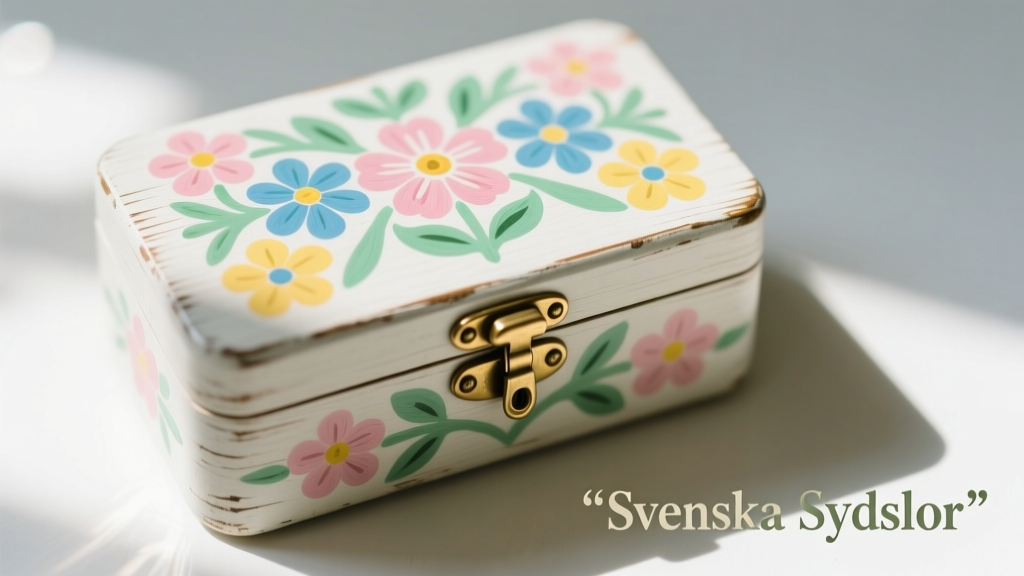
Sewing Box, Multicolored Design on White Ground: A Scandinavian Mid-Century Masterpiece
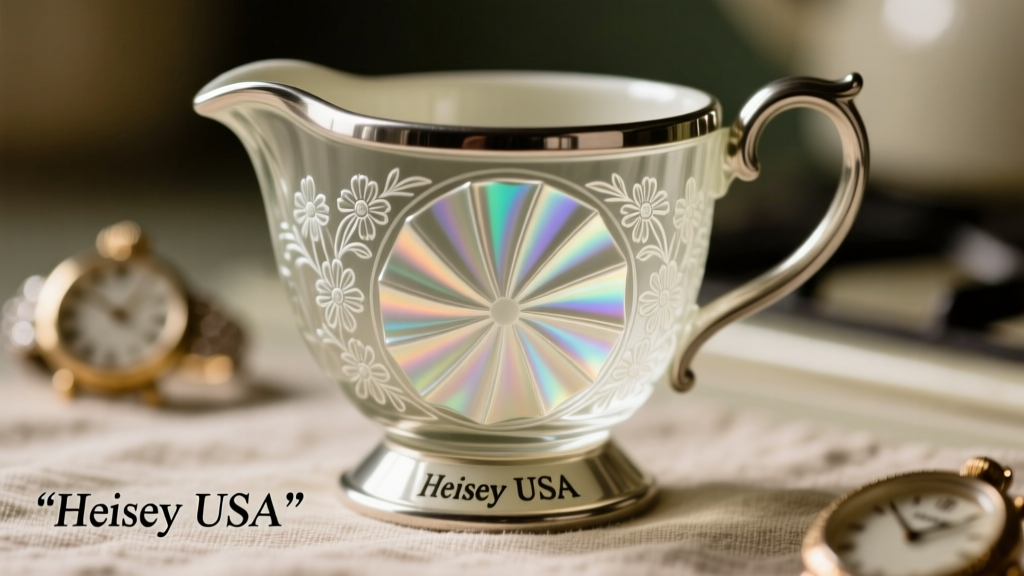
Heisey Pinwheel Fan Sugar Creamer: Identification, Provenance, and Market Value of the Marked Example
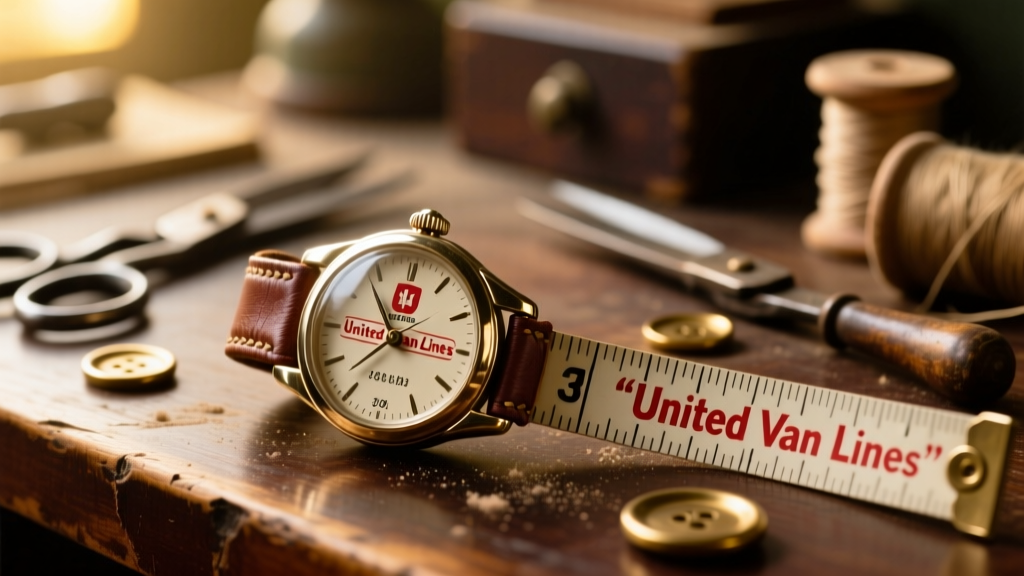
Sewing Tape Measure United Van Lines: A Collector’s Guide to Vintage Advertising Tools
Nashua Metal Bicycle License Plate (2½ × 4 in): A Rare Artifact of Early 20th-Century Cycling Culture
Dinnerware: Material Science, Historical Evolution, and Market Values of Fine Tableware
The Summit Antiques Center: A Historic Hub for Vintage Jewelry and Timepieces