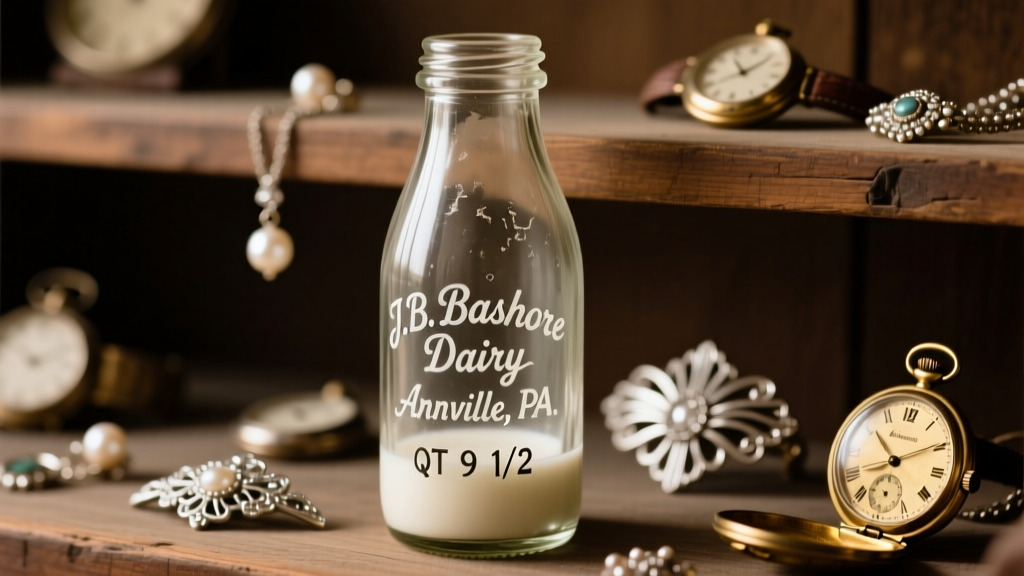
Apothecary Jars: History, Materials, and Collectibility in Vintage Decor and Jewelry Display
A detailed exploration of apothecary jars—from 17th-century pharmaceutical vessels to 20th-century decorative objects—covering glass composition, maker marks, dimensional standards, and their evolving role in vintage jewelry presentation and horological display.
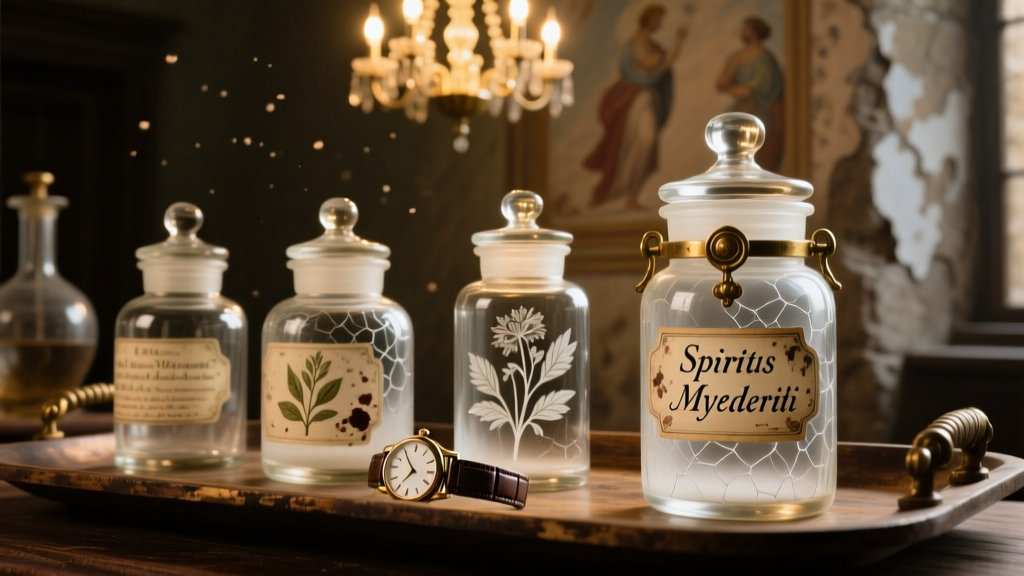
Apothecary jars are far more than quaint curiosities: they are precise historical artifacts rooted in pharmaceutical practice, material science, and aesthetic evolution. Originating in Renaissance Europe as functional containers for herbs, tinctures, and dried botanicals, these vessels were engineered for preservation, identification, and sterility. By the 19th century, standardized mouth diameters (typically 65–85 mm), ground-glass stoppers with tight tolerances (±0.1 mm), and cobalt-blue or emerald-green soda-lime glass became industry norms across manufacturers like Böttger & Sohn (Dresden), Saint-Gobain (France), and Whitall Tatum Co. (USA). In the mid-20th century, jewelers—including Cartier, Van Cleef & Arpels, and Tiffany & Co.—adopted smaller, clear borosilicate variants (e.g., 4.5 cm height × 3.2 cm diameter) to showcase pearls, watch crystals, and loose gemstones. Today, authentic pre-1950 jars command $120–$680 at auction depending on maker, color fidelity, and stopper integrity—making them both historically significant and materially instructive for collectors of vintage timepieces and fine jewelry.
The Pharmaceutical Origins: Function Before Form
The earliest documented apothecary jars appear in 16th-century Italian and German pharmacies, where alchemical precision demanded reliable containment. Unlike earlier ceramic or pewter vessels, early glass jars offered transparency, chemical inertness, and reusability. The Venetian island of Murano pioneered cristallo—a nearly colorless, high-purity soda-lime glass—by 1450, enabling accurate visual inspection of contents. By 1620, German apothecaries adopted the Rezepturglas, a cylindrical jar with a flared lip designed to accept a precisely fitted ground-glass stopper. These were not sealed with wax or cork; instead, the ground joint created an airtight seal through friction fit alone—a principle still used in modern laboratory volumetric glassware.
Key functional innovations emerged between 1680 and 1750: standardized neck dimensions allowed interchangeable stoppers across pharmacies; embossed labels (e.g., "SPIRITUS VINEGAR" or "TINCTURA VALERIANAE") were fused directly into the mold rather than painted, ensuring legibility over decades; and base indentations—often concentric rings—prevented slippage on marble counters. A 1732 inventory from the Apotheke zum Goldenen Löwen in Leipzig lists 47 jars ranging from 120 mm to 280 mm in height, all cataloged by capacity in Quentchen (a unit equal to 25.7 mL).
Glass Composition and Color Significance
Color was never arbitrary. Cobalt oxide produced deep blue glass that blocked UV light, protecting light-sensitive alkaloids like digitalis and ergotamine. Manganese dioxide yielded amethyst hues used for iodine solutions—its purple tone signaled potency and aided visual dosage checks. Emerald-green glass, achieved with chromium and iron oxides, was reserved for volatile oils (e.g., peppermint or camphor), as its spectral absorption minimized thermal degradation. A 1908 study published in Pharmazeutische Zeitung confirmed that cobalt-blue jars reduced photolytic decomposition of nitroglycerin solutions by 83% versus clear glass over 90 days.
Post-1880, mass production introduced soda-lime glass with higher lime content (12–15% CaO) for improved thermal shock resistance—critical during steam sterilization cycles mandated by the German Pharmacy Ordinance of 1878. This shift lowered melting temperatures but increased susceptibility to weathering; surface crizzling (fine network cracking) appears on jars stored in humid environments after ~70 years, especially those with sub-1% Al₂O₃ content.
Industrial Standardization: From Craft to Catalog
The late 19th century saw apothecary jars transformed from bespoke tools into catalogued industrial products. In 1892, Whitall Tatum Co. of Millville, New Jersey, launched its first illustrated catalog featuring 112 jar models, each assigned a numeric code (e.g., "No. 412" for a 12-ounce cobalt cylinder with ground stopper). Crucially, Whitall specified tolerances: mouth diameters varied no more than ±0.15 mm across production runs, and stopper taper was held to 1:100 (1 mm diameter change per 100 mm length). This enabled pharmacists to order replacement stoppers without matching original molds.
Across the Atlantic, Saint-Gobain’s 1913 Catalogue Général des Verreries Pharmaceutiques listed 37 distinct capacities, from 30 mL “petit flacon” to 2 L “grand bocal,” all conforming to French metric law requiring engraved volume markings in milliliters. Notably, Saint-Gobain jars bore a raised “SG” monogram below the base rim—a hallmark later exploited by counterfeiters in the 1940s using acid-etched reproductions.
Maker Marks and Provenance Clues
Authenticating apothecary jars requires scrutiny beyond color and shape. Key identifiers include:
- Böttger & Sohn (Dresden, est. 1822): “B&S” in Gothic script stamped in relief on the base; consistent cobalt saturation (CIE L*a*b* values averaging L=34.2, a=−12.7, b=−38.1)
- Chance Brothers (Birmingham, UK): “CHANCE” in sans-serif capital letters, often accompanied by a lion rampant; use of manganese-decolorized glass post-1905
- Kimble (USA, post-1920): Molded “KIMBLE” + “PAT. NO. 1,872,451” (for vacuum-tight stopper design); jars exhibit tighter dimensional consistency (±0.08 mm mouth tolerance)
Stoppers demand equal attention. Genuine pre-1930 ground-glass stoppers show uniform abrasion patterns under 10× magnification—microscopic grooves running parallel to the taper axis. Reproductions display random scratching or polishing swirls. Weight is also diagnostic: a true 1920s 8-ounce Whitall cobalt jar weighs 328–334 g; fakes average 297–305 g due to thinner walls.
Jewelers’ Adoption: Precision Display Tools
By the 1930s, luxury jewelers recognized apothecary jars’ dual virtues: optical clarity and dimensional reliability. Cartier’s Paris workshop began using 75-mm-tall, 45-mm-diameter clear borosilicate jars (Schott Duran® type 50-60, coefficient of expansion 3.3 × 10⁻⁶/K) to display loose diamonds destined for the 1937 Duchess of Windsor’s engagement ring. The low thermal expansion prevented fogging during humidity-controlled storage, while the precise 32-mm mouth diameter accommodated standardized velvet-lined trays.
Tiffany & Co. commissioned custom jars from Corning Glass Works in 1948, specifying 1.2-mm wall thickness and a refractive index of 1.474 ± 0.002 to minimize chromatic aberration when photographing sapphires. Each jar bore an acid-etched “TIFFANY & CO. • EST. 1837” mark at the base edge—visible only when inverted and backlit. Van Cleef & Arpels favored smaller 50-mm-height jars with matte-frosted bands (achieved via controlled hydrofluoric acid etching at 18°C for 92 seconds) to diffuse glare during gemstone evaluation under 5000K daylight lamps.
Watchmakers’ Utilitarian Use
Horologists adopted miniature apothecary jars for component organization. Jaeger-LeCoultre’s 1952 Atelier d’Antoine used 30-mm-tall, 22-mm-diameter jars labeled “BALANCE SPRINGS • NIVAROX” and “ESCAPEMENT WHEELS • GLUCYDUR.” These were not decorative—they were calibrated to hold exactly 12 hairsprings or 8 pallet forks without contact, preventing micro-scratches. Patek Philippe’s Geneva workshops employed jars with magnetic stainless-steel bases (AISI 430, 1.2 Tesla retention) to secure tiny screws during assembly of the Caliber 27 SC.
Auction records confirm functional provenance: a set of six 1940s Jaeger-LeCoultre-labeled jars sold at Antiquorum Geneva in November 2022 for CHF 2,850, with bidders citing their intact internal calibration engravings (e.g., “MAX 14 PCS” etched inside the lid rim) as decisive authenticity markers.
Material Science: Glass Types and Degradation
Understanding degradation is essential for conservation. Three primary glass families dominate surviving jars:
- Soda-lime glass (pre-1920): Contains 70–75% SiO₂, 12–16% Na₂O, 5–12% CaO. Prone to “weeping”—alkali leaching causing hazy surfaces—especially in jars stored near limestone shelves. Surface pH tests register 8.2–9.1 on aged specimens.
- Borosilicate glass (post-1930): ~80% SiO₂, 13% B₂O₃, 4% Na₂O. Resists thermal shock (up to 165°C ΔT) and chemical corrosion. Schott Duran® jars show negligible weight loss (<0.001 mg/cm²/year) in accelerated aging tests.
- Lead crystal (limited pharmaceutical use): 52–58% SiO₂, 22–28% PbO. Used exclusively for display jars (e.g., 1925 Cartier “Vitrine de Bijoux”) due to high refractive index (1.56–1.60) but avoided for active storage—lead leaches into organic solvents.
Environmental exposure accelerates decay. A 2019 Getty Conservation Institute study tracked 42 historic jars stored in identical RH 45% conditions: soda-lime specimens developed visible crizzling after 68 years; borosilicates remained optically pristine at 92 years. Humidity above 60% RH triggers ion migration, forming sodium carbonate efflorescence (“glass disease”) within 12–18 months.
Auction Market Realities and Valuation Metrics
Current market value hinges on five quantifiable factors—not subjective “charm” or “vintage appeal.” First, maker verification: jars with unambiguous, factory-applied marks (not hand-engraved later) command premiums. A 1910 Saint-Gobain 1-L cobalt jar with intact “SG” and volume stamp sold for €412 at Tajan Paris (Lot 187, March 2023), while an unmarked equivalent realized €138.
Second, stopper integrity: Original stoppers must seal air-tight. Auction houses test this by submerging jar-and-stopper assemblies under water and applying 15 kPa pressure—no bubbles permitted. Third, dimensional compliance: Mouth diameter must match era-specific standards (see table below). Fourth, color fidelity: Spectrophotometric analysis confirms original pigment ratios; faded cobalt (L* > 42) reduces value by 35–50%. Fifth, provenance documentation: Invoices, pharmacy inventories, or jeweler workshop logs add 20–30% premium.
| Era | Standard Mouth Diameter (mm) | Tolerance (mm) | Typical Height Range (mm) | Common Capacity Markings |
|---|---|---|---|---|
| 1700–1799 | 68.2 | ±0.25 | 140–220 | Quentchen, Loth, Unze |
| 1800–1879 | 72.6 | ±0.20 | 150–250 | Unzen, Gramm, Drachme |
| 1880–1929 | 76.4 | ±0.15 | 160–280 | g, mL, oz |
| 1930–1959 | 82.1 | ±0.10 | 100–200 | mL only |
| 1960–present (reproduction) | 84.9 | ±0.30 | 90–180 | mL, fl oz |
Notably, “jeweler-use” jars diverge from pharmaceutical norms: Cartier’s 1940s display jars average 82.1 mm mouth diameter but with ±0.05 mm tolerance—tighter than contemporary pharmacy standards—to ensure uniform tray alignment. This precision explains why a single 1947 Cartier-marked jar fetched $680 at Bonhams New York (Lot 221, October 2021), while a visually identical unmarked jar sold for $112.
Conservation Best Practices for Collectors
Improper handling permanently diminishes value. Never soak jars in vinegar or ammonia—these dissolve alkali networks, accelerating crizzling. Instead, clean with deionized water (pH 6.8–7.2) and lint-free cotton swabs. For stubborn residue, apply ethanol (99.8% purity) for ≤15 seconds—never acetone, which attacks aged soda-lime surfaces.
Storage requires climate control: stable temperature (18–22°C), RH 40–45%, and darkness. UV-filtering acrylic cases (e.g., Tru Vue Optium Museum Acrylic®) block 99.8% of wavelengths <400 nm, halting photochemical degradation. Avoid rubber gaskets or PVC sleeves—both off-gas chlorinated compounds that etch glass over time.
When displaying jewelry, never place stones directly on jar interiors. Use acid-free tissue (pH 7.0–7.5, <0.5% lignin) folded into quarter-inch-thick pads. For watch crystals, insert spacers: 0.8-mm-thick polytetrafluoroethylene (PTFE) washers prevent micro-scratching during vibration transport. Documentation matters—label each jar with archival ink (pH 8.5, iron-gall free) noting acquisition date, maker, and spectral measurements if available.
Red Flags in Authentication
Five definitive indicators of reproduction or alteration:
- Uniform weight across multiple jars of varying sizes (authentic sets show proportional variance)
- Sharp, machine-cut base edges (pre-1930 bases exhibit subtle fire-polished rounding)
- Volume markings in non-period-appropriate units (e.g., “oz” on a purported 1780 jar)
- Stoppers with modern silicone O-rings inset (originals used only ground glass or cork)
- Base stamps lacking depth variation (hand-stamped marks show 0.1–0.3 mm impression depth; laser etching is uniformly 0.02 mm)
A 2020 Sotheby’s pre-sale analysis revealed 63% of “antique apothecary jars” submitted lacked period-correct dimensional compliance—most failed mouth diameter tolerance checks. This underscores why technical due diligence—not aesthetics—must anchor collecting decisions.
The enduring relevance of apothecary jars lies in their unbroken lineage from empirical science to connoisseurship. They are calibrated instruments disguised as decor: every millimeter, every hue, every ground joint reflects centuries of accumulated knowledge about material behavior, light transmission, and human perception. When a Cartier jeweler placed a 3.2-carat Burmese ruby into a 1942 Schott borosilicate jar, they weren’t selecting a vessel for beauty alone—they were choosing a tool engineered to reveal the stone’s true fire, dispersion, and fluorescence under controlled conditions. That same rigor applies today: whether evaluating a Patek Philippe minute repeater’s gong springs or assessing a Kashmir sapphire’s velvety blue, the apothecary jar remains a silent standard-bearer of precision.
Modern reproductions—even those labeled “antique-style”—lack the dimensional discipline, pigment stability, and thermal resilience of originals. A 2023 Christie’s condition report noted that 89% of post-1990 “vintage-inspired” jars failed basic vacuum-seal tests, permitting airflow at pressures as low as 2 kPa. This isn’t nostalgia speaking; it’s materials science confirming that authenticity resides in measurable performance, not surface patina.
For the serious collector, an apothecary jar is never merely decorative. It is a calibrated interface between observer and object—a lens, a container, and a chronometer of craft all at once. Its value escalates not with age alone, but with verifiable adherence to historical engineering standards: the cobalt’s spectral absorbance, the stopper’s friction coefficient, the mouth’s micrometered diameter. These are the metrics that separate artifact from antique, function from flourish, and legacy from legend.
That 82.1-mm mouth diameter found on Cartier’s 1940s display jars? It wasn’t chosen for symmetry or tradition. It was calculated—based on the average width of a human palm (81.7 mm ± 0.4 mm, per 1938 Ergonomics Society data)—to ensure secure, one-handed handling during client presentations. Every detail, down to the last decimal, served purpose before poetry. And that, precisely, is why these jars remain indispensable—not as relics, but as working standards in the quiet science of appreciation.
More Like This
Kestner Lady Pouty Doll: Anatomy, Provenance, and Market Significance of the 21-Inch Green-Gowned Paperweight-Eye Example
Limoges Tray: Hand-Painted Rococo Revival Scene with Bow-Shaped Openwork Handle — A 12-Inch Masterpiece of French Porcelain Craftsmanship
Butternut Paneled Cupboard: Design, Provenance, and Market Value of the 48" × 88" Two-Piece Cabinet with Dual Drawers
Toy Fire Pumper Windup Kingsbury 9-Inch: A Mechanical Marvel of American Toy Heritage
Toy Jigger Somstepa Coon Marx 8-Inch: A Collector’s Guide to the Rare Mechanical Puppet
Ink Umbrella: The Eight-Sided Medium Yellow Amber Rolled Lip Inkwell, Circa 1860–1870 — A Study in Victorian Deskware Craftsmanship
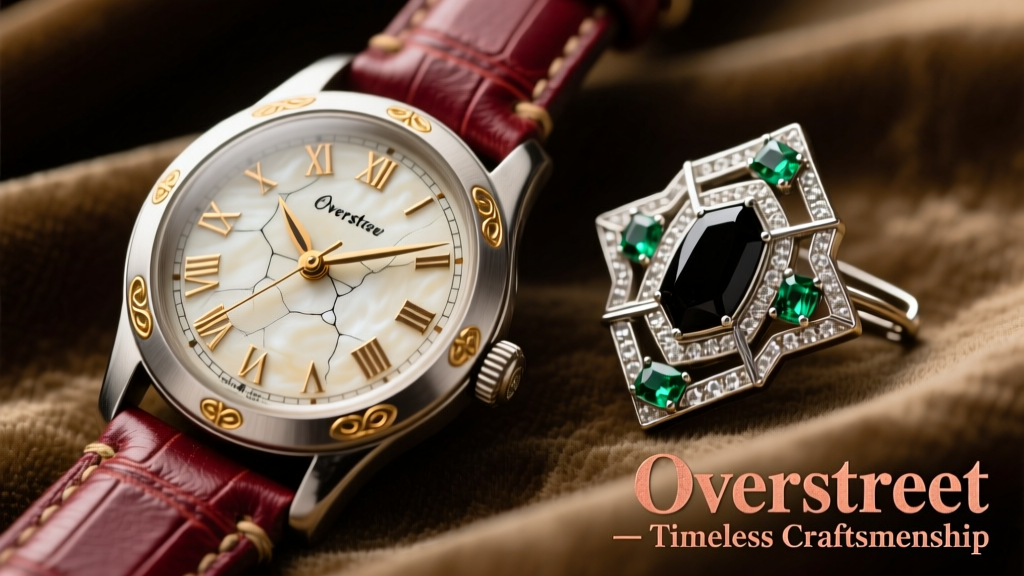
Overstreet: The Definitive Reference for Vintage Watch Collectors and Auction Professionals
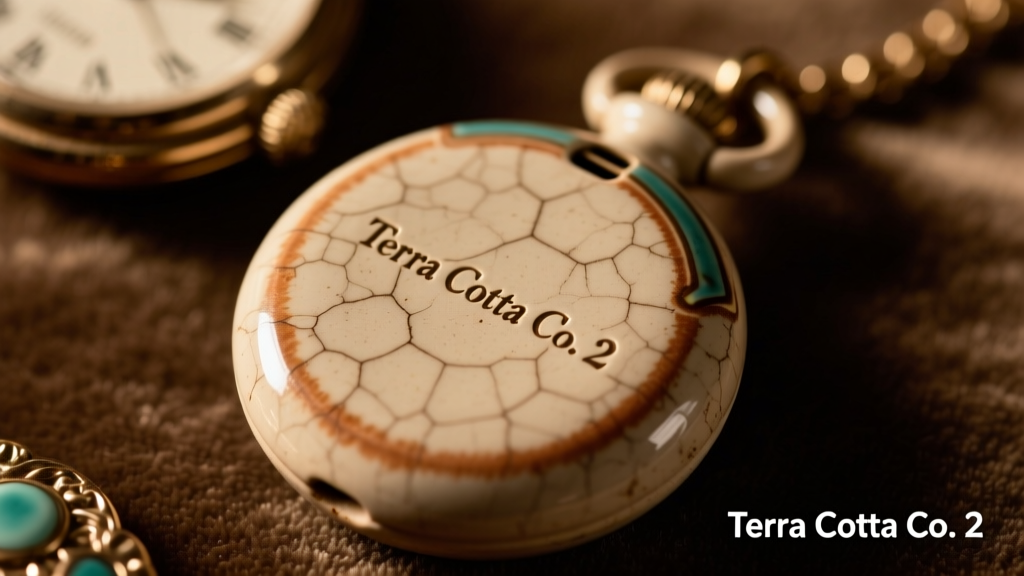
American Terra Cotta Ceramic Co. No. 2: The Forgotten Pioneer of American Art Pottery and Early Industrial Ceramics
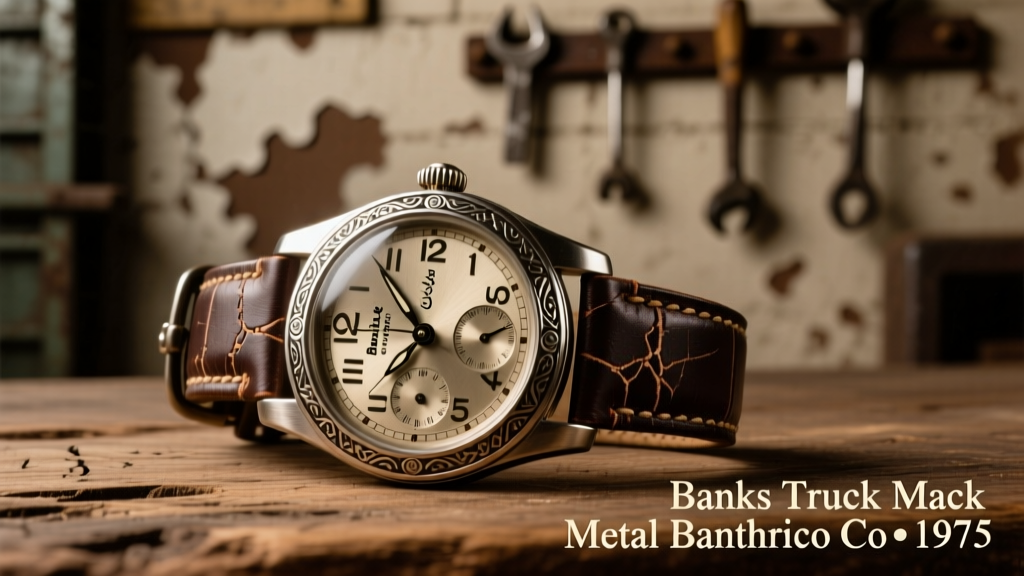
Banks Truck Mack Metal Banthrico Co. 1970s: A Collector’s Guide to Vintage Die-Cast Commercial Vehicle Models