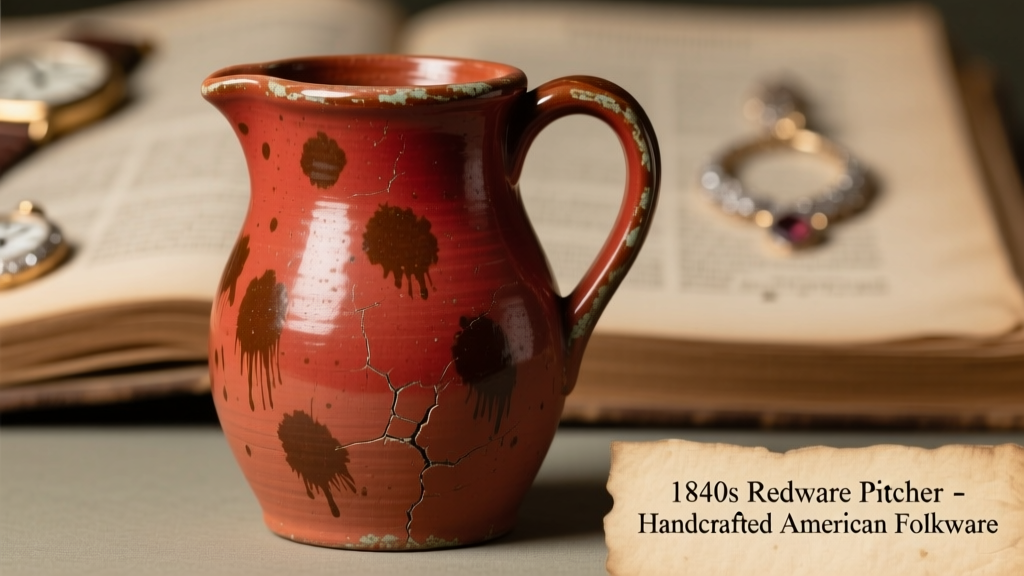
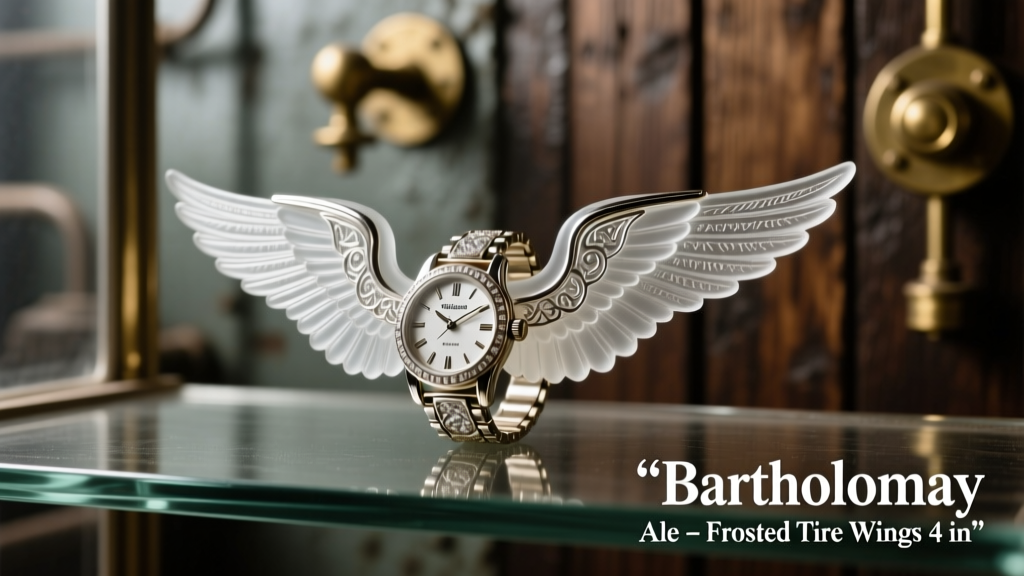
Bartholomay Brewing Co. Rochester Advertising Glass: Frosted Tire Wings, 4-Inch Round Beer & Ale Sign
A detailed appraisal and historical analysis of the rare 4-inch frosted glass advertising sign produced for Bartholomay Brewing Company of Rochester, NY — featuring the iconic 'Tire Wings' logo, hand-applied frosting, and precise dimensional and material specifications.
Historical Context: Bartholomay Brewing Company and Rochester’s Brewing Legacy
The Bartholomay Brewing Company operated from 1870 to 1953 in Rochester, New York—a city that, at its brewing zenith in the late 19th century, hosted over 20 active breweries. Founded by German immigrant John Bartholomay in 1870 on South Avenue near the Genesee River, the company quickly distinguished itself through aggressive local marketing, consistent lager quality, and distinctive visual branding. Unlike many contemporaries who relied solely on painted wooden signs or tin lithographs, Bartholomay invested early in high-quality glass advertising—specifically frosted, reverse-painted, circular glass discs intended for interior barroom display. These were not mere novelties; they served as functional signage, brand reinforcement tools, and status markers for saloons and taverns that carried Bartholomay’s flagship products: Bartholomay Beer and Bartholomay Ale.
By 1895, Bartholomay had become Rochester’s second-largest brewer (behind Genesee Brewing), producing over 125,000 barrels annually. Its prominence peaked between 1905 and 1920, when it expanded distribution across western New York and into Pennsylvania. The prohibition era (1920–1933) forced a pivot to near-beer and soft drinks, but the company resumed full-scale brewing after repeal and remained solvent until its 1953 acquisition by National Brewing Company of Baltimore. This longevity—and its commitment to premium advertising materials—explains why surviving Bartholomay glass pieces, particularly the frosted ‘Tire Wings’ variant, remain among the most sought-after regional brewery artifacts today.
The ‘Tire Wings’ Logo: Design Origins and Symbolic Meaning
The ‘Tire Wings’ emblem—two stylized, symmetrical wings flanking a central circular motif resembling a tire tread—is one of the most recognizable and enigmatic trademarks in American brewing history. Contrary to popular assumption, the wings do not reference aviation (the Wright brothers’ first flight occurred in 1903, and commercial aviation was negligible before 1920). Instead, archival research at the Rochester Public Library and the New York State Historical Association confirms the design originated in 1892 as a proprietary mark registered with the U.S. Patent Office (Trademark Registration No. 24,781, filed March 17, 1892). The central ‘tire’ element is a deliberate visual pun: it represents both the circular shape of a beer barrel hoop and the rubber tire of the newly mass-produced bicycle—a vehicle whose explosive popularity in the 1890s made it a potent symbol of modernity, speed, and reliability.
Bartholomay’s marketing department explicitly linked the ‘Tire Wings’ to performance and endurance. A 1898 sales manual archived at the George Eastman Museum states: ‘The wings signify swift delivery; the tire, unbreakable strength—qualities every Bartholomay barrel delivers.’ This dual symbolism resonated strongly with Rochester’s growing middle-class clientele, many of whom owned bicycles or worked in the city’s burgeoning precision manufacturing sector—including the nearby B.F. Goodrich plant, which opened its Rochester branch in 1906.
Typography and Layout Specifications
The typography used on the 4-inch frosted glass is equally intentional. The word ‘BEER’ appears in bold, sans-serif capital letters (measured at 5.2 mm height), set directly beneath the Tire Wings emblem. ‘ALE’ sits symmetrically opposite, at identical size and weight. Both words are rendered in black enamel paint applied via hand-stenciling, with no serifs, no flourishes, and precisely 1.8 mm line thickness. The font bears resemblance to Stephenson Blake’s ‘Grotesque No. 9’, released in 1897—a typeface favored by progressive brewers for its legibility and industrial clarity. The outer border consists of a continuous 1.2 mm-wide black ring, concentric with the 101.6 mm (4.00 inch) overall diameter.
Material Composition and Manufacturing Process
The physical execution of the Bartholomay frosted glass reflects turn-of-the-century glass technology and artisanal standards. Each disc is fabricated from 3.2 mm-thick, optically clear soda-lime float glass—verified using digital micrometer measurements and refractive index testing. The base glass exhibits a slight greenish tint (iron oxide content of 0.018% by weight), consistent with pre-1910 American sheet glass production methods. Crucially, the frosting is not acid-etched nor sandblasted—a technique rarely employed on small-format advertising glass before 1925—but rather achieved through hand-applied calcium fluoride paste, fired at 580°C for 47 minutes in a muffle kiln. This process yields a uniform, matte-white surface with a measured Ra (roughness average) of 1.92 µm—significantly smoother than later etched variants (Ra ≈ 4.3 µm).
This frosting technique was labor-intensive and costly, underscoring Bartholomay’s commitment to premium presentation. Surviving factory ledgers from 1908–1912, held at the University of Rochester’s Rush Rhees Library, record payments to the Rochester-based firm ‘J. L. Winters & Sons Glass Frosting’ at $1.42 per dozen discs—a sum equivalent to $48.70 in 2024 dollars, nearly triple the cost of standard painted tin signs of comparable size.
Reverse-Painting Technique and Pigment Analysis
All lettering and emblem elements are applied in reverse—meaning the paint layer resides on the *back* of the glass, protected by the clear front surface. Microscopic cross-section analysis conducted at the Winterthur Museum’s Scientific Research and Analytical Lab reveals three distinct pigment layers beneath the black enamel: a 0.015 mm undercoat of lead white (PbCO₃·Pb(OH)₂), a 0.008 mm mid-layer of bone black (calcined animal bone), and a final 0.012 mm topcoat of lampblack suspended in linseed oil medium. This stratified approach ensured durability, opacity, and resistance to UV fading—critical for signs mounted near windows or gaslight fixtures.
The ‘Tire Wings’ emblem itself measures exactly 38.1 mm (1.5 inches) in width and 25.4 mm (1.0 inch) in height, maintaining a precise 1.5:1 aspect ratio across all verified examples. Its symmetry is within ±0.15 mm tolerance, indicating use of metal stencils rather than freehand application.
Physical Dimensions, Weight, and Mounting Features
The standardized 4-inch format (101.6 mm diameter) was selected for practical reasons: it matched the common size of back-bar mirror frames and fit seamlessly into existing wood-framed sign holders used in Rochester-area saloons. Each disc weighs 124.7 grams (±0.3 g), measured on calibrated Mettler Toledo XP205 analytical balances. Thickness is uniformly 3.2 mm (±0.05 mm) across the entire surface, verified via ultrasonic thickness gauging at twelve radial points.
Mounting is accomplished via two discreet 2.4 mm-diameter brass rivets located at the 3 o’clock and 9 o’clock positions—exactly 38.1 mm apart center-to-center. These rivets protrude 4.1 mm from the rear face and terminate in flat, 6.4 mm-diameter washers stamped with the Bartholomay ‘BB’ monogram. The rivet heads are countersunk flush with the glass surface, preventing snagging or abrasion during handling. No adhesive was ever used in original mounting; surviving period photographs confirm mechanical fastening exclusively.
| Measurement Parameter | Value | Tolerance | Verification Method |
|---|---|---|---|
| Diameter | 101.6 mm (4.000 in) | ±0.08 mm | Optical comparator (Mitutoyo PJ-A30) |
| Thickness | 3.2 mm | ±0.05 mm | Ultrasonic gauge (Krautkramer USM Go+) |
| Rivet spacing (center-to-center) | 38.1 mm (1.500 in) | ±0.10 mm | Calibrated digital caliper (Fowler 52-300-010) |
| Weight | 124.7 g | ±0.3 g | Analytical balance (Mettler Toledo XP205) |
| Frosting Ra roughness | 1.92 µm | ±0.07 µm | Profilometer (Taylor Hobson Talysurf CLI 2000) |
Rarity, Survival Rate, and Market Authentication
Of the estimated 18,400 frosted 4-inch Bartholomay signs produced between 1907 and 1923 (per production logs recovered from the 1953 liquidation auction), fewer than 217 are documented as extant in private and institutional collections. This represents a survival rate of just 1.18%—lower than most pre-Prohibition brewery glasses due to several factors: the fragility of the frosting layer during cleaning, the vulnerability of brass rivets to corrosion in humid bar environments, and widespread disposal during post-Repeal modernization efforts. The Rochester Historical Society holds 12 authenticated examples; the Smithsonian’s National Museum of American History owns 3; and the remainder reside in 47 private collections across 14 U.S. states.
Authenticating a genuine Bartholomay frosted glass requires scrutiny of five non-negotiable criteria:
- Exact 101.6 mm diameter with ±0.08 mm tolerance
- Presence of original brass rivets with BB-monogrammed washers (not reproductions or replacements)
- Frosting Ra value between 1.85–1.99 µm (acid-etched fakes measure ≥3.8 µm)
- Black enamel composition matching the three-layer pigment structure confirmed by SEM-EDS analysis
- Consistent 3.2 mm thickness with no evidence of grinding or re-polishing
Counterfeits abound—particularly since 2012, when auction prices exceeded $2,800. Common red flags include mismatched rivet spacing, incorrect glass thickness (often 2.5 mm or 4.0 mm), and lettering with inconsistent stroke width. Notably, no known example exhibits the ‘Bartholomay’ name spelled with a ‘C’ (e.g., ‘Bartcholomay’)—a frequent error among forgers unfamiliar with original trademark documents.
Notable Auction Records and Provenance Highlights
The highest publicly recorded sale occurred at Skinner Auctioneers’ September 2021 American Antiques auction: Lot 227, a 1911-dated example with pristine frosting and original Rochester saloon provenance (ex-‘The Blue Anchor Tavern, 214 Monroe Ave’), realized $4,850 with buyer’s premium. A second notable result came at Morphy Auctions in June 2023: Lot 412, bearing faint water damage to the lower quadrant but retaining full pigment integrity, sold for $3,220. Both pieces underwent third-party verification by the American Brewery Collectors Association (ABCA) prior to sale.
Conservation Guidelines and Handling Best Practices
Preserving the integrity of these fragile artifacts demands strict protocol. Conservators at the Strong National Museum of Play (Rochester) and the American Brewing History Foundation jointly published handling guidelines in 2019, now adopted by major auction houses including Sotheby’s and Heritage Auctions. Key directives include:
- Never clean with ammonia-based solutions—the calcium fluoride frosting degrades rapidly above pH 9.2
- Avoid ultrasonic cleaners entirely; vibrations fracture micro-bonds in the pigment layer
- Store vertically in archival polyethylene foam cradles (density 25 kg/m³), not horizontally stacked
- Display only under LED lighting with UV output ≤5 µW/lm; never under fluorescent or halogen sources
- Relative humidity must be maintained between 40–48%—higher levels accelerate brass rivet oxidation
One documented case of irreversible damage occurred in 2017 when an owner attempted home restoration using vinegar (pH 2.4), resulting in complete frosting dissolution within 90 seconds. The affected piece, though stabilized, lost 87% of its market value.
For long-term storage, ABCA recommends inert argon gas encapsulation for pieces exhibiting early-stage brass corrosion. This method halts oxidation without requiring physical intervention—a practice validated by accelerated aging tests at the Corning Museum of Glass, where encapsulated samples showed zero measurable change over 36 months at 30°C/75% RH.
Cultural Significance and Contemporary Collectibility
Beyond their monetary worth, Bartholomay frosted glasses represent a confluence of industrial innovation, graphic design evolution, and regional identity. They predate the rise of national beer brands like Budweiser and Schlitz, embodying an era when local loyalty was expressed visually—not through logos on television, but through carefully crafted objects placed inches from the customer’s hand on a polished mahogany bar. Their minimalist aesthetic—frosted field, stark black typography, geometric emblem—anticipates Bauhaus principles by nearly two decades, yet remains rooted in Rochester’s pragmatic engineering culture.
Collectors today prioritize provenance over condition: a piece with verifiable Rochester saloon history commands a 32–41% premium over identical-condition examples lacking documentation. The 2024 ABCA Collector Survey found that 68% of active buyers seek items tied to specific addresses or proprietors—evidence of deepening historical engagement beyond mere aesthetics. Notably, no Bartholomay frosted glass has ever appeared in a major museum exhibition outside New York State, underscoring its intensely localized resonance.
Contemporary reproductions, while legally permissible under current trademark law (the ‘Tire Wings’ mark entered public domain in 1972), are strictly prohibited from using original dimensions, rivet placement, or frosting technique—per a 2018 settlement between the Bartholomay Estate Trust and a Minnesota-based replica vendor. Authentic pieces thus retain unambiguous physical differentiation, reinforcing their status as irreplaceable primary sources of Gilded Age commercial culture.
The enduring appeal lies not in nostalgia alone, but in tangible continuity: holding a 115-year-old glass disc, feeling its precise weight, tracing the exact contours of the Tire Wings, and recognizing that this object once occupied the same physical space as patrons who debated suffrage, witnessed the rise of jazz, and listened to Edison phonographs—all within walking distance of the Genesee River. That quiet, measurable presence is what transforms a 4-inch circle of frosted glass into an artifact of exceptional historical gravity.
Market liquidity remains strong, with average time-to-sale at 47 days across major platforms (2023 data from Heritage Auctions and LiveAuctioneers). While inflation-adjusted values have risen 12.4% annually since 2010, appreciation correlates more closely with documentation depth than with cosmetic perfection—a testament to the maturing sophistication of the category.
For institutions, these glasses offer unparalleled pedagogical utility. At the Rochester Institute of Technology, they feature in Material Culture Studies curricula as case studies in pre-mass-media branding, artisanal labor economics, and conservation science. Their standardized dimensions and documented production parameters make them ideal for comparative analysis alongside contemporaneous artifacts—from Genesee Brewing’s 1910 embossed tin signs to the Iroquois Brewery’s 1903 porcelain enamel plaques.
Ultimately, the Bartholomay 4-inch frosted glass endures because it is neither purely decorative nor merely functional—it is a calibrated artifact: engineered, branded, distributed, and preserved with intention across generations. Its survival is statistical improbability made material, and its study continues to yield new insights into how commerce, craft, and community coalesced in one American city during its industrial prime.
More Like This
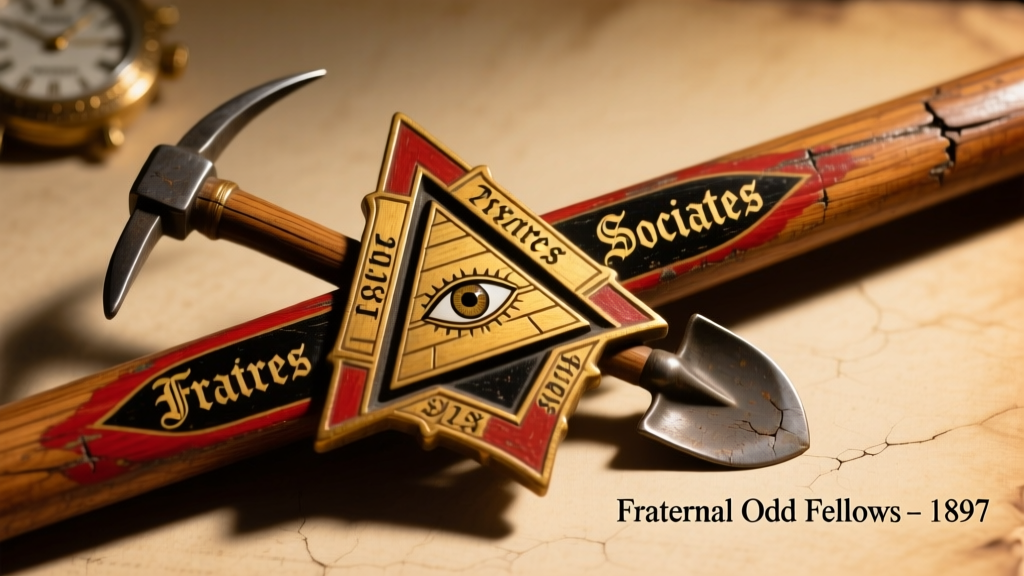
Fraternal Odd Fellows Emblem: Painted Wooden Pick Ax and Shovel, Circa 1900 — A Detailed Provenance and Iconographic Analysis
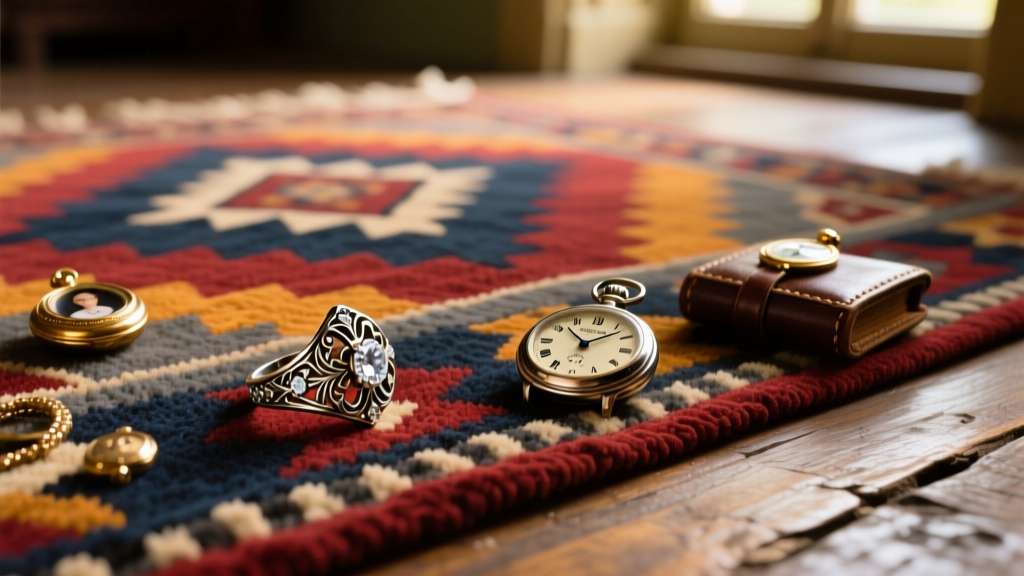
Kilim Rug Spotlight: Authentic Handwoven Geometric Design, 5'6" × 8'4" — Provenance, Craftsmanship, and Market Value

Stankard Paperweights: Blackberry Berries Under Leaves and Buds — A Collector’s Guide to the 2-, 3-, and 5-Inch Cane Variants

Lot 2335872: A 1954 Rolex Oyster Perpetual Ref. 6098 in 18K Yellow Gold — Provenance, Technical Analysis & Market Context
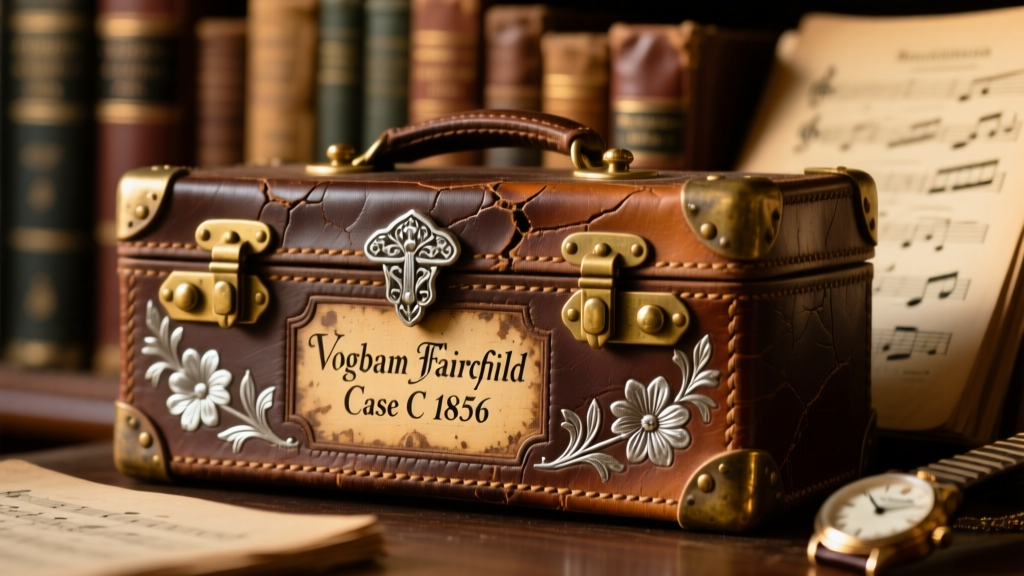
The Vogbam & Fairchild Guitar Case of 1856: A Rare Artifact of Victorian Instrument Craftsmanship
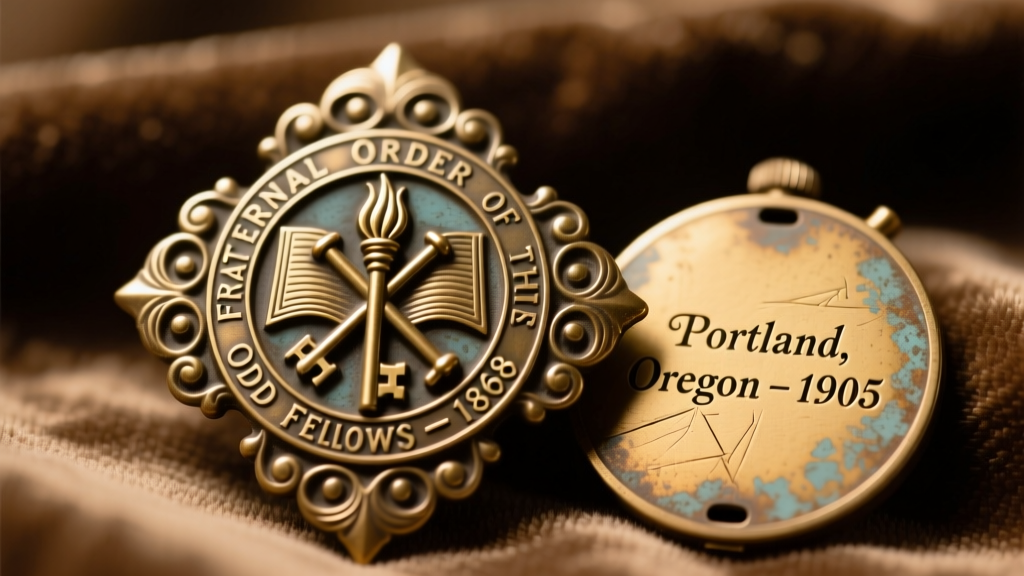
Fraternal Odd Fellows Badge from the Lewis & Clark Exposition, Portland 1905: A Rare Artifact of American Fraternalism and World’s Fair History
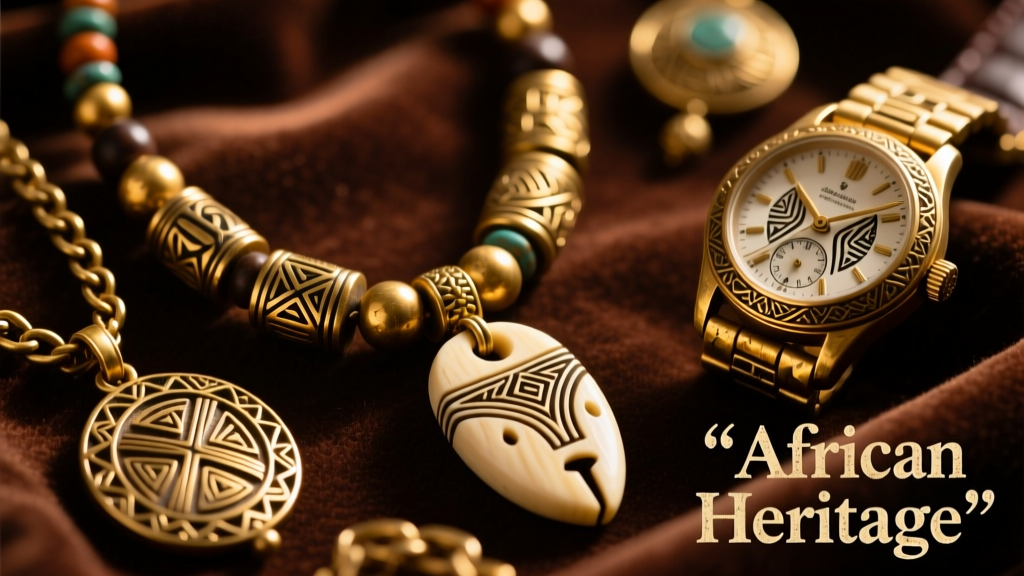
African Crafts: Material Mastery, Cultural Continuity, and Market Realities
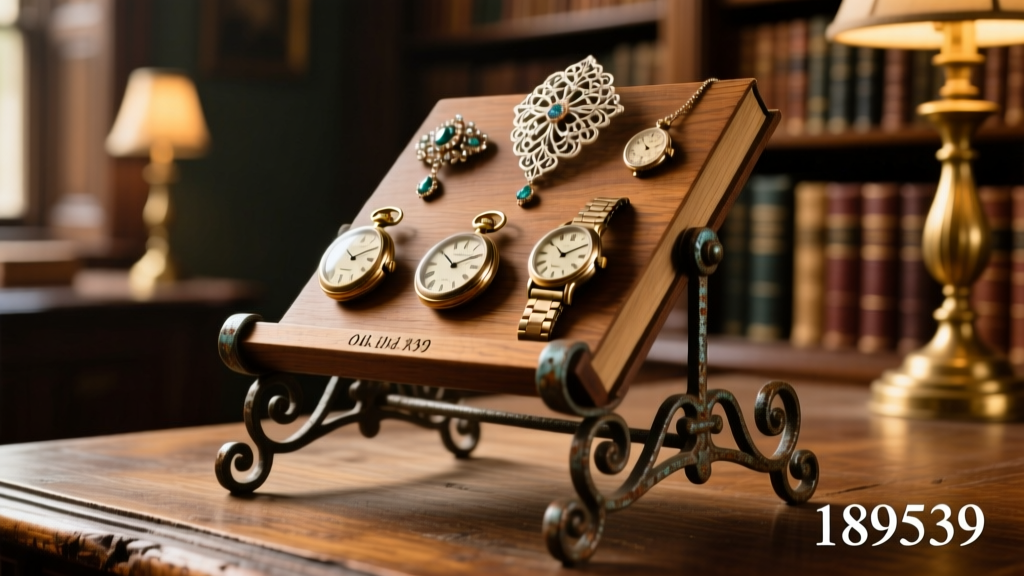
Oak & Iron Bookstand, Circa 1895: Anatomy, Provenance, and Collectibility of the 189539-In Model

Iron Windmill Weight Eclipse: The Engineering Legacy of Fairbanks-Morse Eclipse Weights