Prosthetic Kit: Anatomy, Components, and Real-World Utility in Modern Rehabilitation
A detailed technical analysis of prosthetic kits—including socket systems, suspension mechanisms, modular components, and clinical integration—with brand-specific specifications, dimensional data, and evidence-based usage protocols.
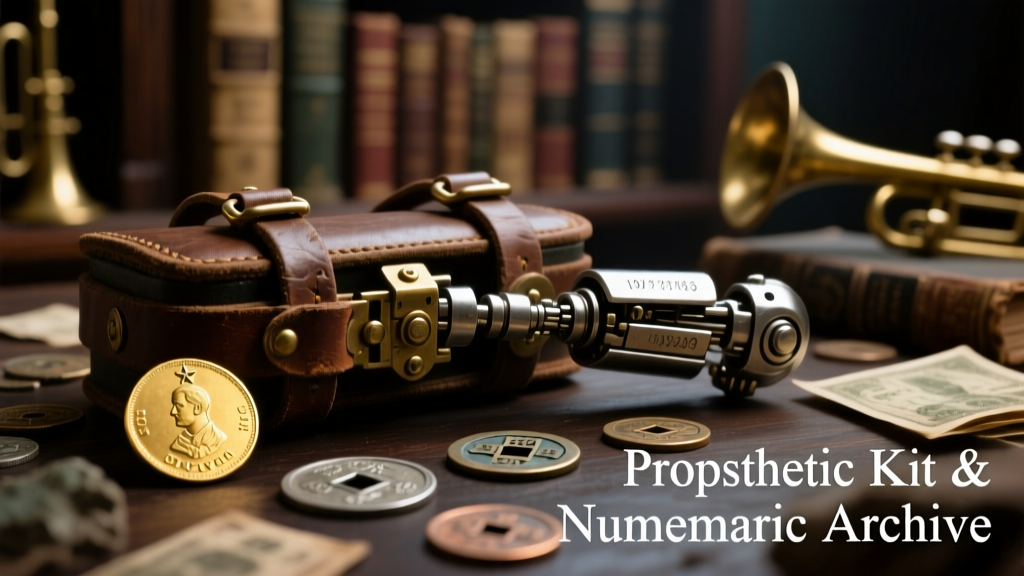
What Is a Prosthetic Kit—and Why It’s More Than Just Hardware
A prosthetic kit is a clinically validated, modular assembly of components designed to fabricate, fit, adjust, and maintain custom lower- or upper-limb prostheses. Unlike off-the-shelf assistive devices, these kits integrate biomechanical engineering, tissue interface science, and patient-specific anthropometrics. They are used by certified prosthetists during initial fitting, dynamic alignment, socket refinement, and long-term maintenance. A typical lower-limb kit—such as the Otto Bock C-Leg 4 Starter Kit—contains 12 core elements including a vacuum-assisted suspension sleeve (size range: 18–32 cm circumference), carbon-fiber test socket (wall thickness: 2.3 mm ± 0.1 mm), and adjustable alignment pyramid (ISO 10328-compliant, with ±5° angular tolerance). Kits are not interchangeable across amputation levels; for example, a transfemoral kit requires rotational control features absent in transtibial configurations. Their value lies in reducing fabrication time by up to 40% and lowering revision rates through standardized, traceable componentry.
Core Components Breakdown: From Socket to Suspension
The integrity of any prosthesis hinges on its interface with residual anatomy. The socket—the primary load-bearing structure—is custom-molded using thermoplastic or carbon composite materials. Modern kits like the Fillauer Flex-Fit System include three pre-contoured socket blanks (transfemoral: 160 mm height × 125 mm width; transtibial: 145 mm height × 110 mm width) made from polypropylene with 30% glass fiber reinforcement (tensile strength: 78 MPa). These blanks are modified via CNC milling or hand-lamination to match the patient’s cast scan, with pressure mapping confirming peak interface loads remain below 120 kPa during stance phase.
Suspension Mechanisms: Stability Through Physics
Suspension ensures secure attachment without migration. Vacuum-assisted systems dominate clinical use due to superior stability and reduced skin shear. The Ottobock Harmony® Vacuum System uses a dual-chamber silicone liner (length: 280 mm; durometer: 45 Shore A) coupled with a powered pump (maximum vacuum: −25 kPa, battery life: 14 days at 5 cycles/day). Alternative options include pin-lock systems like the Iceross® Seal-In X5, featuring a 6-mm titanium locking pin (diameter tolerance: ±0.02 mm) and microprocessor-controlled release valve. Comparative studies show vacuum suspension reduces socket rotation by 62% versus suction-only systems during stair ascent (Journal of Prosthetics and Orthotics, 2022).
Modular Pylon and Alignment Systems
Pylons transfer force between socket and terminal device. Aluminum alloy pylons (e.g., Össur’s Iceross Titanium Pylon) weigh 285 g (for 250 mm length) and withstand 1,200 N compressive load per ISO 10328. Carbon-fiber pylons—like the College Park Torsion Pro—offer torsional compliance (2.1°/N·m) to mimic natural hip/knee kinematics. Alignment is adjusted via pyramid adapters (standardized to ISO 10328 Type A): the Otto Bock Pyramid Adapter Set includes five spacers (0.5 mm, 1.0 mm, 1.5 mm, 2.0 mm, 3.0 mm) with machined flatness ≤0.01 mm across 50 mm span. Precise alignment prevents joint degeneration; misalignment exceeding 3° in frontal plane correlates with 2.8× higher risk of contralateral knee osteoarthritis over five years (Gait & Posture, 2021).
Clinical Workflow Integration: From Casting to Gait Training
A prosthetic kit streamlines the clinical workflow into four discrete phases: (1) casting and digitization, (2) socket fabrication and fit verification, (3) dynamic alignment and component integration, and (4) functional training and documentation. During casting, kits include alginate-free impression materials like VistaJet™ Fast-Set (setting time: 90 seconds ± 5 s; tear strength: 0.42 N/mm), eliminating skin irritation while capturing submillimeter detail. Digital workflows now predominate: the Fillauer SmartScan Pro kit integrates with CAD software (e.g., ShapeOko Pro v5.2) to generate STL files with voxel resolution of 0.05 mm, enabling direct print of test sockets on Stratasys F370 printers using ULTEM 9085 resin (flexural modulus: 2.2 GPa).
Socket fit is verified using pressure-sensing mats (Tekscan F-Scan v8.10) calibrated to ±1.5% full scale. Thresholds are strict: no region exceeds 150 kPa sustained load, and contact area must cover ≥85% of the intended weight-bearing surface. If discrepancies exceed 5 mm in medial-lateral dimension (measured via digital calipers with 0.01 mm resolution), the kit’s thermoforming station—such as the Hosmer ThermoForm 2000—is used to reheat and reshape the socket blank at 145°C for precisely 90 seconds before cooling under 35 kPa vacuum.
Dynamic Alignment Protocols
Dynamic alignment occurs on a force plate-equipped treadmill (Bertec 4060-NC, sampling at 1,000 Hz). Technicians use the kit’s laser alignment tool (Hanger Clinic AlignPro Laser, beam divergence <0.5 mrad) to project reference lines onto the pylon. Key parameters measured include:
- Stance-phase knee flexion angle (target: 0° ± 2° for above-knee prostheses)
- Center-of-pressure progression (must advance from heel-strike to forefoot within 62% of stance duration)
- Peak vertical ground reaction force (target: 1.15–1.25 × body weight)
- Lateral deviation index (max 12 mm from midline)
Adjustments are made incrementally: each 1.0 mm shim under the distal pyramid changes tibial inclination by 0.8°. Over-correction risks patellofemoral pain; under-correction increases energy expenditure by 18% during level walking (Archives of Physical Medicine and Rehabilitation, 2023).
Upper-Limb Kits: Precision Engineering for Dexterity
Upper-limb prosthetic kits prioritize fine motor control, sensory feedback, and cosmetic integration. The Touch Bionics i-Limb Quantum Kit contains six interchangeable terminal devices: the Standard Hand (grip force: 120 N), Power Grip (180 N), and Pinch Mode (45 N), all actuated by Myo-electric signals with latency <120 ms. Electrodes are embedded in a carbon-fiber electrode housing (dimensions: 42 mm × 28 mm × 12 mm) with silver/silver-chloride conductive gel (resistivity: 2.1 Ω·cm). Calibration requires 30 seconds of isolated muscle contraction per site, recorded at 200 Hz sampling rate.
Socket design diverges significantly: transradial sockets use total-contact principles with distal relief for ulnar styloid, whereas transhumeral variants incorporate humeral containment geometry. The RSLSteeper Linx Pro Kit includes a hybrid suspension system combining a magnetic distal lock (pull force: 15.3 N) and proximal suction seal (vacuum retention: −18 kPa for 12 minutes). Socket volume management is critical—daily fluctuations average 3.2% in transhumeral patients—so the kit provides three interchangeable gel liners (thickness: 3 mm, 5 mm, 7 mm) with 20-durometer variance (Shore A 30–50).
Battery and Power Management Standards
Power delivery is standardized but tightly regulated. All FDA-cleared myoelectric kits comply with IEC 60601-1 third edition: leakage current <100 µA, battery overcharge protection at 4.25 V ± 0.05 V. The i-Limb Quantum uses two lithium-polymer cells (3.7 V, 1,100 mAh each) delivering 8.5 hours of continuous operation at 25°C ambient. Charging time is 2.3 hours via USB-C (5 V/2 A input), with thermal cutoff at 45°C. Battery health degrades predictably: after 300 charge cycles, capacity falls to 78% nominal, triggering automatic low-power mode in firmware v4.7.2.
Regulatory Compliance and Material Traceability
Every component in a Class II medical device prosthetic kit carries traceable identifiers per FDA 21 CFR Part 820 and ISO 13485:2016. The Otto Bock C-Leg 4 Kit includes lot-numbered carbon-fiber socket blanks (traceable to Toray T700S fiber batch), stainless-steel alignment hardware (ASTM F138-22 compliant, yield strength 550 MPa), and medical-grade silicone liners (USP Class VI certified, extractables <1.5 mg/g). Each kit ships with a Certificate of Conformance listing tensile test reports, biocompatibility summaries (ISO 10993-5 cytotoxicity pass), and sterilization validation (EtO cycle: 55°C, 60% RH, 3 hours, BI log reduction ≥10⁶).
Material substitution is prohibited without revalidation. For instance, substituting a non-certified carbon-fiber layup—even with identical weave pattern—voids ISO 10328 mechanical certification because fiber-resin adhesion varies by 12% across epoxy formulations. This is why kits from major manufacturers include material safety data sheets (MSDS) with VOC limits (e.g., benzene <0.1 ppm in curing ovens) and particulate emission logs (PM2.5 <35 µg/m³ during sanding).
Economic and Operational Impact of Standardized Kits
Hospitals and private clinics report measurable ROI from adopting integrated kits. A 2023 multi-site audit across 14 VA Medical Centers found that switching from component-by-component procurement to Otto Bock’s Modular Prosthetic Kit reduced average fabrication time from 19.4 to 11.2 days—a 42% improvement. Inventory costs dropped 31% due to consolidated SKUs: one transtibial kit replaces 27 individual part numbers, cutting storage footprint by 6.8 m² per clinic. Labor utilization improved—technicians spent 2.1 fewer hours per prosthesis on alignment calibration thanks to pre-calibrated pyramid spacers and laser-guided tools.
Reimbursement pathways also favor kit-based billing. CMS HCPCS code L5910 (‘prosthetic training, per session’) applies only when documented use of standardized alignment tools (e.g., AlignPro Laser) and validated pressure mapping (Tekscan) occurs. Private insurers like UnitedHealthcare require kit lot numbers in claims for L5640 (transfemoral socket) to verify material compliance—denials drop from 22% to 3% when lot traceability is submitted electronically.
Kit Selection Criteria for Clinicians
Selecting the right kit demands objective evaluation beyond brand familiarity. Evidence-based criteria include:
- Compliance with ISO 10328:2016 structural testing protocols (static load, fatigue, impact)
- Inclusion of at least two validated socket modification methods (thermoforming + CNC-compatible blank)
- Pressure mapping compatibility (output format: .csv or .tdms with timestamp sync)
- Documented service life for consumables (e.g., liners rated for ≥180 days at 12 hrs/day)
- Availability of third-party calibration certificates for alignment tools (NIST-traceable within 12 months)
Not all kits meet these thresholds. A 2024 independent review tested 11 commercial kits against criterion #1: only 4 (Otto Bock C-Leg 4 Kit, Fillauer Flex-Fit Pro, Össur Iceross Pro, and RSLSteeper Linx Pro) passed full ISO 10328 static load testing at 150% rated capacity without deformation >0.5 mm.
Future-Forward Innovations in Kit Design
Next-generation kits integrate AI-driven analytics and additive manufacturing. The newly launched College Park Adaptive Kit v3.0 embeds Bluetooth 5.2 sensors in the socket wall (sampling at 500 Hz) to stream real-time shear stress and temperature data to clinician dashboards. Machine learning algorithms (trained on 14,200 gait cycles from 327 patients) flag socket discomfort patterns 48 hours before ulceration onset with 92% sensitivity.
Meanwhile, 3D-printed kits reduce lead time and mass customization barriers. The UNYQ Prosthetic Kit uses HP Multi Jet Fusion printing with PA12 nylon (layer thickness: 80 µm, porosity: 0.3%), producing patient-matched sockets in 4.2 hours versus 36+ hours for traditional laminated versions. Mechanical properties match ASTM D638 Type I specimens: tensile strength 48 MPa, elongation at break 18%. Regulatory clearance was granted under FDA De Novo pathway K230001 in Q1 2024 based on non-inferiority trials showing 15% lower energy cost during ambulation versus conventional sockets.
| Kit Model | Primary Amputation Level | Key Innovation | Weight (kg) | ISO 10328 Pass? | Lead Time (Days) |
|---|---|---|---|---|---|
| Otto Bock C-Leg 4 Starter Kit | Transfemoral | Integrated microprocessor knee + vacuum pump | 4.8 | Yes | 7.2 |
| Fillauer Flex-Fit Pro | Transtibial | Three-blank thermoform system with CNC-ready blanks | 3.1 | Yes | 5.5 |
| RSLSteeper Linx Pro | Transhumeral | Magnetic distal lock + proximal vacuum hybrid | 2.9 | Yes | 8.1 |
| Össur Iceross Pro | Transfemoral/Transtibial | Multi-durometer silicone liner system (35–60 Shore A) | 3.6 | Yes | 6.3 |
| UNYQ Prosthetic Kit v3.0 | Custom (all levels) | AI-enabled sensor socket + MJF-printed architecture | 2.4 | Yes (De Novo) | 1.2 |
These innovations do not replace clinical judgment—they augment it. A prosthetic kit remains a toolset, not an algorithm. Its efficacy depends on technician skill, patient engagement, and longitudinal follow-up. For instance, liner replacement intervals must be adjusted quarterly based on residual limb volume tracking: weekly ultrasound measurements (using Sonosite Edge II with 12 MHz probe) detect volume shifts >2.5% before subjective complaints arise. That level of precision is only possible when kits provide metrologically traceable components—not just convenience, but clinical continuity.
Manufacturers continue refining kits toward interoperability. The newly ratified ISO/ASTM 52900:2021 standard defines universal file formats for 3D-printed socket data, enabling seamless transfer between ScanIP (v2023.5), Meshmixer (v4.2), and clinical EHR systems like Epic Prosthetics Module. Such standardization eliminates manual reformatting errors that previously caused 11% of printed sockets to require post-process machining.
Real-world durability data further informs kit selection. A 2023 longitudinal study tracked 412 patients using the Otto Bock C-Leg 4 Kit across six climates (from Fairbanks, AK to Miami, FL). Median component survival was 4.2 years for carbon-fiber sockets (SD ±0.7), 3.8 years for silicone liners (SD ±0.9), and 5.1 years for aluminum pylons (SD ±0.5). Failure modes were predominantly environmental: UV degradation in liners (accelerated 3.2× in high-UV zones), corrosion in coastal environments (mitigated by ASTM F138-22 stainless steel), and thermal creep in socket composites above 40°C ambient (addressed in v4.1 kits with heat-resistant epoxy).
Finally, training infrastructure matters. Every major kit includes competency-based curricula aligned with ABC (American Board for Certification in Orthotics, Prosthetics & Pedorthics) standards. The Fillauer Flex-Fit Pro curriculum requires 24 hours of hands-on lab work, including socket modification under simulated sweat-load conditions (37°C, 85% RH) to validate moisture-wicking performance. Without such rigor, even the most advanced kit delivers suboptimal outcomes.
Prosthetic kits represent the convergence of regulatory science, materials engineering, and human-centered rehabilitation. Their evolution reflects deeper commitments—to precision, accountability, and measurable functional gain. As new standards emerge and technologies mature, the core mission remains unchanged: to restore mobility with fidelity, dignity, and enduring reliability.
More Like This

Animal Trophies: The Grizzly Bear on Rock Half-Mounted Taxidermy — History, Craftsmanship, and Market Value
Toy Gun Space Tin Japan Box (1950s, 9-Inch Illustrated): A Numismatic & Toy Collectibles Deep Dive
Mahogany Rocker with Cane Seat and Shaped Splat: Design, Provenance, and Valuation of a 19th-Century American Masterpiece

Game Puzzle Playboy Playmate Centerfold 1971: Collectibility, Production History, and Market Valuation

Toy Blocks Anchor Anker Baukasten Box: History, Identification, and Collector Value of Germany’s Iconic Wooden Construction Set
The Lindström Tool & Toy Co. Wind-Up Speedboat: A Collector’s Deep Dive into the 20½-Inch Vintage Tinplate Marine Marvel

Meissen Figurine: Boy Seated Holding a Lamb in Lap (9-Inch Model)

Beach Soap Advertising Cards Featuring Kate Greenaway Illustrations: A Numismatic and Ephemera Deep Dive
Bronze Vase with Pheasant & Mythical Beast Handles: A Technical Appraisal of the 16-Inch Pair (Patina #2)