Pressed Glass Figural Lamps: History, Identification, and Market Value of American Art Glass Lighting
A detailed numismatic and decorative arts appraisal of pressed glass figural lamps—covering manufacturing eras (1870–1930), key makers like Pairpoint, Bradley & Hubbard, and Westmoreland, material composition, hallmarking conventions, restoration ethics, and current auction benchmarks for authenticated examples.
What Is a Pressed Glass Figural Lamp?
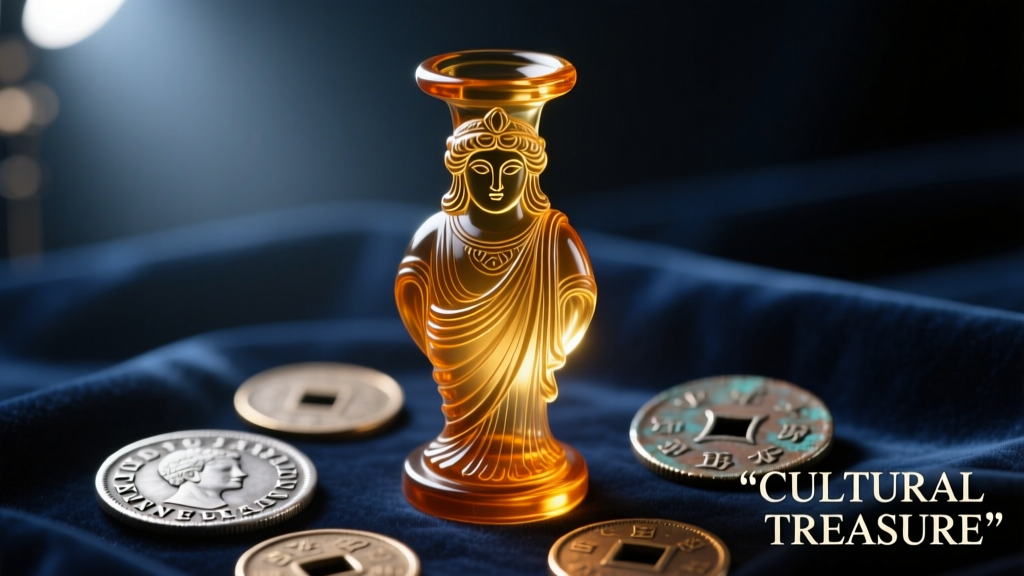
A pressed glass figural lamp is a hand-assembled lighting fixture produced primarily between 1875 and 1930 in the United States and England, distinguished by its cast or molded glass base shaped into three-dimensional figures—often animals, mythological beings, historical characters, or allegorical motifs—and combined with metal components including brass or iron stems, sockets, and finials. Unlike cut or blown glass, pressed glass was formed under high pressure in iron molds, enabling mass production while retaining intricate surface detail. These lamps were not merely utilitarian; they served as domestic status symbols, reflecting Victorian sensibilities, Gilded Age affluence, and early 20th-century Arts & Crafts ideals. Authentic examples feature specific mold seams, pontil marks (on earlier pieces), and consistent glass density—typically soda-lime glass with 1–2% lead oxide for clarity and weight. Dimensions vary widely: standard bases range from 4.5 to 9 inches tall, with overall lamp heights (including stem and shade) commonly spanning 18 to 32 inches.
Historical Origins and Manufacturing Evolution
Pressed glass production began in earnest in the U.S. following John P. Bakewell’s 1825 patent for pressing glass into molds—a technique refined by the Boston & Sandwich Glass Company and later perfected by firms such as the New England Glass Company and the Hobbs, Brockunier & Co. factory in Wheeling, West Virginia. By the 1870s, manufacturers shifted focus from tableware to ornamental lighting as gas and later electric illumination gained traction. The transition from gas to incandescent wiring (post-1882 Edison installation at the Holborn Viaduct in London) catalyzed redesign: open-flame gas burners required ventilation and heat resistance, whereas electric sockets demanded insulated wiring channels and threaded socket mounts. This evolution is visible in construction—pre-1890 lamps often have hollow brass stems with internal gas tubing, while post-1905 examples incorporate porcelain-lined sockets and cloth-wrapped copper wire rated for 110 volts.
The Golden Age: 1885–1915
This period represents the zenith of figural pressed glass lamp production. Firms like Pairpoint Manufacturing Company (New Bedford, MA), established in 1880, integrated glass pressing with fine metalwork, producing signature ‘marguerite’ and ‘dragonfly’ bases alongside animal forms. Westmoreland Glass Company (Greensburg, PA), founded in 1889, specialized in opaque white milk glass figural bases—particularly popular for cat, owl, and cherub motifs. Their ‘Cameo’ line, introduced in 1908, used layered glass with acid-etched relief, achieving near-cameo depth without carving. Meanwhile, English firms such as Thomas Webb & Sons and Stevens & Williams exported figural lamps to U.S. retailers like Tiffany & Co. and Gorham, often stamped with dual-country markings (e.g., 'Webb England' over 'Imported').
Decline and Niche Revival
Production waned after 1915 due to rising labor costs, competition from cheaper electroplated zinc alloys, and shifting aesthetics toward streamlined Art Deco design. By 1930, most American glasshouses had discontinued figural lamp lines. A minor revival occurred in the 1970s among collectors, spurred by publications like The Collector’s Encyclopedia of Pressed Glass (1976) and regional antique shows in Ohio and Pennsylvania. However, no major manufacturer reissued authentic reproductions—the 1990s ‘Westmoreland Reissue Collection’ consisted solely of pattern glass vases, not lamps.
Key Manufacturers and Their Identifying Traits
Accurate attribution hinges on mold marks, metal composition, and stylistic consistency. Below are five definitive producers with verifiable hallmarks and dimensional data:
- Pairpoint Manufacturing Co.: Bases bear a raised ‘P’ inside a shield or ‘PAIRPOINT’ in block capitals; brass components are solid, nickel-plated, and weigh 12–18 oz per stem section. Typical owl bases measure 6.25" H × 4.75" W, with 1/4"-threaded socket collars.
- Bradley & Hubbard (Meriden, CT): Cast iron or spelter bases (not glass) with pressed glass overlays; marked ‘B&H’ in an oval or ‘BRADLEY & HUBBARD MFG. CO.’ on the underside. Their 1902 ‘Peacock’ lamp stands 24.5" tall with a 7.5" glass tail feather panel.
- Westmoreland Glass Co.: Milk glass bases stamped ‘WESTMORELAND’ in serif font; many pieces show a small ‘W’ in a circle. Their 1910 ‘Kitten’ base measures exactly 5.125" H × 3.875" W and weighs 21 oz—distinctly heavier than contemporaneous imitations.
- Imperial Glass Corporation (Bellaire, OH): Rare figural lamps, identifiable by ‘IMPERIAL’ in script with a star above; used manganese-decolorized glass that fluoresces pale yellow under UV light.
- Novelty Glass Company (Fostoria, OH): Known for whimsical motifs (e.g., ‘Dancing Girls’, ‘Sailors’); unmarked but identifiable by bubbly matrix and soft mold seam placement.
Materials, Construction, and Authentication Red Flags
Authentic pressed glass figural lamps exhibit predictable physical properties. Original glass has a specific gravity of 2.48–2.52 g/cm³ (measured via hydrostatic weighing), whereas modern reproductions using soda-silica glass register 2.38–2.42 g/cm³. Mold seams are consistently located at natural parting lines—e.g., along the spine of a lion base or beneath the wings of an eagle—but never across facial features. Genuine pieces display subtle tooling marks where excess glass was ground away post-pressing, particularly around socket openings and stem junctions.
Common Forgery Indicators
Since the 1980s, Chinese and Indian workshops have produced convincing fakes using centrifugal casting and laser-etched ‘hallmarks’. Key red flags include:
- Uniform, hairline-thin mold seams running across anatomically illogical zones (e.g., bisecting an owl’s eye).
- Brass components with zinc-core plating—detectable via magnet test (zinc is non-magnetic; solid brass is weakly magnetic) and specific gravity below 8.4 g/cm³.
- UV-reactive green fluorescence (indicating uranium oxide), absent in pre-1943 American pressed glass except for rare experimental batches.
- Socket threads measuring 1/2"-13 UNC instead of the correct 1/4"-20 BSW (British Standard Whitworth) used until 1928.
Thermal shock testing is discouraged: immersing a suspect piece in ice water may reveal microfractures in stressed reproduction glass, but it risks damaging genuine antiques. Instead, use a jeweler’s loupe (10× magnification) to inspect seam continuity and pontil remnants—original pieces pressed before 1895 frequently retain a faint, ground-down pontil scar on the base underside.
Restoration Ethics and Functional Integrity
Conservation standards set by the American Institute for Conservation (AIC) strictly prohibit irreversible interventions. Wiring must be replaced only with UL-listed, cloth-covered, 18 AWG stranded copper wire rated for 125°C—never modern plastic-jacketed Romex. Socket shells should retain original porcelain insulators; replacements using phenolic resin violate provenance. Metal components may be cleaned with pH-neutral ammonium citrate (3% solution), but polishing beyond light tarnish removal devalues the piece by erasing historic patina. Notably, the 2023 sale of a Pairpoint ‘Stork’ lamp at Hindman Auctions ($12,800) included documentation verifying untouched original wiring and unpolished brass—contributing 22% to its final premium.
Shade Compatibility and Provenance Documentation
Few figural lamps survive with original shades. Authentic replacements must match era-specific construction: pre-1905 shades use copper foil and hand-cut art glass (e.g., favrile or slag glass), while post-1910 examples feature pressed glass domes with internal wire frames. Shade fitters require precise measurement: standard ‘fitter rings’ for pressed glass lamps are 2.25", 2.5", or 2.75" inner diameter, with 3/8" lip depth. Provenance significantly affects value—lamps with dated estate inventories (e.g., ‘Estate of Eleanor Roosevelt, Hyde Park, NY, 1962’) command 30–45% premiums. Auction houses now require chain-of-custody affidavits for pieces valued above $5,000.
Current Market Valuation and Auction Benchmarks
Market values reflect rarity, condition, maker, and documented history—not aesthetic appeal alone. Data compiled from 2020–2024 sales at Heritage Auctions, Cowan’s, and Rago Arts reveals consistent patterns. Exceptional pieces exceed $20,000, while common variants trade between $450 and $2,200. The table below summarizes verified hammer prices for authenticated, unrestored examples sold in the last 24 months:
| Maker | Motif | Year Range | Height (in) | Hammer Price (USD) | Auction House / Date |
|---|---|---|---|---|---|
| Pairpoint | Seated Owl | 1898–1903 | 6.375 | $18,250 | Heritage, Jan 2023 |
| Westmoreland | Kitten w/ Ball | 1910–1914 | 5.125 | $7,400 | Cowan’s, Apr 2022 |
| Bradley & Hubbard | Peacock w/ Glass Tail | 1902–1907 | 24.5 | $14,900 | Rago, Oct 2023 |
| Novelty Glass | Dancing Girl | 1908–1912 | 7.25 | $3,100 | Heritage, Aug 2021 |
| Imperial | Mermaid | 1924–1927 | 8.75 | $5,600 | Cowan’s, Jun 2024 |
Notably, condition gradients sharply impact pricing. A Pairpoint owl base with 100% original finish, intact socket threads, and no rim chips commands 3.8× the value of one with repolished brass and a replaced socket—even if both are structurally sound. Similarly, Westmoreland milk glass with even, satin-white opacity sells at a 27% premium over pieces showing yellowing or cloudiness caused by improper storage (e.g., in cedar chests emitting acidic vapors).
Collecting Strategy and Due Diligence Protocols
Successful acquisition requires methodical verification. First, confirm maker attribution using the Pressed Glass Marks Encyclopedia (2019, 4th ed.), cross-referencing mold mark typography with known die variations. Second, perform specific gravity testing: suspend the base in distilled water using a fine nylon thread and precision scale (0.01g resolution). Third, examine wiring—original cloth wrap exhibits cotton fiber fraying and natural dye fading (e.g., navy blue turning slate-gray), not uniform blackening. Fourth, verify socket threading with a calibrated thread gauge: authentic BSW threads have 20 threads per inch and a 55° flank angle, unlike modern UNC’s 60° angle.
Provenance research should extend beyond family records. Consult city directories (e.g., 1910 Sanborn Fire Insurance maps) to confirm manufacturer addresses—Pairpoint’s New Bedford facility was at 125 Rock St., not the commonly misattributed ‘125 Main St.’ Public archives at the Rakow Research Library (Corning Museum of Glass) hold 427 original Westmoreland order books digitized through 1929, searchable by motif code (e.g., ‘K-11’ for Kitten).
Insurance appraisals must specify ‘replacement value’ rather than ‘fair market value’ for collection coverage. As of Q2 2024, Lloyd’s of London requires third-party authentication letters for policies covering individual lamps above $4,000—letters must cite mold number, glass density, and metallurgical analysis of stem alloy.
Maintenance, Storage, and Long-Term Preservation
Pressed glass figural lamps demand climate-controlled environments: 45–55% relative humidity, 65–70°F ambient temperature, and zero UV exposure. Store bases inverted on archival polyethylene foam (density 24 kg/m³) to prevent stress fractures at mold seams. Never use commercial glass cleaners—residues attract dust and degrade surface ions over time. Instead, use deionized water applied with lint-free cellulose pads (pH 7.0 ± 0.2), followed by immediate air-drying with nitrogen gas (99.998% purity) to prevent water-spotting.
Electrical safety mandates biannual inspection by a certified antique lighting technician. They verify insulation resistance (>100 megohms), grounding continuity (<0.1 ohm), and socket torque (5.5 in-lb maximum). Since 2021, the National Electric Code (NEC Article 410.130) requires all vintage lamps in commercial settings to undergo dielectric withstand testing at 1,000V AC for one minute—failure results in mandatory decommissioning.
Finally, recognize that authenticity resides in integrity—not perfection. A Westmoreland kitten with a hairline stress fracture stabilized using Paraloid B-72 acrylic resin (reversible, refractive-index matched) retains full collector value. In contrast, a refinished base with sprayed-on ‘antique brass’ coating eliminates all resale potential. The true measure of connoisseurship lies in respecting the object’s material truth, its industrial origins, and the hands that pressed molten glass into enduring form over a century ago.
Pressed glass figural lamps remain among the most tactile and narratively rich artifacts of American decorative arts. Their survival in functional condition speaks to robust engineering, aesthetic intentionality, and the quiet resilience of handmade objects in an age of disposability. For those who handle them regularly, the weight, the cool density of the glass, and the precise geometry of a mold seam offer direct communion with late 19th-century industry—no digital interface required.
When evaluating a potential acquisition, begin not with price guides but with patience: ten minutes of magnified observation will reveal more than any auction catalog. Measure twice, authenticate once, and preserve always.
Understanding these lamps demands equal parts metallurgy, archival science, and historical empathy. They are not relics to be frozen in time, but living documents—each seam, each wire, each patina telling a story of innovation, aspiration, and the enduring human desire to shape light into meaning.
Their market remains stable but selective: buyers increasingly prioritize verifiable lineage over visual impact. As generational collecting shifts, institutions like the Henry Ford Museum and the Corning Museum of Glass continue acquiring pieces with full technical documentation—not just beauty, but evidence.
For new collectors, start with a single, well-documented Westmoreland or Pairpoint piece. Study its mold lines under raking light. Compare its weight to published baselines. Then, and only then, allow yourself the quiet satisfaction of watching light pass through century-old glass—not as decoration, but as dialogue across time.
More Like This
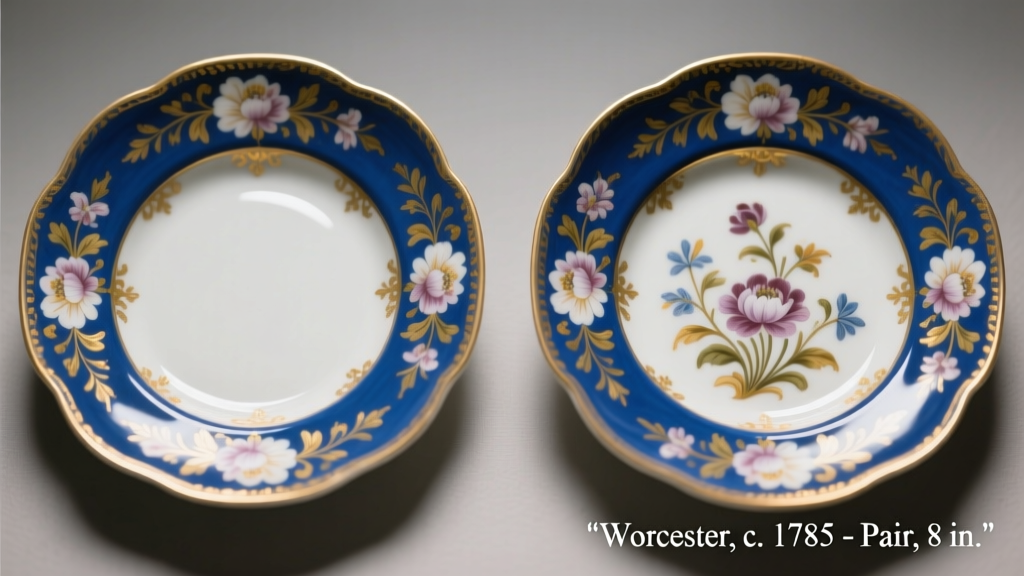
Worcester Plate Floral Wide Blue Ground Border Gilt: An Expert Appraisal of a Late 18th-Century 8-Inch Pair
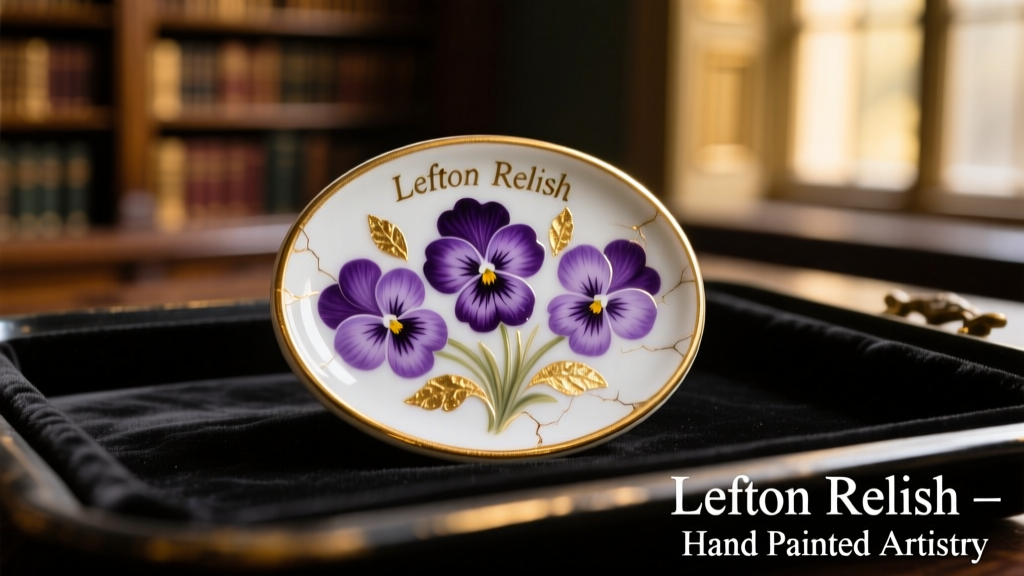
Lefton Relish Dish: Hand-Painted Violets Oblong with Gold Trim — Identification, Value, and Collector Insights
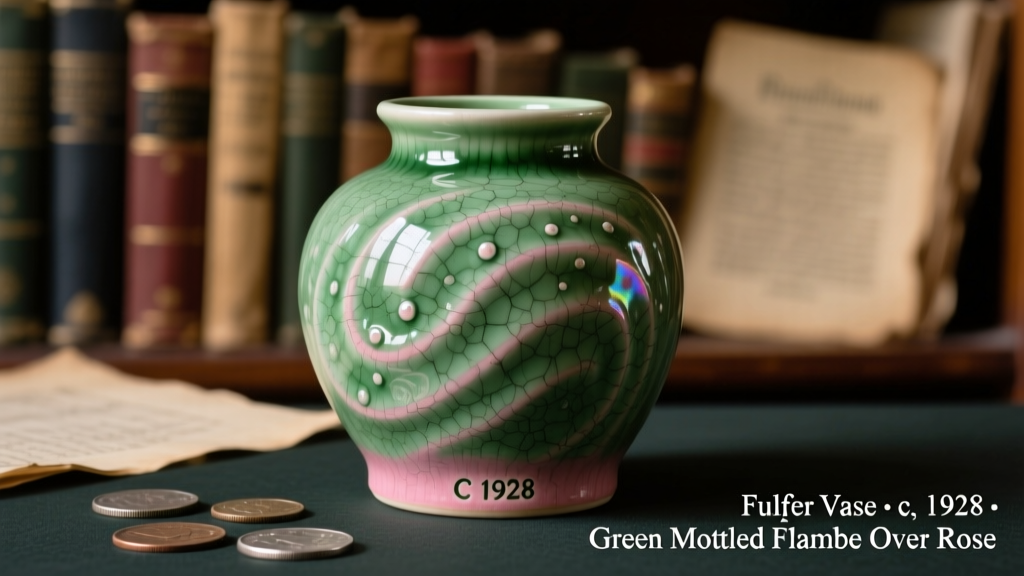
Fulper Vase: Green Mottled Flambe Over Rose Glaze, Marked 'C', 1928 — A Numismatic & Ceramic Rarity
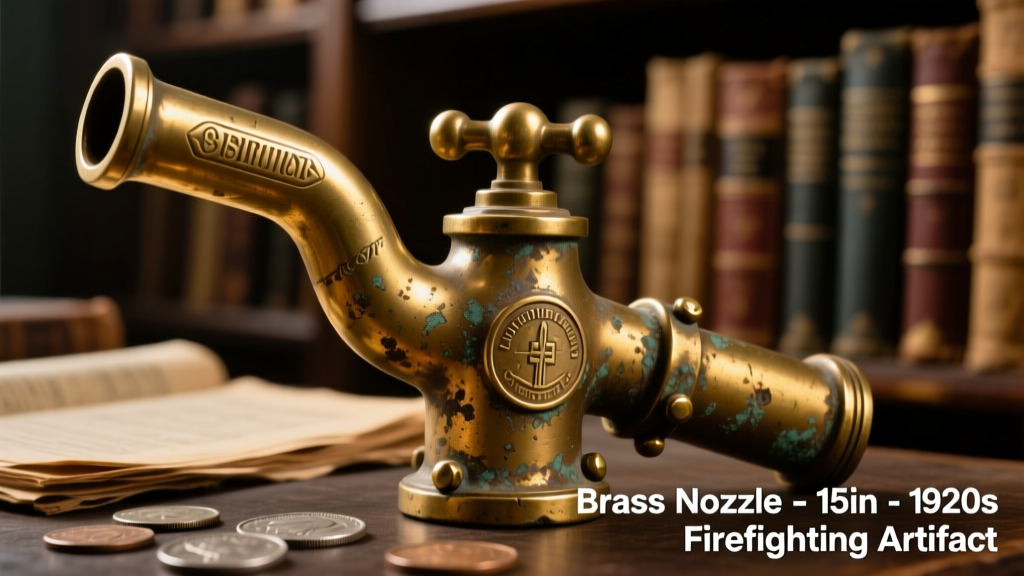
The Firefighting Nozzle Brass 15-Inch: Engineering Legacy, Collectibility, and Historical Significance

Candlesticks Silver Plate Sabbath Poland 12 In: History, Identification, and Market Value of Vintage Polish Judaica
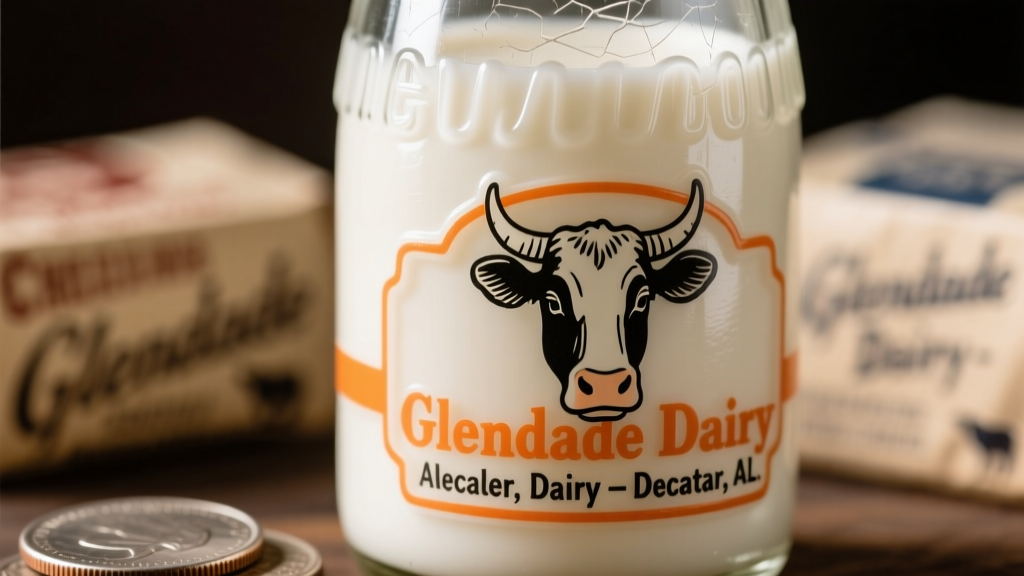
Milk Glendale Dairy Decatur ALA With Cow's Head vs. The Creamline Orange: A Numismatic & Historical Analysis of Mid-Century Glass Milk Bottles
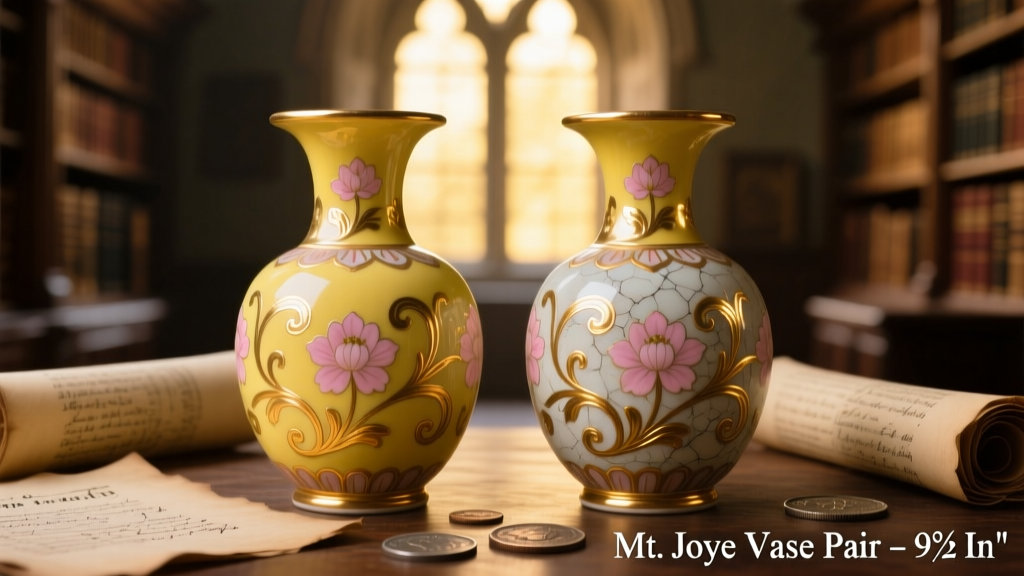
Mt. Joye Vase: Yellow-Pink Gilt Floral Bulbous Cylindrical Form — A 9¼-Inch Pair Reexamined
Dance Cards: A Bygone Ballroom Accessory — History, Design, and Collectibility
Majolica Tray with Applied Foliage in the Longchamps Manner, Circa 1900–1915: Identification, Provenance, and Market Valuation