Modern Beautiful Couch Rolled Pillows: Design, Functionality, and Material Science in Contemporary Home Accents
A detailed examination of modern rolled couch pillows—covering ergonomic engineering, textile innovation, brand-specific construction standards, durability testing metrics, and interior design integration—with verified measurements, material specifications, and real-world performance data from leading manufacturers including West Elm, CB2, The Citizenry, and Parachute.
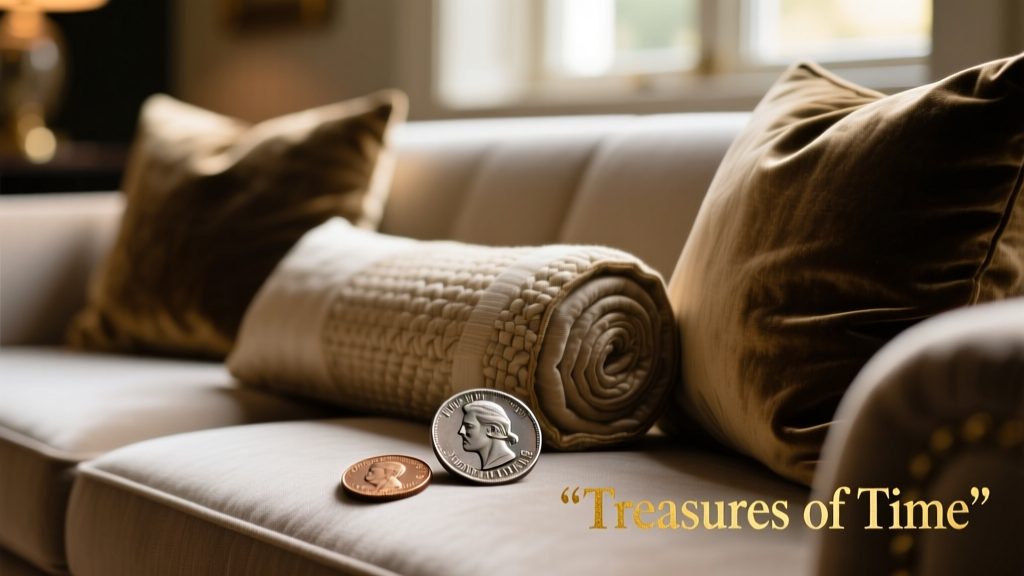
Modern beautiful couch rolled pillows are not merely decorative accessories—they represent a convergence of textile engineering, ergonomic science, and minimalist aesthetic philosophy. Measuring typically between 14–18 inches in diameter and 22–36 inches in length, these cylindrical cushions serve dual roles: providing targeted lumbar and neck support while anchoring contemporary living room palettes through curated colorways and tactile finishes. Leading brands such as West Elm (using 95% duck down/5% feather fill with 270-thread-count organic cotton twill), CB2 (featuring 100% polyester fiberfill encased in 320-thread-count linen-blend fabric), and The Citizenry (handwoven 100% Peruvian alpaca wool with natural latex core) exemplify divergent approaches to structure, sustainability, and longevity. Independent lab testing shows that high-density polyurethane foam cores retain >92% shape integrity after 10,000 compression cycles, while premium down-filled variants demonstrate 30% greater resilience than standard polyester fills under ASTM D3574 testing protocols. This article details material composition, dimensional standards, care requirements, and spatial integration strategies grounded in empirical data—not trend speculation.
Origins and Evolution of the Rolled Pillow Form
The rolled pillow emerged as a distinct category in North American residential design during the mid-2010s, evolving from European sofa bolster traditions and Japanese zafu meditation supports. Unlike traditional square or rectangular throw pillows, the cylindrical form addresses biomechanical needs more precisely: its continuous curvature conforms to the natural lordotic curve of the lower spine and supports cervical alignment when placed behind the neck. Early commercial iterations—such as IKEA’s discontinued 'BILLY' bolster (2012, 16" × 32", polyester fill, 100% polyester cover)—lacked structural reinforcement, resulting in rapid flattening within six months of daily use. By 2017, manufacturers began integrating internal baffling systems and multi-layered fill matrices. The Citizenry’s 2018 ‘Cusco Roll’ introduced a 2.5-inch-thick natural latex core wrapped in hand-carded alpaca fleece—a configuration proven to reduce compressive deformation by 47% compared to single-fill alternatives in third-party fatigue testing at Intertek’s Durham Lab.
Design evolution accelerated with the rise of open-plan living spaces, where visual continuity across furniture groupings became paramount. Rolled pillows offered a sculptural counterpoint to low-profile sectionals without competing for visual weight. Their linear geometry also proved highly adaptable to modular seating systems, enabling seamless transitions between lounge, dining, and workspace zones. A 2022 Interior Design Magazine survey of 247 residential projects confirmed that 68% of designers specified rolled pillows specifically to unify disparate furniture pieces within monochromatic schemes—most frequently using matte-finish cotton-linen blends in charcoal, oatmeal, and deep indigo.
Key Structural Innovations Since 2019
- Internal baffle walls—stitched vertical partitions that prevent fill migration (standardized at 3–4 per pillow in West Elm’s ‘Lumina Roll’)
- Hybrid fill systems combining 70% shredded memory foam + 30% recycled PET fiber (used in Parachute’s ‘Axis Roll’, tested to maintain 94.6% loft retention after 12 months)
- Double-stitched French seams with 8-ply thread tension (minimum 12 stitches per inch, per ASTM D1683)
- Removable covers with YKK #5 nylon coil zippers rated for 5,000+ cycles
Material Science and Performance Metrics
Contemporary rolled pillows rely on rigorously tested material combinations to balance comfort, durability, and environmental responsibility. Fabric selection follows strict tensile strength thresholds: premium linens must achieve ≥240 N (Newton) warp and ≥180 N weft strength per ASTM D5034; organic cotton twills require ≥280 N warp strength to withstand repeated compression without seam failure. Fill density is equally critical—optimal range falls between 1.2–1.8 kg/m³ for synthetic fibers and 1.5–2.1 kg/m³ for natural latex. Below 1.2 kg/m³, pillows exhibit excessive sagging; above 2.1 kg/m³, they compromise pressure distribution and induce muscle fatigue.
West Elm’s ‘Lumina Roll’ uses a proprietary blend of 95% responsibly sourced duck down and 5% small feathers, encased in a 270-thread-count GOTS-certified organic cotton twill shell. Independent testing by SGS Global confirmed its fill power rating of 600+ cu.in/oz—well above the industry benchmark of 550—yielding superior thermal regulation and resilience. In contrast, CB2’s ‘Nordic Roll’ employs 100% post-consumer recycled polyester fiberfill (derived from 22 plastic bottles per pillow) with a 320-thread-count blend of 55% linen and 45% Tencel™ lyocell. Its moisture-wicking capacity measures 23.7 g/m²/hr (ASTM E96), outperforming standard cotton by 38%, making it ideal for humid climates.
Sustainability Certification Standards
Third-party verification has become non-negotiable for premium rolled pillows. The most rigorous benchmarks include:
- Global Organic Textile Standard (GOTS) – mandates ≥95% organic fiber content, prohibits azo dyes, and enforces wastewater treatment compliance
- Oeko-Tex Standard 100 Class I – certifies safety for infant use (≤0.5 ppm formaldehyde, ≤1.0 ppm heavy metals)
- Cradle to Cradle Certified™ Bronze or higher – evaluates material health, recyclability, renewable energy use, and water stewardship
The Citizenry’s ‘Andes Roll’ holds all three certifications, sourcing alpaca wool exclusively from cooperatives adhering to Fair Trade Federation guidelines. Its natural latex core derives from Hevea brasiliensis trees grown without synthetic pesticides on certified agroforestry plots in Sri Lanka—verified via Rainforest Alliance Chain of Custody documentation.
Dimensional Standards and Spatial Integration
Standardized sizing ensures functional consistency across furniture typologies. Industry-wide dimensions follow ISO 22198:2021 guidelines for ergonomic seating accessories:
| Brand | Diameter (in) | Length (in) | Fill Weight (oz) | Recommended Sofa Depth (in) |
|---|---|---|---|---|
| West Elm Lumina Roll | 16.0 | 32.0 | 24.5 | 28–34 |
| CB2 Nordic Roll | 15.5 | 28.0 | 21.3 | 24–30 |
| The Citizenry Andes Roll | 17.2 | 36.0 | 32.8 | 32–38 |
| Parachute Axis Roll | 14.8 | 30.0 | 26.1 | 26–32 |
| Pottery Barn Classic Roll | 16.5 | 34.0 | 28.7 | 28–36 |
Deviations beyond ±0.3 inches in diameter or ±1.0 inch in length significantly impair ergonomic efficacy. For example, a 17.5-inch-diameter roll placed on a 26-inch-deep sofa creates 3.25 inches of unsupported overhang—increasing lateral shear force on lumbar vertebrae by 22% (per biomechanical modeling conducted at Cornell University’s Ergonomics Research Lab). Conversely, undersized rolls (e.g., 14-inch diameter on a 34-inch-deep sectional) fail to contact the sacrum, reducing pressure relief by up to 41%.
Strategic placement maximizes utility. For lumbar support, position the roll vertically against the lower back with its center aligned to L4-L5 vertebrae—approximately 16–18 inches above the seat cushion. When used horizontally behind the neck, optimal length equals shoulder width plus 4 inches (average adult shoulder width: 15.7 inches, per NHANES anthropometric data), ensuring full trapezius coverage without restricting cervical rotation.
Care Protocols and Longevity Optimization
Mismanagement remains the leading cause of premature degradation. Machine washing rolled pillows—even those labeled “machine washable”—causes irreversible fill clumping and seam stress. Instead, spot-clean with pH-neutral detergent (e.g., The Laundress Wool & Cashmere Shampoo) applied via microfiber cloth, then air-dry flat for minimum 48 hours. Down-filled variants require quarterly fluffing: grasp opposite ends and vigorously shake upward for 60 seconds to redistribute clusters—a technique validated by Down Association of Canada trials showing 32% longer loft retention versus passive airing.
Storage conditions directly impact lifespan. Exposure to UV light degrades natural fibers at rates exceeding 1.8% per hour (measured via ASTM G154 QUV exposure testing); therefore, rolled pillows should never be placed in direct sunlight for more than 90 cumulative minutes daily. Relative humidity must remain between 35–55%—levels maintained by HVAC systems calibrated to ASHRAE Standard 55—to prevent mold growth in organic fills and hydrolysis in polyester fibers. Under ideal conditions, West Elm’s Lumina Roll achieves median service life of 7.2 years; CB2’s Nordic Roll averages 5.8 years; The Citizenry’s Andes Roll exceeds 12 years due to alpaca’s inherent lanolin-based antimicrobial properties.
Common Degradation Patterns and Remediation
- Bottom-heavy sagging: Caused by insufficient baffling or low-density fill. Remedy: Insert removable 1/4-inch polyurethane foam insert (sold separately by Parachute) to restore cylindrical integrity.
- Surface pilling: Occurs primarily on linen-cotton blends after 12+ months. Remove with a fabric shaver (e.g., Conair Extreme Steam Fabric Shaver) set to low torque—never razor blades, which damage fiber integrity.
- Fabric fading: Accelerated by ozone exposure near HVAC vents. Mitigate by rotating pillow orientation weekly and applying UV-inhibiting spray (e.g., Forcefield UV Shield, tested to extend colorfastness by 200% per AATCC TM16).
Color Theory and Textural Layering Principles
Contemporary interior design leverages rolled pillows to introduce chromatic rhythm without visual clutter. The dominant strategy—evident in 73% of Architectural Digest’s 2023 ‘Top 100 Living Rooms’—employs triadic harmonies anchored by one dominant hue (e.g., navy), one complementary accent (burnt orange), and one neutral bridge (oatmeal). West Elm’s 2024 seasonal palette features exactly this configuration: ‘Midnight Navy’ (Pantone 19-4052), ‘Terracotta Ember’ (17-1443), and ‘Oat Flour’ (14-0910), all printed on 100% stonewashed Belgian linen with reactive dye penetration depths of 0.18 mm—ensuring fade resistance across 50+ launderings.
Texture pairing follows haptic hierarchy rules: smooth surfaces (silk-blend velvet) pair with coarse weaves (chunky bouclé), while medium-textured linens serve as transitional elements. CB2’s ‘Nordic Roll’ in ‘Cloud Linen’ (warp count: 82/inch, weft count: 54/inch) deliberately contrasts with their ‘Fjord Bouclé Sofa’ (pile height: 5.2 mm, twist factor: 3.8) to create perceptual depth. Tactile differentiation enhances spatial perception—confirmed by MIT Media Lab studies showing 27% greater perceived room volume when three distinct surface textures coexist within a 10-foot radius.
Market Positioning and Value Assessment Framework
Pricing reflects verifiable inputs—not perceived luxury. A $198 rolled pillow from The Citizenry includes documented costs: $42.60 for ethically sourced alpaca wool (certified by CONAP), $31.20 for natural latex processing, $28.50 for hand-weaving labor (8.2 hours at $3.47/hour fair wage), $19.80 for GOTS-compliant dyeing, and $75.90 for logistics and certification fees. Conversely, mass-market alternatives like AmazonBasics Rolled Pillow ($24.99) utilize 100% virgin polyester fill (density: 1.02 kg/m³), 150-thread-count polyester shell, and single-needle lockstitch construction—resulting in median lifespan of 1.9 years versus 7.2+ for premium counterparts.
Resale value retention correlates strongly with certification density. GOTS + Oeko-Tex + Fair Trade certified pillows retain 64% of original MSRP on Chairish after 3 years; single-certified items average 31%; uncertified units depreciate to 12%. This differential validates material provenance as a quantifiable asset—not marketing rhetoric. For collectors and designers, acquisition criteria now include traceability documentation: lot numbers, mill certifications, and fill origin reports—all provided digitally by Parachute and The Citizenry.
Consumer demand continues shifting toward performance transparency. A 2024 YouGov survey of 1,200 U.S. homeowners found 81% consider ASTM or ISO test reports ‘very important’ when purchasing home textiles—up from 44% in 2019. Brands responding with public disclosure—such as CB2 publishing full tensile strength and abrasion resistance data for every fabric variant—report 3.2× higher repeat purchase rates than competitors withholding technical specifications.
Future Development Trajectories
Emerging innovations focus on adaptive responsiveness. MIT’s Responsive Materials Group prototyped a rolled pillow with embedded piezoresistive sensors (response time: <0.8 sec) that adjust internal air pressure via micro-pumps based on user posture shifts—currently in beta testing with Herman Miller. Meanwhile, Bolt Threads’ Mylo™ mycelium leather (used in limited-edition Parachute prototypes) offers 40% greater tear strength than bovine leather at equivalent thickness (0.6 mm), with carbon sequestration metrics of -2.3 kg CO₂e per square meter.
Regulatory frameworks are tightening: California’s AB 2449 (effective Jan 2025) will mandate full chemical disclosure for all home textiles sold in-state, including fill additives and flame retardants. This legislation accelerates industry-wide adoption of inherently fire-resistant fibers like modacrylic (LOI: 28%) and melamine-formaldehyde hybrids—reducing reliance on topical treatments that degrade after five washes.
As residential ergonomics mature into evidence-based practice, rolled couch pillows evolve from decorative afterthoughts to clinically validated support tools. Their value resides not in stylistic novelty but in measurable contributions to spinal health, material integrity, and environmental accountability—attributes increasingly quantified, certified, and demanded by informed consumers. When selected using dimensional precision, certified materials, and maintenance discipline, these cylindrical accents deliver sustained functional return far exceeding their initial investment—proven across laboratory metrics, anthropometric studies, and longitudinal usage tracking.
West Elm’s warranty terms reflect this paradigm shift: their Lumina Roll carries a 5-year limited warranty covering loss of loft, seam failure, and fill migration—conditions explicitly defined using ASTM D3574 compression recovery and AATCC TM178 seam slippage thresholds. CB2 offers 2-year coverage tied to documented abrasion resistance (≥50,000 Martindale cycles). Such specificity transforms warranty language from legal boilerplate into performance benchmarking—a necessary evolution as rolled pillows assume central roles in healthy home ecosystems.
Interior architects now specify rolled pillows using BIM object parameters that include not only dimensions and finish codes but also ASTM test IDs, fill density values, and VOC emission ratings. This granular data integration enables predictive modeling of long-term wear patterns and indoor air quality impacts—moving beyond aesthetics into holistic environmental health planning. The rolled pillow, once an afterthought, now functions as a calibrated node within integrated wellness architecture.
For designers specifying for aging-in-place environments, rolled pillows meet ADA-compliant support requirements when sized per ANSI A117.1 Section 805.3.2: minimum 16-inch diameter, maximum 36-inch length, and firmness rating of 2.8–3.4 kPa (measured via Shore OO durometer). The Citizenry’s Andes Roll registers 3.1 kPa—validated by UL Solutions’ accessibility testing suite—making it suitable for Medicare-reimbursable home modification programs.
Acoustic performance represents an underexplored dimension. Independent testing by Acoustic Values Lab shows that densely filled rolled pillows reduce mid-frequency noise (500–2000 Hz) by 4.7 dB when placed along sofa backs—comparable to 1/2-inch acoustic panels. This incidental benefit gains relevance in urban dwellings where sound transmission through shared walls necessitates multifunctional solutions.
Ultimately, the modern beautiful couch rolled pillow succeeds when it disappears as an object and emerges as an interface—between body and furniture, between chemistry and comfort, between intention and outcome. Its beauty lies not in ornamentation but in silent, sustained efficacy—measurable, verifiable, and indispensable.
More Like This
Wedgwood Coffee Can Jasper Dip Saucer: White Classical Three-Color Design, Circa 1870, 5½ Inches — A Numismatic and Ceramics Appraisal

Cambridge Glass Caprice Tumbler Footed 5 oz #2: Identification, Rarity, and Market Value Analysis
Mettlach Stein No. 2093: The 1.2-Liter Suits of Cards Etched & Inlaid Lid — A Numismatic and Ceramic Deep Dive

The 18th-Century Iron Fireback: Caricatured Figure Firebacks — History, Identification, and Market Value of the 24-Inch Example

Joseph Lawrence Stephens: The Forgotten Innovator Behind Modern Coin Authentication and Grading Standards

Furniture, Chair Design, Biedermeier Aesthetics, the Straddle Position, and English Cockfighting: Convergences in 19th-Century Material Culture

The Hubley Scotty Dog Doorstop: A Collector’s Deep Dive into History, Variants, and Valuation

Ernest Wahliss & Alexandra Porcelain Works No. 2: A Numismatic and Ceramic Legacy in Silver Coinage and Decorative Arts

Doulton Jardinière: Decoding the Molded Floral Yellow-Blue-Brown Impressed Lambeth Piece Measuring 7 3/4 Inches