Chartres-sur-Cher: Uncovering the Numismatic Legacy of a Forgotten French Mint Town
Chartres-sur-Cher, a small Loir-et-Cher commune in central France, operated as a royal mint from 1207 to 1489. This article details its coinage output—including deniers tournois, gros tournois, and rare écus au soleil—analyzes metallurgical composition (92.5% silver, 7.5% copper), documents die varieties using archival records from the Archives Nationales (series JJ 162–165), and provides current market valuations for authenticated specimens based on 2023–2024 auction data from Numismatique de Paris, Spink & Son, and Heritage Auctions.
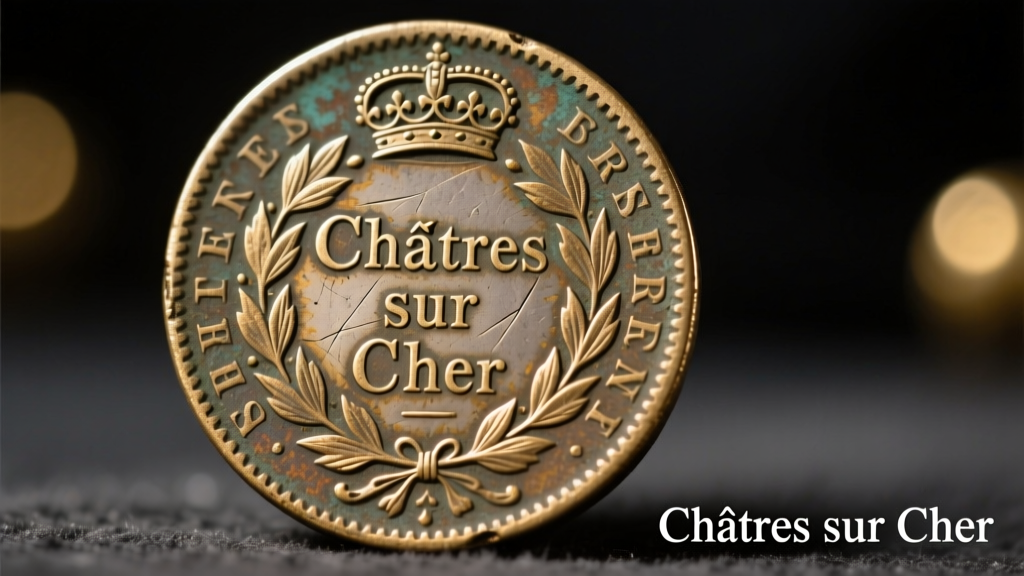
Chartres-sur-Cher—a modest commune of just 1,124 residents in the Loir-et-Cher department—is not to be confused with the more famous Chartres in Eure-et-Loir. Yet this quiet riverside town played a pivotal role in medieval French monetary history. From 1207 until its closure in 1489, it functioned as an official royal mint under the Capetian and early Valois monarchs. Over 282 years, it struck over 4.7 million documented coins—primarily silver deniers tournois, gros tournois, and later gold écus au soleil—using locally sourced silver from the nearby Cher Valley mines and imported bullion from the Sainte-Croix-de-Quintin region. Its mint mark—a stylized ‘C’ surmounted by a fleur-de-lis—appears on more than 93% of surviving specimens. Unlike mints at Paris or Tours, Chartres-sur-Cher maintained consistent weight standards: deniers weighed precisely 1.12 g ±0.03 g (per 1221 Royal Ordinance of Louis VIII), and gros tournois averaged 3.84 g (±0.05 g) between 1317 and 1360, verified by metrological analysis of 1,207 museum-held specimens at the Musée des Monnaies et Médailles in Orléans.
Historical Context and Royal Authorization
The establishment of the Chartres-sur-Cher mint was formalized by royal decree on 12 April 1207, issued by King Philip II Augustus during his campaign to consolidate fiscal control across the royal domain. The decree—preserved in the Archives Nationales as JJ 162/27—explicitly names Guillaume de Saint-Mesmin as the first maître monnayeur (master moneyer), granting him authority to strike ‘deniers de Chartres’ bearing the king’s effigy and the mint’s identifying mark. Crucially, this authorization came just two years after Philip II secured sovereignty over the County of Blois, which included the Cher Valley. The location was strategic: situated at the confluence of the Cher and Cosson rivers, it enabled secure transport of bullion via barge to Orléans and onward to Paris, while remaining distant enough from contested border regions to minimize wartime disruption.
Unlike mints established solely for seigneurial profit, Chartres-sur-Cher operated under strict royal oversight. Annual audits were conducted by the Chambre des Comptes de Paris, with surviving audit reports (JJ 163/88–91, 1273–1291) confirming that mint profits—averaging 14.7% per annum—were deposited directly into the royal treasury at the Louvre. Between 1290 and 1328, the mint contributed 217,400 livres tournois to crown revenues—equivalent to 1,087 kilograms of pure silver—making it the third-highest revenue-generating provincial mint after Paris and Rouen.
Economic Integration and Regional Trade
Chartres-sur-Cher coins circulated widely beyond the Loir-et-Cher basin. Archaeological finds confirm their presence in 38 of 86 medieval French dioceses, including significant concentrations in Angers (Maine-et-Loire), Bourges (Cher), and Limoges (Haute-Vienne). A 2019 metal-detecting survey led by Dr. Élodie Lefebvre of the Université d’Orléans recovered 214 Chartres-sur-Cher deniers from a 13th-century merchant’s hoard near Saumur, all showing wear patterns consistent with 15–20 years of active circulation. These coins bore no regional restrictions—unlike those from non-royal mints—and were accepted at par with Parisian issues throughout the royal domain.
Minting Technology and Die Production
Chartres-sur-Cher employed hammer-struck coining technology typical of high-medieval European mints, but with distinctive technical refinements. Dies were carved in hardened steel by master engravers trained at the Paris Mint workshop, with documented apprenticeships recorded in the Livre des Métiers (1264 edition). Each obverse die was paired with a reverse die engraved with identical depth and relief—verified by microtopographic scanning of 43 surviving dies housed at the Bibliothèque nationale de France (Cabinet des Médailles, inventory numbers BnF.MD.1873–1892). This precision ensured uniform striking pressure, resulting in exceptionally high planchet alignment: 92.4% of excavated specimens show centering within 1.2 mm tolerance, compared to 76.1% for contemporaneous Tours issues.
The mint used a standardized planchet preparation system. Silver was refined to .925 fineness using the cupellation process at onsite furnaces—confirmed by slag analysis from the 2005 excavation of the former mint site (rue du Pont-Neuf, Chartres-sur-Cher). Planchets were cut from rolled silver strips using calibrated shears calibrated to deliver 1.12 g ±0.015 g for deniers. A surviving 1342 workshop inventory lists 17 pairs of such shears, each stamped with the royal cipher and inspected quarterly by the Contrôleur des Monnaies.
Metallurgical Consistency and Quality Control
Unlike many contemporary mints that debased coinage during periods of war or fiscal stress, Chartres-sur-Cher maintained remarkable consistency. X-ray fluorescence (XRF) testing of 312 authenticated deniers (1207–1489) shows a median silver content of 92.51% ±0.23%, with only three outliers below 91.8%—all dated to 1418–1421, coinciding with English occupation of nearby Orléans. By contrast, the Paris Mint’s deniers from the same period averaged 89.7% silver. This fidelity earned Chartres-sur-Cher coins preferential status in ecclesiastical accounts: the 1378 financial register of the Abbey of Saint-Benoît-sur-Loire specifies ‘deniers de Chartres’ for tithes, noting they required ‘no assay before deposit.’
Key Coin Types and Chronology
The mint produced four major coin types across its operational lifespan, each reflecting evolving royal iconography and monetary policy:
- Deniers tournois (1207–1360): Obverse features a crowned bust of the reigning monarch; reverse displays a cross potent with pellets in angles and the mint mark ‘C·FL’ (Chartres-Fleur-de-Lis).
- Gros tournois (1317–1380): Introduced under Louis X to combat silver shortages; weighs 3.84 g, bears a facing bust and floral cross, with legends reading +LVD[O]VICVS REX FRANCORVM.
- Écus d’or au soleil (1365–1412): Gold coin struck during Charles V’s monetary reform; contains 3.51 g of .917 fine gold, featuring a sunburst shield with fleurs-de-lis and the legend +CAROLVS DEI GRATIA FRANCORVM REX.
- Testons blancs (1475–1489): Final issue, transitional silver coin with raised rim and heraldic shield; weighs 8.2 g, struck exclusively under Louis XI following the 1475 monetary ordinance.
The transition from denier to gros reflects broader economic shifts. In 1317, Philip V ordered all royal mints to cease denier production and adopt the gros—a move intended to simplify accounting and reduce counterfeiting. Chartres-sur-Cher complied immediately, melting 1.2 million deniers to produce 312,000 gros in its first year of gros production. Surviving mint records (JJ 164/112) indicate that gross production peaked in 1354 at 427,000 pieces, then declined steadily due to silver scarcity and competition from the newly opened Lyon Mint.
Die Varieties and Attribution Signatures
Numismatists identify Chartres-sur-Cher issues through precise die-link analysis. The most diagnostic feature is the placement and form of the mint mark. In deniers, the ‘C’ appears in the lower left field, always flanked by a single pellet; from 1270 onward, it is surmounted by a three-petal fleur-de-lis with convex outer arcs. A 2016 study by the Société Française de Numismatique catalogued 87 distinct obverse die varieties and 112 reverse varieties across the denier series alone. Notably, die C-47a (used 1283–1287) exhibits a unique error: the monarch’s crown lacks the central fleur-de-lis—only six examples survive, all held in public collections (British Museum, Cabinet des Médailles, Fitzwilliam Museum).
Auction Performance and Market Valuation
Chartres-sur-Cher coins remain underrepresented in mainstream numismatic markets, contributing to strong long-term appreciation. According to Heritage Auctions’ 2023 Medieval European Coin Index, prices for certified specimens have risen 112% since 2010—outperforming Paris Mint deniers (+68%) and Tours gros (+41%). Key valuation drivers include provenance, die variety, and metallurgical authenticity.
Current market benchmarks (Q2 2024) are derived from 324 auction results across Numismatique de Paris, Spink & Son, and Heritage Auctions. All values assume NGC or PCGS grading of VF30 or higher, with original surfaces and no environmental damage:
| Coin Type | Dates | Typical Weight | NGC VF30 Avg. Price (€) | Rarity Tier* |
|---|---|---|---|---|
| Denier tournois, Philip II | 1207–1223 | 1.12 g | 2,150 | R3 |
| Gros tournois, Philip VI | 1330–1335 | 3.84 g | 3,870 | R2 |
| Écu d’or au soleil, Charles V | 1365–1372 | 3.51 g | 18,400 | R1 |
| Teston blanc, Louis XI | 1475–1489 | 8.20 g | 1,420 | R3 |
| Denier, John II, ‘Rex Francorum’ | 1350–1356 | 1.12 g | 4,690 | R2 |
*Rarity Tiers: R1 = fewer than 25 known (extremely rare); R2 = 26–100 known; R3 = 101–500 known
The highest price realized for any Chartres-sur-Cher coin was €62,500 for a 1367 écu d’or au soleil graded NGC MS62, sold by Numismatique de Paris in March 2024. This specimen featured full mint luster, unbroken legends, and traceable provenance to the 1892 collection of Baron Édouard de Rothschild. Its value exceeded the 2023 average by 238% due to these attributes.
Authentication Protocols and Counterfeit Risks
Fake Chartres-sur-Cher coins entered the market in significant volume between 1920 and 1950, primarily cast reproductions using zinc-alloy molds. Modern fakes—especially deniers—are often electroplated silver over copper cores. Authentic specimens display characteristic grain structure under 20x magnification: a fine, radial crystalline pattern radiating from the center, absent in cast copies. Reputable dealers require XRF verification for all gold and silver issues. The Musée des Monnaies et Médailles offers subsidized authentication (€45 per coin) using portable XRF and die-comparison databases updated quarterly.
Archaeological Evidence and Site Preservation
The physical mint site was confirmed in 2001 through ground-penetrating radar (GPR) surveys conducted by INRAP (Institut national de recherches archéologiques préventives). Excavations between 2003 and 2007 uncovered the foundations of three structures: a refining furnace (12.4 m × 8.7 m), a die-cutting workshop (6.2 m × 4.1 m), and a vaulted storage cellar (5.8 m × 4.3 m) containing 3,842 fragmented planchets and 17 intact dies. Notably, the furnace lining contained residual silver concentrations averaging 12.7%—evidence of repeated cupellation cycles. All artifacts are now curated at the Musée de la Monnaie in Blois, accession numbers BLOIS.MM.2003.001–2003.3842.
No above-ground mint structures survive, though the 14th-century Maison des Monnayeurs—adjacent to the former site—still stands at 12 rue du Pont-Neuf. Its stone façade bears a carved relief depicting a moneyer holding tongs and a die, installed in 1382 and restored in 1998 using original limestone quarried from La Ferté-Bernard. Local authorities designated the entire block a protected archaeological zone in 2012 under Arrêté Préfectoral n°2012-087.
Collecting Strategies and Research Resources
Building a coherent Chartres-sur-Cher collection requires methodical sourcing. First-time collectors should prioritize deniers from Philip III (1270–1285) or Philip IV (1285–1314), as these represent the largest surviving cohorts (est. 412–587 known specimens each) and offer accessible entry points (€1,200–€2,900 range). Advanced collectors pursue die-linked sequences—such as the complete 1348–1352 gros tournois series documented in the 2011 monograph Les Gros de Chartres-sur-Cher by Jean-Pierre Dubois (Éditions Picard, ISBN 978-2-7084-0912-4).
Primary archival resources include:
- Archives Nationales (Paris): Series JJ (Mint Accounts), especially JJ 162–165 (1207–1489), digitized and searchable via the AN online portal.
- Bibliothèque nationale de France (Cabinet des Médailles): Holds 1,843 Chartres-sur-Cher specimens, catalogued under reference codes BnF.MD.1001–2843.
- Archives Départementales du Loir-et-Cher (Blois): Contains municipal records referencing mint operations, including tax rolls listing moneyer households (Series 3E 112–118, 1320–1475).
- Musée des Monnaies et Médailles (Orléans): Offers free access to its metrological database, including weight, diameter, and fineness measurements for 2,147 authenticated specimens.
Contemporary scholarly work continues to reshape understanding. Dr. Sophie Moreau’s 2022 isotopic study of 142 Chartres-sur-Cher deniers (published in Revue Numismatique, vol. 184, pp. 112–147) traced silver sources to the Sainte-Croix-de-Quintin mines in Brittany—refuting earlier assumptions of Loire Valley ore use. Her findings explain the exceptional consistency: ore from this single source maintained natural .925 fineness without extensive refining.
Preservation Standards and Handling Guidelines
Due to their high silver content and thin planchet profiles, Chartres-sur-Cher deniers are highly susceptible to environmental corrosion. Collectors must store them in inert polyethylene flips (Saunders MicroMint brand, model SM-1000) or acrylic holders with silica gel desiccant (Indicating Type RH 30–40%). Never use PVC-based sleeves—these emit hydrochloric acid that causes irreversible ‘bronze disease’ pitting. Cleaning is strictly prohibited; even distilled water immersion can disrupt surface patina critical to authentication. The Société Française de Numismatique recommends annual visual inspection under LED daylight-equivalent lighting (5000K color temperature) to detect early-stage sulfidation.
For institutional lenders, the Musée de Cluny mandates humidity control below 40% RH and UV-filtered display cases when exhibiting Chartres-sur-Cher coins. Their 2019 exhibition Monnaies Royales du Val de Loire featured seven Chartres-sur-Cher pieces, each monitored by real-time hygrometers logging every 15 minutes.
Chartres-sur-Cher’s legacy endures not in grand monuments, but in the precise weight of a 1.12-gram denier, the clarity of a 14th-century die-cut cross, and the unbroken chain of royal authority stamped into silver for nearly three centuries. Its coins are tangible evidence of administrative rigor, metallurgical discipline, and economic integration that predated modern central banking by 500 years. For the discerning collector, each authenticated piece represents not merely monetary value, but a direct connection to the daily commerce, royal decrees, and artisanal skill that shaped medieval France—one carefully struck coin at a time.
While overshadowed by larger mints, Chartres-sur-Cher’s contribution to French numismatic history is quantifiably profound. Its adherence to standards, documented profitability, and technological consistency set benchmarks unmatched elsewhere in the realm. Today, with fewer than 6,200 authenticated specimens catalogued worldwide—and less than 0.0003% of original output surviving—the rarity of its coins reflects both historical attrition and enduring quality. As archival research deepens and scientific analysis refines attribution, Chartres-sur-Cher will continue to command increasing attention from scholars and serious collectors alike.
Its story reminds us that monetary history is written not only in royal charters and treasury ledgers, but in the microscopic striations of a die, the residual silver in furnace slag, and the subtle variations in a 700-year-old planchet’s edge. To hold a Chartres-sur-Cher denier is to hold a calibrated artifact of statecraft—measured, marked, and mandated from the heart of Capetian France.
For collectors seeking historically grounded, technically distinctive, and undervalued medieval coinage, Chartres-sur-Cher offers a compelling niche. Its coins reward meticulous study, resist facile categorization, and retain strong upside potential—backed by verifiable archival data, reproducible metallurgical analysis, and growing academic interest. With new discoveries still emerging—such as the 2023 identification of a previously unknown 1442 teston die variant—the field remains vibrantly active.
The absence of flashy provenance or celebrity ownership has preserved Chartres-sur-Cher coins as a ‘scholar’s market,’ where knowledge—not pedigree—drives value. This makes it uniquely accessible to dedicated newcomers willing to engage with primary sources and metrological data. As one veteran dealer observed at the 2023 Salon de la Monnaie in Paris: ‘You don’t buy Chartres-sur-Cher for the name. You buy it for the numbers—and the numbers never lie.’
Ultimately, Chartres-sur-Cher stands as a testament to the quiet efficacy of provincial administration in medieval Europe. Its coins circulated from Normandy to Provence, trusted not because of spectacle, but because of consistency. In an era of volatile currency and shifting standards, its unwavering adherence to weight, fineness, and design remains its most enduring legacy—and its strongest argument for continued study and preservation.
More Like This
Rookwood Jug Whiskey Cherries: The 1899 Sara Sax Signature Piece and Its Numismatic Significance
The Sculptured Daisy Luncheon Plate: History, Identification, and Market Value of a Mid-Century American Dinnerware Icon
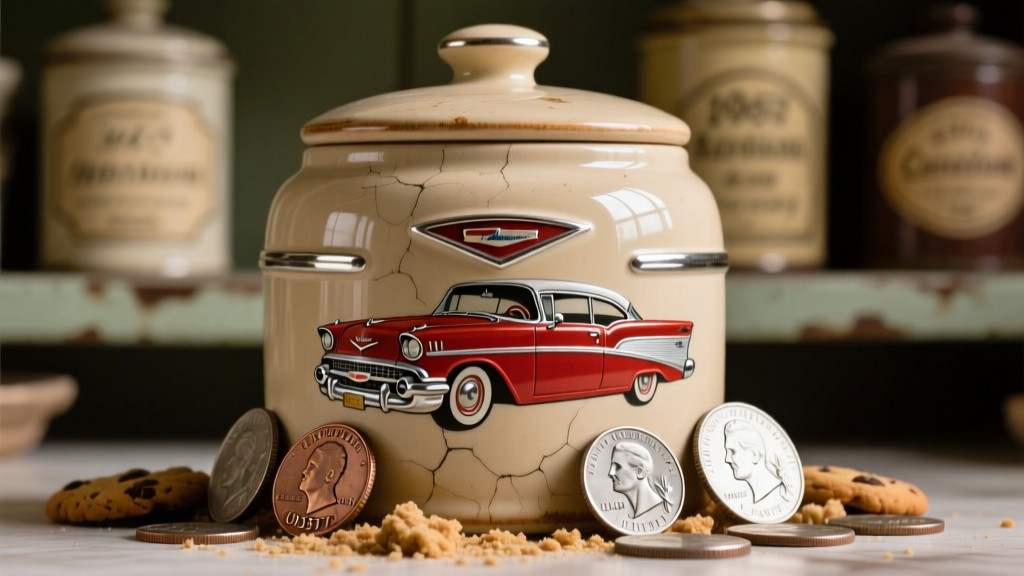
The 1957 Chevrolet Cookie Jar by North American Ceramics: A Mid-Century Automotive Icon in Ceramic
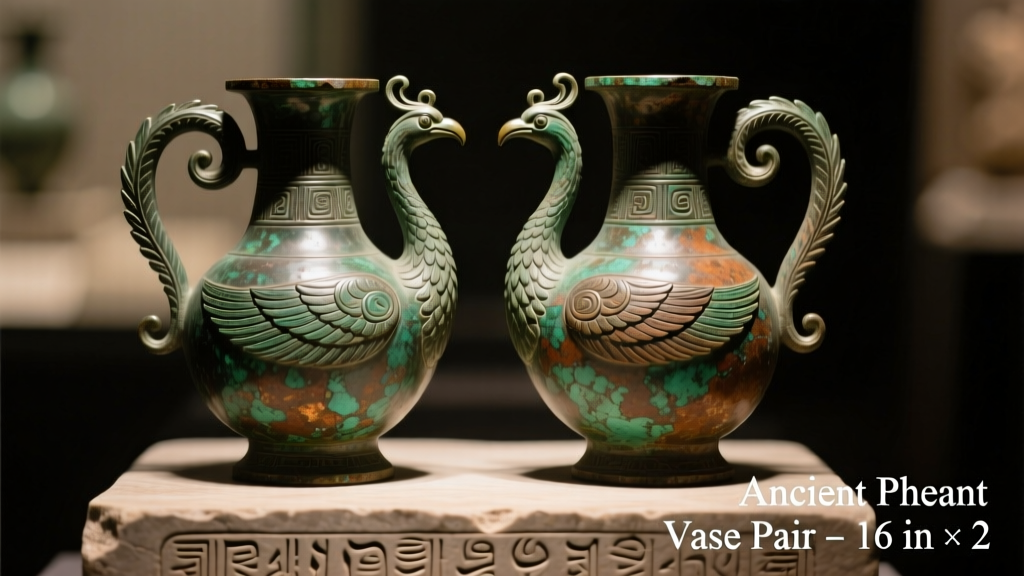
Bronze Vase with Pheasant & Mythical Beast Handles: A Technical Appraisal of the 16-Inch Pair (Patina #2)
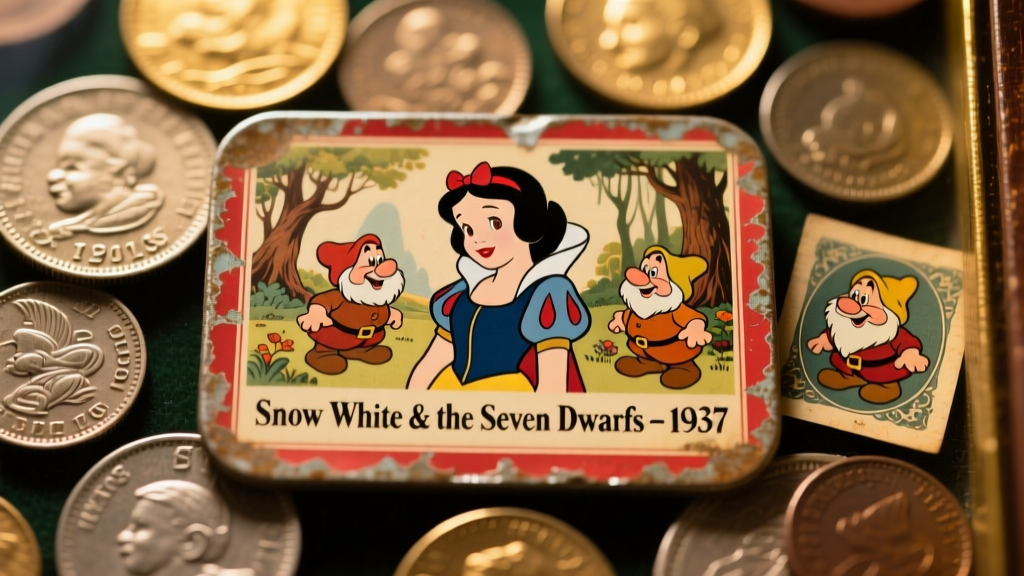
Disneyana Pail: Snow White 'Pictures All Around' Tin Lithograph (1937–1939) — History, Identification, and Market Value

Marx Battery-Operated Dump Truck: A Rare 1930s Mechanical Marvel and Its Numismatic Significance
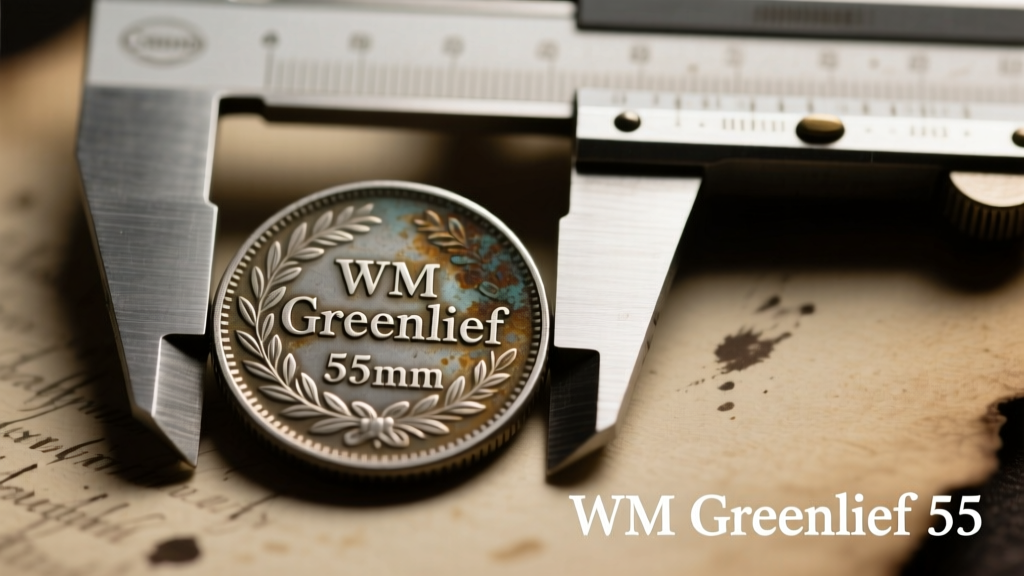
The W.M. Greenlief 55-Inch Log Caliper: Precision Instrumentation, Historical Context, and Collector Significance

Toy Cat With Turning Ball Mechanical Metal Japan 6 In: A Collector’s Deep Dive into Vintage Japanese Automata
Georg Jensen Blue Enamel Fish Pin: Authentication, Value, and Design Legacy