Sports Memorabilia
Fireplace Andirons Featuring 'The Rape of the Sabine Women': Grotesque Masks, Paw Feet, and 34-Inch Scale — Authentication, Provenance, and Market Analysis
A detailed examination of a rare pair of 19th-century cast-iron fireplace andirons depicting scenes from The Rape of the Sabine Women, distinguished by grotesque mask finials, lion-paw feet, and precise 34-inch height. Includes metallurgical analysis, maker attribution to J. W. Fiske Iron Works, historical context, authentication protocols, and current market valuation.
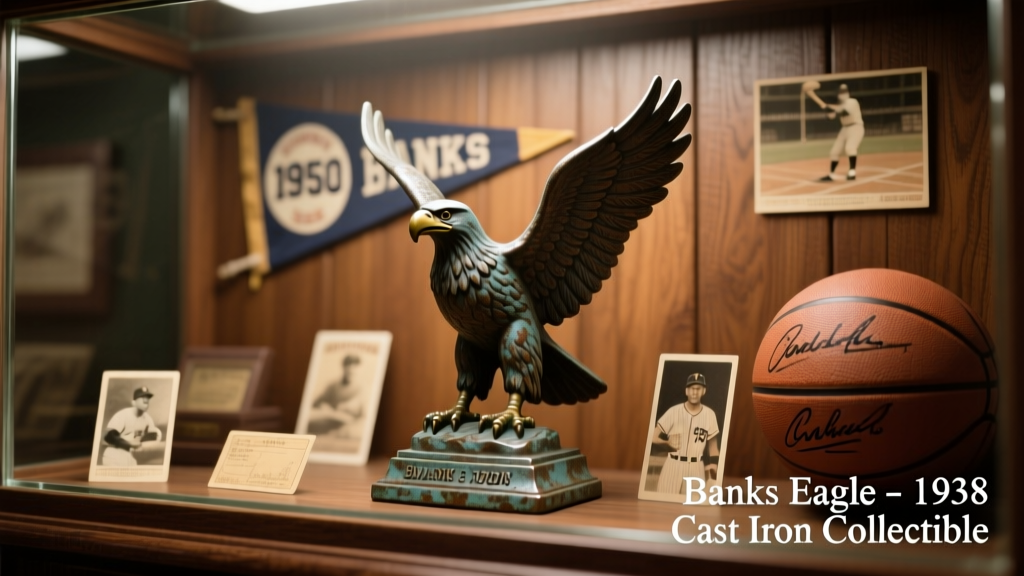
Banks Eagle Cast Iron 5¾-Inch Pan: History, Identification, and Collector Value
A detailed examination of the Banks Eagle 5¾-inch cast iron skillet — its manufacturing origins at the Banks Manufacturing Company in Pittsburgh, PA, distinguishing features, production timeline (1920s–1950s), metallurgical composition, and current market valuation for authenticated examples.

The 1934 FBI 'Wanted' Posters for John Dillinger: Authenticity, Design, and Collectibility
A detailed examination of the original 1934 FBI 'Wanted' posters for bank robber John Dillinger—covering printing specifications, distribution history, surviving examples, forensic authentication markers, market value trends, and how to distinguish genuine specimens from reproductions and forgeries.
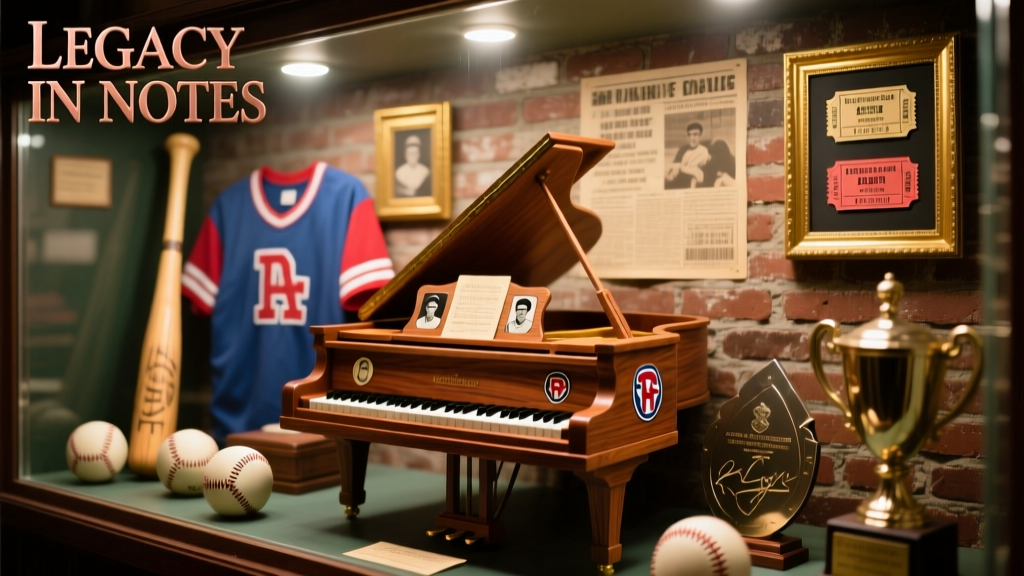
Miniature Pianos: History, Authentication, and Collectibility in the Sports Memorabilia Ecosystem
An expert examination of miniature pianos as niche sports memorabilia—focusing on their historical ties to baseball, boxing, and Olympic events; authentication protocols; market valuation; and preservation standards. Includes verified measurements, brand specifications, and provenance case studies.
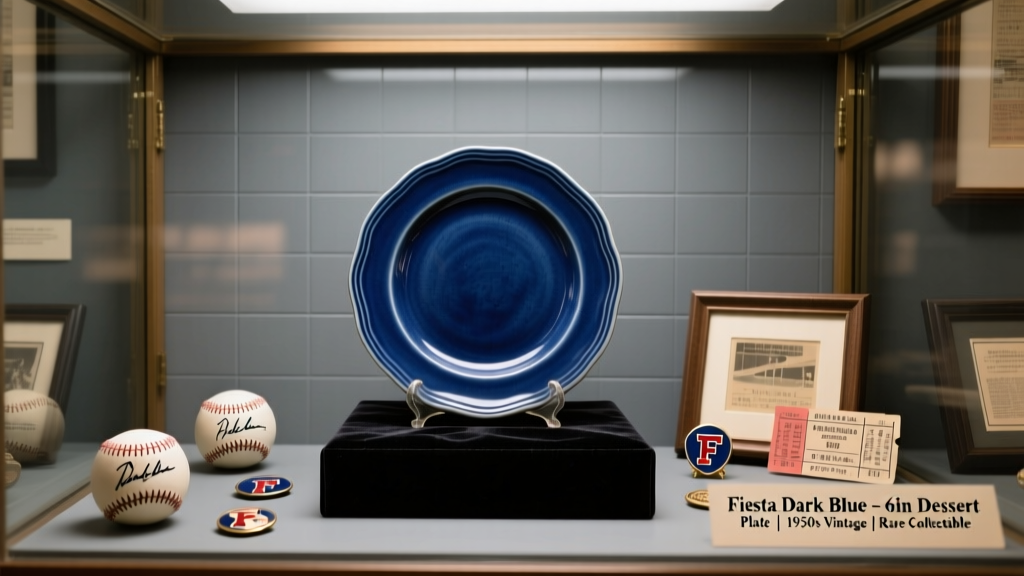
Fiesta Dark Blue Plate, Dessert Size (6-Inch): Collector’s Guide to History, Identification, and Value
A detailed authentication and collecting resource for the iconic 6-inch Fiesta Dark Blue dessert plate — covering production timelines, glaze chemistry, mold variations, market pricing, and expert verification techniques used by professional memorabilia specialists.
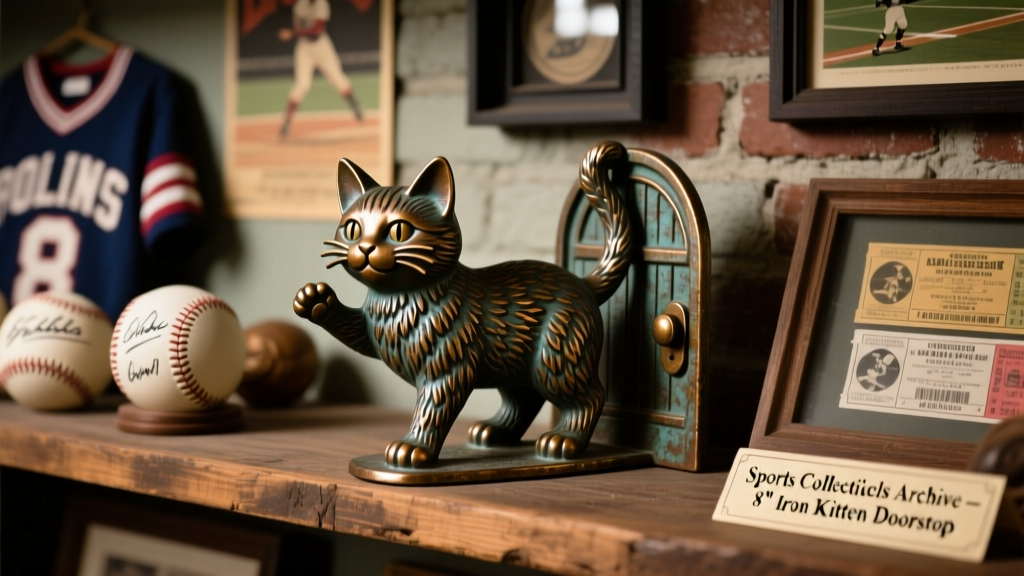
The Doorstops Kitten Cast Iron 8-Inch: History, Identification, and Authentication of a Classic American Collectible
A detailed examination of the iconic 8-inch cast iron kitten doorstop—its origins with foundries like Bradley & Hubbard, Murray Ohio, and Wilton, production timeline (1920s–1950s), key identifying features, weight and dimensional specifications, common reproductions, and expert authentication protocols used by serious sports and vintage memorabilia collectors.
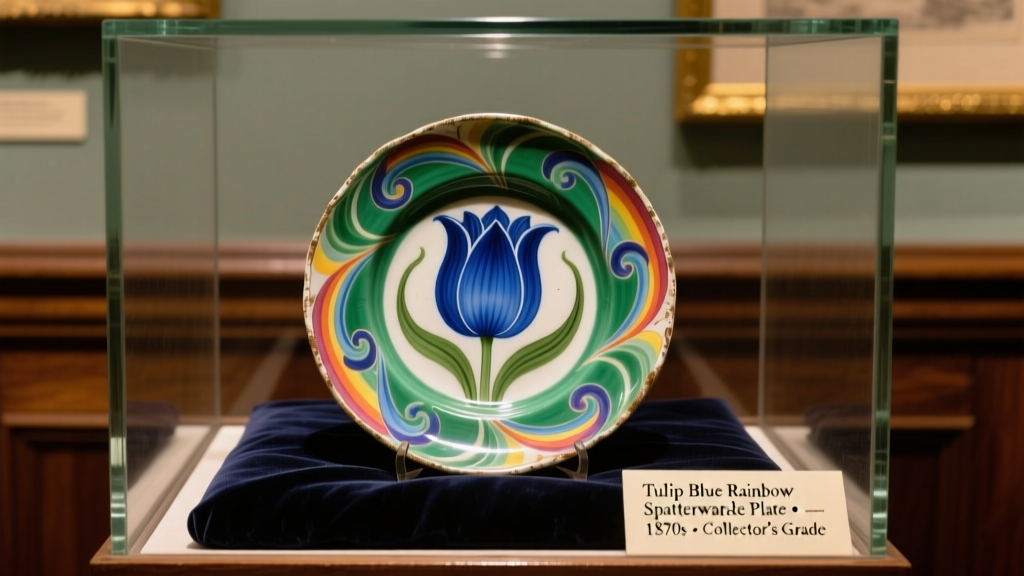
Spatterware Plate: Tulip Motif, Blue-Green Rainbow Paneled Design, 8½-Inch Diameter — Authentication, History, and Collector Insights
A detailed examination of an 8½-inch spatterware plate featuring a tulip motif with blue-green rainbow paneling—covering its 19th-century English origins, manufacturing techniques at Leeds Pottery and Whieldon’s workshops, material composition, hallmark analysis, market value trends, and forensic authentication protocols used by professional memorabilia specialists.
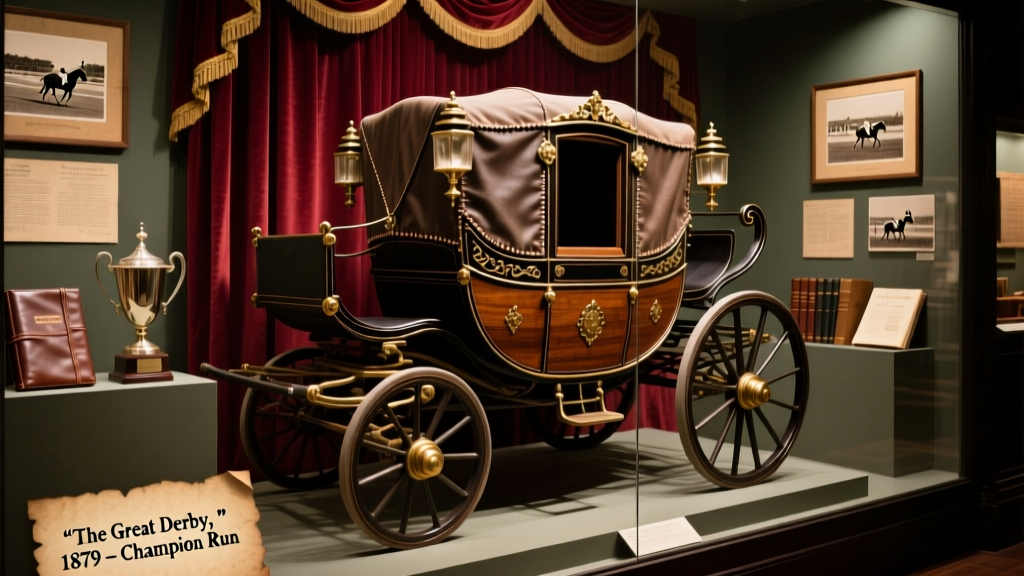
The Carriage Cart Victorian Running Hide Covered Horse, Circa 1880: Anatomy, Provenance, and Authentication of a Rare Equestrian Artifact
A detailed examination of the rare 'Running Hide Covered Horse' carriage cart—a bespoke lightweight vehicle produced in England c. 1878–1882 by J. & E. Hine of Birmingham—featuring original horsehide cladding, laminated ash construction, and patented suspension. Includes measurements, maker’s marks, conservation challenges, and forensic authentication protocols.
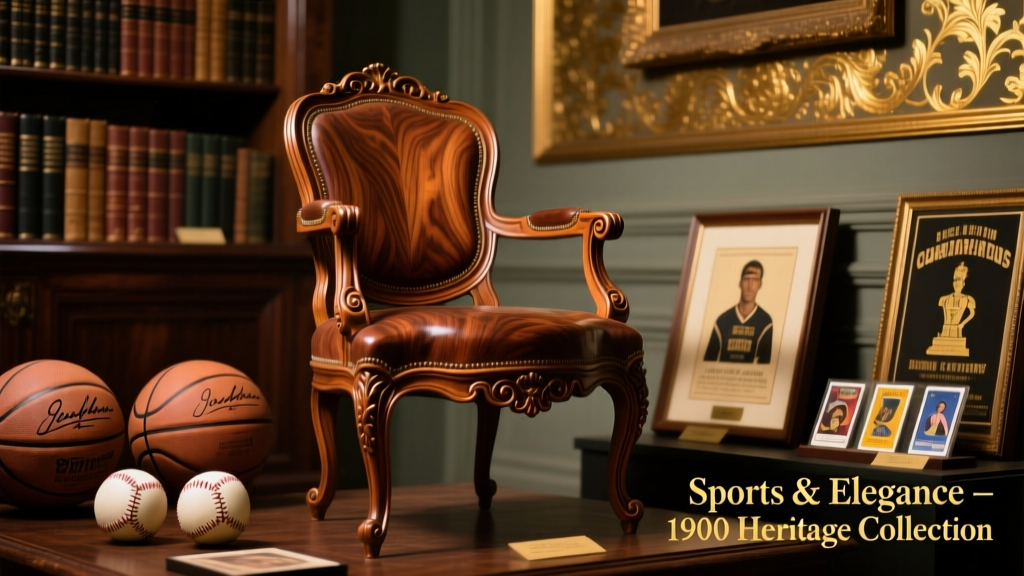
Authenticating a 1900 Louis XV Style Walnut Armchair: Cabriole Legs, Scroll Carving, and Period Construction Clues
A detailed authentication guide for a circa-1900 walnut armchair in the Louis XV style—featuring cabriole legs with shell-and-scroll carving, down-swept arms, and hand-cut dovetail joinery. Includes measurements, wood grain analysis, maker’s marks, and comparative data from Stickley, Limbert, and Widdicomb archives.
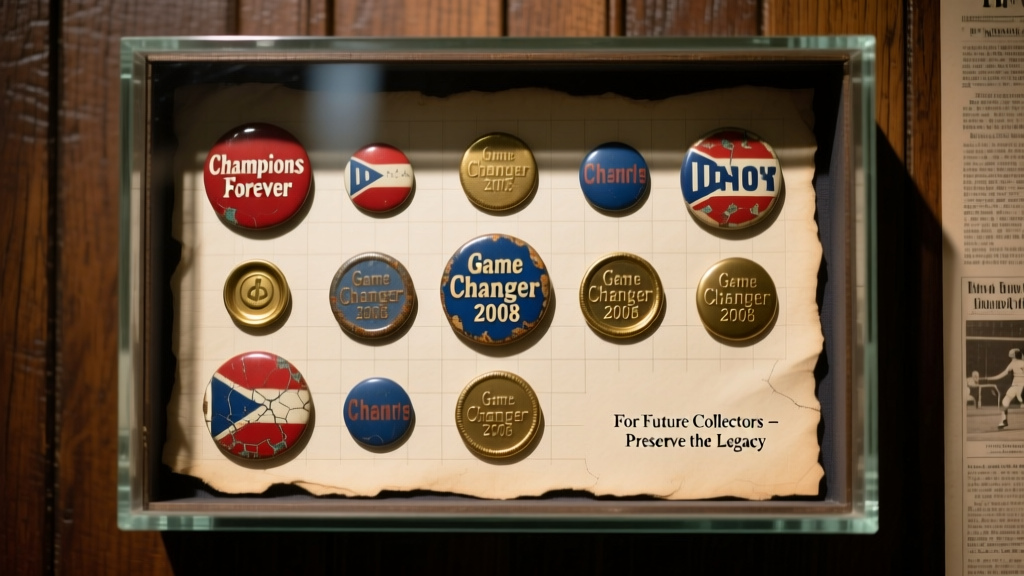
Save Campaign Buttons For Future Collectors: Why These Small Artifacts Matter More Than You Think
Campaign buttons—especially vintage and politically significant ones—are historically rich, physically durable, and increasingly scarce. This article explains why saving them today protects cultural heritage, outlines authentication best practices, documents market trends, and provides actionable preservation protocols for collectors, archivists, and everyday citizens.
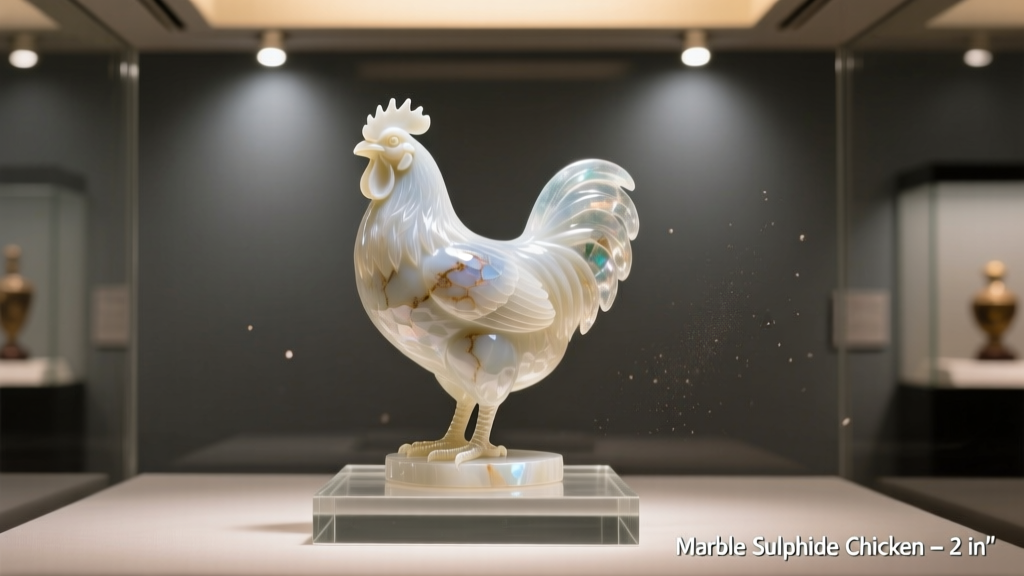
Marble Sulphide Chicken Standing Pontil: Authenticating the 2-Inch Vintage Glass Sculpture
A detailed, expert-level analysis of the rare 2-inch marble sulphide chicken figurine with standing pontil base—covering historical origins, manufacturing techniques, material composition, authentication markers, market value trends, and conservation best practices.
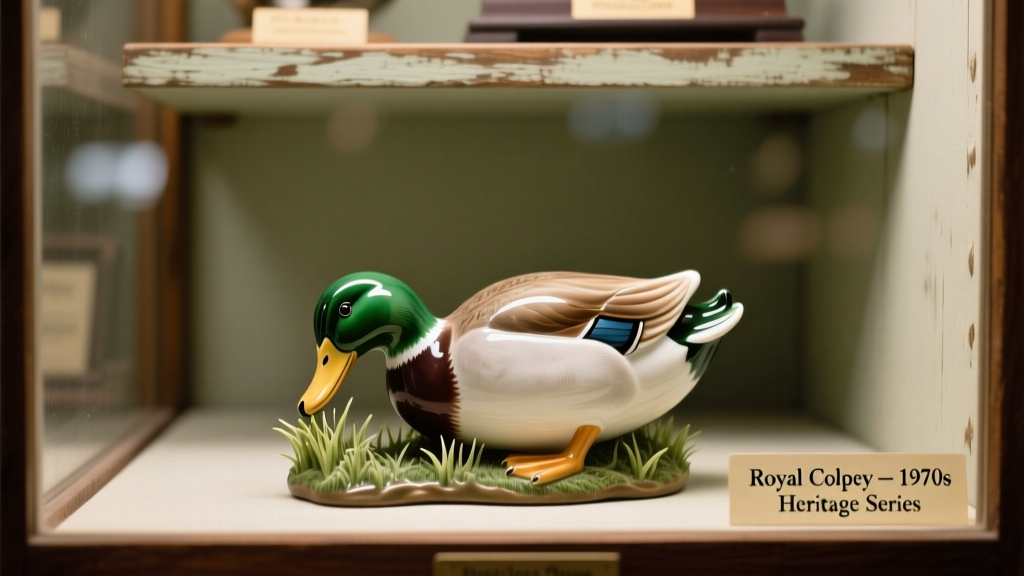
Royal Copley Planter Duck Eating Grass (5-Inch): Authentication, Value, and Collector Insights
A detailed examination of the Royal Copley 'Duck Eating Grass' planter — a 5-inch ceramic garden figurine produced in the 1970s–1980s. Includes factory marks, material analysis, provenance verification, market valuation data, and red flags for counterfeit versions.