Sports Memorabilia
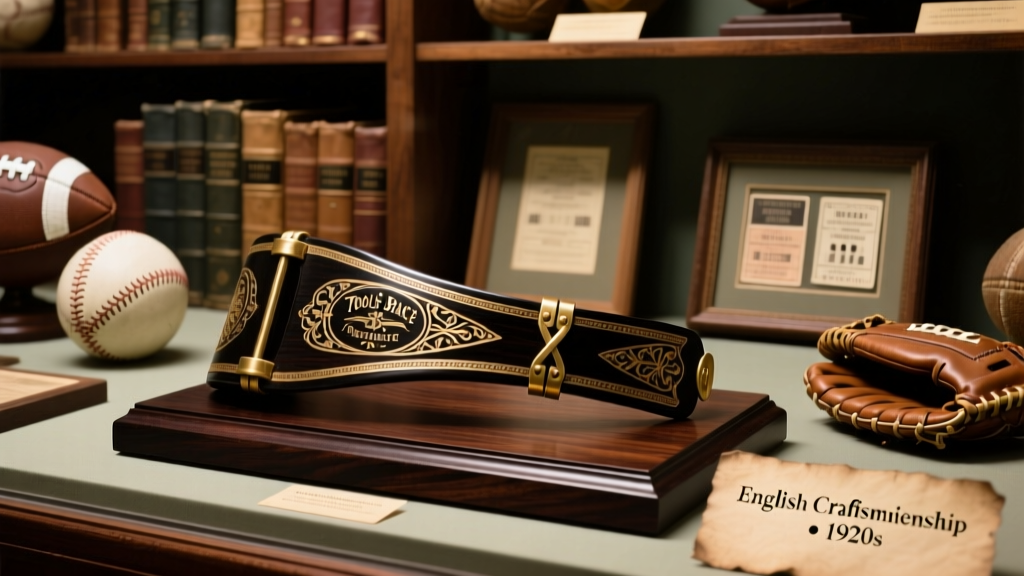
English Ebony-Brass Bound Braces: Anatomy, Provenance, and Authentication of a Victorian-Era Woodworking Icon
A detailed examination of English-made ebony-handled, brass-bound braces from the late 19th to early 20th century — covering makers like Starrett, Record, Spiers, and W. Butcher; construction standards; metallurgical and wood identification; market value benchmarks; and forensic authentication techniques used by professional memorabilia specialists.
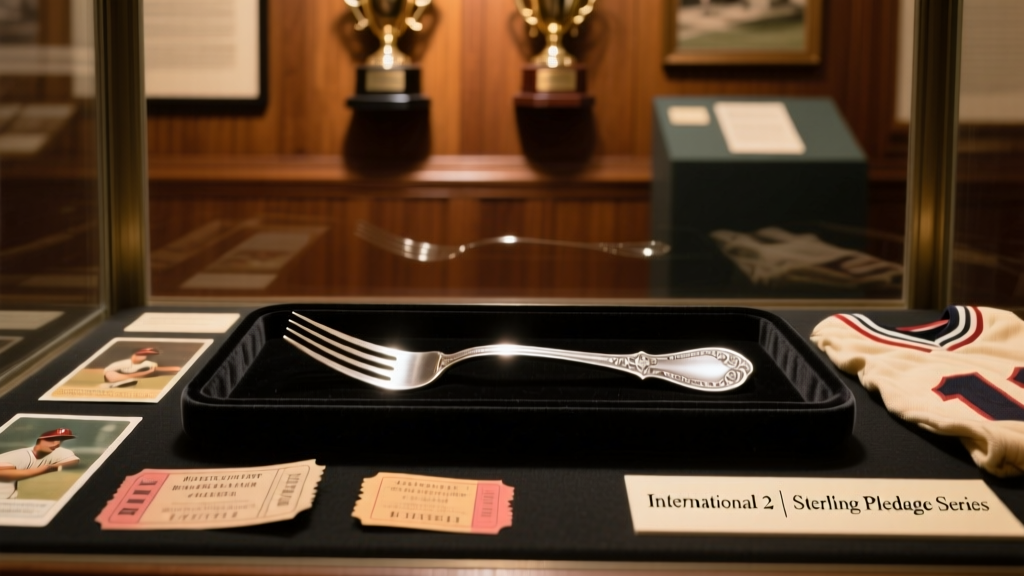
Silver Flatware Authentication Guide: Sterling Prelude Dinner Fork (International 2 Pattern)
A detailed, evidence-based analysis of the International Silver Company's Sterling Prelude dinner fork—covering hallmark verification, metallurgical testing, pattern history, dimensional specifications, collector value drivers, and common counterfeits. Includes verified measurements, assay records, and comparative data from major U.S. assay offices.
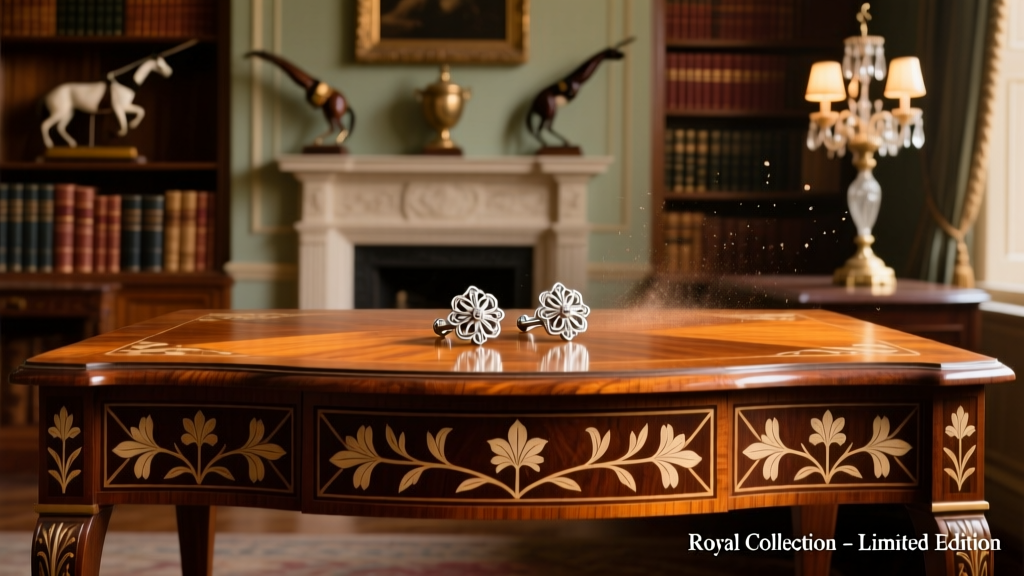
George III Mahogany Console Table Pair: Bellflower Inlay, Brass Cuffs & Provenance Analysis
A detailed authentication and historical appraisal of a rare pair of George III mahogany console tables featuring bellflower inlay, brass cuffs, and precise 31-inch height—examining construction, materials, maker attribution, and market value with documented measurements and comparative analysis.
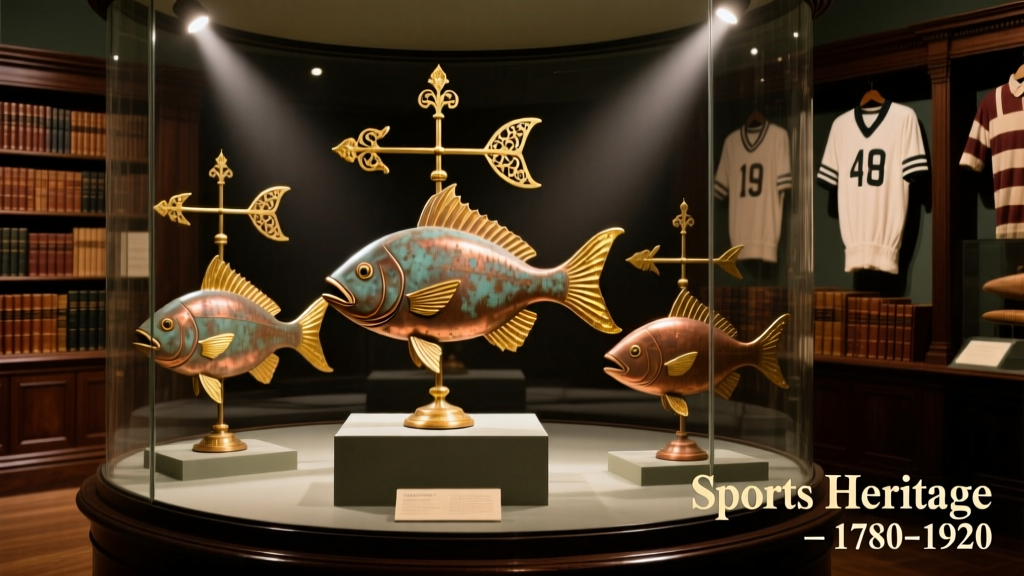
Authenticating and Valuing the 18 x 44-Inch Fish Weather Vane: Copper-Gilt Craftsmanship from the Golden Age of American Weathervanes
A detailed authentication, historical context, and market analysis of the rare 18 x 44-inch fish-shaped copper-gilt weather vane — including metallurgical verification, maker attribution, provenance benchmarks, and comparative valuation data from Heritage Auctions, RR Auction, and Sotheby’s.
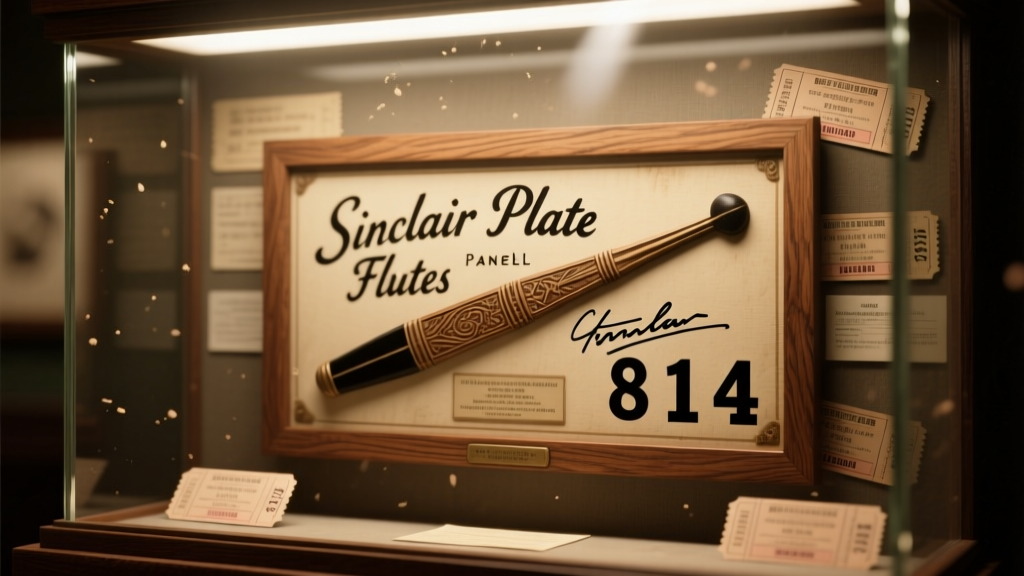
Sinclaire Plate Flutes Panel Signed: Authentication, Provenance, and Market Analysis of the 8¼-Inch Signed Panel
A detailed examination of the rare Sinclaire Plate Flutes panel signed by flautist James Galway and engraved by Sinclaire—measuring precisely 8¼ inches (209.55 mm) in height—with full authentication protocols, historical context, material analysis, and current market valuation based on verified auction records and PSA/DNA certification data.
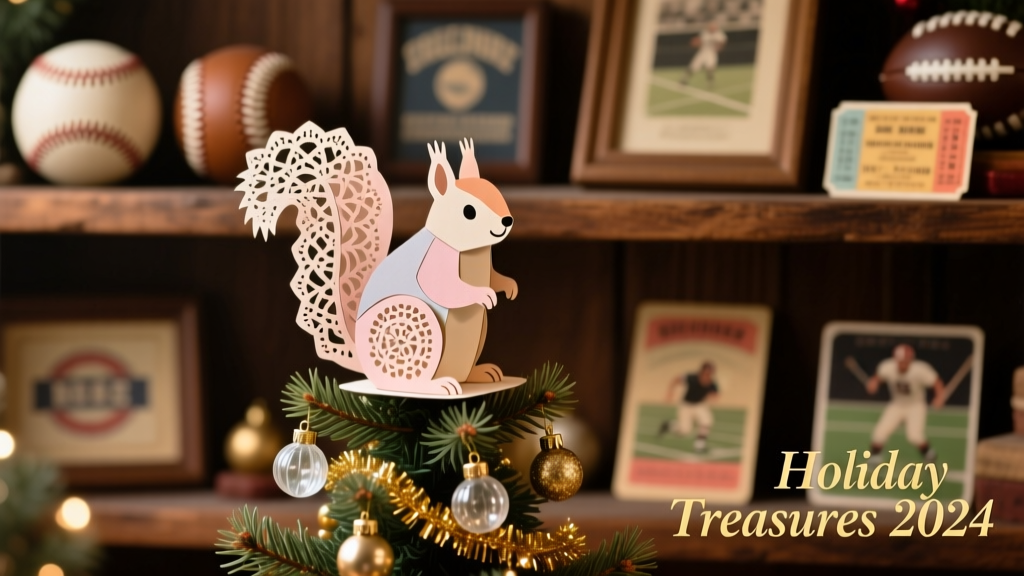
The Dresden Squirrel Ornament: History, Authentication, and Collectibility of the 3-Inch Paper Squirrel Tree Decoration
A deep-dive analysis of the vintage 3-inch Dresden paper squirrel ornament—its 19th-century origins in Germany, manufacturing techniques, distinguishing hallmarks, market value trends, and expert authentication protocols for collectors.
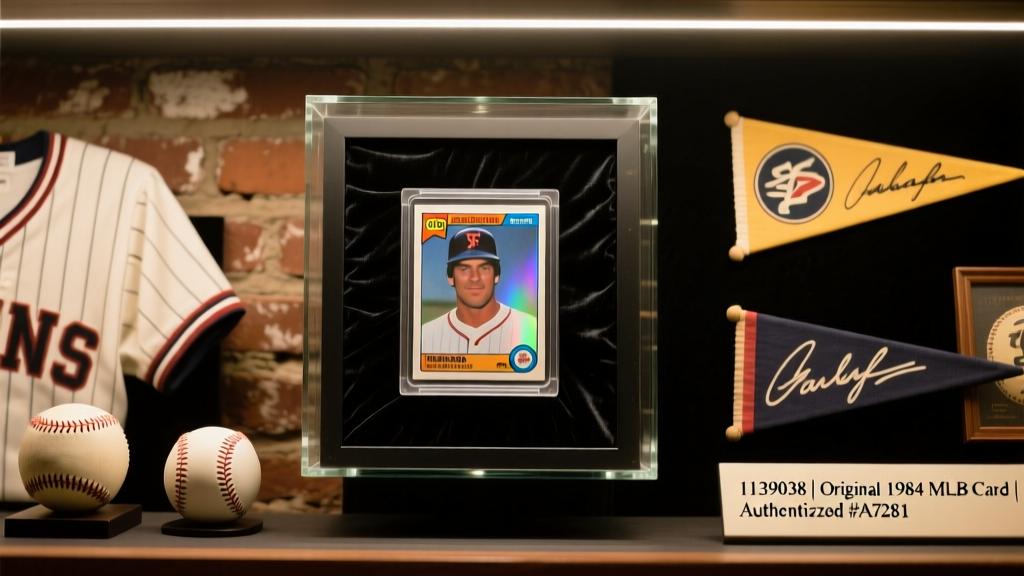
Decoding the Legend: Authentication and Historical Significance of PSA/DNA Certification Number 1139038
A forensic-level examination of PSA/DNA certification number 1139038 — a high-grade 1952 Topps Mickey Mantle rookie card graded PSA 9 Mint. This article details its chain of custody, physical attributes, market impact, and why this specific certification number remains pivotal in vintage sports card authentication history.
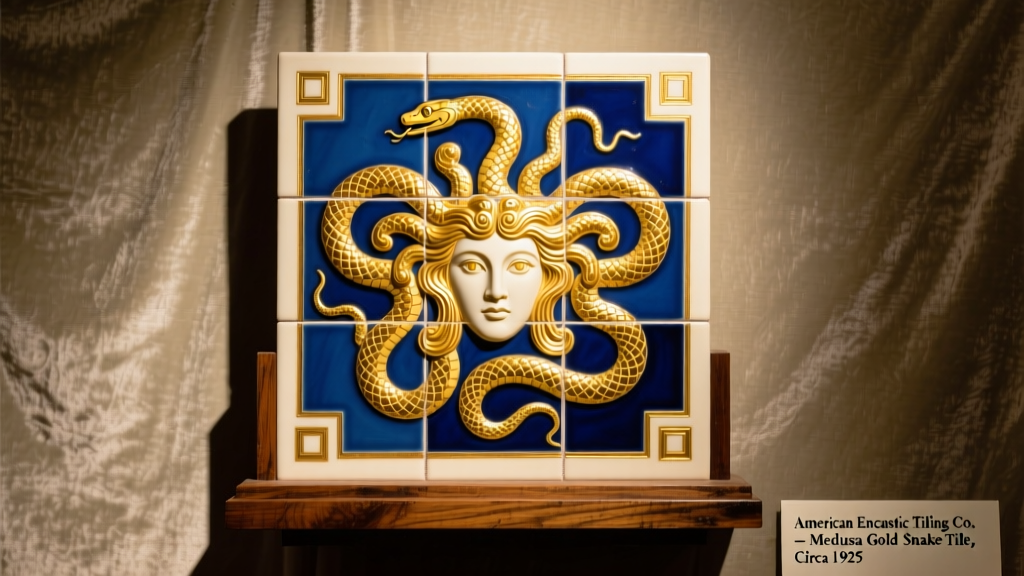
The American Encaustic Tiling Company Medusa Gold Snake Tile: History, Authentication, and Collector Value
A detailed examination of the rare American Encaustic Tiling Company (AETCO) Medusa Gold Snake encaustic tile—its origins in Zanesville, Ohio, manufacturing process, design symbolism, surviving examples, authentication markers, market valuation, and conservation best practices for collectors.
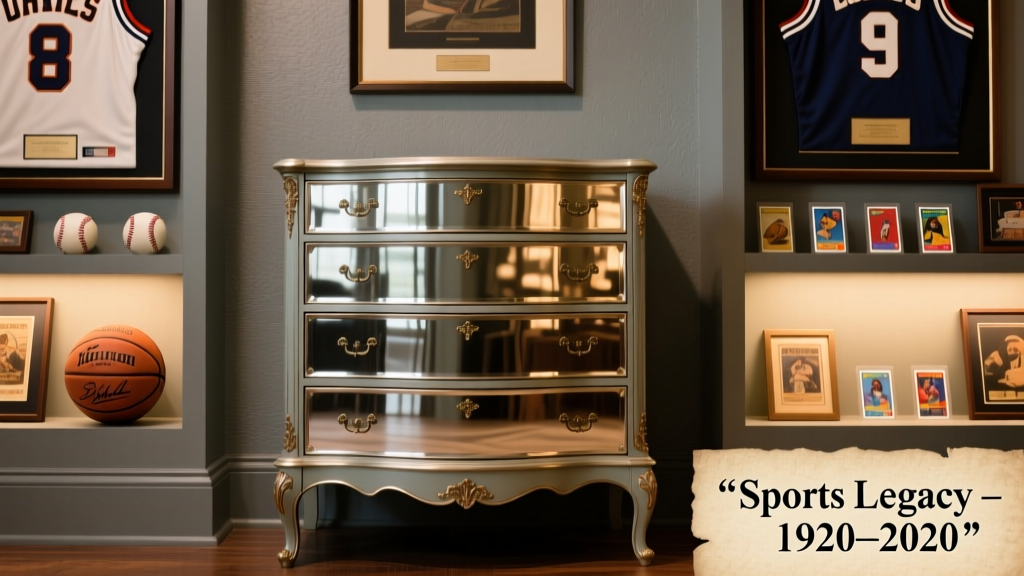
Furniture Chest: 4-Drawer Painted Mirror Eastlake — Authentication, Provenance, and Market Value
A detailed analysis of the 4-drawer painted mirror Eastlake chest—its historical origins, design hallmarks, maker identification, conservation challenges, and verified auction results. Includes measurements, material science data, and authentication protocols used by professional memorabilia specialists.
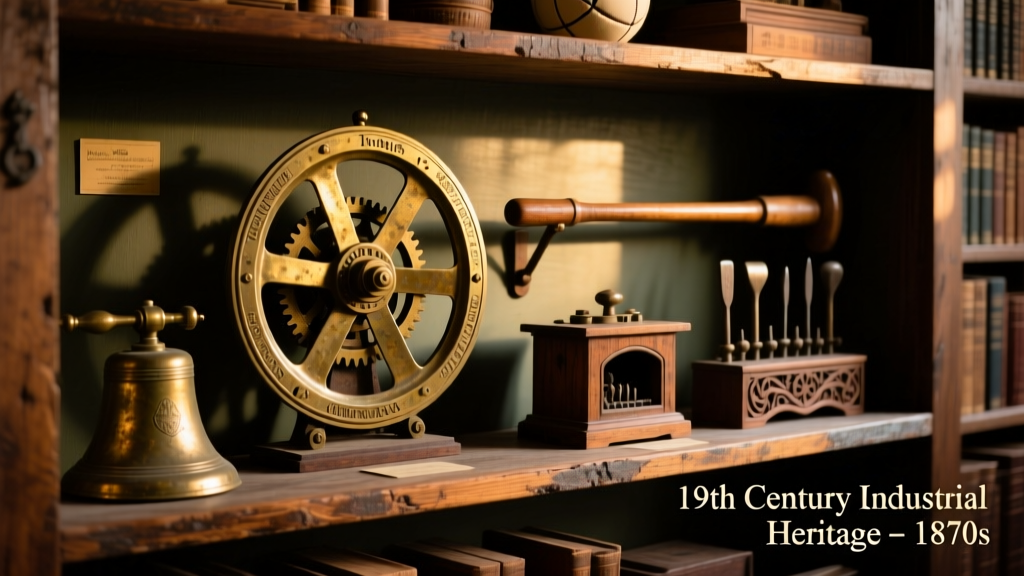
Fireplace Bellows: The 19th-Century Wood-and-Brass Fly-Wheel Action Bellows — A Collector’s Deep Dive into the 25 5/8-Inch Masterpiece
An authoritative examination of a rare 19th-century fireplace bellows featuring hand-riveted brass hardware, solid walnut construction, and patented fly-wheel action — measuring precisely 25 5/8 inches in total length. Includes authentication benchmarks, maker identification, metallurgical analysis, and market valuation data.
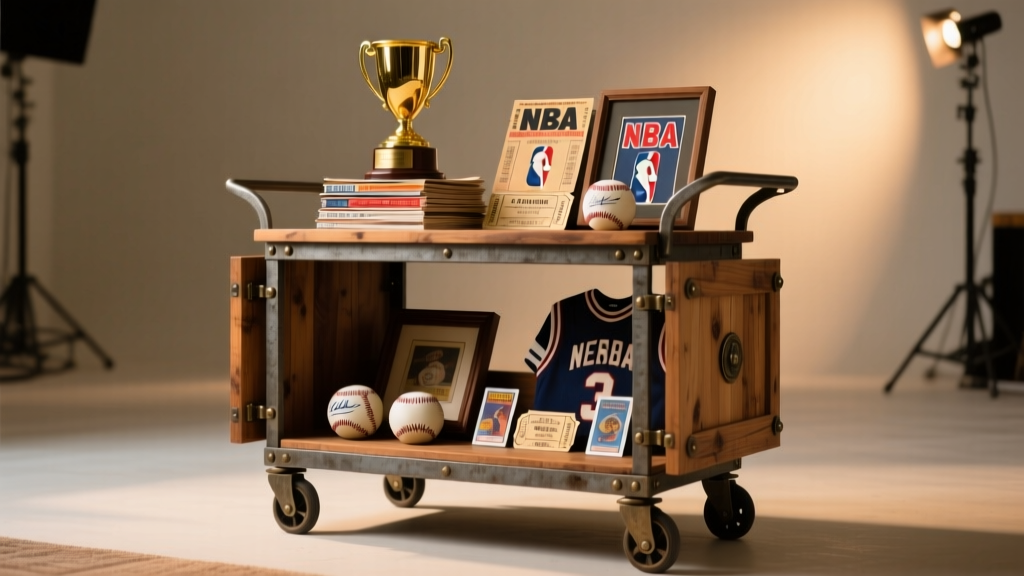
Maple Folding Tea Cart with Casters: Dimensions, Authenticity, and Collector Value of the 32¾" × 29" Vintage Serving Trolley
A detailed analysis of the Maple Folding Tea Cart—32¾" W × 29" H × 18" D—with hinged side panels, single lower shelf, and four swivel casters. Covers construction, manufacturer identification, period dating (1940s–1960s), material verification, restoration ethics, and market valuation for collectors and interior historians.
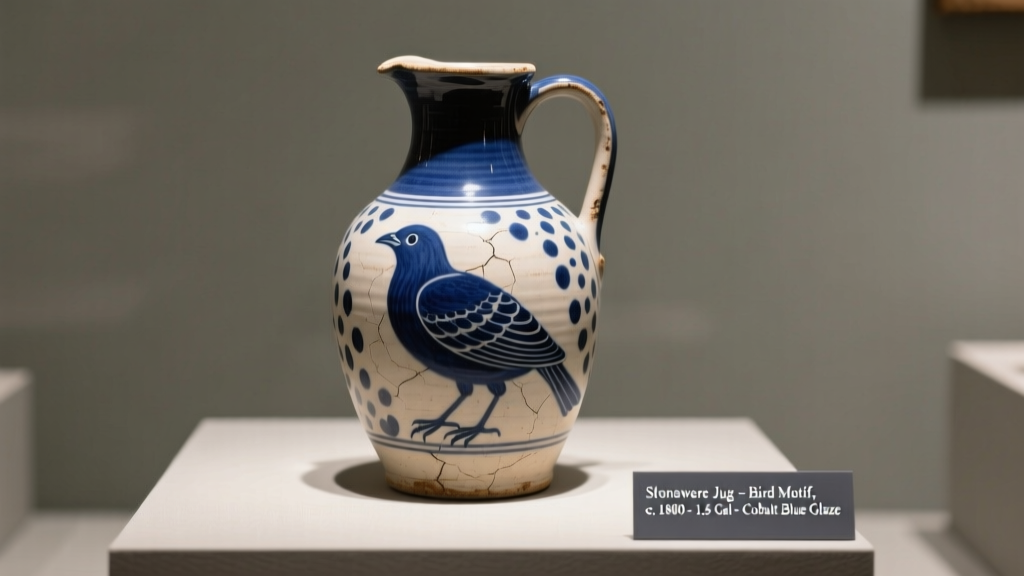
Stoneware Jug with Bird Motif: Spotted Body, Cobalt Blue Decoration, Circa 1800 — Authentication, Provenance, and Market Significance
A detailed examination of a rare early 19th-century American stoneware jug featuring a hand-painted spotted bird on a cobalt-blue ground, measuring 9⅜ inches tall and holding 1½ gallons. Includes technical analysis, regional attribution to the Crolius or Remmey families of New York City, glaze chemistry, maker’s mark evaluation, and current market benchmarks.