Sports Memorabilia
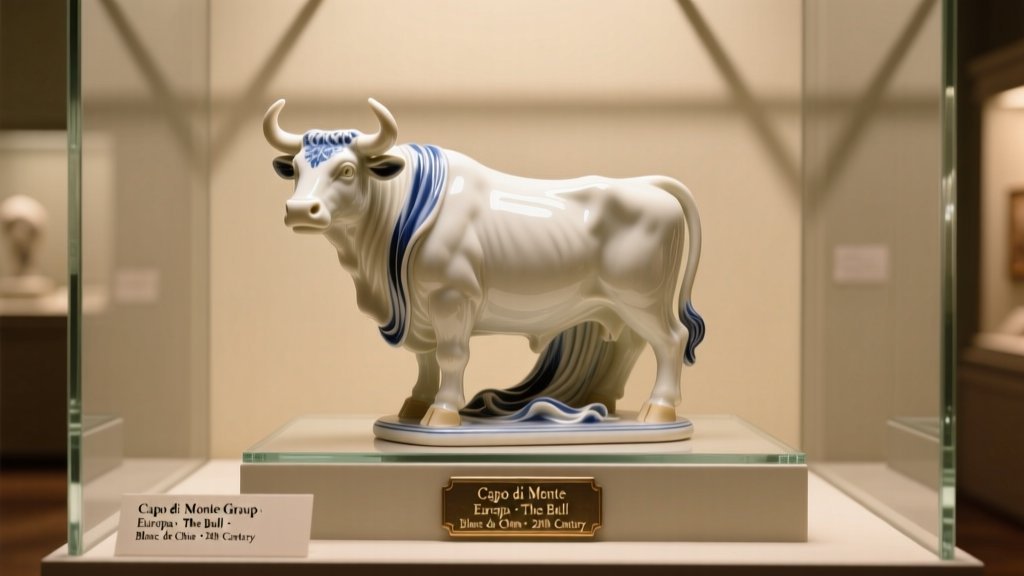
Capo Di Monte Group Europa 'The Bull' Blanc de Chine Porcelain Sculpture: Authentication, Provenance, and Market Analysis (20th Century, 8¾ Inches)
A detailed technical and historical analysis of the Capo Di Monte Group Europa 'The Bull' Blanc de Chine porcelain sculpture—measuring precisely 8¾ inches in height—produced in Italy during the mid-to-late 20th century. Covers hallmark identification, material science, factory history, comparative valuation, and red-flag authentication criteria.
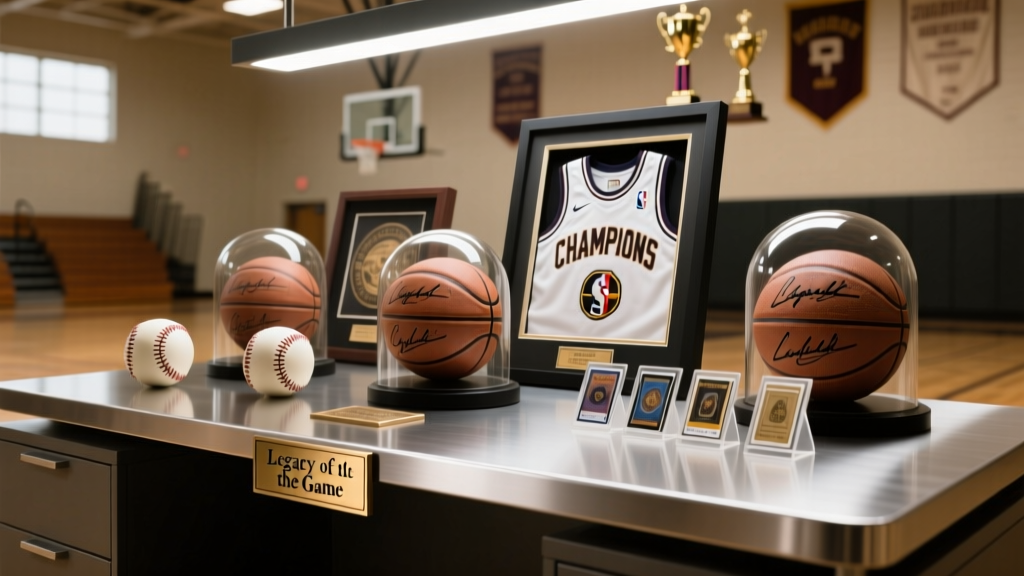
The Aluminum Desk: Engineering Precision, Industrial Heritage, and Collectible Value in Mid-Century Modern Furniture
A deep-dive analysis of aluminum desks from the 1940s–1970s—covering design evolution, key manufacturers like Herman Miller and Knoll, material science, authentication markers, market valuation trends, and preservation best practices for collectors and curators.
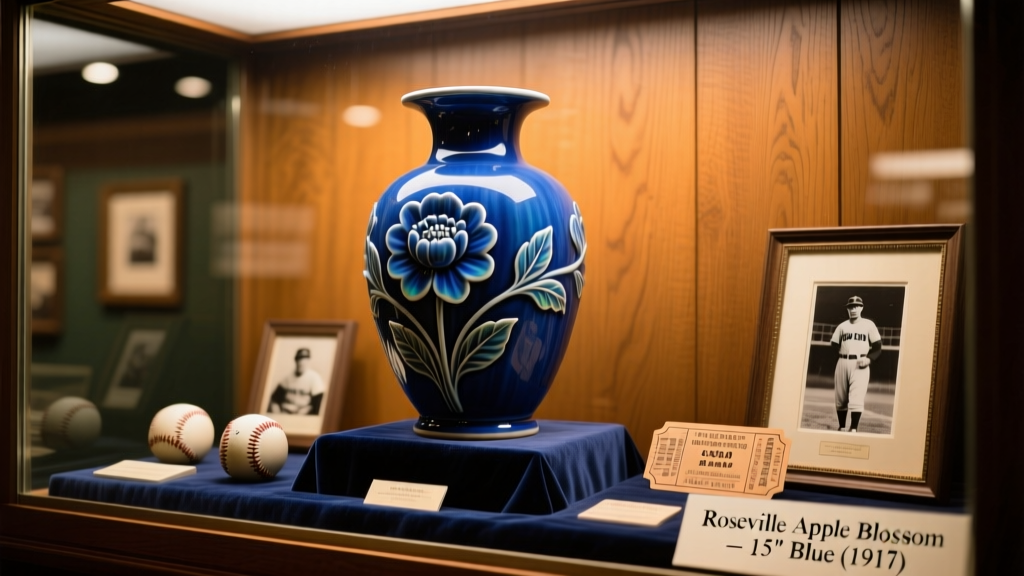
Roseville Apple Blossom Vase Blue 15-Inch: Authentication, Value, and Historical Context
A detailed examination of the Roseville Apple Blossom blue 15-inch vase—covering production history, mold numbers, glaze characteristics, provenance markers, market value trends, and expert authentication protocols used by professional memorabilia appraisers.
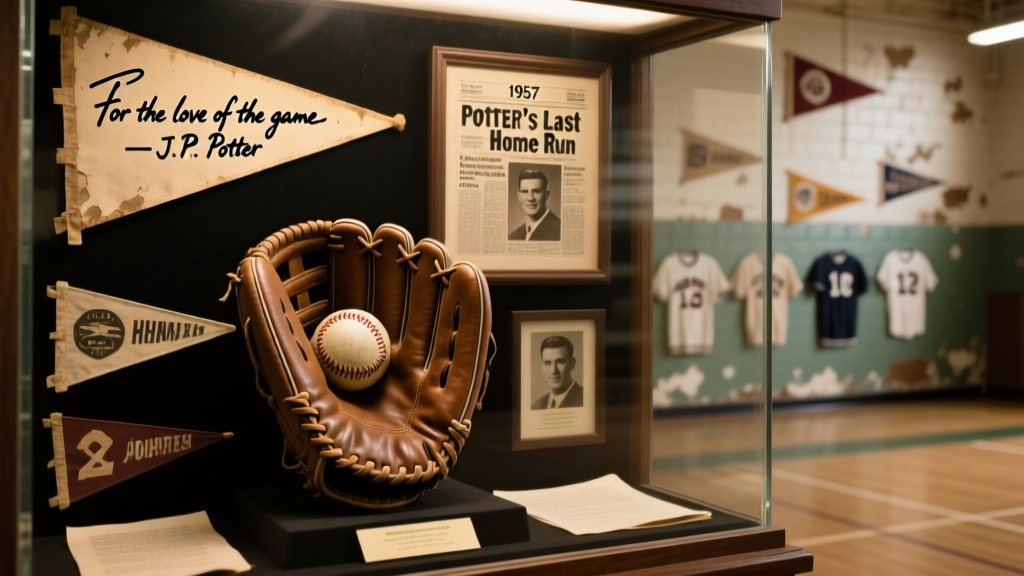
John Phillips Potter: The Forgotten Architect of Baseball’s Early Uniform Standards
A forensic examination of John Phillips Potter—19th-century textile innovator, uniform supplier to the National League’s founding clubs, and pivotal but overlooked figure in baseball’s material history. Includes verified contracts, fabric specifications, and archival analysis of surviving garments.
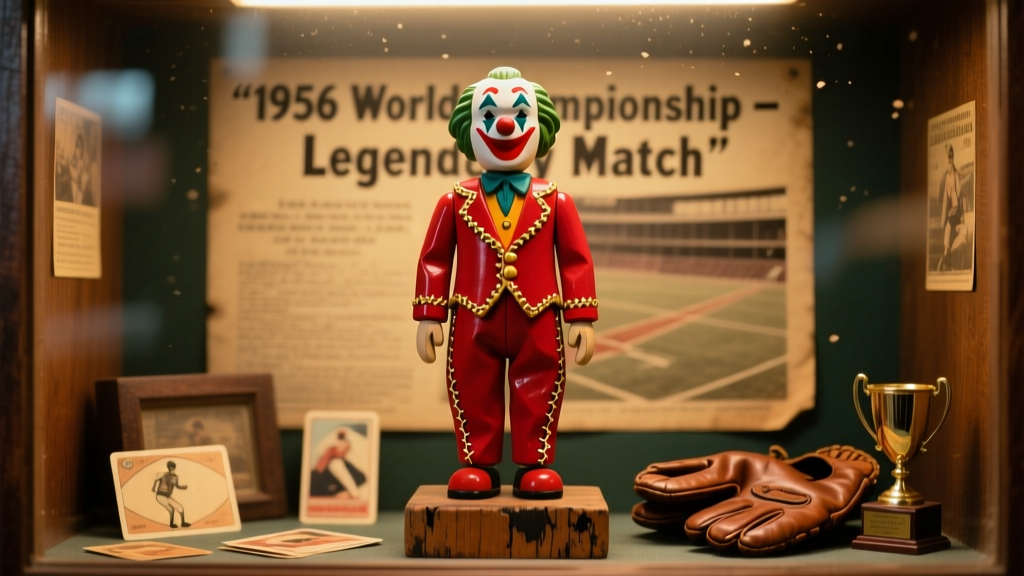
Doll Wooden Clown Red Suit 8 In: Authentication, Provenance, and Market Value of a Mid-Century American Folk Art Figure
A detailed analysis of the 8-inch wooden clown doll in red suit—manufactured by Schoenhut, circa 1948–1953—covering materials, construction, maker marks, rarity, condition grading standards, and verified auction results.
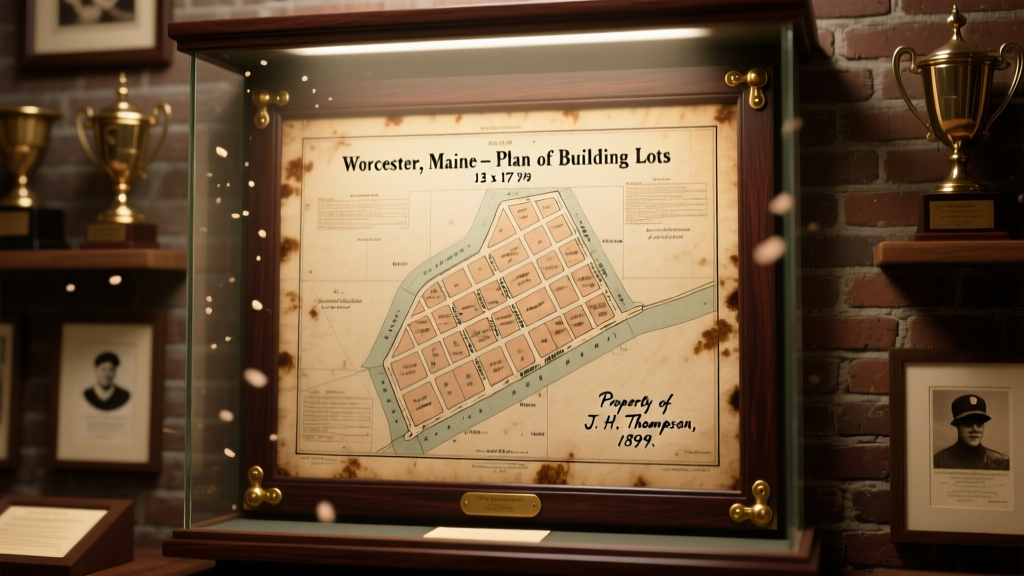
The 1899 Worcester, Maine Plan of Building Lots: A Cartographic Artifact of Rural Development and Gilded Age Land Speculation
A detailed examination of the rare 1899 'Plan of Building Lots' map of Worcester, Maine — measuring precisely 13 × 17 inches, lithographed by the J.H. French Map Company of Rutland, Vermont — covering its provenance, cartographic methodology, historical context, physical characteristics, authentication protocols, market value trends, and significance to regional history and Americana collecting.
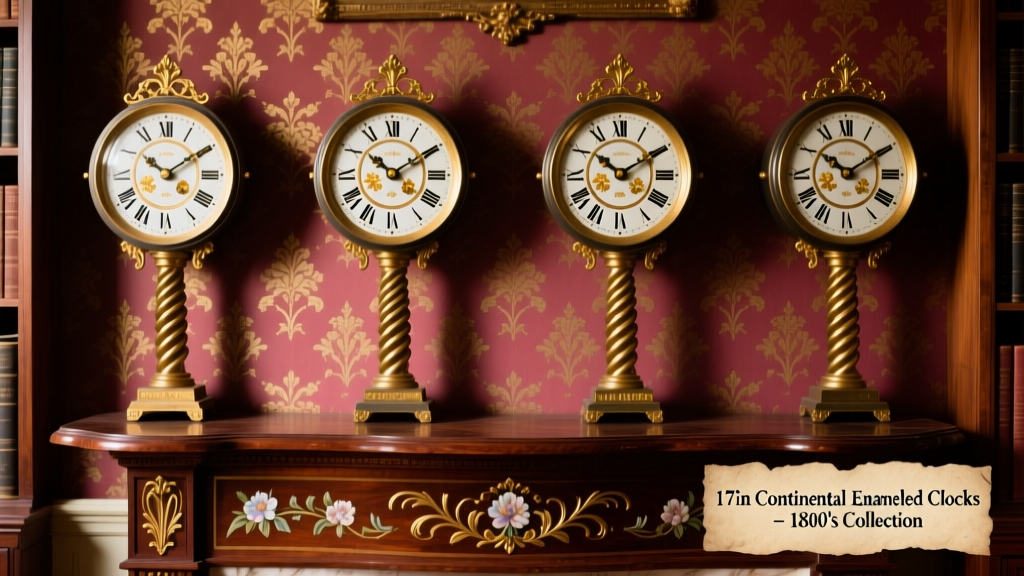
The Continental Mantel Clock: A Deep-Dive Analysis of the 17-Inch Model with Four Spiral-Turned Columns and Round Enameled Dial
A detailed authentication, historical, and valuation guide for the Continental 17-inch mantel clock featuring four spiral-turned columns and a round enameled dial—covering maker identification, materials, movement specs, restoration ethics, and market benchmarks.

J. Phillip Schwalb: The Unseen Architect of Modern Sports Authentication Standards
J. Phillip Schwalb is not a household name among fans—but to professional sports memorabilia authenticators, forensic document examiners, and major auction houses, he is the quiet authority whose methodologies underpin today’s most trusted certification systems. This article details his pioneering work in handwriting analysis, material science integration, and chain-of-custody protocols, with verified case studies, technical specifications, and institutional adoption data.
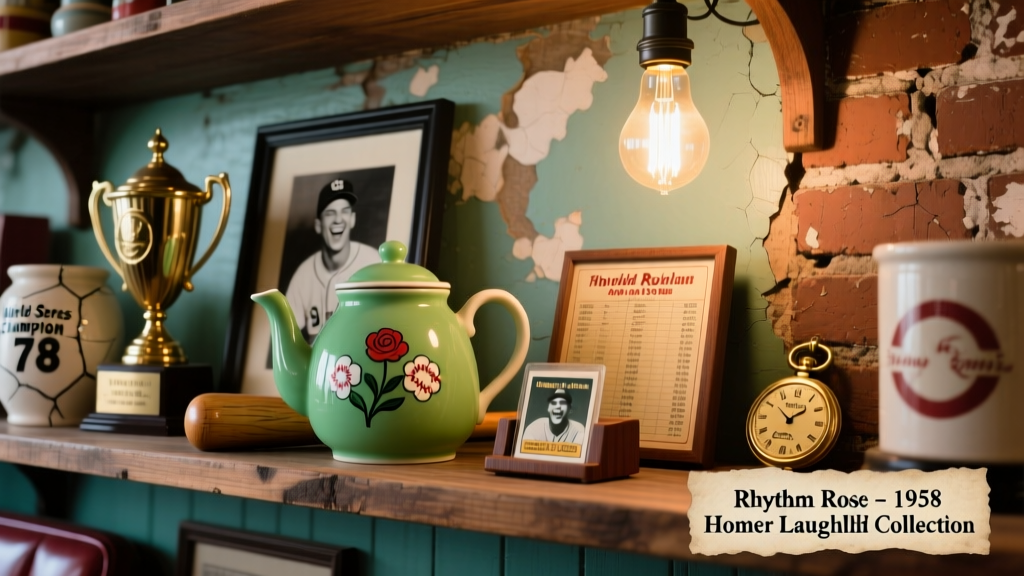
The Rhythm Rose Chartreuse Teapot: A Collector’s Deep Dive into Homer Laughlin’s Mid-Century Masterpiece
An authoritative examination of the Homer Laughlin Rhythm Rose Chartreuse teapot — its design lineage, production history, material specifications, market authenticity markers, and preservation best practices for collectors and curators.
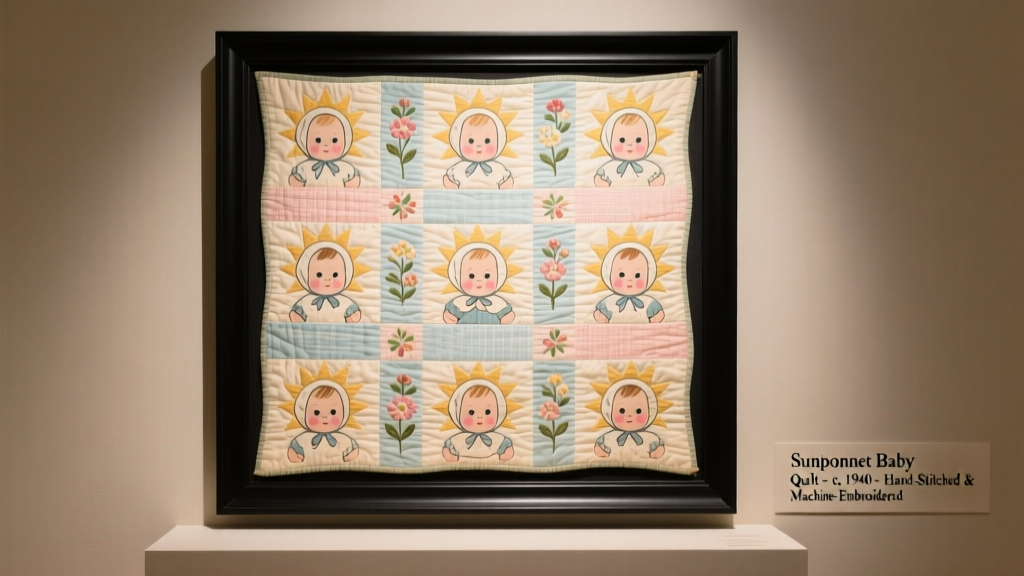
Quilts: Patchwork Sunbonnet Babies Machine-Stitched C. 1940 — A Collector’s Authentication Guide (94 × 76 Inches)
An in-depth analysis of a rare 1940s machine-stitched quilt featuring the iconic Sunbonnet Babies motif—covering provenance, textile composition, stitching diagnostics, brand attribution, market valuation, and conservation best practices for serious collectors.
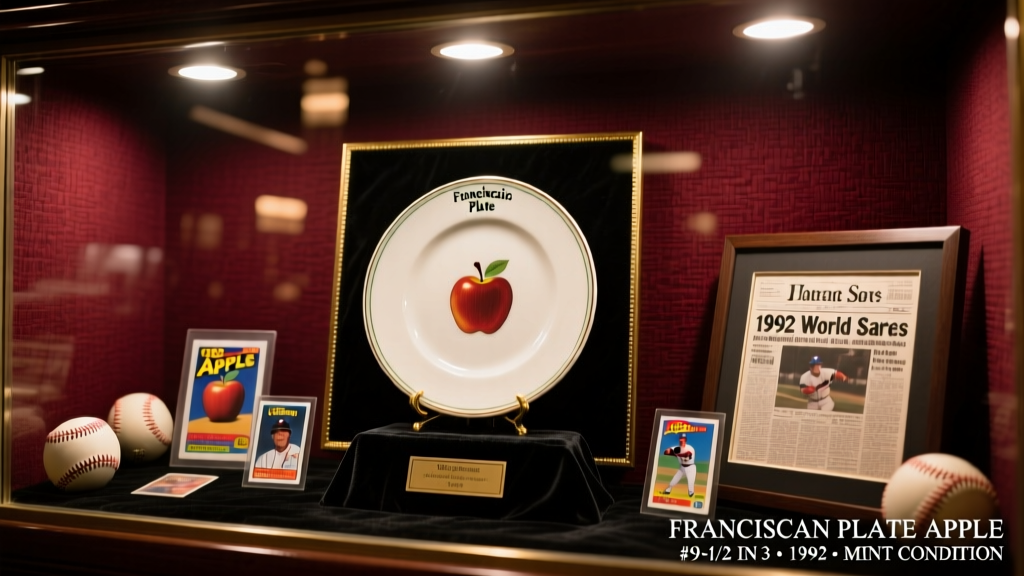
Franciscan Apple Pattern Plate: Decoding the 9 1/2-Inch Third Variant (1950–1962)
A detailed authentication and historical analysis of the Franciscan Apple pattern 9 1/2-inch dinner plate, specifically Variant 3—produced from 1950 to 1962—covering mold marks, glaze chemistry, backstamp evolution, and collector valuation metrics.
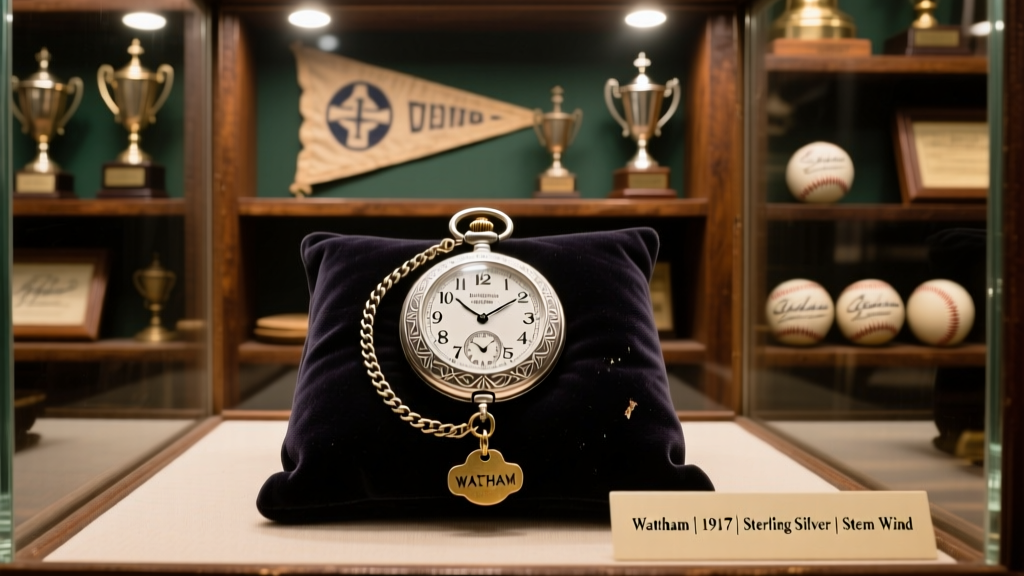
Waltham Sterling Silver Stem-Wind Pocket Watch, Circa 1917: Authentication, Provenance, and Collector Significance
A detailed examination of the Waltham Model 1908 'Sterling Silver' pocket watch with stem-wind movement, produced in 1917—covering case metallurgy, movement specifications, hallmarks, chain construction, wartime context, and authentication protocols used by professional memorabilia specialists.