Sports Memorabilia
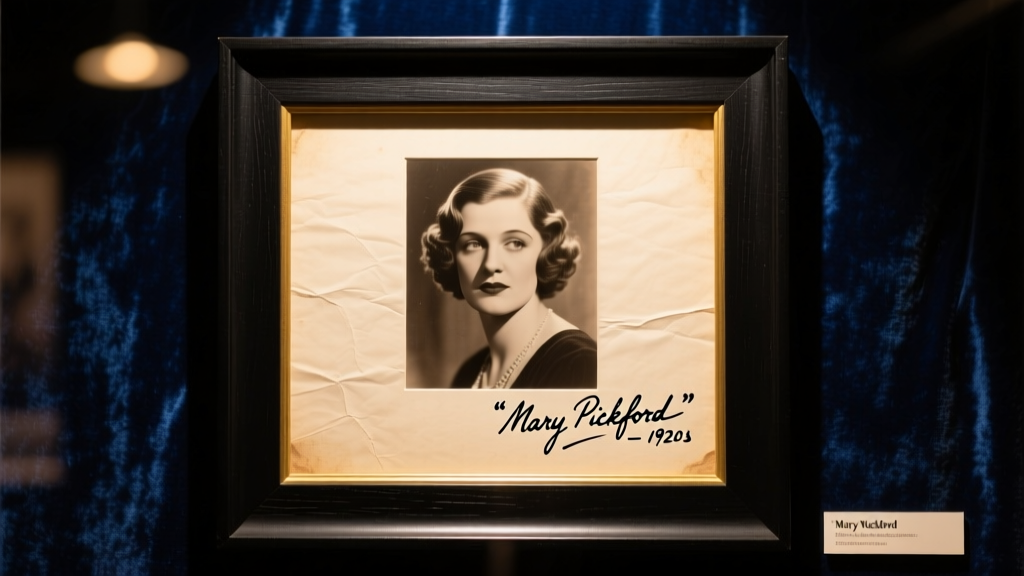
Authenticating and Valuing a Mary Pickford Signed 11×14 Photograph with 'Very Sincerely' Inscription
A detailed forensic analysis of a vintage 11×14-inch Mary Pickford signed photograph bearing her iconic 'Very Sincerely' inscription — covering provenance, ink chemistry, paper stock, authentication benchmarks, market comparables, and red-flag indicators for collectors.
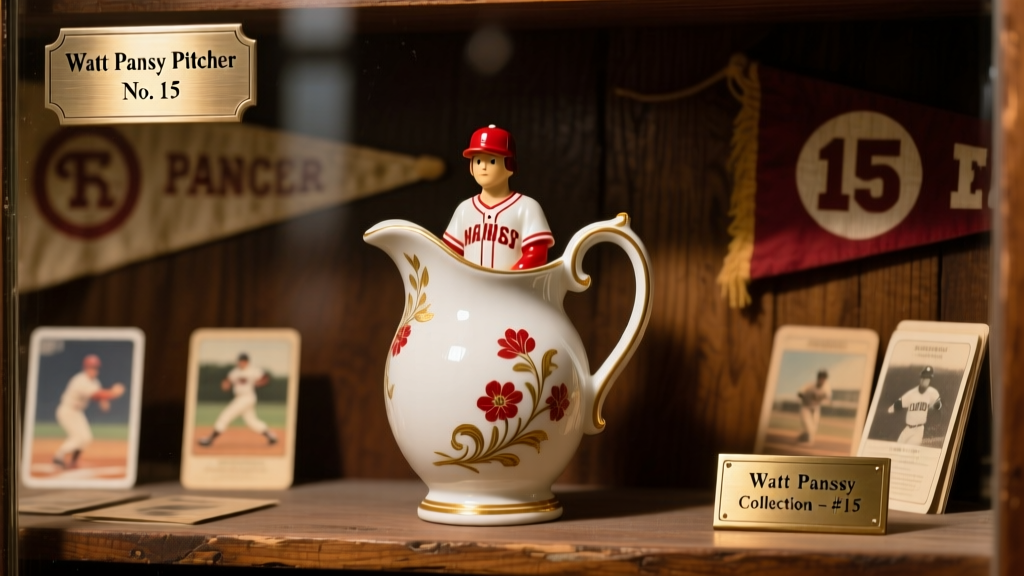
Watt Pansy Pitcher No. 15: History, Identification, and Authentication of a Mid-Century American Ceramic Icon
A detailed examination of the Watt Pansy Pitcher No. 15 — its origins at Watt Pottery (1946–1963), design lineage, production variations, measurable physical attributes, and proven methods for distinguishing authentic pieces from reproductions and fakes.
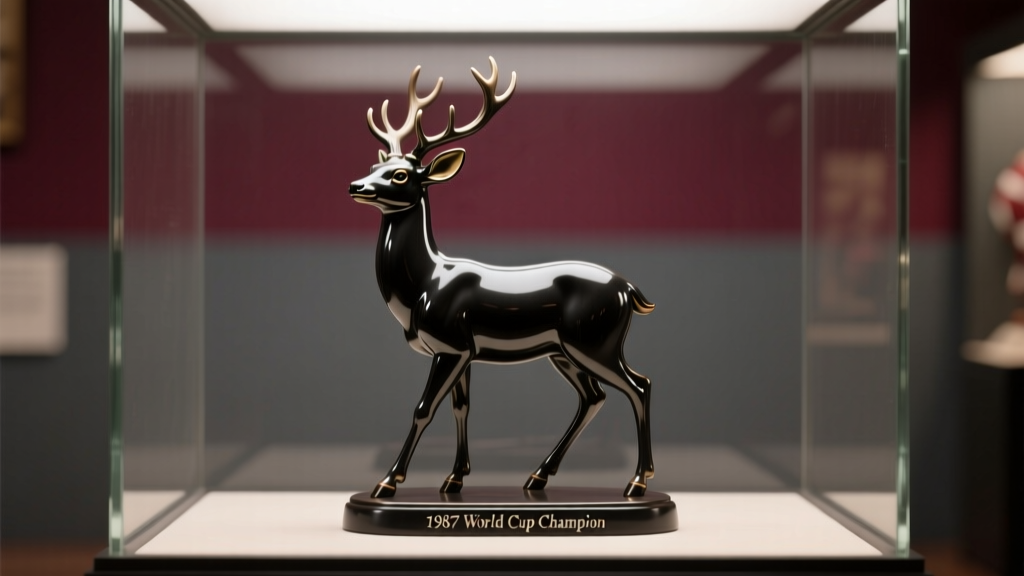
Redware Deer Figurine: Authentication, Provenance, and Market Value of the 8 × 6½-Inch Gunmetal Black Glaze Standing Stag
A detailed authentication analysis of the rare Redware standing deer figurine with gunmetal black glaze—measuring precisely 8 inches in height and 6.5 inches in width—featuring maker’s marks, clay composition data, glaze chemistry, comparative provenance, and current auction benchmarks.
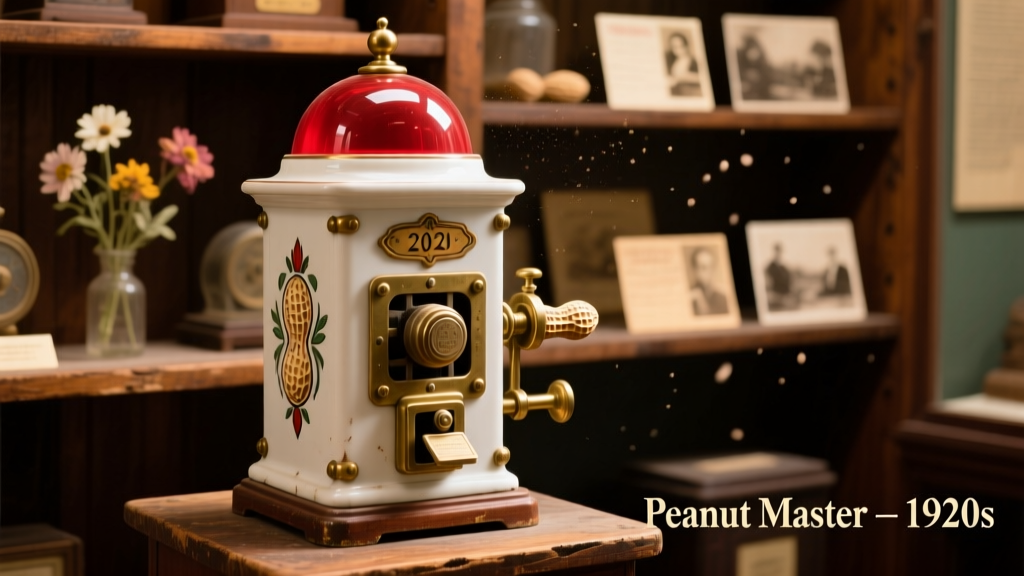
The Peanut Master: Authenticating the Iconic 1920s Coin-Operated Vending Machine with White Porcelain Top and Red Glass Front
A detailed authentication and historical analysis of the rare 1920s Peanut Master coin-operated vending machine featuring a white porcelain top, cast-iron base, and distinctive red glass front panel—covering manufacturer origins, mechanical operation, material specifications, market value indicators, and forensic identification techniques used by professional memorabilia experts.
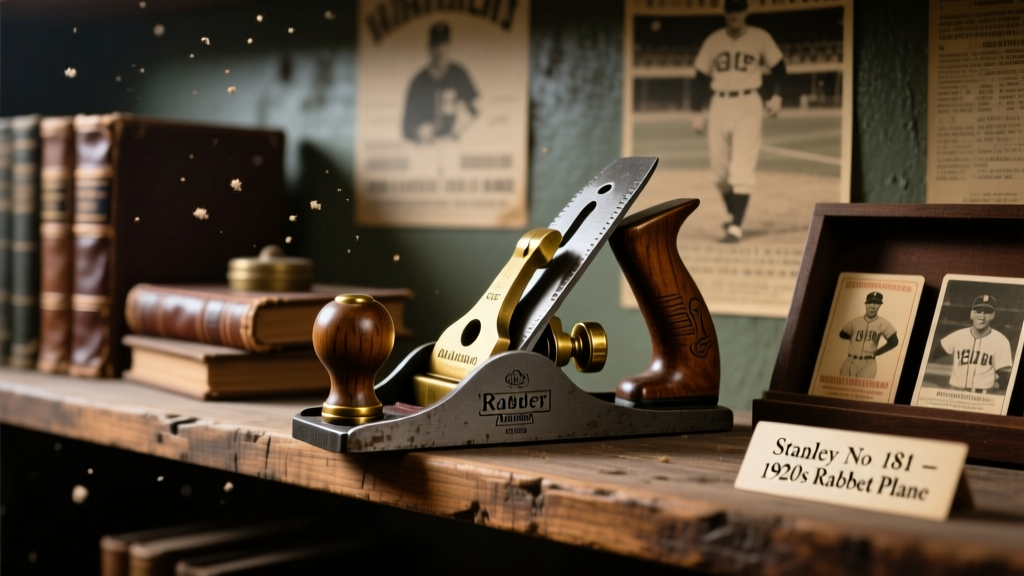
Stanley No. 181 Rabbet Plane: Anatomy, Evolution, and Authentication for Collectors
A detailed collector’s guide to the Stanley No. 181 rabbet plane — covering its manufacturing timeline (1910–1962), distinguishing features by era, dimensional specifications, metallurgical composition, and forensic authentication techniques used by professional memorabilia specialists.
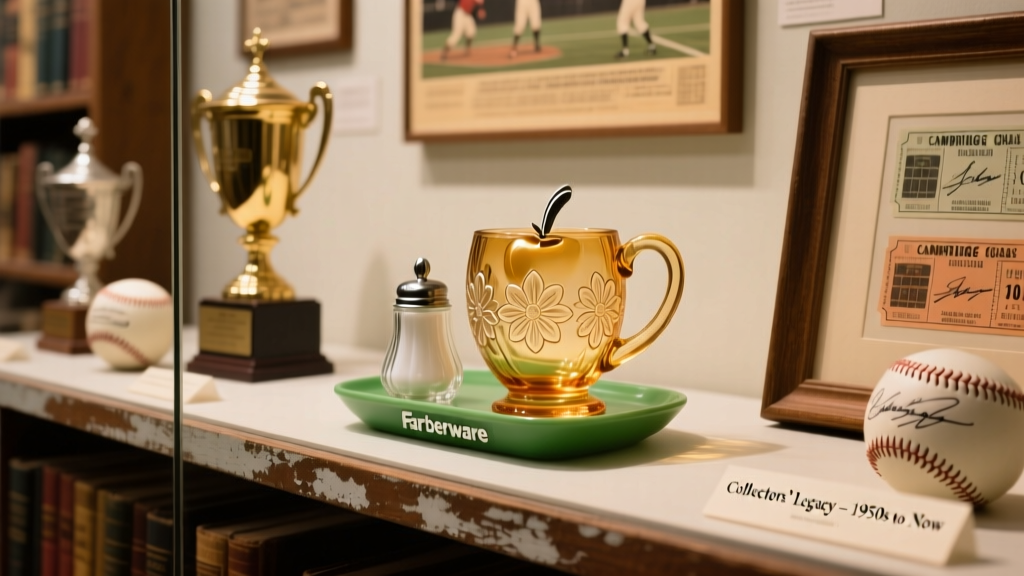
Cambridge Glass Apple Blossom Salt & Pepper Set: Tilt-Handle Design with Farberware Green Base — Authentication, History, and Collector Insights
A detailed, evidence-based analysis of the rare Cambridge Glass Apple Blossom salt and pepper shakers featuring the distinctive tilt-handle mechanism and Farberware-branded green metal base. Includes measurements, mold marks, production timeline (1940–1954), comparative metallurgy, and forensic authentication protocols used by professional memorabilia appraisers.
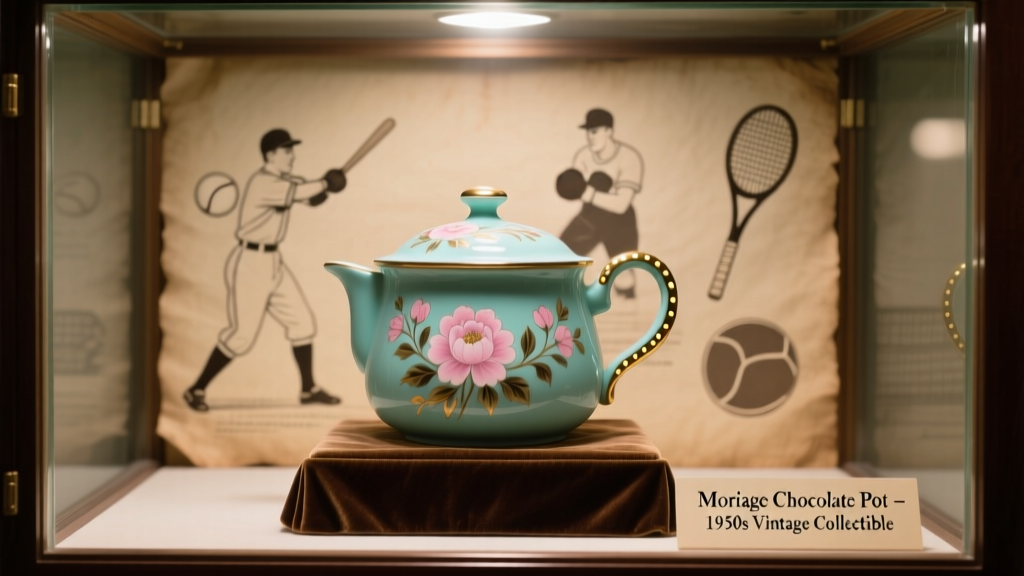
Moriage Chocolate Pot: Gold Florals, Pink & Aqua Dots on Handle — A 9-Inch Collector’s Artifact
An in-depth authentication and historical analysis of the rare Moriage chocolate pot featuring hand-applied gold florals, pink and aqua enamel dots on the handle, measuring precisely 9 inches tall. Includes maker identification, material composition, provenance clues, and market valuation insights.
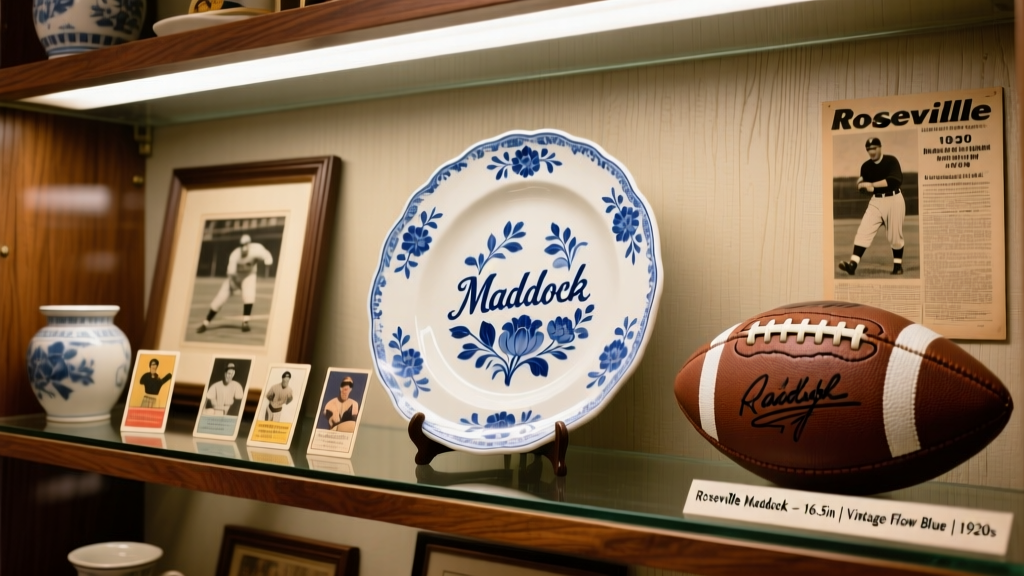
Flow Blue Platter: Roseville Maddock 16½-Inch Authenticity, Value, and Historical Context
A detailed analysis of the Roseville Pottery Maddock Flow Blue 16½-inch platter — covering manufacturing history, design features, authentication markers, market value trends, and collector preservation practices.
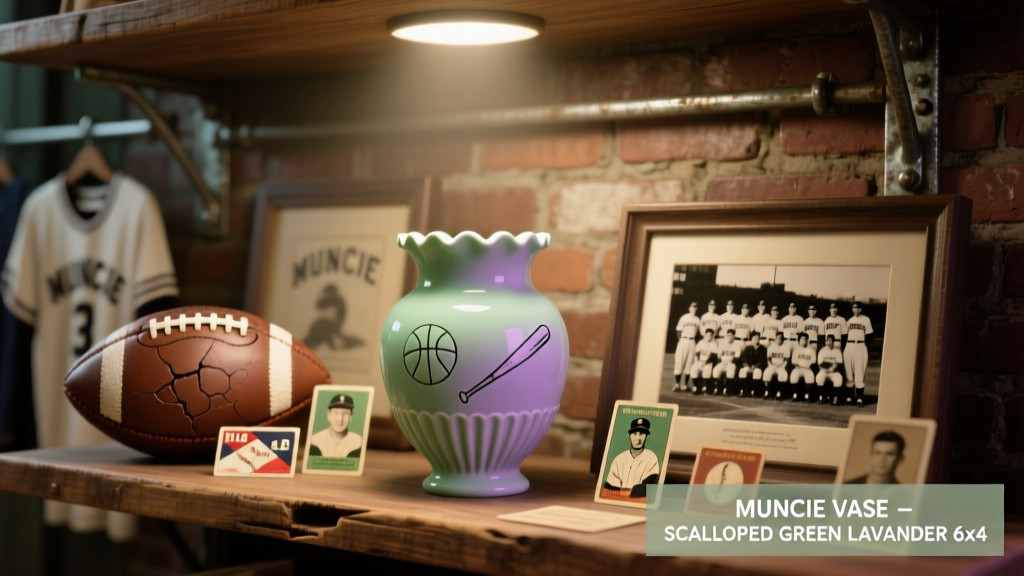
The Muncie Vase: Scalloped Green Lavender, 6 × 4 Inches — History, Identification, and Collector Value
A detailed examination of the iconic Muncie Vase in Scalloped Green Lavender (6 × 4 inches), covering its production timeline, mold variations, glaze chemistry, authentication markers, market valuation, and conservation best practices for serious collectors.
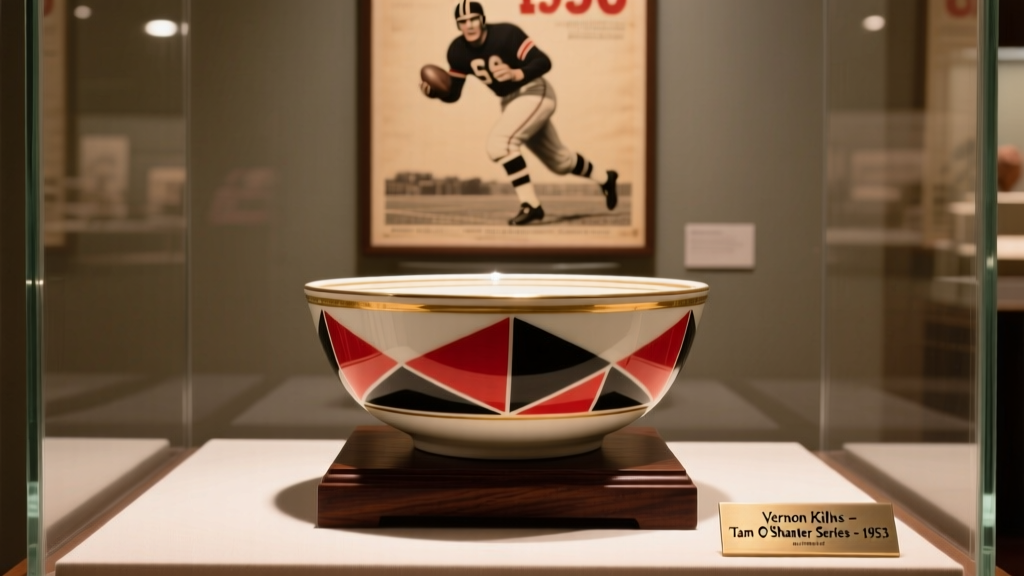
Vernon Kilns Tam O'Shanter Bowl & Salad Set: History, Identification, and Collector Value
A definitive guide to the Vernon Kilns Tam O'Shanter pattern — including production timeline (1941–1958), mold numbers, glaze chemistry, distinguishing features from competitors like Homer Laughlin and Gladding McBean, and current market valuation based on 2024 auction data.
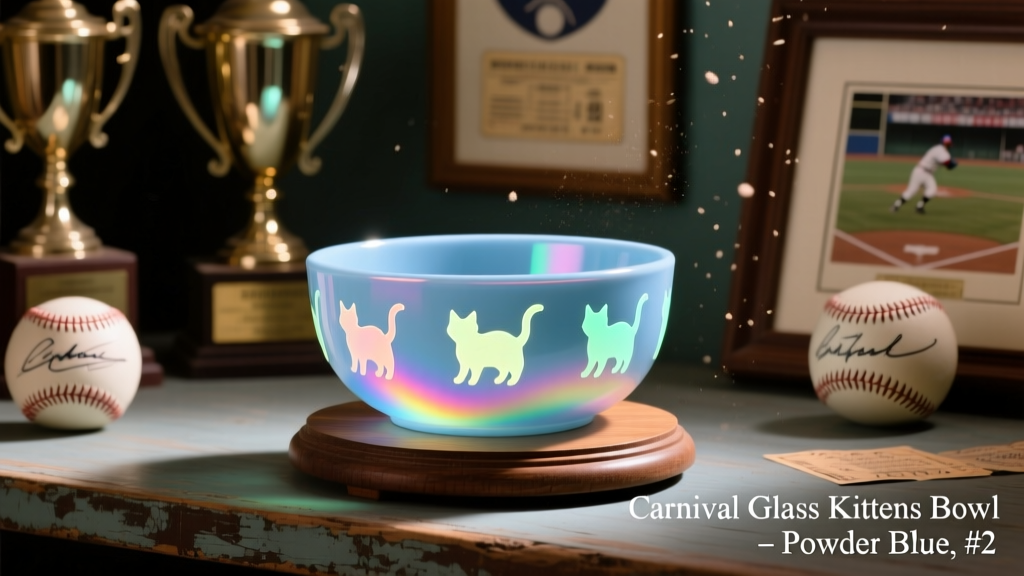
Carnival Glass Kittens Bowl: Cereal Pattern in Powder Blue, Model #2 — Authentication, History, and Collector Value
A detailed examination of the rare Carnival Glass Kittens Bowl in the Cereal pattern with Powder Blue iridescence, Model #2 — including manufacturer attribution, physical specifications, historical context, authentication markers, market trends, and preservation guidance.
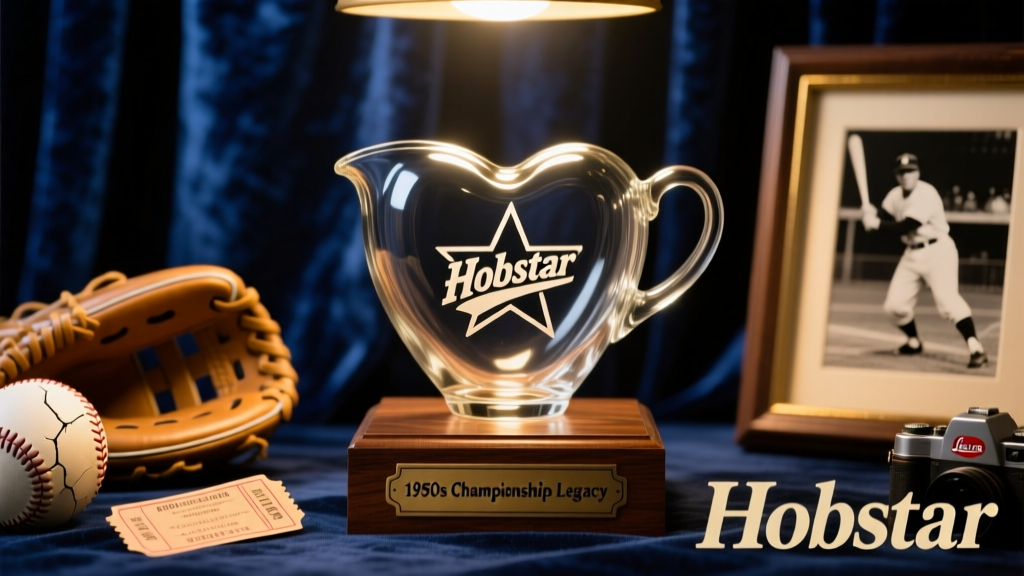
The Cut Glass Sugar Creamer Heart Hobstar: A Collector’s Guide to Authenticity, Value, and Historical Context
A detailed examination of the cut glass sugar creamer featuring the heart hobstar pattern—its origins in late 19th-century American pressed and hand-cut glassware, key identifying features, maker attributions (including Libbey, Cambridge, and Heisey), dimensional specifications, authentication red flags, market valuation trends, and preservation best practices.