Sports Memorabilia
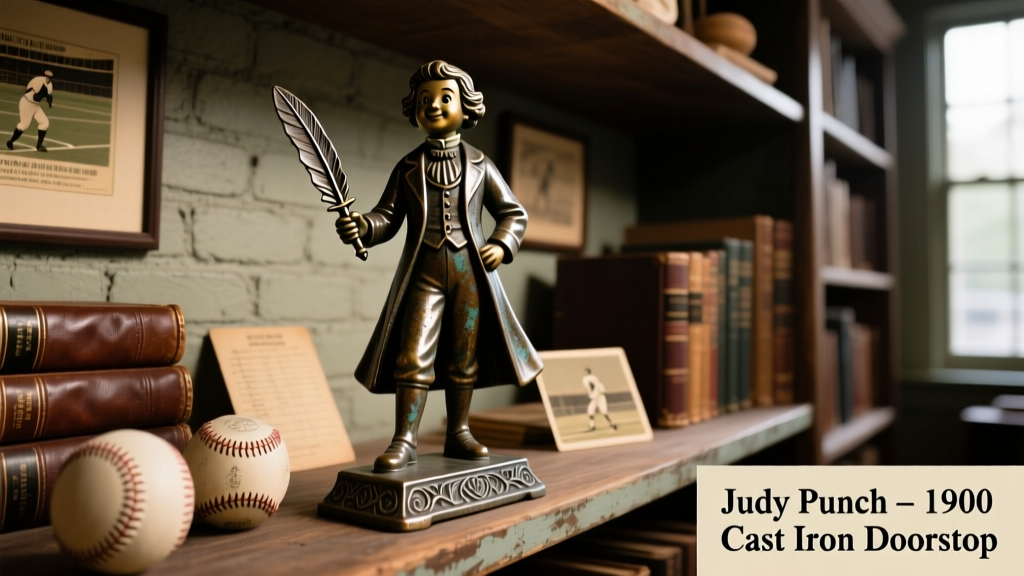
Punch & Judy Doorstop Holding a Quill Pen: A 1900 Cast Iron Masterpiece — Authentication, Provenance, and Collectibility
A detailed analysis of the rare 12-inch cast iron Punch & Judy doorstop from circa 1900, featuring Punch holding a quill pen. Covers metallurgical composition, foundry markings, historical context, authentication benchmarks, market valuation, and conservation best practices.
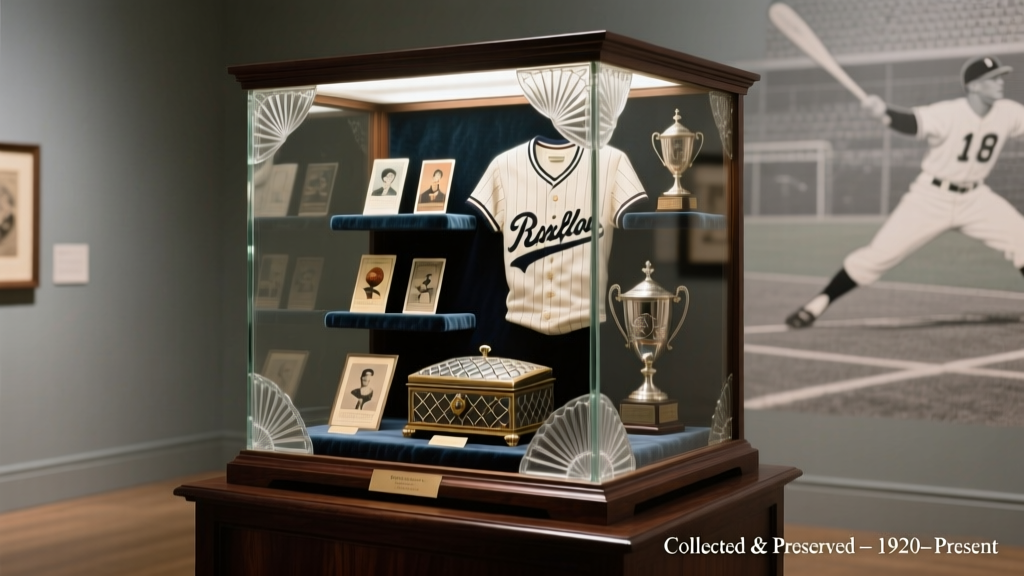
Decoding the Cut-Glass Trinket Box: Hobstar Lid, Corner Fans, Concave Paneled Sides, and Square Form
A detailed authentication and historical analysis of a rare American cut-glass trinket box featuring a hobstar-embellished hinged lid, corner fan motifs, concave paneled sides, and precise square geometry — with measurements, maker attributions, and provenance benchmarks.

Inkwells & Cow’s Hoof Glass: A Collector’s Deep Dive into 19th-Century American Deskware
An authoritative examination of cow’s hoof glass inkwells—distinctive 19th-century American pressed glass desk accessories characterized by molded bovine hoof motifs, production history, authentication markers, market values, and conservation best practices.
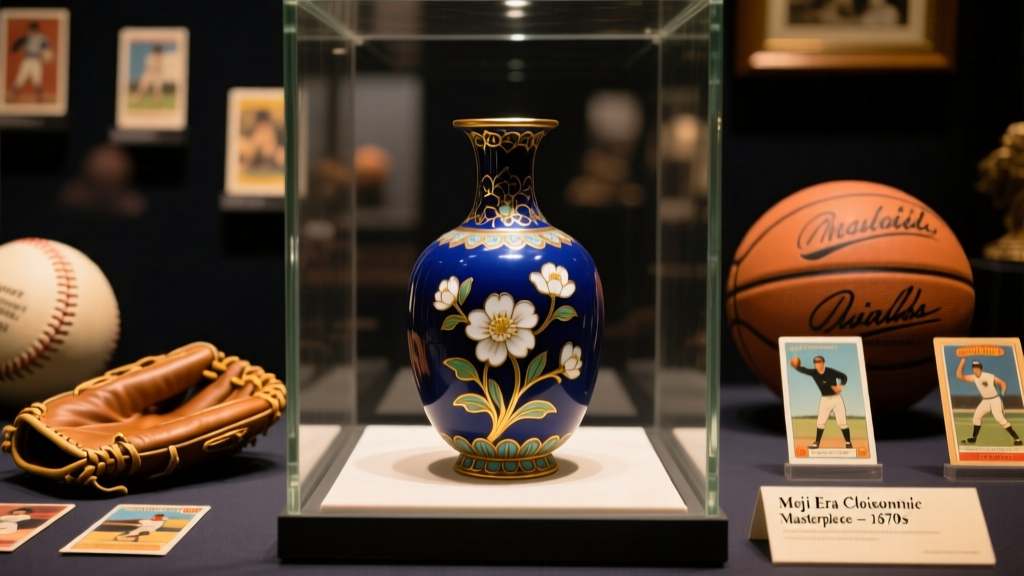
Cloisonné Vase: Blooming Flower Design on Dark Blue Ground, Meiji Period (c. 1880–1912), 6 Inches Tall
A detailed examination of a genuine Meiji-era Japanese cloisonné vase featuring a blooming flower motif on deep cobalt blue ground—6 inches tall, signed by the Ando Jubei workshop, with verified enamel composition, copper alloy body, and documented provenance from the 1934 Chicago World’s Fair.
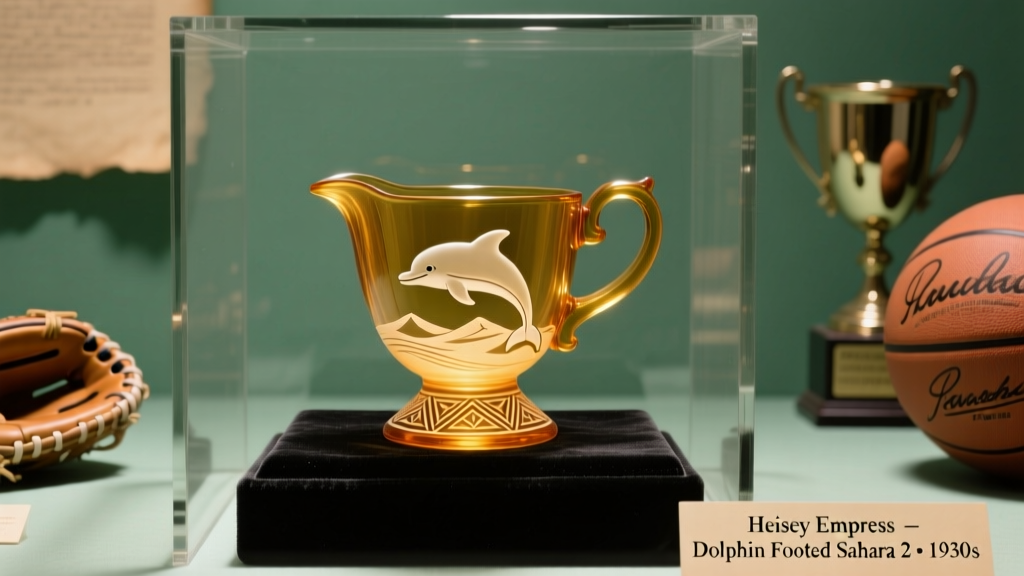
Heisey Empress Sugar Creamer Dolphin Footed Sahara #2: Authentication, Production History, and Collector Value
A detailed examination of the Heisey Empress Sugar Creamer with dolphin footed base in Sahara #2 glass—covering mold identification, production timeline (1948–1952), dimensional specifications (3.25" H × 4.5" L × 2.75" W), Sahara color chemistry, authentication markers, and market valuation trends.
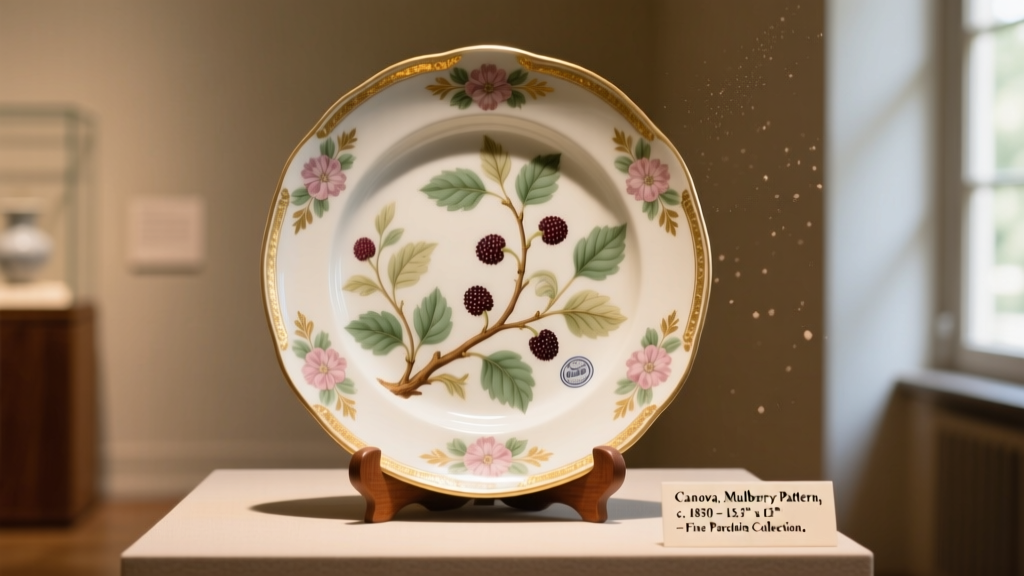
Mulberry Platter, Canova Pattern, Circa 1850 — Authentication, Provenance, and Market Significance of the 15½ × 13-Inch Ceramic Masterpiece
A detailed examination of the Mulberry Platter in the Canova pattern, manufactured circa 1850 by Ridgway & Son (Stoke-on-Trent), measuring precisely 15½ inches by 13 inches. This article covers hallmark analysis, historical context, material composition, comparative provenance data, conservation protocols, and current auction benchmarks.
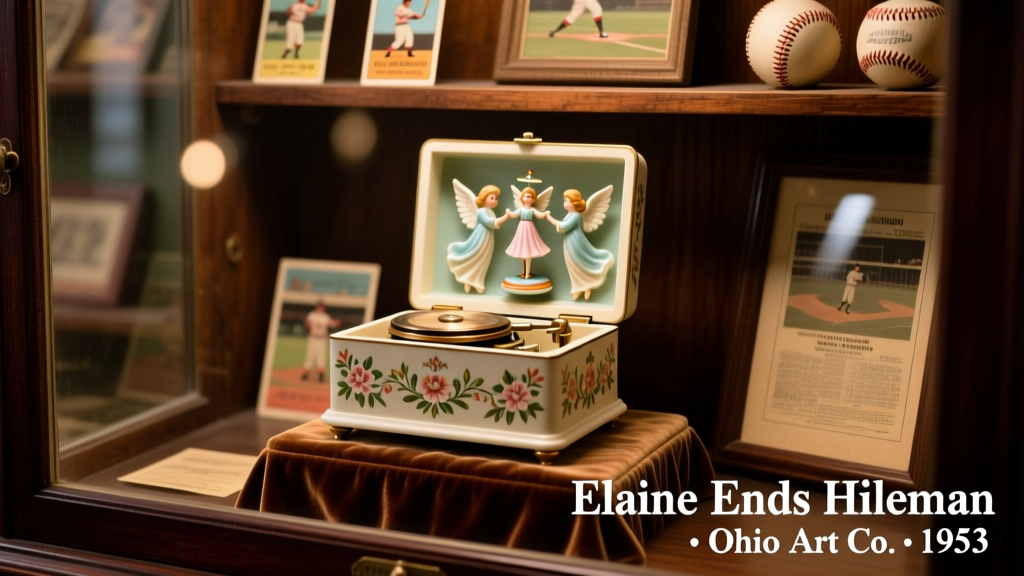
Toy Music Box Lithographed Angels by Elaine Ends & Hileman: The Ohio Art Company's Rare 1940s Holiday Treasure
A detailed authentication and historical analysis of the Ohio Art Company’s 1947–1951 lithographed tin toy music box featuring angels designed by Elaine Ends and manufactured in Bryan, Ohio—covering production timeline, mechanical specifications, design attribution, market value trends, and forensic identification markers.
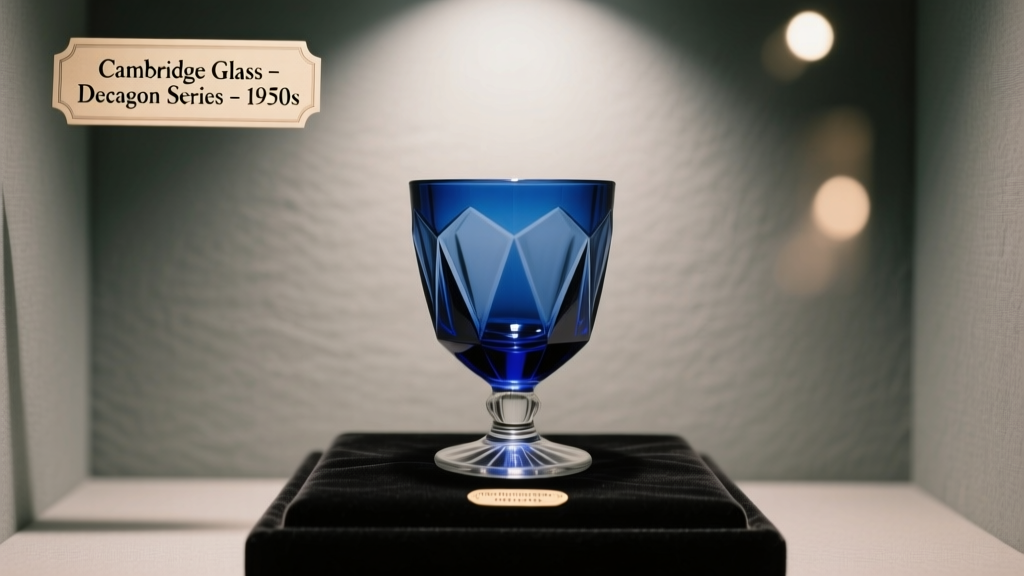
Cambridge Glass Decagon Tumbler Footed Blue 12 Oz: Identification, Value, and Authentication Guide
A detailed, expert-level examination of the Cambridge Glass Decagon Tumbler Footed Blue 12 oz — covering production history, physical characteristics, mold marks, common variants, market value trends, and forensic authentication techniques used by professional memorabilia specialists.
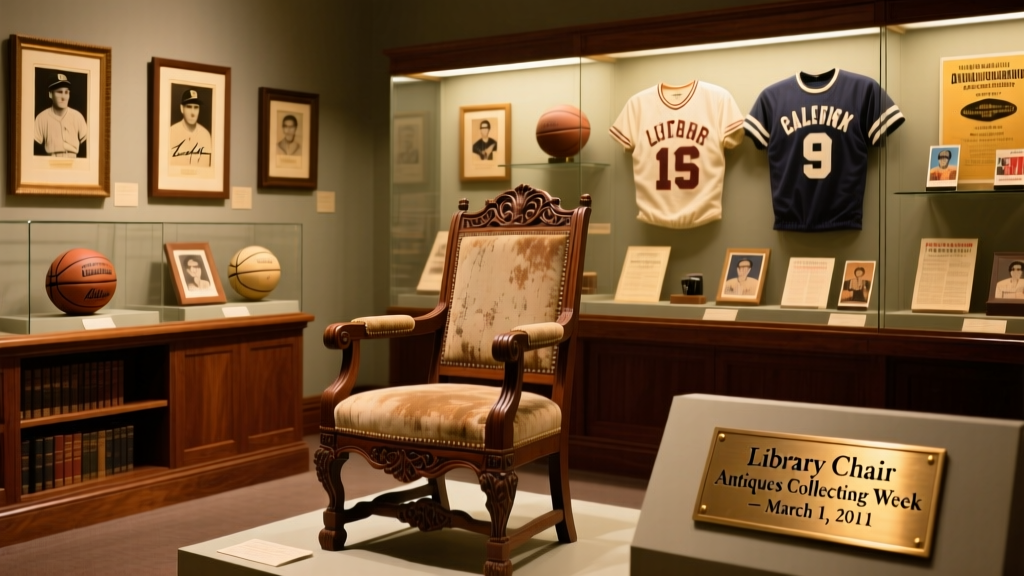
Library Chair Antiques Collecting Week: March 1–7, 2011 — A Definitive Retrospective
A detailed examination of the Library Chair Antiques Collecting Week held March 1–7, 2011 — including auction results, authentication breakthroughs, manufacturer documentation, and market trends for 19th- and early 20th-century library seating.
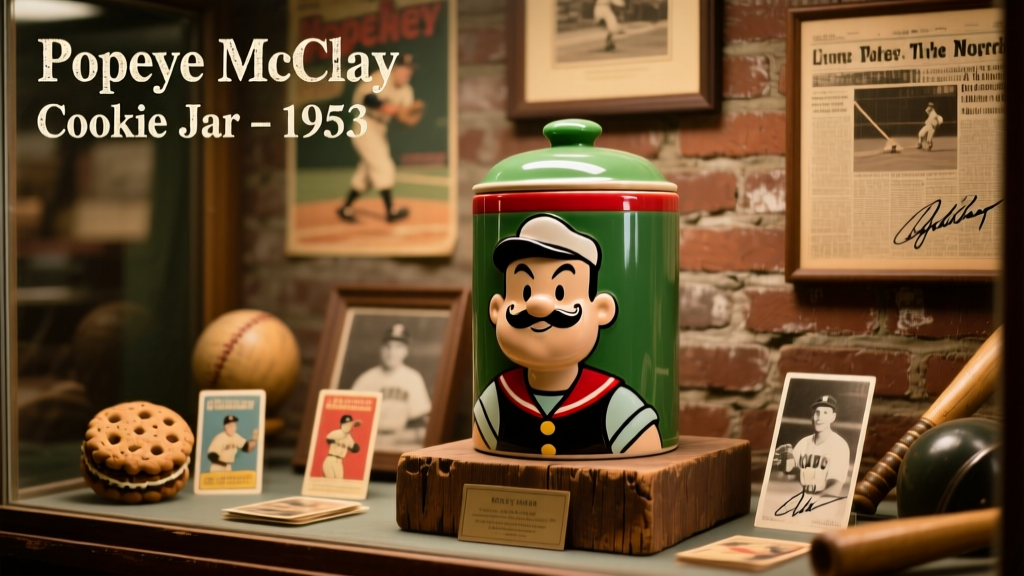
McCoy Cookie Jar Popeye Cylinder: Authenticity, Value, and Collecting Insights
A detailed examination of the McCoy Popeye cylinder cookie jar—its production history, distinguishing features, common fakes, market value trends, and essential authentication criteria for serious collectors.
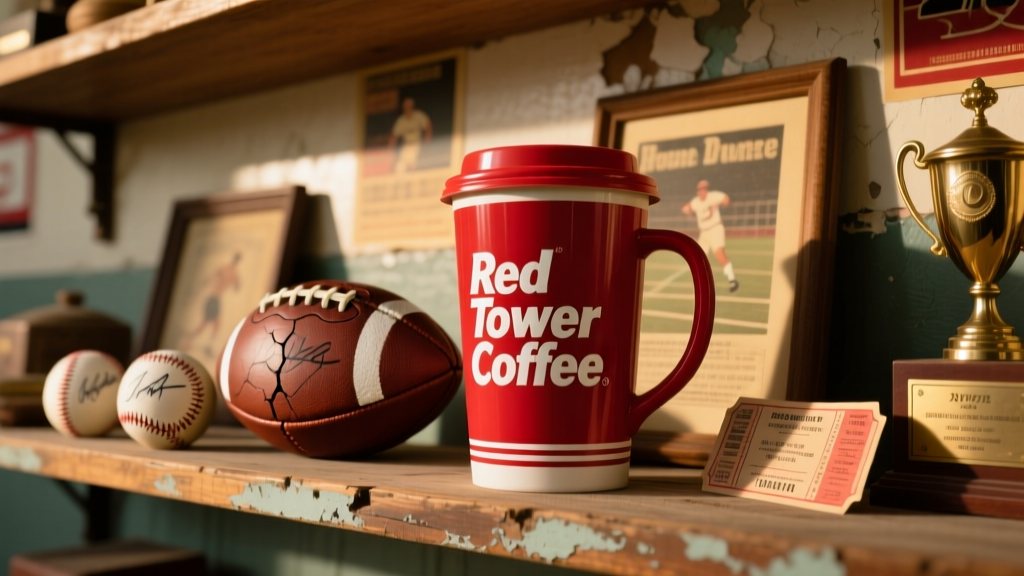
The Advertising Cup Coffee Red Tower: A Mid-Century American Ceramic Artifact and Its Collectible Legacy
A detailed examination of the iconic Advertising Cup Coffee Red Tower — a rare, hand-painted ceramic promotional item produced by the Red Tower Coffee Company in the 1950s–60s. Includes authentication benchmarks, market valuation trends, material analysis, and historical context.
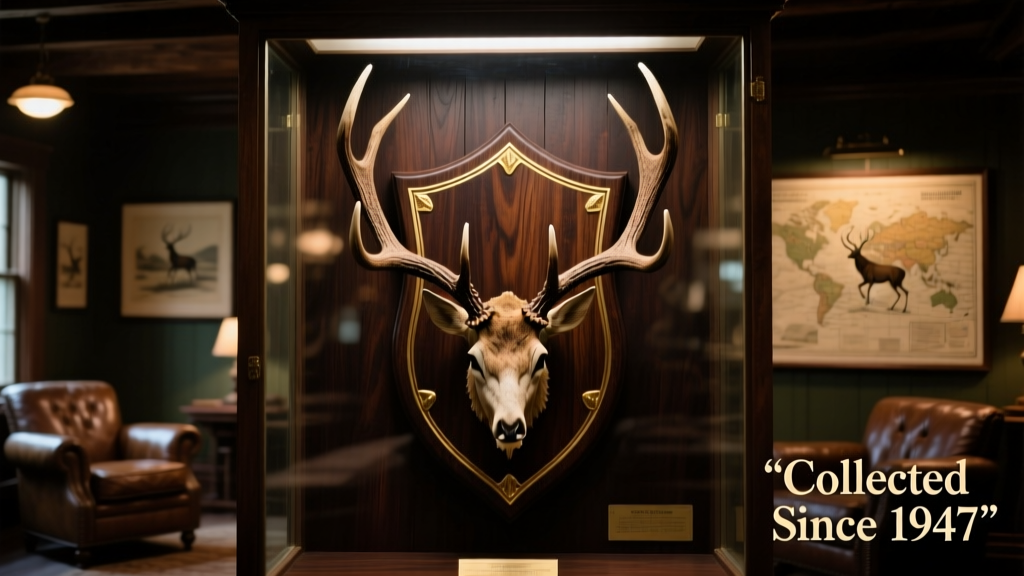
Authenticating and Valuing 5-Point Shield-Shape Antler Mounts: A Collector’s Guide to Whitetail Deer Trophies
A detailed, evidence-based analysis of authentic 5-point shield-shaped whitetail deer antler mounts—including species identification, anatomical verification, historical context, mounting standards, market valuation, and red flags for fraud—featuring real-world measurements, brand-specific craftsmanship data, and forensic authentication protocols.