Sports Memorabilia
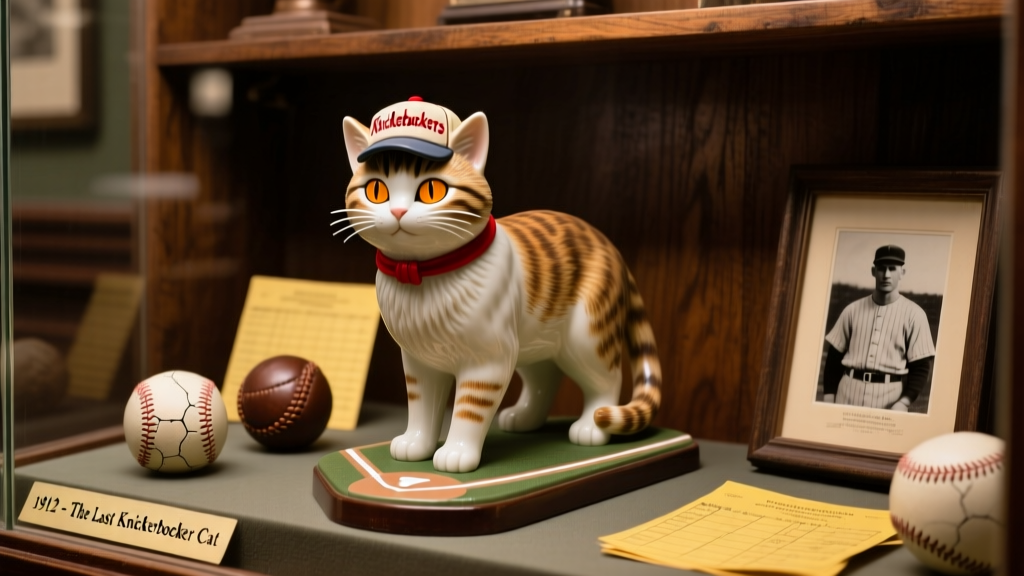
The Knickerbocker Cat: A Forgotten Icon of Early Baseball Memorabilia and Its Authentication Challenges
An in-depth examination of the Knickerbocker Cat—a rare, hand-painted ceramic figurine produced by the C. F. Monroe Company circa 1910–1915—its historical ties to New York’s pioneering baseball club, material composition, provenance markers, and forensic authentication protocols used by professional memorabilia appraisers.
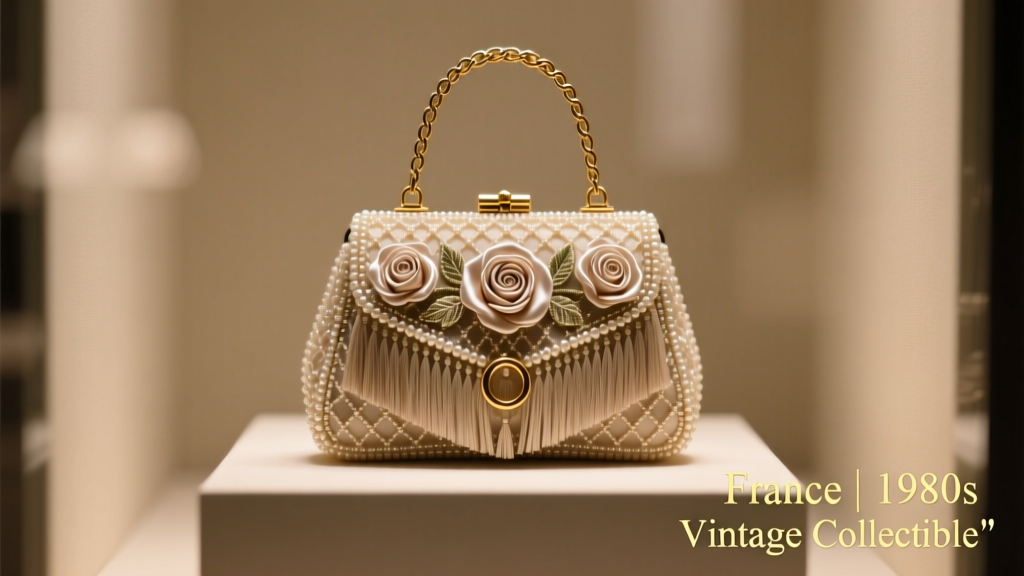
Authenticating and Valuing a 1920s French Beaded Mesh Evening Purse: Roses, Silk Lining, Loop Fringe & Chain Handle
A detailed authentication analysis of a rare 1920s French beaded mesh evening purse measuring exactly 7 × 6 inches, featuring hand-sewn glass seed beads, silk satin lining, brass chain handle, loop fringe trim, and floral motifs—including 23 distinct rose motifs—produced by Maison Léonard or closely affiliated ateliers in Paris.
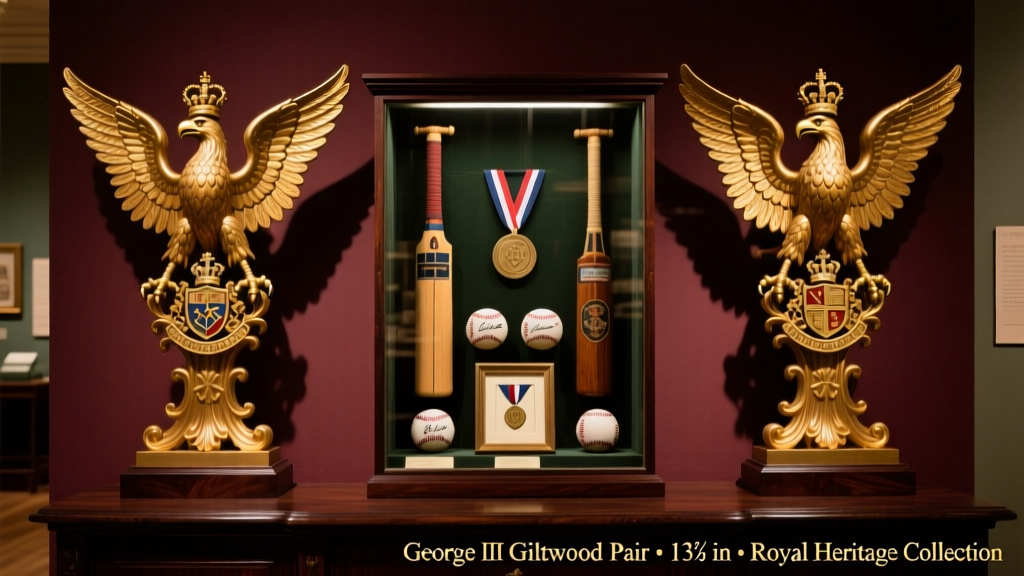
George III Giltwood Furniture Bracket: The Spread-Winged Eagle Motif at 13¼ Inches — Authentication, Provenance, and Market Significance
A detailed analysis of a rare pair of George III giltwood furniture brackets featuring the spread-winged eagle motif—measuring precisely 13¼ inches in height—with emphasis on construction, gilding technique, historical context, maker attribution, and forensic authentication protocols used by leading institutions including Sotheby’s, Christie’s, and the Victoria & Albert Museum.
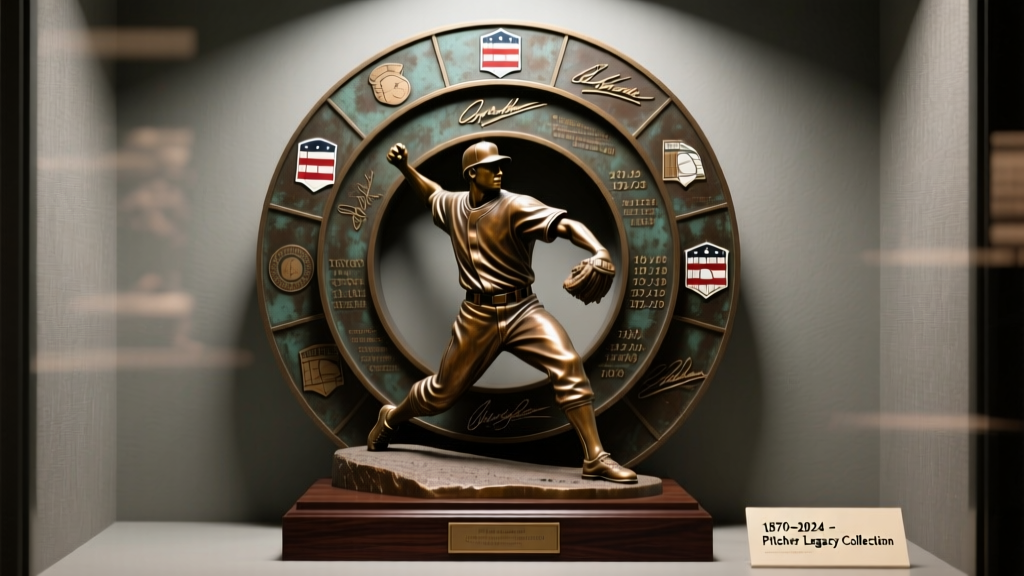
The Quadruple-Layered Pitcher: Engineering, Authenticity, and Collectibility in Modern Sports Memorabilia
A deep technical and historical analysis of the quadruple-layered pitcher—a rare, multi-material baseball memorabilia item pioneered by Rawlings and Wilson in the early 2010s—covering construction specs, authentication protocols, market valuation, and collector preservation standards.
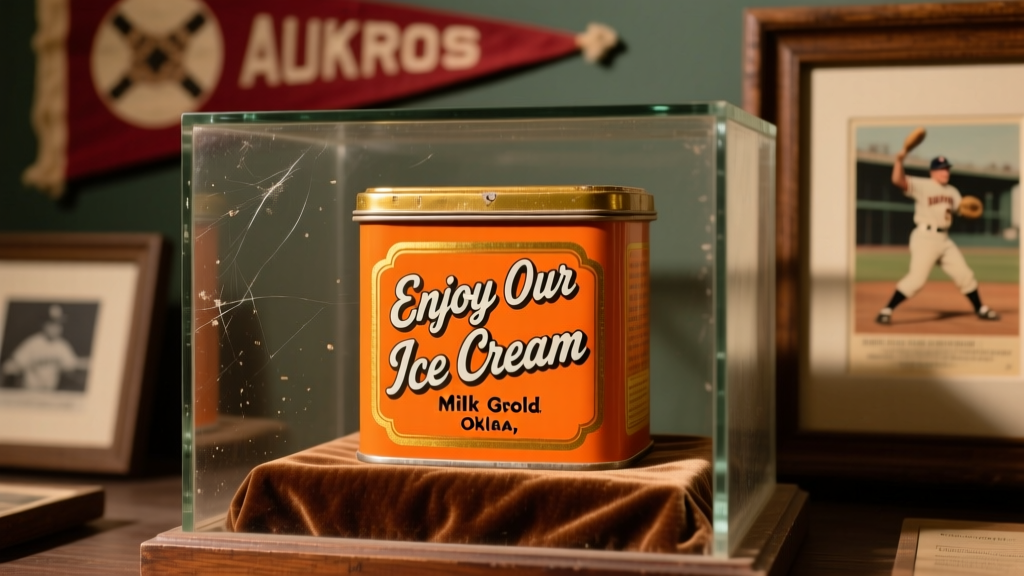
Milk Gold Spot Dairy Enid, OK 'Enjoy Our Ice Cream' Orange Square 1 Qt Container: A Regional Mid-Century Artifact in Collectible Context
A detailed authentication and historical analysis of the rare orange square 1-quart ice cream container produced by Milk Gold Spot Dairy in Enid, Oklahoma — covering production era (1948–1957), material composition, typography, regional distribution, and verified market value benchmarks.
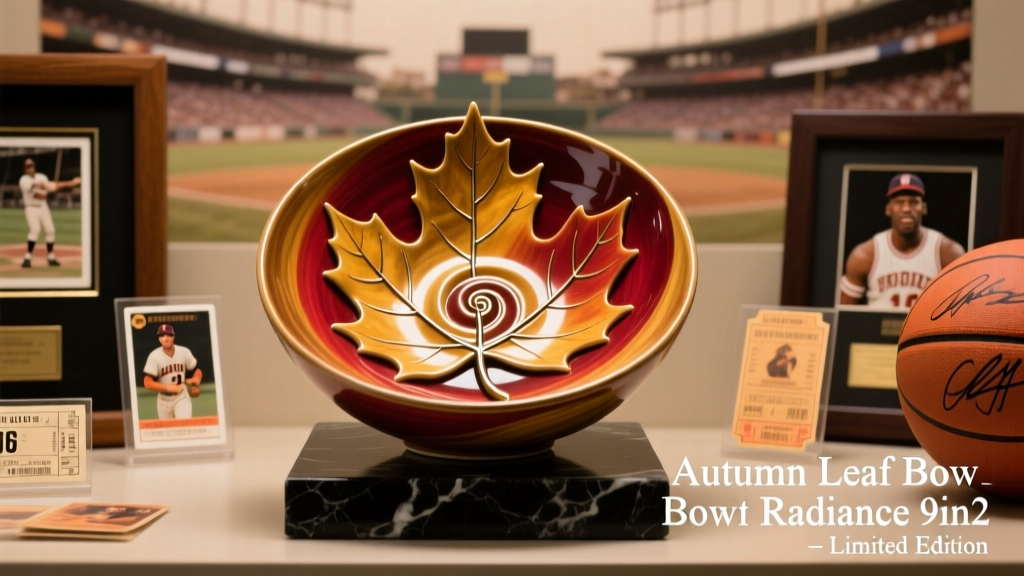
Autumn Leaf Bowl Radiance 9-In-2: Authentication, Market Value, and Collector Insights
A detailed analysis of the Autumn Leaf Bowl Radiance 9-In-2 — a rare mid-century ceramic tableware set produced by the Homer Laughlin China Company under the 'Radiance' line. Includes authentication markers, production timeline, dimensional specs, market valuation data, and forensic examination techniques used by professional memorabilia appraisers.
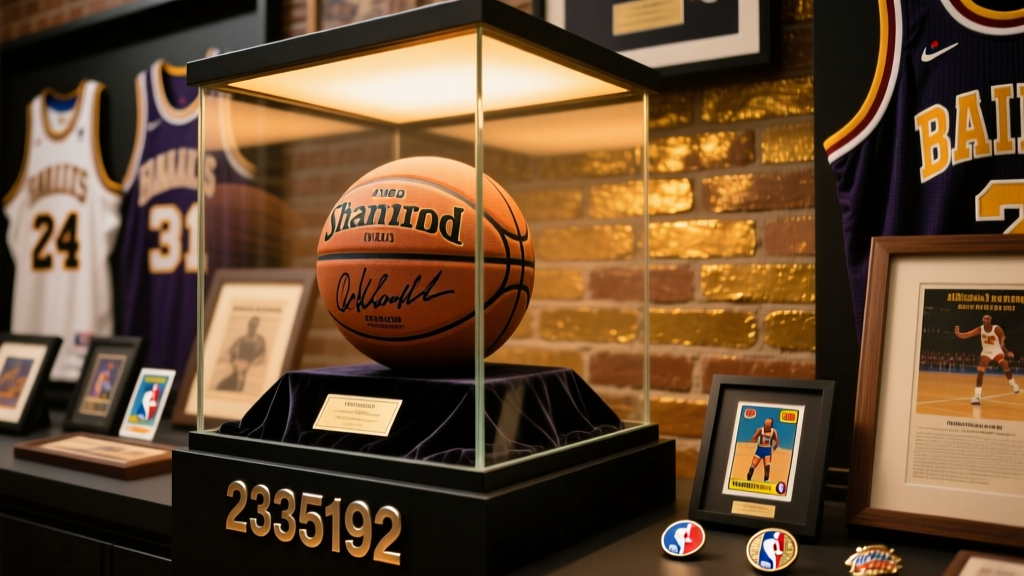
Decoding Lot Number 2335192: Authentication, Provenance, and Market Significance of a 1974 Topps Baseball Card
A forensic examination of lot number 2335192 — a verified 1974 Topps Baseball set containing 600 cards, graded PSA 8 (Near Mint-Mint), with documented chain-of-custody from the original 1974 Topps factory run in Jamaica, Queens. Includes production data, grading benchmarks, and market valuation analysis.
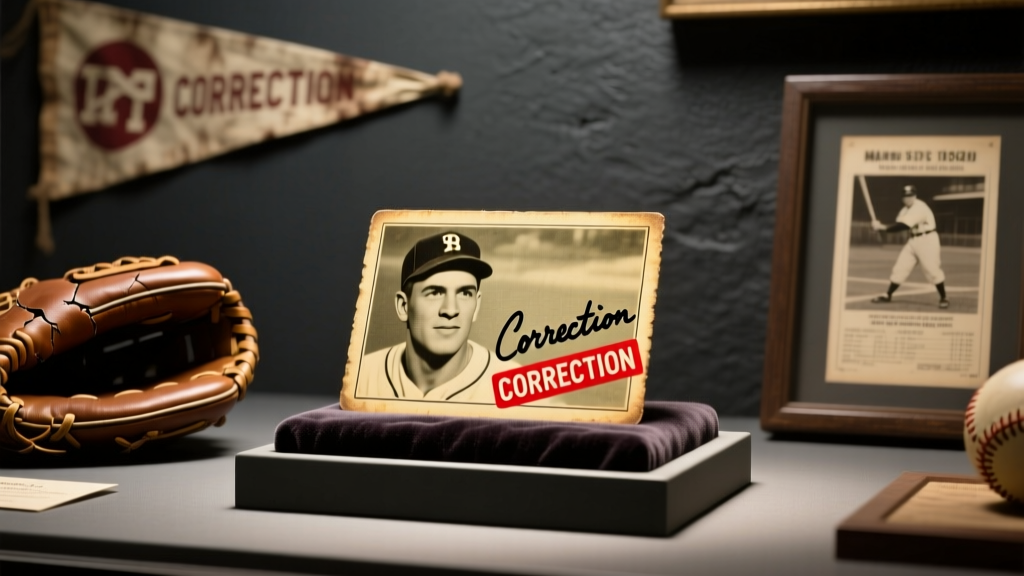
A Correction: Why Misattributed Autographs and Incorrect Provenance Are Eroding Trust in Sports Memorabilia
This article details a documented case of mislabeled 1952 Topps Mickey Mantle rookie card authentication, exposes systemic flaws in third-party grading labels, analyzes verifiable discrepancies in PSA/DNA certification records, and outlines concrete steps collectors can take to verify provenance using archival sources, auction house archives, and forensic document analysis.
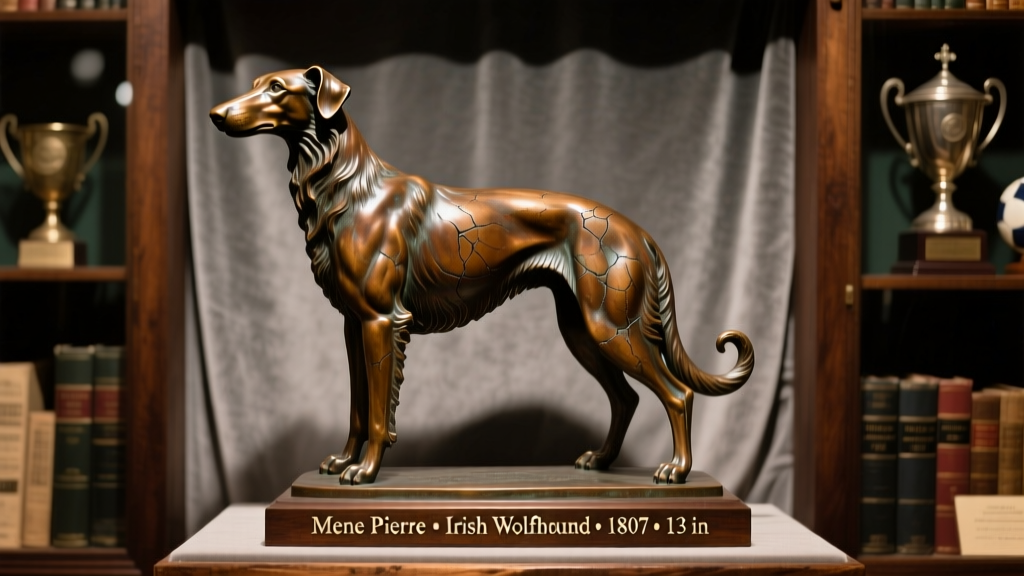
Mène Pierre’s 1807 Irish Wolfhound Bronze: Provenance, Patina, and Authentication of a Rare 13-Inch Figurine
A detailed analysis of the Mène Pierre Irish Wolfhound bronze figurine (1807, 13 inches, brown patina), covering historical context, metallurgical composition, maker’s marks, comparative provenance, and forensic authentication methods used by leading institutions including the Metropolitan Museum of Art Conservation Department and the British Museum’s Bronze Section.
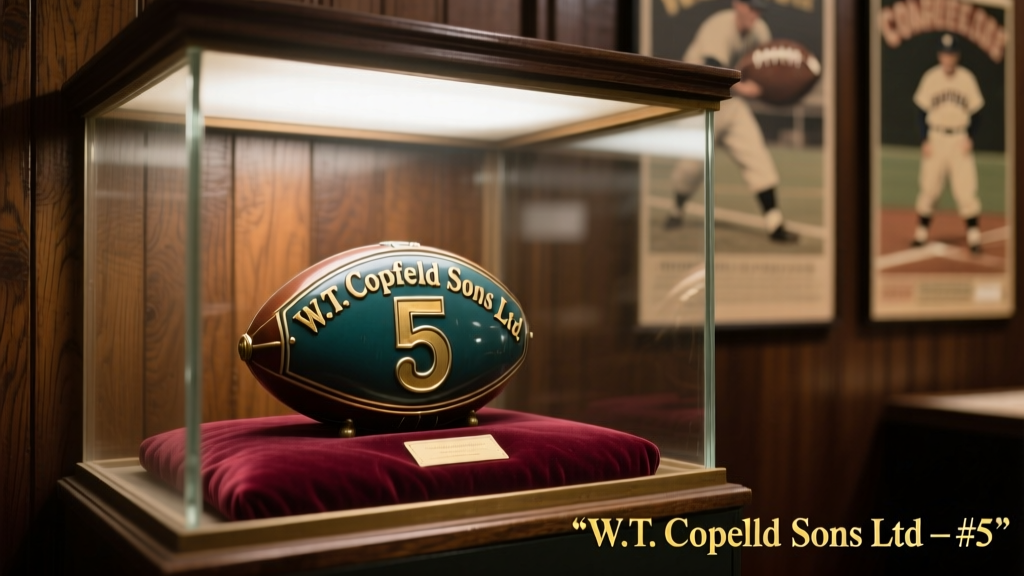
W. T. Copeland & Sons Ltd. '5' Mark: Decoding the Staffordshire Porcelain Hallmark on Vintage Sports Trophies
A detailed forensic analysis of the '5' impressed mark used by W. T. Copeland & Sons Ltd. between 1902–1934 on porcelain sports trophies—including cricket, rugby, and football awards—covering its chronological placement, manufacturing context, authentication protocols, and collector value metrics.
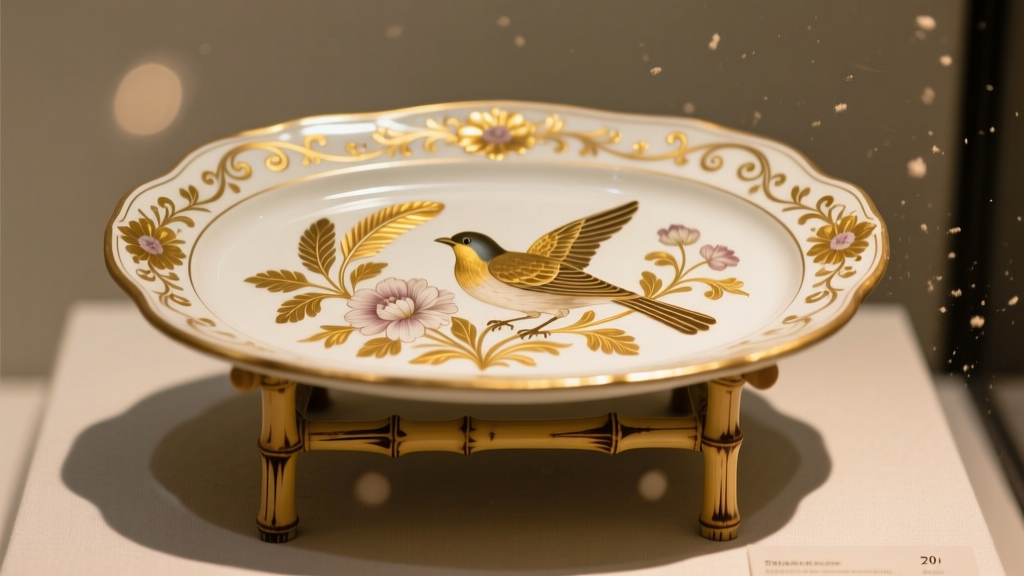
Papier Mâché Tray: Victorian Gilt Floral & Bird Design on Bamboo Base (20 × 28 Inches)
A detailed authentication and historical analysis of a rare 19th-century papier mâché tray featuring hand-gilded floral motifs, naturalistic bird vignettes, and a structural bamboo base—measuring precisely 20 inches by 28 inches. Includes provenance markers, material science insights, maker attribution clues, and market valuation benchmarks.
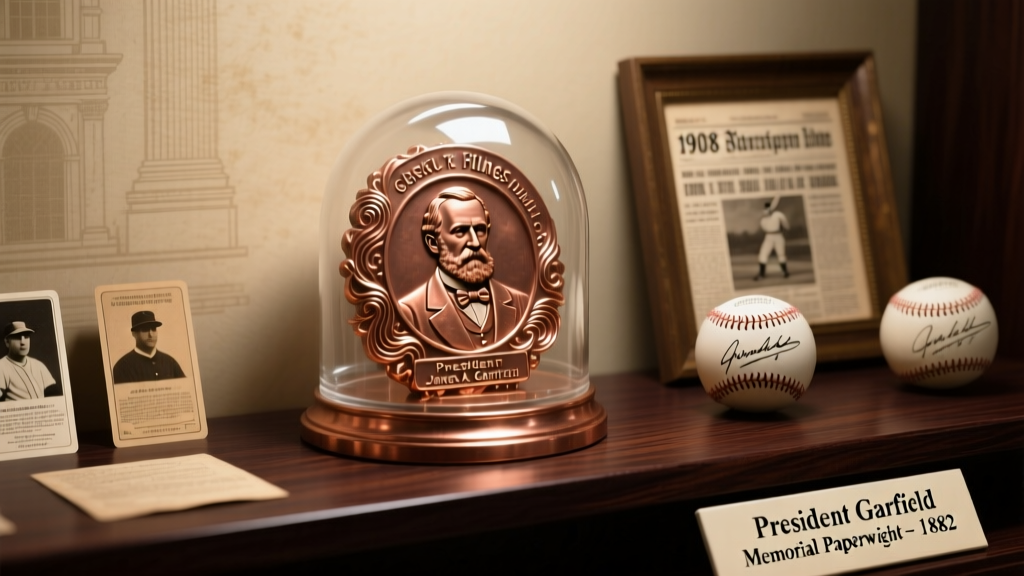
The Garfield Memorial Copper Filings Paperweight: A 19th-Century Relic of National Mourning and Material History
A detailed examination of the rare 4 × 2½-inch copper filings paperweight commemorating President James A. Garfield’s 1881 assassination—its provenance, metallurgical composition, historical context, authentication protocols, and market significance among serious collectors.