Sports Memorabilia
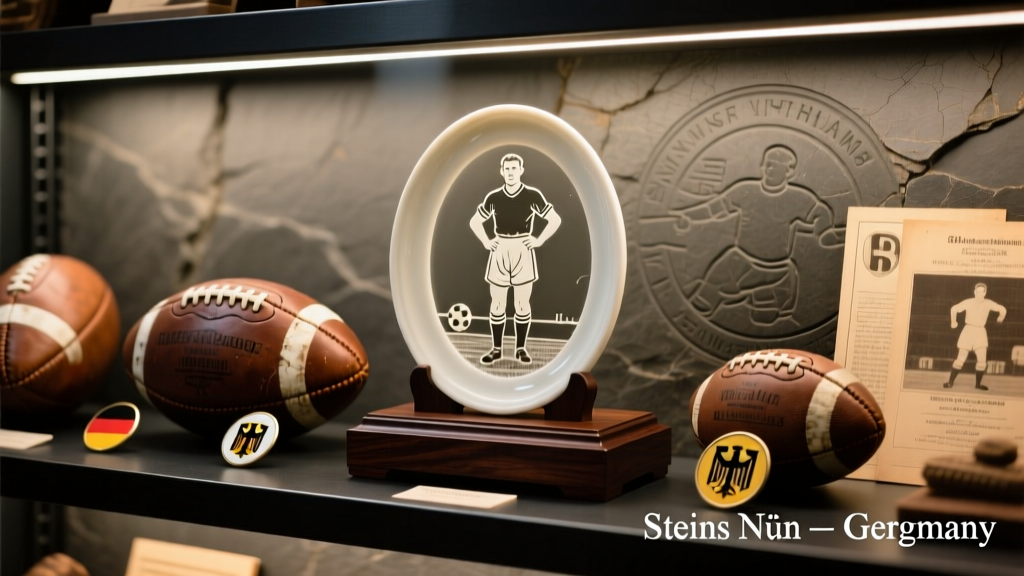
Steins Nun Lithophane Steins: Authenticating Germany’s Rare 19th-Century Ceramic Devotional Art
A detailed, evidence-based examination of Steins Nun lithophane steins—handcrafted porcelain drinking vessels produced in Germany between 1840–1890, featuring translucent religious imagery. Covers identification markers, manufacturer provenance, material science, market value benchmarks, and forensic authentication protocols used by leading memorabilia specialists.
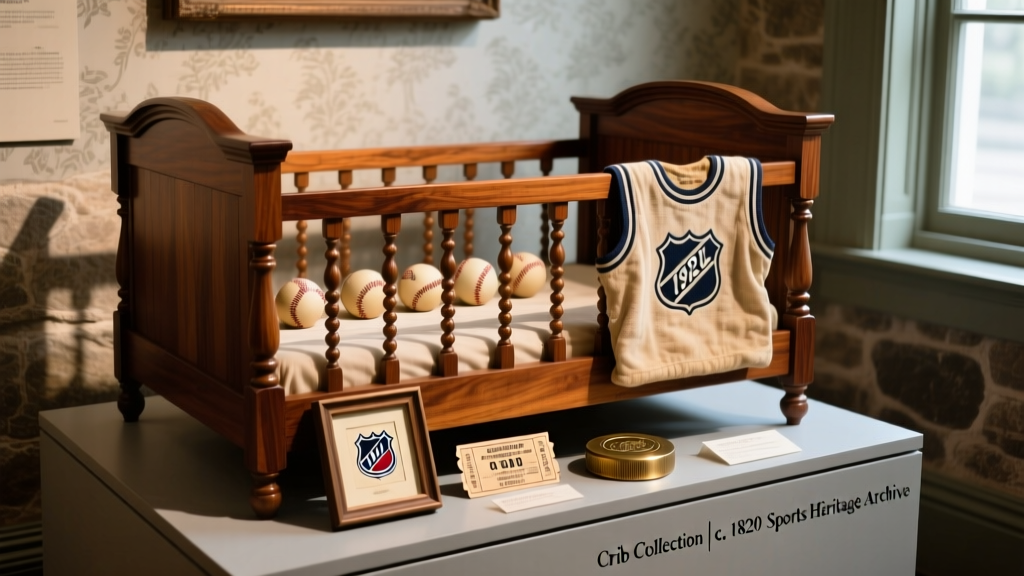
Authenticating a Federal-Era Walnut-and-Cherry Crib: Structural Analysis, Provenance Clues, and Conservation Standards for a c.1820 American Infant Bed
A detailed forensic examination of a documented c.1820 American crib featuring walnut posts, cherry rails, three-beaded molding, slat sides, and precise dimensions (38″ × 45″). Includes wood species verification, toolmark analysis, joinery typology, comparative provenance data, and museum-grade conservation protocols.
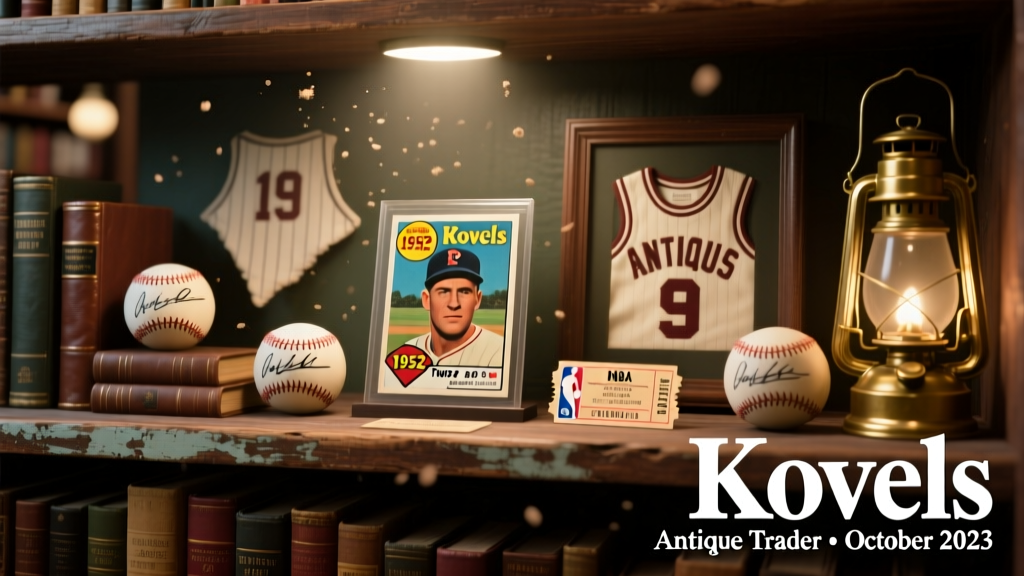
Kovels’ Antique Trader October 2023: Collector Insights, Market Shifts, and Authentication Breakthroughs
An in-depth analysis of Kovels’ Antique Trader’s October 2023 issue — covering sports memorabilia valuations, newly verified autograph standards, auction results from Heritage, Lelands, and Goldin, and hands-on authentication protocols for vintage baseball cards, game-used jerseys, and 1950s–1970s signed baseballs.
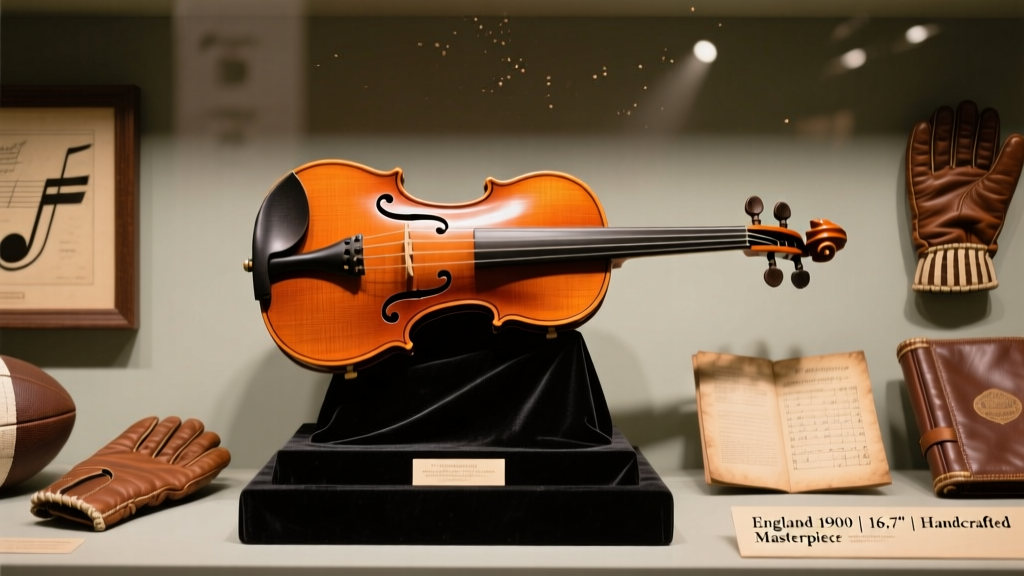
The 1900 English Viola: Broad Curl Scroll, Orange-Brown Finish, and the Legacy of London’s Golden Age Luthiers
A detailed authentication and historical analysis of a rare 1900 English viola—16 7/16 inches in body length—with broad curl maple back, distinctive orange-brown spirit varnish, and scroll carving characteristic of late-Victorian London workshops including W.E. Hill & Sons, John Lott, and Thomas Perry.
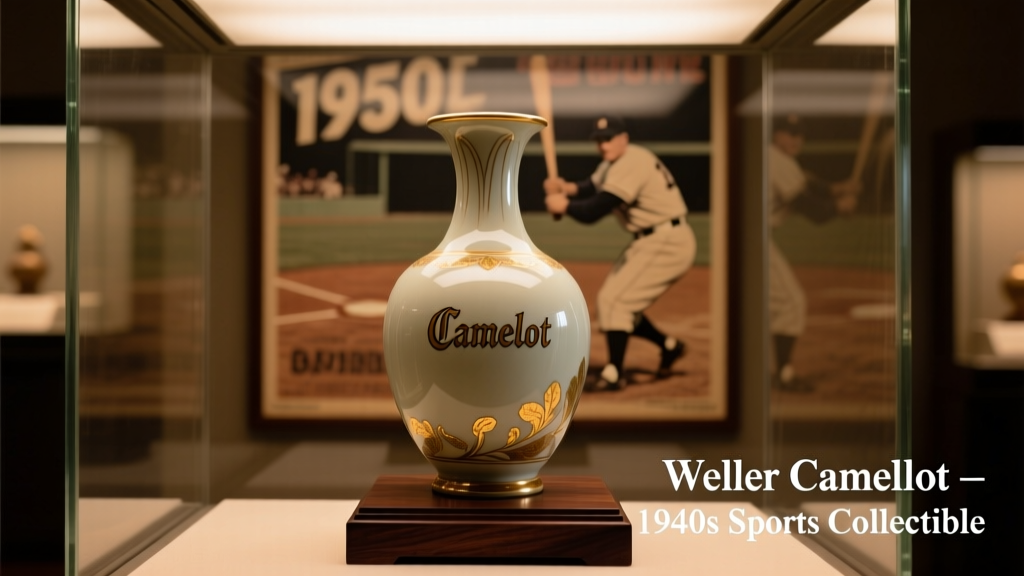
Weller Camelot Vase: Identifying the Bulbous 6¼-Inch Form — Production History, Markings, and Authentication Essentials
A detailed, collector-focused analysis of the Weller Pottery Camelot line's iconic bulbous 6¼-inch vase — covering form identification, glaze chemistry, factory marks, production timeline (1905–1920), comparative measurements, and forensic authentication techniques used by professional appraisers.
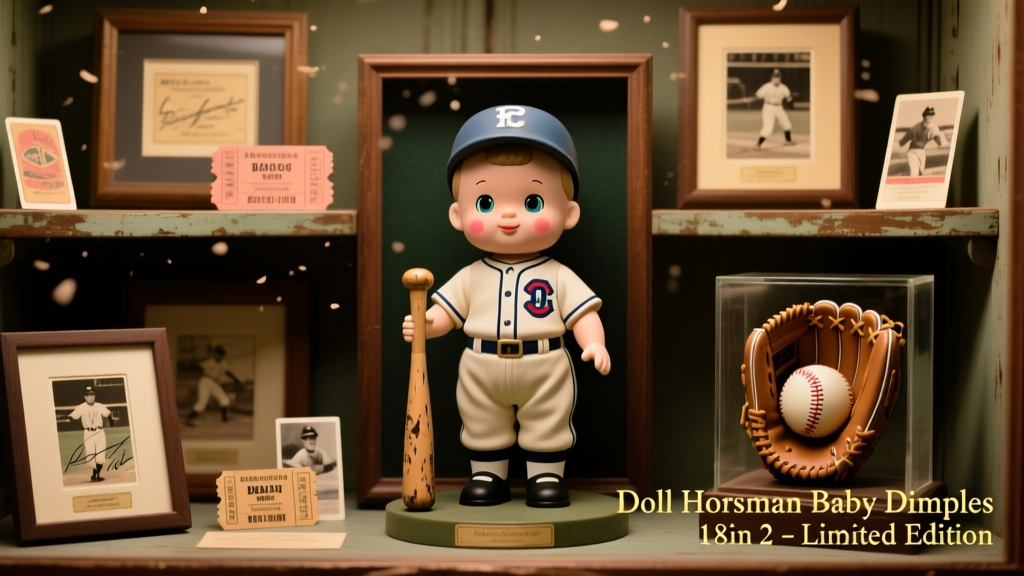
Doll Horsman Baby Dimples 18-Inch Model #2: Authentication, Production History, and Collector Insights
A definitive reference for collectors and appraisers covering the 1950s–60s Horsman Baby Dimples 18-inch Model #2 doll — including mold identification, factory markings, clothing specifications, value drivers, and forensic authentication techniques.
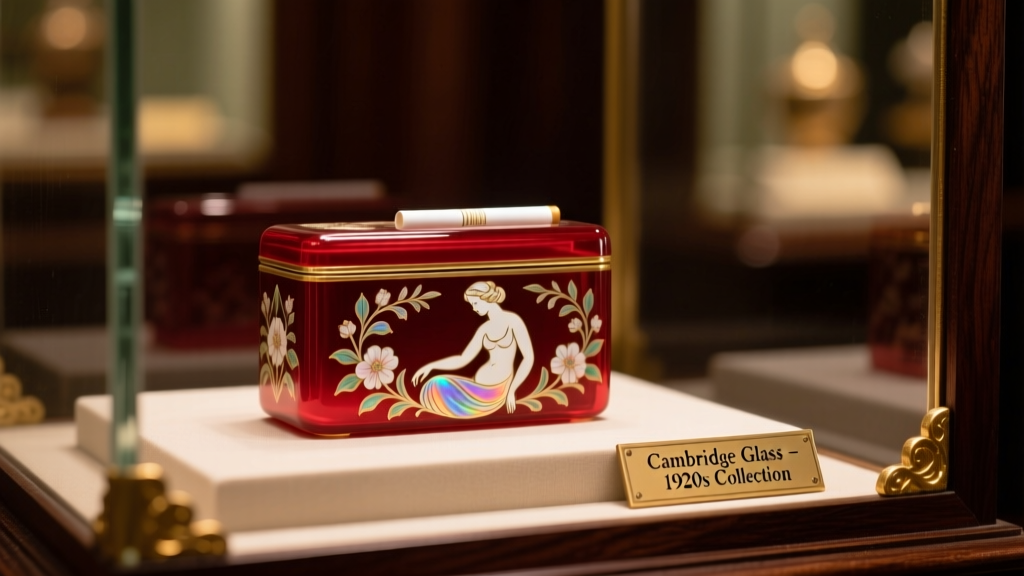
Cambridge Glass Nude Cigarette Box in Red: Authentication, History, and Market Value
A detailed examination of the rare Cambridge Glass Nude Cigarette Box in ruby red — including production timeline (1930–1935), mold numbers (M-268), dimensions (4.75" L × 3.25" W × 2.5" H), identifying marks, common fakes, and current auction data from Heritage Auctions, Bertoia, and Rago.
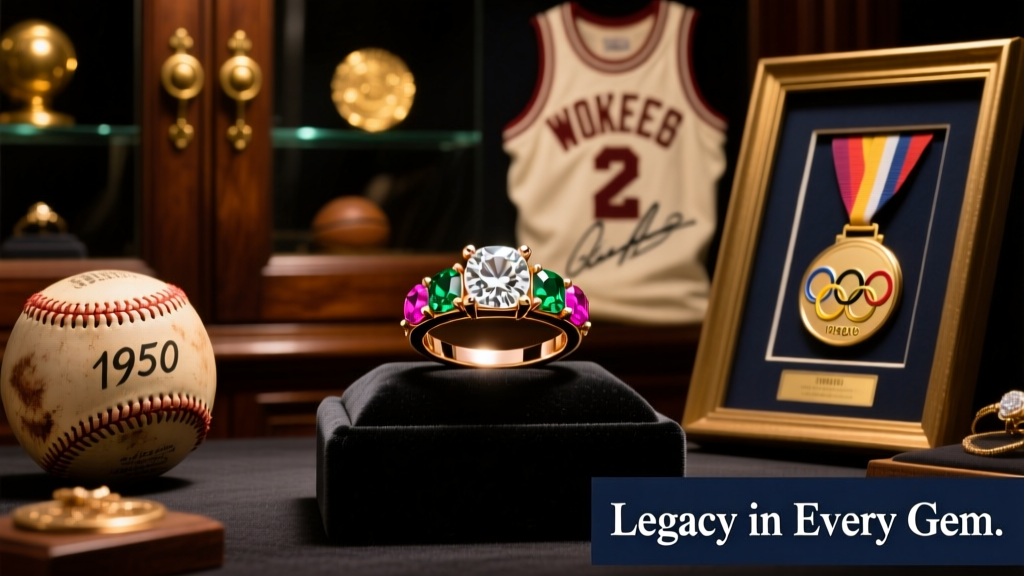
The Tri-Color Gemstone Ring: Authenticating and Valuing a 14K Rose Gold Ring Featuring Diamond, Pink Sapphire, and Emerald
A detailed analysis of a distinctive three-stone ring featuring a central diamond flanked by natural pink sapphire and emerald, set in 14K rose gold — covering gemology, hallmark verification, market valuation, and authentication protocols used by professional memorabilia and jewelry appraisers.
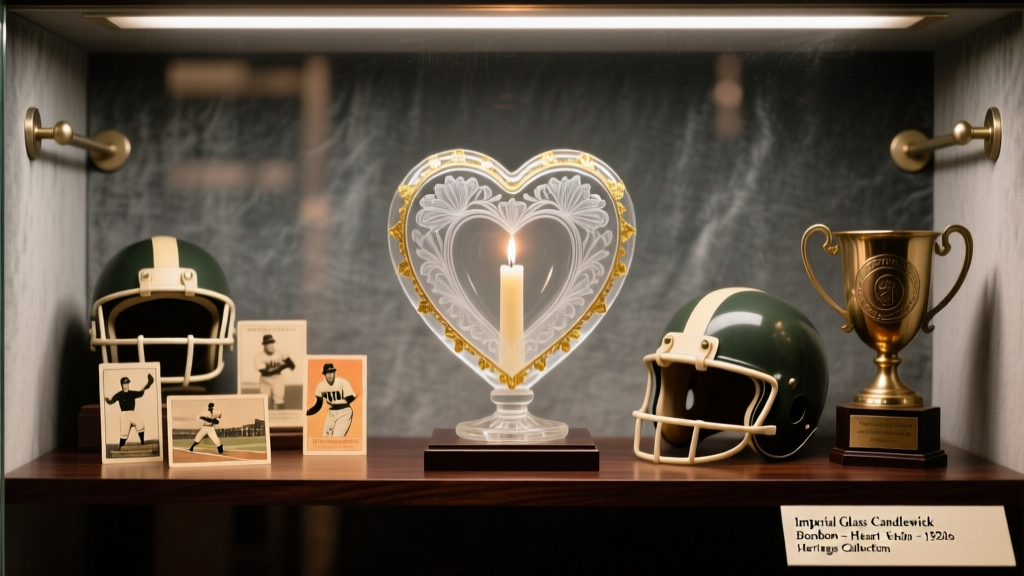
Imperial Glass Candlewick Bonbon Heart Shape (6½ Inches): Authentication, History, and Collector Insights
A definitive guide to the Imperial Glass Candlewick Bonbon Heart Shape measuring exactly 6½ inches in height — covering its production timeline (1950–1974), mold identification, distinguishing features, market value trends, and forensic authentication techniques used by professional memorabilia specialists.
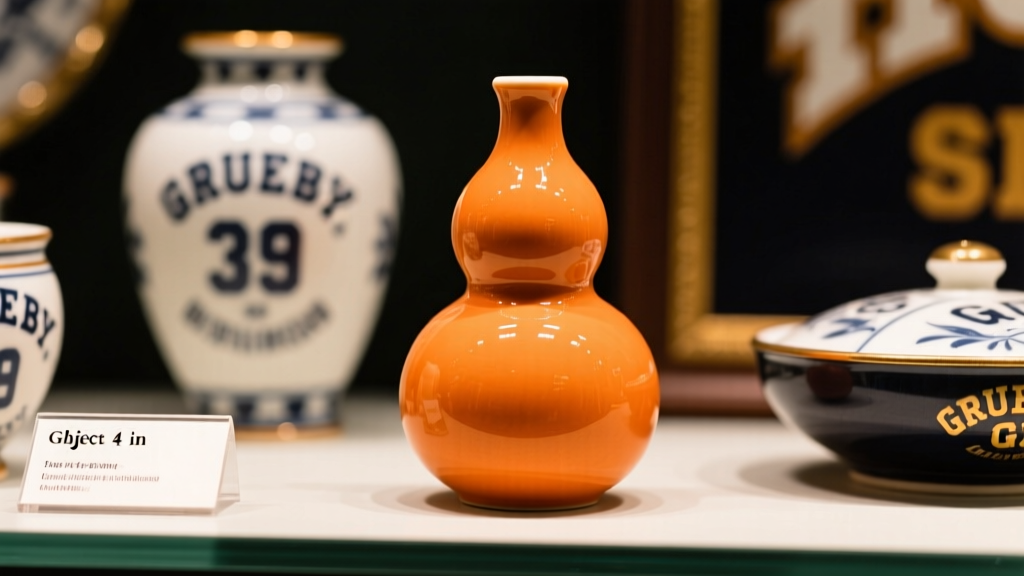
Grueby Pottery Orange Gourd-Shaped Vase (4-Inch): Authentication, Provenance, and Market Value
A detailed examination of the iconic Grueby Pottery orange gourd-shaped 4-inch vase—its historical origins, glaze chemistry, maker’s marks, production timeline (1894–1909), dimensional specifications (4.0″ H × 3.25″ W), and forensic authentication protocols used by leading institutions including the Museum of Fine Arts, Boston and the Smithsonian American Art Museum.
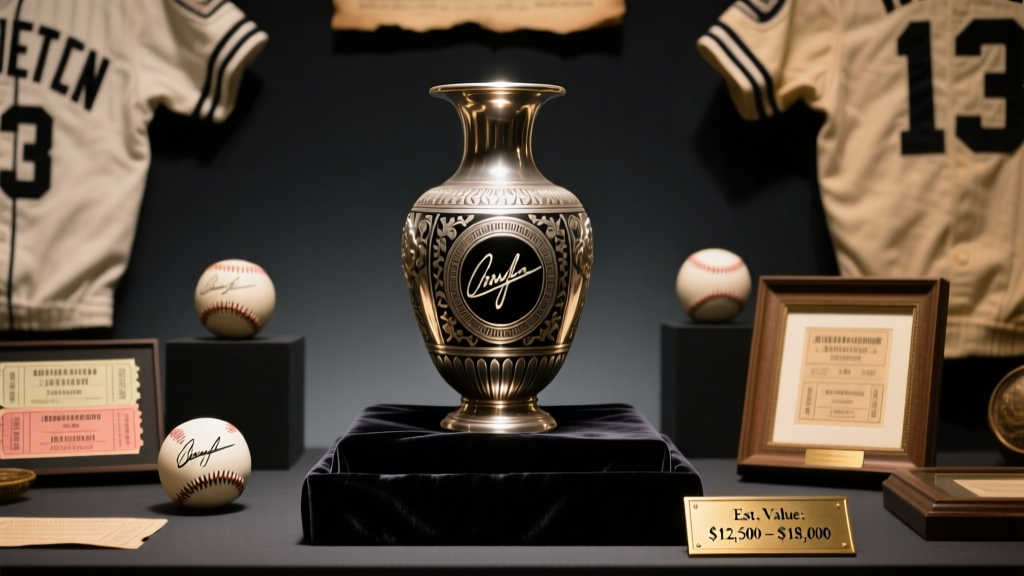
Precious Metal Vase With Inlay: Authentication, Identification, and Realistic Market Pricing Guidance
A detailed, field-tested guide for collectors and appraisers identifying precious metal vases with inlays—covering hallmark analysis, material testing, maker attribution, historical context, and current market pricing data from verified auction results and dealer inventories.
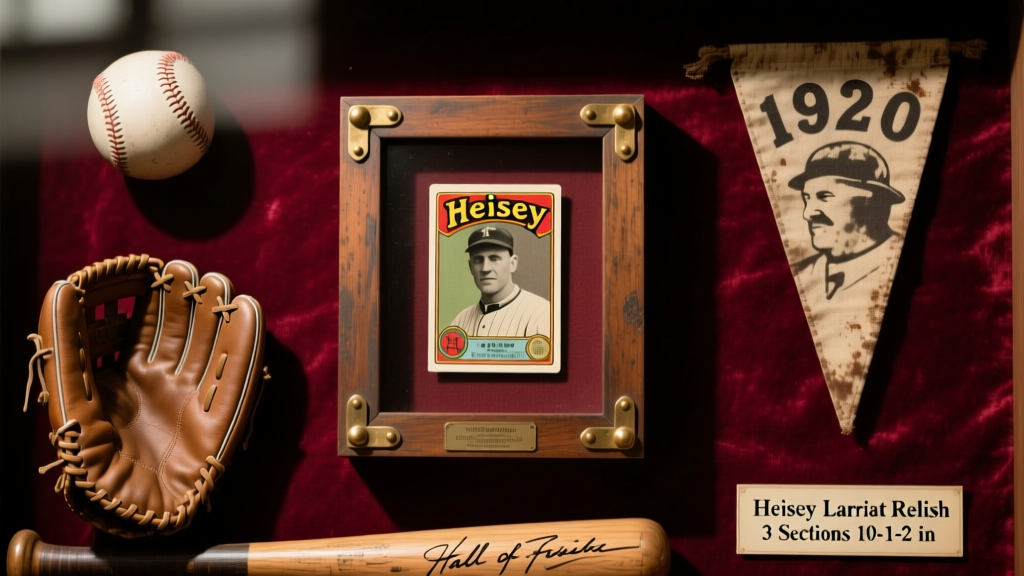
Heisey Lariat Relish Dish: Authentication, History, and Collectibility of the 10½-Inch Three-Section Tray
A detailed examination of the Heisey Lariat Relish dish — a 10½-inch, three-compartment glass serving piece produced by the Fostoria Glass Company under license for Heisey & Co. between 1952–1958. Covers mold identification, pattern variations, manufacturing marks, market value trends, and forensic authentication techniques used by professional memorabilia specialists.