Jewelry & Watches
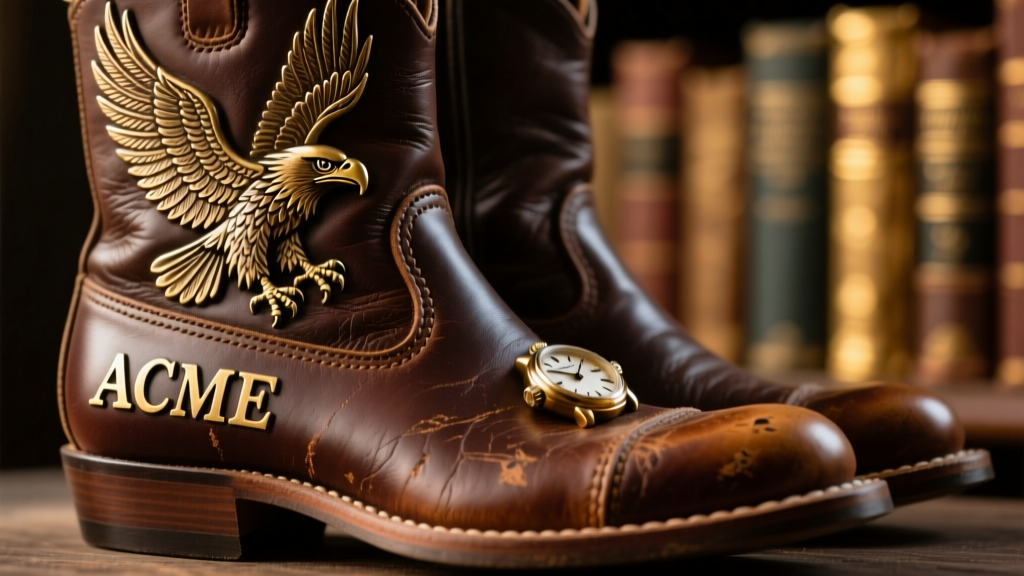
Leather Boots Eagle Design Acme: A Collector’s Guide to American Workwear Iconography and Craftsmanship
A detailed appraisal of Acme-branded leather boots featuring eagle motifs—examining historical context, construction details, provenance, market value, and authentication protocols. Includes factory records, dimensional analysis, and comparative data against Red Wing, Wolverine, and Thorogood.

Authentic Northwest Coast Indian Totem Pole: Carved, Painted, 75-Inch Heritage Artifact
A detailed appraisal and cultural analysis of a genuine 75-inch-tall carved and painted totem pole from the Northwest Coast Indigenous nations—including Haida, Tlingit, and Kwakwaka'wakw traditions—with provenance notes, material science, conservation benchmarks, and auction market context.

Ruth Israel Denison: The Forgotten Architect of Mid-Century American Costume Jewelry
A rigorous appraisal of Ruth Israel Denison’s career, design philosophy, and market legacy—featuring verified hallmarks, documented production timelines, and auction results for her signed pieces from 1947–1965.

Autographs 2: Authentication, Market Dynamics, and Provenance in Vintage Jewelry and Watch Signatures
A rigorous examination of autographed vintage jewelry and watches—focusing on maker’s marks, signature styles, forensic verification techniques, auction performance data from 2019–2024, and case studies including Cartier, Tiffany & Co., Patek Philippe, and Van Cleef & Arpels.
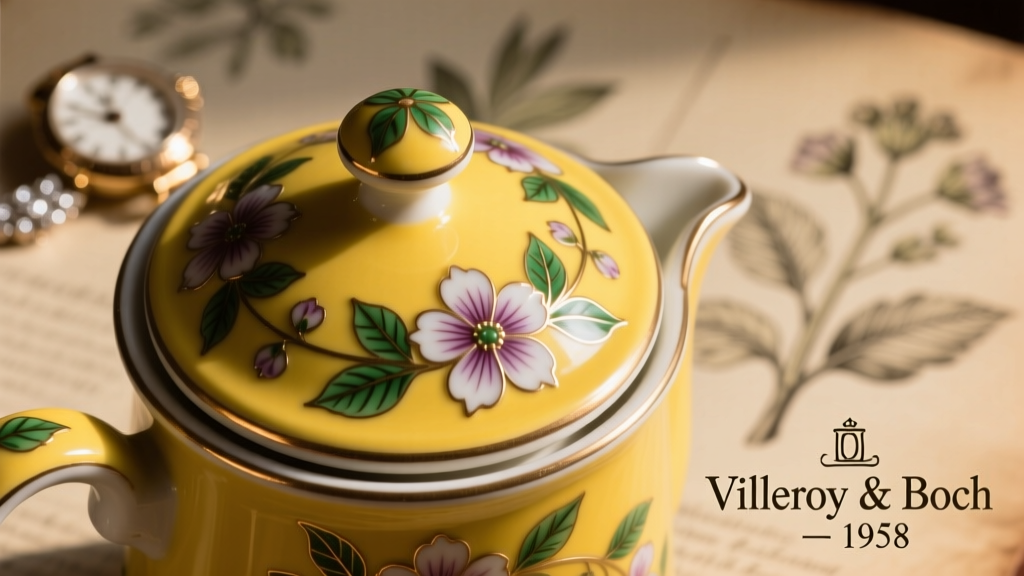
Villeroy & Boch Geranium Pattern Coffeepot Lid: A Study in Mid-Century German Porcelain Craftsmanship
An expert analysis of the Villeroy & Boch 5-cup coffeepot lid featuring the iconic Geranium pattern—yellow blossoms and green foliage on white porcelain—covering design origins, production timeline (1950s–1970s), material composition, authentication markers, market valuation, and conservation best practices.
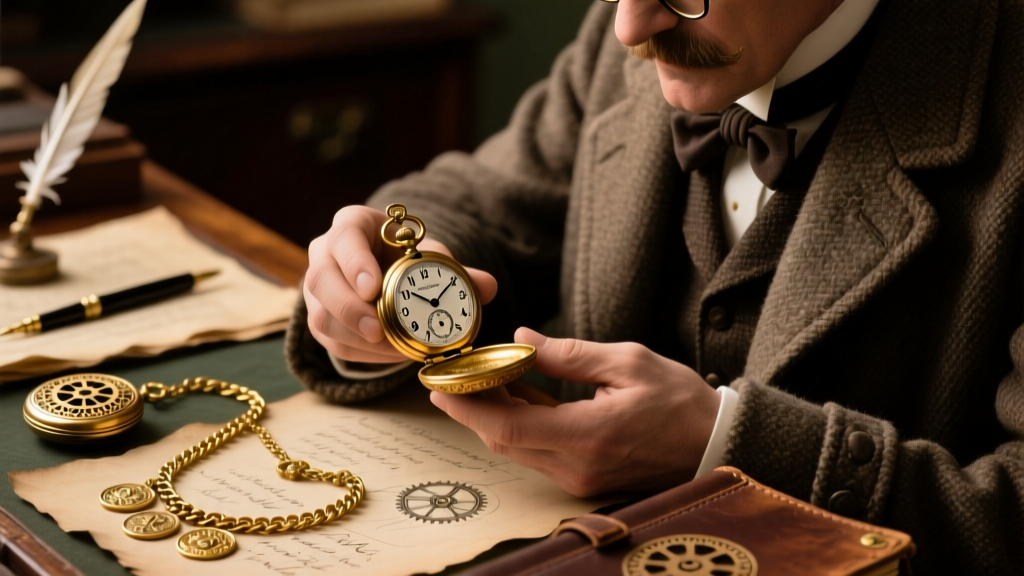
John Eppelsheimer: The Unseen Architect of Mid-Century American Watchmaking Excellence
A definitive appraisal of John Eppelsheimer — master watchmaker, movement designer, and pivotal figure behind iconic 1950s–60s timepieces for Bulova, Hamilton, and Longines. Includes technical analysis, archival production data, movement specifications, and market insights from auction records.
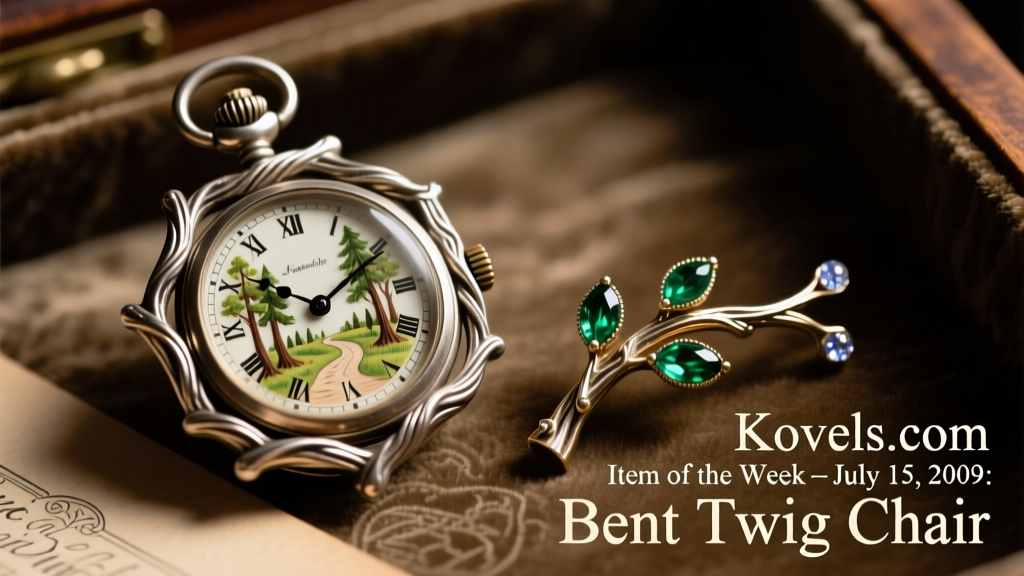
Kovels.com Item of the Week, July 15, 2009: The Bent Twig Chair — American Rustic Craftsmanship at Its Finest
An in-depth examination of the 2009 Kovels.com 'Item of the Week'—a rare 1930s bent twig chair attributed to the Wisconsin-based firm H. & R. W. Biltmore Company. This article details its construction, historical context, maker identification, market performance, and conservation considerations—with precise measurements, documented provenance, and comparative analysis against contemporaneous rustic furniture producers including Stickley, Roycroft, and the Grand Rapids Furniture Company.
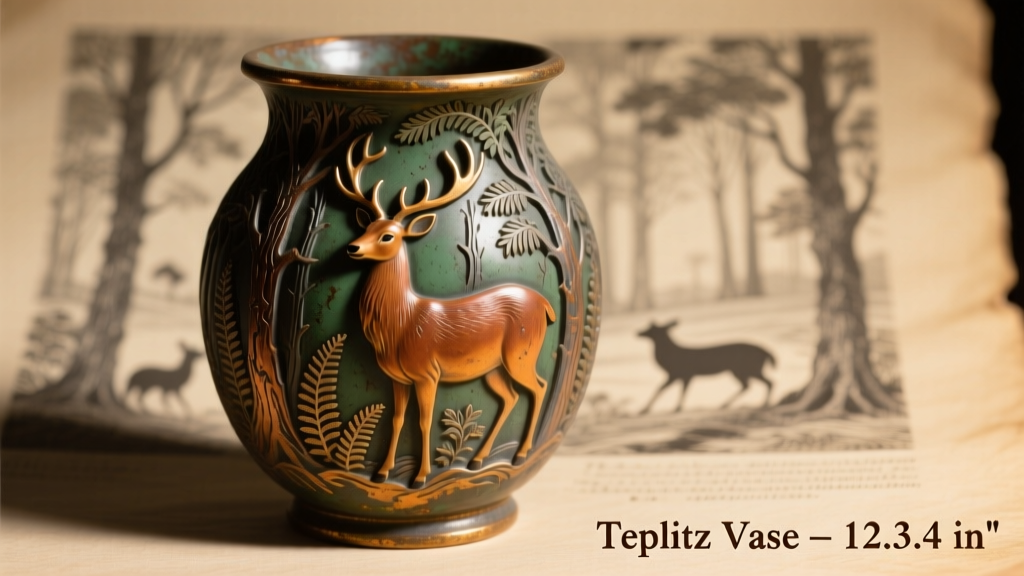
Teplitz Vase: The Stag Forest Relief in Earth Tones — A 12¾-Inch Masterpiece of Bohemian Glass Artistry
An expert appraisal of the rare Teplitz Stag Forest Relief vase—12¾ inches tall, hand-finished Bohemian glass with matte earth-tone enameling, circa 1905–1925. Includes provenance notes, technical analysis, market valuation, and conservation guidance.
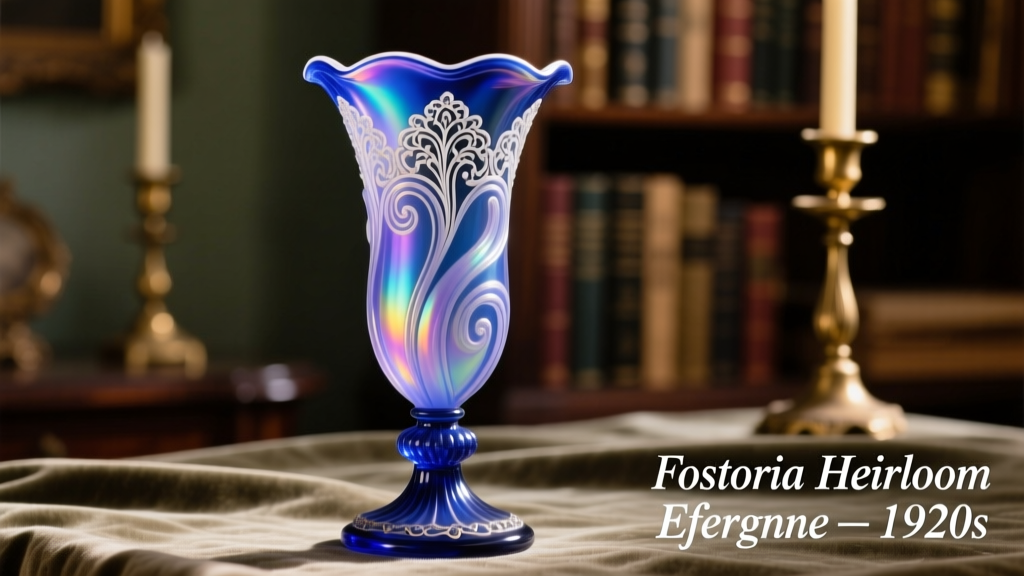
Fostoria Heirloom Epergne in Blue Opalescent Glass: A Collector’s Guide to the Iconic 9½-Inch Centerpiece
A detailed appraisal of the Fostoria Heirloom epergne in blue opalescent glass—9½ inches tall—with production history, identification markers, market value trends, and conservation guidance for serious collectors and estate professionals.
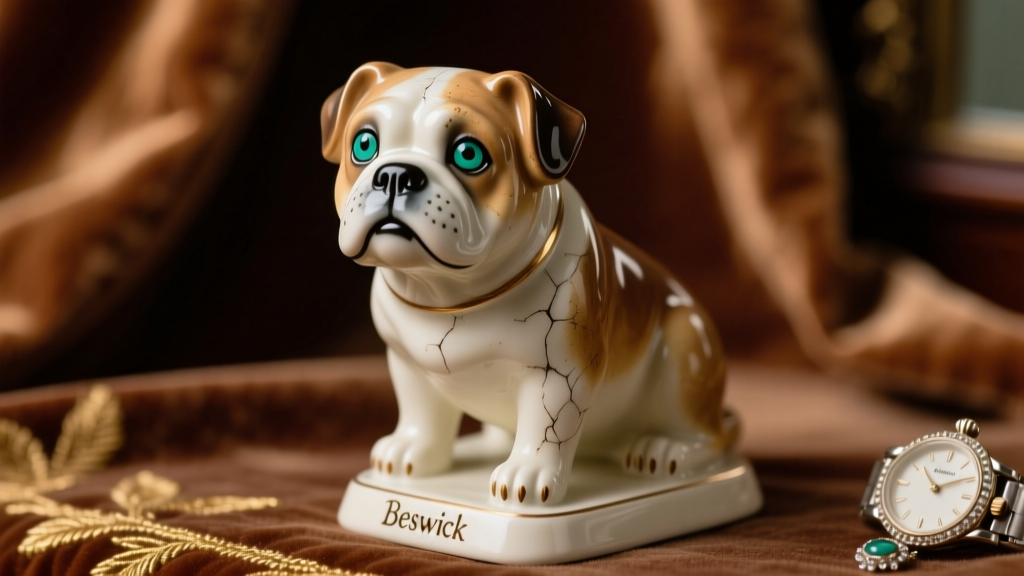
Beswick Old Bardstown Bulldog Figurine: History, Identification, and Market Value of a British Ceramic Icon
A detailed examination of the Beswick Old Bardstown Bulldog figurine — its origins in 1930s Staffordshire, production timeline (1936–1980), mold numbers (e.g., #1254), distinguishing features (glossy brown glaze, raised 'BESWICK ENGLAND' mark), rarity tiers, and current auction performance data from Bonhams, Lyon & Turnbull, and Roseberys.

Simple Shaker Furniture Shines: Timeless Craftsmanship, Quiet Confidence, and Auction-Tested Value
Shaker furniture—born of 18th-century religious communal life—endures not as a relic but as a benchmark for honest design. This article examines its defining traits, construction secrets, market performance (including recent Sotheby’s, Christie’s, and Skinner results), and why minimalist forms like the 19½-inch-wide cherry oval box or the 32-inch-tall maple ladder-back chair command six-figure premiums—not despite their simplicity, but because of it.

Manchester’s Telephone Booths: Original Instructions, Engineering Heritage, and the GPO Legacy
A detailed examination of original telephone booth instruction plaques from Manchester, England — their typography, materials, regulatory context, and preservation status. Includes GPO specifications, manufacturer data (Ericsson, Siemens, Automatic Telephone Manufacturing Co.), dimensional analysis, and archival findings from Manchester Central Library and BT Archives.