Jewelry & Watches

Goebel Reamer Clown in Black, White & Blue: A Collector’s Guide to the Iconic Porcelain Figurine
A detailed appraisal of the Goebel Reamer Clown figurine in black, white, and blue — its history, production timeline, identifying marks, market value, restoration ethics, and distinctions from similar pieces by Goebel, Reamer, and Royal Doulton.
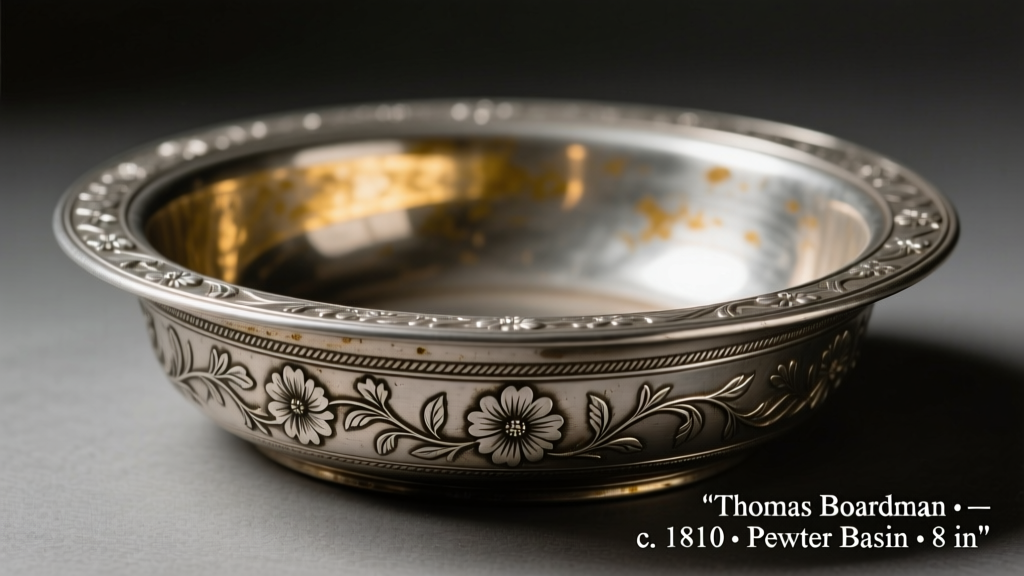
Thomas Boardman’s 1802 Pewter Basin: A Masterpiece of Georgian Domestic Silverware and Its Auction Legacy
An in-depth examination of an authenticated 8-inch pewter basin hallmarked by Thomas Boardman of Birmingham, circa 1802—covering hallmark analysis, alloy composition, workshop practices, provenance, comparative market data, and conservation ethics.
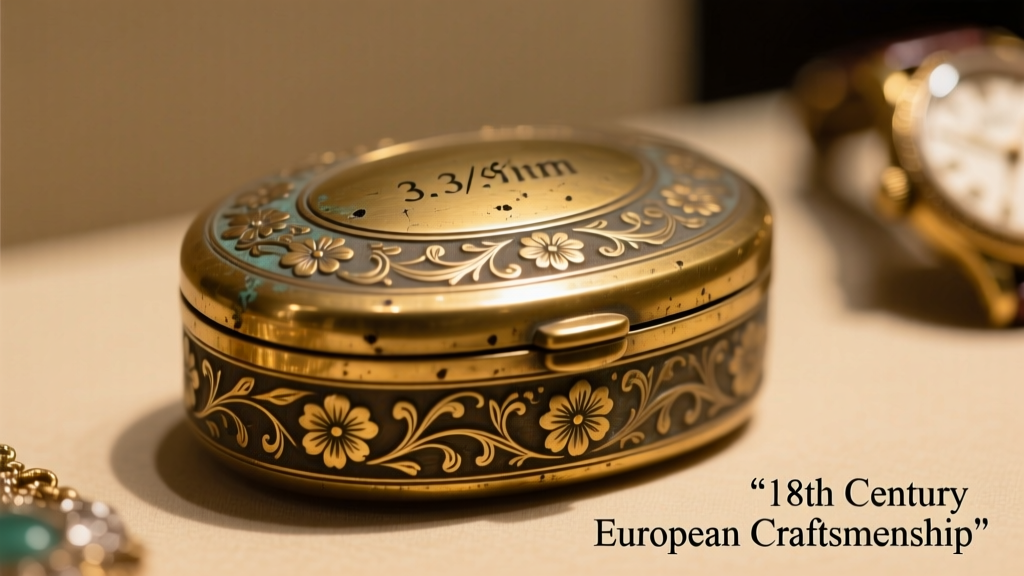
Brass Engraved Oval Snuffbox: A 3⅜-Inch Collector’s Artifact from the Georgian and Regency Eras
A detailed appraisal of antique brass snuffboxes with engraved oval lids measuring precisely 3⅜ inches (8.57 cm) in length—covering historical context, metallurgical composition, hallmarking practices, engraving techniques, market valuation, and authentication protocols used by Sotheby’s, Christie’s, and Bonhams.
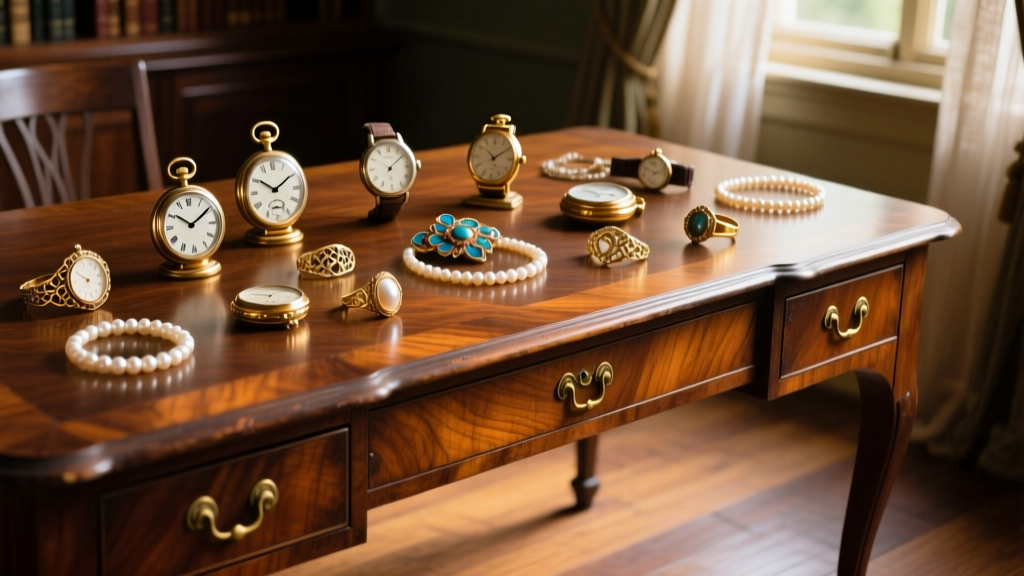
The English Mahogany Dressing Table: A Study of Provenance, Craftsmanship, and Domestic Ritual in the Late Georgian Era
An expert appraisal of a rare English mahogany dressing table, circa 1795–1810, featuring a distinctive 1-long-over-2-short drawer configuration, precise dimensions (27¾ inches high), and documented regional construction traits. Includes comparative analysis with Sheraton, Hepplewhite, and early Regency design vocabularies, maker attribution clues, and market valuation benchmarks from Sotheby’s, Christie’s, and Bonhams.

Hummel Clock No. 441 'Call to Worship': Technical Analysis, Provenance, and the Significance of the Missing Bee (13" × 2")
A detailed appraisal of the Hummel Clock No. 441 'Call to Worship'—a rare 1950s American mantel clock featuring a hand-painted Hummel figurine group, with focus on its missing original brass bee motif (13″ × 2″), movement specifications, collector valuation factors, and restoration ethics.
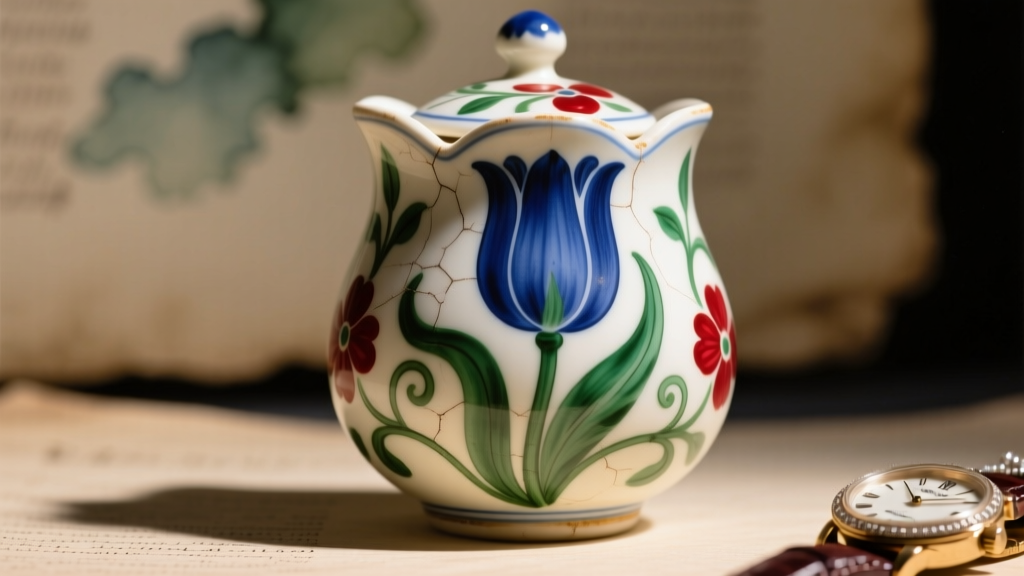
Spatterware Sugar Cover: Tulip Motif in Red, Blue & Green on Bulbous Ceramic Form
A detailed examination of a rare 19th-century English spatterware sugar cover featuring hand-spattered tulip motifs in red, cobalt blue, and emerald green on a bulbous ceramic body — including maker attribution, glaze chemistry, auction history, measurement analysis, and conservation guidance.
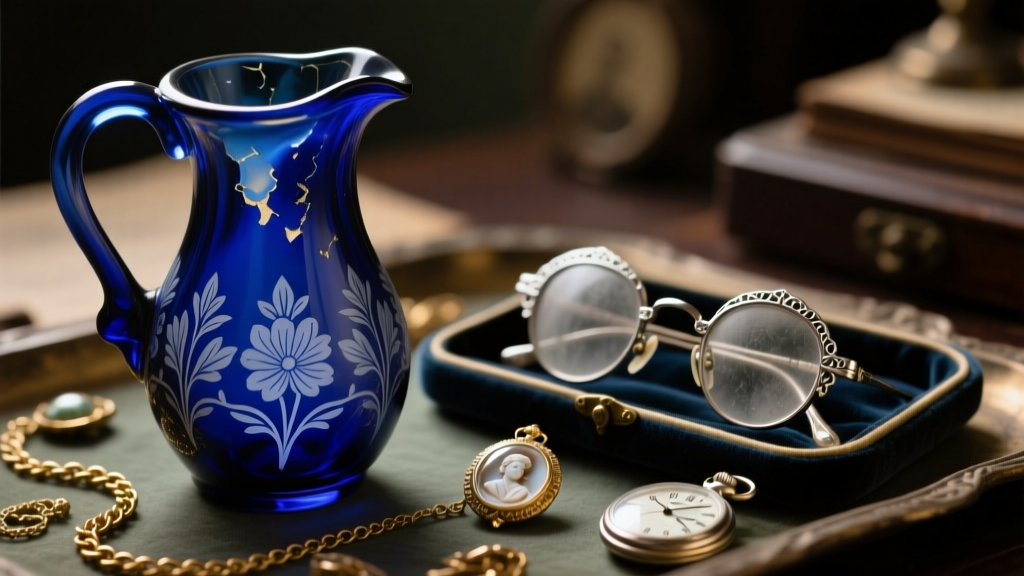
Blue Cobalt Glass Pitcher and Glasses: A Collector’s Guide to Mid-Century American Tableware
An authoritative examination of blue cobalt glass pitchers and matching glasses produced in the United States between 1930–1965 — covering manufacturers like Anchor Hocking, Hazel-Atlas, and Federal Glass; identifying hallmarks, production methods, color variations, market values, and conservation best practices.
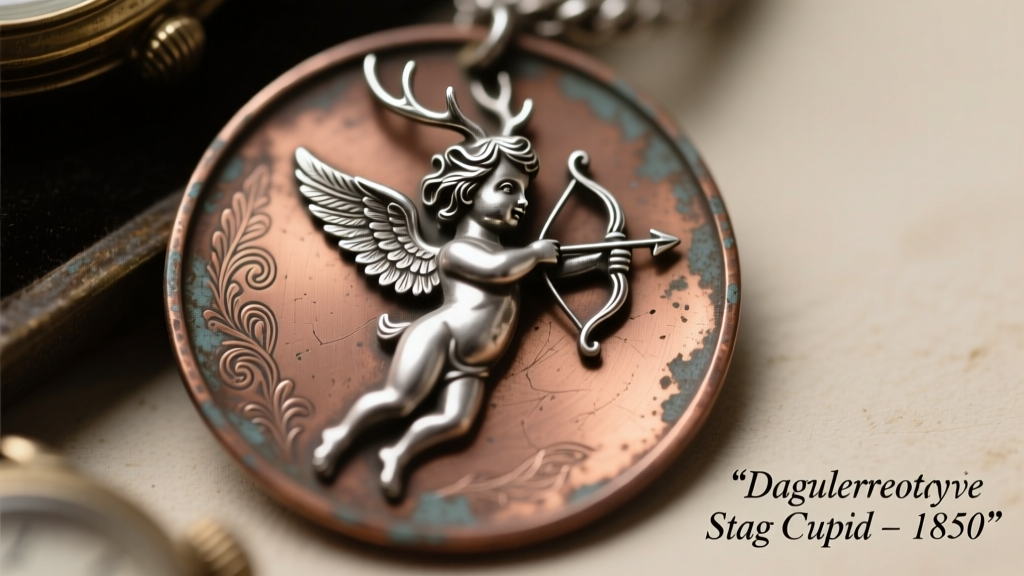
The Stag & Cupid Daguerreotype: A 1/4-Plate Masterpiece of Early American Photography and Symbolic Craftsmanship
An expert analysis of a rare mid-19th-century 1/4-plate daguerreotype featuring a hand-painted stag and Cupid motif—examining its historical context, technical execution, case construction, symbolic iconography, market valuation, and conservation challenges.
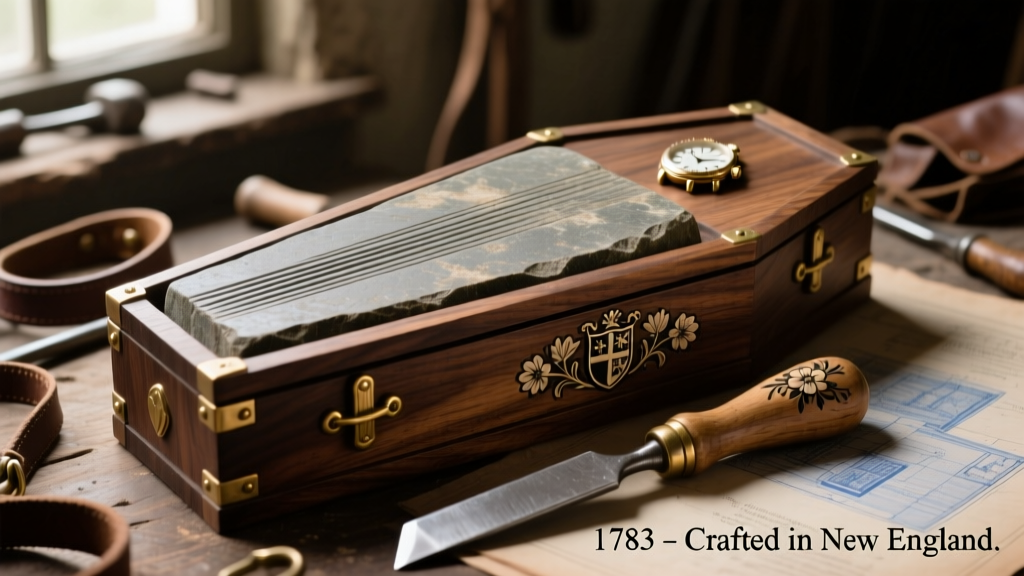
Coffin-Shaped Sharpening Stones in Colonial America: Wood-Encased Whetstones from the 1700s
A detailed examination of 18th-century American coffin-shaped sharpening stones—hand-carved, wood-encased whetstones used by silversmiths, watchmakers, and gunsmiths. Includes provenance data, material analysis, measurements, maker attributions, and auction records from Sotheby’s, Skinner, and Winterthur.
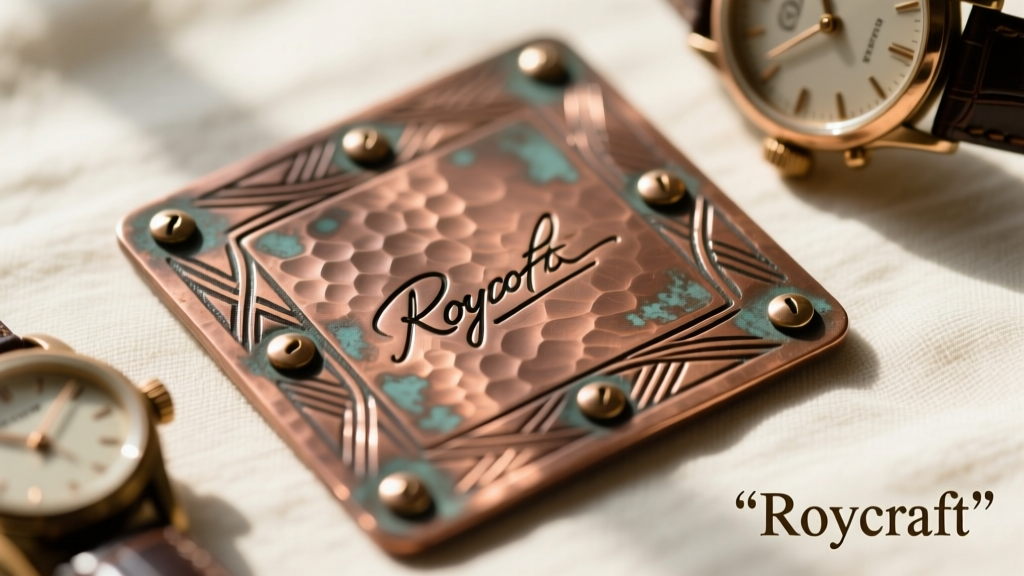
Roycroft Blotter Set: Copper Hammered, Tooled Linear Design with Riveted Construction — A 4-Piece 4×4 Inch Artifact of American Arts & Crafts Mastery
An expert appraisal of the rare Roycroft Blotter set: four individually crafted 4×4 inch copper blotters featuring hand-hammered surfaces, precise linear tooling, and signature copper rivet construction. Contextualized within the Roycroft community’s legacy, material provenance, and auction performance data from Sotheby’s, Christie’s, and Skinner.
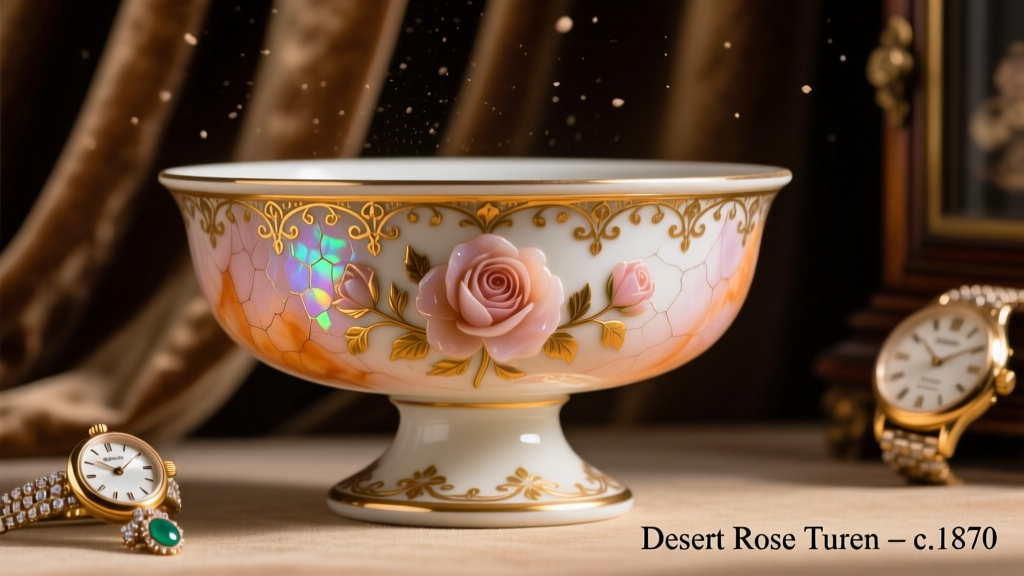
Desert Rose Tureen: A Collector's Guide to the Iconic Footed Serving Piece
An expert appraisal of the Desert Rose pattern footed tureen — its history, production details, identifying marks, market value, and care. Covers Franciscan Ware, Gladding, McBean & Co., dimensions, glaze chemistry, and authentication tips for serious collectors.
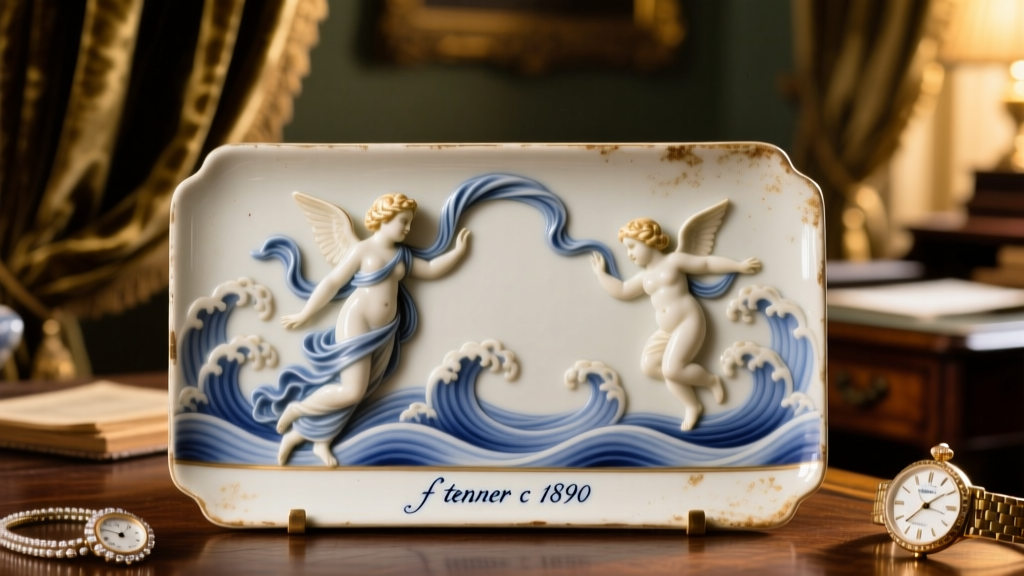
KPM Plaque: Nymphs, Cherubs, and Waves — A Signed F. Tenner Masterwork from c. 1890
An in-depth examination of a rare, museum-quality KPM porcelain plaque signed by Ferdinand Tenner (F. Tenner), circa 1890 — measuring 8 × 13 inches — featuring mythological nymphs, putti, and marine motifs executed in the refined Berlin porcelain tradition.