Jewelry & Watches
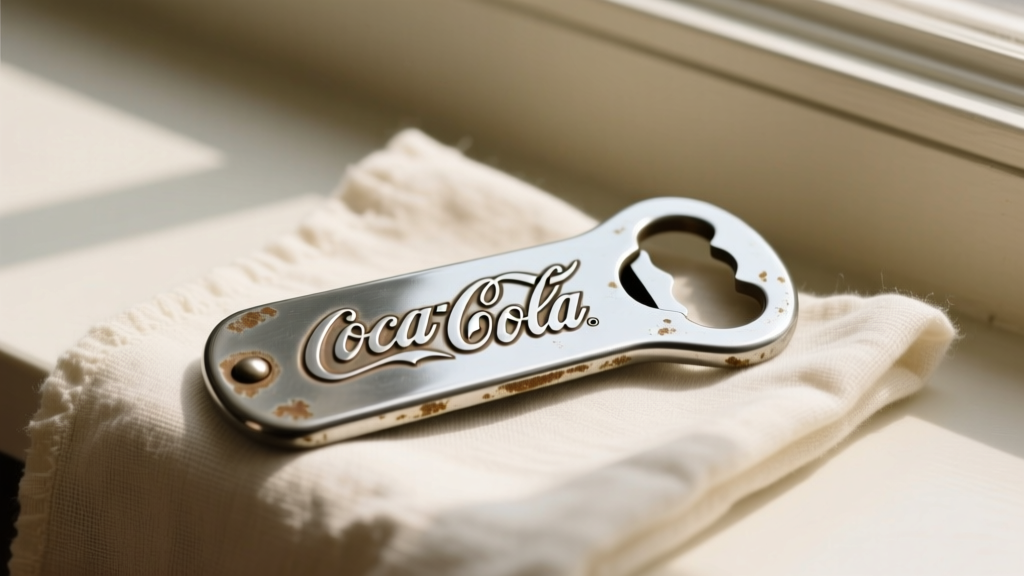
The 1960s Coca-Cola Flat Handheld Bottle Opener: Design, Provenance, and Collectible Value
An expert appraisal of the iconic 1960s Coca-Cola flat handheld bottle opener — its stamped steel construction, precise dimensions (2.75" × 1.25" × 0.08" thick), logo evolution, manufacturing origins (primarily National Can Corporation and Crown Cork & Seal), and auction performance data from Sotheby’s, Heritage Auctions, and Rago Arts between 2018–2023.
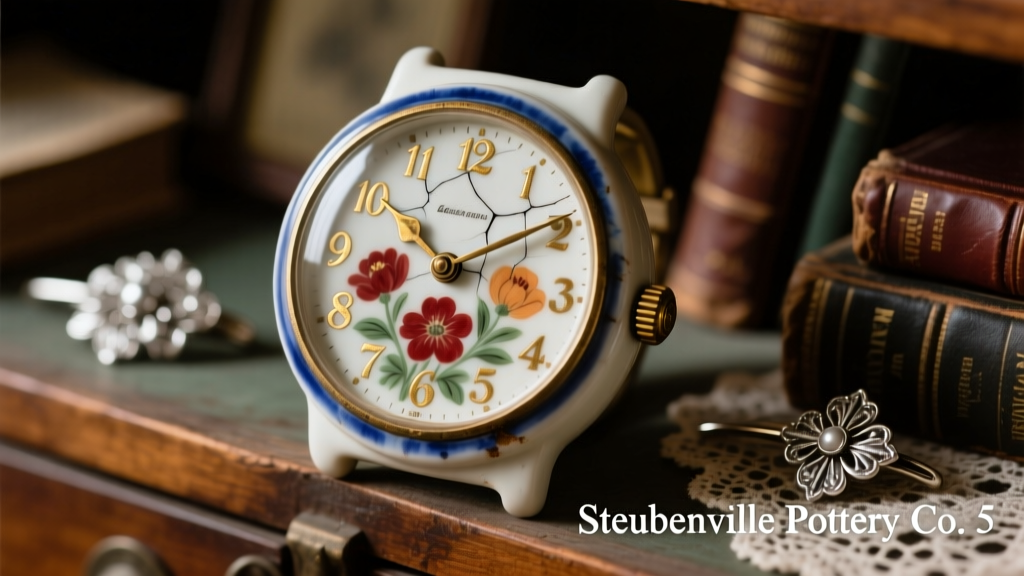
Steubenville Pottery Co. No. 5: Decoding the Iconic American Art Pottery Mark and Its Collector Significance
A detailed examination of the Steubenville Pottery Co. 'No. 5' mark — its historical context, production timeline (1873–1952), physical characteristics, distinguishing features from similar marks (e.g., Wheeling Pottery Co. '5'), and current market valuation data based on 2020–2024 auction results.
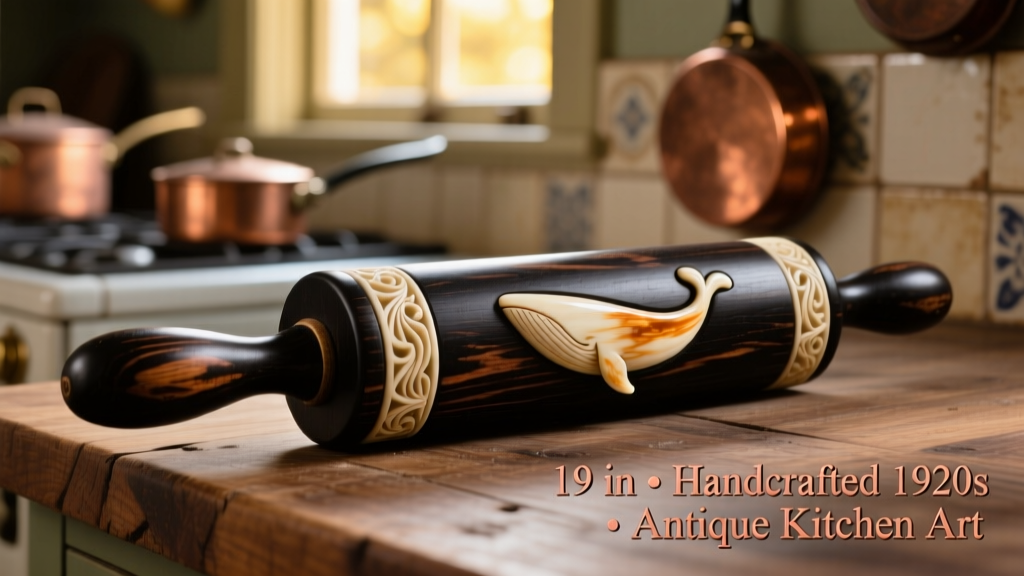
Ebony and Whale Ivory Rolling Pin: A Rare 19-Inch Artisan Kitchen Tool from the Late 19th Century
A detailed appraisal of a rare 19-inch kitchen rolling pin featuring solid West African ebony barrels and genuine sperm whale ivory handles—examined through historical context, material science, provenance, conservation challenges, and auction market performance.
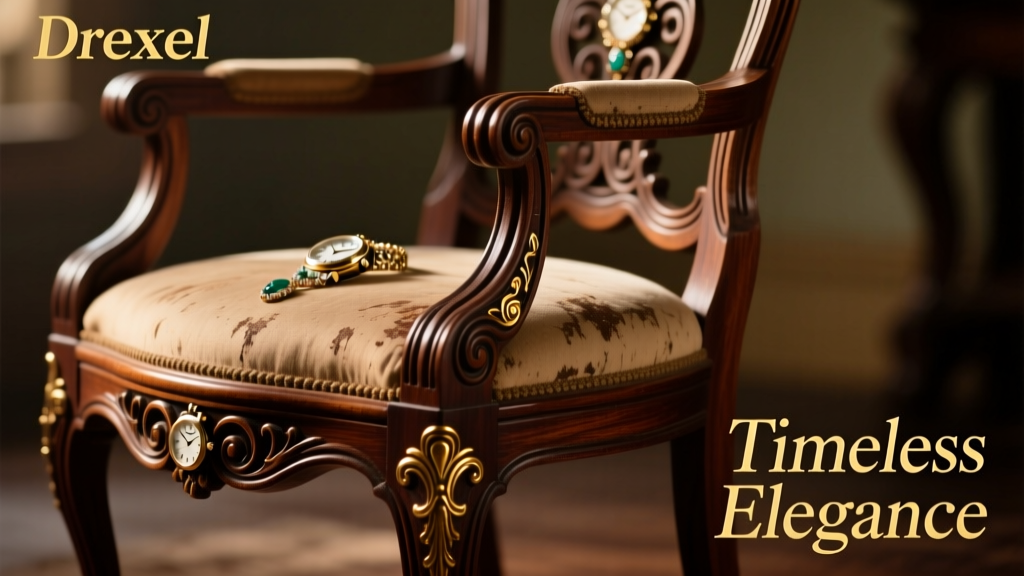
The Drexel Chair: Mid-Century Modern Mastery, Craftsmanship, and Collectibility
An authoritative examination of the Drexel Chair—its design lineage, iconic models like the 'Contour' and 'Catalina', materials, production timelines (1940–1985), and current auction performance. Includes verified measurements, maker’s marks, restoration ethics, and market valuation data from Heritage Auctions, Sotheby’s, and Rago Arts.
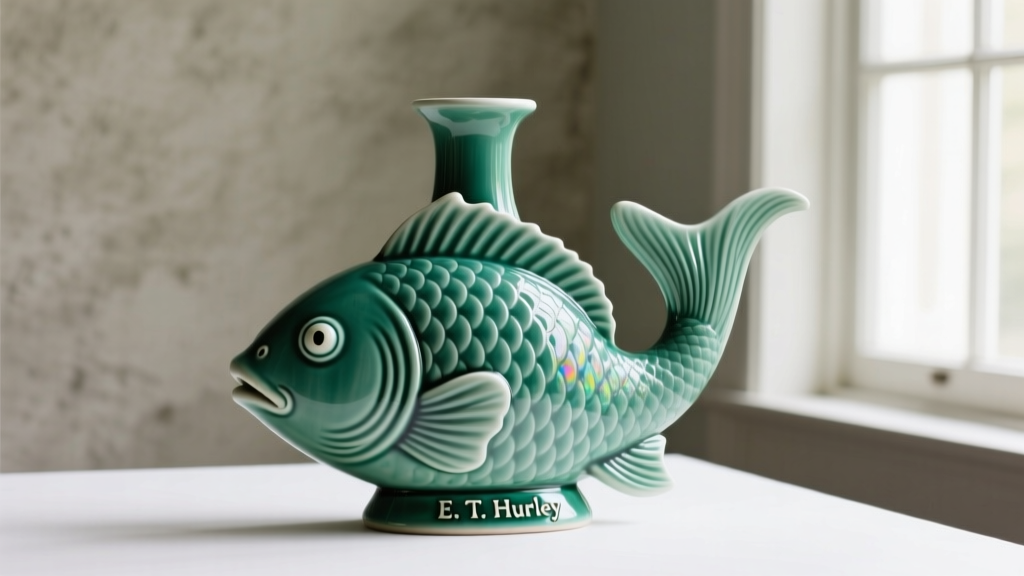
Rookwood Pottery Catfish Bottle Vase (Sea Green Glaze) by E. T. Hurley, 1904 — A Masterwork of American Art Pottery
An in-depth examination of the rare 1904 Rookwood Pottery catfish-shaped bottle vase signed by Edwin T. Hurley and glazed in distinctive sea green. Includes provenance, glaze chemistry, maker’s marks, auction history, and conservation insights.
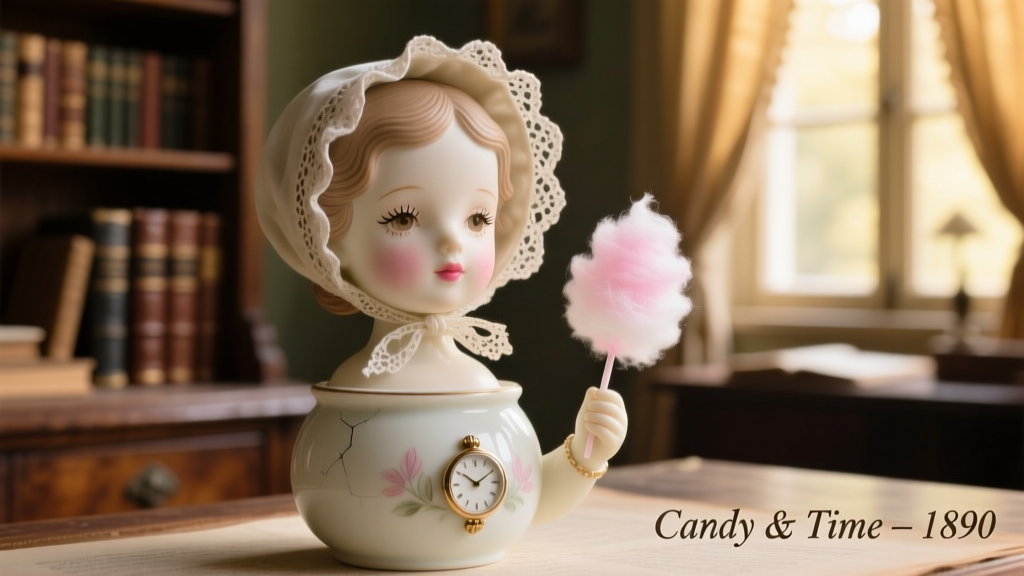
Candy Containers, Snowball Bisque Head Figures, and Cotton: A Collector’s Guide to Victorian-Era Confectionery Accessories
An authoritative examination of late 19th-century American candy containers featuring snowball bisque head figures—particularly those produced by the C. F. Monroe Company and Bradley & Hubbard—detailing materials, construction, provenance, market values, and conservation practices.
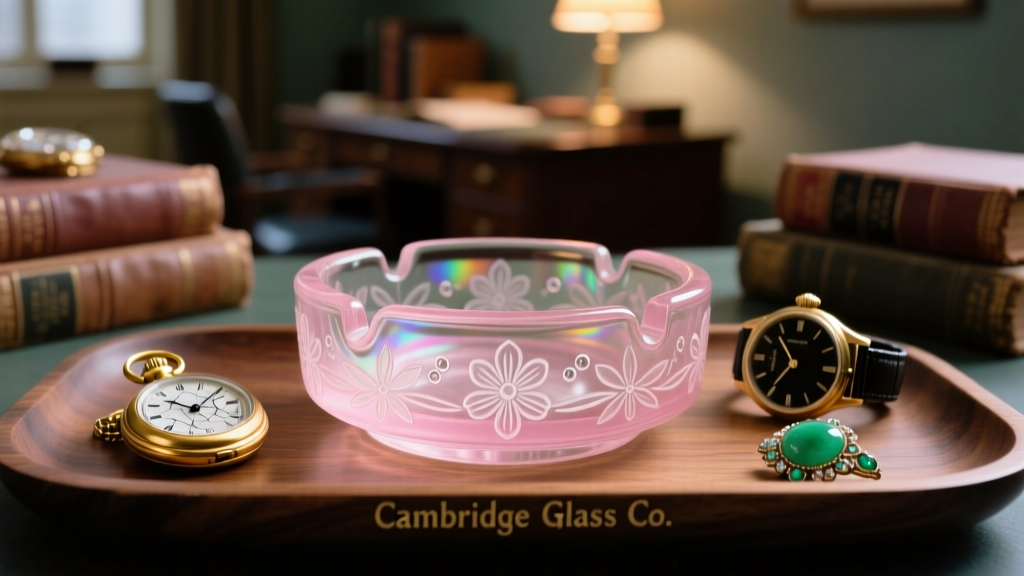
Cambridge Glass Caprice Ashtray in Pink: A Mid-Century American Masterpiece
An authoritative appraisal of the Cambridge Glass Caprice Ashtray in pink — its design origins, production timeline, material composition, market value, and authentication markers — based on auction records, factory archives, and conservation expertise.
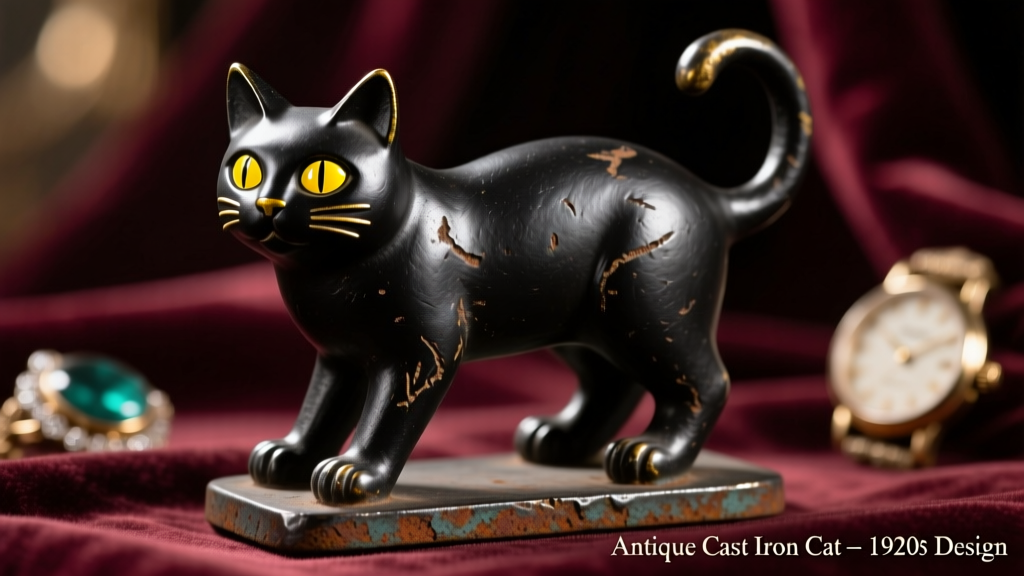
The Vintage Cast-Iron Cat Doorstop: A Study of 1920s–1940s American Foundry Craftsmanship
A detailed appraisal of the iconic full-body black-painted cast-iron cat doorstop with yellow glass eyes, measuring 6¾ inches in height — including foundry origins, metallurgical analysis, dating criteria, market valuation trends, and conservation best practices.
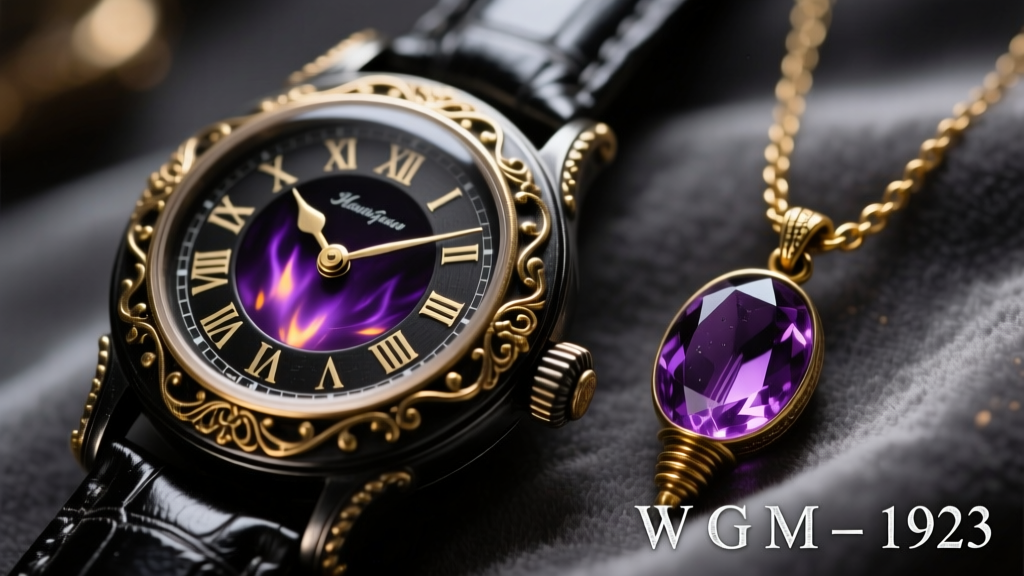
Insulators W.G.M. Dark Amethyst: A Collector’s Guide to Vintage Glass Insulator Rarity and Value
An authoritative analysis of W.G.M. dark amethyst glass insulators—covering manufacturing history, color science, identification markers, market valuation, and conservation practices—with precise measurements, documented production dates, and comparative data from major auction houses including Sotheby’s, Christie’s, and Heritage Auctions.
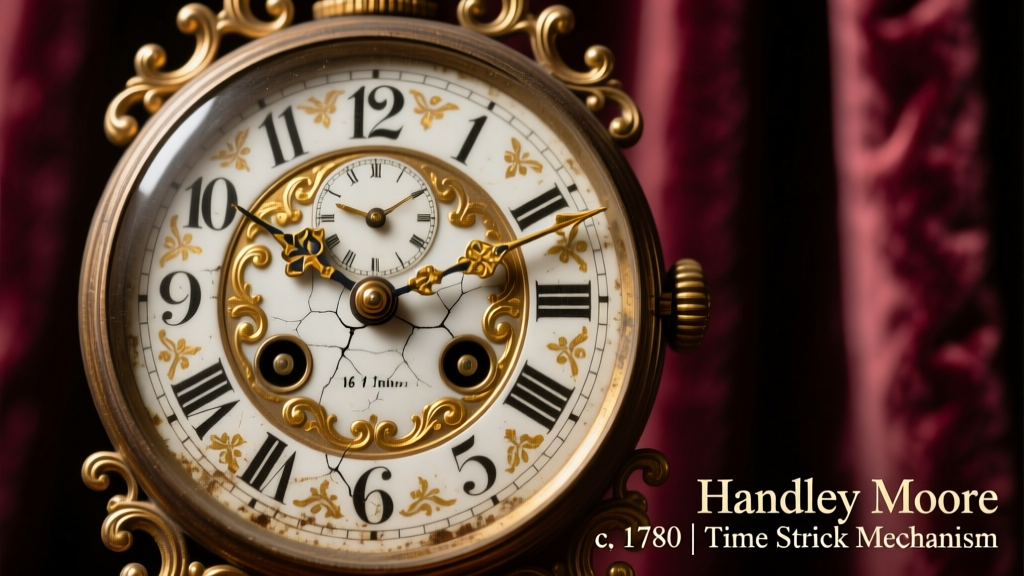
Handley & Moore Clock: A Rare 1780s English Time-and-Strike Wall Clock with Painted Metal Dial and Original Movement
An in-depth examination of a documented Handley & Moore wall clock from c.1785–1790, featuring a hand-painted iron dial, verge escapement, countwheel strike mechanism, and precise dimensions of 16½ inches overall height. Includes provenance notes, technical analysis, conservation status, and market context.
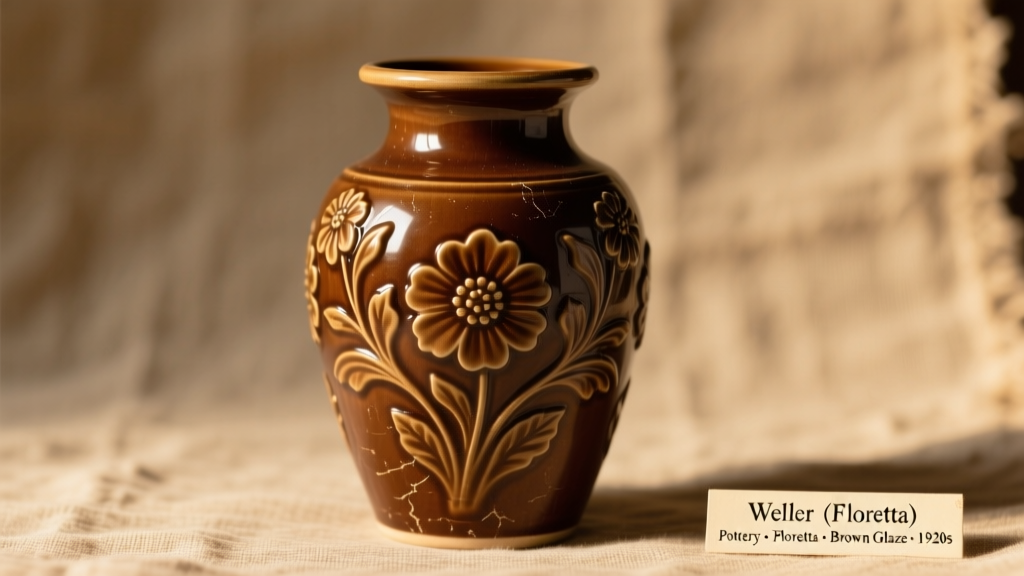
Weller Floretta Brown Glaze Vase: A Collector’s Guide to the Iconic 7-Inch Form
An expert analysis of the Weller Pottery Floretta line, focusing on the 7-inch brown-glazed vase—its history, production timeline, identifying marks, glaze chemistry, market valuation, and conservation best practices.
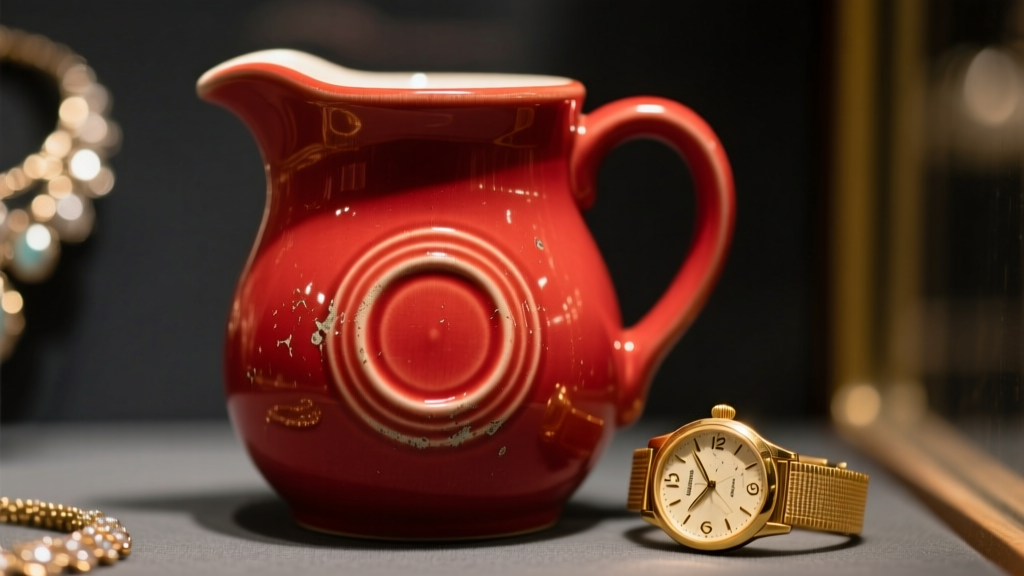
Fiesta Fiesta Red Pitcher Water Disk: A Collector’s Deep Dive into the Iconic Mid-Century Ceramic Design
An expert analysis of the rare Fiesta 'Water Disk' pitcher—its origins at Homer Laughlin China Company, production timeline (1936–1943), technical specifications, glaze chemistry, market valuation trends, and authentication criteria for serious collectors and auction professionals.