Jewelry & Watches
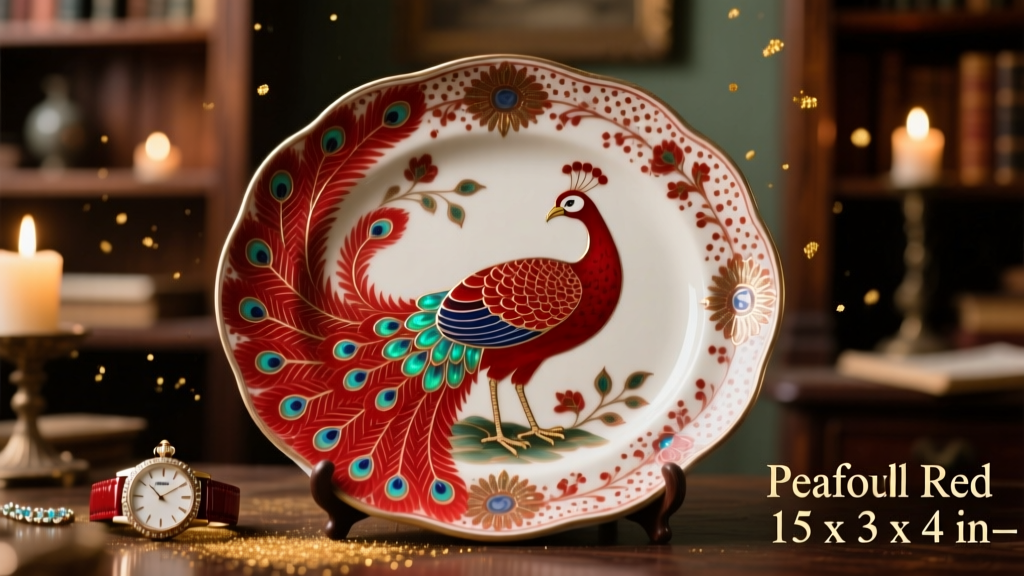
Spatterware Platter with Peafowl Motif: A 15¾-Inch Red-Glazed English Earthenware Masterpiece, c. 1820–1840
An in-depth examination of a rare 15¾-inch red-glazed spatterware platter featuring a hand-painted peafowl motif—its historical context, manufacturing techniques, provenance markers, auction performance, and conservation considerations. Includes technical measurements, maker attributions, and comparative analysis against documented examples from Staffordshire potteries including Enoch Wedgwood & Sons and Thomas Twyford.
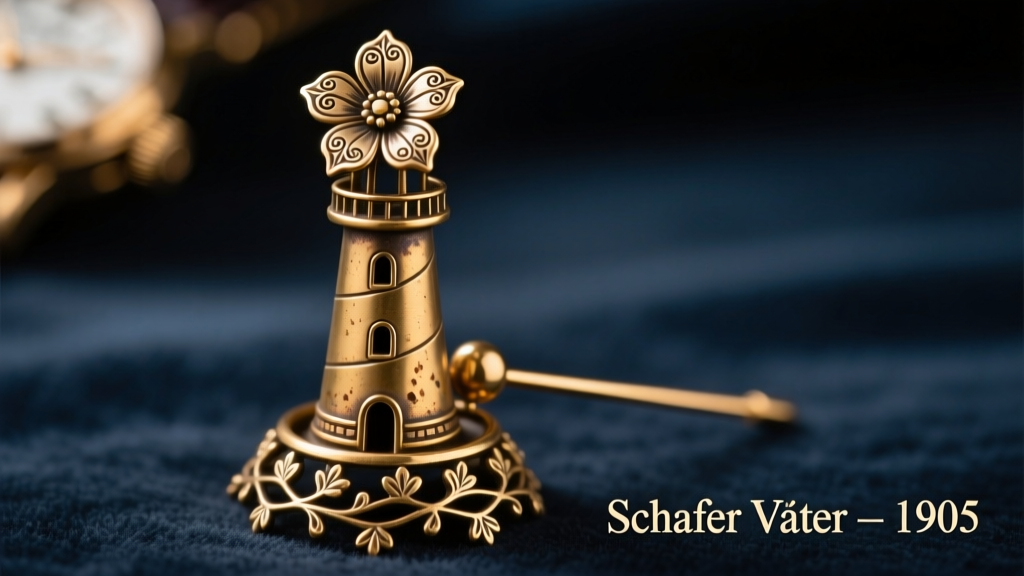
Schafer & Vater Hatpin Holder: Lighthouse Form with Floral Motif — A Study in German Silver Artistry, 1905–1925
A detailed examination of the rare Schafer & Vater lighthouse-form hatpin holder with applied floral elements — its hallmarks, construction, historical context, market value, and significance within early 20th-century German decorative silverware.
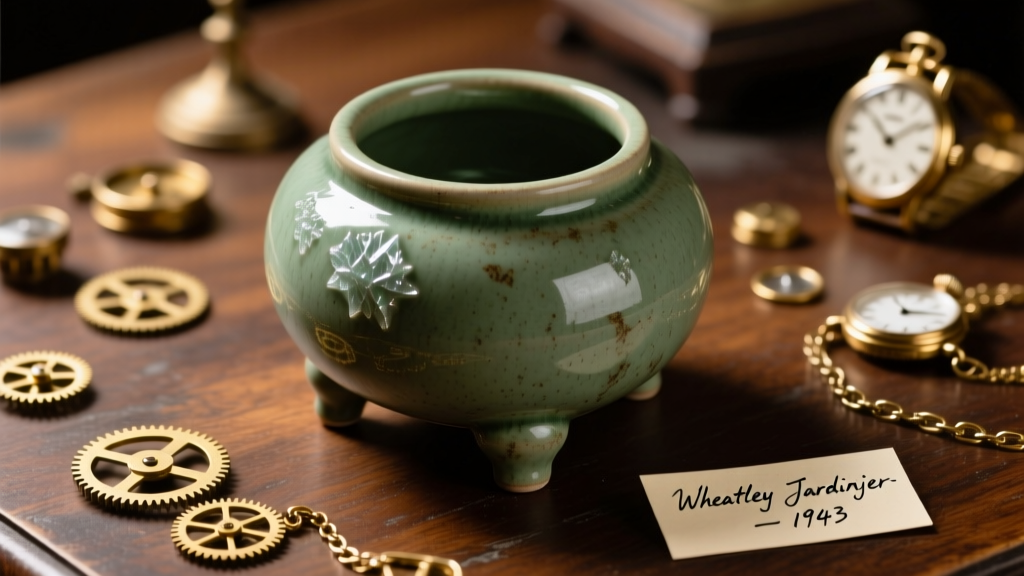
Wheatley Jardinière: Decoding the Mottled Green Matte Glaze 4-Footed Round (7 × 7 Inches)
A detailed appraisal of the Wheatley Jardinière in mottled green matte glaze—its history, production timeline, glaze chemistry, foot design, market value, and authentication markers—based on auction records, factory archives, and comparative analysis with contemporaneous American art pottery.
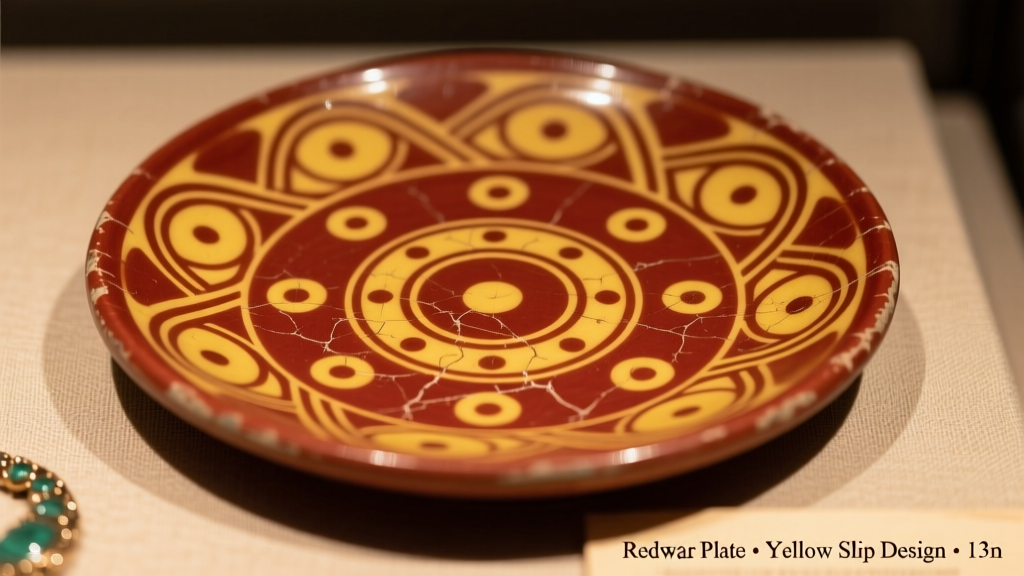
Redware Plate with Yellow Slip Decoration: Decoding the 'Round Lines & Dots' Pattern — A 2½ × 3½ × 4 × 13-Inch American Folk Art Ceramic
A detailed scholarly examination of a mid-19th-century redware plate featuring yellow slip decoration in concentric round lines and dot motifs, measuring precisely 2½ inches (height), 3½ inches (depth), 4 inches (width), and 13 inches (diameter). Includes provenance analysis, glaze chemistry, regional attribution to Pennsylvania and Ohio workshops, comparative examples from Winterthur and MESDA collections, and auction valuation benchmarks.
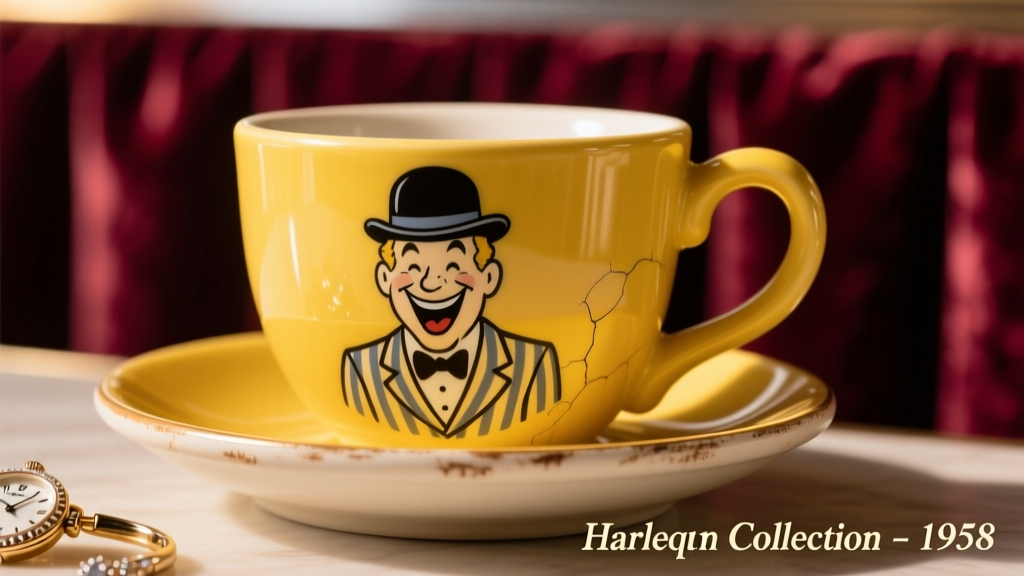
Harlequin Cup and Saucer in Yellow: A Collector’s Guide to Homer Laughlin’s Iconic Mid-Century Pattern
A detailed appraisal of the yellow Harlequin cup and saucer by Homer Laughlin China Company—covering pattern history, production timeline, identifying marks, market value trends, and conservation best practices for collectors and auction professionals.
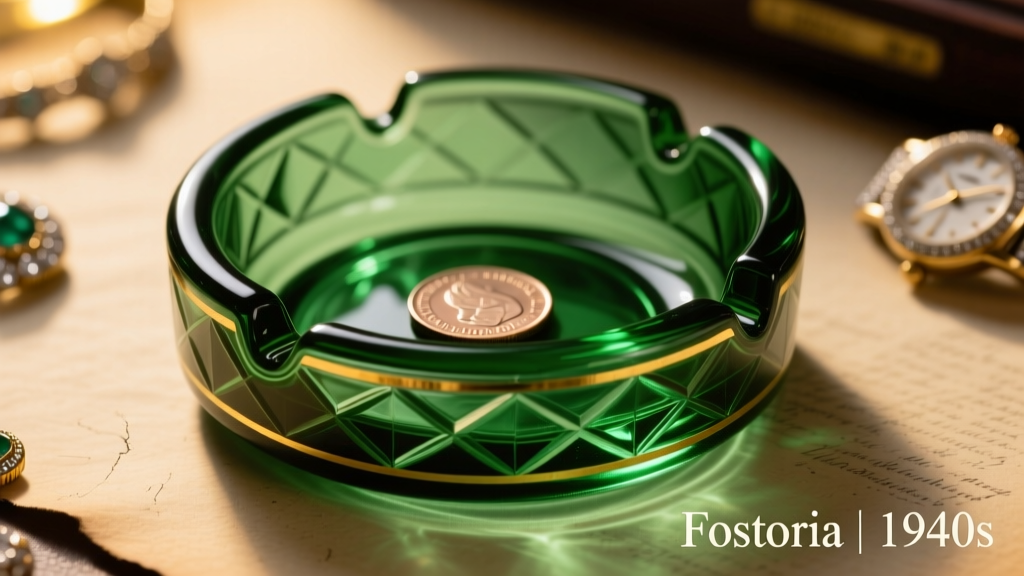
Fostoria Coin Ashtray in Emerald Green: History, Identification, and Market Value
A detailed examination of the iconic Fostoria Glass Company Coin Ashtray in emerald green—covering its design origins, production timeline (1940–1952), mold variations, distinguishing marks, physical specifications (3.75" diameter × 1.25" height), and current auction performance. Includes identification tips, rarity tiers, and comparative pricing data from Heritage Auctions, Rago Arts, and Cowan’s.
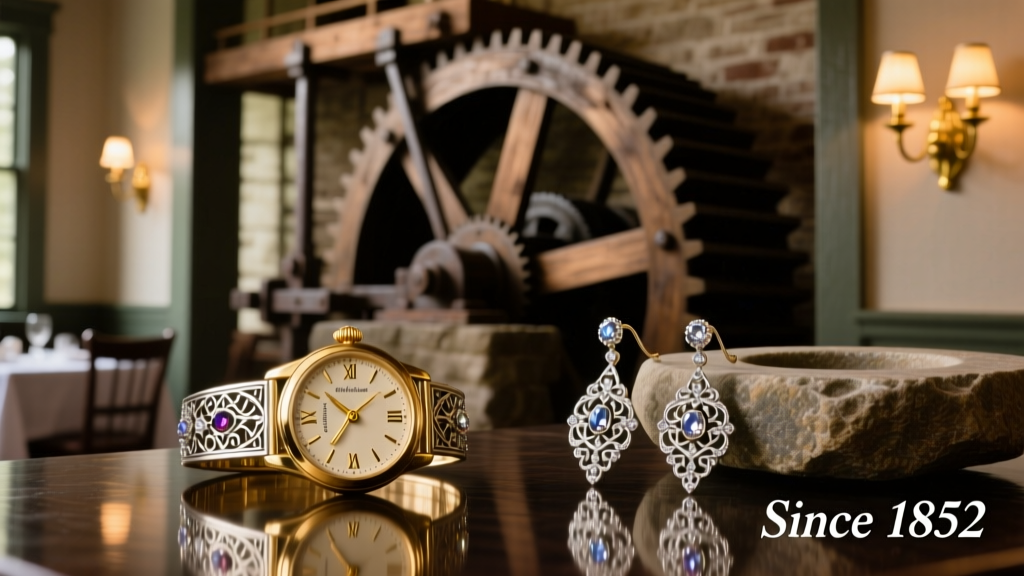
From Stone to Supper: How Charleston’s Zero George Street Transformed a 1852 Gristmill into a Culinary Landmark
A deep-dive exploration of Zero George Street restaurant in Charleston, South Carolina—built within the preserved 1852 John B. O’Neall Gristmill—and its seamless integration of historic industrial architecture, authentic milling heritage, and modern fine dining.
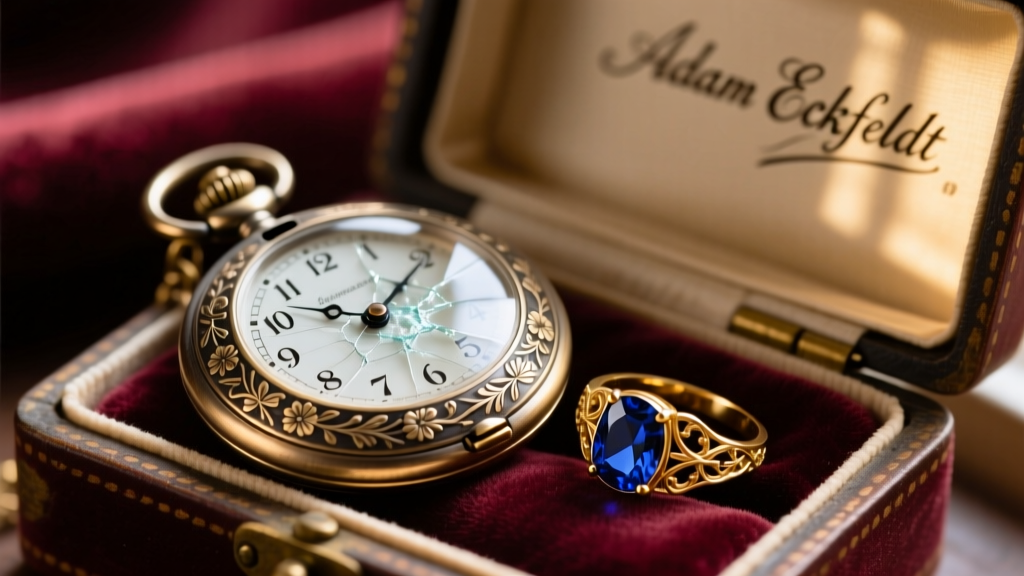
Adam Eckfeldt: The Foundational Mastermind Behind America’s First Coinage
A detailed examination of Adam Eckfeldt’s indispensable role in establishing the U.S. Mint, his technical innovations, metallurgical rigor, and enduring influence on American numismatics — with precise historical data, instrument specifications, and archival evidence from the Philadelphia Mint.
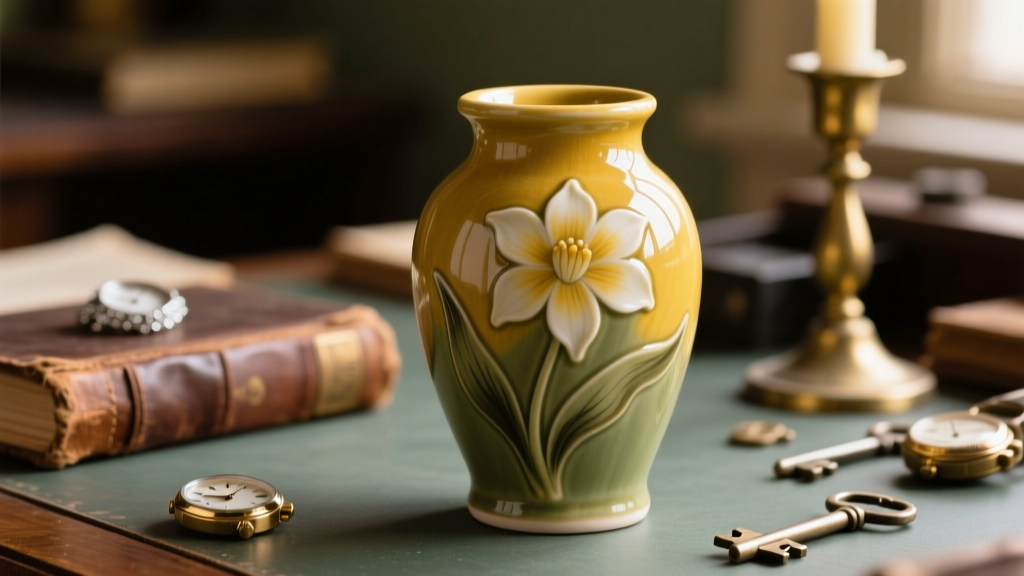
Roseville Pottery Jonquil Vase (5-Inch): Authenticity, Value, and Collecting Insights
A detailed appraisal of the Roseville Pottery Jonquil 5-inch vase—covering its design origins, production timeline (1940–1954), mold numbers (1326–1328), glaze chemistry, rarity indicators, market valuation trends, and expert authentication techniques.
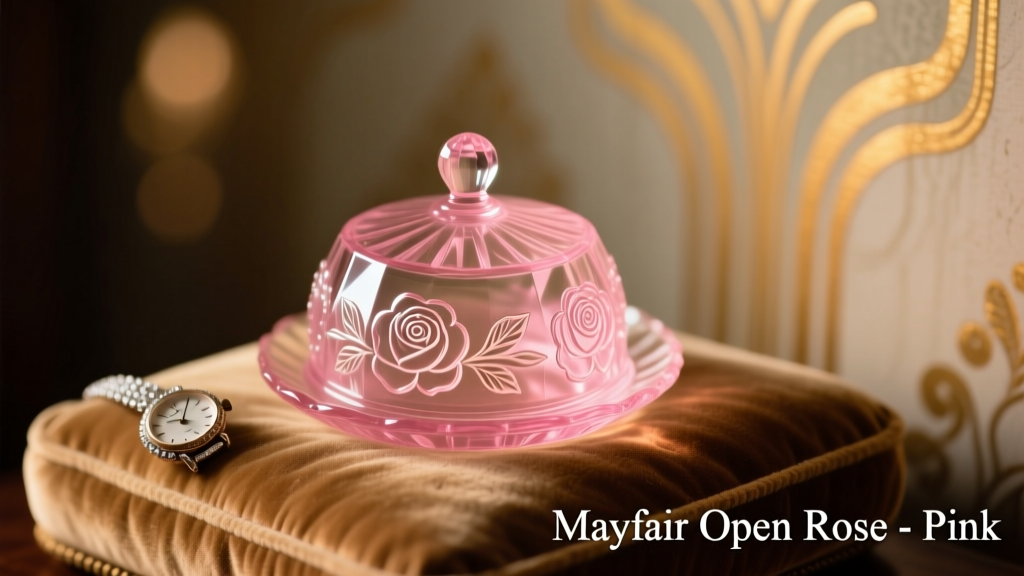
Depression Glass Mayfair Open Rose Butter Cover in Pink: A Collector’s Guide to Pattern, Provenance, and Preservation
An authoritative examination of the Mayfair Open Rose butter cover in pink Depression glass—covering its manufacturer (Jeannette Glass Company), mold variations, dimensional specifications (4-inch diameter, 2.25-inch height), market value trends, authentication markers, and conservation best practices for serious collectors.
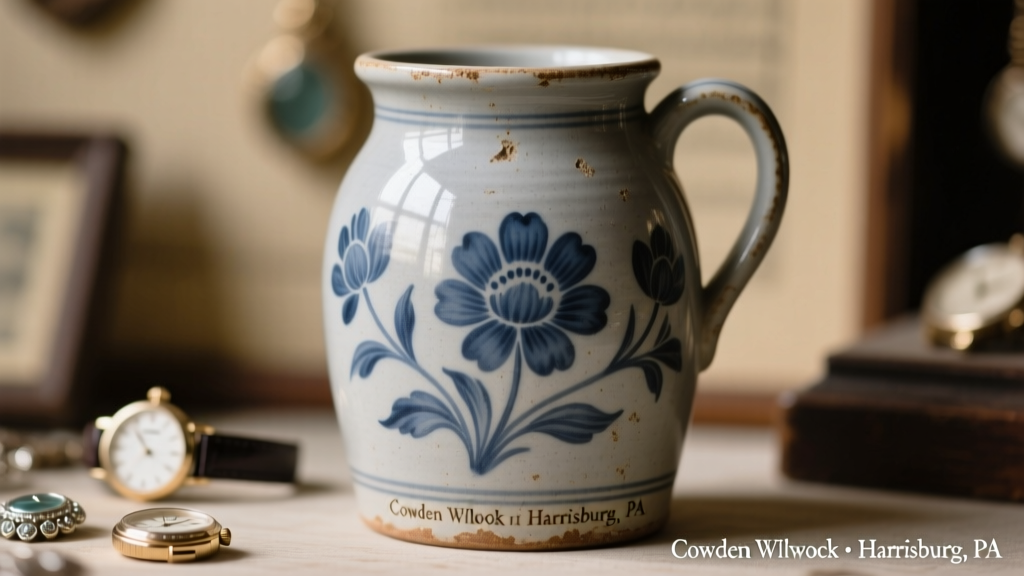
Cowden & Wilcox Stoneware Jug: Blue Floral Design on Gray Ground, Harrisburg, PA — A 14-Inch American Folk Art Masterpiece
A detailed appraisal and historical analysis of a rare 14-inch stoneware jug by Cowden & Wilcox of Harrisburg, Pennsylvania, featuring cobalt-blue floral decoration on a salt-glazed gray ground. Includes maker identification, stylistic dating (c. 1850–1857), technical specifications, auction performance data, and conservation guidance.
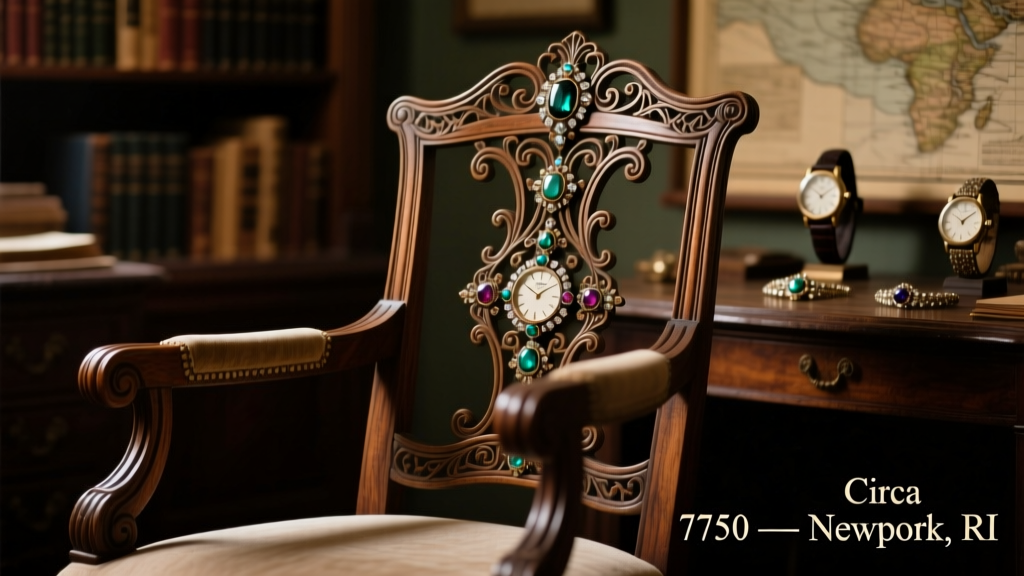
Newport Walnut Armchair, Circa 1750: A Masterpiece of Colonial American Craftsmanship
An in-depth analysis of a rare mid-18th-century Newport, Rhode Island walnut armchair—39 inches tall, with shell-carved crest rail, cabriole legs, and original pad feet—examining provenance, construction, regional stylistic hallmarks, and auction performance.