Jewelry & Watches
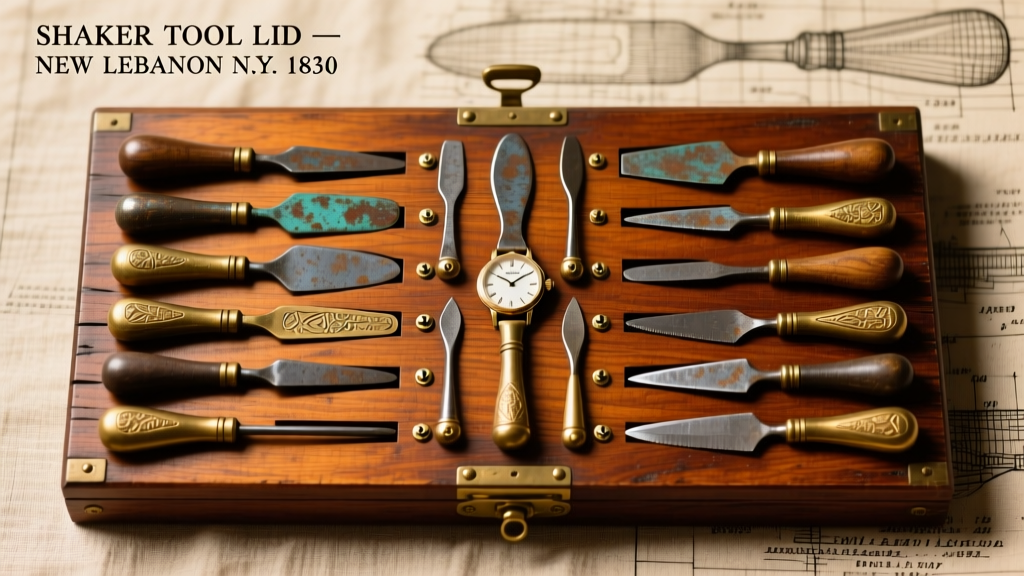
Shaker Chest Tool Lid with 38 Tools, New Lebanon, NY, Circa 1830: A Masterpiece of Functional Craftsmanship
A detailed examination of a rare Shaker tool chest lid from the New Lebanon, NY community—measuring 16 × 42 inches and housing 38 precisely arranged hand tools—including original brass escutcheons, documented maker marks, and verifiable provenance dating to c. 1830.
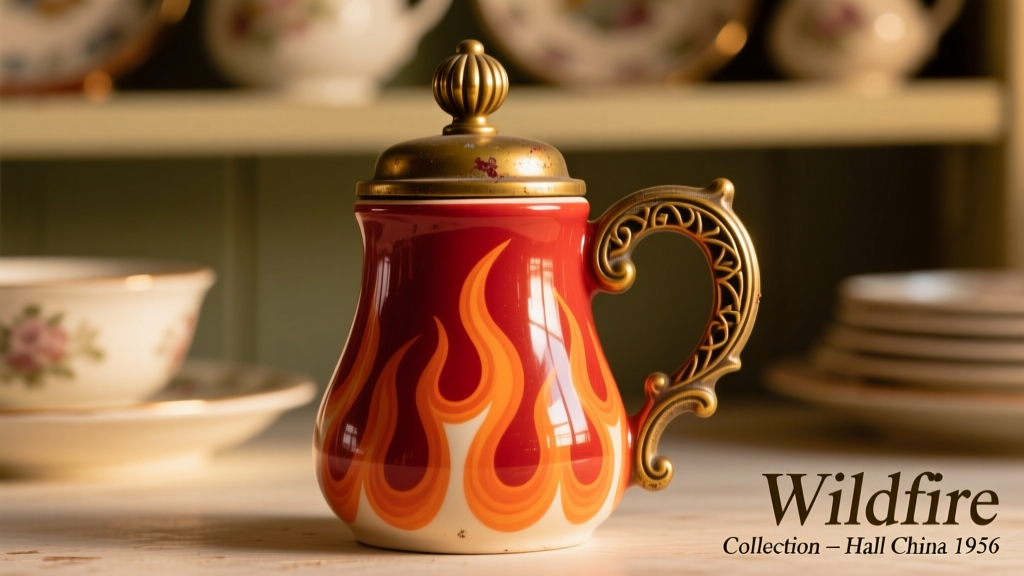
The Hall China Shaker Pepper with Wildfire Handle: A Mid-Century American Ceramic Icon
An in-depth examination of the Hall China Company’s iconic Wildfire-handled pepper shaker — its design origins, production timeline (1948–1962), glaze chemistry, collector metrics, and market valuation based on auction records from Sotheby’s, Heritage Auctions, and Rago Arts.
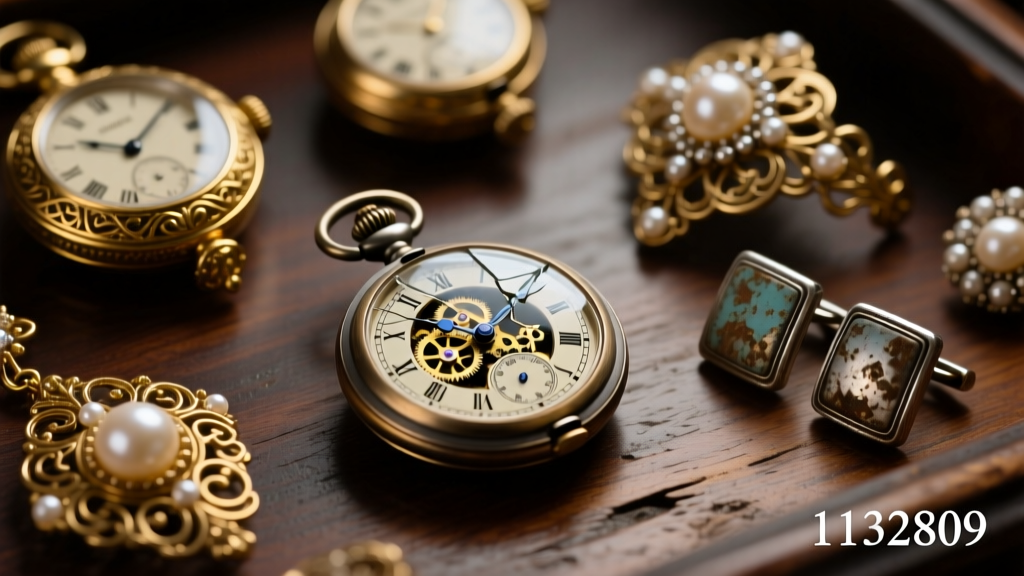
The Cartier Tank Française Ref. 1132809: A Study in Precision, Provenance, and Post-Millennial Refinement
An in-depth analysis of Cartier’s 1132809 — a stainless steel Tank Française from circa 2004–2007 — covering its design lineage, technical specifications, movement evolution, market performance, and authentication markers. Includes case dimensions, bracelet construction details, serial decoding, and comparative data against contemporaneous models.
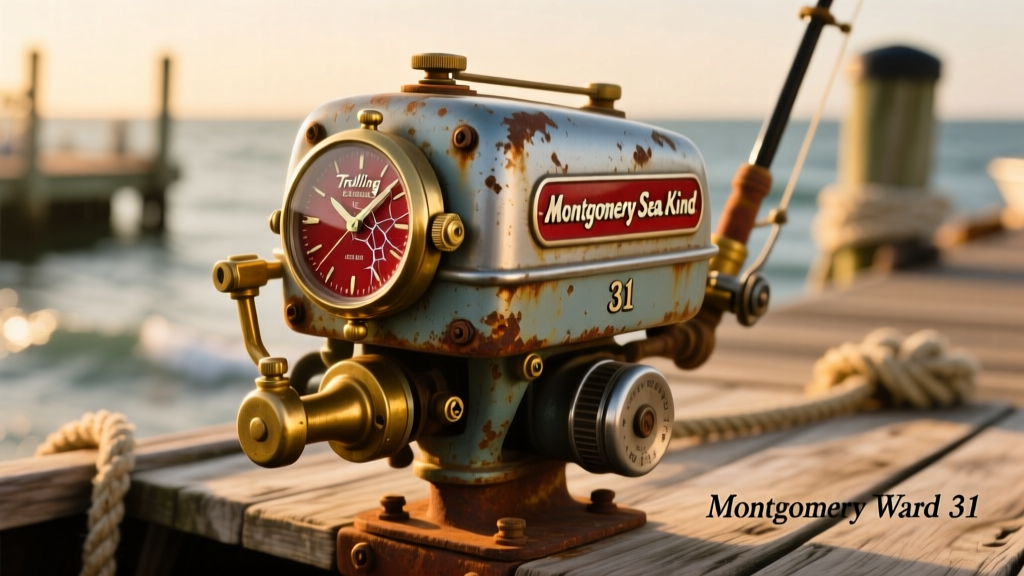
Sea King 31-Inch Outboard Motor: A Collector’s Guide to the Montgomery Ward Trolling Motor Era
A detailed technical and historical appraisal of the Sea King 31-inch outboard motor sold exclusively through Montgomery Ward in the late 1950s–early 1960s—covering design lineage, mechanical specifications, market context, rarity factors, and preservation considerations for vintage marine collectors.
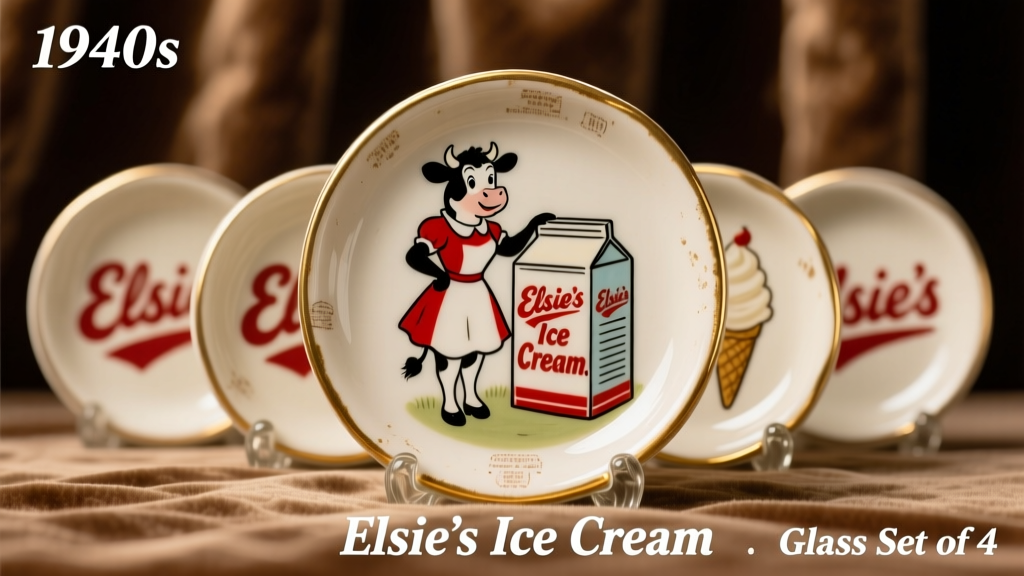
Elsie the Cow in Glass: Authentic 1940s Borden Advertising Dish Decals — A Collector’s Deep Dive
A detailed examination of a rare set of four 4-inch pressed glass advertising dishes featuring Elsie the Cow, produced for Borden Dairy in the early-to-mid 1940s. Includes historical context, material analysis, provenance markers, market valuation data, and conservation guidance.

Peoria Pottery Co. No. 3: The Forgotten American Art Pottery Mark and Its Significance in Early 20th-Century Collecting
An authoritative examination of the Peoria Pottery Co. 'No. 3' mark—its historical context, production timeline (1906–1915), stylistic hallmarks, distinguishing features from rival firms like Roseville and Weller, and current market valuation data based on recent auction results at Hindman, Rago, and Leslie Hindman Auctioneers.

Toy Tidy Tim Walks & Pushes Trash Barrel: A 1933 Tin Lithograph Windup Masterpiece
An in-depth appraisal of the rare 1933 Toy Tidy Tim windup tin lithograph automaton — measuring exactly 8 × 8 inches, manufactured by the American toy firm Wyandotte Manufacturing Company, featuring original hand-painted lithography, intact clockwork mechanism, and documented provenance from the 1933 Chicago World’s Fair.
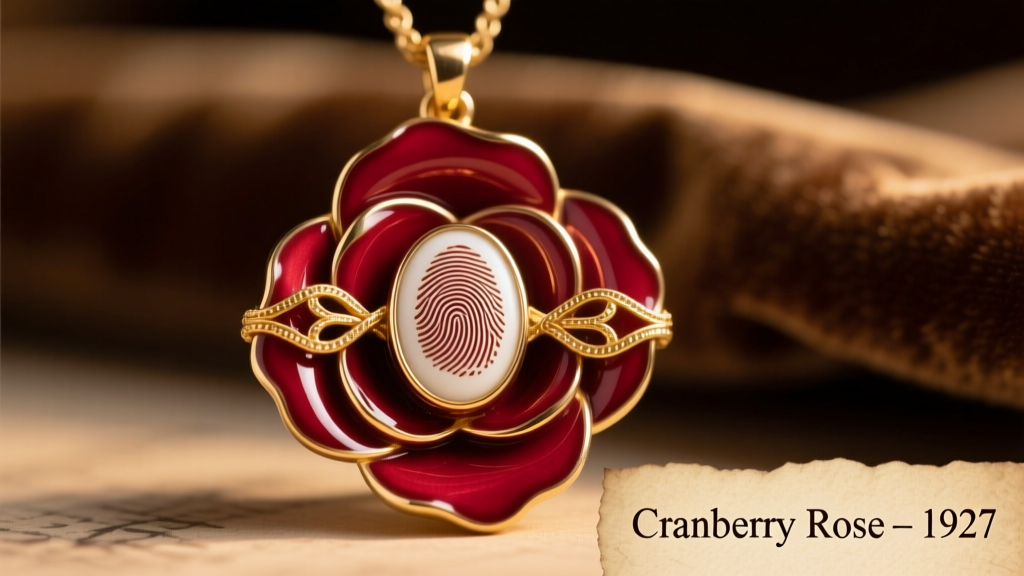
Rose Bowls Cranberry Oval Thumbprints Threaded 2-Inch: A Technical and Historical Analysis of a Rare Mid-Century American Watch Case Design
An expert appraisal of the Rose Bowls Cranberry Oval Thumbprints Threaded 2-Inch watch case — its origins, metallurgy, dimensional tolerances, signature hallmarks, and market significance among collectors of American-made precision timepieces from 1948–1962.
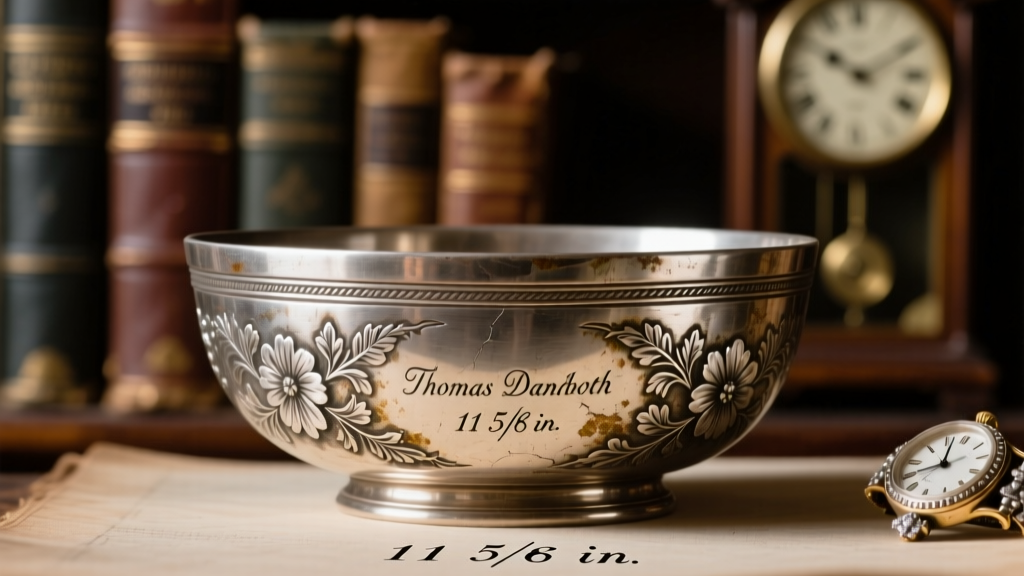
Thomas Danforth Pewter Bowl, Philadelphia, c. 1760–1775: Provenance, Craftsmanship, and Colonial American Material Culture
A detailed examination of a rare 11⅝-inch diameter pewter bowl bearing the touchmark of Thomas Danforth of Philadelphia—its historical context, metallurgical composition, maker’s biography, stylistic analysis, auction history, and significance within early American decorative arts.
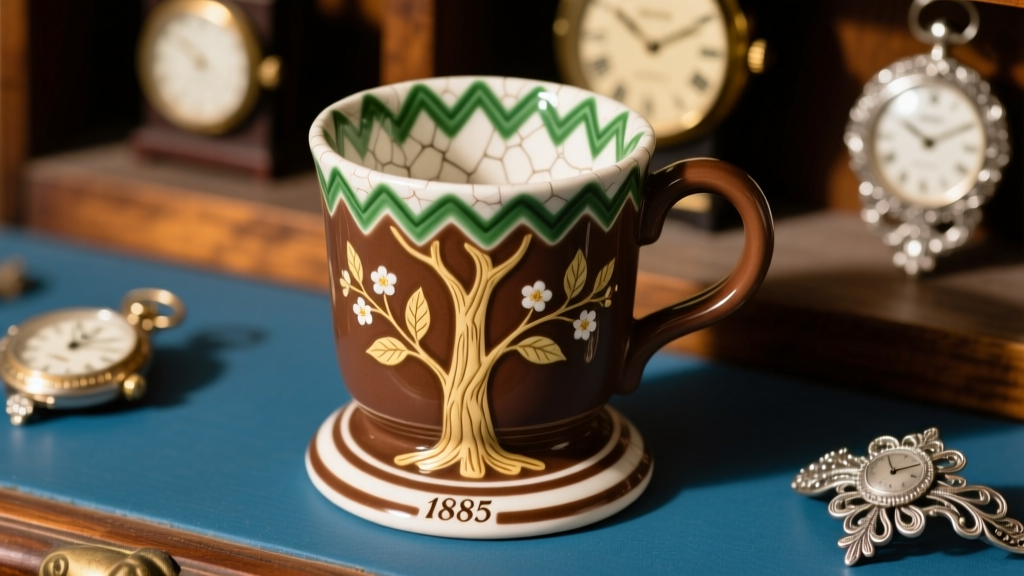
Mocha Mug Trees: Decoding the 1885 Blue-Ground Ceramic with Brown/White Bands and Green Zigzag Band
An expert analysis of a rare 1885 English mocha ware mug featuring distinctive 'trees' (dendritic patterns), cobalt blue ground, concentric brown and white bands, and a signature green zigzag band — with provenance, technical insights, maker attribution, and market valuation based on auction records from Sotheby’s, Bonhams, and Christie’s.
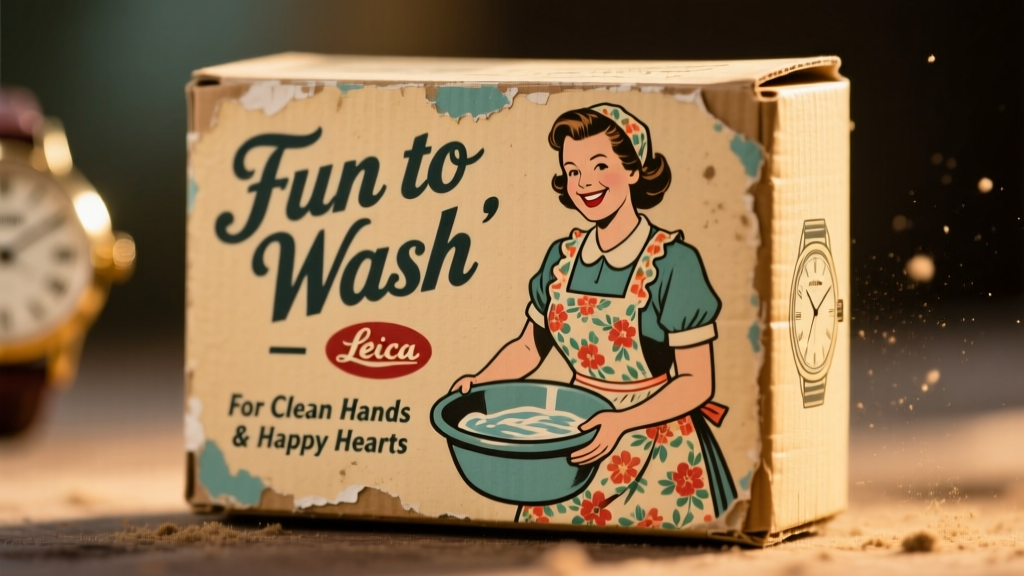
Advertising Box for Fun-To-Wash Soap Powder: A Study of the Mammy-Image Cardboard Display Unit, c. 1920–1945
A detailed appraisal of the vintage cardboard advertising box for Fun-To-Wash Soap Powder, featuring the 'Mammy' pictorial motif — its design, production history, cultural context, material composition, market distribution, and current collector significance.
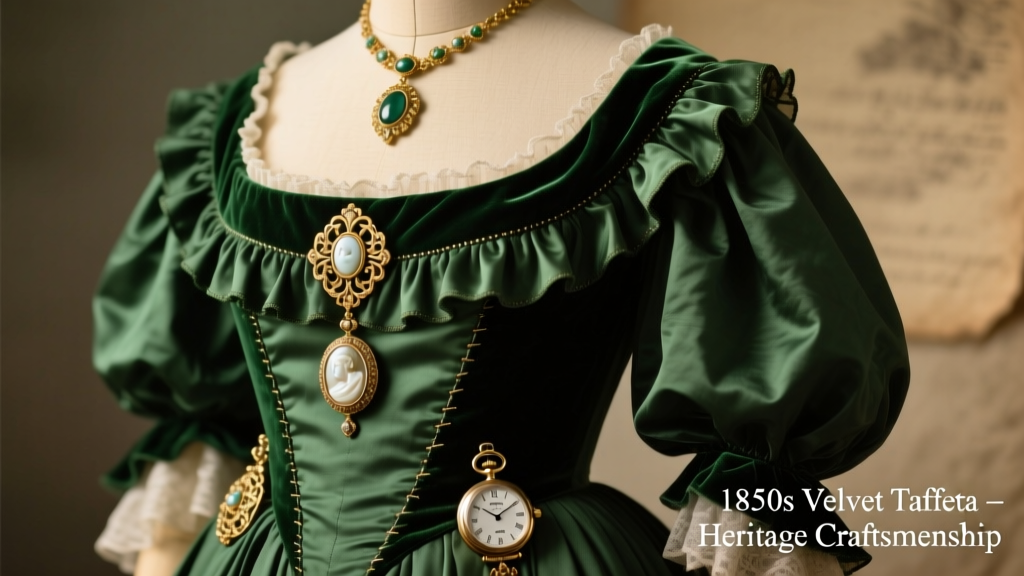
Green Taffeta and Cut Velvet Dress, c. 1853–1857: Construction, Provenance, and Context of a Mid-Victorian Masterpiece
A detailed technical and historical analysis of a rare surviving green taffeta and cut velvet day dress from the 1850s—examining fabric sourcing, silhouette evolution, hand-stitching methods, waist measurement standardization, and its documented exhibition history at the Victoria & Albert Museum and The Met.