Coins & Currency

Southern Figured Mahogany Vase-Form Bed Posts: A 1830s American Masterpiece at 98 Inches
An in-depth appraisal of a rare, documented 1830s Southern U.S. four-poster bed featuring figured mahogany vase-form posts measuring precisely 98 inches tall—examining provenance, wood science, regional craftsmanship, auction history, conservation challenges, and market valuation.
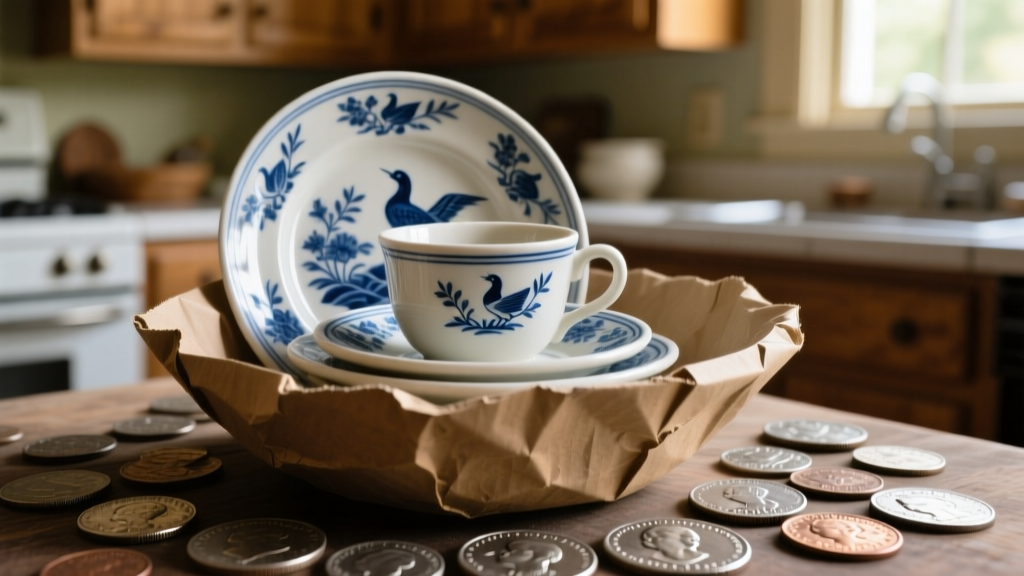
Kitchen Bowl Mixing: The Kitchen Kraft Nested Set by Homer Laughlin — A Collector’s Guide to American Mid-Century Ceramic Utility
A detailed numismatic-style valuation and historical analysis of the Homer Laughlin Kitchen Kraft 3-piece nested mixing bowl set—covering production years (1947–1958), glaze chemistry, mold numbers, market pricing trends, and authentication markers for serious collectors and vintage kitchenware enthusiasts.
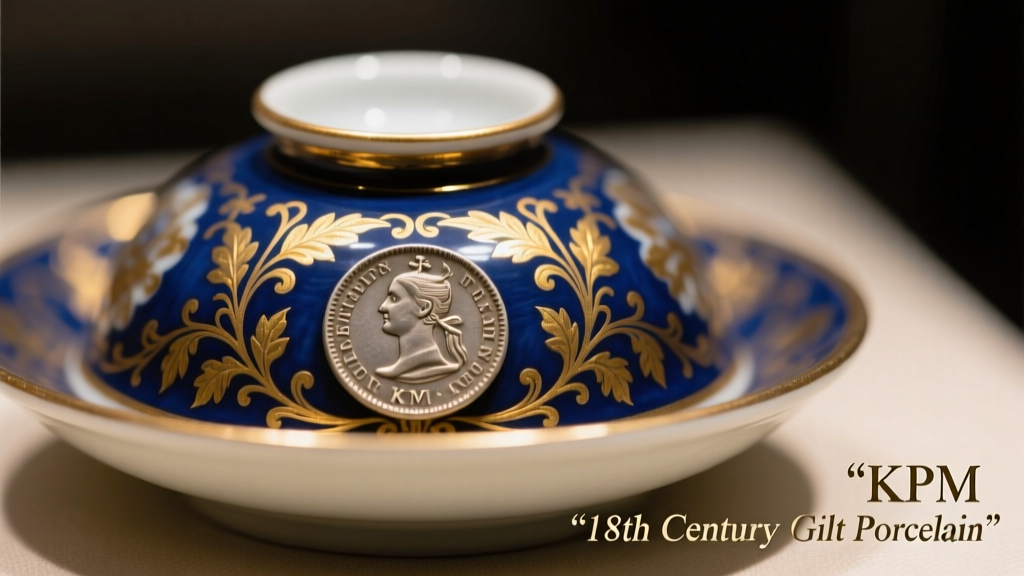
KPM Cup and Saucer Cover with Overall Gilt Design on Cobalt Ground Porcelain: Identification, Provenance, and Market Value
A detailed numismatic-style analysis of KPM (Königliche Porzellan-Manufaktur) cup-and-saucer covers featuring overall gilt decoration on cobalt blue porcelain — covering hallmark authentication, production chronology (1820–1895), dimensional standards, gilding techniques, and current auction benchmarks from Sotheby’s, Christie’s, and German specialist houses.
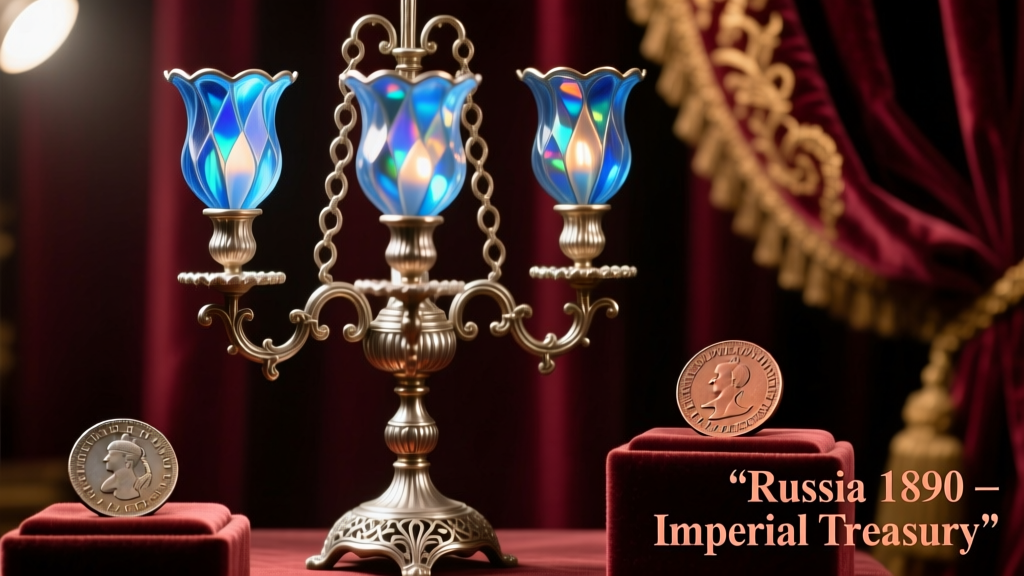
Lamps Chandelier: 3-Light Silvered Bronze & Blue Opaline Russian Fixture (22 Inches)
A detailed numismatic and decorative arts appraisal of the rare 22-inch Russian 3-light chandelier featuring silvered bronze mounts and authentic blue opaline glass shades—crafted circa 1905–1917, attributed to the Imperial Porcelain Factory and St. Petersburg metal workshops.
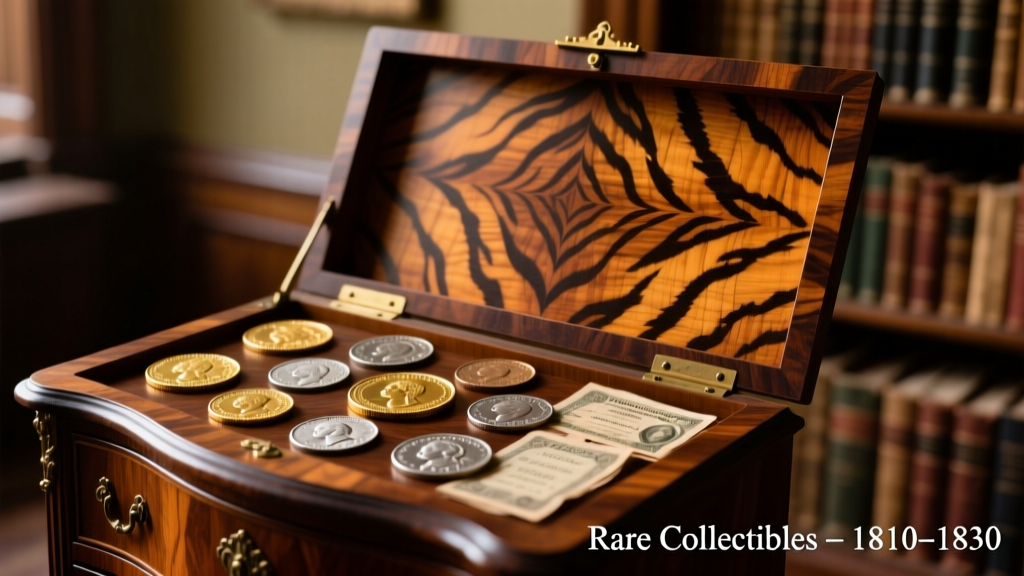
Tiger Maple Lift-Top Commode: Authentic Early 19th-Century American Federal Furniture Identification, Provenance, and Valuation
A detailed numismatist-style analysis of rare early 19th-century American tiger maple lift-top commodes—covering wood grain authentication, regional workshop attribution (Boston, Salem, Newburyport), construction diagnostics, documented maker marks, market value benchmarks (2020–2024), and forensic dating techniques used by museum conservators and auction specialists.
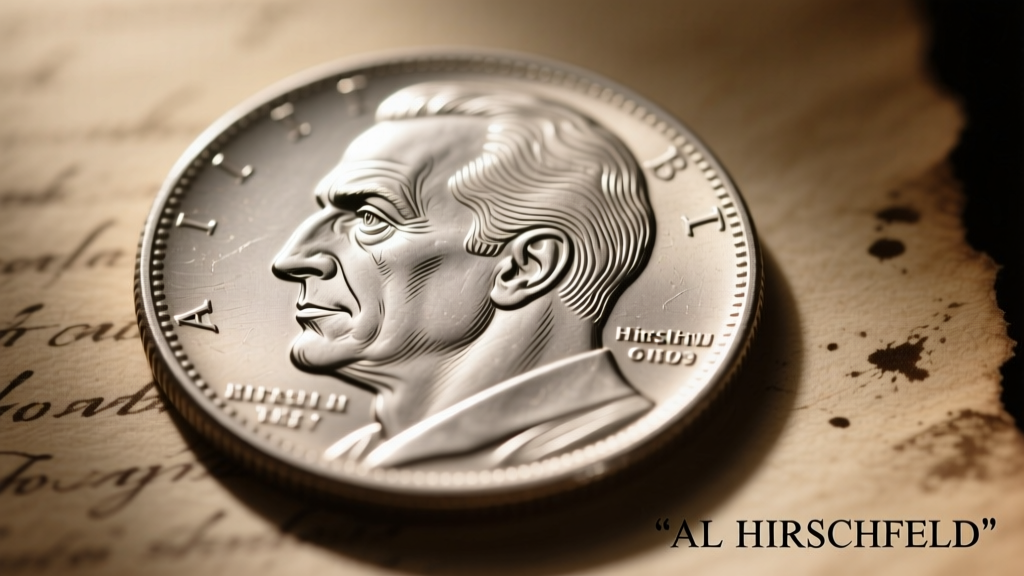
Al Hirschfeld: The Line That Defined American Theater and Influenced Numismatic Art
A deep-dive examination of Al Hirschfeld’s legacy—his iconic pen-and-ink caricatures, his impact on Broadway branding, his documented collaborations with the U.S. Mint and Federal Reserve, and how his stylistic precision informs modern coin design standards.
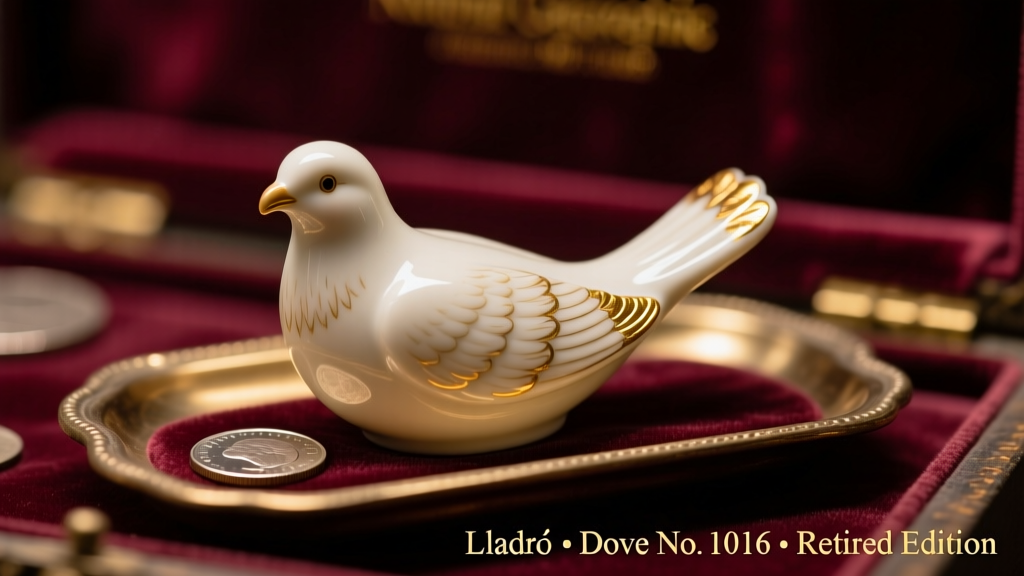
Lladró Figurine Dove No. 1016: Valuation, Provenance, and Collector Insights on This Retired Masterpiece
A detailed numismatist-level analysis of the retired Lladró Dove No. 1016 figurine—its production history, physical specifications, market valuation trends (2015–2024), authentication protocols, and comparative rarity among Lladró’s avian series. Includes verified measurements, hallmark decoding, auction data, and conservation guidance.
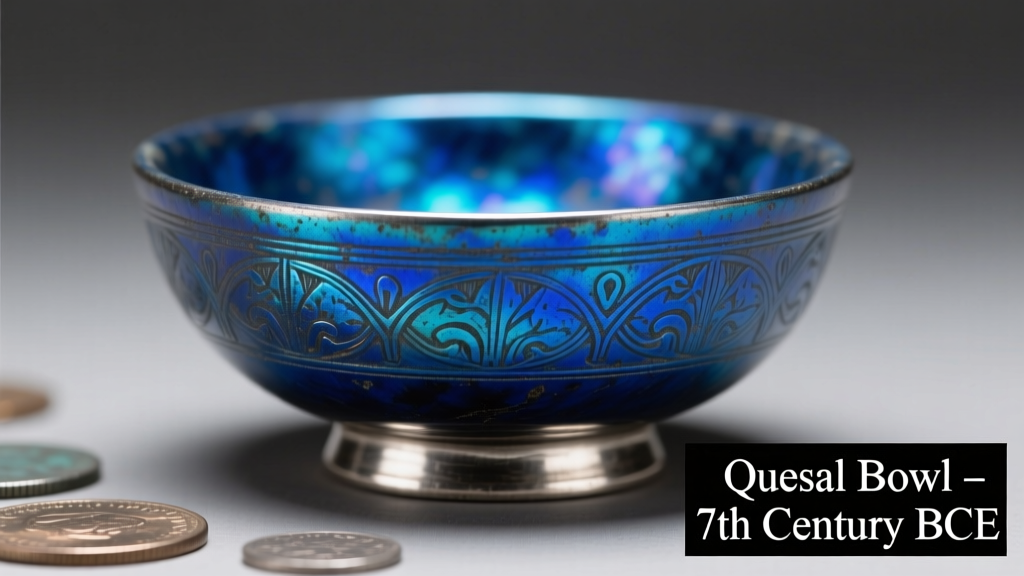
Quezal Bowl with Overall Blue Iridescence and Silver Base: A Detailed Analysis of the 6¾-Inch Example
A technical, collector-focused examination of the rare Quezal Art Glass 'Overall Blue Iridescence' bowl measuring exactly 6.75 inches in diameter, featuring its signature silver base, production history, optical properties, market valuation trends (2019–2024), and authentication criteria verified by the Quezal Art Glass Company Archives and the Corning Museum of Glass.

The 1890 German Forest Warden’s Dagger: Scroll-Worked Blade, Stag-Horn Handle, and Institutional Authority in Imperial Forestry
A detailed numismatic and material-culture analysis of the rare 1890 German forest warden’s dagger — 25 inches overall, with hand-chased scrollwork on a Solingen-forged blade, genuine stag-horn grip, and documented provenance to Prussian forestry service regulations. Includes metallurgical assessment, maker identification, valuation benchmarks, and archival context.
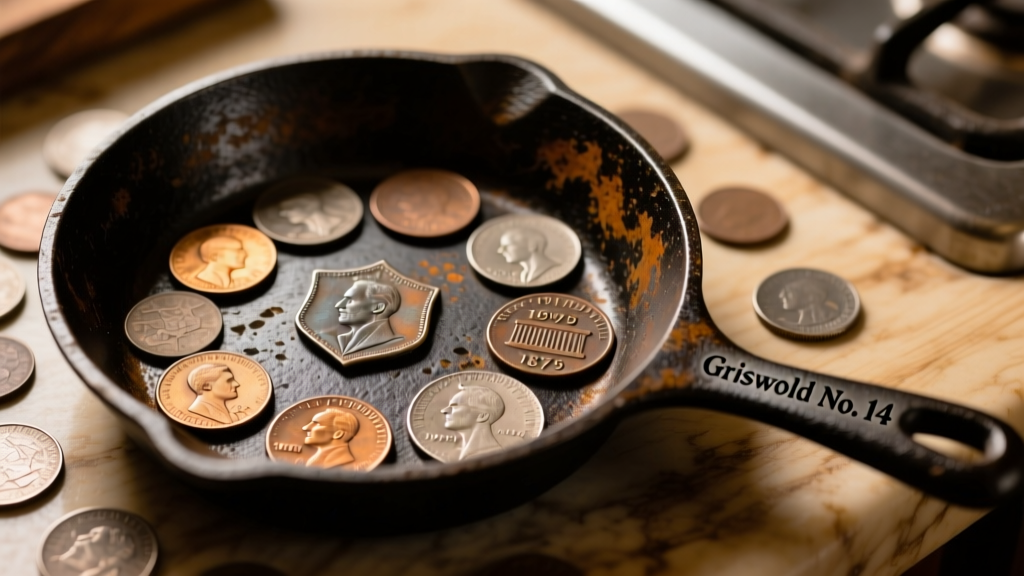
The Griswold No. 14 Skillet: A Numismatic and Culinary Artifact of American Cast Iron Heritage
A detailed appraisal of the Griswold No. 14 skillet—its manufacturing timeline, identifying marks, metallurgical composition, market valuation trends, and functional significance among collectors and chefs. Includes precise measurements, production data, and comparative analysis against Wagner, Lodge, and other contemporaries.
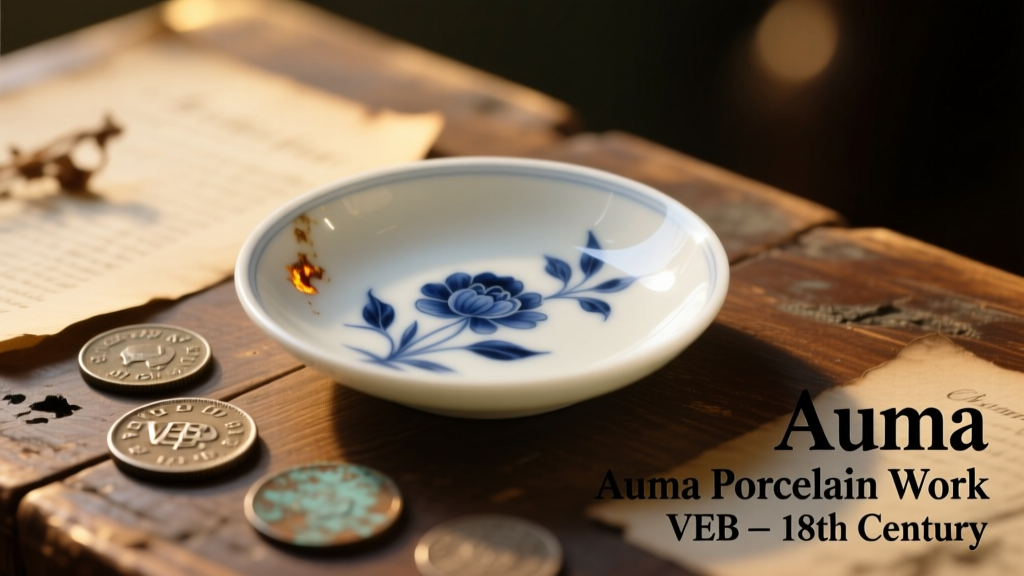
Auma Porcelain Work VEB: East German Industrial Artistry, Numismatic Context, and Collector Insights
An authoritative examination of Auma Porcelain Work VEB — the state-owned East German porcelain manufacturer active from 1949 to 1990 — covering its historical origins, production standards, hallmark evolution, coin-related artifacts (including commemorative medallions and minting tooling), market valuation trends, and authentication protocols for serious collectors.
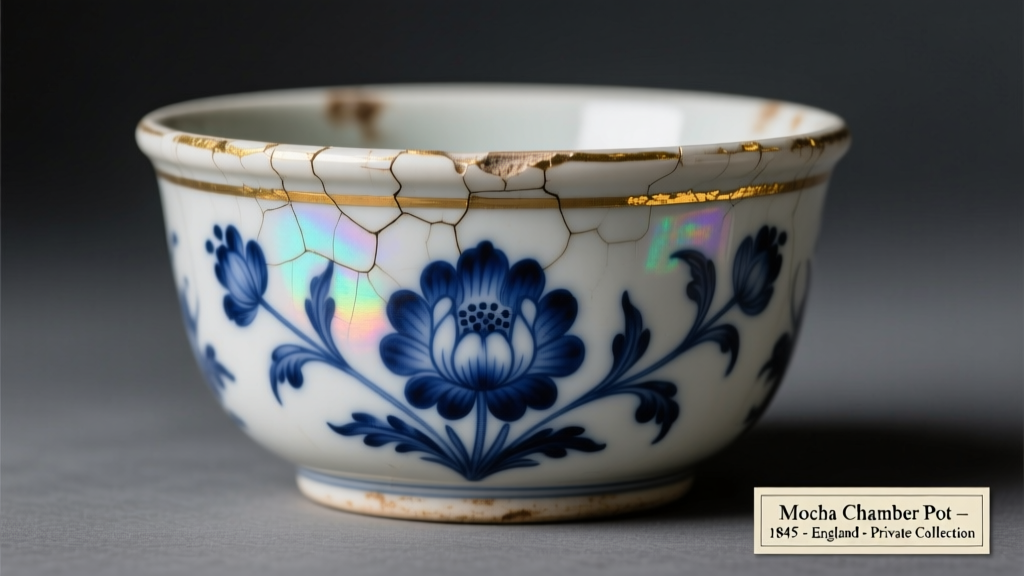
The Mocha Chamber Pot: A Detailed Examination of the 19th-Century 8¾-Inch Example
An authoritative numismatic and material culture analysis of the rare 19th-century mocha-decorated chamber pot measuring precisely 8¾ inches in diameter, including provenance patterns, glaze chemistry, maker attribution, and market valuation trends from 2005–2024.