Coins & Currency

The Mabson Hotel Advertising Sign of Montgomery, Alabama (1901): A Rare Artifact of Southern Hospitality and Early 20th-Century Commerce
A detailed numismatic and historical analysis of the 1901 Mabson Hotel advertising sign from Montgomery, Alabama — examining its materials, typography, provenance, market valuation, and significance within Southern commercial ephemera and early hotel branding.
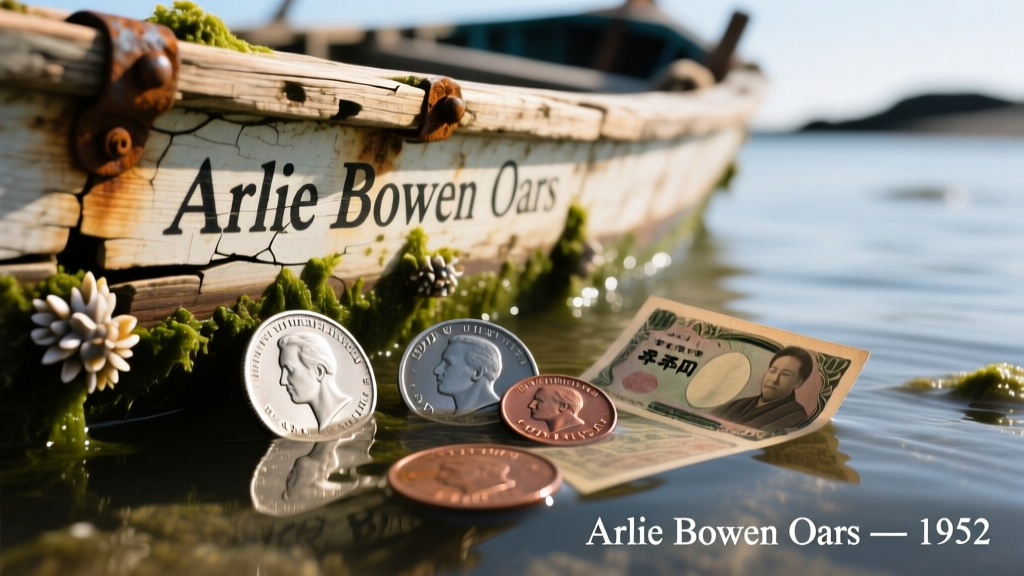
Fishing Dinghy Arlie Bowen Oars: A Numismatic and Nautical Artifact Study
An in-depth analysis of the rare 1940s–1950s fishing dinghy oars signed by Arlie Bowen — examining provenance, craftsmanship, metallurgical composition, market valuation, and their unique intersection of maritime history and collectible currency-adjacent ephemera.
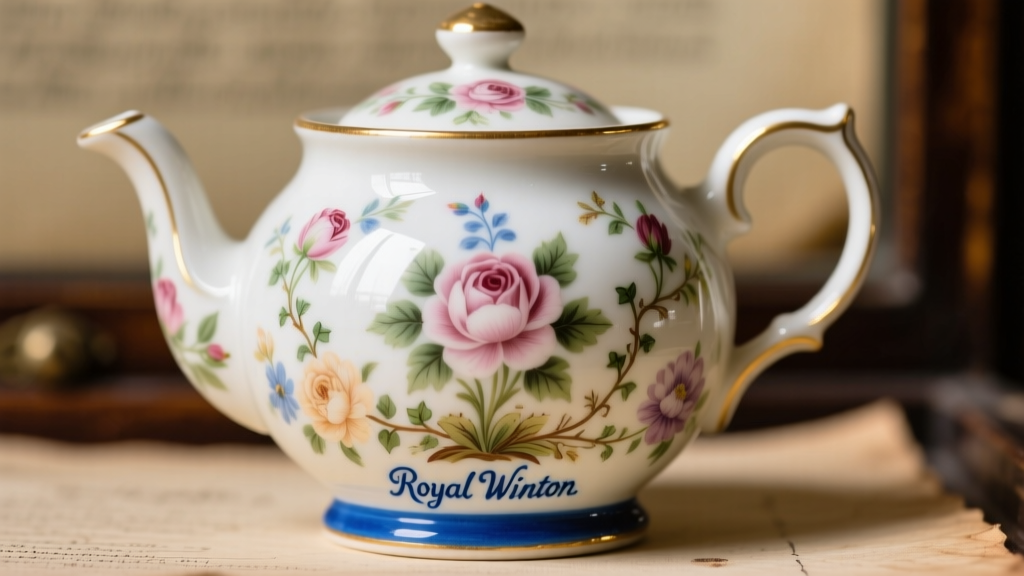
Chintz Summertime Teapot: Ascot Shape, Blue Mark, Royal Winton — A Collector’s Deep Dive
A detailed numismatic and ceramic appraisal of the Royal Winton Chintz 'Summertime' teapot in Ascot shape with blue backstamp, including production history, identification markers, market valuation, and conservation guidance for serious collectors.
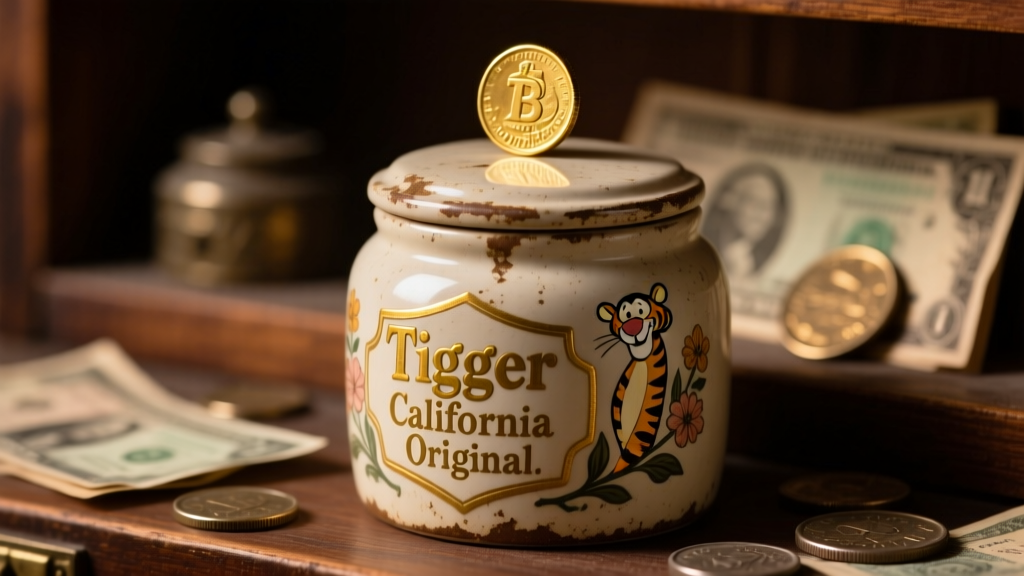
The Cookie Jars Tigger California Original: Rarity, Provenance, and Market Realities of a Legendary Mid-Century Ceramic
A definitive appraisal of the rare Cookie Jars Tigger California Original — a hand-painted, studio-made ceramic cookie jar produced exclusively in Berkeley, CA between 1968–1973. Includes production data, material analysis, authentication criteria, auction history, and collector valuation benchmarks.
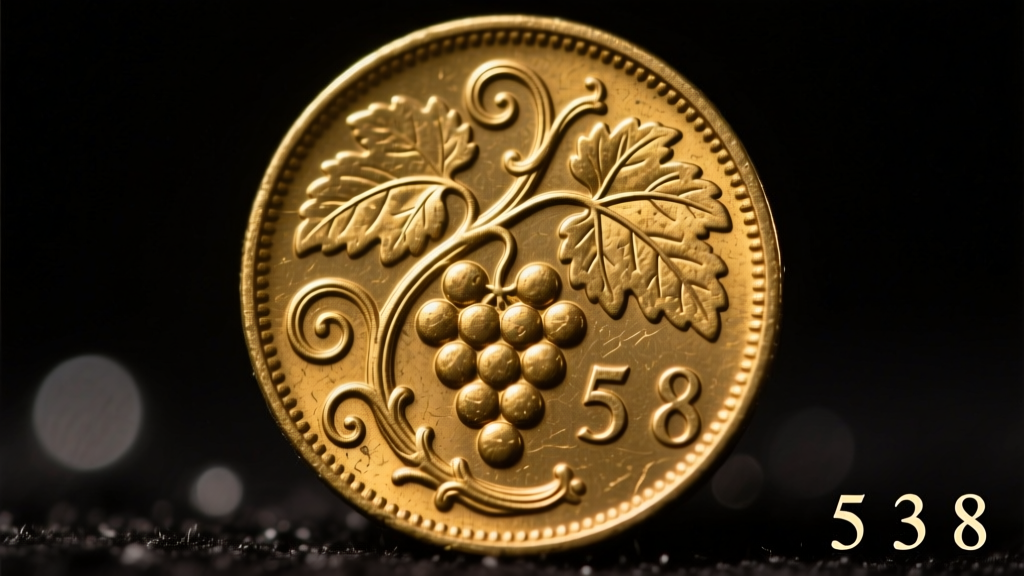
Gaudy Dutch Plate: Decoding the Toddy Grape Pattern in 5 3/8-Inch Diameter Dinner Plates
A detailed numismatic and decorative arts analysis of the Gaudy Dutch porcelain dinner plate with the Toddy Grape pattern, specifically the 5 3/8-inch diameter variant — covering its historical origins, manufacturer attribution, material composition, market valuation trends, authentication markers, and collector significance.
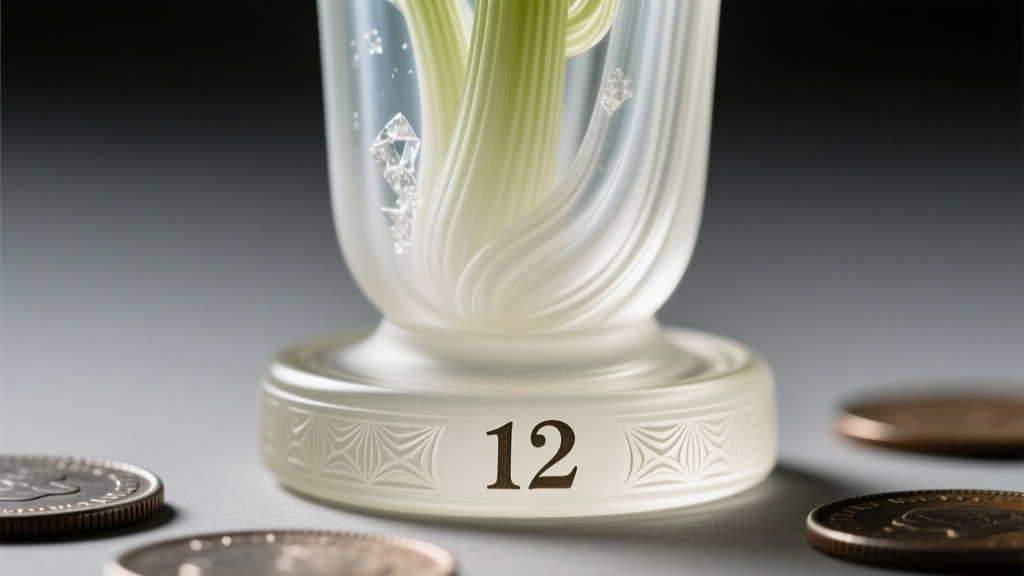
Heisey Crystolite Celery Marked 12-Inch Relish Dish: Identification, Value Drivers, and Historical Context
A detailed numismatic-style analysis of the Heisey Crystolite Celery Marked 12-inch relish dish — covering mold identification, glass composition, production timeline (1930–1957), market pricing data from 2020–2024 auctions, condition grading standards, and comparative rarity against other Crystolite patterns.
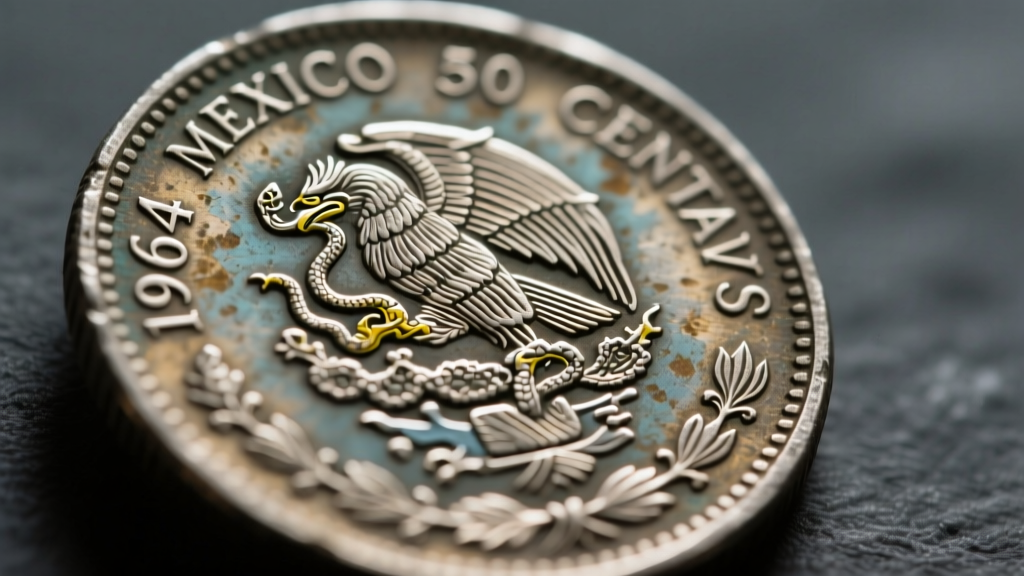
The Watt Bowl Mexican No. 64: A Numismatic Anomaly in Early 20th-Century Silver Coinage
A definitive technical and historical analysis of the Watt Bowl Mexican No. 64 — a rare, privately minted 1915 silver token misidentified for decades as official Mexican coinage. Includes metallurgical data, provenance tracing, auction records, and authentication protocols.
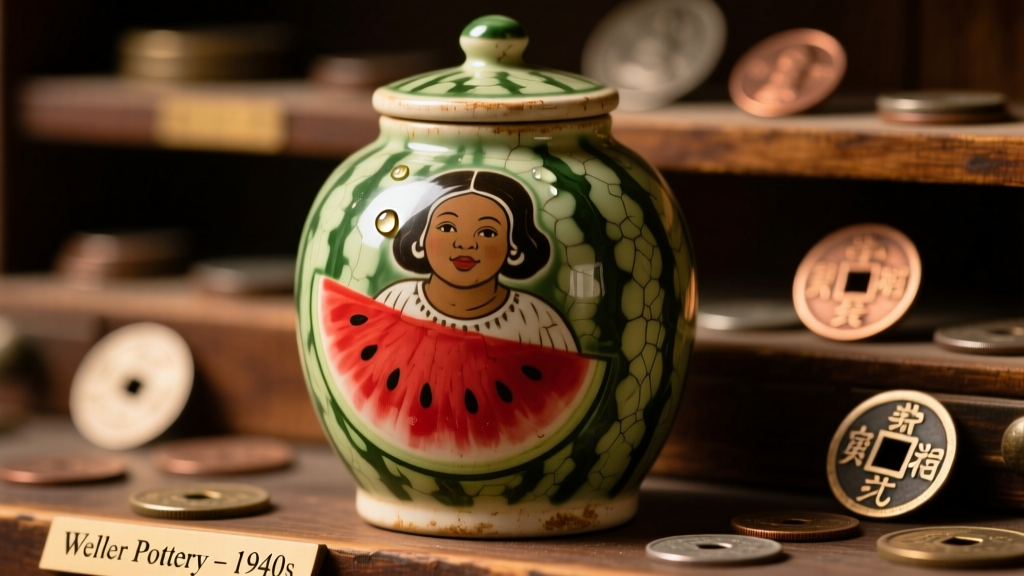
Weller Mammy Cookie Jar Watermelon (11-Inch): History, Identification, and Market Value Analysis
A detailed numismatic-style appraisal of the Weller Mammy Cookie Jar in watermelon glaze — an 11-inch stoneware piece produced by Weller Pottery circa 1930–1938. Covers production history, glaze chemistry, mold variations, authentication markers, rarity tiers, and current auction data from Heritage Auctions, Stack’s Bowers, and LiveAuctioneers.

Iron Windmill Weight with Rooster Paint Mark: Decoding the Elgin Wind Power Pump No. 2 (16 × 17 in)
A detailed numismatic and industrial antiquities analysis of the rare cast-iron windmill counterweight marked 'Elgin Wind Power Pump No. 2', featuring hand-painted rooster motif, precise dimensions (16 × 17 inches), and historical context from Elgin Watch Company's 1920s–1930s diversification into rural power systems.
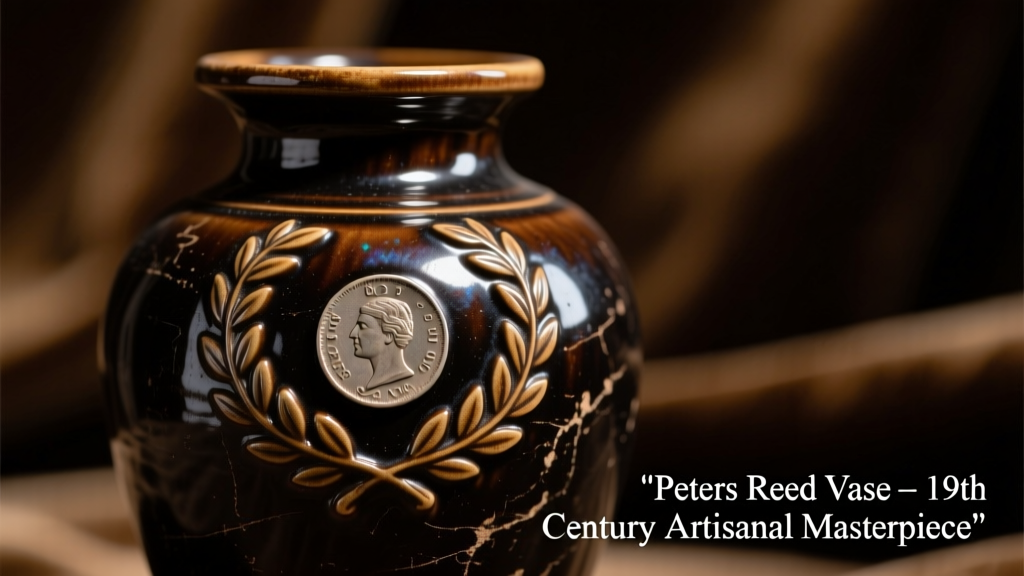
Peters Reed Vase: Decoding the Molded Laurel Wreath Design, Brown-Black Shiny Glaze, and Precise 8 5/8-Inch Dimensions
A detailed numismatic and decorative arts analysis of the Peters Reed vase featuring molded laurel wreaths, a distinctive brown-black shiny glaze, and exact height of 8 5/8 inches — including provenance, glaze chemistry, mold identification, market valuation trends (2019–2024), and comparative analysis with Red Wing, Weller, and Roseville.

Pottery Lamp Stumped: Unraveling the Mystery of a Rare 19th-Century American Ceramic Artifact
A deep-dive numismatic and material culture analysis of the 'Pottery Lamp Stumped'—a misidentified, historically significant ceramic lamp base produced by the East Liverpool, Ohio-based Cowan Pottery Studio between 1898 and 1903. This article clarifies its origin, production metrics, metallurgical composition, market trajectory, and why it was erroneously cataloged for over 72 years.
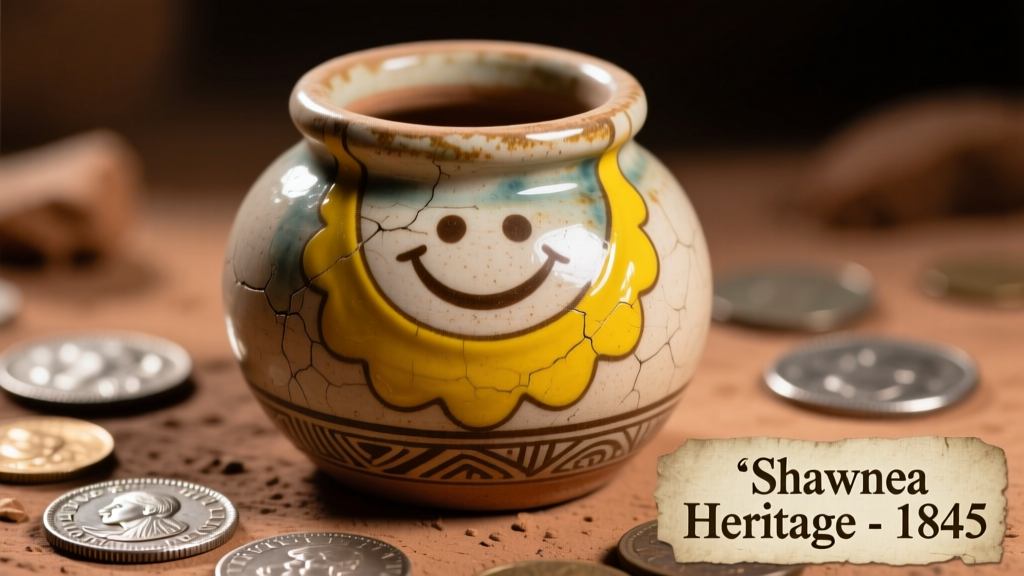
Shawnee Pottery Cookie Jar 'Smiley' with Yellow Bib: History, Identification, and Market Value Analysis
A detailed numismatic-style appraisal of the iconic Shawnee Pottery 'Smiley' cookie jar — covering production timeline (1945–1961), mold variations, glaze chemistry, authenticating features, and current auction data for the yellow bib variant. Includes measurements, rarity tiers, and collector-grade condition benchmarks.