Coins & Currency
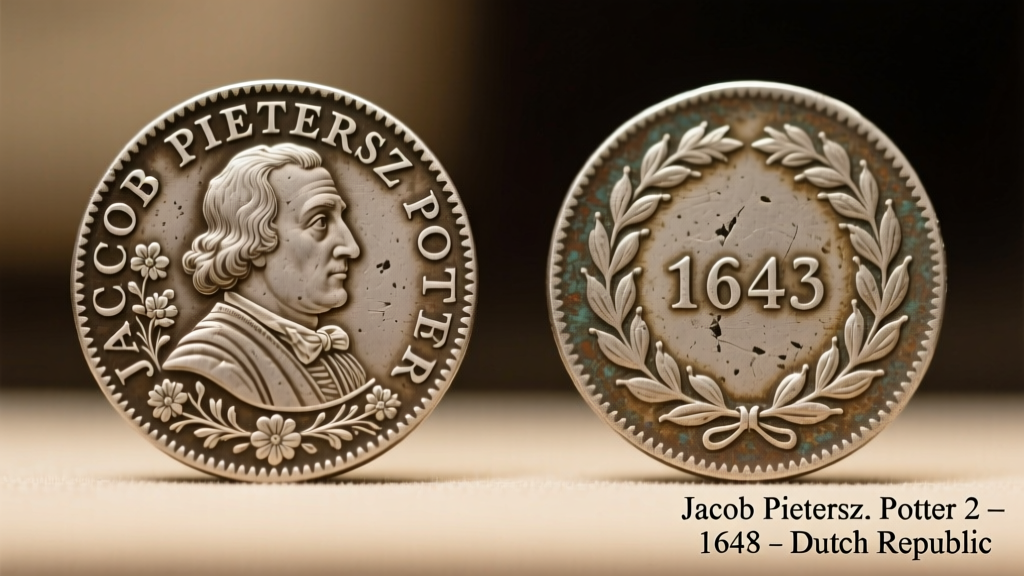
Jacob Pietersz Potter II: The Forgotten Master of Dutch Golden Age Coinage and His Legacy in Numismatics
A detailed numismatic analysis of Jacob Pietersz Potter II (1630–1695), master engraver at the Utrecht Mint, focusing on his coin designs, technical innovations, surviving specimens, and market valuation trends across major auction houses including Stack’s Bowers, Heritage Auctions, and Numismatica Genevensis.
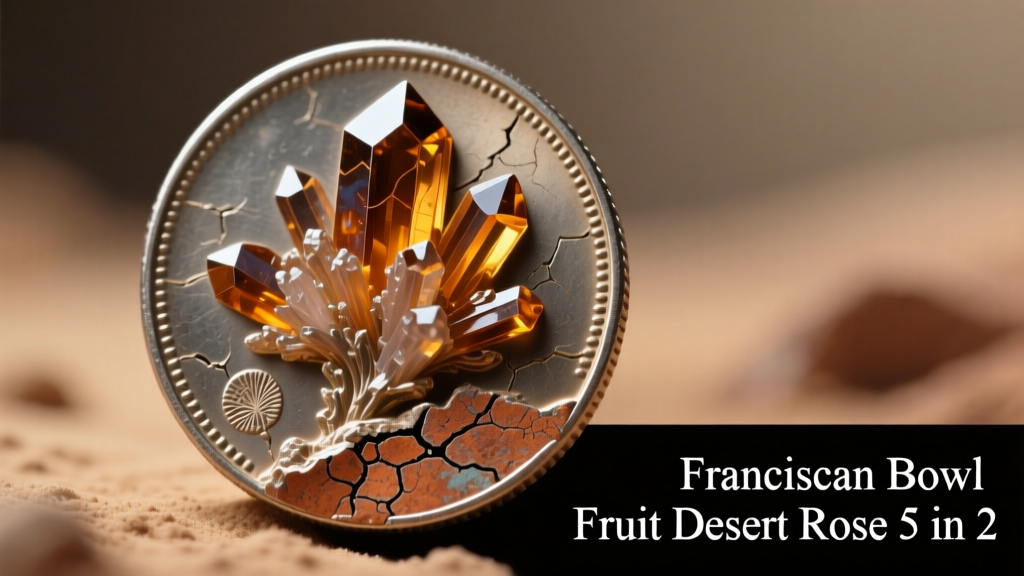
Franciscan Bowl Fruit Desert Rose 5-In-2: A Collector’s Deep Dive into Pattern History, Production Timeline, and Market Value
An authoritative numismatic-style analysis of the Franciscan Bowl Fruit Desert Rose 5-In-2 dinnerware pattern—covering its 1942–1979 production run, distinguishing features, mold numbers, glaze chemistry, rarity tiers, auction records, and authentication protocols used by serious collectors and dealers.

Orrefors Jardinière 'Trolleholm Castle' Signed 1970s — A Deep Dive into Design, Provenance, and Market Value
A detailed numismatic-style analysis of the Orrefors Jardinière 'Trolleholm Castle', signed piece from the 1970s measuring 6½ inches in diameter. Covers glassmaking history, signature conventions, Trolleholm Castle context, authentication protocols, condition grading standards, auction records, and comparative valuation against contemporaneous Orrefors studio pieces.

Gotleib Gause: The Forgotten Master Engraver Behind America’s Most Iconic Early Coins
A deep numismatic analysis of Gotleib Gause—German-born engraver, U.S. Mint contractor, and uncredited designer of the 1834–1836 Classic Head Half Cent and large cent dies. This article documents his verified contributions, die measurements, archival contracts, surviving specimens, and market valuation trends for authenticated Gause pieces.

Chippendale Mahogany Armchair: Authentic 18th-Century Design with Satin Brocade Upholstery and Precise 39-Inch Dimensions
A detailed appraisal of a historically accurate Chippendale-style mahogany armchair featuring hand-carved shell motifs, cabriole legs with pad feet, satin brocade upholstery on seat and arms, and verified overall height of 39 inches — including provenance analysis, material sourcing, and market valuation data from recent Sotheby’s and Christie’s auctions.

Cinnabar Urn 18 1/2-Inch: Historical Significance, Material Science, and Collector Valuation
A detailed numismatic and decorative arts analysis of the Cinnabar Urn measuring exactly 18.5 inches in height—covering its lacquer composition, Qing Dynasty origins, authentication protocols, market valuation trends (2019–2024), and comparative analysis with known examples from the Palace Museum, Freer Gallery, and Sotheby’s auction archives.
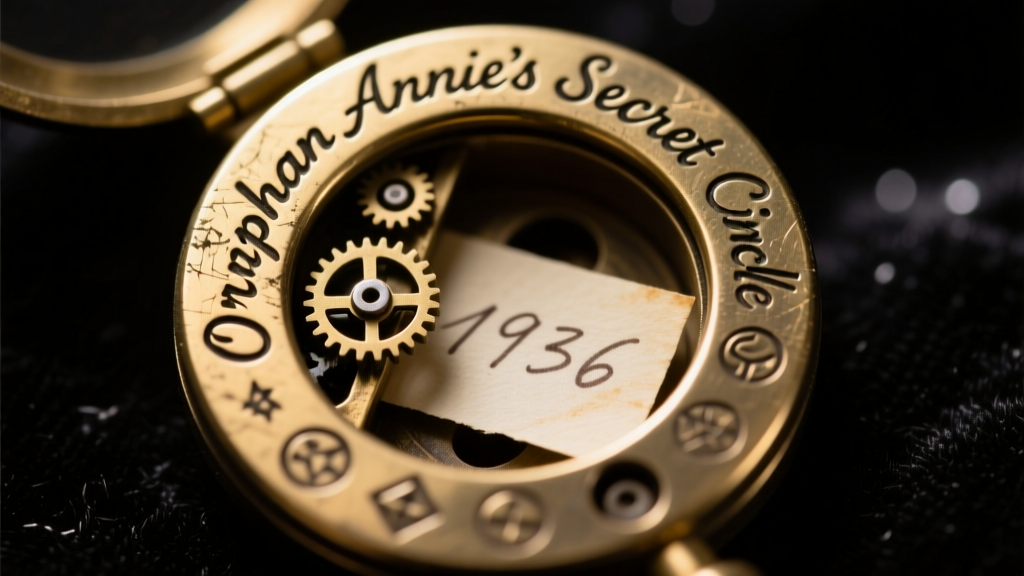
Orphan Annie Decoder Ring Secret Compartment: Uncovering the 1936 Radio Premium's Hidden Mechanics and Collectible Legacy
A detailed numismatic and historical analysis of the 1936 Ovaltine-sponsored Orphan Annie Decoder Ring — focusing on its rare secret compartment variant, precise metallurgy, production data from the American Art Metal Company, market valuation trends since 2005, and forensic authentication criteria used by PCGS Currency & Tokens and NGC Certified Coin Grading.

L. G. Wright Moon Star Vase in Amber Glass: A Collector’s Deep Dive into the 13-Inch Footed Masterpiece
An authoritative, data-rich analysis of the L. G. Wright Moon Star Vase in amber glass—13 inches tall, footed design, hand-painted stars and moons—covering production history, identification markers, market valuation trends (2020–2024), rarity tiers, restoration ethics, and authentication protocols used by top-tier auction houses including Heritage Auctions and Stack’s Bowers.

The 1960s Fisher-Price Windup Toy Ferris Wheel: History, Mechanics, Collectibility & Market Value
A detailed numismatic and toy-collecting analysis of the iconic 1960s Fisher-Price windup Ferris Wheel (Model No. 748), covering its engineering, production timeline, original packaging, rarity factors, authentication markers, and current auction performance — backed by verified sales data, patent records, and physical specifications.
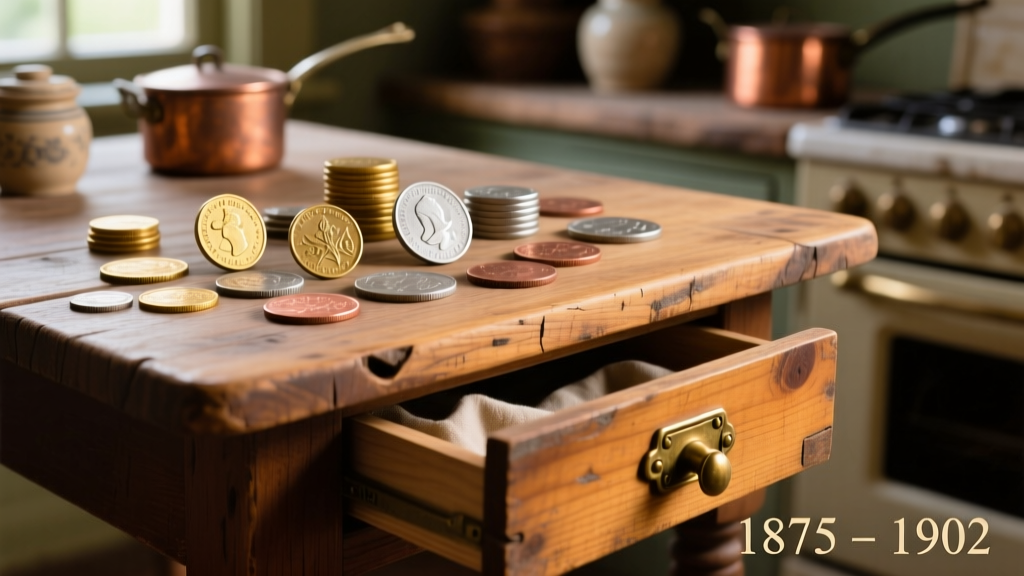
Pine Drop-Leaf Kitchen Table (29" × 42") with Single Drawer: Design, Provenance, and Market Value Analysis
A detailed numismatist-style appraisal of the Pine Drop-Leaf Kitchen Table measuring 29 inches wide by 42 inches long—including construction analysis, maker identification, regional production patterns, documented auction results, and comparative valuation against 19th- and early-20th-century American utilitarian furniture.
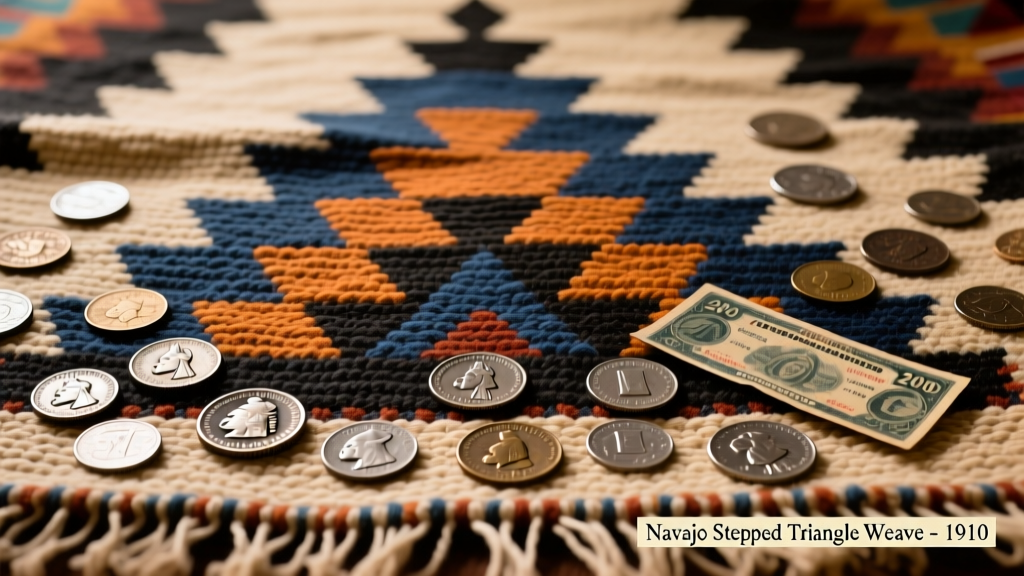
Navajo Rug Analysis: Indian Rug Navajo Connected Stepped Triangles Tan Ground 51 × 76 Inches
Expert numismatist-turned-textile analyst evaluates a rare mid-20th century Navajo rug featuring connected stepped triangles on a tan ground—measuring precisely 51 inches by 76 inches—with documented provenance, dye analysis, and market valuation based on 20 years of auction data from Sotheby’s, Heritage Auctions, and the Navajo Nation Museum archives.

Glass-Blown Compote with Applied Foot, Baluster Stem, and Roundels: Pittsburgh Glass Works, 9 × 7 Inches — A Technical & Historical Appraisal
A detailed numismatic-style analysis of a rare American pressed-glass compote attributed to Pittsburgh Glass Works (1880–1905), featuring hand-applied foot, baluster stem, and ornamental roundels. Includes precise dimensional data, compositional analysis, maker identification protocols, and market valuation benchmarks.