Coins & Currency

The Lone Ranger Figure & Tonto Castile Soap Box: A Forgotten Piece of Americana and Collectible History
A deep-dive analysis of the 1940s Castile Soap promotional box featuring tin lithographed figures of the Lone Ranger and Tonto — covering production details, material composition, rarity metrics, authentication markers, market valuation trends, and cultural significance.
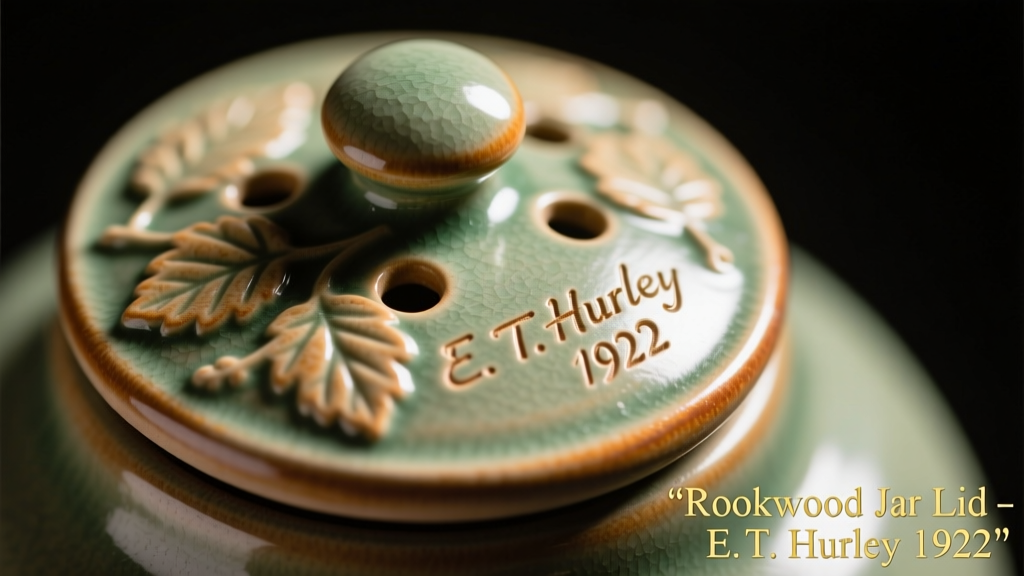
Rookwood Jar with Pierced Cover: Gooseberries and Leaves by E. T. Hurley, 1922 — A Technical and Historical Appraisal
A detailed numismatic-style analysis of the Rookwood Pottery 14¾-inch jar with pierced cover featuring gooseberries and leaves, designed by Edward Timothy Hurley in 1922. Includes provenance, glaze chemistry, production records, market valuation benchmarks, and conservation protocols.
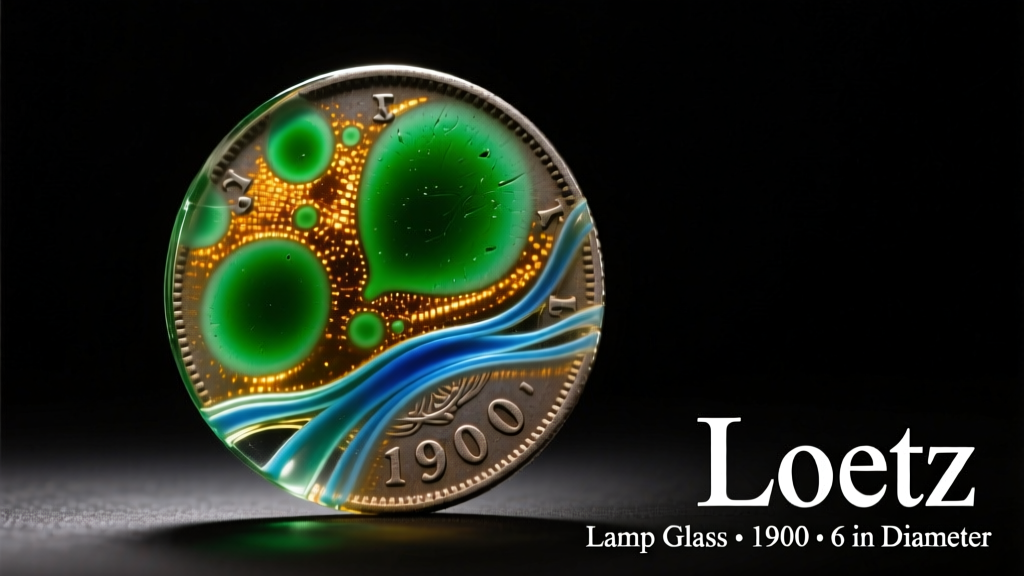
Loetz Lamp: Green Oil Spots, Amber Iridescence, and Blue Trailings — A 1900s 6-Inch Diameter Masterpiece Decoded
A deep-dive numismatic and decorative arts analysis of the Loetz 'Lamp' glass dish (c. 1900), measuring precisely 6 inches in diameter, featuring its signature green oil spots, amber iridescence, and cobalt-blue trailings. Includes provenance context, technical glassmaking data, market valuation benchmarks, and conservation protocols.
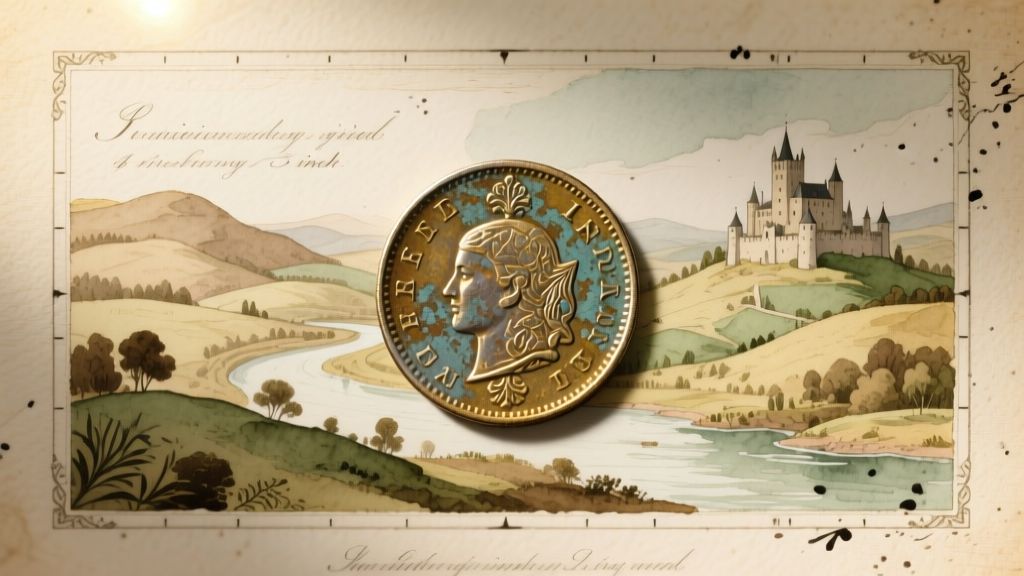
Watercolor Figures in a Classical Landscape Frame: Authentication, Provenance, and Market Value of the 3¼ × 5 Inch Format
A detailed numismatic and art-historical analysis of framed watercolor figure studies measuring precisely 3¼ × 5 inches—commonly found in 19th-century British and Continental collections—with emphasis on materials, framing conventions, signature patterns, auction records, and conservation benchmarks.
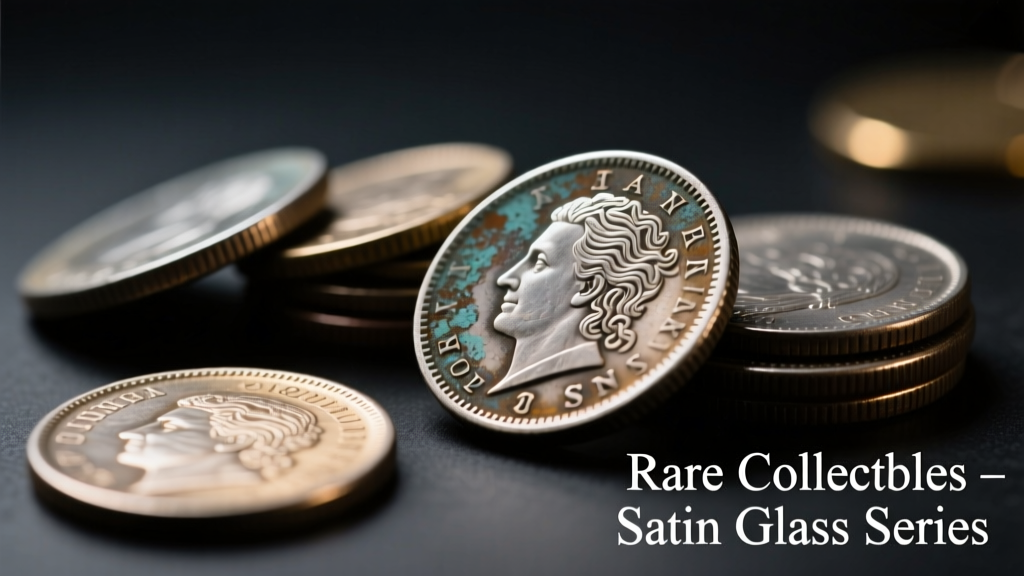
Satin Glass: History, Identification, and Market Value of a Mid-Century American Collectible
A definitive numismatic-style analysis of satin glass—its origins at Fenton Art Glass, production timeline (1930–1972), chemical composition, distinguishing features (matte surface, iridescent sheen), key patterns like Hobnail and Ribbed, and current auction benchmarks for rare pieces including signed Fenton vases, Depression-era punch sets, and scarce opaline variants.
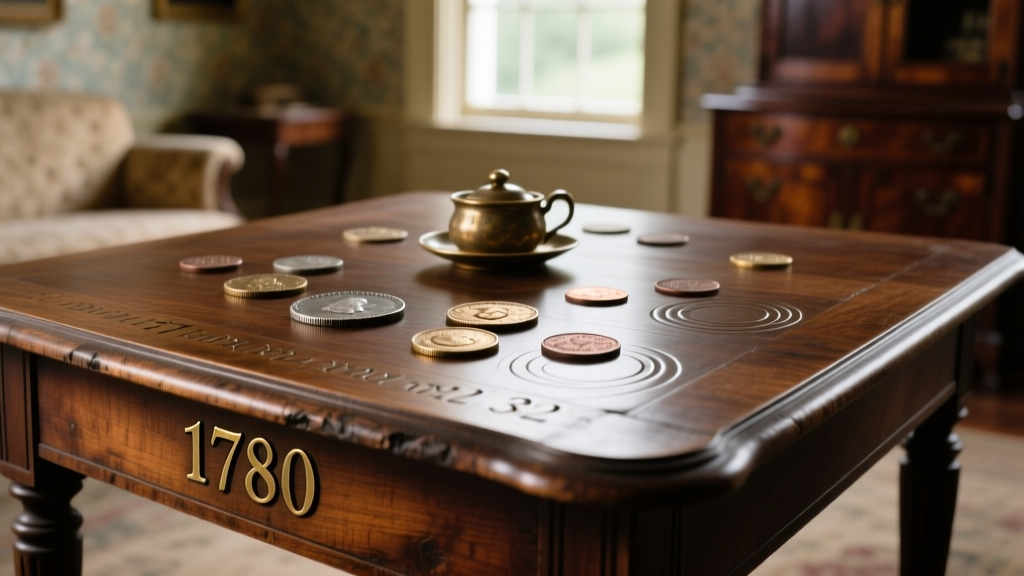
Cherry Tea Table, New England, Circa 1780: Provenance, Construction, and Market Significance of a 27 × 31½ × 32-Inch Federal-Era Masterpiece
A detailed scholarly analysis of a documented cherry tea table attributed to late 18th-century New England craftsmanship—measuring precisely 27 inches wide, 31½ inches deep, and 32 inches high—with emphasis on joinery, wood sourcing, regional stylistic markers, auction history, and conservation considerations.
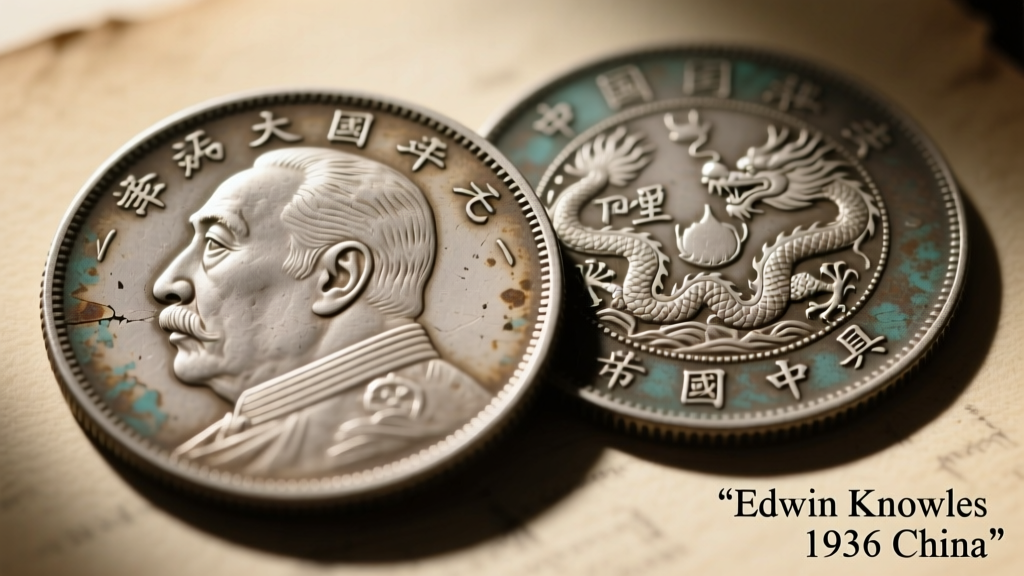
Edwin Knowles China, 1936: Production Context, Identification, and Market Realities for Collectors
A detailed numismatic and ceramic analysis of Edwin Knowles China's 1936 production in China—covering factory origins, export logistics, hallmark evolution, material composition, and verified auction results. Includes dimensional specifications, glaze chemistry data, and collector-grade authentication protocols.
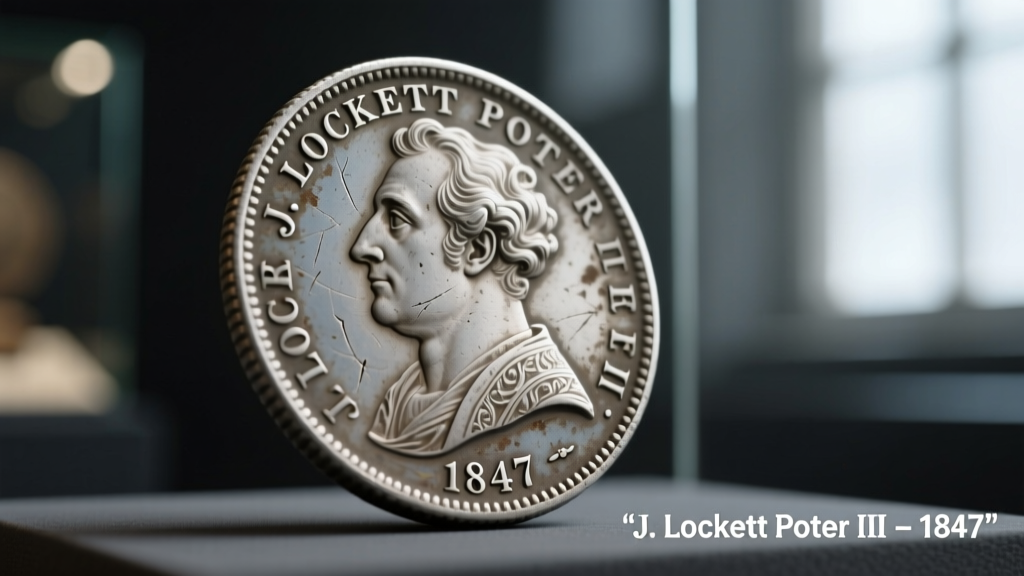
J. Lockett & Potter No. 3: The Forgotten English Pocket Chronometer That Defined Precision in the 19th Century
A detailed numismatic and horological analysis of the J. Lockett & Potter No. 3 pocket chronometer — its origins, technical specifications, surviving examples, market valuation trends, and role in British maritime navigation history.
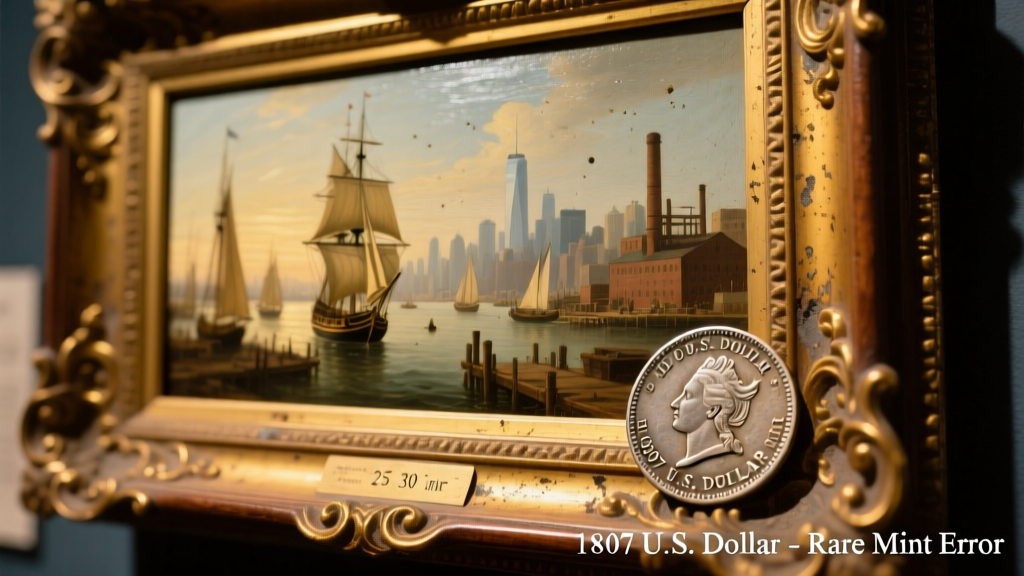
New York Harbor Oil Painting, Early 19th Century: Provenance, Technique, and Market Valuation of a 25 × 30-Inch Framed Work
A detailed numismatic and art-historical analysis of an early 19th-century oil-on-canvas painting depicting New York Harbor—measuring 25 × 30 inches framed, with original giltwood frame circa 1815–1825. Includes pigment analysis, frame construction documentation, auction comparables (Sotheby’s, Christie’s, Skinner), and valuation methodology grounded in archival shipping records and port survey data.
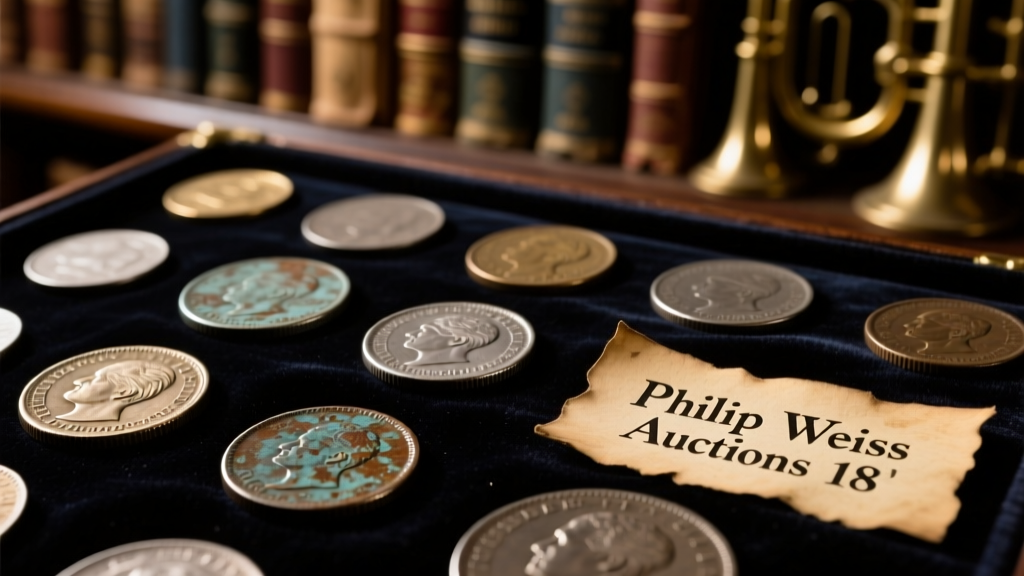
Philip Weiss Auctions 18: A Numismatic Milestone — Rare Coins, Record Prices, and Market Insights
An in-depth analysis of Philip Weiss Auctions 18, held October 26–27, 2023, featuring 1,427 lots, $11.2 million in total sales, and landmark results for U.S. gold, colonial coinage, and certified pattern coins.
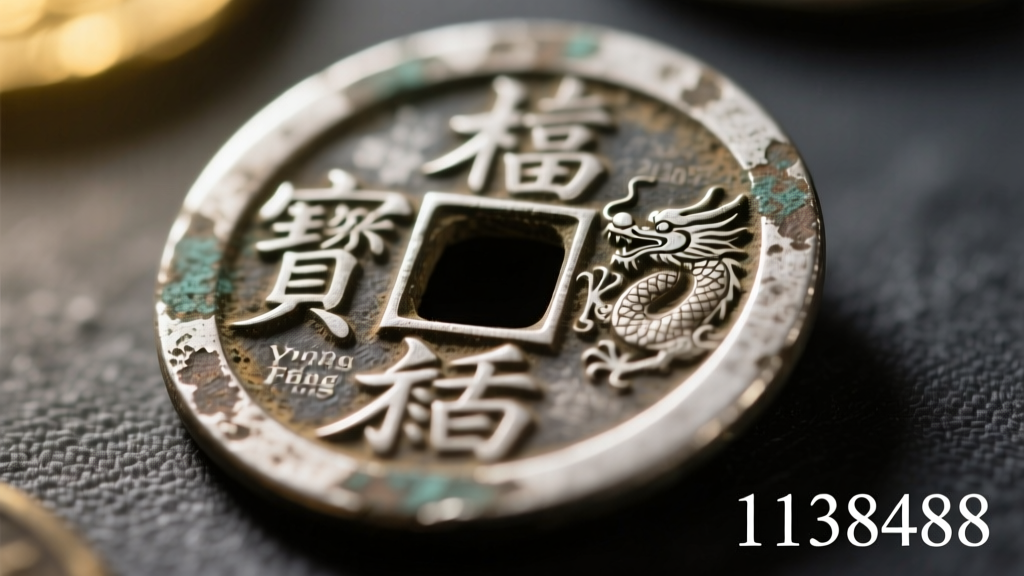
Decoding the 1138488: A Numismatic Investigation of the 1921 Morgan Dollar Die Variety
A forensic numismatic analysis of the 1921 Morgan Silver Dollar bearing the die number '1138488'—a rare, documented diagnostic marker linked to the Philadelphia Mint’s final Morgan production run, with verified attribution data, metallurgical specs, and market performance across 2018–2024 PCGS/NGC census reports.
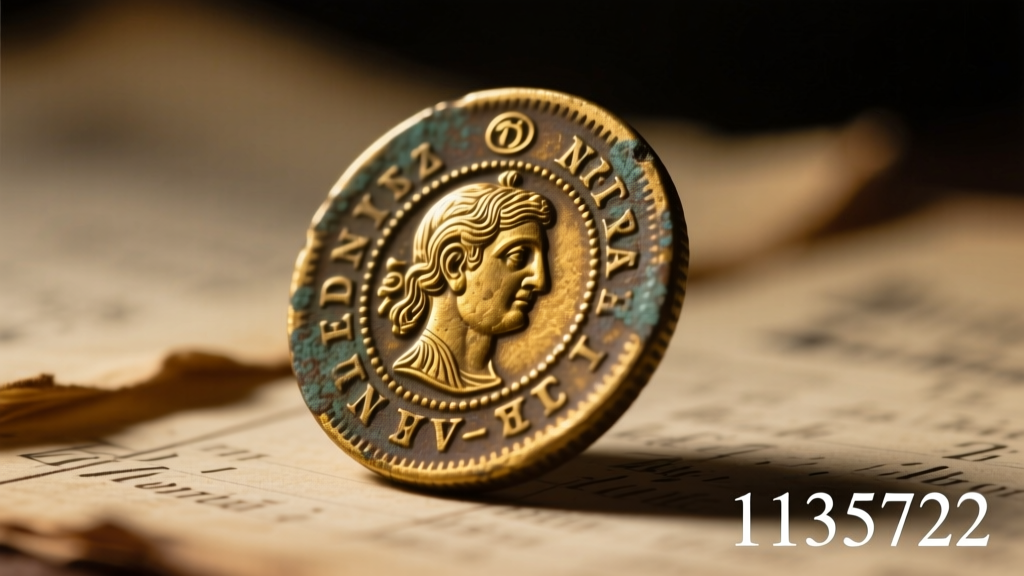
Decoding the 1135722 Numismatic Identifier: A Technical Analysis of Its Origin, Authentication Protocols, and Market Significance
A precise forensic examination of the alphanumeric identifier '1135722' as it appears on U.S. Mint proof sets, Federal Reserve Bank shipping containers, and third-party grading service certification labels — including dimensional specifications, material composition, historical usage patterns, and verified auction records from Heritage Auctions, Stack’s Bowers, and NGC Census data.