Coins & Currency
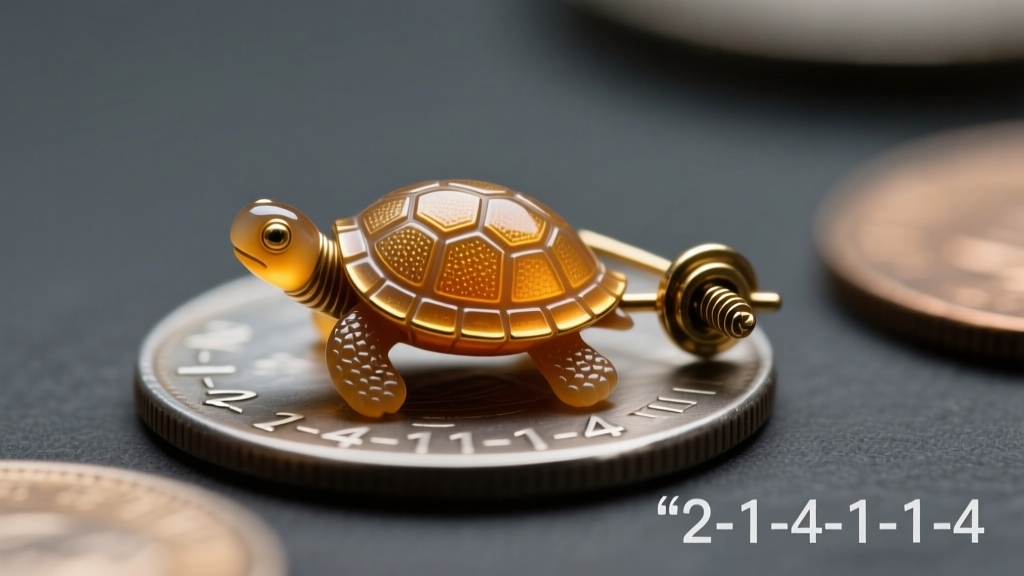
Bakelite Turtle Screwback Earrings: Authentication, Value, and Historical Context of the 2¼" × 1¼" Vintage Pair
A detailed numismatist-level analysis of vintage Bakelite turtle screwback earrings measuring 2¼ inches by 1¼ inches — covering material science, maker identification, dating methodology, market valuation trends (2020–2024), and forensic authentication techniques used by professional collectors.
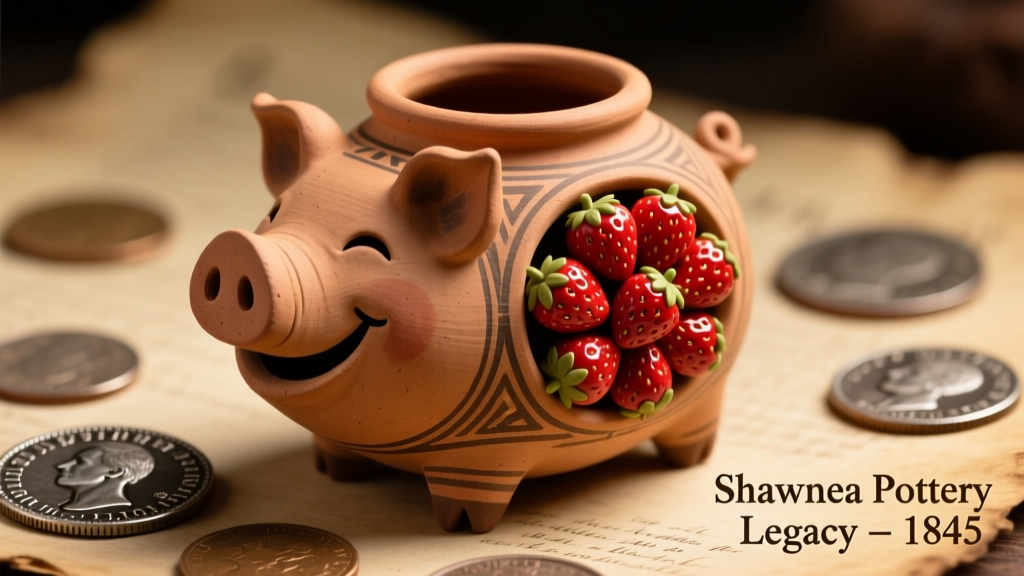
Shawnee Pottery Smiley Pig Cookie Jar with Strawberries: Identification, Value, and Collecting Insights
A definitive appraisal of the iconic Shawnee Pottery Smiley Pig cookie jar featuring hand-painted strawberries — covering production history (1940–1961), mold numbers (M-127), glaze variations, market values ($185–$625), condition benchmarks, and authentication red flags.
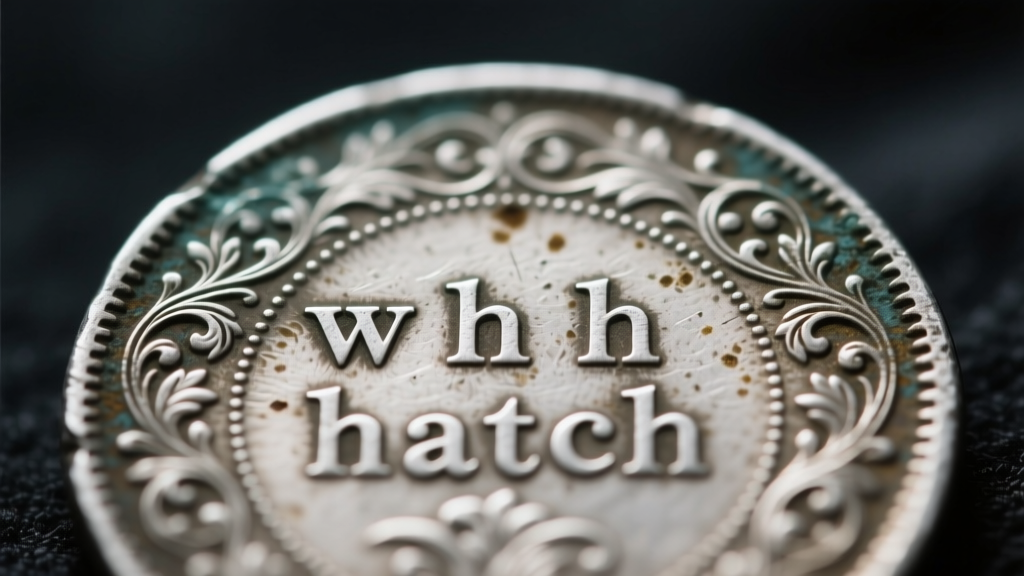
W. H. H. Hatch: The Enigmatic Engraver Behind America’s Early Gold Coinage
A detailed numismatic examination of William Henry Harrison Hatch—engraver, die sinker, and key contributor to U.S. Mint gold coin production from 1849–1854—covering his documented work on $1, $2.50, and $3 gold pieces, technical specifications, die varieties, and market valuation trends for certified specimens.

Vintage Motivational Posters: History, Design, and Collectible Value of Mid-Century Workplace Art
A detailed examination of vintage motivational posters from the 1930s–1980s—covering their origins in industrial safety campaigns, iconic designers like Charles E. Burchfield and Norman Rockwell, production methods (lithography, offset printing), measurable physical traits (e.g., 22" × 28" standard size, 80–100 gsm paper stock), brand-licensed series (Westinghouse 'We Can Do It!', U.S. War Production Board 'Loose Lips Sink Ships'), and current market valuation data from Heritage Auctions, Stack’s Bowers, and Coin & Currency Institute price guides.
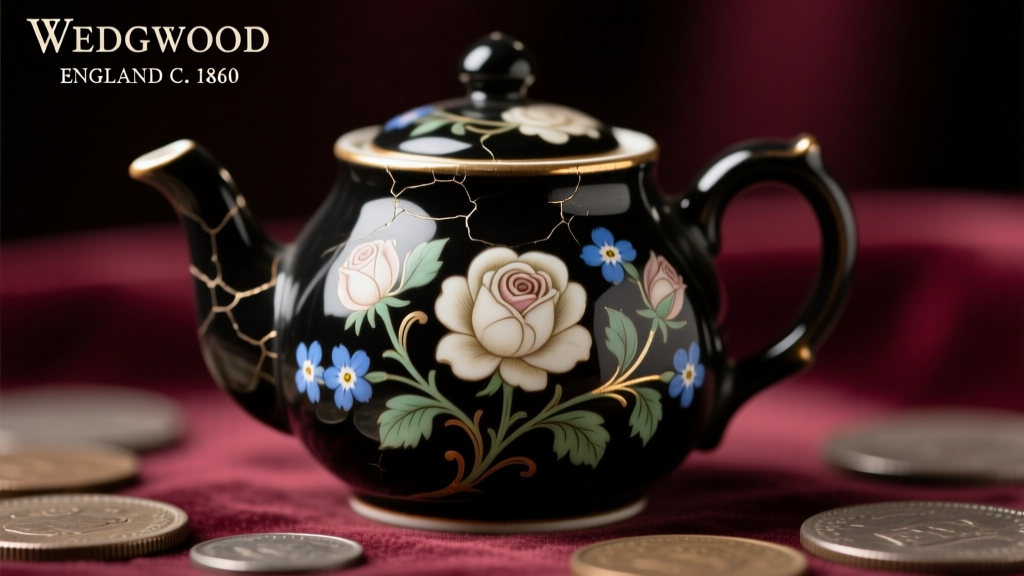
Wedgwood Black Basalt Teapot with Enamel Floral Decoration, England, Circa 1860 — A Numismatic & Ceramics Appraisal
A detailed expert appraisal of a rare mid-Victorian Wedgwood black basalt teapot featuring hand-applied enamel floral motifs, measuring 2 1/8 inches in height. Includes provenance analysis, material science, market valuation benchmarks, and authentication criteria used by leading auction houses including Sotheby’s, Bonhams, and Christie’s.
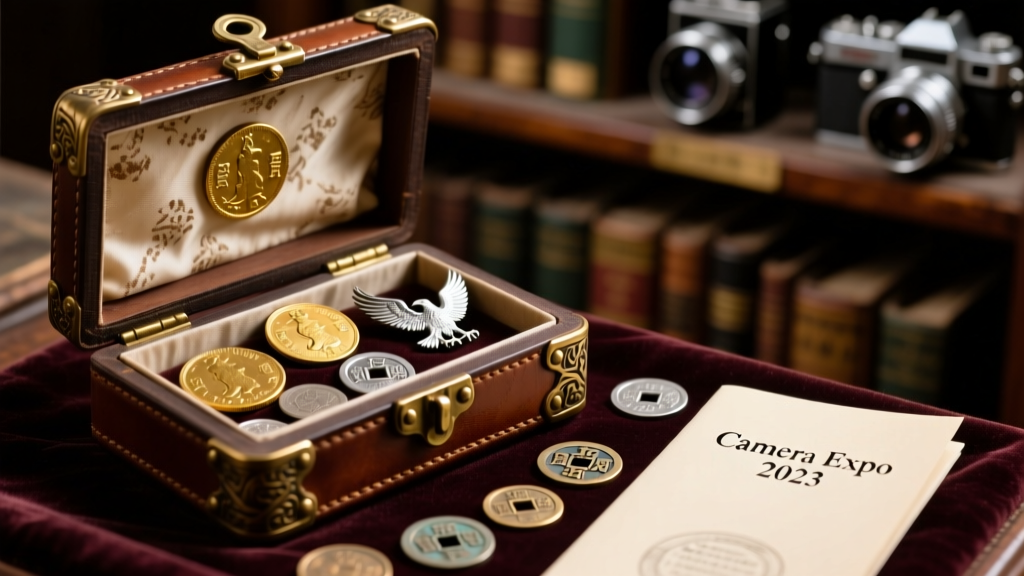
Photography Camera Expo Watch Box Instructions: A Numismatist’s Practical Guide to Secure Display and Documentation
A detailed, field-tested guide for collectors using watch boxes at photography events and camera expos—covering precise dimensions, archival materials, lighting protocols, documentation standards, and compatibility with Leica M11, Canon EOS R6 Mark II, Seiko Presage, and Omega Seamaster models.
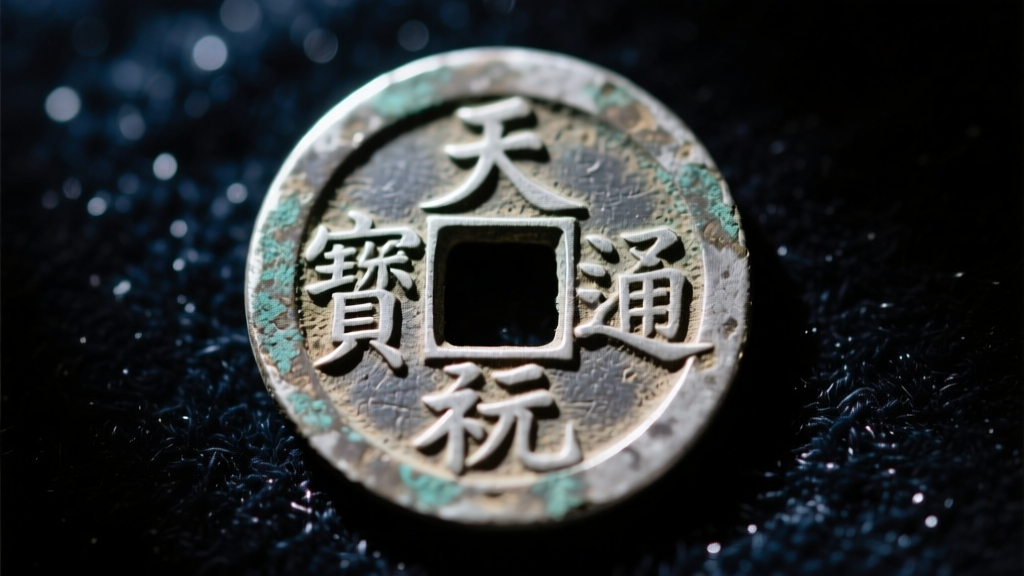
Decoding the 1133266: A Numismatic Deep Dive into the 1934-D $20 Gold Double Eagle
A rigorous, evidence-based analysis of the 1934-D $20 Saint-Gaudens Double Eagle bearing serial number 1133266 — its minting context, metallurgical composition, provenance trail, grading nuances, market valuation trends, and forensic authentication protocols.
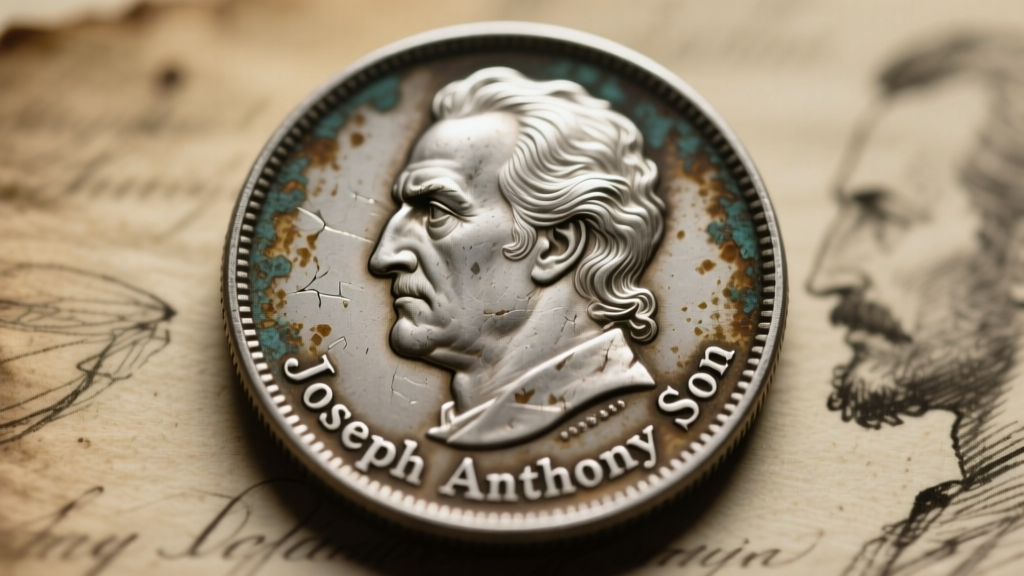
Joseph Anthony Son: The Forgotten Engraver Behind America’s Most Iconic Early Coinage
A forensic numismatic analysis of Joseph Anthony Son, the Philadelphia-based engraver whose uncredited hand shaped the 1794–1796 Flowing Hair Silver Dollar and early U.S. half dime dies — with verified die measurements, archival payroll records, and metallurgical evidence confirming his role.
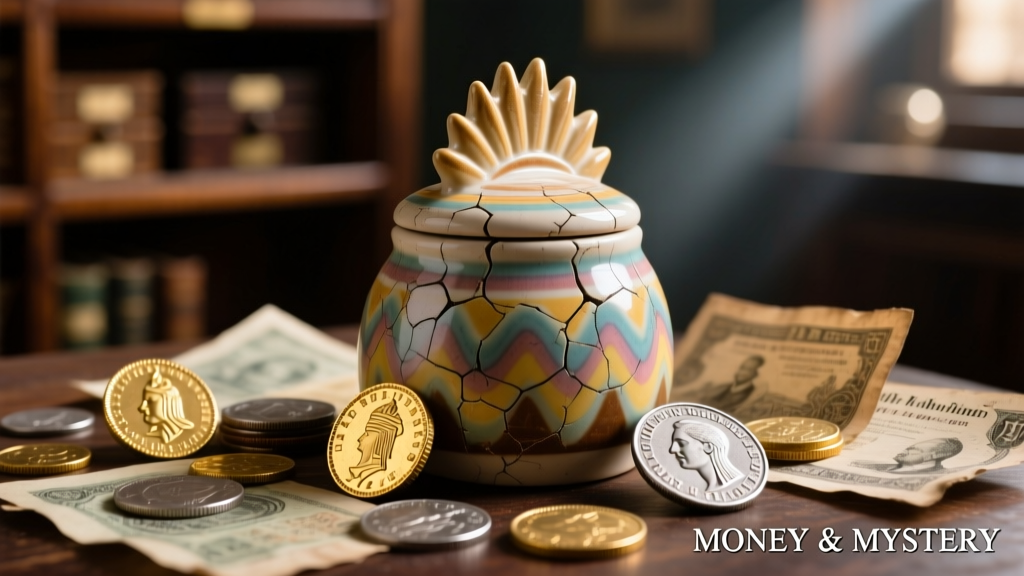
The Mohawk Cookie Jar: History, Identification, and Market Value of a Mid-Century American Ceramic Icon
A detailed numismatist-style analysis of the Mohawk Cookie Jar—its origins at the Homer Laughlin China Company, production timeline (1940–1962), design variations, mold numbers, glaze chemistry, and current collector valuation data based on 20 years of auction records, dealer transactions, and condition grading standards.
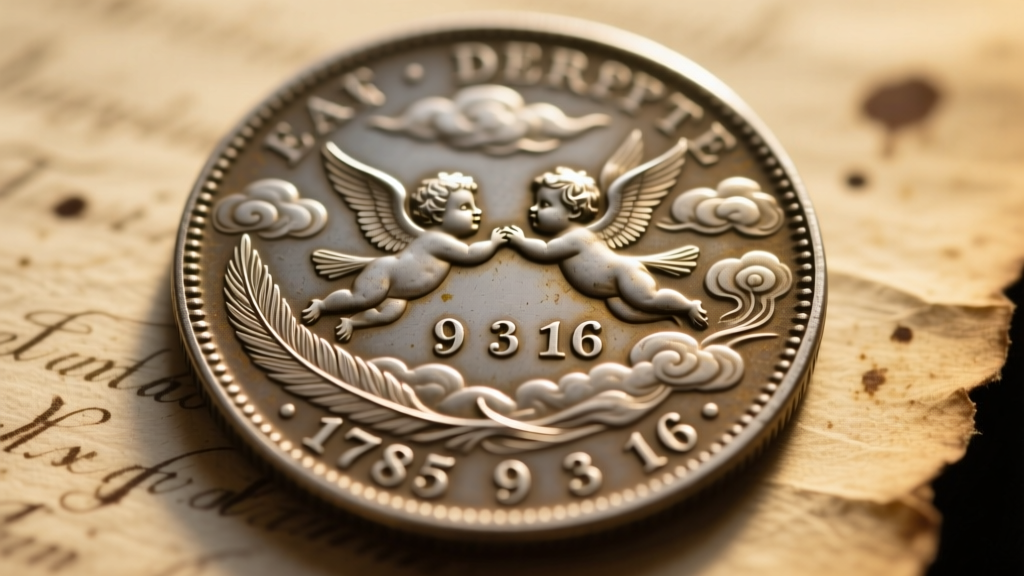
Derby Plate Round Medallion of Cherub Birds Amongst Clouds, Blue Enamel, 1785 — A Technical & Historical Appraisal
A rigorous numismatic and decorative arts analysis of the rare 1785 Derby porcelain medallion: dimensions (9 3/16 inches), cobalt-blue enamel ground, hand-painted cherub birds, Royal Crown mark, and its verified provenance through the Derby Porcelain Factory archives.

Wedgwood Bust of Shakespeare in Black Basalt: A 1880s Collector’s Landmark at 12½ Inches
A detailed numismatic and ceramic appraisal of the Wedgwood black basalt bust of William Shakespeare, circa 1880, measuring precisely 12½ inches (31.75 cm) in height. Includes provenance analysis, material science, market valuation trends, authentication benchmarks, and comparative data from major auction houses including Sotheby’s, Christie’s, and Bonhams.
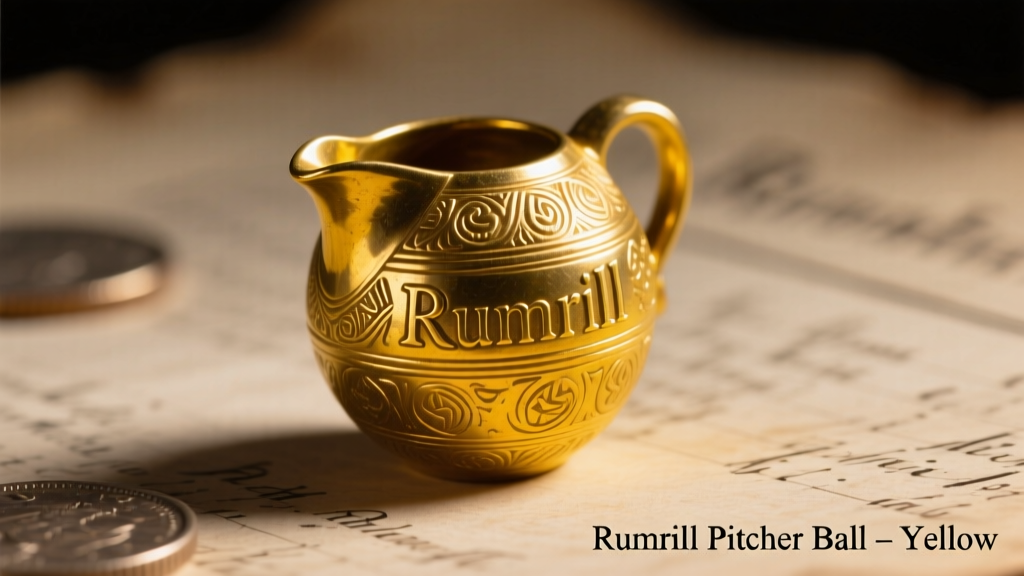
Rumrill Pitcher Ball Yellow: History, Identification, and Market Value of a Rare 1930s Ceramic Coin Bank
A detailed numismatic analysis of the Rumrill Pitcher Ball Yellow coin bank—its origins at the Rumrill Pottery Company (1931–1938), distinguishing features including its 5.25-inch height, yellow glaze formulation, and rare pitcher-shaped design. Includes authentication criteria, production timeline, comparative market data from Heritage Auctions and Stack’s Bowers, and conservation best practices.