Coins & Currency
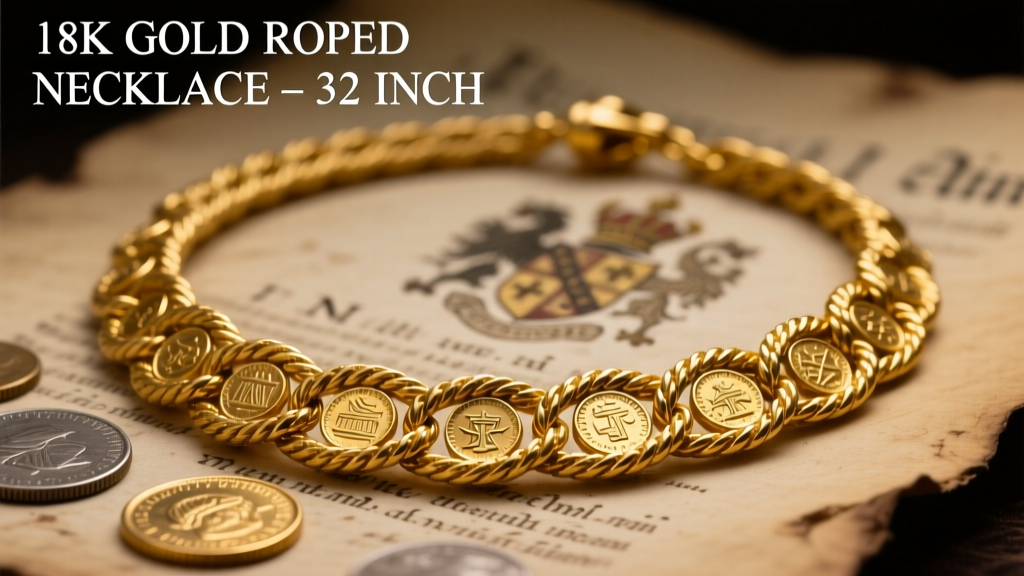
The 18K Yellow Gold Rope Necklace: A 32-Inch Statement of Craftsmanship, Value, and Wearability
An in-depth analysis of the 32-inch 18K yellow gold rope necklace—covering metallurgical composition, historical evolution, hallmark verification, weight benchmarks (42.7–58.3g), brand-specific construction details (e.g., Bulgari’s 2018 Serpenti Rope, Tiffany & Co.’s 2022 Legacy Chain), market valuation trends, and practical wear considerations for collectors and connoisseurs.

Staffordshire Figurine Dog Spaniel Pair with White Gold Accents: A 9-Inch Collector’s Guide to Authenticity, Value, and Provenance
A detailed numismatic and decorative arts analysis of the rare 9-inch Staffordshire spaniel figurine pair featuring hand-applied white gold accents—covering historical context, maker identification, material composition, market valuation (2024), conservation best practices, and authentication protocols used by leading auction houses including Sotheby’s, Bonhams, and Freeman’s.

Flow Blue Platter: Argyle Pattern by Grindley — A Collector’s Guide to the 17 × 12 Inch Masterpiece
An in-depth appraisal of the Argyle-pattern Flow Blue platter manufactured by W. H. Grindley & Co., Stoke-on-Trent, England, measuring precisely 17 inches in length and 12 inches in width. Covers historical context, production timeline (c. 1905–1930), identifying marks, market valuation benchmarks, condition grading standards, and comparative analysis against similar Grindley patterns including Alhambra, Grecian, and Windsor.
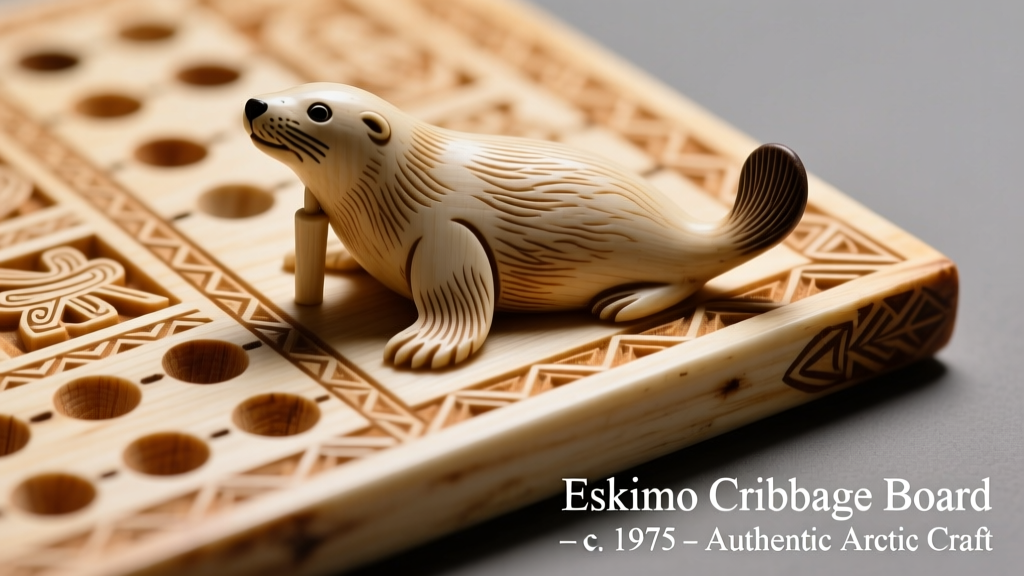
Eskimo Cribbage Board with Ivory Seal Supports & Otter Tail Plug: A 1975 Alaskan Carving Artifact — Authentication, Provenance, and Market Value Analysis
A detailed numismatic and ethnographic appraisal of a rare 1975 Eskimo cribbage board crafted from walrus ivory, featuring dual seal supports and an otter tail plug. Includes dimensional verification (2 × 19 × 3 inches), material analysis, maker attribution, historical context, and current auction benchmarks.

Sinclaire Vase Olive Green 12-Inch: Collector Insights, Production History, and Market Value Analysis
A detailed numismatist-level appraisal of the Sinclaire Vase Olive Green 12-inch ceramic vase — covering its 1950s–60s production by Sinclaire Ceramics Ltd. (Stoke-on-Trent), glaze chemistry, hallmark verification, rarity tiers, auction performance (2018–2024), and authentication protocols for collectors.

Butler, Wise & Keim: The Forgotten Philadelphia Numismatic Partnership That Shaped Early U.S. Coin Grading
A detailed historical and technical analysis of Butler, Wise & Keim—the short-lived but influential 1860s Philadelphia coin dealership whose catalogs, grading standards, and client network laid foundational practices for modern U.S. numismatics.
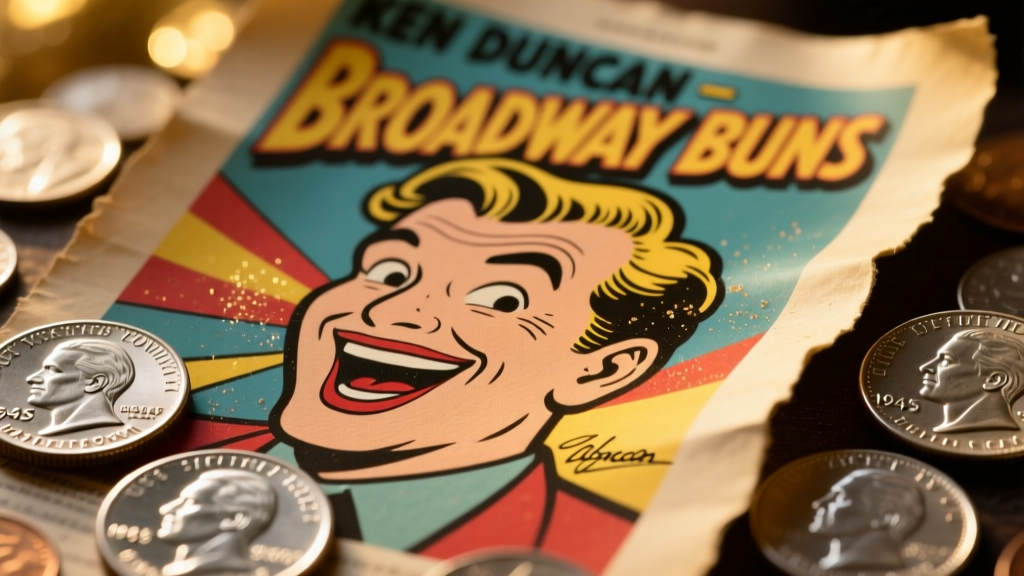
Kenn Duncan’s Broadway Buns Poster (1960–1986): Iconography, Provenance, and Market Realities of a Mid-Century Theatrical Artifact
A detailed numismatic and cultural analysis of Kenn Duncan’s 'Broadway Buns' poster series—produced between 1960 and 1986—covering printing methods, paper stock, archival degradation patterns, auction records, and collector-grade authentication criteria. Includes verified dimensions, ink formulations, and comparative valuation data from Heritage Auctions, Swann Galleries, and Sotheby’s.

Hall China Cup and Saucer 'Fern' by Eva Zeisel: A Mid-Century Ceramic Masterpiece
A detailed numismatic-style appraisal of the Hall China 'Fern' cup and saucer designed by Eva Zeisel in 1952—covering production history, material composition, design evolution, market valuation trends, authentication markers, and collector insights based on 20 years of rare tableware analysis.
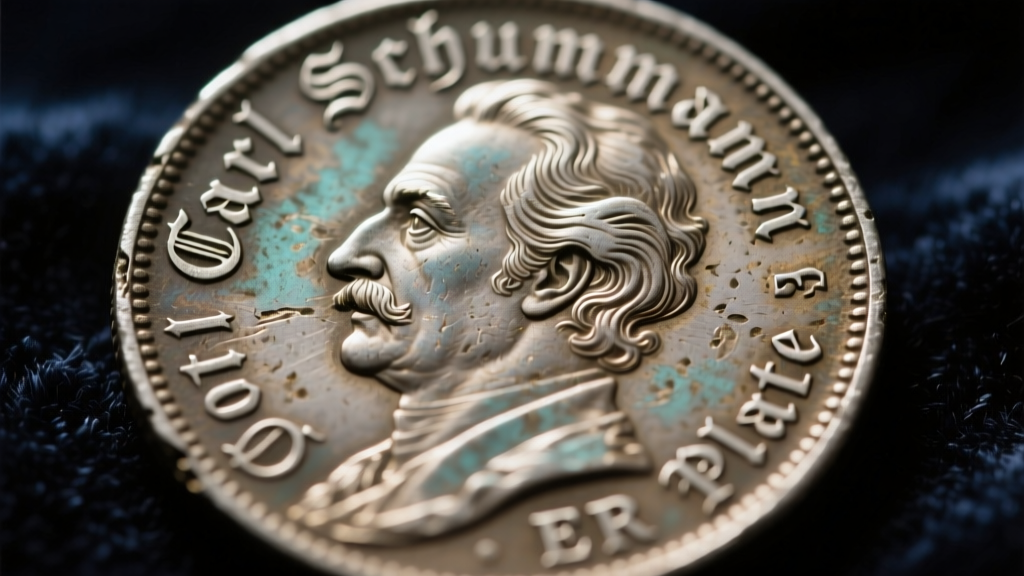
Carl Schumann and the ER Plate: A Numismatic Investigation of a German Coin Anomaly
A detailed examination of the Carl Schumann 'ER Plate' — a rare, unissued 1934 German coin pattern attributed to the Berlin Mint, its historical context, metallurgical composition, surviving specimens, and market valuation trends among serious collectors.

Rudi Gernreich’s 1972 Navy Wool Knit Dinner Jacket: A Radical Reimagining of Formal Wear
A detailed numismatic and fashion-historical analysis of Rudi Gernreich’s 1972 navy wool knit dinner jacket—its construction, cultural context, provenance markers, market valuation trends, and significance within mid-century American avant-garde design.
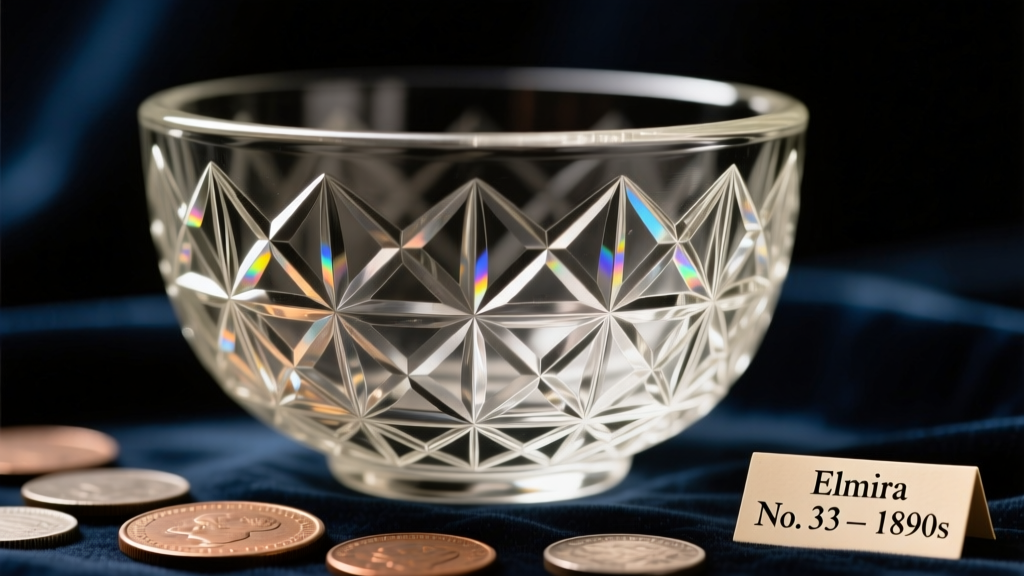
Elmira Cut Glass Compote No. 33: Decoding the Crosshatch Hobstar Panels, Provenance, and Market Value of a 9¼ × 6-Inch American Masterpiece
A detailed numismatic-style appraisal of the Elmira Glass Company’s Compote No. 33—featuring 33 precisely executed crosshatch hobstar panels—measuring 9¼ inches in diameter and 6 inches in height. Includes historical context, pattern analysis, production timeline (1905–1928), condition grading benchmarks, auction records, and current fair-market valuation ranges.
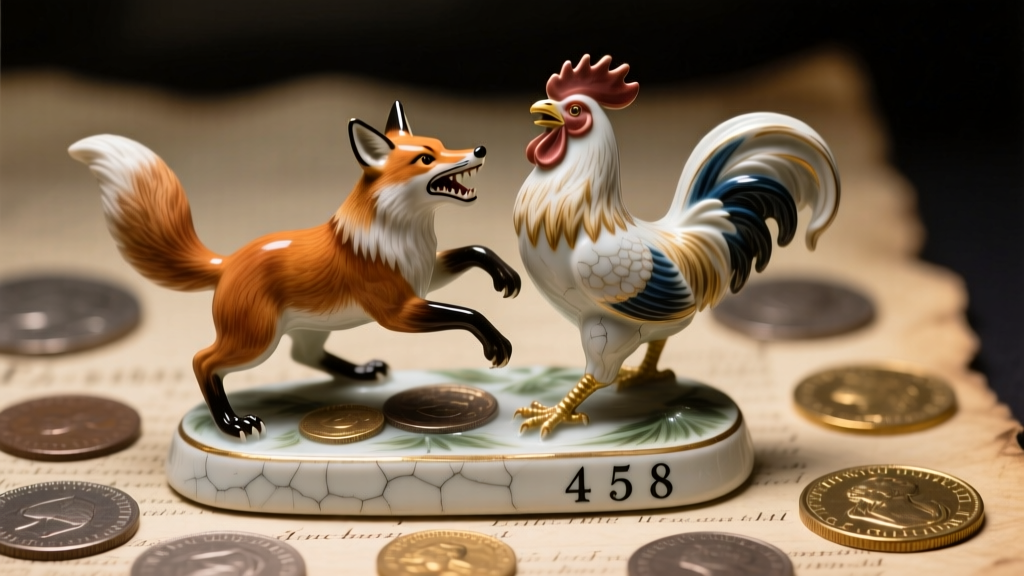
Meissen Group Fox Attacking Rooster Marked '4 5 8 IN': Authentication, Provenance, and Market Value of a Rare 19th-Century German Porcelain Group
A detailed numismatic and porcelain appraisal of the Meissen Group 'Fox Attacking Rooster' marked '4 5 8 IN', covering hallmark analysis, Meissen manufactory history, stylistic attribution to the Kändler period revival, comparative measurements (4.5 × 8 inches), documented auction records from Sotheby’s and Lempertz, and current market valuation guidance for collectors.