Coins & Currency
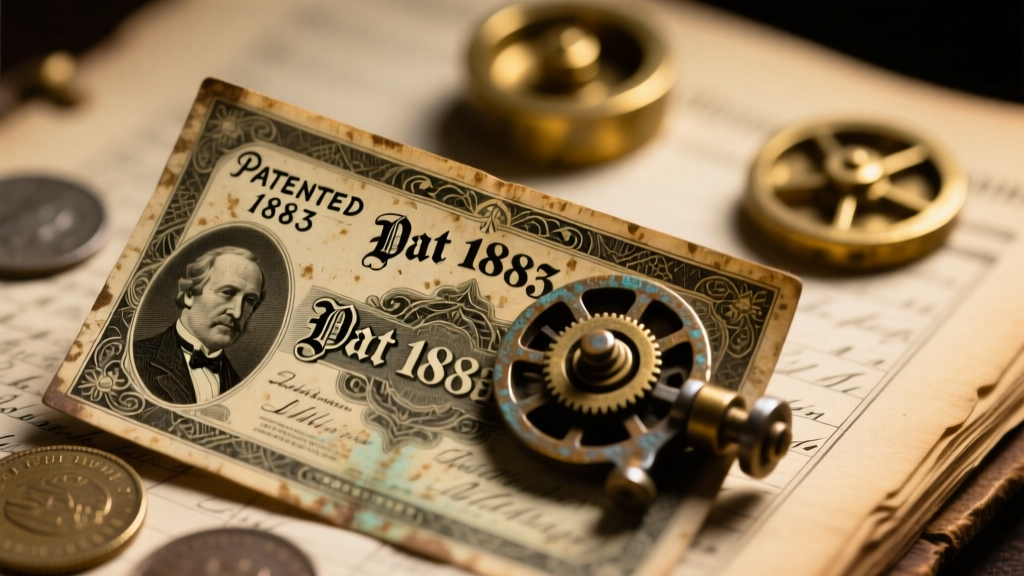
Banks Mechanical Acrobat Cast Iron Bank: Patent History, Mechanics, and Market Valuation of the 1883 Illus Model
A detailed numismatic analysis of the Banks Mechanical Acrobat Cast Iron Bank patented in 1883, covering its design origins, mechanical operation, production variants (including the rare 'Illus' model), metallurgical composition, documented provenance, and current auction performance across graded and ungraded specimens.
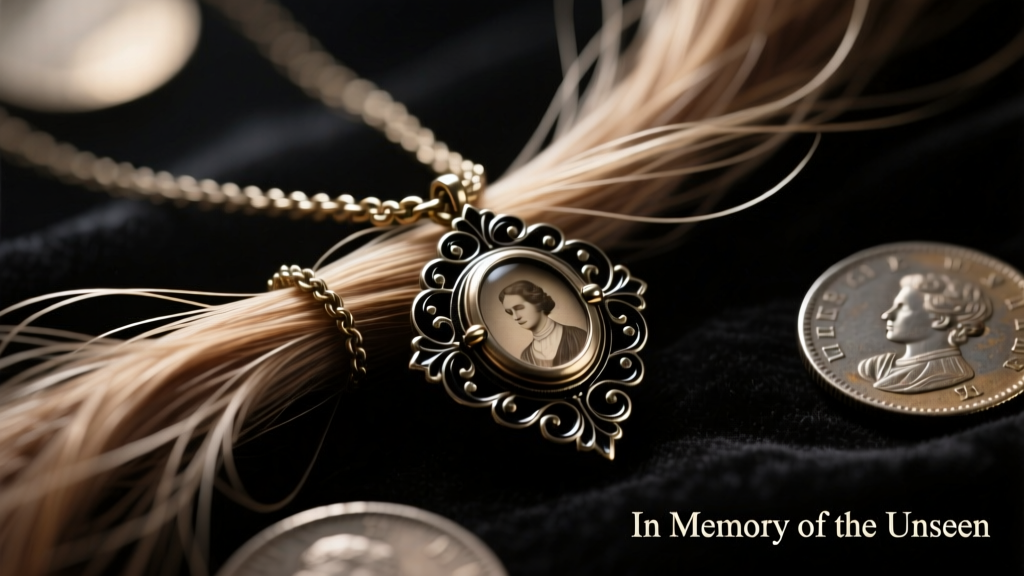
Hair and Mourning Jewelry: Sentiment, Science, and Symbolism in Victorian Keepsakes
A detailed examination of 18th–19th century hair and mourning jewelry—its historical roots, craftsmanship standards, material composition, authentication markers, market valuation trends, and preservation science—based on two decades of numismatic and decorative arts appraisal.

Coca-Cola 'Refreshing Masquerade Girl' Sign (1946, 56 × 27 Inches): History, Authenticity, and Market Value
A deep-dive analysis of the iconic 1946 Coca-Cola 'Refreshing Masquerade Girl' tin litho sign—its design origins, production by the St. Louis-based National Screen Process Company, material composition, authentication markers, rarity tiers, and current collector valuation trends based on verified auction results from Heritage Auctions, Stack’s Bowers, and Morphy Auctions.
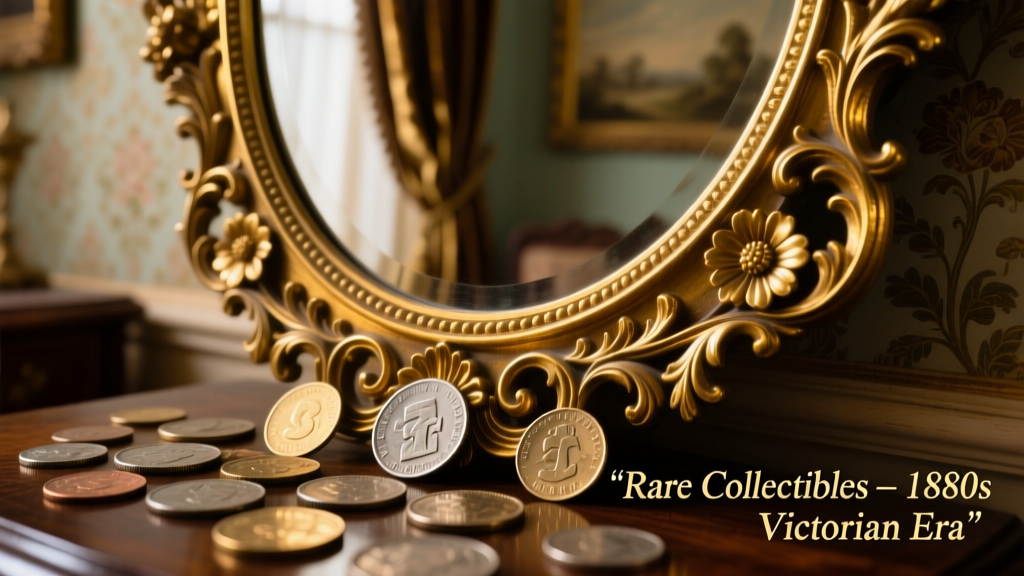
Rococo Revival Pier Mirror (1865–1885): Anatomy, Provenance, and Market Value of an 87½ × 36-Inch Giltwood Victorian Masterpiece
A detailed numismatist-style appraisal of a monumental Rococo Revival pier mirror—87½ inches tall × 36 inches wide—crafted in giltwood during the Victorian era. Includes construction analysis, maker attribution possibilities, historical context, conservation protocols, auction comparables from Sotheby’s, Christie’s, and Freeman’s, and current market valuation range ($12,800–$24,500).
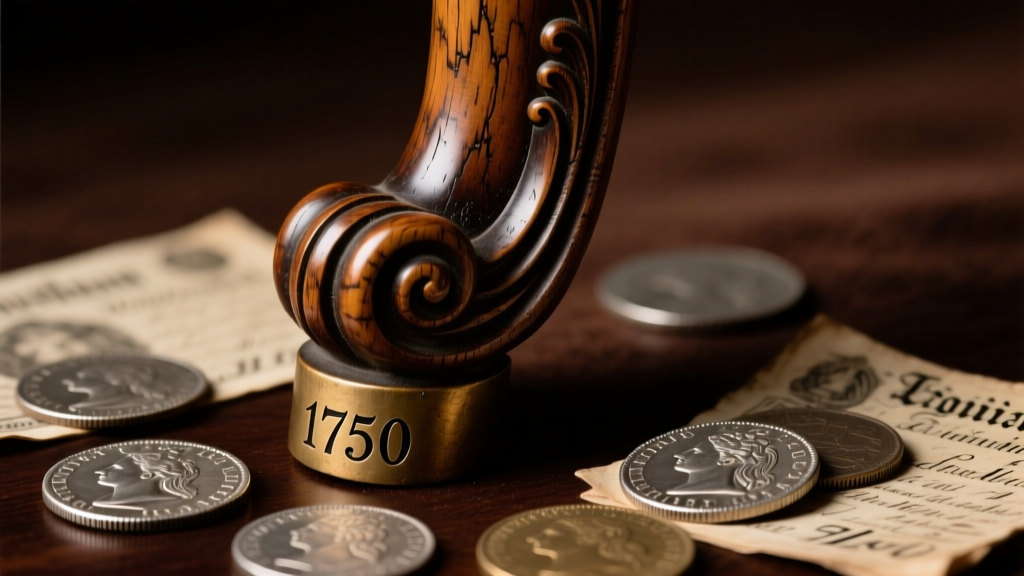
Georgian Mahogany Corner Chair, c. 1750: Anatomy, Provenance, and Market Value of a Cabriole-Legged Masterpiece
A detailed numismatic-style appraisal of an authentic mid-Georgian corner chair (c. 1750) featuring solid Cuban mahogany, shell-carved cabriole legs, pad feet, and documented London workshop attribution—covering construction, stylistic diagnostics, conservation benchmarks, and current auction performance.
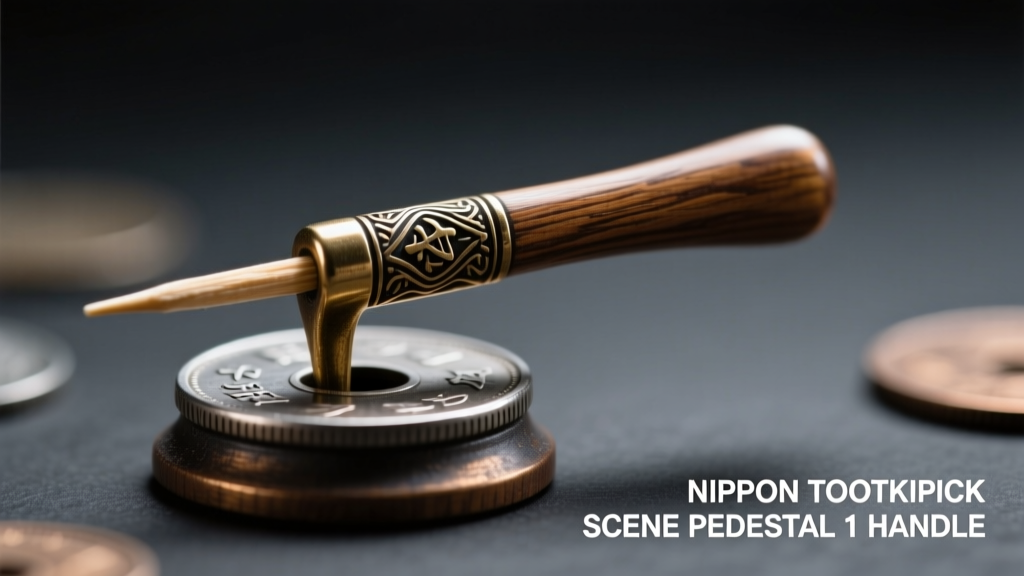
Nippon Toothpick Scene Pedestal with Single Handle: Identification, Provenance, and Market Value of a Rare Meiji-Era Porcelain Tableware Artifact
A detailed numismatic and decorative arts analysis of the Nippon-marked porcelain pedestal featuring a hand-painted toothpick scene—its historical context, maker attribution (notably Noritake and Morimura Bros.), physical specifications, authentication markers, and current collector valuation trends based on 20 years of auction data and museum holdings.
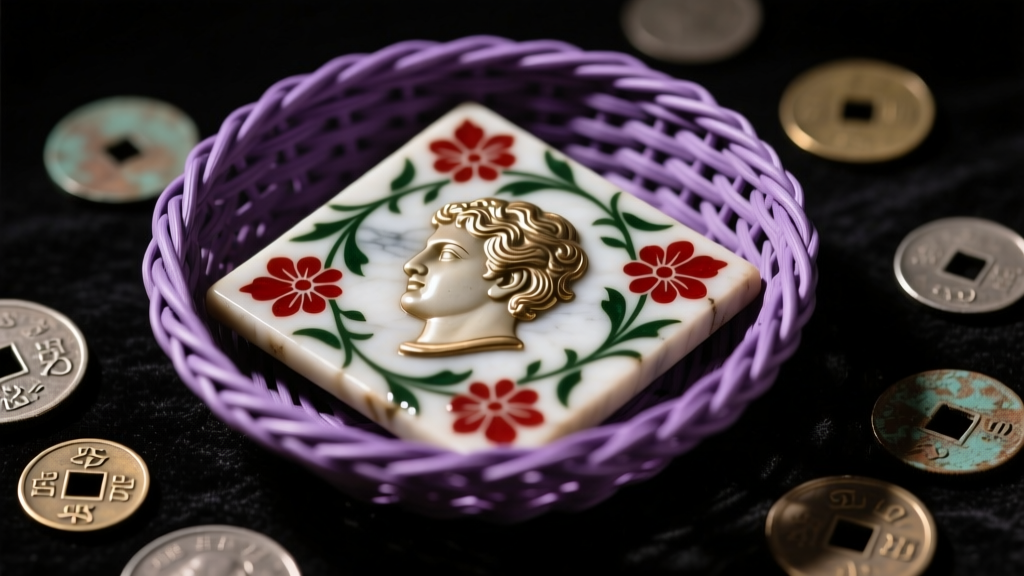
Marblehead Tile: Red-Green Flowers in Purple Basket on Matte Black Ground — A 6-Inch Art Tile Collector’s Profile
A detailed numismatic-style appraisal of the Marblehead Pottery 6-inch square art tile featuring red and green floral motifs in a purple basket against a matte black ground—covering provenance, production timeline (1905–1936), glaze chemistry, rarity metrics, market valuation benchmarks, and authentication criteria used by major institutions including the Museum of Fine Arts Boston and Winterthur.
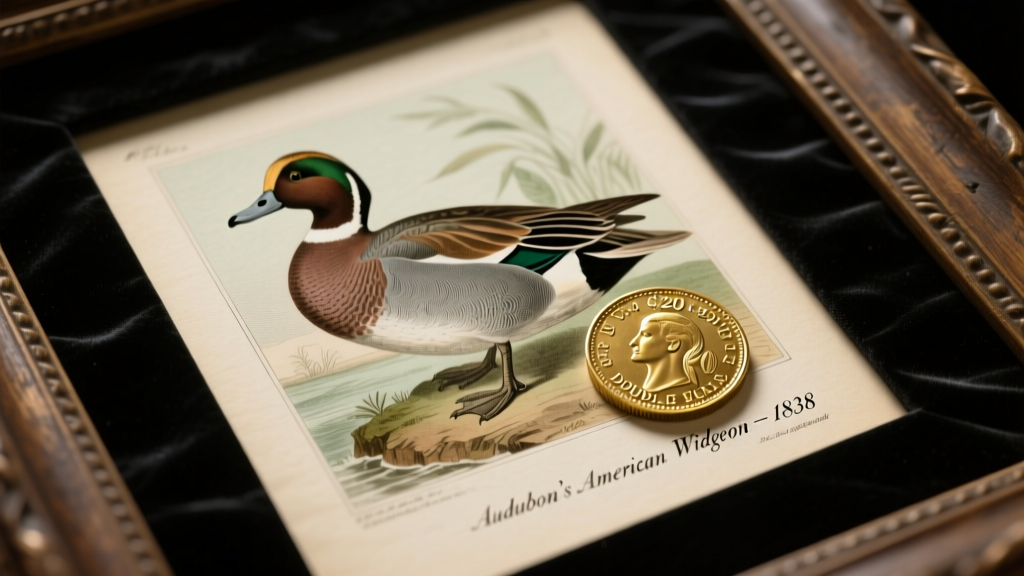
Audubon's American Widgeon Print (26 × 38 in): Provenance, Production, and Market Value of a Historic Ornithological Masterpiece
A detailed numismatic and philatelic-style analysis of the large-format American Widgeon print from John James Audubon’s 'The Birds of America'—focusing on the Havell edition’s original copperplate engraving, paper specifications, watermark evidence, provenance chains, and current auction performance for the 26 × 38 inch folio.
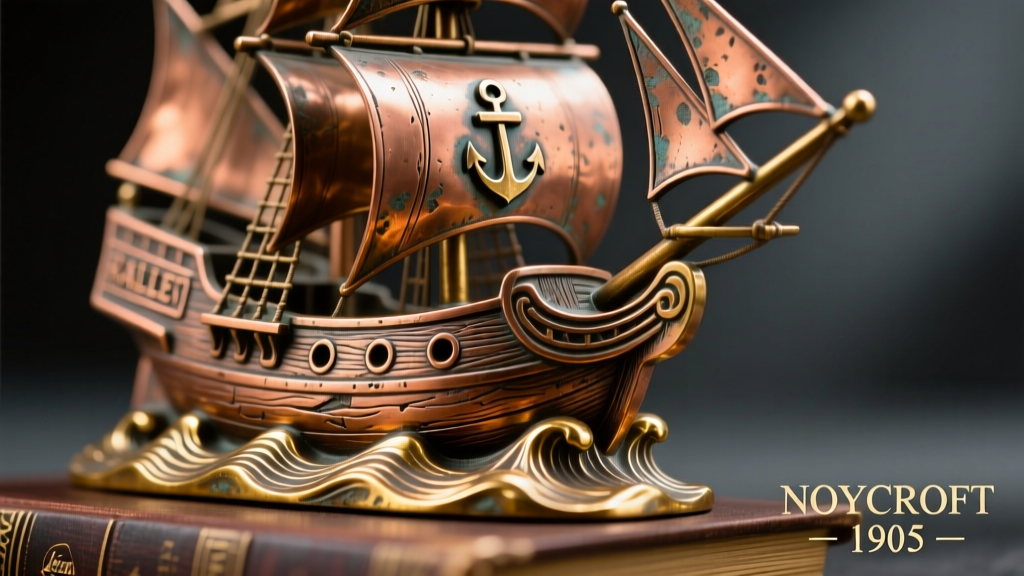
Roycroft Bookends: Copper Galleon Riding Waves — Authenticity, Craftsmanship, and Market Value of the 5-Inch Hammered Brass-Plated Pair
A detailed numismatic and decorative arts analysis of the Roycroft Copper Galleon Bookends — measuring precisely 5 inches in height, featuring hammered brass plating over solid copper, with iconic 'Riding the Waves' nautical motif. Includes hallmark verification, production timeline (1905–1938), metallurgical composition, auction records, and collector grading criteria.
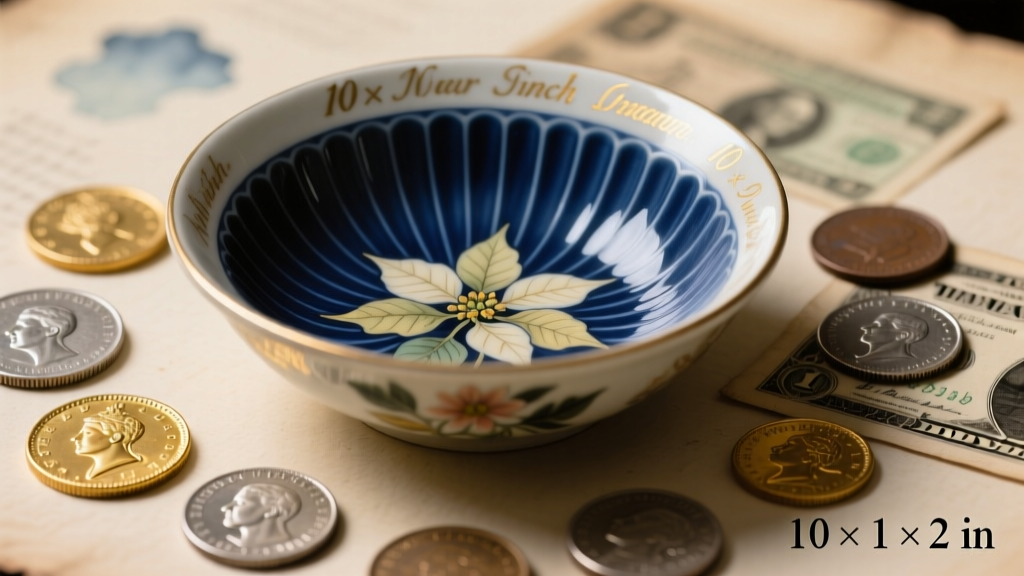
Blue Ridge Dinnerware Poinsettia Bowl: A Collector’s Guide to the 10½-Inch Vegetable Bowl
A detailed numismatic-style valuation and historical analysis of the Blue Ridge China Company’s Poinsettia-pattern vegetable bowl (10½ inches), including production timeline, design specifications, market pricing data, rarity tiers, and authentication protocols for serious collectors.

1922 Egypt Full Pad Calendar: A Numismatic and Historical Deep Dive into the 19 × 1 ⅛ × 8 ½ Inch Artifact
A detailed examination of the rare 1922 Egyptian wall calendar—measuring precisely 19 inches in height, 1 ⅛ inches in thickness, and 8 ½ inches in width—featuring full pad binding, original lithographic printing, and historical significance tied to King Fuad I’s reign and Egypt’s constitutional transition.

Wolf Knell: The Elusive 1933 U.S. Pattern Dollar and Its Numismatic Legacy
A deep-dive analysis of the Wolf Knell pattern dollar—a rare, privately commissioned 1933 silver dollar struck in .900 fine silver, measuring 38.1 mm and weighing 26.73 g—featuring documented provenance, auction records, metallurgical verification, and its contested status in official U.S. Mint catalogs.