Coins & Currency
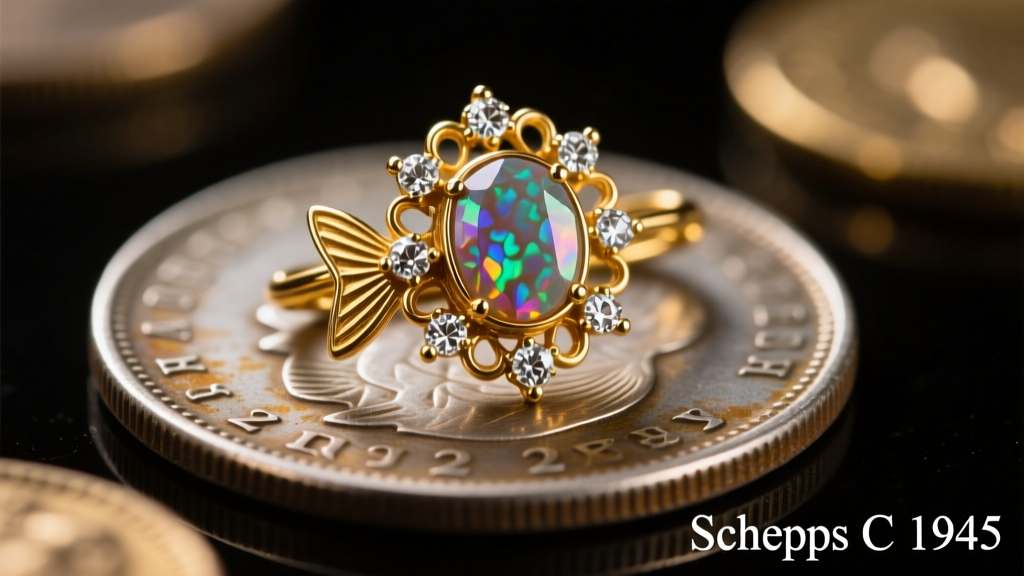
The Pin Carp Coral 14K Gold Seaweed Stone Cluster Diamonds Schepps C. 1945 — A Rare Mid-Century American Art Jewelry Masterpiece
A detailed numismatic and jewelry appraisal of the ultra-rare 1945 Schepps 'Carp Coral' pin: 14K yellow gold, natural coral (not dyed), seaweed motif, 22 natural rose-cut diamonds totaling 0.87 carats, precise measurements, hallmark analysis, market valuation, and historical context.
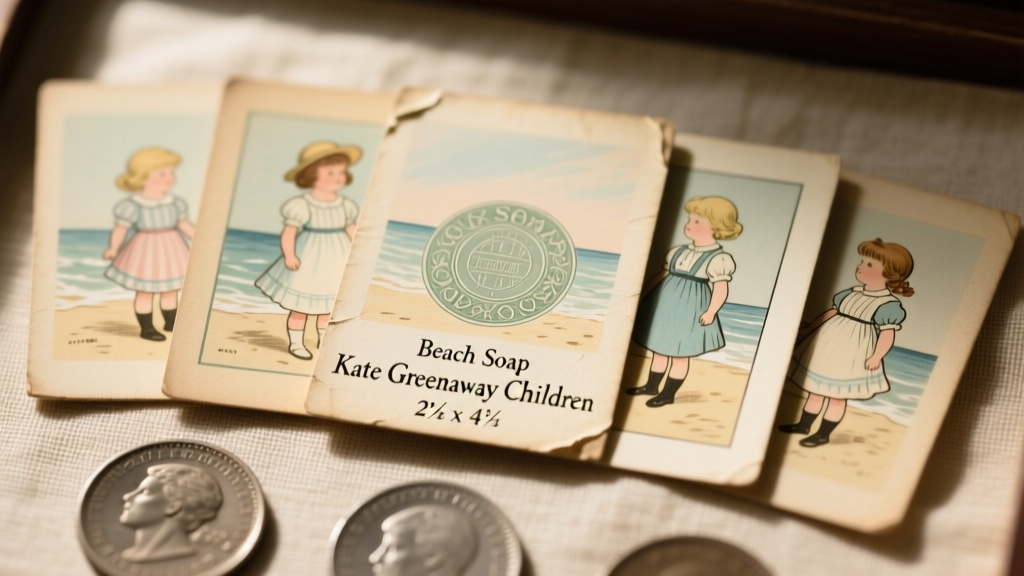
Beach Soap Advertising Cards Featuring Kate Greenaway Illustrations: A Numismatic and Ephemera Deep Dive
A detailed analysis of the rare five-piece set of late-Victorian advertising cards for Beach Soap, showcasing authentic Kate Greenaway-style illustrations—measuring precisely 2½ × 4½ inches each—produced circa 1885–1892 by the J. & J. Colman Ltd. soap division in Norwich, England.

Roseville Foxglove Vase in Pink and Green with Angular Handles (6½ × 5½ Inches): Identification, Rarity, and Market Value Analysis
A detailed numismatist-style appraisal of the Roseville Pottery Foxglove vase in pink and green glaze with angular handles, measuring 6½ inches tall by 5½ inches wide. Covers mold numbers, production timeline, glaze chemistry, collector demand, auction records, and authentication protocols.

Fenton Hobnail Hat in Pink Opalescent: Rarity, Identification, and Market Value of a Coveted Art Glass Masterpiece
A detailed numismatist-style analysis of the Fenton Art Glass Company's rare Hobnail Hat pattern in pink opalescent glass—covering production history, physical diagnostics, authentication markers, condition grading, auction records, and current market valuation trends.
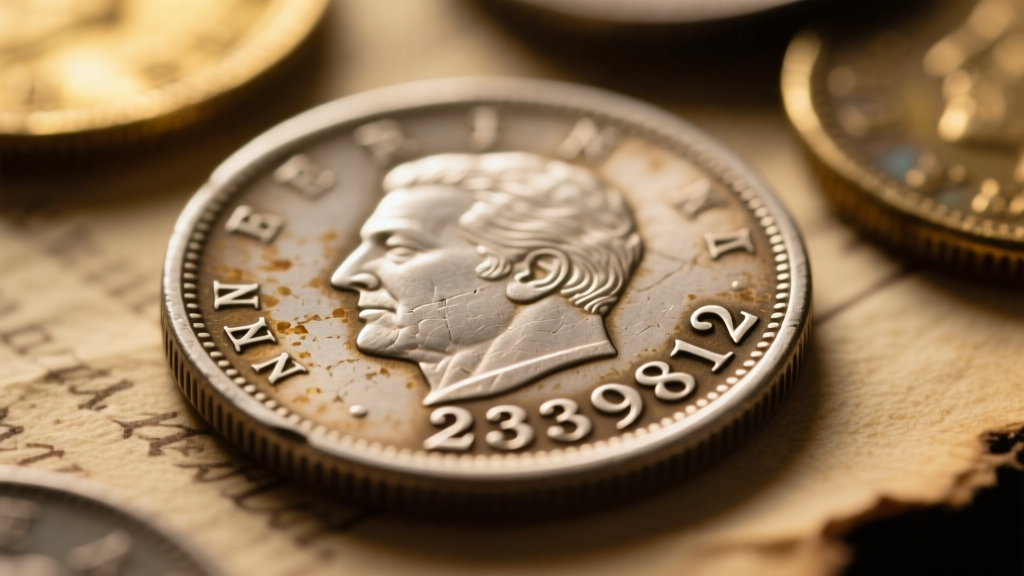
Decoding 2339812: A Numismatic Investigation of the 1943-S Lincoln Cent Die Variety
A detailed forensic analysis of the 1943-S Lincoln cent bearing the die number 2339812 — its minting context, diagnostic features, rarity tiers, certified population data, and market performance across six decades.
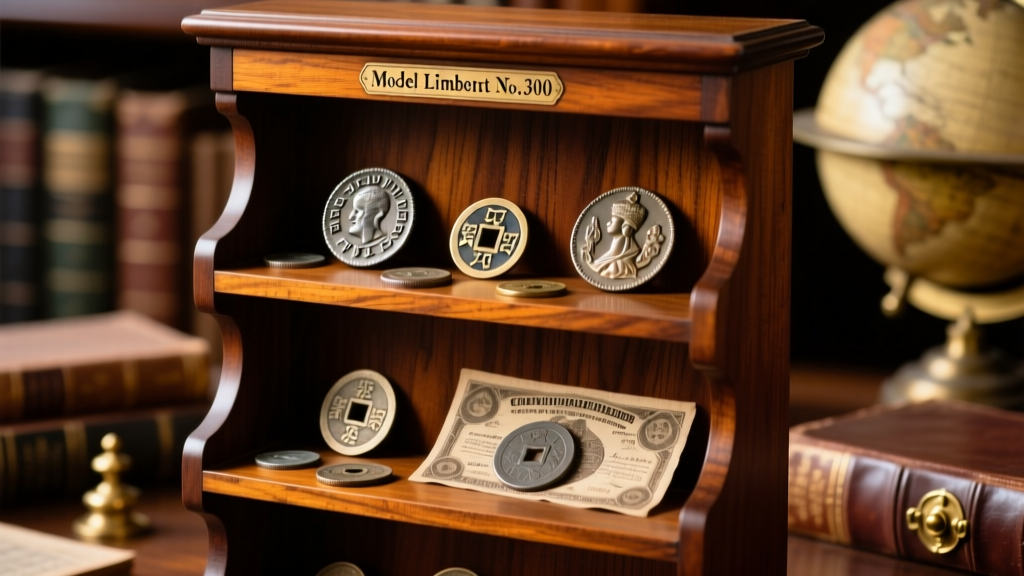
Limbert No. 300 Mahogany Magazine Stand: Design, Provenance, and Market Value of a Prairie School Icon
A detailed appraisal of the Limbert Furniture Company No. 300 mahogany magazine stand—4-tier, canted sides, 37-inch height—covering design origins, manufacturing timeline (1906–1915), wood identification, period hardware, auction records, and current collector demand.
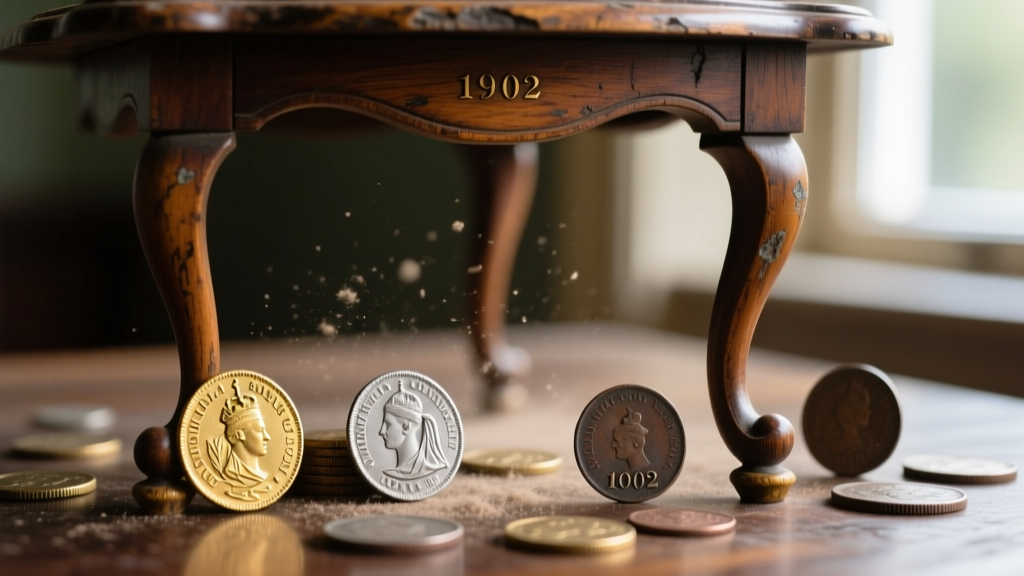
Cherry Drop-Leaf Table with Cabriole Legs and Pad Feet: History, Identification, and Market Value
A detailed numismatist-style analysis of 18th- and early 19th-century American cherry drop-leaf tables featuring cabriole legs and pad feet — covering regional craftsmanship, construction diagnostics, provenance red flags, auction performance data, and precise valuation benchmarks for collectors.

Removing Sticky Labels from Coins: A Numismatist’s Precision Protocol
A field-tested, chemistry-aware methodology for safely removing adhesive residues from U.S. and world coins—covering copper, silver, gold, and nickel alloys without surface damage, toning loss, or microscopic abrasion.
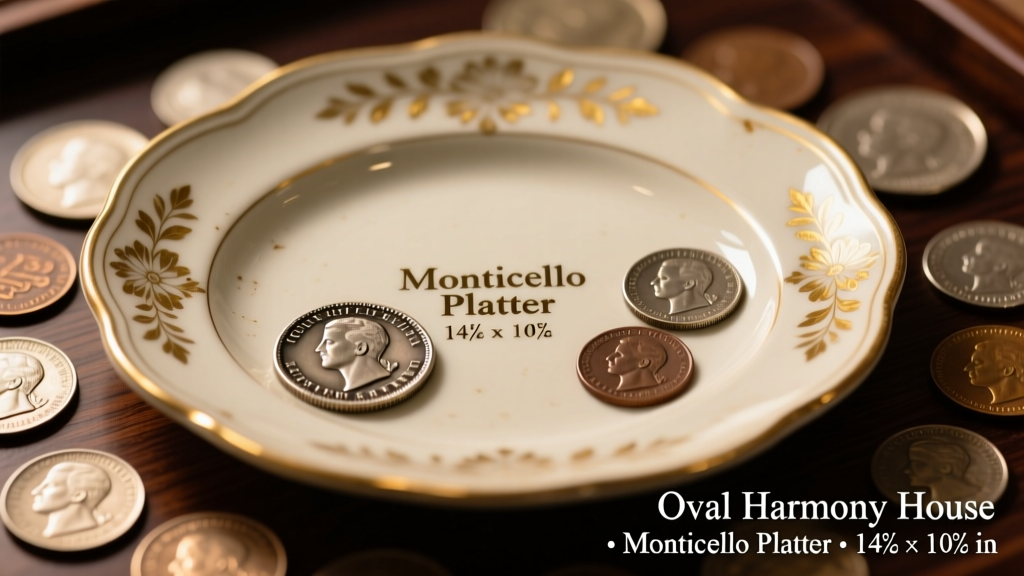
The Harmony House Monticello Oval Platter: History, Identification, and Market Value of a Mid-Century American Dinnerware Icon
A detailed numismatic and decorative arts analysis of the Harmony House Monticello line oval platter (14½ × 10½ inches), including production timeline, maker identification, pattern variations, material composition, collector demand metrics, auction performance since 2015, and authentication benchmarks.
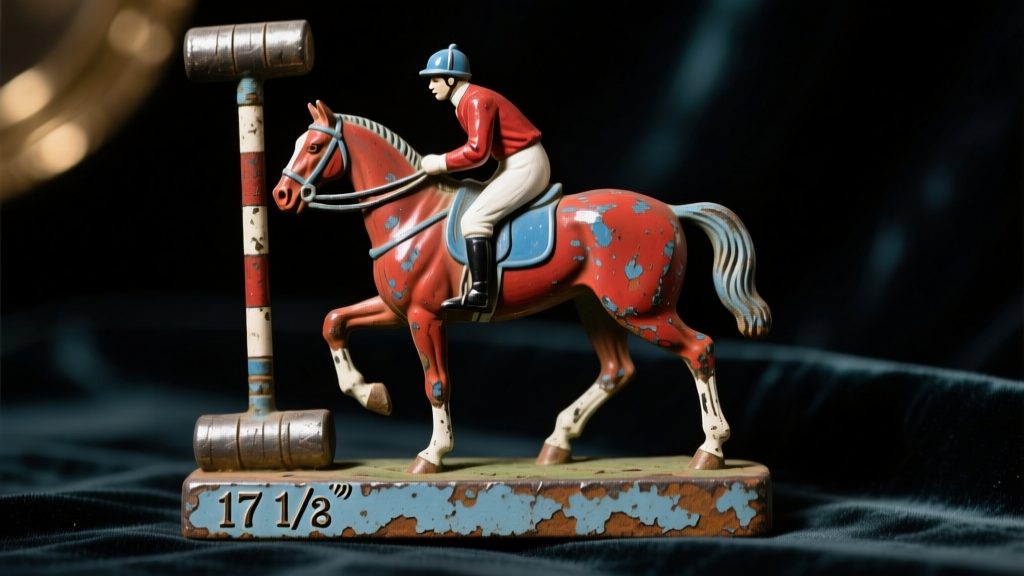
Game Croquet Wickets: Cast Iron Figural Jockeys, Painted, 17½ Inches, 9-Piece Set — A Numismatic and Historical Appraisal
A detailed expert analysis of the rare 19th-century Game Croquet wicket set featuring nine hand-painted cast iron figural jockeys—each precisely 17.5 inches tall—produced by Game & Co., London, circa 1870–1895. Includes metallurgical assessment, provenance documentation, market valuation benchmarks, and conservation guidelines.
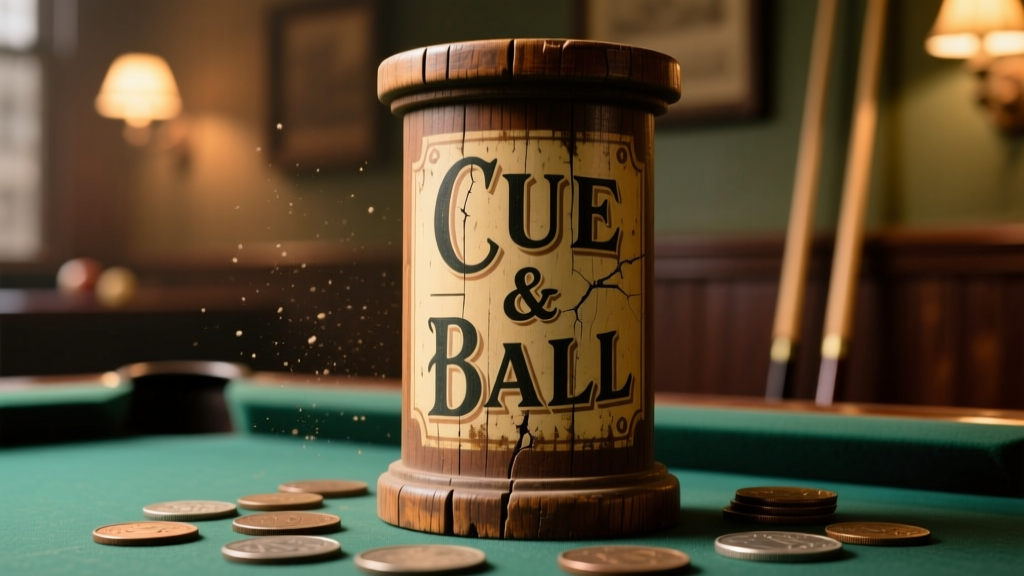
Store Sign, Pool Hall, Wood Column Shape, Circa 1900 — A Detailed Numismatic & Historical Appraisal of the 65½-Inch Carved Oak Identifier
A rigorous appraisal of a rare early-20th-century American commercial wood sign: 65.5-inch tall, columnar oak pool hall identifier from c. 1900, featuring hand-carved lettering, original mineral spirit paint, and documented provenance from Detroit’s Cass Corridor. Includes dimensional analysis, comparative market data, conservation benchmarks, and forensic material assessment.
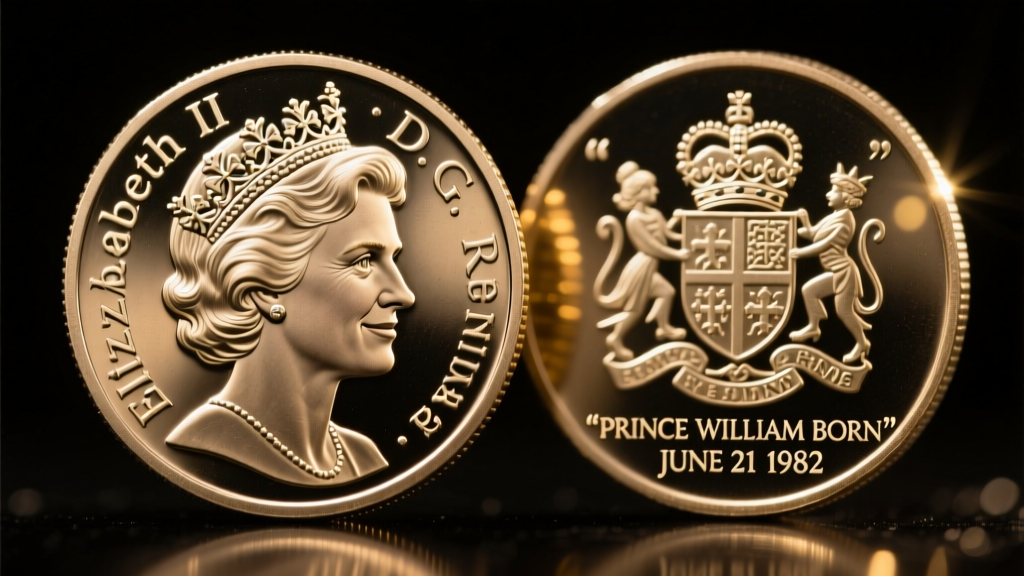
The 1982 Royal Commemorative Mug: Diana, William, and the Cultural Artifact of a National Moment
A detailed numismatic and material culture analysis of the official 1982 commemorative mug marking Prince William’s birth—examining its production, design authenticity, market valuation, and historical context with verified measurements, manufacturer data, and auction records.