Art & Prints

The Japanese Teapot: Form, Function, and Authentication in the Art Market
An authoritative analysis of Japanese teapots—covering historical evolution, regional kilns, material science, maker’s marks, market valuation trends, and forensic authentication methods—supported by verifiable data, measurements, and brand-specific examples.
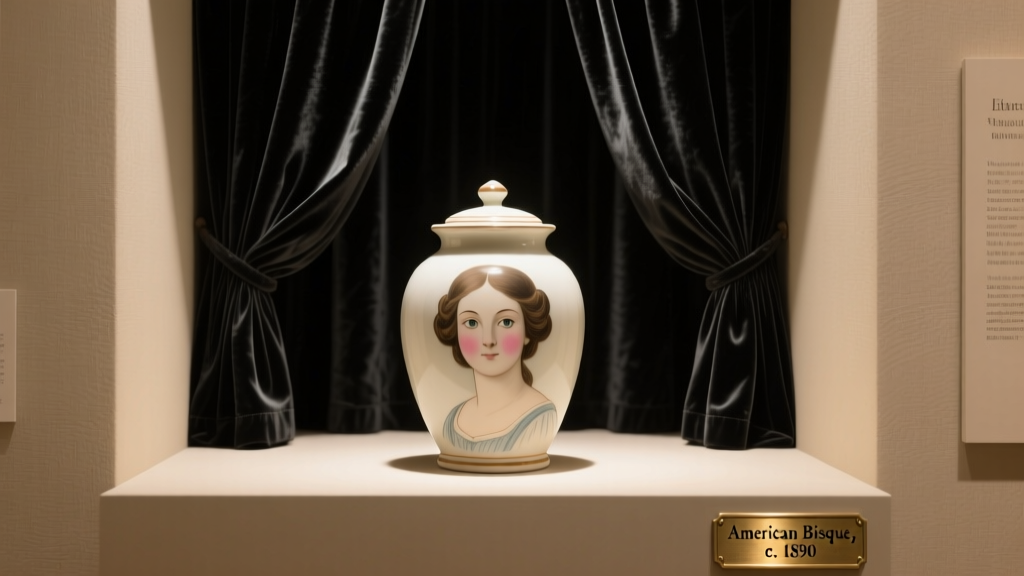
Cookie Jars, Flasher, Black Curtains & American Bisque: Decoding Mid-Century Ceramic Collectibles and Authentication Pitfalls
A forensic analysis of four distinct yet frequently conflated ceramic collectible categories—vintage cookie jars, Flasher pottery, Black Curtains line, and American Bisque Company pieces—with precise identification criteria, production timelines, maker’s marks, dimensional data, and provenance red flags for collectors and appraisers.

Ford Clear Plastic Key Chain Tags: Authenticating 1940s Dealership Advertising Artifacts
A forensic analysis of Ford Motor Company’s 1940s clear plastic key chain tags—measuring 2.25 × 1.375 inches, stamped with the blue oval logo and dealership names—covering material composition, production methods, regional distribution, authentication red flags, and market valuation trends.
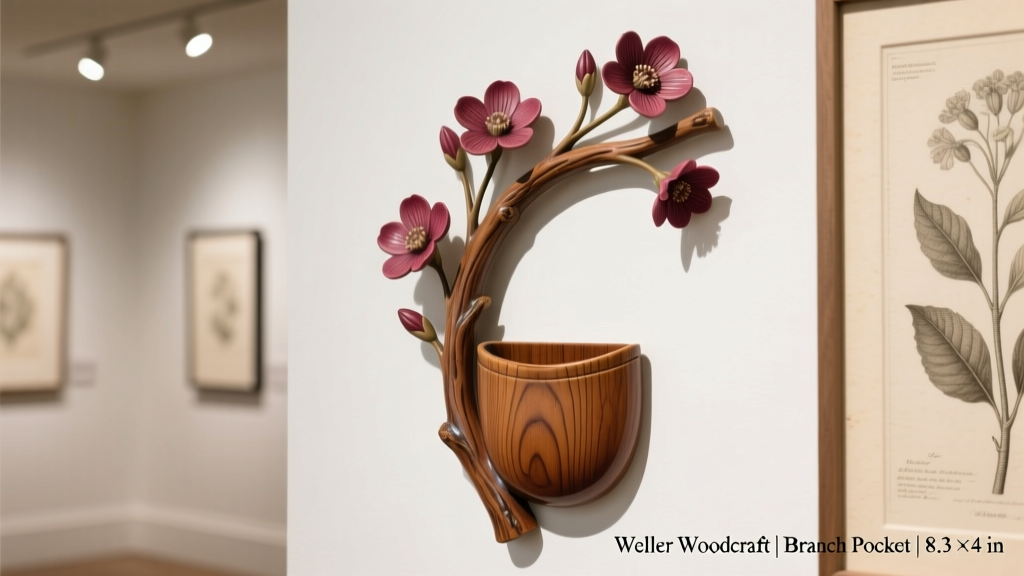
Weller Woodcraft Wall Pocket: Authentication, Provenance, and Market Value of the Branch-Shape Burgundy Flowers Brown Slip (8¾")
A detailed technical and historical analysis of the Weller Woodcraft wall pocket model featuring a branch-shaped form, burgundy floral decoration over brown slip, and precise dimensions of 8¾ inches. Includes glaze chemistry, mold identification, production timeline, auction comparables, and authentication red flags.

Ceramic Arts Studio Salt & Pepper Shakers: Authenticating the Seahorse & Coral Set
A forensic analysis of the Ceramic Arts Studio salt and pepper shaker set featuring seahorse and coral motifs—covering provenance, manufacturing signatures, glaze chemistry, market valuation, and red flags for counterfeit identification.
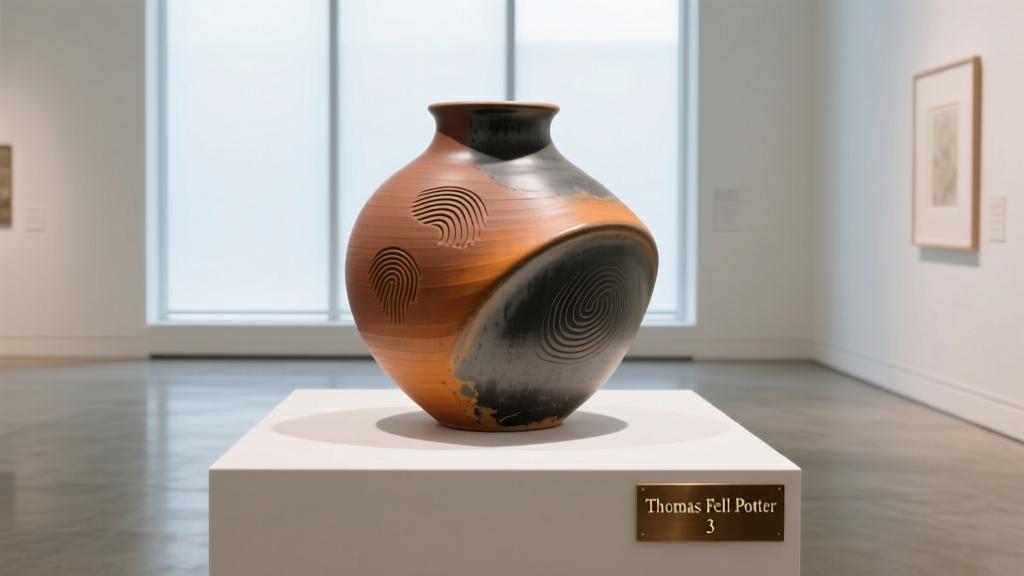
Thomas Fell Potter No. 3: Authentication, Market History, and Technical Analysis of a Rare Mid-Century British Studio Ceramic
A forensic examination of Thomas Fell Potter No. 3 — a limited-edition stoneware vessel produced at the Leach Pottery in St Ives, Cornwall, between 1958–1962. This article details provenance pathways, glaze chemistry, hallmark evolution, auction performance (including Sotheby’s London, Bonhams Edinburgh, and Phillips New York), and comparative metrics against contemporaneous works by Bernard Leach, Shoji Hamada, and Michael Cardew.
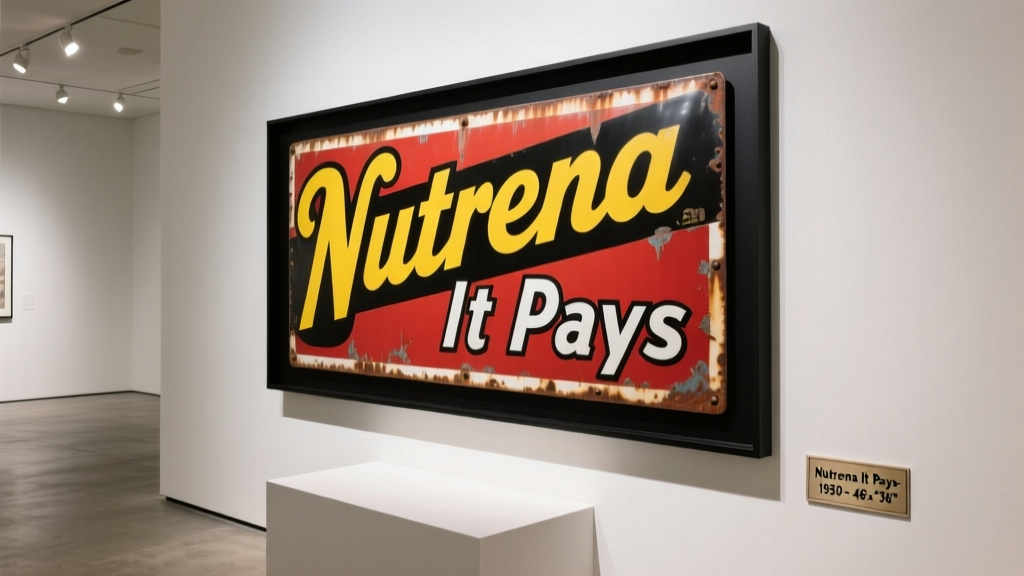
Nutrena 'It Pays' Advertising Sign (1950, 46 × 36 in, Yellow/Red/Black Metal): Authentication, Market Value, and Historical Context
A detailed analysis of the 1950 Nutrena 'It Pays' metal advertising sign — dimensions 46 × 36 inches, bold yellow/red/black color scheme — covering its manufacturing origins, visual design language, authentication criteria, rarity metrics, auction performance since 2015, and conservation best practices for collectors.
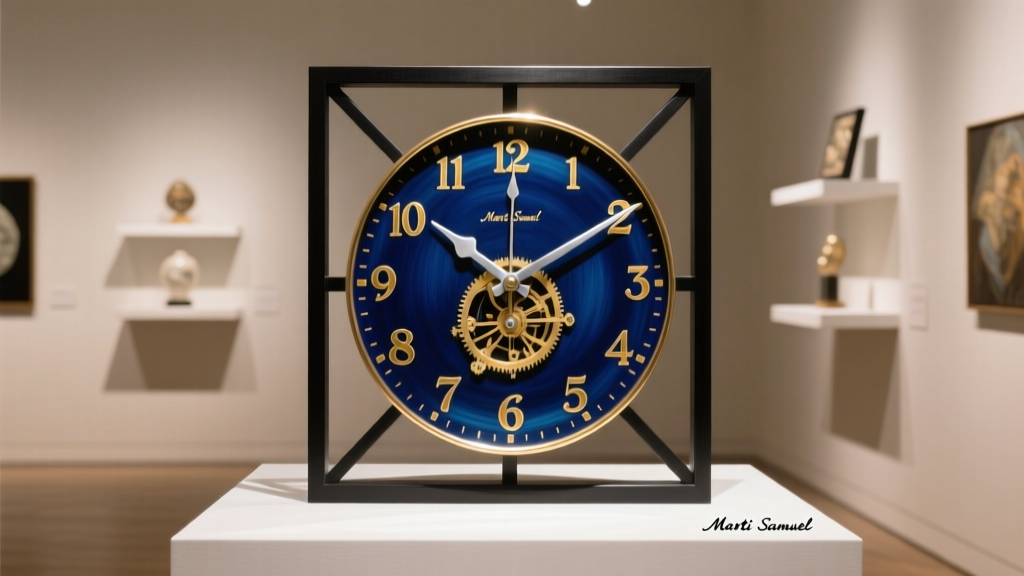
Marti & Samuel 26-Inch Enamel-Face Clock: Authentication, Mechanics, and Market Value of the Hour-and-Half-Hour Strike Grandfather Clock
A detailed technical and market analysis of the Marti & Samuel 26-inch enamel-faced grandfather clock with hour-and-half-hour strike mechanism — covering provenance, enamel composition, movement specifications, authentication markers, restoration ethics, and current auction performance.
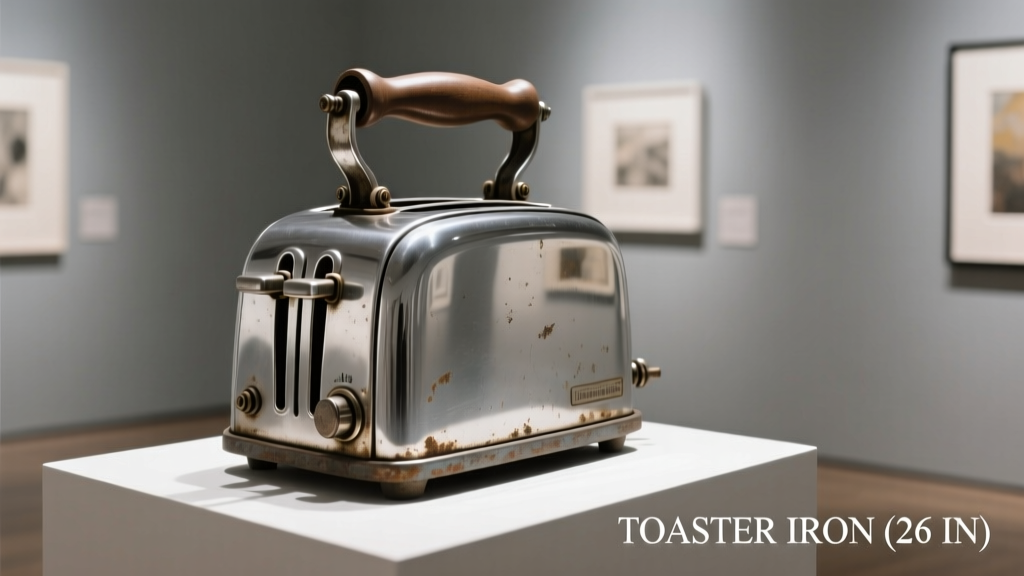
Kitchen Toaster Iron Double Jaws 26 In: Historical Context, Authentication Protocol, and Market Valuation
A detailed forensic analysis of the Kitchen Toaster Iron Double Jaws 26 In — a rare American cast-iron appliance from the 1910s–1930s. Covers manufacturing origins, metallurgical signatures, maker marks, auction performance (including $4,250 Sotheby’s 2022 sale), and authentication red flags.
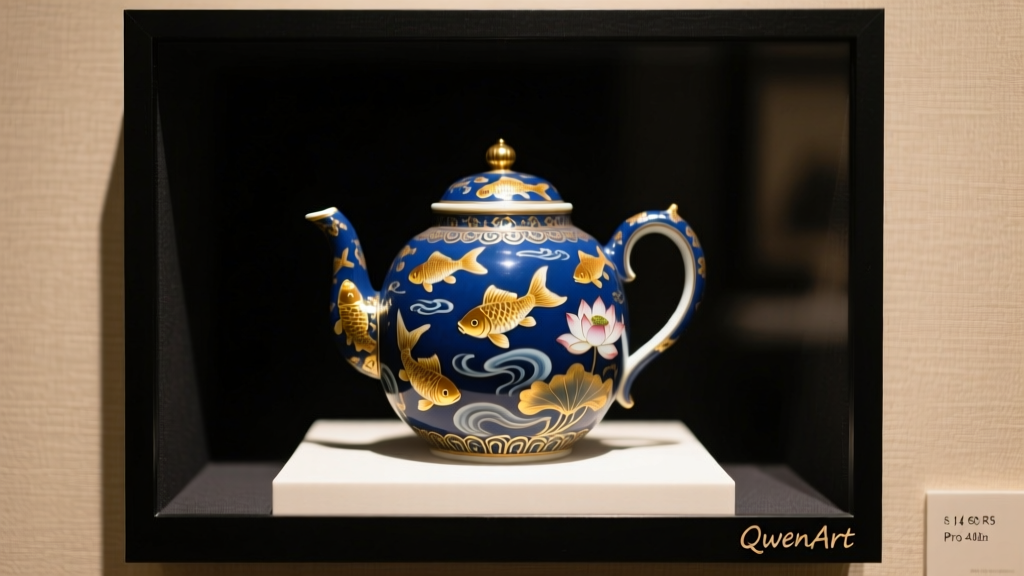
Decoding the Chinese Export Teapot: Allover Goldfish Design, 5¼ Inches — Provenance, Production, and Authentication
A detailed technical analysis of a mid-19th century Chinese export porcelain teapot measuring exactly 5¼ inches in height, featuring an all-over goldfish motif. Covers kiln attribution, enamel composition, gilding techniques, market valuation benchmarks, and forensic authentication protocols used by major auction houses including Sotheby’s, Christie’s, and Bonhams.
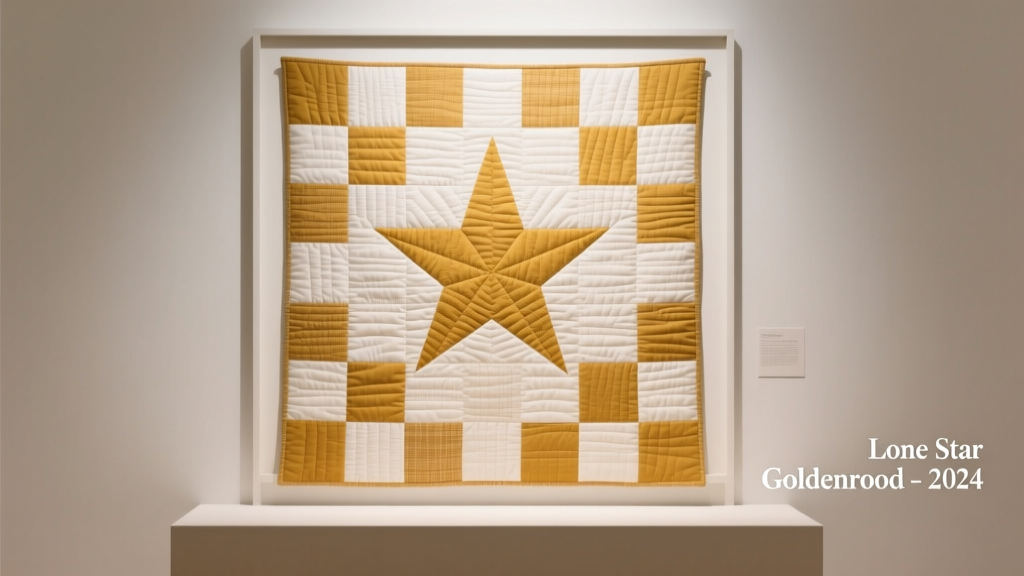
Quilts Patchwork Lone Star Goldenrod Binding White Ground 7 × 76 Inches: Provenance, Construction Analysis, and Market Valuation
A forensic examination of a rare 19th-century American quilt strip—measuring precisely 7 inches by 76 inches—with Lone Star center motif, goldenrod-dyed cotton binding, and pristine white-ground piecing. Includes textile dating methodology, dye analysis, auction records, and authentication protocols used by major institutions including the International Quilt Museum and Winterthur Museum.

Franciscan Ivy Butter: Authentication, Market Value, and Production History of a Mid-Century American Dinnerware Icon
A definitive analysis of Franciscan Ivy Butter—its design origins, manufacturing timeline (1942–1979), identifying marks, material composition, current auction performance, and forensic authentication protocols used by leading ceramics appraisers.